Waiting to feel in the mood can stall your connection. Learn how to move from spontaneous desire to intentional intimacy with a 7-day spicy challenge.
Best quote from Keep a relationship spicy by not waiting for the spark
“
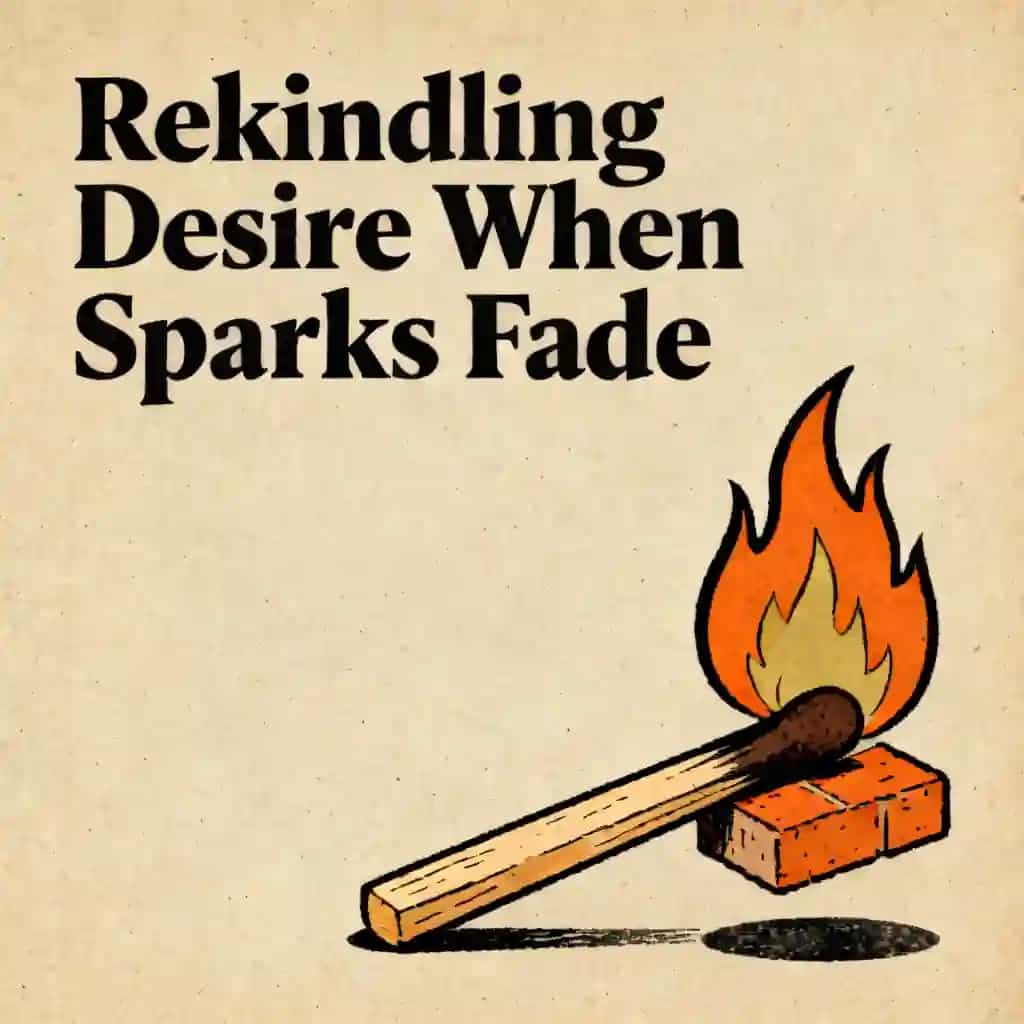
The biggest mistake we make is waiting to 'feel' desire before we act; in long-term relationships, it is about shifting from 'Am I in the mood?' to 'Am I willing?'
”
R
Generated by Rachel
Input question
Keep a relationship spicy
Host voices
Lena
Miles
Knowledge sources
Frequently Asked Questions
The script explains that many couples mistakenly wait to feel a spontaneous "spark" or "lightning bolt" of desire before initiating intimacy. Sex therapist Vanessa Marin suggests shifting from asking "Am I in the mood?" to "Am I willing?" In long-term commitments, desire often follows action rather than preceding it. By being willing to engage and start the process of connection, couples can reignite passion that doesn't necessarily strike on its own during a busy daily routine.
Self-expansion is the fundamental human drive to grow, gain new perspectives, and increase personal skills. In a new relationship, passion is high because your partner is a "giant, untapped reservoir" of new experiences, effectively expanding your world. However, when you feel you know everything about your partner, this expansion slows down, leading to "roommate syndrome." To bring passion back, couples must engage in "growth dates"—novel or challenging activities that push the boundaries of their individual identities and allow them to see each other in a new, evolving light.
A standard date night, like dinner and a movie, often functions as a "maintenance date" where couples discuss routine logistics like bills or schedules. In contrast, a growth date involves novel, exciting, or slightly challenging activities—such as a dance class, traveling to a new place, or learning a skill together. These activities trigger a "misattribution of arousal," where the excitement and racing heart caused by the challenge are attributed to the partner, increasing attraction and breaking the boredom of routine.
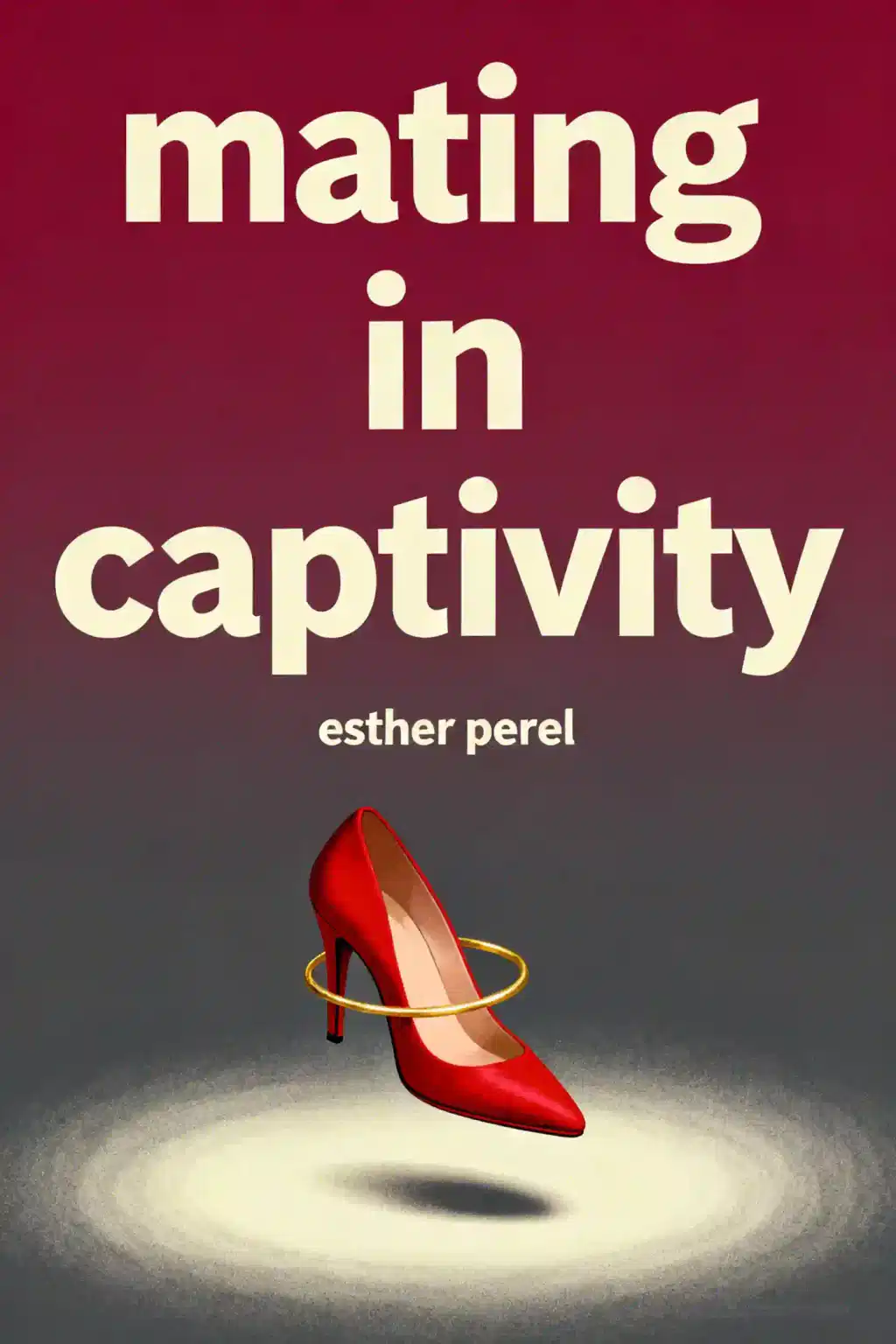
According to the work of Esther Perel cited in the script, too much closeness or "merging" can actually dampen desire because there is no "gap" for interest to cross. Maintaining individual hobbies, friendships, and a sense of "healthy selfishness" creates a necessary distance. When you see your partner as a distinct, competent individual succeeding at something outside of the relationship, it fosters "erotic intelligence" and curiosity, making them a person of interest rather than just an extension of your daily routine.
The script suggests several small, science-backed habits to strengthen a relationship's foundation. These include the "six-second kiss," which is long enough to release oxytocin and create a physical click of connection, and the "10-minute emotional check-in" using specific questions like "What do you need from me right now?" Additionally, practicing "softened startups" by using "I" statements instead of "You" statements helps prevent defensiveness and keeps communication collaborative rather than transactional.
From Columbia University alumni | built in San Francisco
BeFreed Brings Together A Global Community Of Curious Minds
4.7
avg rating
7.84k+ App Rating
BeFreed Community
Seriously I haven’t even explored this app fully yet but from using it the last few days I am so impressed... BeFreed is on a different level from any other learning app I have used. This makes it ultra engaging and can actually improve your concentration which is great for all the doom scrollers!
@ladyInfinity
I bought BeFreed exactly 23 days ago, and I have used it every single day since. It has completely embedded itself into my daily workflow and learning habit.
@jayallen
The truth is, the app has exceeded all my expectations. I can ask it to generate audio on any topic, whatever it may be, and the result is impressive. My professional field is a specialization in psychotherapy and it is multidisciplinary; however, the answers are very accurate.
@Raguipa
What I appreciate most is how much it's reduced my scrolling – I'm spending less time searching and more time absorbing information. The combination of full audiobooks, podcasts, the learning plans are brilliant.
@colonyofcreatorsNGO
I have been a PhotoReading Accelerated Learning Instructor for the past 24 years... books and reading and learning are my thing, and BeFreed has done a great job in providing an innovative approach to disseminating and delivering information in an easy to consume way.
@BeFreed user
It is not just a book summary app, I have used the 'fun reading' option and it's a much better summary and way to grasp ideas the traditional way, that alone is worth this deal.
@austinakon
I love this app. Used it for several days and I cannot stop listening. Such a great way to start.
@jcrules328
I really like the program; I have already tested it for around one month, and I feel that it's an amazing gem. It works so well because I can use BeFreed to create my own topics, and the voice is so good with unlimited choice of narrations.
@DanielCZ
Seriously I haven’t even explored this app fully yet but from using it the last few days I am so impressed... BeFreed is on a different level from any other learning app I have used. This makes it ultra engaging and can actually improve your concentration which is great for all the doom scrollers!
@ladyInfinity
I bought BeFreed exactly 23 days ago, and I have used it every single day since. It has completely embedded itself into my daily workflow and learning habit.
@jayallen
The truth is, the app has exceeded all my expectations. I can ask it to generate audio on any topic, whatever it may be, and the result is impressive. My professional field is a specialization in psychotherapy and it is multidisciplinary; however, the answers are very accurate.
@Raguipa
What I appreciate most is how much it's reduced my scrolling – I'm spending less time searching and more time absorbing information. The combination of full audiobooks, podcasts, the learning plans are brilliant.
@colonyofcreatorsNGO
I have been a PhotoReading Accelerated Learning Instructor for the past 24 years... books and reading and learning are my thing, and BeFreed has done a great job in providing an innovative approach to disseminating and delivering information in an easy to consume way.
@BeFreed user
It is not just a book summary app, I have used the 'fun reading' option and it's a much better summary and way to grasp ideas the traditional way, that alone is worth this deal.
@austinakon
I love this app. Used it for several days and I cannot stop listening. Such a great way to start.
@jcrules328
I really like the program; I have already tested it for around one month, and I feel that it's an amazing gem. It works so well because I can use BeFreed to create my own topics, and the voice is so good with unlimited choice of narrations.
@DanielCZ
I love the fact that I can get useful, condensed, information and ideas in a 8 - 15 minute podcast style audio. I'm not a general fan of podcasts because of all the fluff, but this cuts through all that.
@BeFreed user
I am finishing up my doctorate, and have to read a lot of unfamiliar material... With BeFreed, you simply enter a prompt, and the app finds source material for you and generates an audio podcast. I find the process in BeFreed to be more streamlined than NotebookLM.
@Brad
I often search YouTube for something to listen to whilst making breakfast, when I'm out walking, commuting, etc, and BeFreed has provided an even more targeted approach, without the adverts and the fluff!
@BeFreed user
The absolute best part about this platform is its versatility. There is literally no subject that is off-topic. It handles whatever you throw at it... It is rare to find an learning tool with zero limitations that actually delivers on its promises.
@jayallen
BeFreed is fantastic. The user-friendly design means I spend less time navigating and more time learning. The mix of audiobooks, podcasts, and learning plans is a genius combo that has completely changed my daily routine.
@BeFreed user
At the start I needed a while to understand how to create podcasts in italian language and boom! It is so great! I can ask to explain every argument and it does so well and so smartly!
@matteo77
BeFreed has become my daily app for audio books tools... What I like the most is the way you put your text and come with an audio that you can listen on the go.
@kotanzu1
I love the fact that I can get useful, condensed, information and ideas in a 8 - 15 minute podcast style audio. I'm not a general fan of podcasts because of all the fluff, but this cuts through all that.
@BeFreed user
I am finishing up my doctorate, and have to read a lot of unfamiliar material... With BeFreed, you simply enter a prompt, and the app finds source material for you and generates an audio podcast. I find the process in BeFreed to be more streamlined than NotebookLM.
@Brad
I often search YouTube for something to listen to whilst making breakfast, when I'm out walking, commuting, etc, and BeFreed has provided an even more targeted approach, without the adverts and the fluff!
@BeFreed user
The absolute best part about this platform is its versatility. There is literally no subject that is off-topic. It handles whatever you throw at it... It is rare to find an learning tool with zero limitations that actually delivers on its promises.
@jayallen
BeFreed is fantastic. The user-friendly design means I spend less time navigating and more time learning. The mix of audiobooks, podcasts, and learning plans is a genius combo that has completely changed my daily routine.
@BeFreed user
At the start I needed a while to understand how to create podcasts in italian language and boom! It is so great! I can ask to explain every argument and it does so well and so smartly!
@matteo77
BeFreed has become my daily app for audio books tools... What I like the most is the way you put your text and come with an audio that you can listen on the go.
Discover practical techniques for creating and maintaining sexual tension in long-term relationships, from the psychology behind desire to everyday strategies that build anticipation and connection.
Waiting to feel 'in the mood' can create unnecessary shame. Learn how responsive desire works and why rethinking your connection leads to more vitality.
When comfort turns into boredom, attraction often fades. Discover how self-expansion and responsive desire can rewrite your biological script for passion.
Waiting for chemistry to strike isn't enough. Learn how to shift your mindset and use simple lifestyle changes to reignite intimacy and feel sexy again.
Discover research-backed strategies to revive attraction in long-term marriages. Learn how emotional connection, curiosity, and intentional practices can transform relationship flatness into renewed passion.
When the initial spark fades, intimacy often feels like a chore. Learn how to bridge the gap between daily stress and desire to reclaim your connection.