Jungian archetypes and finding your purpose at work
Struggling with a career that feels hollow? Explore how Jungian archetypes and the 'unlived life' can turn professional success into true satisfaction.

Best quote from Jungian archetypes and finding your purpose at work
The shadow isn't our failures; it’s actually the totality of our unlived life. When we align our career with our dominant archetype, work stops feeling like effort and starts feeling like expression.

This audio lesson was created by a BeFreed community member
Jung in business and purpose. Look at jungian thought on a man’s business life. How he should conduct himself. How he finds his purpose in work and what is the purpose of work. What brings true satisfaction in work and pleasure and persutis of man?

Frequently Asked Questions
The Professional Persona is the functional "mask" or bridge we build between our inner selves and the social world, often manifesting as the competent expert or reliable leader. While Jungian theory suggests this persona is a necessity for navigating society, it becomes problematic when we mistake the mask for our true identity. When a person’s title or career becomes their entire sense of self, they risk experiencing an existential void if that role is removed, leading to a "one-sided" life where the totality of their unlived potential is suppressed.
Archetypes are universal patterns of energy or "operating systems" that dictate how we find meaning. When your dominant archetype aligns with your job—such as a "Ruler" who thrives on creating order—work feels like a natural expression of self. However, a mismatch, like an "Explorer" trapped in a rigid routine, creates a feeling of "shoes that don't fit." Aligning your career with your archetype shifts work from an exhausting uphill struggle into a state of "archetypal flow" where effort becomes its own reward.
Shadow archetypes represent the parts of ourselves we have suppressed or ignored in the pursuit of success. Common examples include the "Suppressed Creative," who traded passion for security and now feels contempt for their work, or the "Approval-Seeking Leader," who lacks an inner compass because they are constantly scanning for external validation. These shadows don't disappear; they accumulate energy in the dark and can manifest as irritability, resentment, or self-sabotage until they are consciously acknowledged and integrated.
The "Nightly Report" refers to our dreams, which Jung viewed as a compensatory function of the psyche. If your conscious professional life is too one-sided—for example, if you act with 100% confidence all day—your dreams may present images of vulnerability or chaos to balance the scales. Paying attention to these recurring symbols, such as finding "hidden rooms" in a building, can reveal forgotten talents or unexplored paths, serving as a direct invitation from the unconscious to look beyond your current career floor plan.
The "Generational Shadow" suggests that children often unconsciously carry the frustrated ambitions or suppressed archetypes of their parents. A professional might realize they didn't choose their path based on authentic interest, but rather to fulfill a father’s failed dream or a family’s need for security. Recognizing this "borrowed existence" is a key step in the process of individuation, allowing a person to move from inherited values to self-authorship and finally choose a career path that is genuinely their own.
Discover more

Craft Your Life Purpose
This plan is essential for professionals and individuals feeling unfulfilled or stuck in the search for a predefined calling. It provides a practical framework to build meaning through action rather than waiting for inspiration to strike.

Understand Carl Jung's Psychology
Carl Jung's analytical psychology offers profound insights into human consciousness, personal development, and the hidden forces that shape our lives. This learning plan is ideal for therapists, coaches, writers, spiritual seekers, and anyone interested in deep self-understanding, as Jung's frameworks provide practical tools for psychological integration and creative exploration of the human experience.

Discover inner self
This plan is essential for individuals feeling disconnected from their purpose or overwhelmed by external expectations. It provides a structured journey for anyone seeking to align their daily actions with their deepest psychological strengths and authentic values.
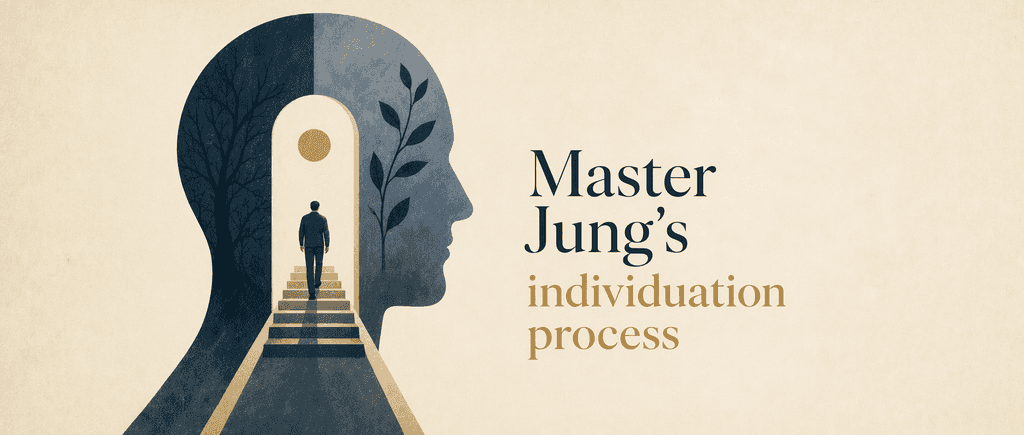
Master Jung's individuation process
This learning plan is essential for individuals seeking deep self-awareness and psychological maturity beyond surface-level self-help. It is ideal for those ready to confront their hidden complexities and build a more authentic, integrated life using proven Jungian techniques.

Find life purpose and post-college career
This plan is essential for graduating students and recent alumni struggling to bridge the gap between academic life and a fulfilling career. It provides a structured roadmap to transform self-discovery into a high-impact professional trajectory.

Find Your Internal Compass
This plan is designed for professionals and individuals facing pivotal transitions who feel disconnected from their core purpose. By merging psychological self-discovery with practical communication tools, it helps leaders and creators lead with authentic authority.

Jungian Occultism & Hallow Creation
This path bridges the gap between analytical psychology and esoteric tradition for seekers of deep self-mastery. It is ideal for those looking to combine Jungian shadow work with practical occult philosophy to achieve spiritual individuation.

The Evolutionary Coach: Jungian Depth and Gene Keys
This plan bridges the gap between depth psychology and modern spiritual systems, offering a unique framework for coaches seeking deeper client breakthroughs. It is ideal for practitioners who want to master shadow work and the mythic journey of self-realization.
From Columbia University alumni built in San Francisco
"Instead of endless scrolling, I just hit play on BeFreed. It saves me so much time."


"I never knew where to start with nonfiction—BeFreed’s book lists turned into podcasts gave me a clear path."


"Perfect balance between learning and entertainment. Finished ‘Thinking, Fast and Slow’ on my commute this week."
"Crazy how much I learned while walking the dog. BeFreed = small habits → big gains."
"Reading used to feel like a chore. Now it’s just part of my lifestyle."

"Feels effortless compared to reading. I’ve finished 6 books this month already."
"BeFreed turned my guilty doomscrolling into something that feels productive and inspiring."

"BeFreed turned my commute into learning time. 20-min podcasts are perfect for finishing books I never had time for."
"BeFreed replaced my podcast queue. Imagine Spotify for books — that’s it. 🙌"

"It is great for me to learn something from the book without reading it."
"The themed book list podcasts help me connect ideas across authors—like a guided audio journey."
"Makes me feel smarter every time before going to work"
From Columbia University alumni built in San Francisco
"Instead of endless scrolling, I just hit play on BeFreed. It saves me so much time."
"I never knew where to start with nonfiction—BeFreed’s book lists turned into podcasts gave me a clear path."
"Perfect balance between learning and entertainment. Finished ‘Thinking, Fast and Slow’ on my commute this week."
"Crazy how much I learned while walking the dog. BeFreed = small habits → big gains."
"Reading used to feel like a chore. Now it’s just part of my lifestyle."
"Feels effortless compared to reading. I’ve finished 6 books this month already."
"BeFreed turned my guilty doomscrolling into something that feels productive and inspiring."
"BeFreed turned my commute into learning time. 20-min podcasts are perfect for finishing books I never had time for."
"BeFreed replaced my podcast queue. Imagine Spotify for books — that’s it. 🙌"
"It is great for me to learn something from the book without reading it."
"The themed book list podcasts help me connect ideas across authors—like a guided audio journey."
"Makes me feel smarter every time before going to work"
"Instead of endless scrolling, I just hit play on BeFreed. It saves me so much time."
"I never knew where to start with nonfiction—BeFreed’s book lists turned into podcasts gave me a clear path."
"Perfect balance between learning and entertainment. Finished ‘Thinking, Fast and Slow’ on my commute this week."
"Crazy how much I learned while walking the dog. BeFreed = small habits → big gains."
"Reading used to feel like a chore. Now it’s just part of my lifestyle."
"Feels effortless compared to reading. I’ve finished 6 books this month already."
"BeFreed turned my guilty doomscrolling into something that feels productive and inspiring."
"BeFreed turned my commute into learning time. 20-min podcasts are perfect for finishing books I never had time for."
"BeFreed replaced my podcast queue. Imagine Spotify for books — that’s it. 🙌"
"It is great for me to learn something from the book without reading it."
"The themed book list podcasts help me connect ideas across authors—like a guided audio journey."
"Makes me feel smarter every time before going to work"
"Instead of endless scrolling, I just hit play on BeFreed. It saves me so much time."
"I never knew where to start with nonfiction—BeFreed’s book lists turned into podcasts gave me a clear path."
"Perfect balance between learning and entertainment. Finished ‘Thinking, Fast and Slow’ on my commute this week."
"Crazy how much I learned while walking the dog. BeFreed = small habits → big gains."
"Reading used to feel like a chore. Now it’s just part of my lifestyle."
"Feels effortless compared to reading. I’ve finished 6 books this month already."
"BeFreed turned my guilty doomscrolling into something that feels productive and inspiring."
"BeFreed turned my commute into learning time. 20-min podcasts are perfect for finishing books I never had time for."
"BeFreed replaced my podcast queue. Imagine Spotify for books — that’s it. 🙌"
"It is great for me to learn something from the book without reading it."
"The themed book list podcasts help me connect ideas across authors—like a guided audio journey."
"Makes me feel smarter every time before going to work"