Understand Carl Jung's Psychology: A Beginner's Guide
Carl Jung's analytical psychology is a therapeutic framework focused on integrating the conscious and unconscious mind. By exploring concepts like archetypes, the shadow, and dream symbols, individuals embark on a lifelong process called individuation to achieve psychological wholeness and self-realization.
A comprehensive learning plan exploring Carl Jung's analytical psychology, including archetypes, dream analysis, personality types, and the path to individuation.
What is Carl Jung's analytical psychology?
Analytical psychology is Carl Jung's unique framework for understanding the human psyche. Diverging from other early psychoanalytic schools, Jung emphasized the profound integration of both conscious and unconscious elements. He introduced foundational concepts such as the collective unconscious, proposing that beneath our personal memories lies a deeper, shared layer of universal human experience.
This learning plan guides you through these revolutionary ideas, utilizing foundational texts like The Essential Jung. It provides the theoretical groundwork needed for therapists, coaches, and spiritual seekers looking to explore the hidden forces that shape human behavior and understand the structural anatomy of the mind.
What is the Carl Jung theory of personality?
Jung revolutionized modern psychology by introducing psychological types, including the widely recognized concepts of introversion and extraversion. His theory suggests that individuals process the world through distinct cognitive functions, which ultimately shape their daily behavior, interpersonal relationships, and overall worldview.
Beyond basic typing, understanding your personality through a Jungian lens involves recognizing the shadow self, which consists of the repressed or denied aspects of your character. By studying resources included in this plan, such as Psychological Types and Meeting the Shadow, learners can identify these unconscious patterns and begin the vital work of psychological integration.
How do you interpret dreams using Jungian psychology?
In Jungian analysis, dreams are not random neurological firings but meaningful communications from the unconscious mind. Jung believed that the psyche speaks through a dynamic language of symbols, metaphors, and archetypal images that carry profound personal and collective significance for the dreamer.
This learning plan explores resources such as Man and His Symbols to help you decode these sleeping symbols. By mastering Jung's approach to dream analysis, you can uncover hidden psychological messages, fostering deeper self-understanding and facilitating creative exploration of your inner life.
What is individuation in Jungian psychology?
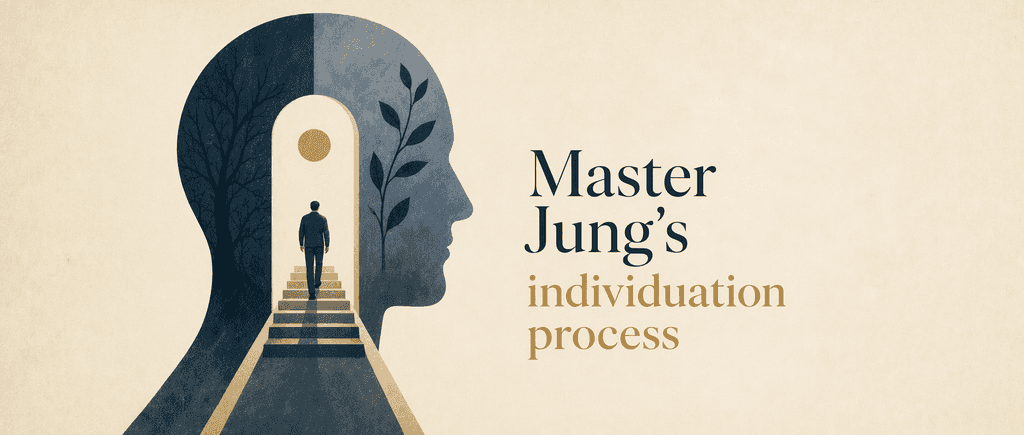
Individuation is the ultimate goal of Jung's psychological framework. It is the lifelong, transformative process of integrating all disparate aspects of the psyche, including the conscious persona, the hidden shadow, and unconscious archetypes, to become a whole, authentic individual.
Achieving psychological wholeness requires navigating complex life transitions, often referred to as the middle passage. Through guided self-analysis and the application of Jung's principles, this learning plan equips you with practical tools for self-realization, helping you find authentic meaning beyond societal expectations.
A guided path through the learning plan
The curriculum below connects the plan’s public sections and source material into a structured sequence for further learning.
- 01
Foundations of the Jungian Mind
Learners explore the structure of the human psyche, universal archetypes, and the hidden aspects of the shadow self.
- 02
Decoding Dreams and Symbolic Language
This phase investigates analytical techniques for interpreting the metaphors and images the unconscious uses to communicate.
- 03
The Process of Jungian Individuation
The final module covers the lifelong journey of integrating diverse psychological elements to reveal an authentic identity.
This guide reflects the public Learning Plan overview, sections, and listed sources. It is educational material, not a substitute for advice tailored to your circumstances.