Stray cats in Istanbul aren't just pets—they're the city's soul. Discover the history and legends behind these community-owned feline ambassadors.
Best quote from Istanbul's Street Cats and the Legend of Catstanbul
“
In Istanbul, a cat belongs to everyone and no one at the same time; they are unofficial citizens who hold the key to the city’s soul.
”
Е
Generated by Евгений Троцковец
Input question
The host welcomes listeners to the Real English channel. A lighthearted podcast about the cat phenomenon in Istanbul and about the famous cats of Istanbul and the story behind them.
Host voices
Lena
Eli
Knowledge sources
Frequently Asked Questions
The large cat population is rooted in the city's history as a maritime hub and its former architectural style. During the Ottoman era, most houses were built of wood, which attracted mice and rats; cats served as a "private security firm" to protect food supplies and paper documents in libraries. Additionally, Istanbul's status as a major port meant that "sailor cats" frequently disembarked from international ships to hunt rodents and stayed to mix with the local feline population.
A mancacı was a professional "cat sitter" or food seller in the Ottoman era. Residents who wanted to care for neighborhood strays could purchase portions of food from these professionals to distribute to the animals. This tradition highlights that caring for street cats has been a respected, community-wide collaboration for centuries rather than just a modern hobby.
In Islamic tradition, cats are considered ritually clean (halal) and are admired for their cleanliness. They are allowed to enter homes and mosques, and lore suggests that water a cat has drunk from remains pure for ritual washing. A famous story about the Prophet Muhammad involves him cutting the sleeve off his robe rather than disturbing his sleeping cat, Muezza, which has fostered a long-standing culture of mercy and protection toward felines.
Turkey follows a "trap-neuter-return" (TNR) strategy to humanely manage the population, with the government sterilizing tens of thousands of cats annually. Under the Animal Welfare Act of 2004 and subsequent updates, it is illegal to kill stray animals, and mistreatment can lead to jail time. Municipalities provide free veterinary services, and the city has installed numerous "cat houses" to provide shelter during the winter.
Gli and Tombili are two of Istanbul's most famous feline "citizens" who became symbols of the city's bond with cats. Gli was a resident of the Hagia Sophia for sixteen years, gaining international fame and even meeting world leaders like Barack Obama. Tombili became a global internet meme for her relaxed reclining pose on a sidewalk in Kadıköy; after her death, the local community honored her with a bronze statue in that exact spot to serve as a permanent neighborhood landmark.
From Columbia University alumni | built in San Francisco
BeFreed Brings Together A Global Community Of Curious Minds
4.7
avg rating
7.84k+ App Rating
BeFreed Community
Seriously I haven’t even explored this app fully yet but from using it the last few days I am so impressed... BeFreed is on a different level from any other learning app I have used. This makes it ultra engaging and can actually improve your concentration which is great for all the doom scrollers!
@ladyInfinity
I bought BeFreed exactly 23 days ago, and I have used it every single day since. It has completely embedded itself into my daily workflow and learning habit.
@jayallen
The truth is, the app has exceeded all my expectations. I can ask it to generate audio on any topic, whatever it may be, and the result is impressive. My professional field is a specialization in psychotherapy and it is multidisciplinary; however, the answers are very accurate.
@Raguipa
What I appreciate most is how much it's reduced my scrolling – I'm spending less time searching and more time absorbing information. The combination of full audiobooks, podcasts, the learning plans are brilliant.
@colonyofcreatorsNGO
I have been a PhotoReading Accelerated Learning Instructor for the past 24 years... books and reading and learning are my thing, and BeFreed has done a great job in providing an innovative approach to disseminating and delivering information in an easy to consume way.
@BeFreed user
It is not just a book summary app, I have used the 'fun reading' option and it's a much better summary and way to grasp ideas the traditional way, that alone is worth this deal.
@austinakon
I love this app. Used it for several days and I cannot stop listening. Such a great way to start.
@jcrules328
I really like the program; I have already tested it for around one month, and I feel that it's an amazing gem. It works so well because I can use BeFreed to create my own topics, and the voice is so good with unlimited choice of narrations.
@DanielCZ
Seriously I haven’t even explored this app fully yet but from using it the last few days I am so impressed... BeFreed is on a different level from any other learning app I have used. This makes it ultra engaging and can actually improve your concentration which is great for all the doom scrollers!
@ladyInfinity
I bought BeFreed exactly 23 days ago, and I have used it every single day since. It has completely embedded itself into my daily workflow and learning habit.
@jayallen
The truth is, the app has exceeded all my expectations. I can ask it to generate audio on any topic, whatever it may be, and the result is impressive. My professional field is a specialization in psychotherapy and it is multidisciplinary; however, the answers are very accurate.
@Raguipa
What I appreciate most is how much it's reduced my scrolling – I'm spending less time searching and more time absorbing information. The combination of full audiobooks, podcasts, the learning plans are brilliant.
@colonyofcreatorsNGO
I have been a PhotoReading Accelerated Learning Instructor for the past 24 years... books and reading and learning are my thing, and BeFreed has done a great job in providing an innovative approach to disseminating and delivering information in an easy to consume way.
@BeFreed user
It is not just a book summary app, I have used the 'fun reading' option and it's a much better summary and way to grasp ideas the traditional way, that alone is worth this deal.
@austinakon
I love this app. Used it for several days and I cannot stop listening. Such a great way to start.
@jcrules328
I really like the program; I have already tested it for around one month, and I feel that it's an amazing gem. It works so well because I can use BeFreed to create my own topics, and the voice is so good with unlimited choice of narrations.
@DanielCZ
I love the fact that I can get useful, condensed, information and ideas in a 8 - 15 minute podcast style audio. I'm not a general fan of podcasts because of all the fluff, but this cuts through all that.
@BeFreed user
I am finishing up my doctorate, and have to read a lot of unfamiliar material... With BeFreed, you simply enter a prompt, and the app finds source material for you and generates an audio podcast. I find the process in BeFreed to be more streamlined than NotebookLM.
@Brad
I often search YouTube for something to listen to whilst making breakfast, when I'm out walking, commuting, etc, and BeFreed has provided an even more targeted approach, without the adverts and the fluff!
@BeFreed user
The absolute best part about this platform is its versatility. There is literally no subject that is off-topic. It handles whatever you throw at it... It is rare to find an learning tool with zero limitations that actually delivers on its promises.
@jayallen
BeFreed is fantastic. The user-friendly design means I spend less time navigating and more time learning. The mix of audiobooks, podcasts, and learning plans is a genius combo that has completely changed my daily routine.
@BeFreed user
At the start I needed a while to understand how to create podcasts in italian language and boom! It is so great! I can ask to explain every argument and it does so well and so smartly!
@matteo77
BeFreed has become my daily app for audio books tools... What I like the most is the way you put your text and come with an audio that you can listen on the go.
@kotanzu1
I love the fact that I can get useful, condensed, information and ideas in a 8 - 15 minute podcast style audio. I'm not a general fan of podcasts because of all the fluff, but this cuts through all that.
@BeFreed user
I am finishing up my doctorate, and have to read a lot of unfamiliar material... With BeFreed, you simply enter a prompt, and the app finds source material for you and generates an audio podcast. I find the process in BeFreed to be more streamlined than NotebookLM.
@Brad
I often search YouTube for something to listen to whilst making breakfast, when I'm out walking, commuting, etc, and BeFreed has provided an even more targeted approach, without the adverts and the fluff!
@BeFreed user
The absolute best part about this platform is its versatility. There is literally no subject that is off-topic. It handles whatever you throw at it... It is rare to find an learning tool with zero limitations that actually delivers on its promises.
@jayallen
BeFreed is fantastic. The user-friendly design means I spend less time navigating and more time learning. The mix of audiobooks, podcasts, and learning plans is a genius combo that has completely changed my daily routine.
@BeFreed user
At the start I needed a while to understand how to create podcasts in italian language and boom! It is so great! I can ask to explain every argument and it does so well and so smartly!
@matteo77
BeFreed has become my daily app for audio books tools... What I like the most is the way you put your text and come with an audio that you can listen on the go.
Explore the dynamic transformation of Istanbul, from its high-tech luxury hubs and architectural shifts to the resilient spirit of a city bridging two continents amidst rapid change.
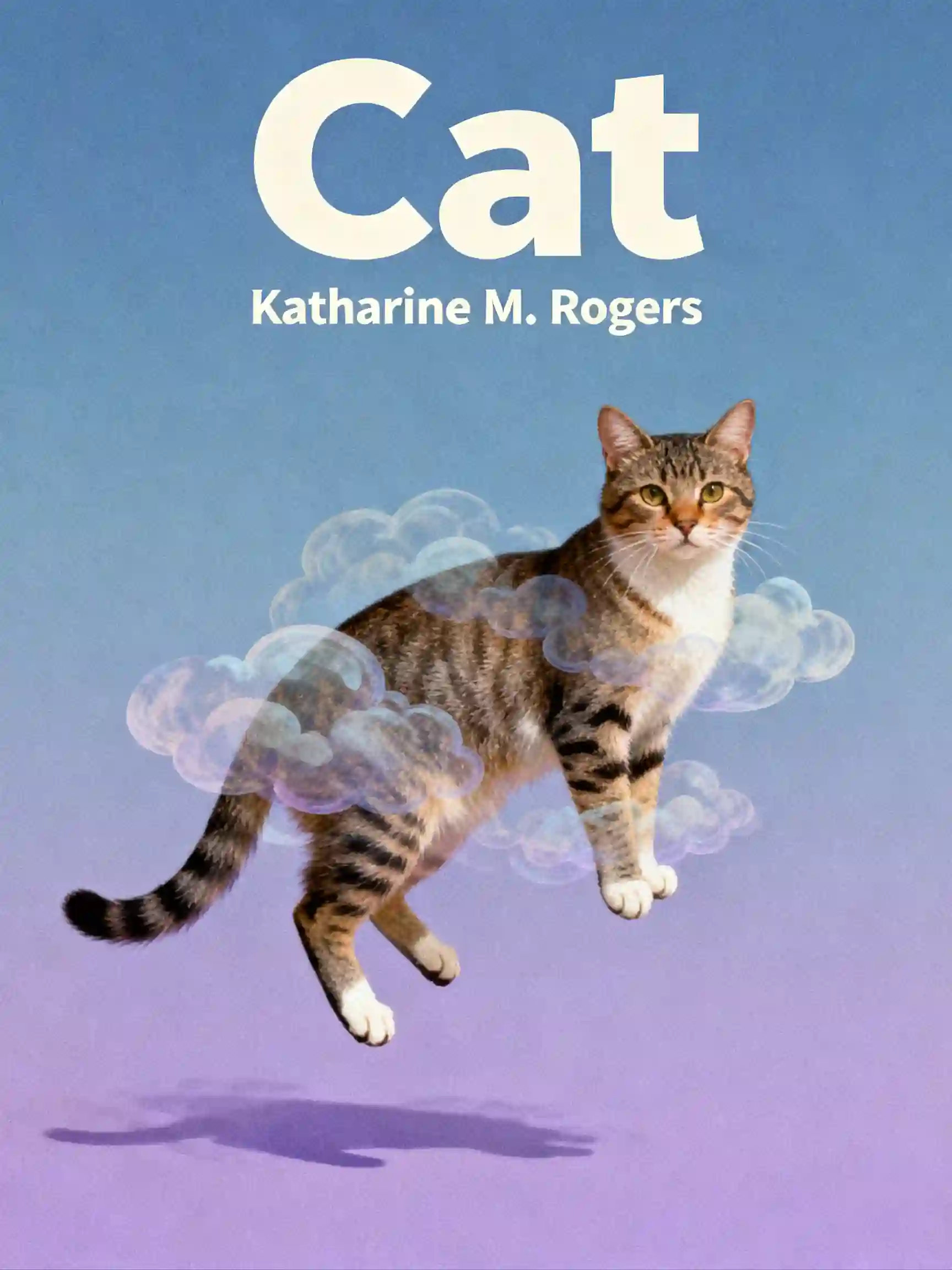
Discover why cats stare at empty corners, how their superior senses work, and the surprising history of our 10,000-year relationship with these sophisticated predators who only recently became indoor pets.