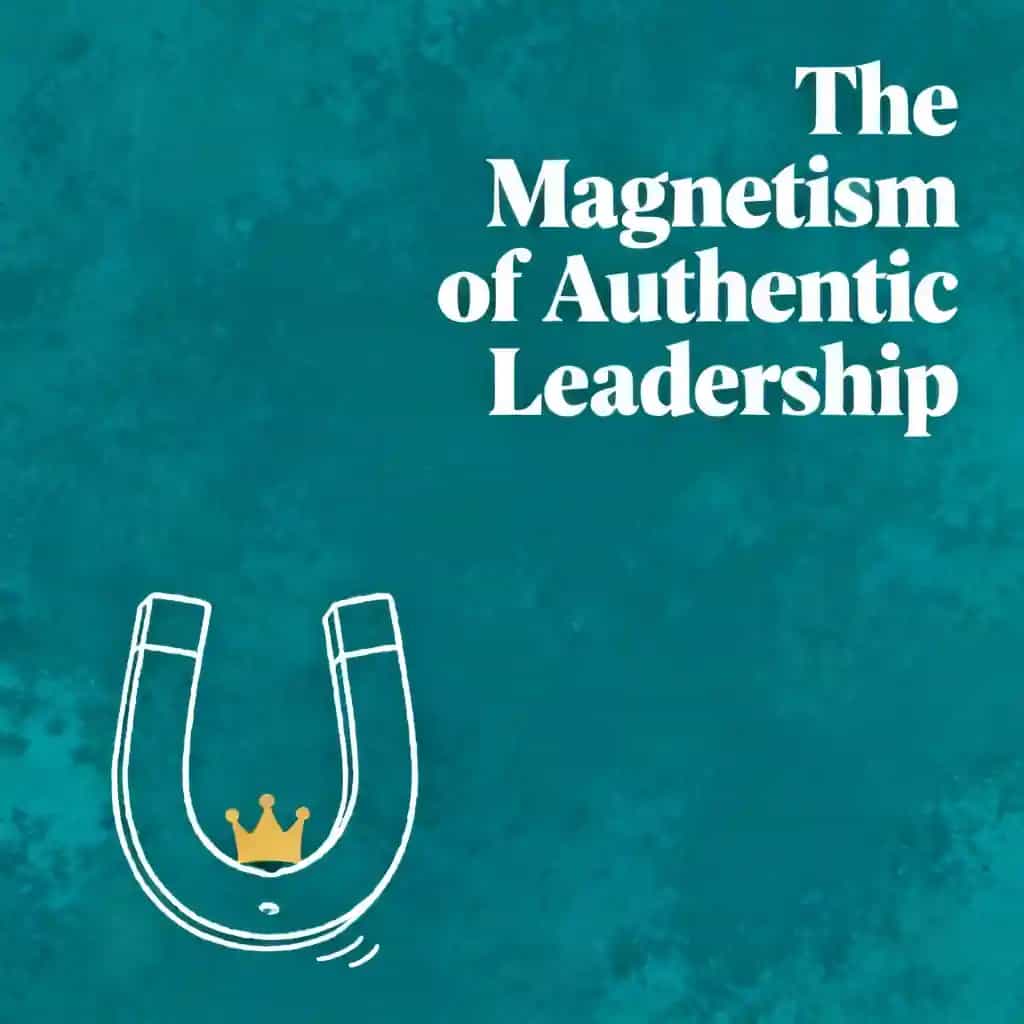
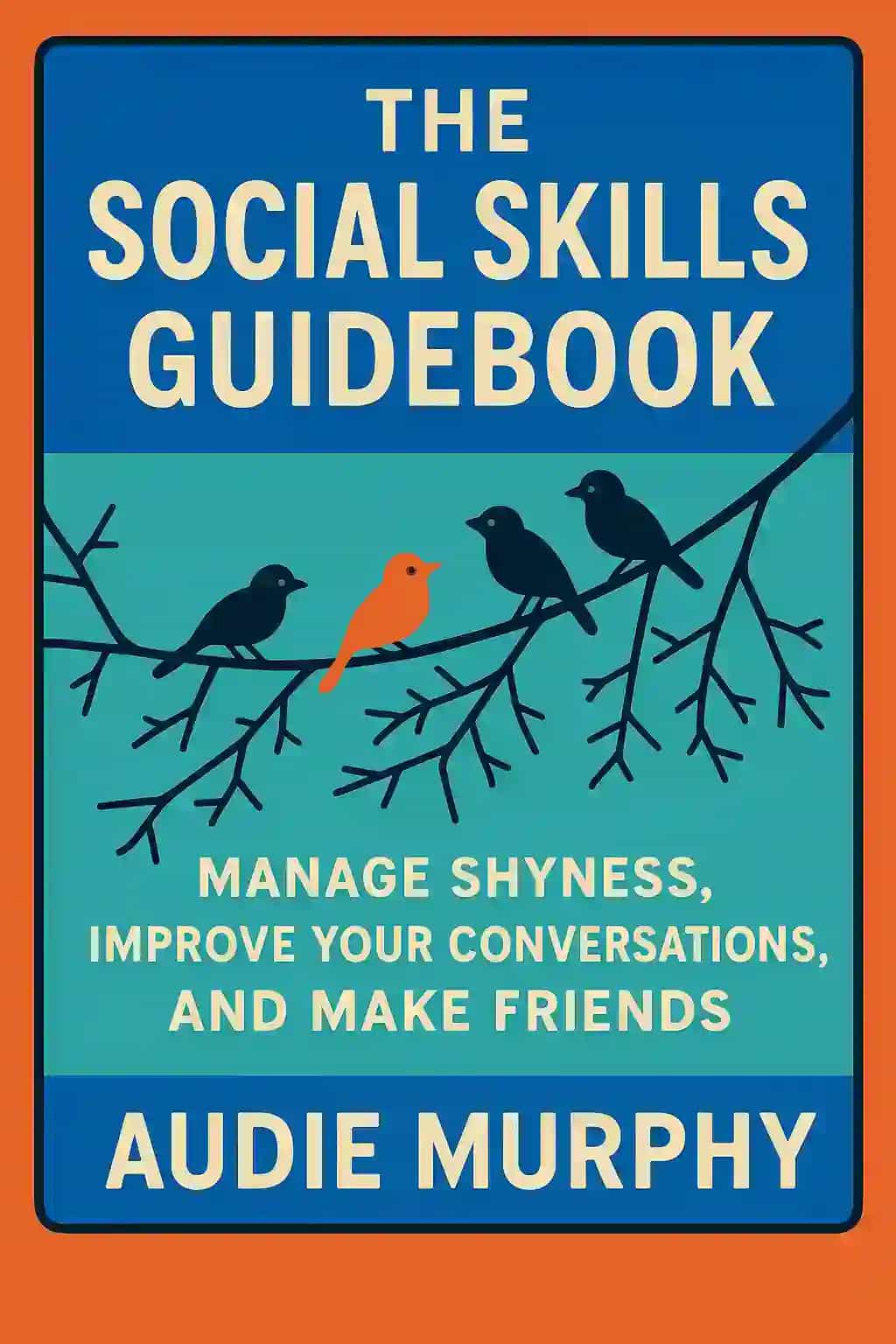
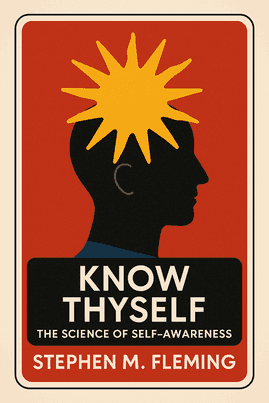
Inspiring leadership is a skill you can learn
Think you need charisma to lead? Research shows that doubling down on your natural strengths can inspire 90% of your team and drive real alignment.

Best quote from Inspiring leadership is a skill you can learn
Inspiration isn't about having a specific personality or a massive title; if a leader excels at just one authentic strength, they nearly double their chances of being inspiring.
Generated by Softspoken
Leadership that inspires.

Frequently Asked Questions
No, research from Bain & Company suggests that inspiration is a trainable skill rather than a gift for a lucky few. The data shows that if a leader excels at just one authentic strength, they nearly double their chances of being inspiring. If they master four strengths, they can inspire up to 90% of their colleagues. It is more about doubling down on natural strengths than having a specific "movie-star" charisma.
The "Four I’s" are a framework developed by Bernard Bass to move teams from simply doing tasks to being truly inspired. They include Idealized Influence (being a role model through actions), Inspirational Motivation (being a visionary who connects daily work to a bigger purpose), Intellectual Stimulation (being an innovator who encourages challenging the status quo), and Individualized Consideration (being a mentor who treats team members as unique individuals).
Transactional leadership is a "carrot and stick" approach based on exchanges, where rewards or corrections are swapped for performance. While it can keep a business running in stable environments, it often leads to "quiet quitting" or a lack of discretionary effort. In contrast, transformational leadership focuses on intrinsic motivation and is 2.2 times more effective at improving organizational performance, often reducing disengagement by nearly 70%.
When a leader shares a "failure narrative" or admits they don't have all the answers, it triggers a biological process called neural coupling, where the listener's brain activity mirrors the speaker's. This builds deep empathy and psychological safety. Organizations where leaders are vulnerable see a 67% jump in trust metrics because it removes the fear of making mistakes and encourages a "learn-it-all" culture rather than a "know-it-all" one.
Leaders can start with small, manageable shifts such as the "Mentorship Minute," which involves having a non-task-related conversation about a team member's aspirations. Other practical moves include the "Assumption Audit" to encourage innovation by questioning routine processes, or the "Purpose Pivot," where dry data is connected to human impact through storytelling. The key is to focus on one pillar at a time rather than trying to master everything at once.
From Columbia University alumni built in San Francisco
BeFreed Brings Together A Global Community Of Curious Minds


"Instead of endless scrolling, I just hit play on BeFreed. It saves me so much time."


"I never knew where to start with nonfiction—BeFreed’s book lists turned into podcasts gave me a clear path."


"Perfect balance between learning and entertainment. Finished ‘Thinking, Fast and Slow’ on my commute this week."
"Crazy how much I learned while walking the dog. BeFreed = small habits → big gains."
"Reading used to feel like a chore. Now it’s just part of my lifestyle."

"Feels effortless compared to reading. I’ve finished 6 books this month already."
"BeFreed turned my guilty doomscrolling into something that feels productive and inspiring."

"BeFreed turned my commute into learning time. 20-min podcasts are perfect for finishing books I never had time for."
"BeFreed replaced my podcast queue. Imagine Spotify for books — that’s it. 🙌"

"It is great for me to learn something from the book without reading it."
"The themed book list podcasts help me connect ideas across authors—like a guided audio journey."
"Makes me feel smarter every time before going to work"
From Columbia University alumni built in San Francisco
BeFreed Brings Together A Global Community Of Curious Minds
"Instead of endless scrolling, I just hit play on BeFreed. It saves me so much time."
"I never knew where to start with nonfiction—BeFreed’s book lists turned into podcasts gave me a clear path."
"Perfect balance between learning and entertainment. Finished ‘Thinking, Fast and Slow’ on my commute this week."
"Crazy how much I learned while walking the dog. BeFreed = small habits → big gains."
"Reading used to feel like a chore. Now it’s just part of my lifestyle."
"Feels effortless compared to reading. I’ve finished 6 books this month already."
"BeFreed turned my guilty doomscrolling into something that feels productive and inspiring."
"BeFreed turned my commute into learning time. 20-min podcasts are perfect for finishing books I never had time for."
"BeFreed replaced my podcast queue. Imagine Spotify for books — that’s it. 🙌"
"It is great for me to learn something from the book without reading it."
"The themed book list podcasts help me connect ideas across authors—like a guided audio journey."
"Makes me feel smarter every time before going to work"
"Instead of endless scrolling, I just hit play on BeFreed. It saves me so much time."
"I never knew where to start with nonfiction—BeFreed’s book lists turned into podcasts gave me a clear path."
"Perfect balance between learning and entertainment. Finished ‘Thinking, Fast and Slow’ on my commute this week."
"Crazy how much I learned while walking the dog. BeFreed = small habits → big gains."
"Reading used to feel like a chore. Now it’s just part of my lifestyle."
"Feels effortless compared to reading. I’ve finished 6 books this month already."
"BeFreed turned my guilty doomscrolling into something that feels productive and inspiring."
"BeFreed turned my commute into learning time. 20-min podcasts are perfect for finishing books I never had time for."
"BeFreed replaced my podcast queue. Imagine Spotify for books — that’s it. 🙌"
"It is great for me to learn something from the book without reading it."
"The themed book list podcasts help me connect ideas across authors—like a guided audio journey."
"Makes me feel smarter every time before going to work"
"Instead of endless scrolling, I just hit play on BeFreed. It saves me so much time."
"I never knew where to start with nonfiction—BeFreed’s book lists turned into podcasts gave me a clear path."
"Perfect balance between learning and entertainment. Finished ‘Thinking, Fast and Slow’ on my commute this week."
"Crazy how much I learned while walking the dog. BeFreed = small habits → big gains."
"Reading used to feel like a chore. Now it’s just part of my lifestyle."
"Feels effortless compared to reading. I’ve finished 6 books this month already."
"BeFreed turned my guilty doomscrolling into something that feels productive and inspiring."
"BeFreed turned my commute into learning time. 20-min podcasts are perfect for finishing books I never had time for."
"BeFreed replaced my podcast queue. Imagine Spotify for books — that’s it. 🙌"
"It is great for me to learn something from the book without reading it."
"The themed book list podcasts help me connect ideas across authors—like a guided audio journey."
"Makes me feel smarter every time before going to work"