Hybrid Note-Taking for Knowledge Junkies

Hybrid note-taking system: episode overview
In this BeFreed audio guide, we explore how to seamlessly blend digital apps with physical notebooks to create a customized hybrid note-taking system. Managing large volumes of information can be overwhelming, but combining the tactile benefits of analog writing with the searchability of digital storage offers a flexible solution. This episode provides actionable strategies for organizing your learning resources creatively without locking you into a rigid, one-size-fits-all method.
Create Your Podcast in a Click
Generated by Freedee_9323E6CE
Input question
how to learn when you want to learn a lot of stuff and have a lot of resources. creative, flexible and fun ways. digitally in notes + keeping a physical journal
Host voices

What you'll learn about mixing digital and physical notes
- 1
The Empty Journal Dilemma
 00:0000:00
Lena: Hey there, welcome to another episode of Learning Curve! I'm Lena, and I've got a confession to make—I have about seven beautiful journals sitting on my shelf that are completely empty. I keep buying them with the best intentions, but then I never know where to start! Miles: Oh, I feel your pain! I'm Miles, and I've definitely been in that notebook-buying-but-not-using cycle. It's actually super common. There's this great quote from Emily Hokett I read recently where she says, "I sort of feel like my life will be easier if I mostly stick to ONE NOTEBOOK." Turns out, most of us are drowning in options when it comes to note-taking. Lena: Exactly! And with everything going digital these days, I'm torn between using apps and sticking with paper. Is one actually better than the other for learning and retaining information? Miles: That's such a good question. You know, research shows our brains actually process information differently when we write by hand versus typing. One EEG study found that people who wrote by hand showed more widespread brain activation—in motor, visual, and sensory regions—compared to those typing on keyboards. Lena: Wait, seriously? So there's actually a neurological difference happening? Miles: Absolutely! But here's where it gets interesting—it doesn't have to be an either/or situation. Today we're going to explore something called "The Medium Method," which brilliantly combines both digital and paper tools to maximize how we learn and organize information. Lena: I'm all ears! Let's dive into how we can create a system that gives us the best of both worlds.
- 2
The Capture Everything Philosophy
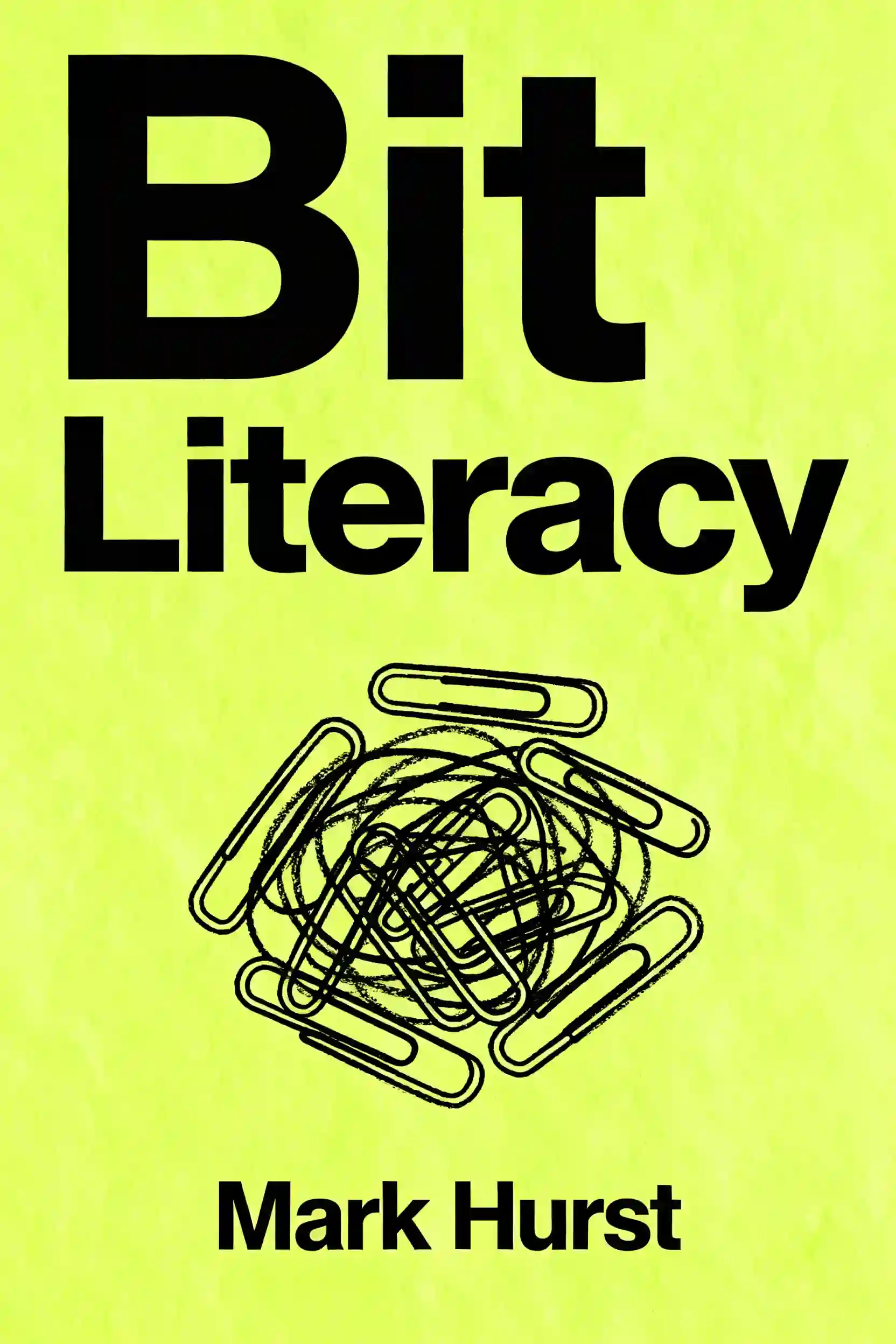
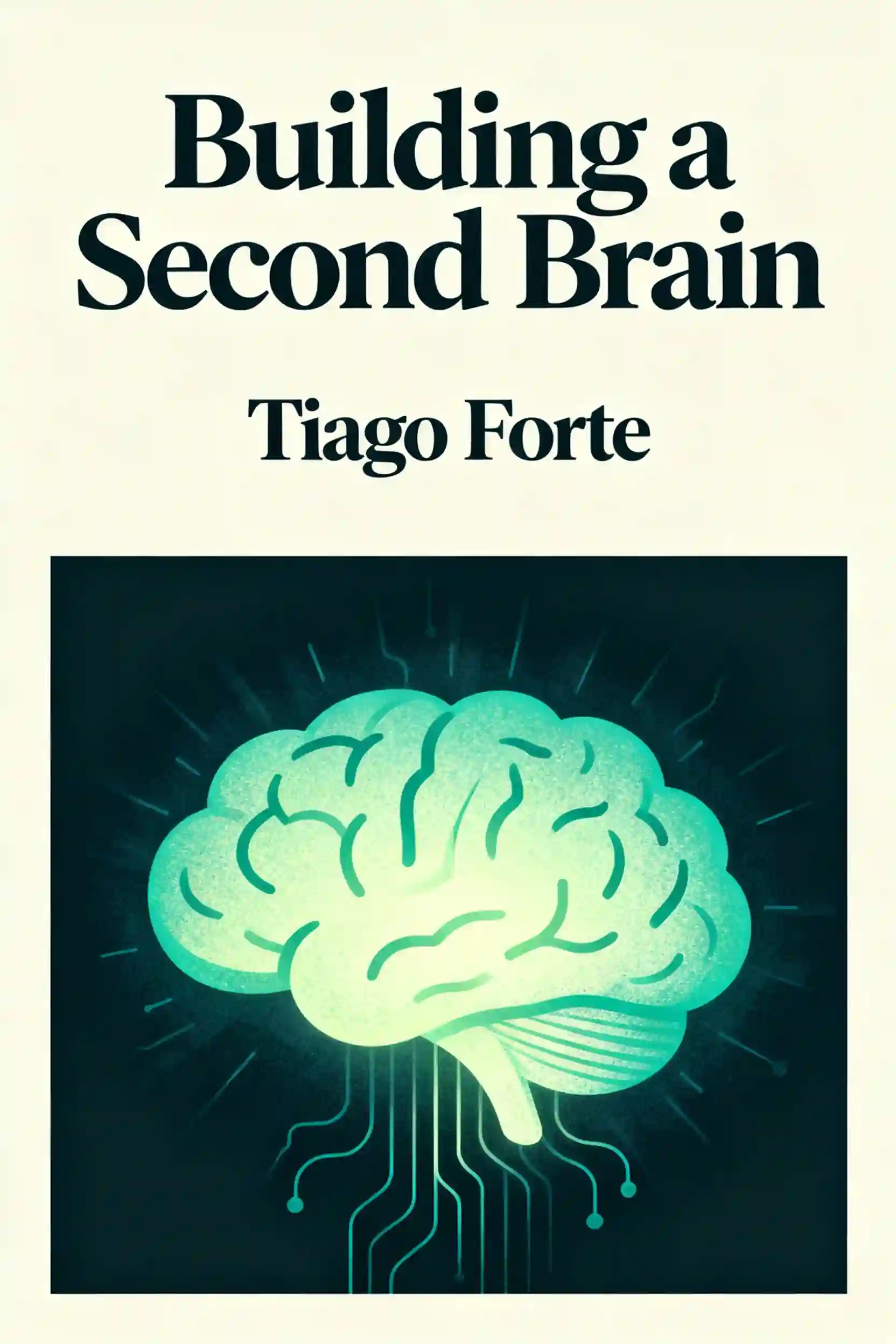
Miles: So let's start with what I call the "capture everything" mindset. You know how we often get great ideas at the worst possible times—like in the shower or right before we fall asleep? Lena: Oh my gosh, yes! I've lost so many brilliant thoughts because I didn't write them down immediately. It's like they just evaporate. Miles: Exactly! This is where Mark Hurst's concept of "bit literacy" comes into play. He argues that our brains are constantly being bombarded with information bits, and we need to develop systems to handle this overflow. The key is having what he calls "ubiquitous capture"—being able to record ideas anywhere, anytime. Lena: That sounds overwhelming though. Are we supposed to be taking notes constantly? Miles: Not exactly! It's more about having the right tools ready when inspiration strikes. Think of it like this—your phone is probably always with you, right? So that becomes your immediate capture device. But then you need a system to process and organize those quick captures later. Lena: Ah, I see where you're going with this. So it's like having a funnel system? Miles: Perfect analogy! Tiago Forte talks about this in "Building a Second Brain"—he calls it the PARA method. You capture everything into an inbox first, then sort it into Projects, Areas, Resources, and Archive. The magic happens when you combine this digital sorting with the deep thinking that comes from handwriting. Lena: So we're not just randomly collecting information—we're being strategic about it. But how do we avoid becoming digital hoarders? Miles: Great question! This is where the physical journal becomes crucial. Research shows that when we write by hand, we're forced to be more selective about what we record because writing is slower than typing. It's like having a built-in filter for the most important ideas. Lena: That's fascinating! So the physical journal acts as a quality control mechanism? Miles: Exactly! And here's something cool—studies have found that students who take notes by hand actually perform better on conceptual questions compared to those who type. The slower pace forces you to process and synthesize information rather than just transcribing it. Lena: So we're talking about using digital tools for breadth and paper for depth? Miles: You've hit the nail on the head! Your digital system becomes this massive net that catches everything, while your physical journal becomes the place where you dive deep and make connections.
- 3
The Zettelkasten Revolution
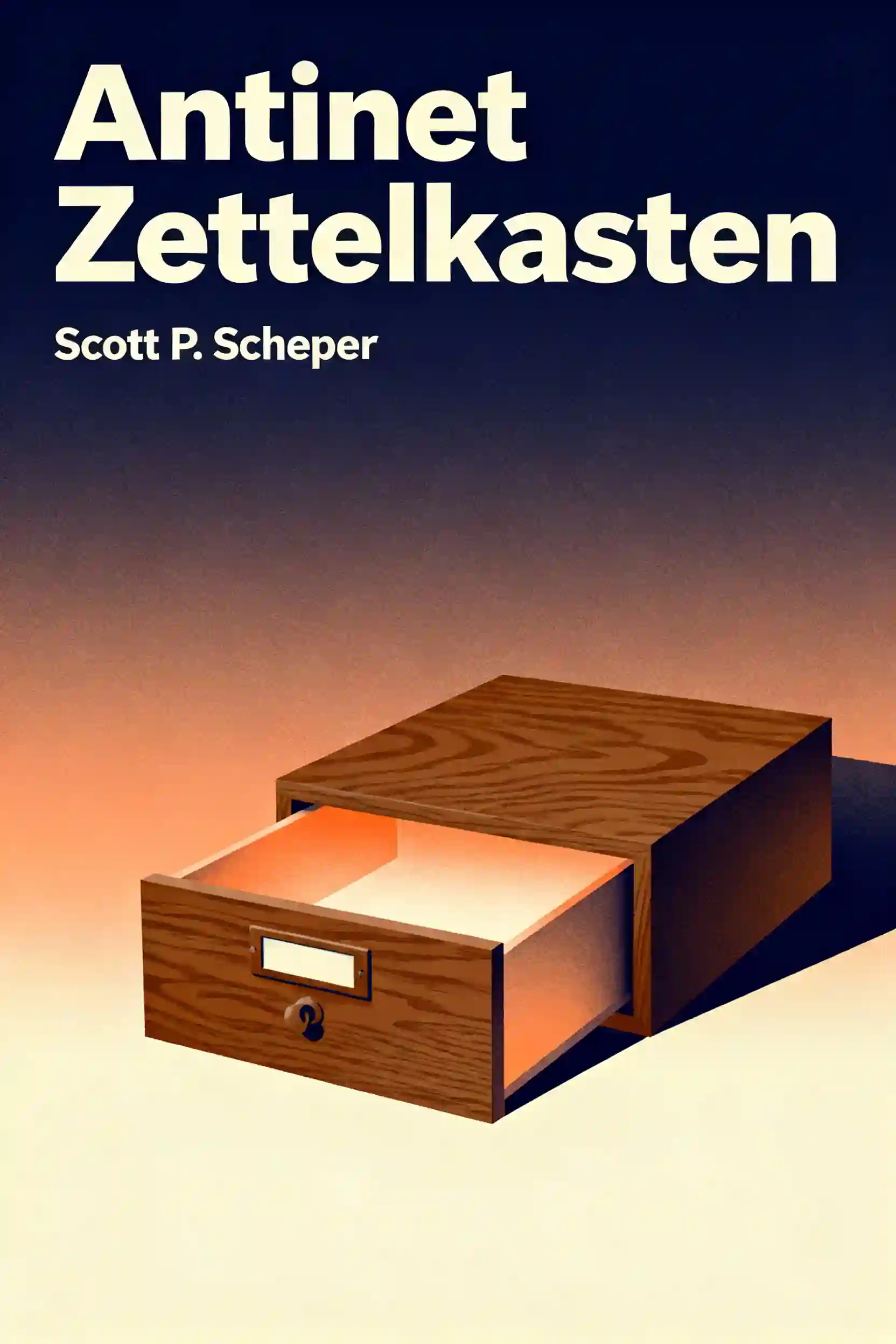
Lena: Okay, so we've got our capture system down, but how do we actually organize all this information so we can find it later and make it useful? Miles: This is where things get really exciting! Have you ever heard of the Zettelkasten method? Lena: I've seen the term floating around, but honestly, it sounds kind of intimidating. Isn't it some complicated German system? Miles: It does sound intimidating, but it's actually beautifully simple! Zettelkasten literally means "slip box" in German. It was popularized by a sociologist named Niklas Luhmann, who used it to write over 70 books and 400+ articles. The core idea is that every note gets a unique identifier and connects to other notes through links. Lena: So it's like creating a web of knowledge? Miles: Exactly! And here's where it gets interesting for our hybrid approach. Scott Scheper argues in "Antinet Zettelkasten" that the analog version is actually more powerful than digital ones because the physical act of writing and the spatial memory of where notes are located creates stronger neural pathways. Lena: But wouldn't a digital version be easier to search and organize? Miles: You'd think so, but Scheper makes a compelling case that the friction of analog systems is actually a feature, not a bug. When you have to physically flip through cards or pages to find connections, your brain is actively engaged in the process. It's like the difference between GPS navigation and learning to read a map—one is convenient, but the other builds deeper understanding. Lena: That's such an interesting point! So the "inefficiency" of paper might actually make us better learners? Miles: Right! But here's where our hybrid approach shines. You can get the best of both worlds by using what I call "digital discovery, analog development." Use your digital tools to quickly search and find related topics, then transfer the most important insights to your physical Zettelkasten for deeper processing. Lena: So you're essentially using technology as a research assistant, but doing the real thinking work by hand? Miles: Exactly! And there's another benefit—when you're writing by hand, you're naturally forced to rewrite and rephrase ideas in your own words. This is what researchers call "elaborative processing," and it's one of the most effective ways to move information from short-term to long-term memory. Lena: I love this! It's like having a conversation with your past self through your notes. Miles: That's a beautiful way to put it! And that conversation gets richer over time as you add more connections and cross-references. Your journal becomes this living, breathing knowledge network that grows with you.
- Chapter 4
The Spacing Effect Advantage
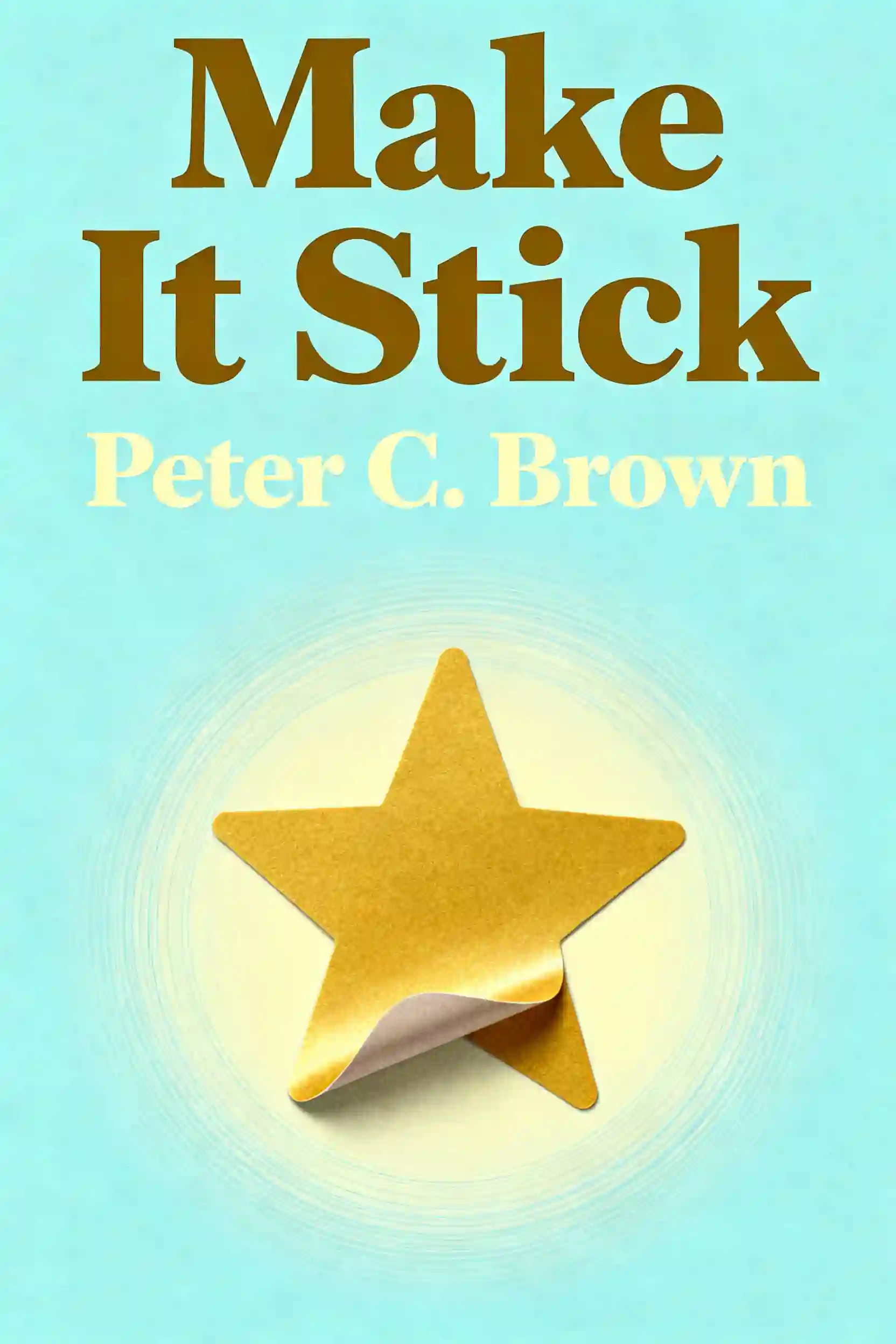
**Lena:** Okay, I'm sold on the hybrid approach, but how do we make sure we're actually retaining all this information we're capturing? I feel like I take notes and then never look at them again. **Miles:** You've just identified one of the biggest challenges in learning! This is where the research from "Make It Stick" becomes crucial. The authors talk about something called the "spacing effect"—the idea that we learn better when we review information at increasing intervals over time. **Lena:** So cramming the night before an exam isn't the best strategy? Shocking! **Miles:** Ha! Right? But here's what's fascinating—most people think they learn better by massing their practice, even though research consistently shows the opposite. The spacing effect works because each time you retrieve information from memory, you're strengthening those neural pathways. **Lena:** So how does this apply to our note-taking system? **Miles:** This is where your physical journal becomes incredibly powerful. Instead of just writing something once and forgetting it, you can use what's called "interleaving"—mixing different topics and returning to previous ideas at spaced intervals. **Lena:** Can you give me a concrete example of how that would work? **Miles:** Sure! Let's say you're learning about productivity, psychology, and cooking. Instead of dedicating separate sections to each topic, you might write about a productivity concept on Monday, add some cooking notes on Tuesday, then on Wednesday, revisit that productivity idea and see how it might connect to what you learned about psychology last week. **Lena:** Oh, that's clever! So you're forcing your brain to make unexpected connections? **Miles:** Exactly! And this is where the physical aspect becomes crucial again. When you're flipping through pages to find that earlier note, you're encountering other ideas along the way. It's like taking a scenic route through your knowledge—you discover things you forgot you knew. **Lena:** That sounds so much more engaging than just searching digitally and going straight to what you're looking for. **Miles:** Right! Digital search is incredibly efficient, but sometimes efficiency isn't what we want for learning. The "inefficiency" of browsing through your handwritten notes creates what researchers call "desirable difficulties"—challenges that slow you down but improve long-term retention. **Lena:** So we're intentionally making things a little harder for ourselves? **Miles:** Exactly! It's counterintuitive, but research shows that when learning feels easy, we're often not learning as deeply as we think. The slight struggle of handwriting, of making connections manually, of having to search through physical pages—all of that creates stronger memories. **Lena:** This is reminding me of how I remember directions better when I've gotten lost and had to figure out the route myself, versus just following GPS. **Miles:** Perfect analogy! Your brain has to work harder when you get lost, but that effort creates more durable memories. The same principle applies to our hybrid learning system—we use digital tools for convenience and capture, but we use analog methods for the deep work of understanding and remembering.
Chapter 5The Creative Connection Engine
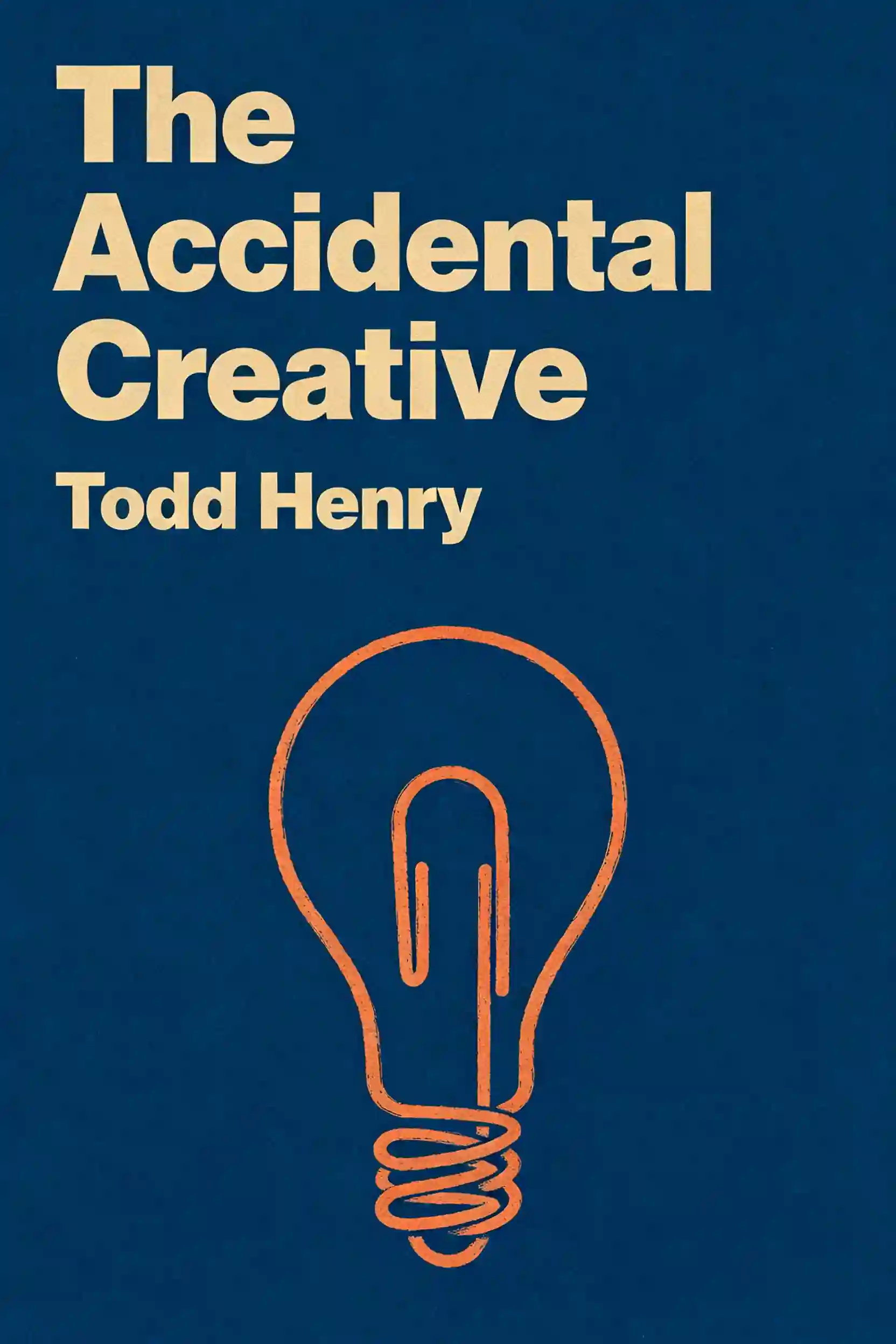
**Lena:** I'm starting to see how this system helps with retention, but what about creativity? Sometimes I feel like all my notes are just isolated facts floating around in my head. **Miles:** This is where things get really exciting! Todd Henry talks about this in "The Accidental Creative"—he argues that creativity isn't about having random bursts of inspiration, but about systematically connecting ideas that haven't been connected before. **Lena:** So creativity is more like detective work than magic? **Miles:** Exactly! And your hybrid note-taking system becomes this incredible creativity engine. Think about it—you're capturing ideas from books, conversations, podcasts, random thoughts, all in your digital system. Then you're selectively moving the most interesting pieces into your physical journal where you can see them spatially and make unexpected connections. **Lena:** I love the idea of seeing them spatially! There's something about being able to physically move between different pages and sections. **Miles:** Right! And here's something fascinating—research on embodied cognition shows that our physical movements actually influence our thinking. When you're physically turning pages, drawing arrows between ideas, or even just changing your writing position, you're engaging different parts of your brain. **Lena:** So the physical act of journaling is actually changing how we think? **Miles:** Absolutely! There's this concept called "extended mind" theory that suggests our thinking doesn't just happen inside our heads—it extends into our tools and environment. Your journal becomes part of your thinking process. **Lena:** That's wild! So my journal is like an external brain? **Miles:** Exactly! Tiago Forte calls this "Building a Second Brain" for a reason. But here's where the hybrid approach really shines—your digital system gives you massive storage and search capabilities, while your physical journal gives you that spatial, tactile thinking environment. **Lena:** So it's like having a huge library and a cozy study nook all in one system? **Miles:** Perfect metaphor! And the magic happens when ideas from your digital "library" migrate into your physical "study nook" where you can really wrestle with them. You might capture a quote from a podcast digitally, then weeks later, while writing in your journal about a completely different topic, you remember that quote and see a connection you never noticed before. **Lena:** That sounds so much more dynamic than traditional note-taking. It's like your notes are having conversations with each other! **Miles:** Exactly! And this is where the Zettelkasten approach becomes so powerful. Each note becomes a node in a network, and the more connections you make, the more creative possibilities emerge. It's not just about storing information—it's about creating a thinking environment that generates new ideas.
Chapter 6The Practical Playbook
**Lena:** Okay, I'm convinced this hybrid approach is amazing, but let's get practical. For someone listening who wants to start implementing this tomorrow, what are the concrete steps? **Miles:** Great question! Let's break this down into a simple starter system that anyone can begin with. First, you need to choose your digital capture tool. This could be your phone's notes app, Notion, Obsidian, or even just a simple document. The key is picking something you'll actually use consistently. **Lena:** So start with what's familiar rather than getting caught up in finding the "perfect" app? **Miles:** Exactly! Analysis paralysis is the enemy of progress here. I always tell people—the best system is the one you'll actually use. Start simple, then evolve as you learn what works for you. **Lena:** What about the physical journal? Any specific recommendations there? **Miles:** For beginners, I'd suggest a simple notebook with numbered pages and an index at the front. Nothing fancy—just something you can write in comfortably. The key is developing the habit first, then you can get fancy with the tools later. **Lena:** So what does a typical day look like with this system? **Miles:** Here's a simple routine: Throughout the day, capture everything interesting in your digital tool—quotes from books, random thoughts, meeting notes, whatever. Don't worry about organizing it yet. Then, maybe in the evening or the next morning, spend 10-15 minutes reviewing your digital captures and asking yourself: "What here deserves deeper thinking?" **Lena:** And that's what goes into the physical journal? **Miles:** Right! But here's the crucial part—don't just copy it over. Rewrite it in your own words, add your thoughts, look for connections to other things in your journal. This is where the real learning happens. **Lena:** How do you keep track of all these connections? That seems like it could get overwhelming quickly. **Miles:** This is where the index becomes your best friend. Every time you write something significant in your journal, add a brief entry to your index with the page number. After a few weeks, you'll start seeing patterns and can create cross-references. **Lena:** What about the digital side? How do you organize all those captures? **Miles:** Keep it simple initially. Maybe just three folders: "Inbox" for new captures, "Active" for things you're currently working with, and "Archive" for processed items. As you get more comfortable, you can develop more sophisticated organization systems. **Lena:** This sounds manageable! What about reviewing and maintaining the system? **Miles:** Build in a weekly review habit. Spend 20-30 minutes looking through your digital captures, processing them into your journal, and reviewing recent journal entries to spot new connections. This regular maintenance prevents the system from becoming overwhelming. **Lena:** And for people who are worried about the time commitment? **Miles:** Start small! Even five minutes a day of intentional note-taking will compound over time. Remember, you're already consuming information—podcasts, books, conversations. This system just helps you get more value from what you're already doing. **Lena:** That's such a good point. We're not adding more input, just better processing of what's already coming in.
Chapter 7The Long-term Learning Revolution
**Lena:** As we wrap things up, I'm curious about the bigger picture here. How does this hybrid approach change the way we think about learning over the long term? **Miles:** That's such an important question, Lena. I think this system fundamentally shifts us from being information consumers to becoming knowledge creators. Instead of just reading and forgetting, we're building this persistent, growing repository of insights that compounds over time. **Lena:** It's like compound interest, but for learning? **Miles:** Exactly! And here's what's really exciting—the connections you make today might not pay off for months or even years. But when they do, the insights can be profound. You're essentially creating conditions for serendipitous discovery. **Lena:** I love that idea of creating conditions for serendipity. It's like we're setting up our future selves for success. **Miles:** Right! And there's something deeply satisfying about looking back through months or years of journal entries and seeing how your thinking has evolved. You start to recognize patterns in your interests, see how ideas have developed, and understand your own learning journey. **Lena:** That sounds incredibly valuable for self-awareness and personal growth. **Miles:** Absolutely! And here's another benefit we haven't talked about—this system makes you a better collaborator and conversationalist. When you're regularly processing and connecting ideas, you become someone who can contribute unique insights to discussions rather than just consuming what others say. **Lena:** So it's not just about personal learning—it's about becoming a more valuable contributor to your community? **Miles:** Exactly! Your hybrid note-taking system becomes this wellspring of synthesized knowledge that you can draw from in meetings, conversations, creative projects, whatever. You're not just remembering isolated facts—you're developing a rich, interconnected understanding that you can share with others. **Lena:** This has been such an eye-opening conversation, Miles. I think our listeners are going to be excited to try this hybrid approach. Any final thoughts for people who are ready to get started? **Miles:** Just remember that the goal isn't perfection—it's progress. Start simple, be consistent, and trust the process. Your future self will thank you for the investment you make in building this system today. **Lena:** Beautifully said! So to everyone listening, we'd love to hear about your own note-taking experiments and discoveries. Drop us a line and let us know how this hybrid approach works for you, or share your own creative learning strategies. **Miles:** And remember, learning is a lifelong adventure. Every note you take, every connection you make, is another step on that journey. Keep exploring, keep connecting, and keep growing. **Lena:** Thanks for joining us on Learning Curve today. Until next time, keep learning and keep connecting those dots!
Why people search for hybrid note-taking systems
When researching how to organize learning materials, many knowledge seekers look for the perfect balance between paper and screens. The common goal is to capture ideas quickly while retaining the ability to search and store resources long-term. Instead of debating whether digital is definitively better than analog, learners are actively seeking ways to integrate both mediums to support different stages of their creative and educational processes.
A practical guide to building a hybrid note-taking system
A successful hybrid note-taking system leverages the unique strengths of both physical and digital mediums. Physical journals offer a distraction-free space that is highly effective for brainstorming, drafting, and deep focus. Digital tools, on the other hand, provide unmatched speed for quick capture on the go and powerful search capabilities for archiving vast amounts of data. To build your own system, start by defining the purpose of each tool. For example, you might use a paper notebook for daily reflections and meeting notes, and then transfer the most important takeaways into a digital database for long-term storage. Emphasize creativity and flexibility over rigid rules; your system should adapt to the type of information you are processing. By intentionally splitting your workflow, you can keep your learning materials orderly while maintaining a creative edge.
Continue learning in BeFreed
Listen to the guided lesson, save it to your learning library, and continue in the BeFreed app.
Best quote from Hybrid Note-Taking for Knowledge Junkies
Digital search is incredibly efficient, but sometimes efficiency isn't what we want for learning. The 'inefficiency' of browsing through your handwritten notes creates 'desirable difficulties'—challenges that slow you down but improve long-term retention.
Knowledge sources
FAQ
The best system is highly personal and often involves a flexible hybrid approach. Combining the speed and searchability of digital apps with the focus and longevity of physical notebooks allows you to tailor a workflow to your specific creative and learning needs.
You can integrate analog and digital notes by dedicating physical journals to brainstorming and deep focus, while using digital apps for long-term storage, quick capture on the go, and searching through large volumes of learning resources.
Electronic notepads can be a valuable bridge between analog and digital methods. They offer the tactile feel of writing by hand—which many prefer for focus—while easily syncing your notes to digital storage for long-term organization and searchability.
From Columbia University alumni built in San Francisco
"Instead of endless scrolling, I just hit play on BeFreed. It saves me so much time."


"I never knew where to start with nonfiction—BeFreed’s book lists turned into podcasts gave me a clear path."


"Perfect balance between learning and entertainment. Finished ‘Thinking, Fast and Slow’ on my commute this week."
"Crazy how much I learned while walking the dog. BeFreed = small habits → big gains."
"Reading used to feel like a chore. Now it’s just part of my lifestyle."

"Feels effortless compared to reading. I’ve finished 6 books this month already."
"BeFreed turned my guilty doomscrolling into something that feels productive and inspiring."

"BeFreed turned my commute into learning time. 20-min podcasts are perfect for finishing books I never had time for."
"BeFreed replaced my podcast queue. Imagine Spotify for books — that’s it. 🙌"

"It is great for me to learn something from the book without reading it."
"The themed book list podcasts help me connect ideas across authors—like a guided audio journey."
"Makes me feel smarter every time before going to work"
 Ask ChatGPT
 Ask Claude
From Columbia University alumni built in San Francisco
"Instead of endless scrolling, I just hit play on BeFreed. It saves me so much time."
"I never knew where to start with nonfiction—BeFreed’s book lists turned into podcasts gave me a clear path."
"Perfect balance between learning and entertainment. Finished ‘Thinking, Fast and Slow’ on my commute this week."
"Crazy how much I learned while walking the dog. BeFreed = small habits → big gains."
"Reading used to feel like a chore. Now it’s just part of my lifestyle."
"Feels effortless compared to reading. I’ve finished 6 books this month already."
"BeFreed turned my guilty doomscrolling into something that feels productive and inspiring."
"BeFreed turned my commute into learning time. 20-min podcasts are perfect for finishing books I never had time for."
"BeFreed replaced my podcast queue. Imagine Spotify for books — that’s it. 🙌"
"It is great for me to learn something from the book without reading it."
"The themed book list podcasts help me connect ideas across authors—like a guided audio journey."
"Makes me feel smarter every time before going to work"
"Instead of endless scrolling, I just hit play on BeFreed. It saves me so much time."
"I never knew where to start with nonfiction—BeFreed’s book lists turned into podcasts gave me a clear path."
"Perfect balance between learning and entertainment. Finished ‘Thinking, Fast and Slow’ on my commute this week."
"Crazy how much I learned while walking the dog. BeFreed = small habits → big gains."
"Reading used to feel like a chore. Now it’s just part of my lifestyle."
"Feels effortless compared to reading. I’ve finished 6 books this month already."
"BeFreed turned my guilty doomscrolling into something that feels productive and inspiring."
"BeFreed turned my commute into learning time. 20-min podcasts are perfect for finishing books I never had time for."
"BeFreed replaced my podcast queue. Imagine Spotify for books — that’s it. 🙌"
"It is great for me to learn something from the book without reading it."
"The themed book list podcasts help me connect ideas across authors—like a guided audio journey."
"Makes me feel smarter every time before going to work"
"Instead of endless scrolling, I just hit play on BeFreed. It saves me so much time."
"I never knew where to start with nonfiction—BeFreed’s book lists turned into podcasts gave me a clear path."
"Perfect balance between learning and entertainment. Finished ‘Thinking, Fast and Slow’ on my commute this week."
"Crazy how much I learned while walking the dog. BeFreed = small habits → big gains."
"Reading used to feel like a chore. Now it’s just part of my lifestyle."
"Feels effortless compared to reading. I’ve finished 6 books this month already."
"BeFreed turned my guilty doomscrolling into something that feels productive and inspiring."
"BeFreed turned my commute into learning time. 20-min podcasts are perfect for finishing books I never had time for."
"BeFreed replaced my podcast queue. Imagine Spotify for books — that’s it. 🙌"
"It is great for me to learn something from the book without reading it."
"The themed book list podcasts help me connect ideas across authors—like a guided audio journey."
"Makes me feel smarter every time before going to work"