How to speak clearly and stop rushing your words
Struggling with fast speech or nerves? Learn physical drills and mechanical shifts to slow down, manage elocution, and speak with effortless poise.

Best quote from How to speak clearly and stop rushing your words
True ease in talking comes from art, not chance, as those move easiest who have learned to dance. You have to learn the steps before you can hear the music.
Generated by Seeker
I want to be articulate but my mouth produce lot of siliva making me hard to speak well.i speak to fast and also have poor vocubalry i want to be like blair waldorf i am able to chase the rest but am strugging ti be as articulate i am also bad at comunication i speak to fast and also bad at small talk and am not good at talking to strangers. How can i become articulate also tell me courses and books please and role models to listen.

Frequently Asked Questions
When a person speaks too fast or becomes nervous, the brain may fail to keep up with the "housekeeping" of the mouth, leading to a buildup of saliva. This is often exacerbated by an "open-mouth posture" or low muscle tone in the face, which prevents the natural, frequent swallowing required to keep the mouth clear. Maintaining a poised, closed-mouth rest position—referred to as "lip seal"—is essential for managing saliva and ensuring the mouth muscles are ready for articulate speech.
The "ARE" framework is a structured method designed to help individuals initiate small talk without feeling the pressure to be naturally witty. It stands for Anchor, Reveal, and Encourage. First, you "Anchor" the conversation by making an observation about the shared environment; then, you "Reveal" a small personal perspective or anecdote related to that anchor; finally, you "Encourage" the other person by asking an open-ended question to invite them into the dialogue.
Improving elocution requires a "mouth gym" approach involving specific physical drills. Key exercises include the "Over-Exaggeration Drill," where you read aloud while moving your mouth twice as much as necessary to sharpen muscle memory, and "Pacing Taps," where you tap a finger for every single word to break the habit of rushing. Additionally, drinking through a straw can strengthen the cheeks and tongue, while practicing "Talk Big, Talk Loud, Talk Short" helps ensure you project clearly and take enough breaths to maintain control.
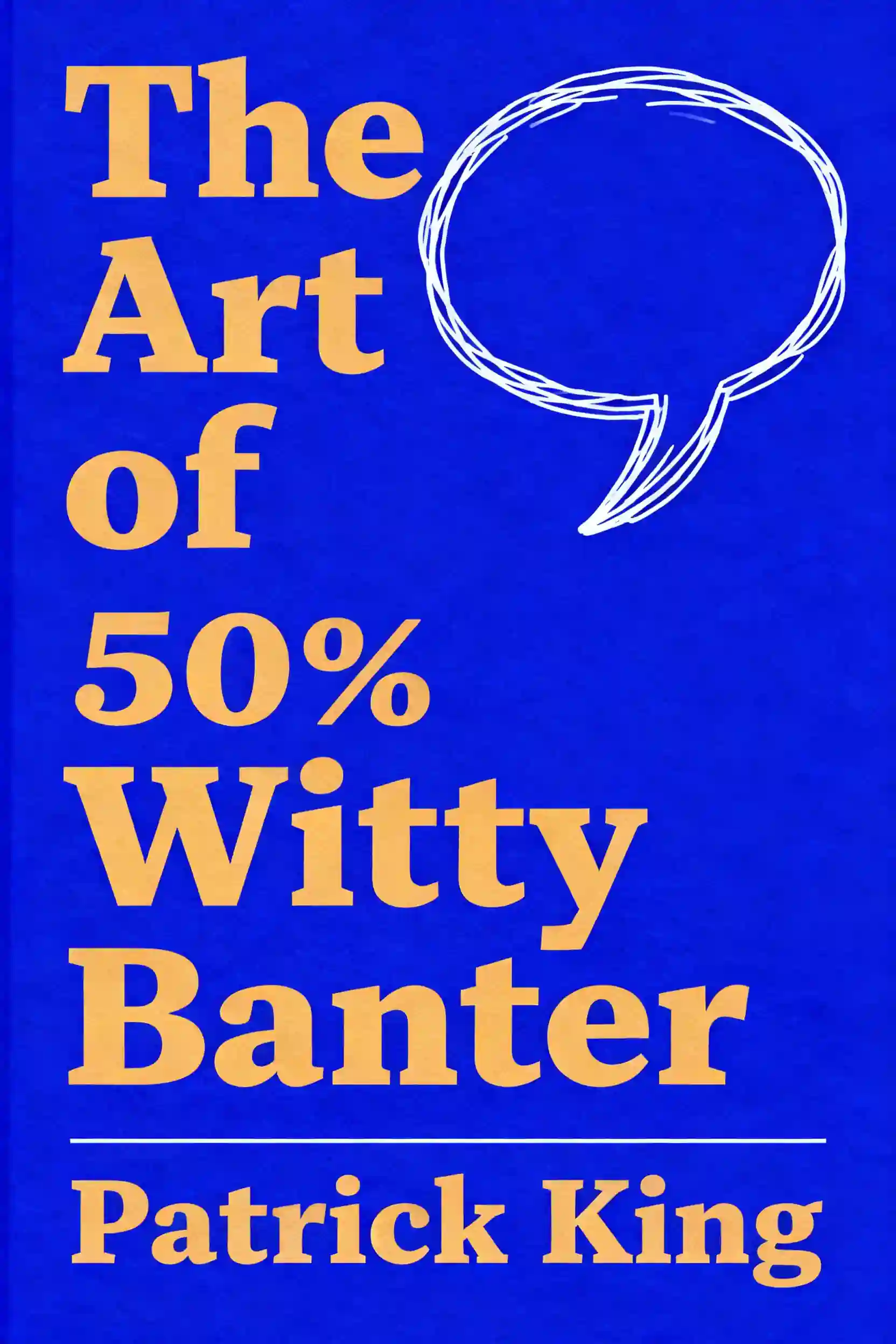
Research suggests that the most effective communicators follow a specific balance between speaking and listening. The "golden ratio" for a great connection is speaking approximately 43% of the time and listening for 57%. By staying slightly under the halfway mark and asking at least two follow-up questions before pivoting the topic back to yourself, you demonstrate engagement and make the other person feel heard, which significantly increases your likability.
The "SOFTEN" principle is a checklist for maintaining a poised and accessible presence through body language. It stands for Smile, Open posture, Forward lean, Touch (or eye contact), and Nodding. For example, leaning forward by about 15 degrees signals engagement without invading personal space, while maintaining eye contact about 70% of the time when listening and 50% when speaking creates a balance of respect and comfort.
From Columbia University alumni built in San Francisco
BeFreed Brings Together A Global Community Of Curious Minds


"Instead of endless scrolling, I just hit play on BeFreed. It saves me so much time."


"I never knew where to start with nonfiction—BeFreed’s book lists turned into podcasts gave me a clear path."


"Perfect balance between learning and entertainment. Finished ‘Thinking, Fast and Slow’ on my commute this week."
"Crazy how much I learned while walking the dog. BeFreed = small habits → big gains."
"Reading used to feel like a chore. Now it’s just part of my lifestyle."

"Feels effortless compared to reading. I’ve finished 6 books this month already."
"BeFreed turned my guilty doomscrolling into something that feels productive and inspiring."

"BeFreed turned my commute into learning time. 20-min podcasts are perfect for finishing books I never had time for."
"BeFreed replaced my podcast queue. Imagine Spotify for books — that’s it. 🙌"

"It is great for me to learn something from the book without reading it."
"The themed book list podcasts help me connect ideas across authors—like a guided audio journey."
"Makes me feel smarter every time before going to work"
From Columbia University alumni built in San Francisco
BeFreed Brings Together A Global Community Of Curious Minds
"Instead of endless scrolling, I just hit play on BeFreed. It saves me so much time."
"I never knew where to start with nonfiction—BeFreed’s book lists turned into podcasts gave me a clear path."
"Perfect balance between learning and entertainment. Finished ‘Thinking, Fast and Slow’ on my commute this week."
"Crazy how much I learned while walking the dog. BeFreed = small habits → big gains."
"Reading used to feel like a chore. Now it’s just part of my lifestyle."
"Feels effortless compared to reading. I’ve finished 6 books this month already."
"BeFreed turned my guilty doomscrolling into something that feels productive and inspiring."
"BeFreed turned my commute into learning time. 20-min podcasts are perfect for finishing books I never had time for."
"BeFreed replaced my podcast queue. Imagine Spotify for books — that’s it. 🙌"
"It is great for me to learn something from the book without reading it."
"The themed book list podcasts help me connect ideas across authors—like a guided audio journey."
"Makes me feel smarter every time before going to work"
"Instead of endless scrolling, I just hit play on BeFreed. It saves me so much time."
"I never knew where to start with nonfiction—BeFreed’s book lists turned into podcasts gave me a clear path."
"Perfect balance between learning and entertainment. Finished ‘Thinking, Fast and Slow’ on my commute this week."
"Crazy how much I learned while walking the dog. BeFreed = small habits → big gains."
"Reading used to feel like a chore. Now it’s just part of my lifestyle."
"Feels effortless compared to reading. I’ve finished 6 books this month already."
"BeFreed turned my guilty doomscrolling into something that feels productive and inspiring."
"BeFreed turned my commute into learning time. 20-min podcasts are perfect for finishing books I never had time for."
"BeFreed replaced my podcast queue. Imagine Spotify for books — that’s it. 🙌"
"It is great for me to learn something from the book without reading it."
"The themed book list podcasts help me connect ideas across authors—like a guided audio journey."
"Makes me feel smarter every time before going to work"
"Instead of endless scrolling, I just hit play on BeFreed. It saves me so much time."
"I never knew where to start with nonfiction—BeFreed’s book lists turned into podcasts gave me a clear path."
"Perfect balance between learning and entertainment. Finished ‘Thinking, Fast and Slow’ on my commute this week."
"Crazy how much I learned while walking the dog. BeFreed = small habits → big gains."
"Reading used to feel like a chore. Now it’s just part of my lifestyle."
"Feels effortless compared to reading. I’ve finished 6 books this month already."
"BeFreed turned my guilty doomscrolling into something that feels productive and inspiring."
"BeFreed turned my commute into learning time. 20-min podcasts are perfect for finishing books I never had time for."
"BeFreed replaced my podcast queue. Imagine Spotify for books — that’s it. 🙌"
"It is great for me to learn something from the book without reading it."
"The themed book list podcasts help me connect ideas across authors—like a guided audio journey."
"Makes me feel smarter every time before going to work"