Embalming History: From Ancient Egypt to Modern Ireland
Explore the history of embalming from prehistoric Egyptian mummies like Fred to modern practices. Learn about ancient resin recipes and the science of preservation.
Best quote from Embalming History: From Ancient Egypt to Modern Ireland
Whether it’s an ancient Egyptian wanting their soul to recognize their body or a modern family in Ireland wanting one last look at a loved one, that drive for preservation is a constant thread through history.
Generated by James
Discover what is embalming and its origins and when and how the practice came to Ireland.






Frequently Asked Questions
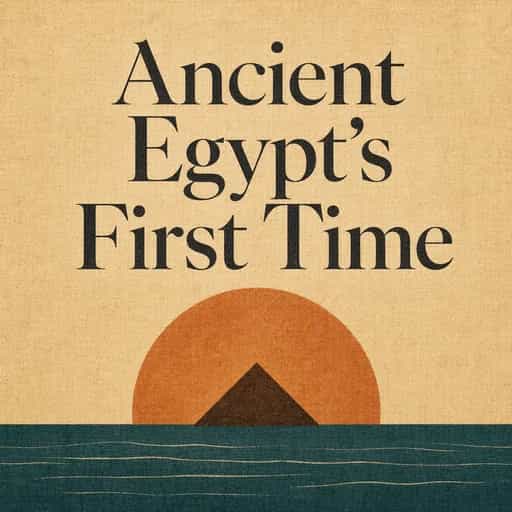
Fred is a prehistoric Egyptian mummy housed in the Egyptian Museum in Turin who has redefined the history of embalming. While researchers previously believed early mummification was an accidental result of the desert sun, Fred's remains show evidence of a deliberate preservation process. Analysis reveals he was treated with a complex recipe of plant oils and resins over 5,000 years ago, proving that intentional embalming began much earlier than once thought.
Ancient Egyptians utilized a sophisticated 'art and science' to combat decomposition by applying specific chemical mixtures to the deceased. These recipes often included a sticky brown paste made of heated conifer resin, plant oils, and aromatic extracts. These materials contained antibacterial components designed to preserve the body's identity. This ancient science demonstrates a 6,000-year-old human impulse to protect the body from natural decay through complex chemical applications.
For a long time, the common narrative suggested that prehistoric Egyptians only became mummies by chance due to the searing heat of the Nile sands. However, the study of ancient remains like Fred has upended this theory. The discovery of specific, deliberate recipes used to treat bodies indicates that mummification was a conscious choice and a developed skill rather than just nature doing its thing through sun-drying in the desert.
The history of embalming reveals that the desire to preserve the human form is not just a modern funeral home practice but a deeply rooted tradition. From prehistoric Egypt to modern Ireland, the effort to fight against the natural process of decomposition reflects a long-standing human impulse to maintain identity after death. This journey from ancient resin recipes to modern techniques highlights the evolution of funeral rites as both a cultural and scientific endeavor.
From Columbia University alumni built in San Francisco
"Instead of endless scrolling, I just hit play on BeFreed. It saves me so much time."


"I never knew where to start with nonfiction—BeFreed’s book lists turned into podcasts gave me a clear path."


"Perfect balance between learning and entertainment. Finished ‘Thinking, Fast and Slow’ on my commute this week."
"Crazy how much I learned while walking the dog. BeFreed = small habits → big gains."
"Reading used to feel like a chore. Now it’s just part of my lifestyle."

"Feels effortless compared to reading. I’ve finished 6 books this month already."
"BeFreed turned my guilty doomscrolling into something that feels productive and inspiring."

"BeFreed turned my commute into learning time. 20-min podcasts are perfect for finishing books I never had time for."
"BeFreed replaced my podcast queue. Imagine Spotify for books — that’s it. 🙌"

"It is great for me to learn something from the book without reading it."
"The themed book list podcasts help me connect ideas across authors—like a guided audio journey."
"Makes me feel smarter every time before going to work"
From Columbia University alumni built in San Francisco
"Instead of endless scrolling, I just hit play on BeFreed. It saves me so much time."
"I never knew where to start with nonfiction—BeFreed’s book lists turned into podcasts gave me a clear path."
"Perfect balance between learning and entertainment. Finished ‘Thinking, Fast and Slow’ on my commute this week."
"Crazy how much I learned while walking the dog. BeFreed = small habits → big gains."
"Reading used to feel like a chore. Now it’s just part of my lifestyle."
"Feels effortless compared to reading. I’ve finished 6 books this month already."
"BeFreed turned my guilty doomscrolling into something that feels productive and inspiring."
"BeFreed turned my commute into learning time. 20-min podcasts are perfect for finishing books I never had time for."
"BeFreed replaced my podcast queue. Imagine Spotify for books — that’s it. 🙌"
"It is great for me to learn something from the book without reading it."
"The themed book list podcasts help me connect ideas across authors—like a guided audio journey."
"Makes me feel smarter every time before going to work"
"Instead of endless scrolling, I just hit play on BeFreed. It saves me so much time."
"I never knew where to start with nonfiction—BeFreed’s book lists turned into podcasts gave me a clear path."
"Perfect balance between learning and entertainment. Finished ‘Thinking, Fast and Slow’ on my commute this week."
"Crazy how much I learned while walking the dog. BeFreed = small habits → big gains."
"Reading used to feel like a chore. Now it’s just part of my lifestyle."
"Feels effortless compared to reading. I’ve finished 6 books this month already."
"BeFreed turned my guilty doomscrolling into something that feels productive and inspiring."
"BeFreed turned my commute into learning time. 20-min podcasts are perfect for finishing books I never had time for."
"BeFreed replaced my podcast queue. Imagine Spotify for books — that’s it. 🙌"
"It is great for me to learn something from the book without reading it."
"The themed book list podcasts help me connect ideas across authors—like a guided audio journey."
"Makes me feel smarter every time before going to work"
"Instead of endless scrolling, I just hit play on BeFreed. It saves me so much time."
"I never knew where to start with nonfiction—BeFreed’s book lists turned into podcasts gave me a clear path."
"Perfect balance between learning and entertainment. Finished ‘Thinking, Fast and Slow’ on my commute this week."
"Crazy how much I learned while walking the dog. BeFreed = small habits → big gains."
"Reading used to feel like a chore. Now it’s just part of my lifestyle."
"Feels effortless compared to reading. I’ve finished 6 books this month already."
"BeFreed turned my guilty doomscrolling into something that feels productive and inspiring."
"BeFreed turned my commute into learning time. 20-min podcasts are perfect for finishing books I never had time for."
"BeFreed replaced my podcast queue. Imagine Spotify for books — that’s it. 🙌"
"It is great for me to learn something from the book without reading it."
"The themed book list podcasts help me connect ideas across authors—like a guided audio journey."
"Makes me feel smarter every time before going to work"