Healing emotional wounds by rewiring your nervous system
Ignoring pain often leads to burnout. Learn how to stop emotional bypassing and use specific protocols to move from survival mode to genuine thriving.

Best quote from Healing emotional wounds by rewiring your nervous system
Healing isn't about becoming 'unreactive' or numb. It’s actually about restoring your ability to choose a response instead of letting a past wound dictate your present.
Generated by Lex
Human hacking healing from emotional wounds

Frequently Asked Questions
Emotional bypassing is the habit of trying to "stay positive" or "power through" difficult feelings rather than actually processing them. The script explains that emotions are not just mental "bugs" to be deleted; they are physically stored in the nervous system. When we bypass them, these emotions don't vanish but instead manifest later as irritability, total exhaustion, or a "hair-trigger" internal alarm system. True healing involves restoring the ability to choose a response rather than letting suppressed past wounds dictate present behavior.
According to the Internal Family Systems (IFS) framework mentioned in the script, these are "protector" parts of our personality that develop to keep us safe from emotional pain. Managers are proactive parts that use perfectionism or people-pleasing to keep life under control and prevent pain from occurring. Firefighters are reactive parts that swoop in when emotional pain "leaks out," using behaviors like binge-watching, sudden rage, or dissociation to "douse the flames" of distress. While their methods may be outdated or disruptive, both parts have the positive intent of protecting the individual.
Unblending is the process of creating space between your "Core Self" and a specific emotional part. Instead of saying "I am anxious," which implies you have become the emotion, you say, "I notice a part of me is feeling anxious." This shift in language acts as a "system debug" that signals to the nervous system that you are not in a life-or-death situation. It allows the calm, curious Core Self to lead the internal system rather than being overwhelmed by a protective part.
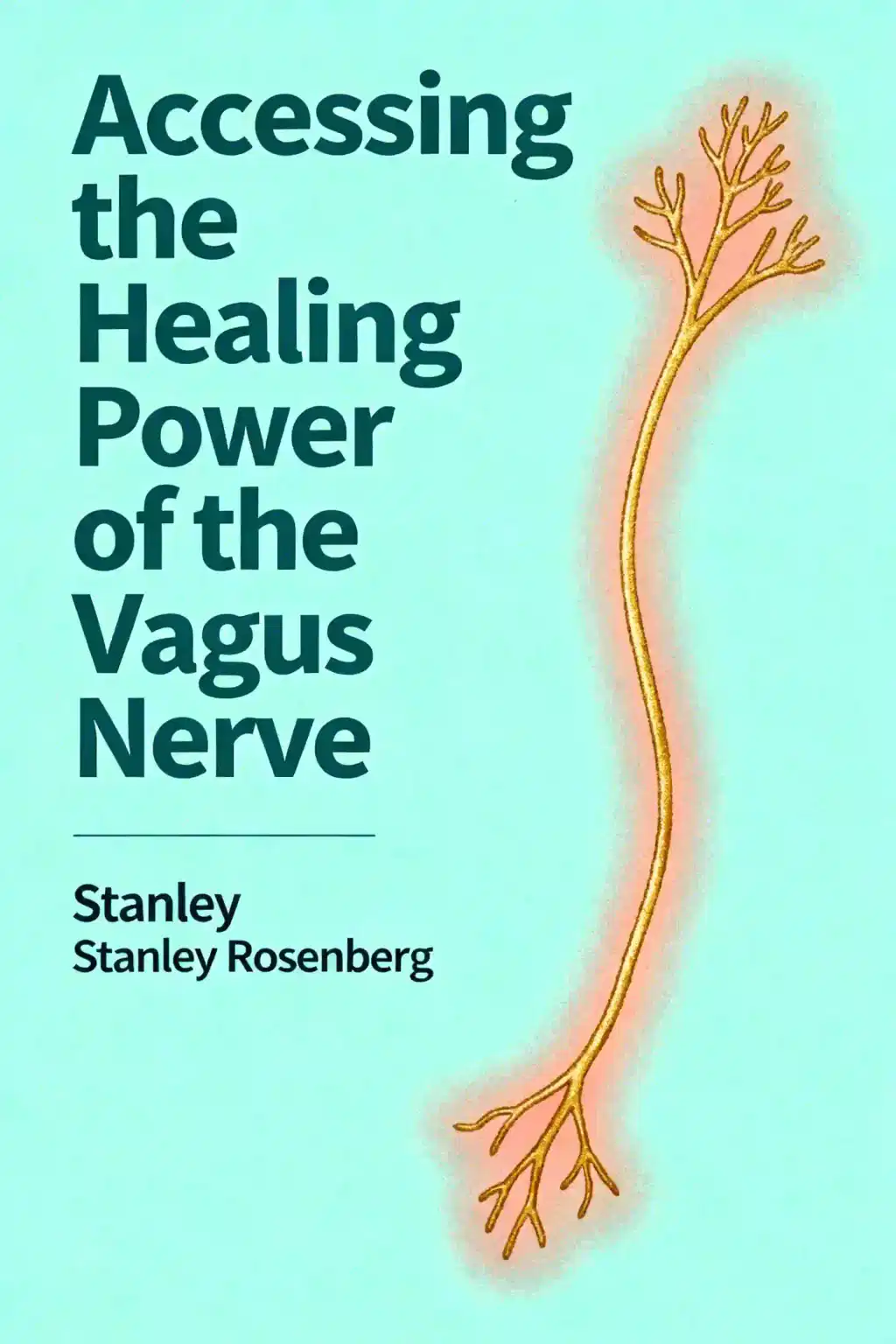
The "Voo" exercise is a somatic tool used to manually override the body's "Fight or Flight" system. By making a deep, vibrating "Voo" sound on a long exhale, a person physically stimulates the vagus nerve. This sends a direct message to the brainstem that the environment is safe enough to make noise, helping to shift the body from a state of high stress into a "Social Engagement" or "Ventral Vagal" state. It acts as a literal internal massage for the nervous system to help recalibrate the brain's smoke detector.
Yes, through a process called "Memory Reconsolidation." When a person recalls a memory, it becomes "labile" or open for editing. If the memory is brought up while simultaneously experiencing a "Prediction Error"—such as feeling deeply safe and validated while remembering a time of rejection—the brain updates the memory trace. While the facts of the past do not change, the "valence" or emotional weight does, allowing the brain to move from a narrative of "the world is dangerous" to "that event was dangerous, but I am safe now."
From Columbia University alumni built in San Francisco
"Instead of endless scrolling, I just hit play on BeFreed. It saves me so much time."


"I never knew where to start with nonfiction—BeFreed’s book lists turned into podcasts gave me a clear path."


"Perfect balance between learning and entertainment. Finished ‘Thinking, Fast and Slow’ on my commute this week."
"Crazy how much I learned while walking the dog. BeFreed = small habits → big gains."
"Reading used to feel like a chore. Now it’s just part of my lifestyle."

"Feels effortless compared to reading. I’ve finished 6 books this month already."
"BeFreed turned my guilty doomscrolling into something that feels productive and inspiring."

"BeFreed turned my commute into learning time. 20-min podcasts are perfect for finishing books I never had time for."
"BeFreed replaced my podcast queue. Imagine Spotify for books — that’s it. 🙌"

"It is great for me to learn something from the book without reading it."
"The themed book list podcasts help me connect ideas across authors—like a guided audio journey."
"Makes me feel smarter every time before going to work"
From Columbia University alumni built in San Francisco
"Instead of endless scrolling, I just hit play on BeFreed. It saves me so much time."
"I never knew where to start with nonfiction—BeFreed’s book lists turned into podcasts gave me a clear path."
"Perfect balance between learning and entertainment. Finished ‘Thinking, Fast and Slow’ on my commute this week."
"Crazy how much I learned while walking the dog. BeFreed = small habits → big gains."
"Reading used to feel like a chore. Now it’s just part of my lifestyle."
"Feels effortless compared to reading. I’ve finished 6 books this month already."
"BeFreed turned my guilty doomscrolling into something that feels productive and inspiring."
"BeFreed turned my commute into learning time. 20-min podcasts are perfect for finishing books I never had time for."
"BeFreed replaced my podcast queue. Imagine Spotify for books — that’s it. 🙌"
"It is great for me to learn something from the book without reading it."
"The themed book list podcasts help me connect ideas across authors—like a guided audio journey."
"Makes me feel smarter every time before going to work"
"Instead of endless scrolling, I just hit play on BeFreed. It saves me so much time."
"I never knew where to start with nonfiction—BeFreed’s book lists turned into podcasts gave me a clear path."
"Perfect balance between learning and entertainment. Finished ‘Thinking, Fast and Slow’ on my commute this week."
"Crazy how much I learned while walking the dog. BeFreed = small habits → big gains."
"Reading used to feel like a chore. Now it’s just part of my lifestyle."
"Feels effortless compared to reading. I’ve finished 6 books this month already."
"BeFreed turned my guilty doomscrolling into something that feels productive and inspiring."
"BeFreed turned my commute into learning time. 20-min podcasts are perfect for finishing books I never had time for."
"BeFreed replaced my podcast queue. Imagine Spotify for books — that’s it. 🙌"
"It is great for me to learn something from the book without reading it."
"The themed book list podcasts help me connect ideas across authors—like a guided audio journey."
"Makes me feel smarter every time before going to work"
"Instead of endless scrolling, I just hit play on BeFreed. It saves me so much time."
"I never knew where to start with nonfiction—BeFreed’s book lists turned into podcasts gave me a clear path."
"Perfect balance between learning and entertainment. Finished ‘Thinking, Fast and Slow’ on my commute this week."
"Crazy how much I learned while walking the dog. BeFreed = small habits → big gains."
"Reading used to feel like a chore. Now it’s just part of my lifestyle."
"Feels effortless compared to reading. I’ve finished 6 books this month already."
"BeFreed turned my guilty doomscrolling into something that feels productive and inspiring."
"BeFreed turned my commute into learning time. 20-min podcasts are perfect for finishing books I never had time for."
"BeFreed replaced my podcast queue. Imagine Spotify for books — that’s it. 🙌"
"It is great for me to learn something from the book without reading it."
"The themed book list podcasts help me connect ideas across authors—like a guided audio journey."
"Makes me feel smarter every time before going to work"