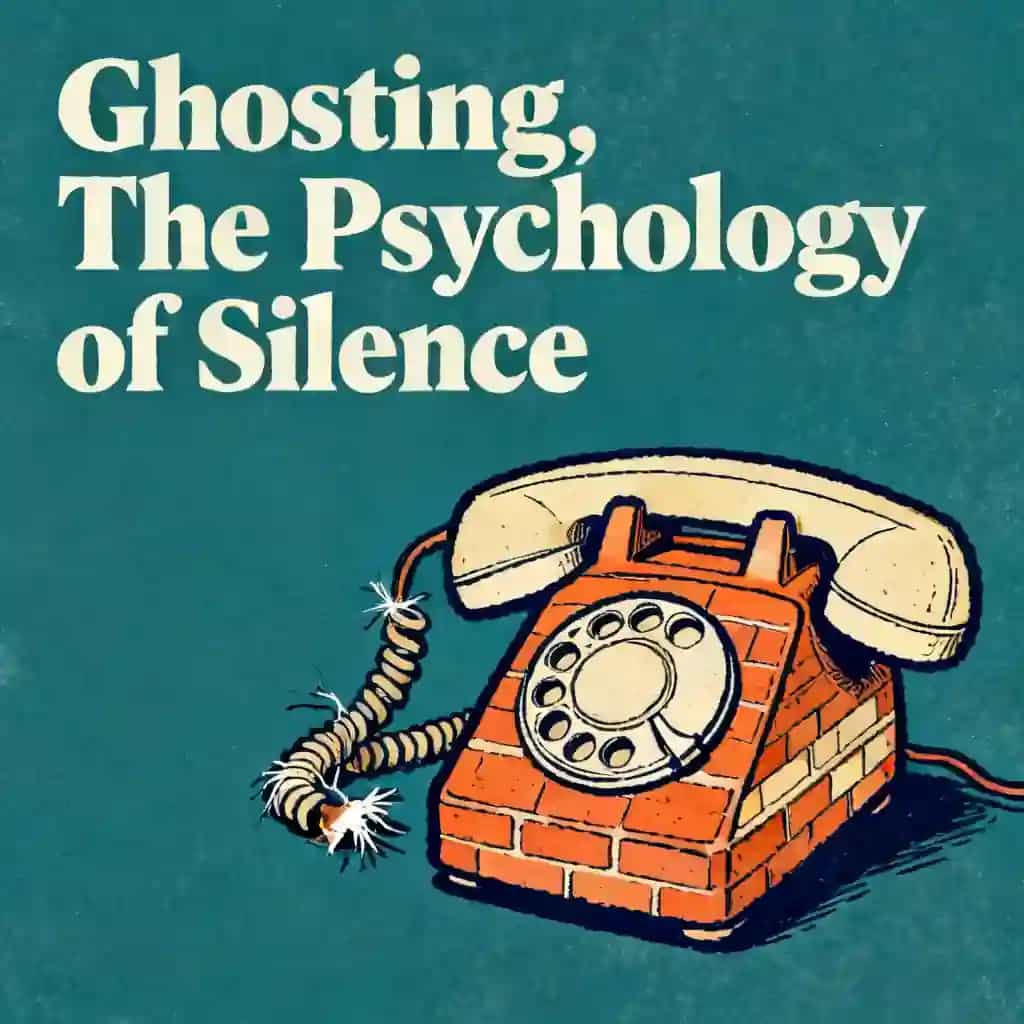
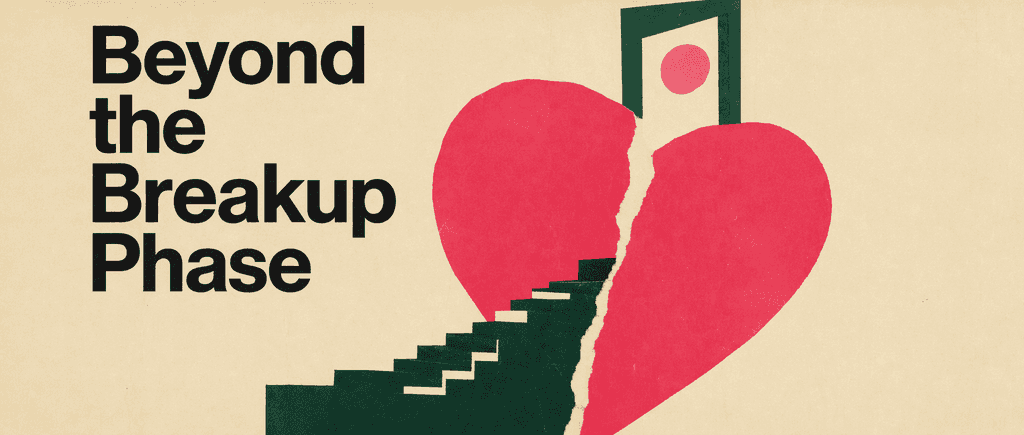
Ghosting and the New Rules of Love
Modern dating often ends in a painful silence that stalls emotional recovery. Explore the psychology of ghosting and how to reclaim your power.

Best quote from Ghosting and the New Rules of Love
We often think ghosting is kinder because we’re avoiding a confrontation, but we’re actually just trading a short, sharp sting for a long, drawn-out ache.
Generated with BeFreed
Ghosting and the New Rules of Love






Frequently Asked Questions
Science suggests that ghosting is more psychologically damaging because the lack of closure stalls emotional recovery. While a direct "no" allows the brain to process finality and begin moving on, the uncertainty of ghosting keeps the brain in a "search mode." This creates a measurable psychological delay where the victim remains emotionally attached to someone who is no longer there, causing their distress and need for belonging to remain threatened for a longer period.
Breadcrumbing is the act of sending occasional flirty messages or social media interactions to keep someone interested without ever making real plans to meet. This behavior hijacks the brain through "intermittent reinforcement," similar to how a slot machine works. Because the rewards are unpredictable, the brain produces a dopamine rush in anticipation of a message, which the victim often misinterprets as intense chemistry or passion rather than a stress response.
Research indicates that ghosting is more common among younger people and men, often due to the "digital detachment" provided by dating apps. Psychologically, individuals who score high in "Dark Triad" traits—narcissism, Machiavellianism, and psychopathy—are more likely to ghost because they lack empathy. However, another group ghosts because they are afraid of confrontation; they mistakenly believe that disappearing is a "gentler" way to avoid hurting someone's feelings.
Our childhood relational blueprints, or attachment styles, dictate our reactions to digital silence. Those with an "anxious" attachment style often panic when ghosted and may try to "fix" the silence by texting more. Conversely, "avoidant" types may use breadcrumbing as a way to keep people at a safe distance. This often results in a "Waltz of Pain," where the anxious person pursues and the avoidant person retreats, leaving both parties unsatisfied.
Modern etiquette has shifted toward "intentionality" and "clear-coding." The current standard is the 48-hour rule, meaning if a reply takes longer than two days, the connection is considered dead. Additionally, if someone must cancel a date, they are expected to offer an alternative time and place immediately. There is also a growing trend toward "wildflowering," where people abandon apps to meet organically in public spaces like bookstores or running clubs to find more authentic connections.
From Columbia University alumni built in San Francisco
"Instead of endless scrolling, I just hit play on BeFreed. It saves me so much time."


"I never knew where to start with nonfiction—BeFreed’s book lists turned into podcasts gave me a clear path."


"Perfect balance between learning and entertainment. Finished ‘Thinking, Fast and Slow’ on my commute this week."
"Crazy how much I learned while walking the dog. BeFreed = small habits → big gains."
"Reading used to feel like a chore. Now it’s just part of my lifestyle."

"Feels effortless compared to reading. I’ve finished 6 books this month already."
"BeFreed turned my guilty doomscrolling into something that feels productive and inspiring."

"BeFreed turned my commute into learning time. 20-min podcasts are perfect for finishing books I never had time for."
"BeFreed replaced my podcast queue. Imagine Spotify for books — that’s it. 🙌"

"It is great for me to learn something from the book without reading it."
"The themed book list podcasts help me connect ideas across authors—like a guided audio journey."
"Makes me feel smarter every time before going to work"
From Columbia University alumni built in San Francisco
"Instead of endless scrolling, I just hit play on BeFreed. It saves me so much time."
"I never knew where to start with nonfiction—BeFreed’s book lists turned into podcasts gave me a clear path."
"Perfect balance between learning and entertainment. Finished ‘Thinking, Fast and Slow’ on my commute this week."
"Crazy how much I learned while walking the dog. BeFreed = small habits → big gains."
"Reading used to feel like a chore. Now it’s just part of my lifestyle."
"Feels effortless compared to reading. I’ve finished 6 books this month already."
"BeFreed turned my guilty doomscrolling into something that feels productive and inspiring."
"BeFreed turned my commute into learning time. 20-min podcasts are perfect for finishing books I never had time for."
"BeFreed replaced my podcast queue. Imagine Spotify for books — that’s it. 🙌"
"It is great for me to learn something from the book without reading it."
"The themed book list podcasts help me connect ideas across authors—like a guided audio journey."
"Makes me feel smarter every time before going to work"
"Instead of endless scrolling, I just hit play on BeFreed. It saves me so much time."
"I never knew where to start with nonfiction—BeFreed’s book lists turned into podcasts gave me a clear path."
"Perfect balance between learning and entertainment. Finished ‘Thinking, Fast and Slow’ on my commute this week."
"Crazy how much I learned while walking the dog. BeFreed = small habits → big gains."
"Reading used to feel like a chore. Now it’s just part of my lifestyle."
"Feels effortless compared to reading. I’ve finished 6 books this month already."
"BeFreed turned my guilty doomscrolling into something that feels productive and inspiring."
"BeFreed turned my commute into learning time. 20-min podcasts are perfect for finishing books I never had time for."
"BeFreed replaced my podcast queue. Imagine Spotify for books — that’s it. 🙌"
"It is great for me to learn something from the book without reading it."
"The themed book list podcasts help me connect ideas across authors—like a guided audio journey."
"Makes me feel smarter every time before going to work"
"Instead of endless scrolling, I just hit play on BeFreed. It saves me so much time."
"I never knew where to start with nonfiction—BeFreed’s book lists turned into podcasts gave me a clear path."
"Perfect balance between learning and entertainment. Finished ‘Thinking, Fast and Slow’ on my commute this week."
"Crazy how much I learned while walking the dog. BeFreed = small habits → big gains."
"Reading used to feel like a chore. Now it’s just part of my lifestyle."
"Feels effortless compared to reading. I’ve finished 6 books this month already."
"BeFreed turned my guilty doomscrolling into something that feels productive and inspiring."
"BeFreed turned my commute into learning time. 20-min podcasts are perfect for finishing books I never had time for."
"BeFreed replaced my podcast queue. Imagine Spotify for books — that’s it. 🙌"
"It is great for me to learn something from the book without reading it."
"The themed book list podcasts help me connect ideas across authors—like a guided audio journey."
"Makes me feel smarter every time before going to work"