Everyone Is Actually a Designer
Discover why design thinking isn't just for creatives – it's a powerful methodology everyone can use to solve problems, from rearranging your living room to transforming business strategy.

Best quote from Everyone Is Actually a Designer
Everyone designs who devises courses of action aimed at changing existing situations into preferred ones. Design thinking isn't just a fancy buzzword—it's a human-centered approach that starts with the person who's going to use whatever you're creating.

This audio lesson was created by a BeFreed community member
design


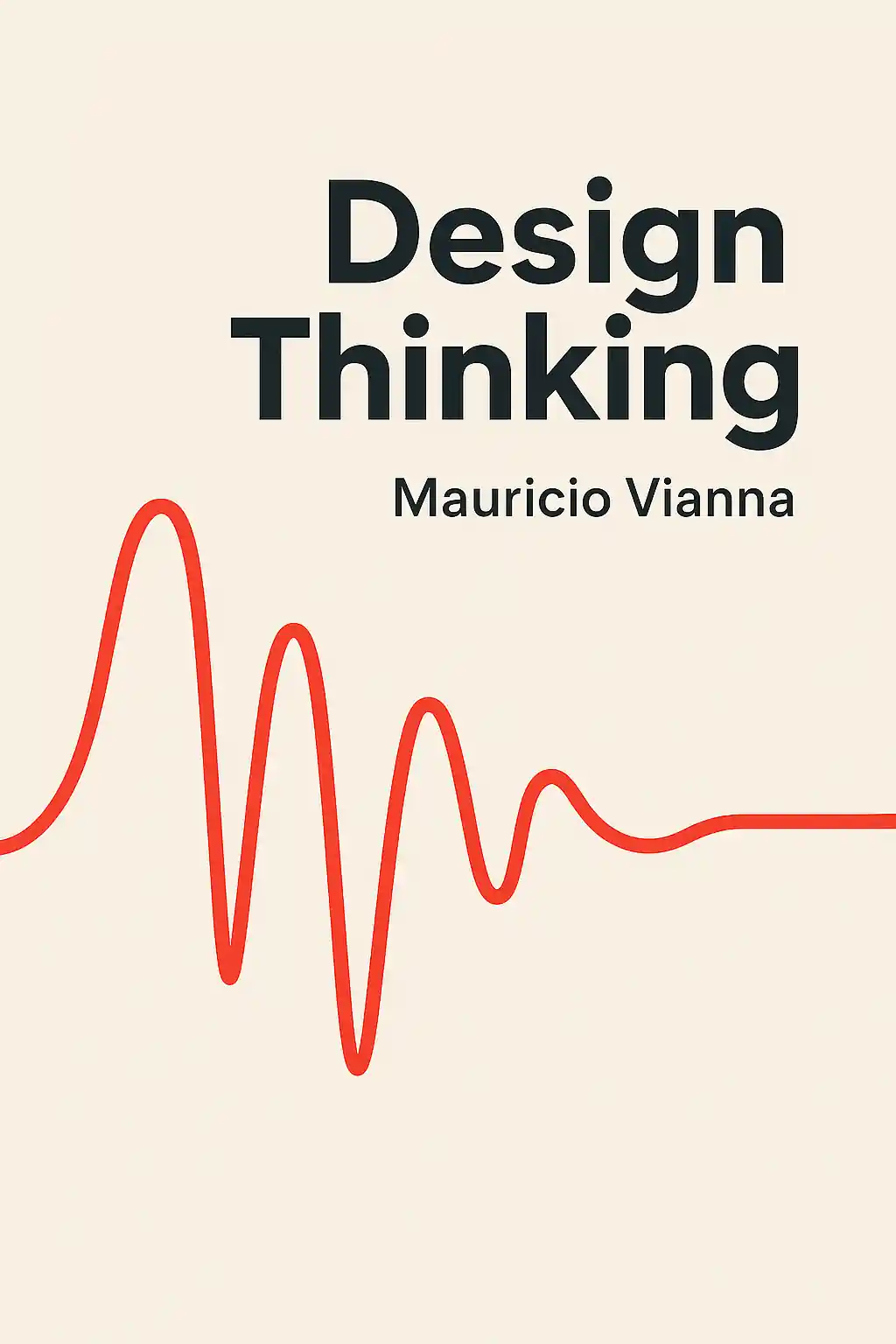
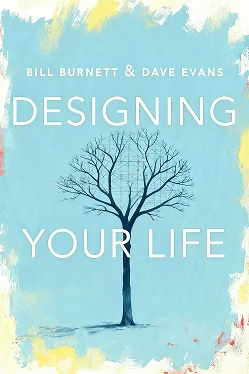
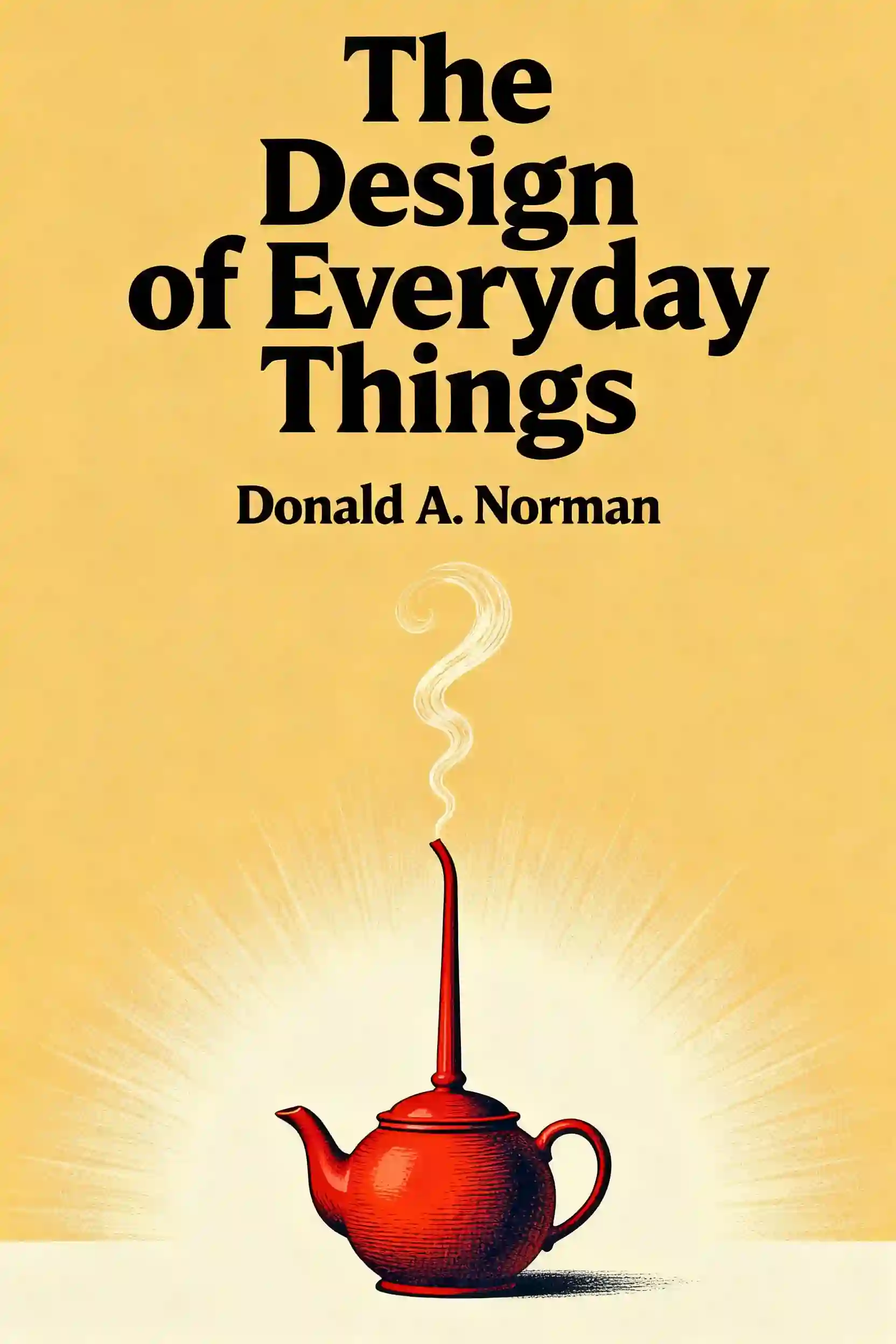
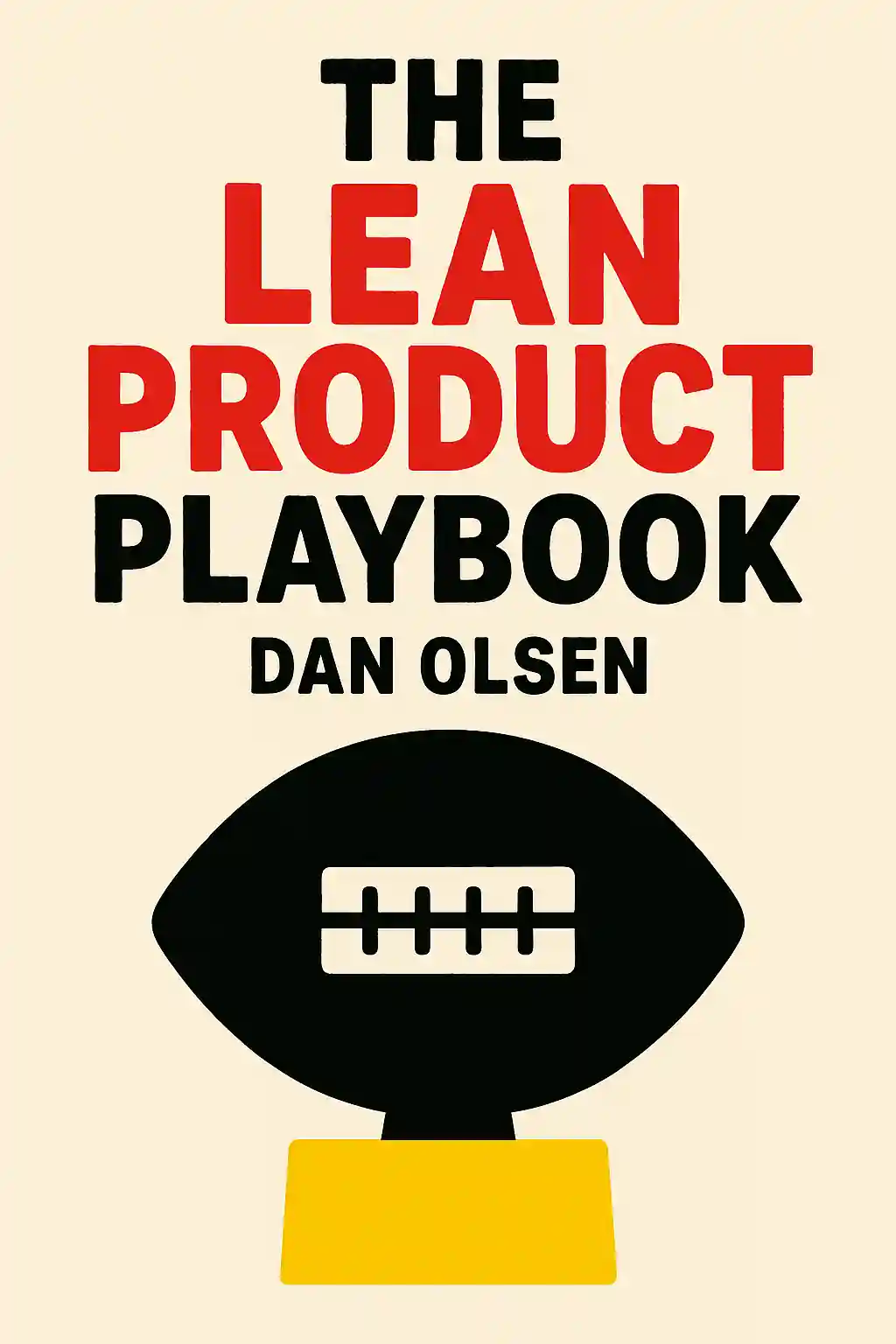
Discover more

Master design thinking for systemic change
In a world of increasing complexity, traditional problem-solving approaches often fall short. This learning plan equips professionals, change-makers, and leaders with integrated design and systems thinking capabilities to address complex challenges and create sustainable, transformative solutions.

design!
This comprehensive design learning path is essential for anyone looking to build or elevate their design career in today's innovation-driven landscape. It's ideal for aspiring designers seeking structured skill development, product managers wanting to think more like designers, entrepreneurs needing to create user-centered solutions, and experienced designers aiming to reach strategic leadership levels. The curriculum bridges foundational knowledge with cutting-edge practice, ensuring you're prepared for both current design challenges and future AI-integrated workflows.

design leader mindset
Design leaders today must navigate beyond craft excellence to drive strategic business impact and cultural transformation. This learning plan is essential for experienced designers moving into leadership roles, current design managers seeking to elevate their strategic influence, and organizational leaders who want to build design-led cultures that foster innovation and deliver exceptional user experiences.

Learn about product design
Product design is the cornerstone of creating solutions that truly resonate with users while achieving business objectives. This learning plan equips professionals with the essential skills to create intuitive, innovative products through user-centered methodologies and strategic thinking.

design in ai age
As AI tools rapidly transform creative industries, designers must evolve from being tool operators to strategic thinkers who guide technology toward human-centered outcomes. This learning plan is essential for designers, product managers, and creative professionals who want to remain competitive and relevant by understanding how to leverage AI as a collaborator rather than viewing it as a threat or replacement.

Apply Neuroplasticity to Design Innovation
This program bridges the gap between cognitive science and practical problem-solving for professionals in creative and strategic roles. It is ideal for designers, engineers, and leaders looking to harness the brain's physical adaptability to foster a culture of breakthrough thinking.

Elevate craft in design, branding & stories
This learning plan is essential for anyone looking to elevate their creative impact in today's experience-driven marketplace. It's ideal for designers, marketers, product managers, entrepreneurs, and creative professionals who want to move beyond tactical execution to strategic thinking that connects brands with people. By integrating design fundamentals, brand strategy, storytelling, and innovation methodology, you'll gain the comprehensive toolkit needed to create work that truly resonates and drives results.

The Architecture of Choice
Understanding the hidden mechanics of decision-making is essential for anyone navigating complex social and professional landscapes. This plan is ideal for leaders, marketers, and curious minds looking to master the psychological triggers that drive human choice and collective action.
From Columbia University alumni built in San Francisco
"Instead of endless scrolling, I just hit play on BeFreed. It saves me so much time."


"I never knew where to start with nonfiction—BeFreed’s book lists turned into podcasts gave me a clear path."


"Perfect balance between learning and entertainment. Finished ‘Thinking, Fast and Slow’ on my commute this week."
"Crazy how much I learned while walking the dog. BeFreed = small habits → big gains."
"Reading used to feel like a chore. Now it’s just part of my lifestyle."

"Feels effortless compared to reading. I’ve finished 6 books this month already."
"BeFreed turned my guilty doomscrolling into something that feels productive and inspiring."

"BeFreed turned my commute into learning time. 20-min podcasts are perfect for finishing books I never had time for."
"BeFreed replaced my podcast queue. Imagine Spotify for books — that’s it. 🙌"

"It is great for me to learn something from the book without reading it."
"The themed book list podcasts help me connect ideas across authors—like a guided audio journey."
"Makes me feel smarter every time before going to work"
From Columbia University alumni built in San Francisco
"Instead of endless scrolling, I just hit play on BeFreed. It saves me so much time."
"I never knew where to start with nonfiction—BeFreed’s book lists turned into podcasts gave me a clear path."
"Perfect balance between learning and entertainment. Finished ‘Thinking, Fast and Slow’ on my commute this week."
"Crazy how much I learned while walking the dog. BeFreed = small habits → big gains."
"Reading used to feel like a chore. Now it’s just part of my lifestyle."
"Feels effortless compared to reading. I’ve finished 6 books this month already."
"BeFreed turned my guilty doomscrolling into something that feels productive and inspiring."
"BeFreed turned my commute into learning time. 20-min podcasts are perfect for finishing books I never had time for."
"BeFreed replaced my podcast queue. Imagine Spotify for books — that’s it. 🙌"
"It is great for me to learn something from the book without reading it."
"The themed book list podcasts help me connect ideas across authors—like a guided audio journey."
"Makes me feel smarter every time before going to work"
"Instead of endless scrolling, I just hit play on BeFreed. It saves me so much time."
"I never knew where to start with nonfiction—BeFreed’s book lists turned into podcasts gave me a clear path."
"Perfect balance between learning and entertainment. Finished ‘Thinking, Fast and Slow’ on my commute this week."
"Crazy how much I learned while walking the dog. BeFreed = small habits → big gains."
"Reading used to feel like a chore. Now it’s just part of my lifestyle."
"Feels effortless compared to reading. I’ve finished 6 books this month already."
"BeFreed turned my guilty doomscrolling into something that feels productive and inspiring."
"BeFreed turned my commute into learning time. 20-min podcasts are perfect for finishing books I never had time for."
"BeFreed replaced my podcast queue. Imagine Spotify for books — that’s it. 🙌"
"It is great for me to learn something from the book without reading it."
"The themed book list podcasts help me connect ideas across authors—like a guided audio journey."
"Makes me feel smarter every time before going to work"
"Instead of endless scrolling, I just hit play on BeFreed. It saves me so much time."
"I never knew where to start with nonfiction—BeFreed’s book lists turned into podcasts gave me a clear path."
"Perfect balance between learning and entertainment. Finished ‘Thinking, Fast and Slow’ on my commute this week."
"Crazy how much I learned while walking the dog. BeFreed = small habits → big gains."
"Reading used to feel like a chore. Now it’s just part of my lifestyle."
"Feels effortless compared to reading. I’ve finished 6 books this month already."
"BeFreed turned my guilty doomscrolling into something that feels productive and inspiring."
"BeFreed turned my commute into learning time. 20-min podcasts are perfect for finishing books I never had time for."
"BeFreed replaced my podcast queue. Imagine Spotify for books — that’s it. 🙌"
"It is great for me to learn something from the book without reading it."
"The themed book list podcasts help me connect ideas across authors—like a guided audio journey."
"Makes me feel smarter every time before going to work"