Download study materials and research files easily
Struggling to save research papers or study guides? Learn how to navigate digital repositories and public domain books to build your own library.

Best quote from Download study materials and research files easily
We have more access to the 'guts' of human knowledge than any generation before us. It’s the difference between being a consumer of info and being a participant in the research world where you have the same tools at your fingertips that a professional researcher once spent weeks in an archive to find.
Generated by Chad Law
Can I download study information

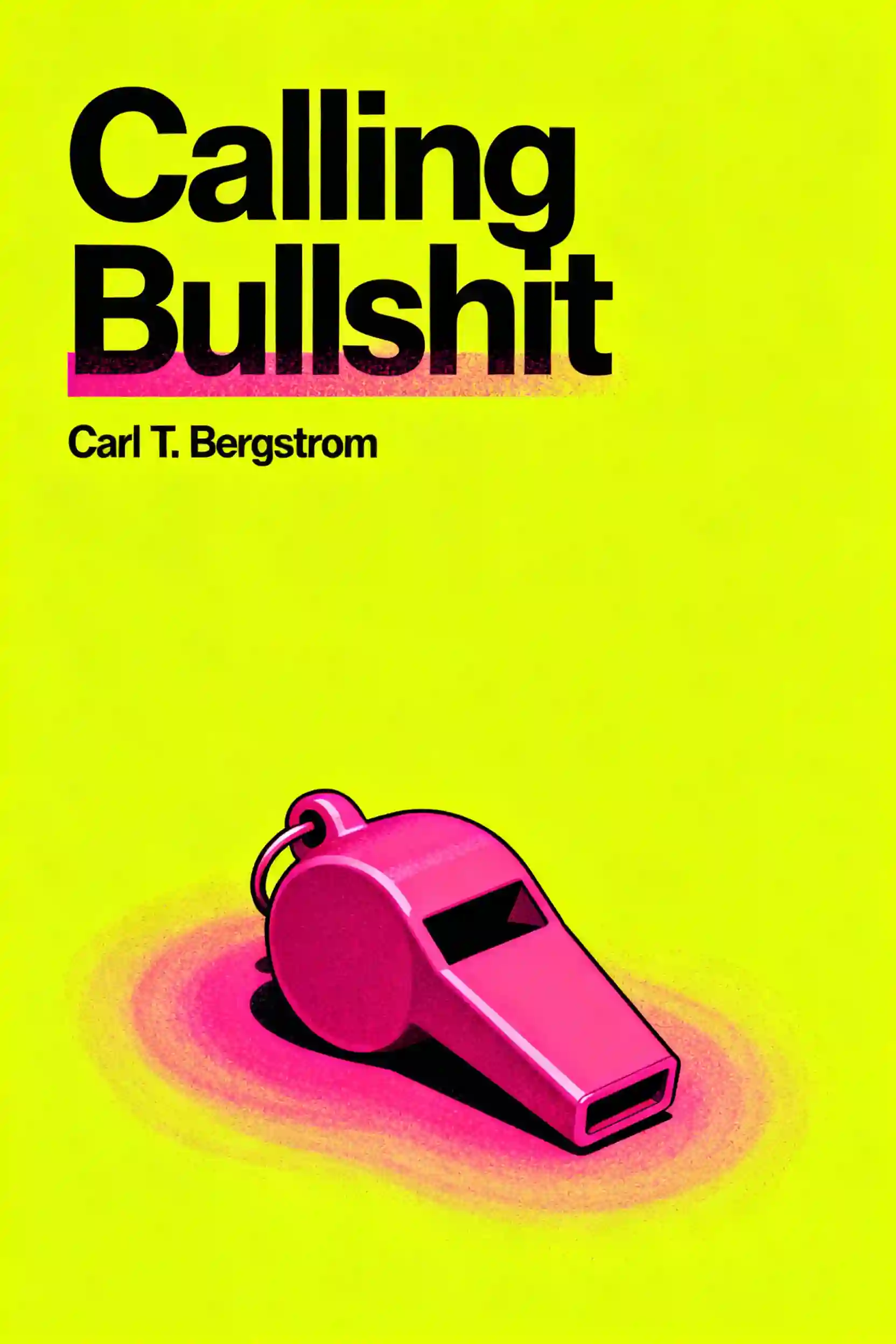
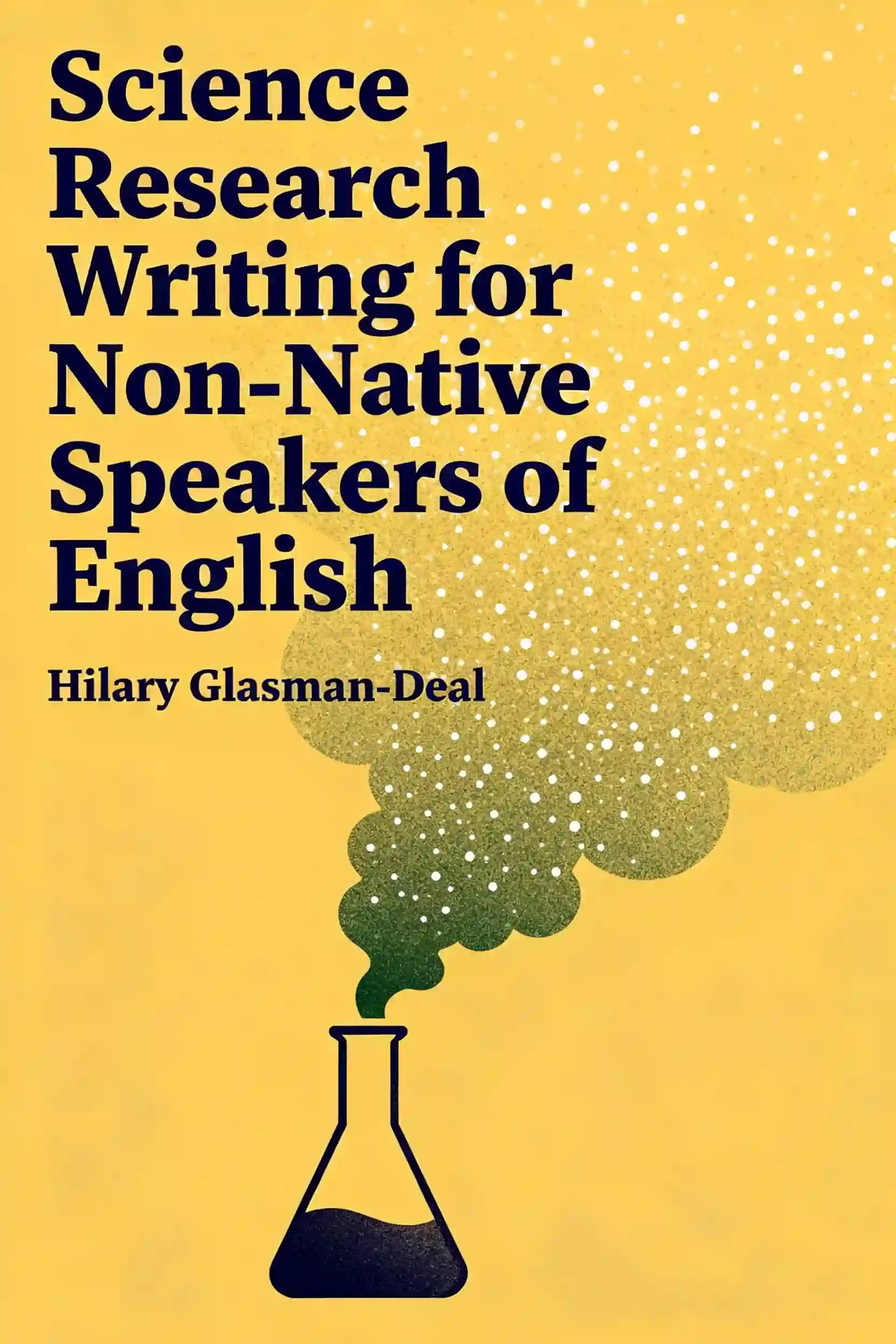
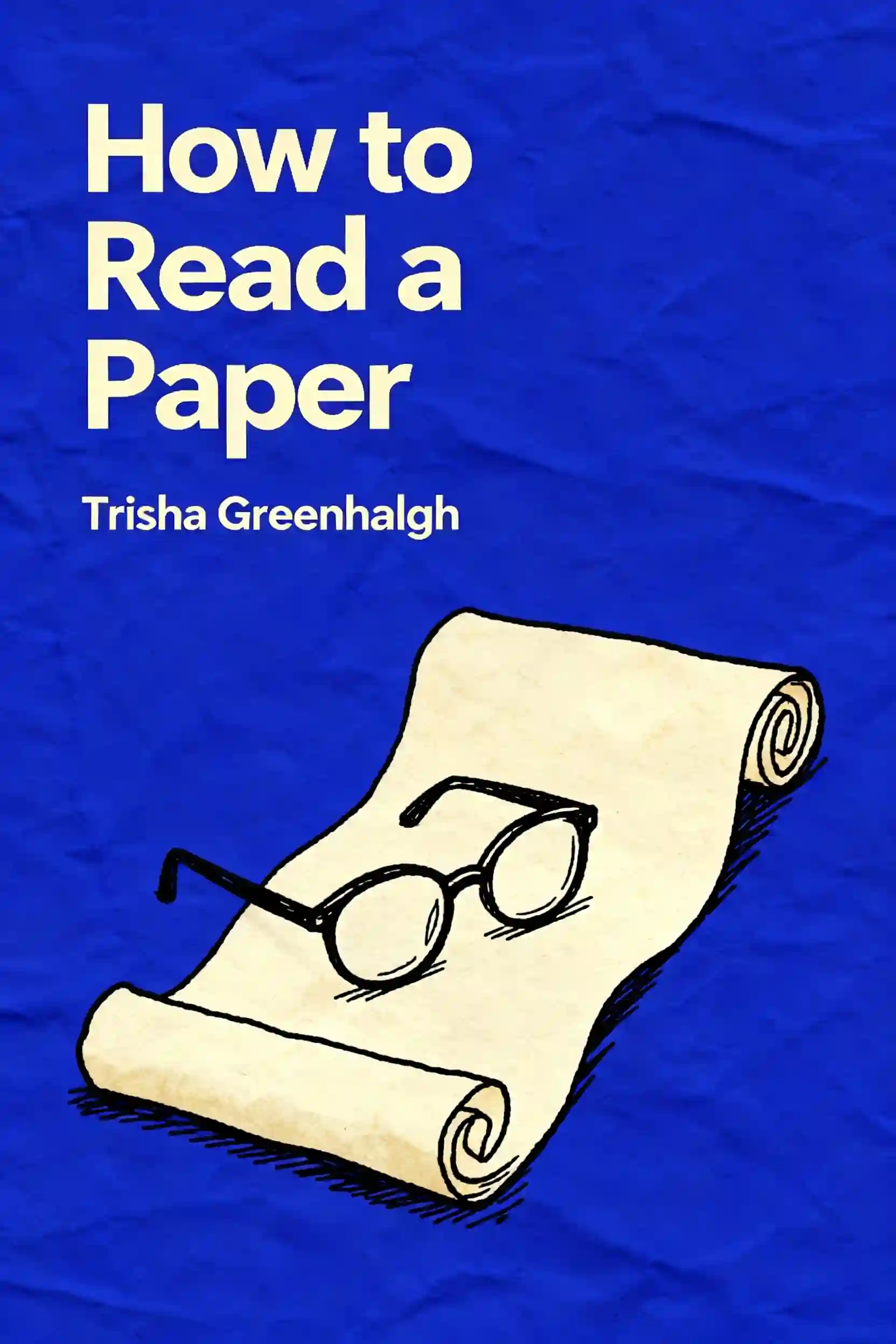
Frequently Asked Questions
The most effective legal method is using browser extensions like Unpaywall or the Open Access Button. These tools search the web for "green" open access versions of articles, such as copies the authors have legally uploaded to university repositories. If a free version isn't found, the Open Access Button can help you email the author directly to request a copy for personal study. Additionally, you can check the "All Versions" link on Google Scholar or search the Directory of Open Access Journals (DOAJ) for peer-reviewed, free-to-read research.
Public use datasets, such as the teaching sets found on BioLINCC, are generally "grab-and-go" resources intended for students to practice real-world data analysis without a fee, though website registration is usually required. In contrast, investigator-level data involves sensitive clinical trial or epidemiological information. Accessing these requires a more formal process, including registering as a researcher, submitting a specific application or request form, and sometimes interacting with a clinical research liaison to ensure participant confidentiality and privacy.
Common Data Elements are standardized questions and variables used to "harmonize" research across different studies. For a student, the HEAL Initiative’s CDE Repository acts as a blueprint for how professional studies are structured. By downloading Case Report Forms (CRF) or CDE files, you can see the exact questionnaires used for topics like pain or substance use, as well as the coding information that explains what the raw numerical data actually represents.
As of early 2026, some agencies have flagged lapses in government funding or appropriations. When this happens, repositories like BioLINCC may display notices stating that information might not be up to date or that inquiries and data requests will take longer to process. This is a real-world hurdle for researchers, as these digital libraries are managed by federal agencies subject to budget cycles and legislative actions.
Shadow libraries are platforms that provide free, unauthorized access to millions of copyrighted academic papers and eBooks. While popular for their scale, they face significant legal pressure; for example, Sci-Hub has struggled to host new papers since 2021 due to ongoing court cases. Users should be aware that these sites operate in a legal "gray area" that depends on local laws. Practically, users are advised to use antivirus software for all downloads and avoid "fake" mirrors that attempt to charge membership fees, as official mirrors are always free.
From Columbia University alumni built in San Francisco
"Instead of endless scrolling, I just hit play on BeFreed. It saves me so much time."


"I never knew where to start with nonfiction—BeFreed’s book lists turned into podcasts gave me a clear path."


"Perfect balance between learning and entertainment. Finished ‘Thinking, Fast and Slow’ on my commute this week."
"Crazy how much I learned while walking the dog. BeFreed = small habits → big gains."
"Reading used to feel like a chore. Now it’s just part of my lifestyle."

"Feels effortless compared to reading. I’ve finished 6 books this month already."
"BeFreed turned my guilty doomscrolling into something that feels productive and inspiring."

"BeFreed turned my commute into learning time. 20-min podcasts are perfect for finishing books I never had time for."
"BeFreed replaced my podcast queue. Imagine Spotify for books — that’s it. 🙌"

"It is great for me to learn something from the book without reading it."
"The themed book list podcasts help me connect ideas across authors—like a guided audio journey."
"Makes me feel smarter every time before going to work"
From Columbia University alumni built in San Francisco
"Instead of endless scrolling, I just hit play on BeFreed. It saves me so much time."
"I never knew where to start with nonfiction—BeFreed’s book lists turned into podcasts gave me a clear path."
"Perfect balance between learning and entertainment. Finished ‘Thinking, Fast and Slow’ on my commute this week."
"Crazy how much I learned while walking the dog. BeFreed = small habits → big gains."
"Reading used to feel like a chore. Now it’s just part of my lifestyle."
"Feels effortless compared to reading. I’ve finished 6 books this month already."
"BeFreed turned my guilty doomscrolling into something that feels productive and inspiring."
"BeFreed turned my commute into learning time. 20-min podcasts are perfect for finishing books I never had time for."
"BeFreed replaced my podcast queue. Imagine Spotify for books — that’s it. 🙌"
"It is great for me to learn something from the book without reading it."
"The themed book list podcasts help me connect ideas across authors—like a guided audio journey."
"Makes me feel smarter every time before going to work"
"Instead of endless scrolling, I just hit play on BeFreed. It saves me so much time."
"I never knew where to start with nonfiction—BeFreed’s book lists turned into podcasts gave me a clear path."
"Perfect balance between learning and entertainment. Finished ‘Thinking, Fast and Slow’ on my commute this week."
"Crazy how much I learned while walking the dog. BeFreed = small habits → big gains."
"Reading used to feel like a chore. Now it’s just part of my lifestyle."
"Feels effortless compared to reading. I’ve finished 6 books this month already."
"BeFreed turned my guilty doomscrolling into something that feels productive and inspiring."
"BeFreed turned my commute into learning time. 20-min podcasts are perfect for finishing books I never had time for."
"BeFreed replaced my podcast queue. Imagine Spotify for books — that’s it. 🙌"
"It is great for me to learn something from the book without reading it."
"The themed book list podcasts help me connect ideas across authors—like a guided audio journey."
"Makes me feel smarter every time before going to work"
"Instead of endless scrolling, I just hit play on BeFreed. It saves me so much time."
"I never knew where to start with nonfiction—BeFreed’s book lists turned into podcasts gave me a clear path."
"Perfect balance between learning and entertainment. Finished ‘Thinking, Fast and Slow’ on my commute this week."
"Crazy how much I learned while walking the dog. BeFreed = small habits → big gains."
"Reading used to feel like a chore. Now it’s just part of my lifestyle."
"Feels effortless compared to reading. I’ve finished 6 books this month already."
"BeFreed turned my guilty doomscrolling into something that feels productive and inspiring."
"BeFreed turned my commute into learning time. 20-min podcasts are perfect for finishing books I never had time for."
"BeFreed replaced my podcast queue. Imagine Spotify for books — that’s it. 🙌"
"It is great for me to learn something from the book without reading it."
"The themed book list podcasts help me connect ideas across authors—like a guided audio journey."
"Makes me feel smarter every time before going to work"