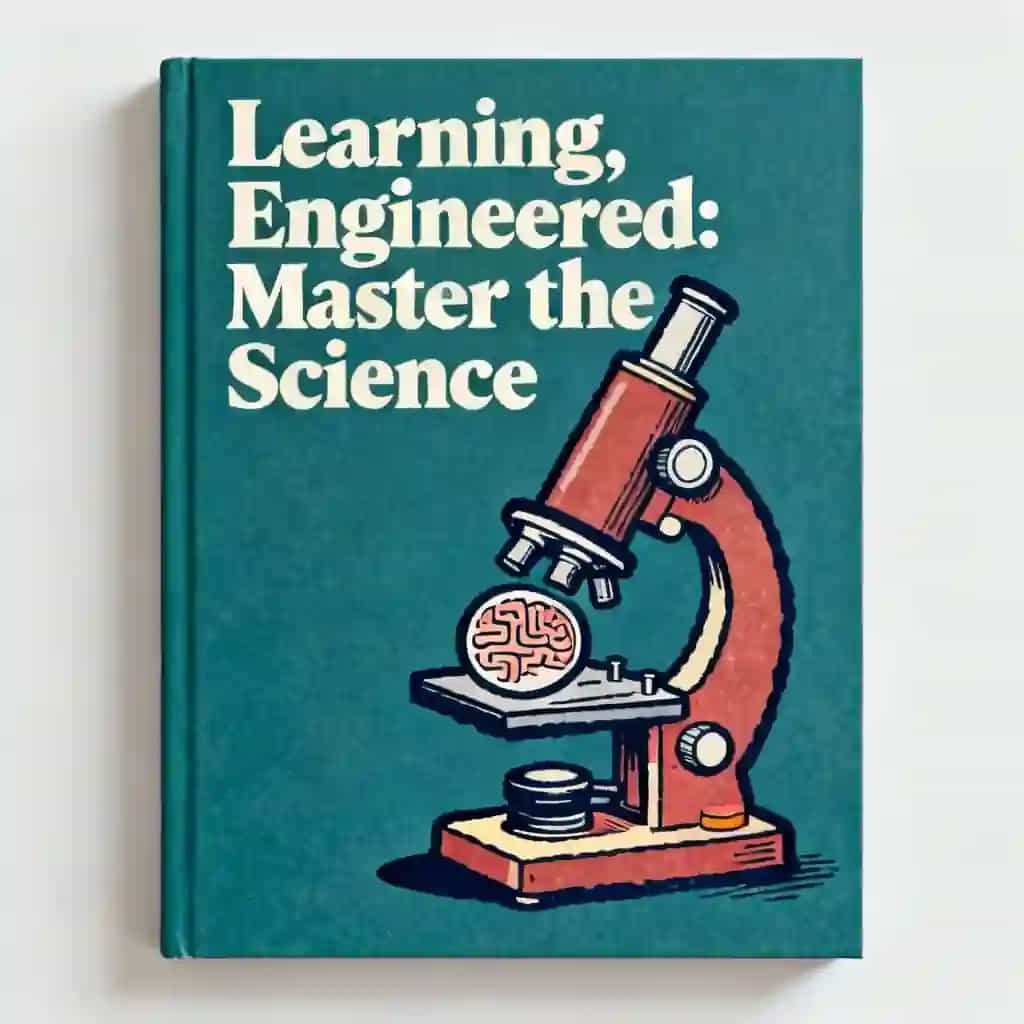
Study Smarter: The Science of High Performance
Discover why top students spend less time studying and more time mastering material. Learn research-backed techniques like active recall and spaced repetition to break the cycle of passive learning.

Best quote from Study Smarter: The Science of High Performance
The difference between successful and struggling students isn't IQ—it’s strategy. High performers actually study fewer hours by shifting from passive consumption to active engagement, avoiding the 'illusion of competence' that comes from simply rereading notes.
Generated by S
How to study

Frequently Asked Questions
High-performing students tend to focus on "working smarter" by using active engagement rather than passive consumption. While lower performers may spend 25 to 30 hours on ineffective methods like rereading notes or highlighting, top students avoid the "illusion of competence." They prioritize high-intensity, research-backed habits like active recall and spaced repetition, which allow them to encode information more deeply in less time.
The illusion of competence, or fluency illusion, occurs when you reread material and mistake your familiarity with the text for actual mastery. Because the information looks familiar, your brain assumes you know it, but you are often unable to recall it from scratch during an exam. To break this cycle, you should shift from passive reading to active recall methods, such as the "Blank Paper Method" or the "Feynman Technique," which force your brain to retrieve information without looking at your notes.
Spaced Repetition is a strategy designed to hack the "Forgetting Curve," which suggests we lose up to 70 percent of new information within 24 hours. By reviewing material at increasing intervals—such as one day, three days, and one week later—you interrupt the forgetting process at the moment retrieval is difficult but still possible. This signals to the brain that the information is important, moving it from temporary working memory into long-term storage.
Interleaving involves mixing different topics or types of problems within a single study session instead of practicing one concept repeatedly (known as "blocked practice"). Although interleaving feels more difficult and frustrating, it forces the brain to "discriminate" between different types of information. This practice is highly effective for exams because it prepares you to identify which strategy or formula to apply when problems are presented in a mixed, unpredictable order.
Handwriting is generally slower than typing, which forces the student to synthesize and summarize information in real-time rather than transcribing a lecture verbatim. This act of rephrasing and the motor process of writing aid in the initial encoding of the material. In contrast, students who type often fall into the "Transcription Trap," where information passes from their ears to their fingers without being processed by the brain.
From Columbia University alumni built in San Francisco
"Instead of endless scrolling, I just hit play on BeFreed. It saves me so much time."


"I never knew where to start with nonfiction—BeFreed’s book lists turned into podcasts gave me a clear path."


"Perfect balance between learning and entertainment. Finished ‘Thinking, Fast and Slow’ on my commute this week."
"Crazy how much I learned while walking the dog. BeFreed = small habits → big gains."
"Reading used to feel like a chore. Now it’s just part of my lifestyle."

"Feels effortless compared to reading. I’ve finished 6 books this month already."
"BeFreed turned my guilty doomscrolling into something that feels productive and inspiring."

"BeFreed turned my commute into learning time. 20-min podcasts are perfect for finishing books I never had time for."
"BeFreed replaced my podcast queue. Imagine Spotify for books — that’s it. 🙌"

"It is great for me to learn something from the book without reading it."
"The themed book list podcasts help me connect ideas across authors—like a guided audio journey."
"Makes me feel smarter every time before going to work"
From Columbia University alumni built in San Francisco
"Instead of endless scrolling, I just hit play on BeFreed. It saves me so much time."
"I never knew where to start with nonfiction—BeFreed’s book lists turned into podcasts gave me a clear path."
"Perfect balance between learning and entertainment. Finished ‘Thinking, Fast and Slow’ on my commute this week."
"Crazy how much I learned while walking the dog. BeFreed = small habits → big gains."
"Reading used to feel like a chore. Now it’s just part of my lifestyle."
"Feels effortless compared to reading. I’ve finished 6 books this month already."
"BeFreed turned my guilty doomscrolling into something that feels productive and inspiring."
"BeFreed turned my commute into learning time. 20-min podcasts are perfect for finishing books I never had time for."
"BeFreed replaced my podcast queue. Imagine Spotify for books — that’s it. 🙌"
"It is great for me to learn something from the book without reading it."
"The themed book list podcasts help me connect ideas across authors—like a guided audio journey."
"Makes me feel smarter every time before going to work"
"Instead of endless scrolling, I just hit play on BeFreed. It saves me so much time."
"I never knew where to start with nonfiction—BeFreed’s book lists turned into podcasts gave me a clear path."
"Perfect balance between learning and entertainment. Finished ‘Thinking, Fast and Slow’ on my commute this week."
"Crazy how much I learned while walking the dog. BeFreed = small habits → big gains."
"Reading used to feel like a chore. Now it’s just part of my lifestyle."
"Feels effortless compared to reading. I’ve finished 6 books this month already."
"BeFreed turned my guilty doomscrolling into something that feels productive and inspiring."
"BeFreed turned my commute into learning time. 20-min podcasts are perfect for finishing books I never had time for."
"BeFreed replaced my podcast queue. Imagine Spotify for books — that’s it. 🙌"
"It is great for me to learn something from the book without reading it."
"The themed book list podcasts help me connect ideas across authors—like a guided audio journey."
"Makes me feel smarter every time before going to work"
"Instead of endless scrolling, I just hit play on BeFreed. It saves me so much time."
"I never knew where to start with nonfiction—BeFreed’s book lists turned into podcasts gave me a clear path."
"Perfect balance between learning and entertainment. Finished ‘Thinking, Fast and Slow’ on my commute this week."
"Crazy how much I learned while walking the dog. BeFreed = small habits → big gains."
"Reading used to feel like a chore. Now it’s just part of my lifestyle."
"Feels effortless compared to reading. I’ve finished 6 books this month already."
"BeFreed turned my guilty doomscrolling into something that feels productive and inspiring."
"BeFreed turned my commute into learning time. 20-min podcasts are perfect for finishing books I never had time for."
"BeFreed replaced my podcast queue. Imagine Spotify for books — that’s it. 🙌"
"It is great for me to learn something from the book without reading it."
"The themed book list podcasts help me connect ideas across authors—like a guided audio journey."
"Makes me feel smarter every time before going to work"