Divination in the Bible and the Prophet Paradox
Why does the Bible condemn divination but embrace prophets? Explore the thin line between forbidden magic and divine revelation in ancient history.

Best quote from Divination in the Bible and the Prophet Paradox
The biblical distinction between divination and prophecy is less about the tools used and more about the posture of the heart: divination seeks to manipulate the divine for control, while prophecy requires submission to the Creator for illumination.
Generated by Ezra
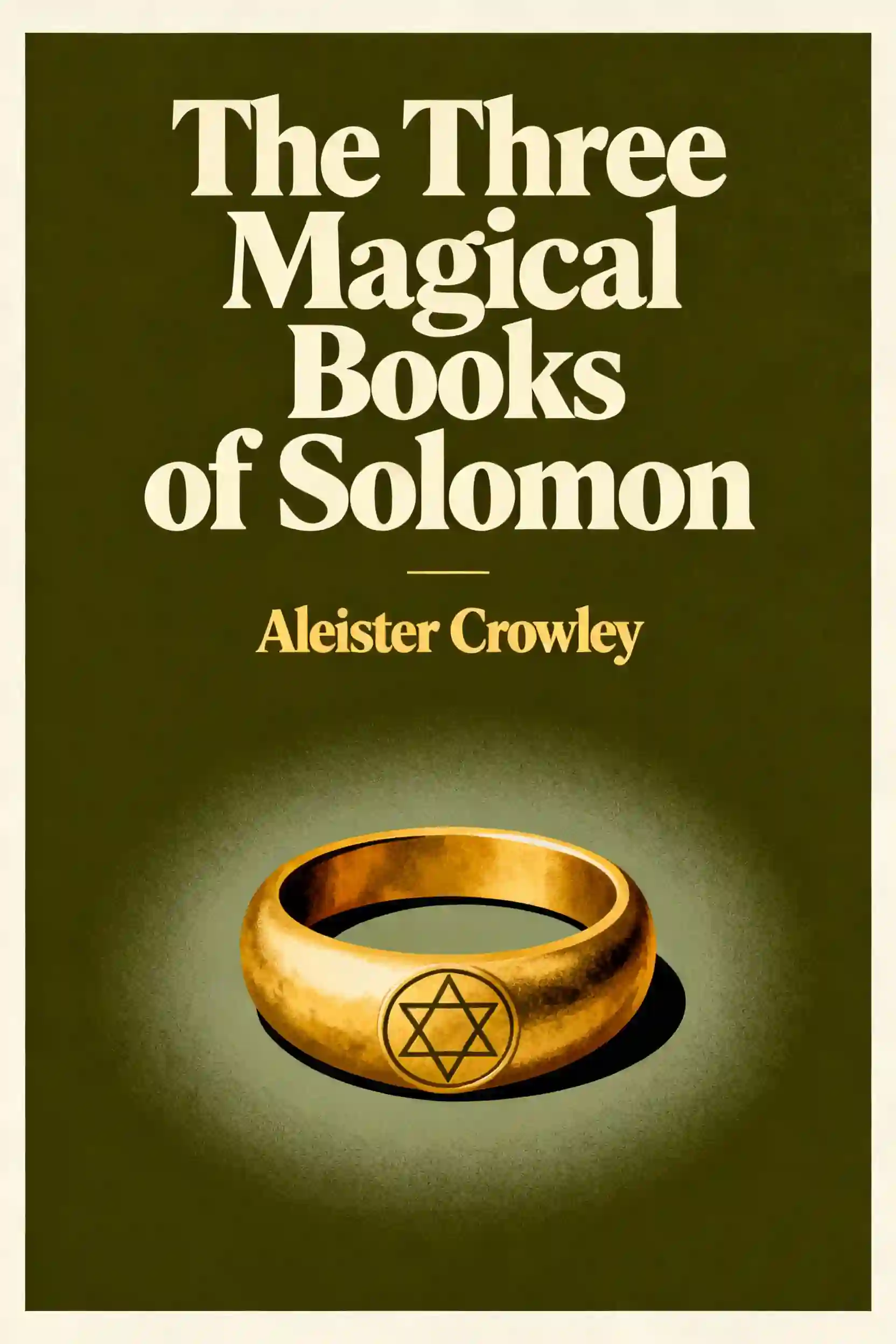
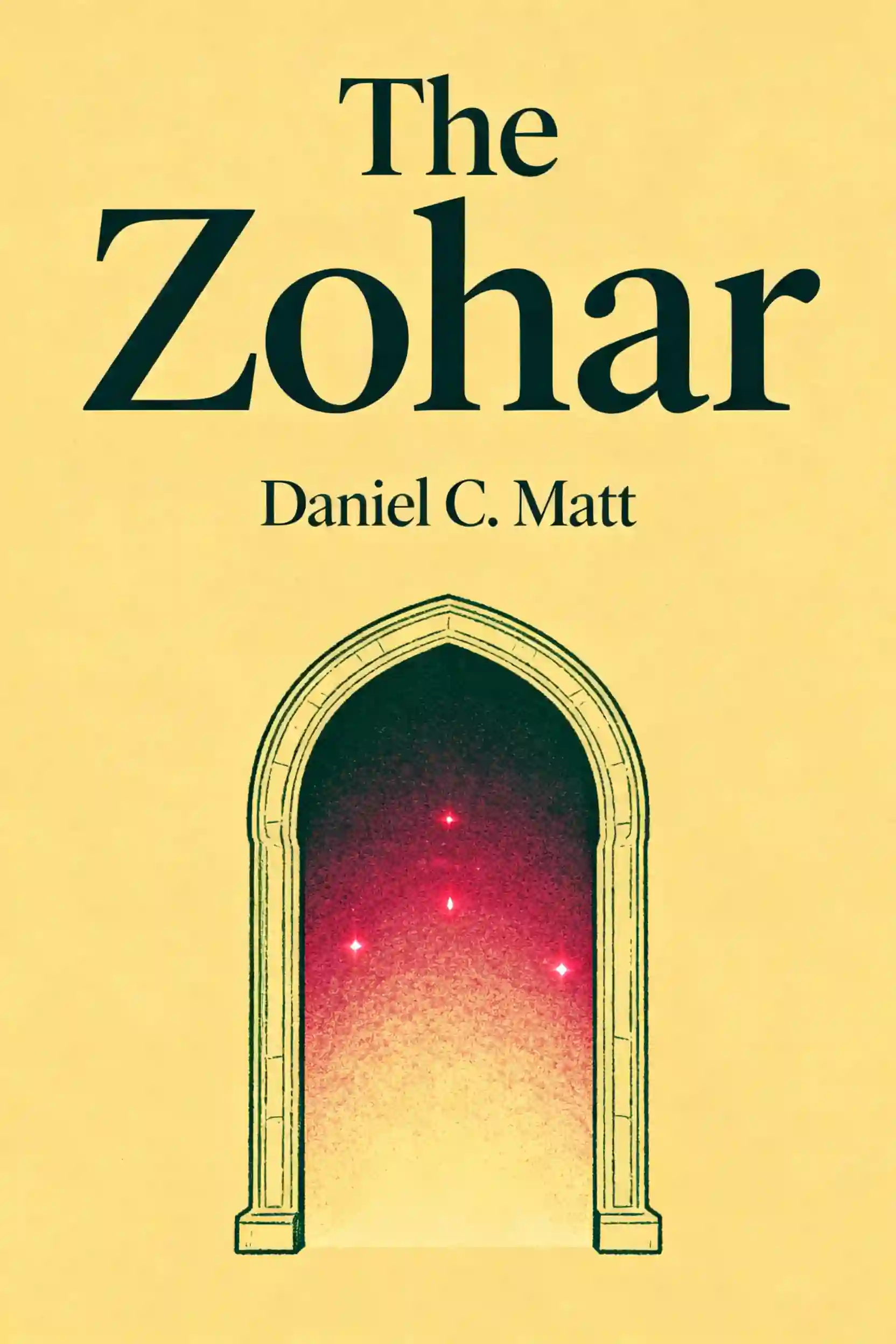
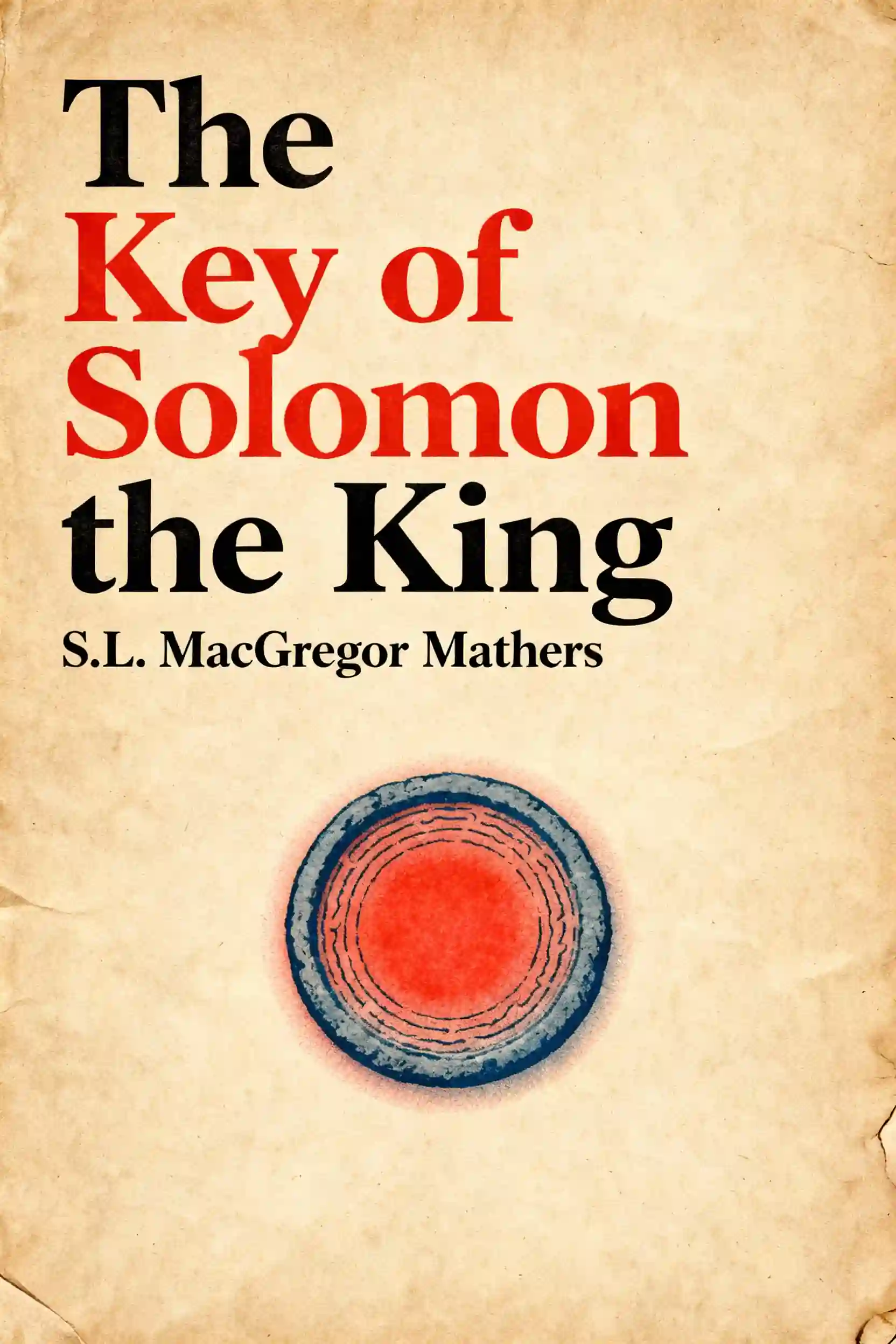
A lesson of divination in the Bible. Though it may condemn magic and divination it also has its own forms of divination. It speaks against future tellers , yet allows for prophets to future tell. Is there any historical ties to such practices in the Bible. And maybe it was that there was blessed magic and organ magic. Explore this subject.




Frequently Asked Questions
The distinction lies in the source of the information and the intent of the practitioner. Divination is framed as a human attempt to manipulate the divine or "hack" into unauthorized spiritual channels using technical skills and manuals. In contrast, biblical prophecy is based on submission to God, where the prophet acts as a servant through whom God chooses to speak. While divination seeks to gain power over the supernatural, sanctioned prophecy focuses on a relationship with the Creator and receiving "insider information" directly from the Source.
While some scholars suggest the Urim and Thummim were simple stones used for "yes/no" lots, the script notes that the answers received were often too complex for a simple coin flip. For example, King David received specific tactical battle advice through these tools. This suggests the objects may have served as a "trigger" or meditative tool for a prophetic trance or vision. In this view, the High Priest would look at the stones and receive direct vocal communication or see letters emerging from the breastplate through the influence of the Holy Spirit.
The Bible does not necessarily claim that all magic is fake; for instance, the Egyptian magicians were able to replicate several of Moses’ miracles. However, these practices are condemned because they represent a rival spiritual authority and an attempt to "buy" or force a deity's favor through transactions. This "ritual technology of harm" was seen as high treason against God and a threat to social stability. The biblical laws were designed to protect the community from the fear of hidden manipulation and to ensure that Yahweh remained the sole provider and protector.
As the history of Israel progressed, there was a shift from "reading signs on a stone" to "hearing a message in the heart." Scholars suggest that as the written Law became established and the role of the vocal prophet grew, the need for physical objects like the Urim and Thummim diminished. The communication system "upgraded" from symbolic objects to the "Word of the Lord" and inspired performances, where the prophet’s own body and actions became the material canvas for God's message.
According to the script, the biblical prohibitions were concerned with real-world spiritual allegiances and actual attempts to contact demonic forces for power. Fictional magic is viewed as a narrative tool or metaphor for imagination rather than a "ritual technology" used to circumvent God. Because there is no actual spirit involved in special effects or storytelling, watching or reading such fiction is not considered participating in the illicit sorcery described in the ancient texts.
From Columbia University alumni built in San Francisco
"Instead of endless scrolling, I just hit play on BeFreed. It saves me so much time."


"I never knew where to start with nonfiction—BeFreed’s book lists turned into podcasts gave me a clear path."


"Perfect balance between learning and entertainment. Finished ‘Thinking, Fast and Slow’ on my commute this week."
"Crazy how much I learned while walking the dog. BeFreed = small habits → big gains."
"Reading used to feel like a chore. Now it’s just part of my lifestyle."

"Feels effortless compared to reading. I’ve finished 6 books this month already."
"BeFreed turned my guilty doomscrolling into something that feels productive and inspiring."

"BeFreed turned my commute into learning time. 20-min podcasts are perfect for finishing books I never had time for."
"BeFreed replaced my podcast queue. Imagine Spotify for books — that’s it. 🙌"

"It is great for me to learn something from the book without reading it."
"The themed book list podcasts help me connect ideas across authors—like a guided audio journey."
"Makes me feel smarter every time before going to work"
From Columbia University alumni built in San Francisco
"Instead of endless scrolling, I just hit play on BeFreed. It saves me so much time."
"I never knew where to start with nonfiction—BeFreed’s book lists turned into podcasts gave me a clear path."
"Perfect balance between learning and entertainment. Finished ‘Thinking, Fast and Slow’ on my commute this week."
"Crazy how much I learned while walking the dog. BeFreed = small habits → big gains."
"Reading used to feel like a chore. Now it’s just part of my lifestyle."
"Feels effortless compared to reading. I’ve finished 6 books this month already."
"BeFreed turned my guilty doomscrolling into something that feels productive and inspiring."
"BeFreed turned my commute into learning time. 20-min podcasts are perfect for finishing books I never had time for."
"BeFreed replaced my podcast queue. Imagine Spotify for books — that’s it. 🙌"
"It is great for me to learn something from the book without reading it."
"The themed book list podcasts help me connect ideas across authors—like a guided audio journey."
"Makes me feel smarter every time before going to work"
"Instead of endless scrolling, I just hit play on BeFreed. It saves me so much time."
"I never knew where to start with nonfiction—BeFreed’s book lists turned into podcasts gave me a clear path."
"Perfect balance between learning and entertainment. Finished ‘Thinking, Fast and Slow’ on my commute this week."
"Crazy how much I learned while walking the dog. BeFreed = small habits → big gains."
"Reading used to feel like a chore. Now it’s just part of my lifestyle."
"Feels effortless compared to reading. I’ve finished 6 books this month already."
"BeFreed turned my guilty doomscrolling into something that feels productive and inspiring."
"BeFreed turned my commute into learning time. 20-min podcasts are perfect for finishing books I never had time for."
"BeFreed replaced my podcast queue. Imagine Spotify for books — that’s it. 🙌"
"It is great for me to learn something from the book without reading it."
"The themed book list podcasts help me connect ideas across authors—like a guided audio journey."
"Makes me feel smarter every time before going to work"
"Instead of endless scrolling, I just hit play on BeFreed. It saves me so much time."
"I never knew where to start with nonfiction—BeFreed’s book lists turned into podcasts gave me a clear path."
"Perfect balance between learning and entertainment. Finished ‘Thinking, Fast and Slow’ on my commute this week."
"Crazy how much I learned while walking the dog. BeFreed = small habits → big gains."
"Reading used to feel like a chore. Now it’s just part of my lifestyle."
"Feels effortless compared to reading. I’ve finished 6 books this month already."
"BeFreed turned my guilty doomscrolling into something that feels productive and inspiring."
"BeFreed turned my commute into learning time. 20-min podcasts are perfect for finishing books I never had time for."
"BeFreed replaced my podcast queue. Imagine Spotify for books — that’s it. 🙌"
"It is great for me to learn something from the book without reading it."
"The themed book list podcasts help me connect ideas across authors—like a guided audio journey."
"Makes me feel smarter every time before going to work"