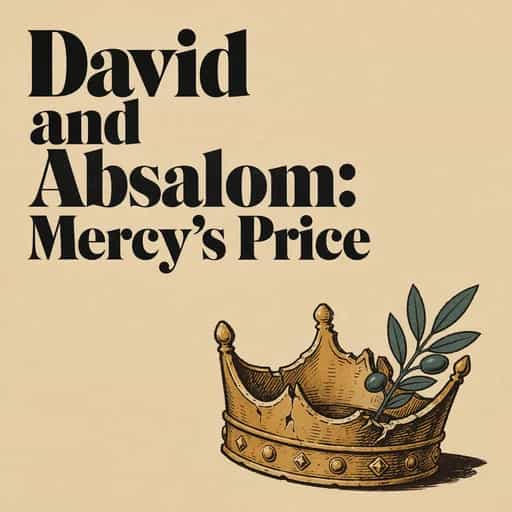
Eli: Now we need to talk about the Bathsheba incident, because most people know the basic story—adultery, murder, Nathan's confrontation. But there are details here that show just how calculating and cold David could be.
Lena: The setup itself is telling. David is supposed to be out with his army fighting the Ammonites, but instead he's lounging on his palace roof while his men are risking their lives. He sees Bathsheba bathing and sends someone to inquire about her. When he learns she's married to Uriah the Hittite, he knows exactly what he's doing.
Eli: And Uriah isn't just any soldier—he's one of David's elite "mighty men," his most trusted warriors. This makes David's betrayal even more personal.
Lena: Exactly. So David sleeps with Bathsheba, she gets pregnant, and now David needs to cover his tracks. His first plan is actually pretty clever—bring Uriah back from the war, let him sleep with his wife, and then everyone will assume the baby is Uriah's.
Eli: But Uriah refuses to go home, right?
Lena: He does, and his reason is heartbreaking. Uriah says, "The ark and Israel and Judah are staying in tents, and my commander Joab and my lord's men are camped in the open country. How could I go to my house to eat and drink and make love to my wife?" This man is so honorable, so committed to his duty, that he won't enjoy personal comfort while his comrades are suffering.
Eli: The contrast with David is staggering. Here's Uriah showing the kind of leadership and sacrifice that David should be demonstrating, while David is literally committing adultery and planning murder.
Lena: And David tries again! He gets Uriah drunk, thinking that will break down his resolve. But even drunk, Uriah maintains his integrity. He sleeps in the servants' quarters rather than going home to his wife.
Eli: So David moves to plan B—murder.
Lena: But not just murder—elaborate, calculated murder that requires sacrificing other innocent soldiers. David writes a letter to Joab saying, "Put Uriah in the front line where the fighting is fiercest. Then withdraw from him so that he will be struck down and die."
Eli: And he sends this death warrant with Uriah himself! The man is literally carrying his own execution order.
Lena: It's almost sadistic. And when Joab carries out the plan, he has to sacrifice other good soldiers to make Uriah's death look natural. David's cover-up requires multiple murders, not just one.
Eli: What really shows David's character is his response when Joab reports back. Joab is worried David will be angry about the military casualties, but David just says, "Don't let this upset you; the sword devours one as well as another."
Lena: "The sword devours one as well as another"—that's chilling. David is talking about the deaths of his own soldiers like they're just statistics, just the cost of doing business. These are men who trusted him, who served him faithfully, and he's completely indifferent to their deaths.
Eli: And then he marries Bathsheba! While she's still in mourning for her murdered husband, David makes her his wife. It's like he's collecting trophies.
Lena: What's culturally significant here is that in the ancient Near East, a king taking a dead soldier's wife could be seen as providing protection for a widow. But given the circumstances, it's really David eliminating evidence and securing Bathsheba's silence. She can't testify against her own husband.
Eli: The whole thing shows David's capacity for compartmentalization. He can commit these horrible acts and then just... go on with his life as if nothing happened.
Lena: Until Nathan shows up with that brilliant parable about the rich man who steals the poor man's lamb. David's immediate outrage—"That man deserves to die!"—shows he still has a moral compass. He just wasn't applying it to his own actions.

























![[e9493572-d918-47f9-8a55-9d4421a111ea:c0001] The Living Word Complete Final.pdf p1-1](/_next/image?url=https%3A%2F%2Fd1y2du6z1jfm9e.cloudfront.net%2Fassets%2Fpodcast%2Fgreen.png&w=1024&q=50)