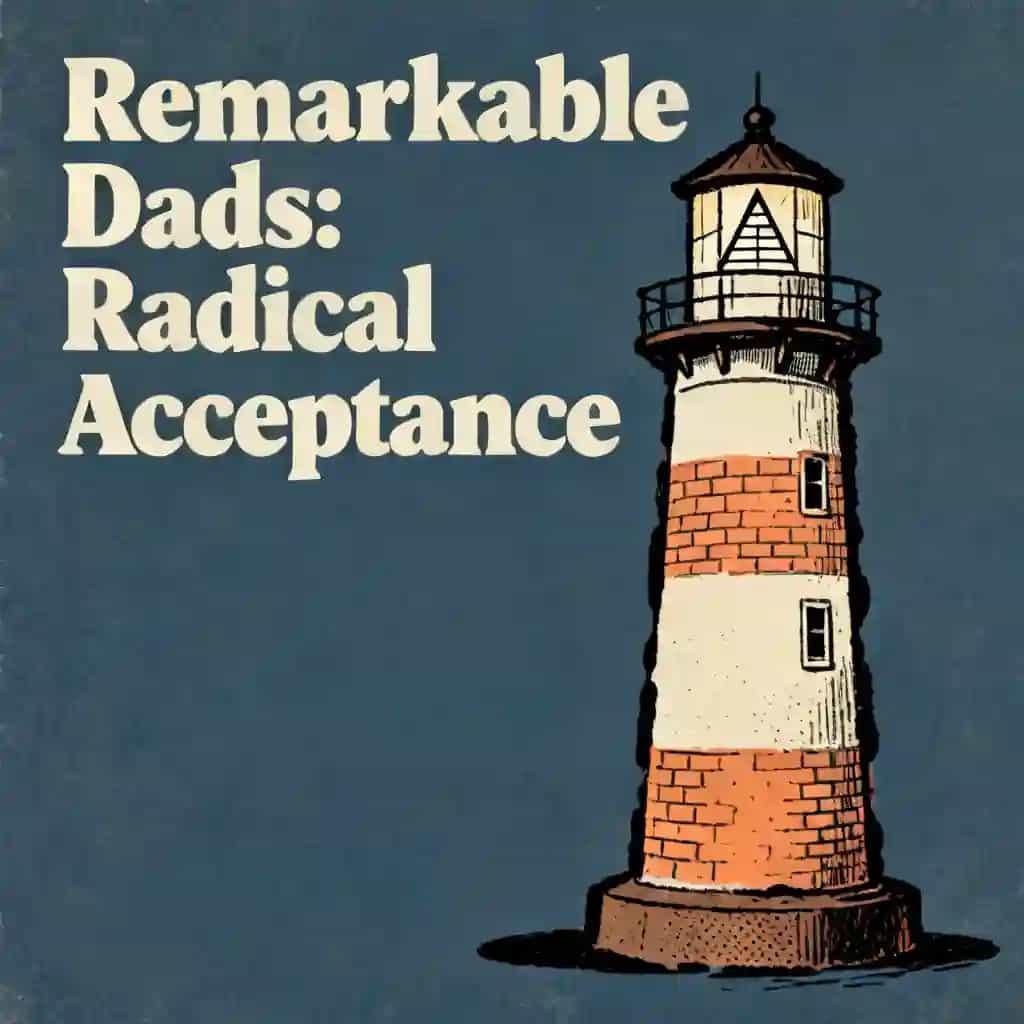
Dad Reflexes: The Neuroscience of Protection
Discover how fathers' brains physically rewire for protective responses, creating those viral-worthy 'dad reflexes.' We explore the medical research behind this phenomenon and how the paternal brain evolves.

Best quote from Dad Reflexes: The Neuroscience of Protection
The brain's threat detection system bypasses conscious thought entirely, allowing protective responses to happen in as little as 0.03 seconds. It’s like having a security system that doesn't wait for you to decide whether something is dangerous.

This audio lesson was created by a BeFreed community member
Medicine research behind Dad reflexes

Discover more

Master my mind and be the dad they deserve
Master my mind and be the dad they deserve
This plan is designed for fathers who want to break cycles of reactivity and lead their families with emotional stability. It provides the essential psychological tools needed to transform stress into presence, making it ideal for any dad seeking a deeper bond with his children.

Parenting, Neuroscience & Innovation Research
Parenting, Neuroscience & Innovation Research
This program bridges the gap between biological science and creative application, essential for those navigating modern developmental challenges. It is ideal for researchers, educators, and proactive parents seeking evidence-based strategies rooted in neuroscience and design thinking.

Be a Better Parent
Be a Better Parent
Modern parenting requires more than just intuition; it demands an understanding of neuroscience and emotional intelligence. This plan is designed for parents at any stage who want to move beyond reactive discipline toward a conscious, connection-based approach that transforms family dynamics.
Parenting, Love, Neuro, Marketing & History
Parenting, Love, Neuro, Marketing & History
This plan bridges the gap between biological evolution and modern social influence. It is ideal for parents, marketers, and leaders seeking to understand the deep-seated neural and historical drivers of human connection.

Regulate emotions to lead as father & husband
Regulate emotions to lead as father & husband
This learning plan addresses the core challenge many men face: wanting to be excellent fathers and husbands but lacking the emotional tools and leadership framework to do so consistently. It's designed for men who are committed to their families and ready to develop the self-awareness, communication skills, and steady presence that create thriving relationships and raise confident children.
Be an amazing father to my 3 kids
Be an amazing father to my 3 kids
This plan is designed for fathers seeking to move beyond the basics and build a lasting legacy with their children. It provides a comprehensive roadmap for navigating the complexities of raising three unique individuals with emotional intelligence and strong values.
Progresser: paternité et sciences
Progresser: paternité et sciences
Ce parcours s'adresse aux pères de jeunes enfants qui souhaitent combiner leur développement personnel en tant que parent avec leur passion pour les sciences. Il reconnaît que l'épanouissement parental et intellectuel ne sont pas contradictoires, mais peuvent se renforcer mutuellement pour créer un environnement familial stimulant et épanouissant.
Mindful Parenting & AI Fundamentals
Mindful Parenting & AI Fundamentals
This learning plan is essential for modern parents who want to balance traditional emotional connection with the rapidly evolving digital landscape. It is ideal for caregivers seeking to build their own AI literacy while raising resilient, emotionally intelligent children in a tech-driven world.
From Columbia University alumni built in San Francisco
"Instead of endless scrolling, I just hit play on BeFreed. It saves me so much time."


"I never knew where to start with nonfiction—BeFreed’s book lists turned into podcasts gave me a clear path."


"Perfect balance between learning and entertainment. Finished ‘Thinking, Fast and Slow’ on my commute this week."
"Crazy how much I learned while walking the dog. BeFreed = small habits → big gains."
"Reading used to feel like a chore. Now it’s just part of my lifestyle."

"Feels effortless compared to reading. I’ve finished 6 books this month already."
"BeFreed turned my guilty doomscrolling into something that feels productive and inspiring."

"BeFreed turned my commute into learning time. 20-min podcasts are perfect for finishing books I never had time for."
"BeFreed replaced my podcast queue. Imagine Spotify for books — that’s it. 🙌"

"It is great for me to learn something from the book without reading it."
"The themed book list podcasts help me connect ideas across authors—like a guided audio journey."
"Makes me feel smarter every time before going to work"
From Columbia University alumni built in San Francisco
"Instead of endless scrolling, I just hit play on BeFreed. It saves me so much time."
"I never knew where to start with nonfiction—BeFreed’s book lists turned into podcasts gave me a clear path."
"Perfect balance between learning and entertainment. Finished ‘Thinking, Fast and Slow’ on my commute this week."
"Crazy how much I learned while walking the dog. BeFreed = small habits → big gains."
"Reading used to feel like a chore. Now it’s just part of my lifestyle."
"Feels effortless compared to reading. I’ve finished 6 books this month already."
"BeFreed turned my guilty doomscrolling into something that feels productive and inspiring."
"BeFreed turned my commute into learning time. 20-min podcasts are perfect for finishing books I never had time for."
"BeFreed replaced my podcast queue. Imagine Spotify for books — that’s it. 🙌"
"It is great for me to learn something from the book without reading it."
"The themed book list podcasts help me connect ideas across authors—like a guided audio journey."
"Makes me feel smarter every time before going to work"
"Instead of endless scrolling, I just hit play on BeFreed. It saves me so much time."
"I never knew where to start with nonfiction—BeFreed’s book lists turned into podcasts gave me a clear path."
"Perfect balance between learning and entertainment. Finished ‘Thinking, Fast and Slow’ on my commute this week."
"Crazy how much I learned while walking the dog. BeFreed = small habits → big gains."
"Reading used to feel like a chore. Now it’s just part of my lifestyle."
"Feels effortless compared to reading. I’ve finished 6 books this month already."
"BeFreed turned my guilty doomscrolling into something that feels productive and inspiring."
"BeFreed turned my commute into learning time. 20-min podcasts are perfect for finishing books I never had time for."
"BeFreed replaced my podcast queue. Imagine Spotify for books — that’s it. 🙌"
"It is great for me to learn something from the book without reading it."
"The themed book list podcasts help me connect ideas across authors—like a guided audio journey."
"Makes me feel smarter every time before going to work"
"Instead of endless scrolling, I just hit play on BeFreed. It saves me so much time."
"I never knew where to start with nonfiction—BeFreed’s book lists turned into podcasts gave me a clear path."
"Perfect balance between learning and entertainment. Finished ‘Thinking, Fast and Slow’ on my commute this week."
"Crazy how much I learned while walking the dog. BeFreed = small habits → big gains."
"Reading used to feel like a chore. Now it’s just part of my lifestyle."
"Feels effortless compared to reading. I’ve finished 6 books this month already."
"BeFreed turned my guilty doomscrolling into something that feels productive and inspiring."
"BeFreed turned my commute into learning time. 20-min podcasts are perfect for finishing books I never had time for."
"BeFreed replaced my podcast queue. Imagine Spotify for books — that’s it. 🙌"
"It is great for me to learn something from the book without reading it."
"The themed book list podcasts help me connect ideas across authors—like a guided audio journey."
"Makes me feel smarter every time before going to work"