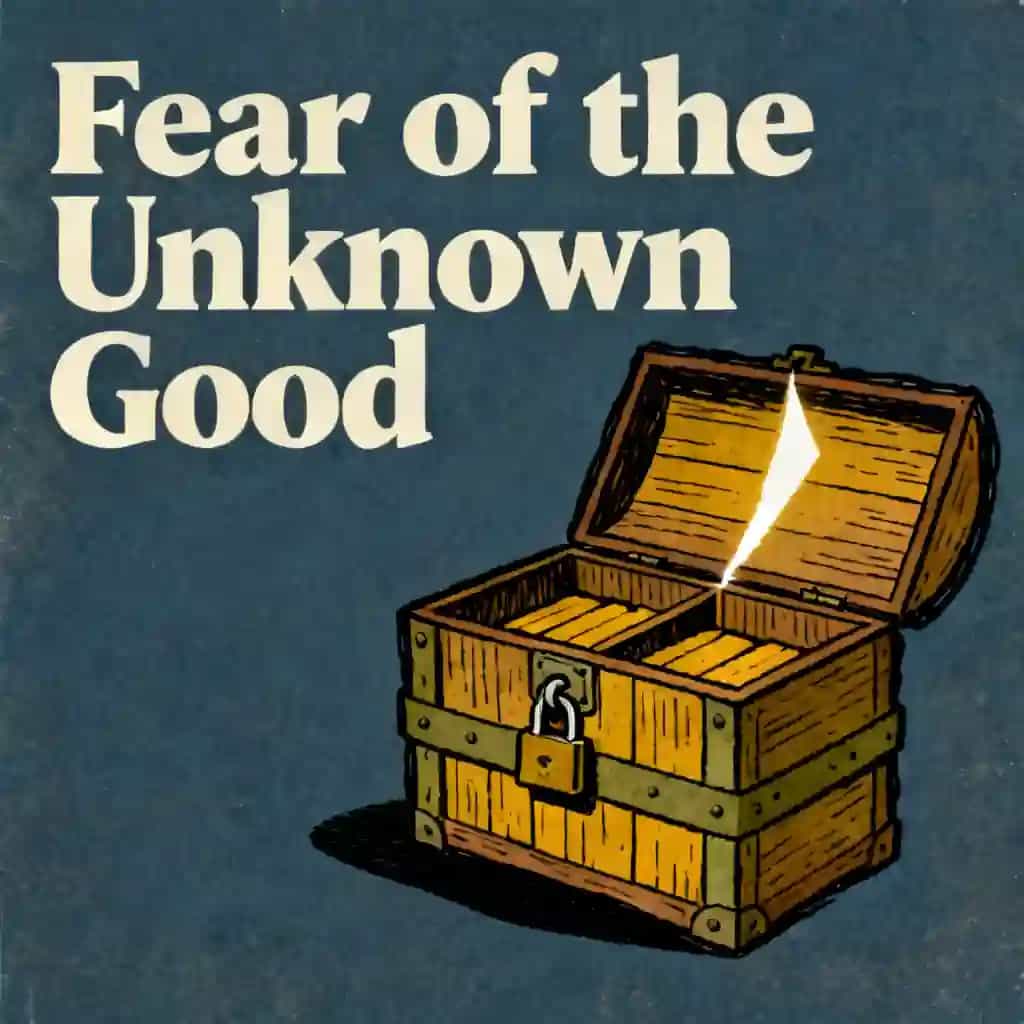
Conquering Fear in Albert Brooks’s Corporate Afterlife
Explore the bureaucratic purgatory of Judgment City as we dissect Albert Brooks’s 1991 cult classic about overcoming fear, the 'Littlebrain' struggle, and finding love in the afterlife.

Best quote from Conquering Fear in Albert Brooks’s Corporate Afterlife
The only metric that matters in this universe is fear. Did you let fear run your life? Brooks is asking us if we’re actually living or if we’re just managing our anxieties until the clock runs out.

This audio lesson was created by a BeFreed community member
Tell me about the Albert Brooks film “defending your life”



Frequently Asked Questions
In the universe of the film, the afterlife functions as a bureaucratic trial where traditional religious morality and sins are not the focus. Instead, the only metric that matters is fear. Defendants must prove they conquered their fears on Earth while using only a small fraction of their brain capacity. The prosecutor highlights moments of hesitation or playing it safe—such as failing to negotiate a higher salary or being afraid to invest—as evidence of a life half-lived.
If a person is unable to prove they moved past their fears, they are considered "littlebrains" who haven't yet evolved to the next stage of existence. These individuals are sent back to Earth to be reincarnated so they can try the process again. The script mentions that the protagonist, Daniel, has been through this cycle approximately twenty times, suggesting that the soul is on a repetitive journey until it achieves a specific level of courage.
Judgment City is designed to look like a sanitized, idealized version of a mid-tier American city, resembling places like Anaheim or Irvine. It features beige buildings, shuttle trams, and functional hotels like the Continental. This aesthetic is intentional to keep the "defendants" stress-free and comfortable during their week-long trial, avoiding intimidating "puffy cloud" or "divine cathedral" tropes common in other depictions of heaven.
The film posits that humans on Earth only use about three to five percent of their cognitive capacity. In contrast, the inhabitants and "defenders" in Judgment City use much higher percentages; for example, the character Bob Diamond uses forty-eight percent of his brain. This "brain envy" serves as a metaphor for human inadequacy and suggests that moving to the next phase of the universe is essentially an evolutionary promotion based on learning to use more of one's potential.
Food serves as a "Brooksian" detail to highlight the small, "littlebrain" priorities humans carry into the infinite. In Judgment City, people can eat whatever they want—including nine pies or ten thousand calories of chili—without gaining weight or facing health consequences. While the characters are standing on the threshold of cosmic evolution, they often remain hilariously preoccupied with mundane pleasures like cholesterol-free eating and "normal smells."
Discover more

Overcome fear and regain control of my life
Fear can paralyze even the most capable individuals, preventing them from living fully and pursuing meaningful goals. This learning plan provides practical tools for anyone feeling stuck in anxiety patterns, helping them recognize fear triggers, take courageous action, and develop the mental resilience needed to reclaim control of their life.

Unshakeable Presence at Work
This plan is essential for professionals who feel sidelined by social anxiety or the fear of being judged during collaborative work. It provides a practical roadmap to shift from defensive self-protection to proactive, authoritative engagement in any corporate setting.

The Courage to Be You
In a world driven by social media and constant comparison, many people struggle with the biological urge to people-please at the expense of their own identity. This plan is designed for professionals and individuals who feel held back by social anxiety or the need for external approval. It offers a psychological roadmap to reclaiming your voice and living with integrity.

The Science of Better Judgment
In an era of information overload, the ability to think clearly is a competitive advantage. This plan is essential for leaders and professionals who need to minimize predictable errors and remain rational under pressure.

Unshakable Presence: Overcoming the Freeze Response
This plan is essential for professionals who find themselves paralyzed by anxiety during high-stakes meetings or difficult conversations. It provides a practical bridge between biological self-regulation and tactical communication skills for anyone looking to lead with composure.

From Avoidance to Social Action
This plan is designed for individuals who feel held back by social anxiety or a persistent fear of judgment. It provides a biological and behavioral framework to move from passive avoidance to active, confident social engagement.

The Founder's Personal Brand Playbook
Founders often struggle with the internal pressures of perfectionism and anxiety that hinder their public presence. This playbook is designed for entrepreneurs who need to transform their communication from reactive to authoritative through psychological mastery and structured frameworks.

Overcome workplace anxiety
Workplace anxiety affects millions of professionals, impacting performance, career growth, and overall well-being. This learning plan is designed for anyone who experiences nervousness, self-doubt, or stress in professional settings—whether you're facing presentations, difficult conversations, or daily workplace pressures. By combining psychological insights with practical skills, you'll transform anxiety from a career obstacle into manageable energy that supports your professional success.
From Columbia University alumni built in San Francisco
"Instead of endless scrolling, I just hit play on BeFreed. It saves me so much time."


"I never knew where to start with nonfiction—BeFreed’s book lists turned into podcasts gave me a clear path."


"Perfect balance between learning and entertainment. Finished ‘Thinking, Fast and Slow’ on my commute this week."
"Crazy how much I learned while walking the dog. BeFreed = small habits → big gains."
"Reading used to feel like a chore. Now it’s just part of my lifestyle."

"Feels effortless compared to reading. I’ve finished 6 books this month already."
"BeFreed turned my guilty doomscrolling into something that feels productive and inspiring."

"BeFreed turned my commute into learning time. 20-min podcasts are perfect for finishing books I never had time for."
"BeFreed replaced my podcast queue. Imagine Spotify for books — that’s it. 🙌"

"It is great for me to learn something from the book without reading it."
"The themed book list podcasts help me connect ideas across authors—like a guided audio journey."
"Makes me feel smarter every time before going to work"
From Columbia University alumni built in San Francisco
"Instead of endless scrolling, I just hit play on BeFreed. It saves me so much time."
"I never knew where to start with nonfiction—BeFreed’s book lists turned into podcasts gave me a clear path."
"Perfect balance between learning and entertainment. Finished ‘Thinking, Fast and Slow’ on my commute this week."
"Crazy how much I learned while walking the dog. BeFreed = small habits → big gains."
"Reading used to feel like a chore. Now it’s just part of my lifestyle."
"Feels effortless compared to reading. I’ve finished 6 books this month already."
"BeFreed turned my guilty doomscrolling into something that feels productive and inspiring."
"BeFreed turned my commute into learning time. 20-min podcasts are perfect for finishing books I never had time for."
"BeFreed replaced my podcast queue. Imagine Spotify for books — that’s it. 🙌"
"It is great for me to learn something from the book without reading it."
"The themed book list podcasts help me connect ideas across authors—like a guided audio journey."
"Makes me feel smarter every time before going to work"
"Instead of endless scrolling, I just hit play on BeFreed. It saves me so much time."
"I never knew where to start with nonfiction—BeFreed’s book lists turned into podcasts gave me a clear path."
"Perfect balance between learning and entertainment. Finished ‘Thinking, Fast and Slow’ on my commute this week."
"Crazy how much I learned while walking the dog. BeFreed = small habits → big gains."
"Reading used to feel like a chore. Now it’s just part of my lifestyle."
"Feels effortless compared to reading. I’ve finished 6 books this month already."
"BeFreed turned my guilty doomscrolling into something that feels productive and inspiring."
"BeFreed turned my commute into learning time. 20-min podcasts are perfect for finishing books I never had time for."
"BeFreed replaced my podcast queue. Imagine Spotify for books — that’s it. 🙌"
"It is great for me to learn something from the book without reading it."
"The themed book list podcasts help me connect ideas across authors—like a guided audio journey."
"Makes me feel smarter every time before going to work"
"Instead of endless scrolling, I just hit play on BeFreed. It saves me so much time."
"I never knew where to start with nonfiction—BeFreed’s book lists turned into podcasts gave me a clear path."
"Perfect balance between learning and entertainment. Finished ‘Thinking, Fast and Slow’ on my commute this week."
"Crazy how much I learned while walking the dog. BeFreed = small habits → big gains."
"Reading used to feel like a chore. Now it’s just part of my lifestyle."
"Feels effortless compared to reading. I’ve finished 6 books this month already."
"BeFreed turned my guilty doomscrolling into something that feels productive and inspiring."
"BeFreed turned my commute into learning time. 20-min podcasts are perfect for finishing books I never had time for."
"BeFreed replaced my podcast queue. Imagine Spotify for books — that’s it. 🙌"
"It is great for me to learn something from the book without reading it."
"The themed book list podcasts help me connect ideas across authors—like a guided audio journey."
"Makes me feel smarter every time before going to work"