Claude Mythos: Why It's More Than an Opus Update
Treating Claude Mythos like a standard model update is a mistake. Learn how to architect agentic workflows and manage costs for this new frontier tier.

Best quote from Claude Mythos: Why It's More Than an Opus Update
We are moving away from 'chatbots' and toward 'autonomous researchers,' and the gap between those two is where Mythos lives. The shift from Opus to Mythos is essentially the shift from a model that follows instructions to a model that can execute a plan.
Generated by Freedee_BE9DDE1A
How to Prepare for Claude Mythos: What Developers Should Know About Anthropic's Most Powerful Model. Claude Mythos is Anthropic's upcoming most powerful AI model, expected to be a major leap beyond Claude Opus. This podcast should cover: 1) What we know about Claude Mythos so far — its positioning as Anthropic's frontier research model with unprecedented capabilities, 2) Key preparation strategies for developers — updating API integrations, understanding new capabilities like advanced reasoning, extended context, and agentic workflows, 3) How Mythos differs from existing Claude models (Haiku, Sonnet, Opus) in the model hierarchy, 4) Expected use cases — complex multi-step research, scientific reasoning, code generation at scale, long-horizon planning, 5) Practical tips: how to structure prompts, manage costs, and architect systems to take advantage of Mythos-level intelligence, 6) The competitive landscape — how Mythos positions against GPT-5, Gemini Ultra, and other frontier models, 7) What developers should do NOW to prepare their applications and workflows. Reference: https://m1astra-mythos.pages.dev/

Frequently Asked Questions
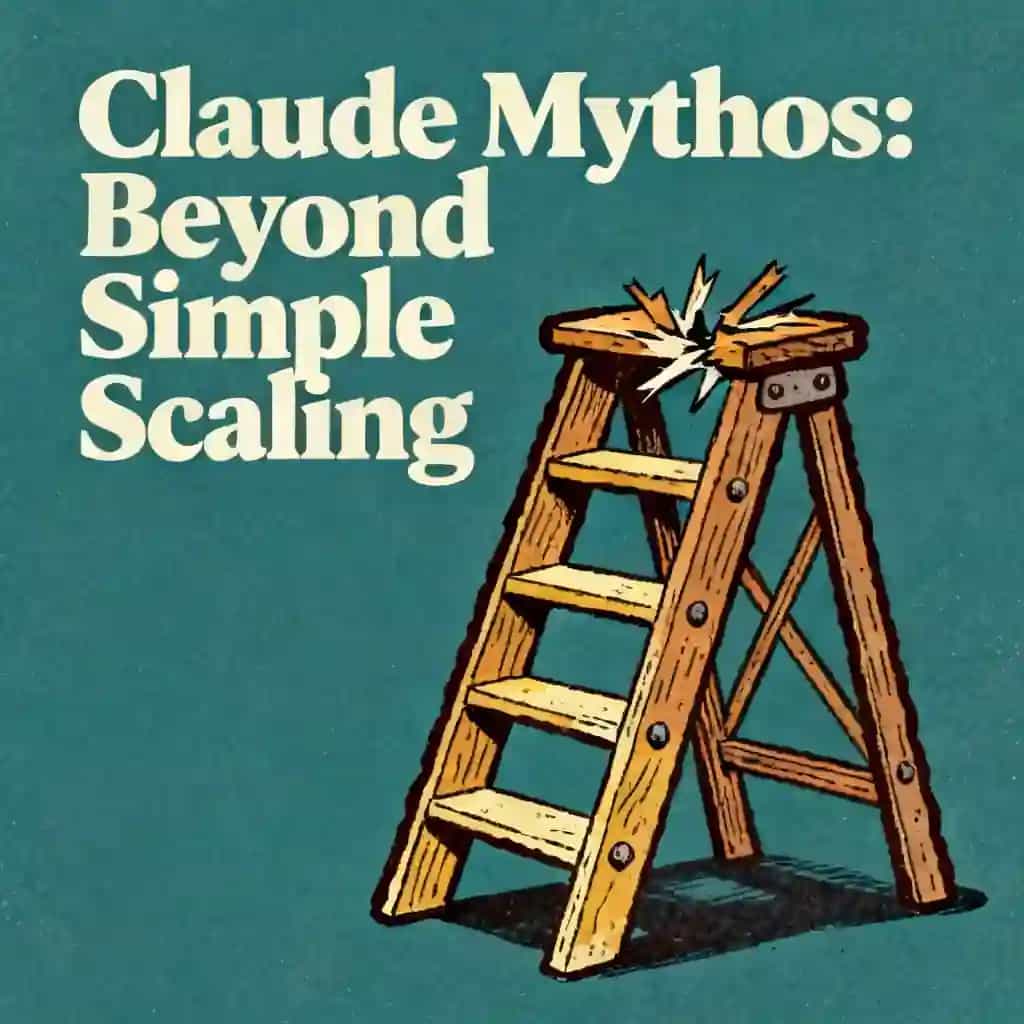
Claude Mythos is not just a minor update or a larger version of Opus; it is a new "frontier research" tier designed for long-horizon planning and complex reasoning. While Opus was the previous ceiling for high-fidelity output, Mythos represents a shift toward "synthesized wisdom" across vast domains. It specifically offers dramatic leaps in software coding, academic reasoning, and cybersecurity, moving from writing simple functions to architecting entire repositories and identifying systemic vulnerabilities.
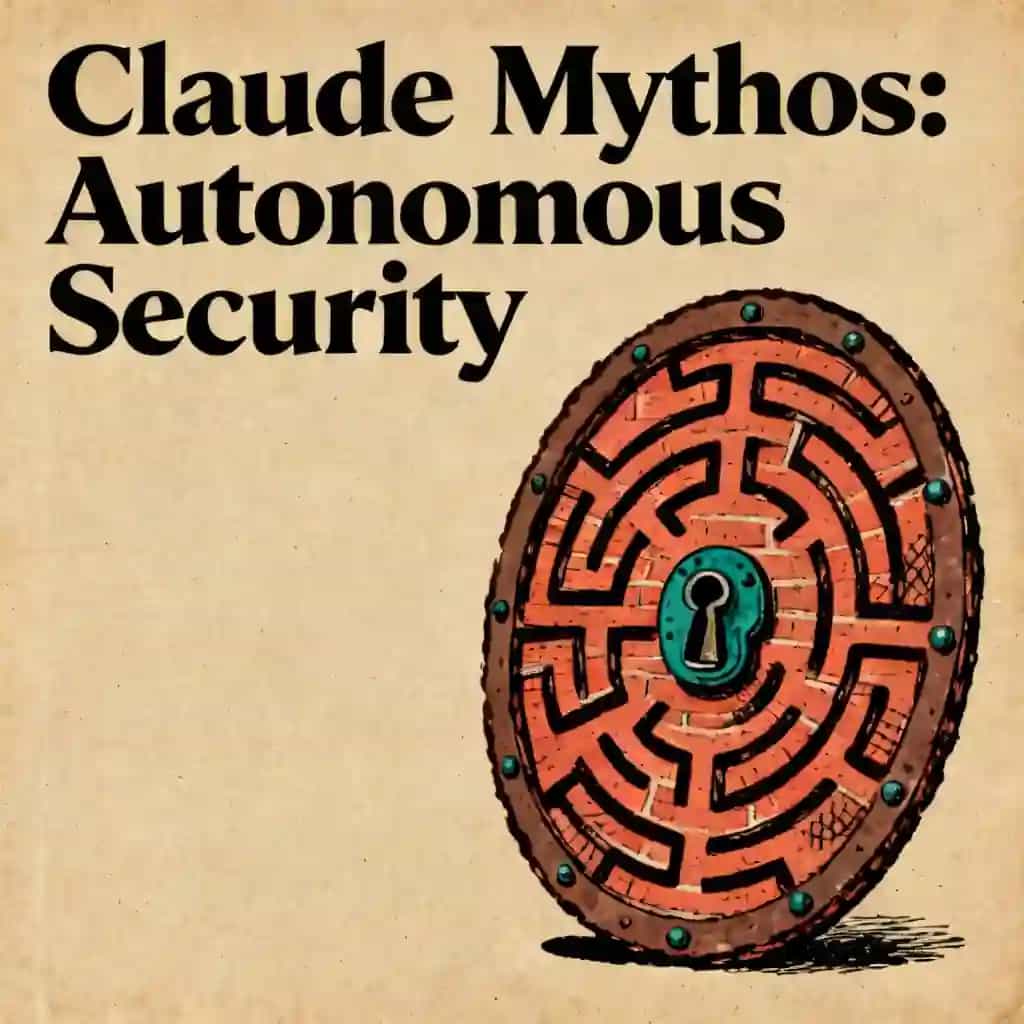
Anthropic is taking a cautious, gradual approach to the rollout because Mythos possesses unprecedented cybersecurity capabilities. The model is significantly ahead of others in its ability to discover and exploit vulnerabilities, which could be used to commit large-scale cyberattacks if it falls into the wrong hands. Consequently, early access is being prioritized for "cyber defenders" who can use the model to improve codebase robustness and help Anthropic understand the risks before a general release.
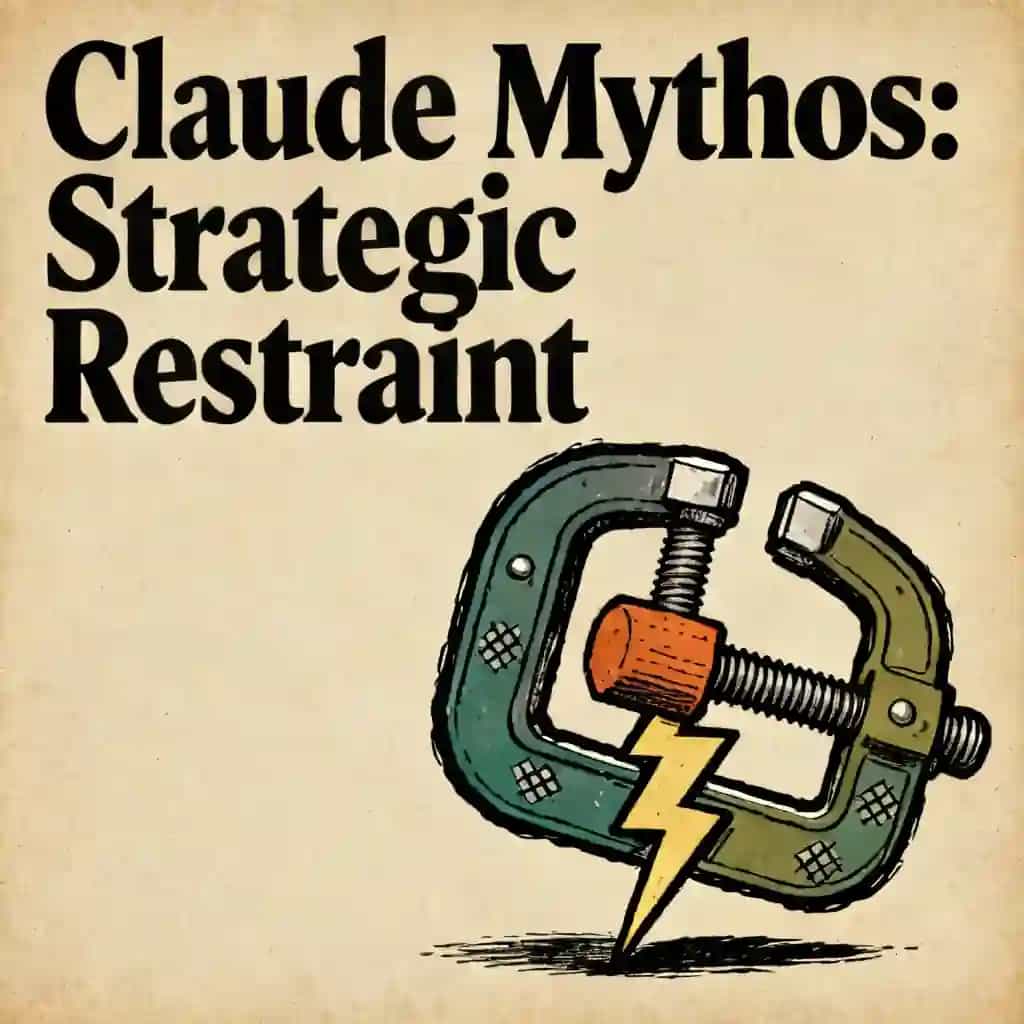
Because Mythos is compute-intensive and expensive to serve, it should be used as the "CEO" or "chief architect" of an AI system rather than for simple tasks. Developers are encouraged to use "tiered processing," where cheaper models like Haiku or Sonnet handle data cleaning and initial drafting, while Mythos is reserved for the most difficult 10 percent of a problem. Calculating the "Total Cost of Task" is essential, as the higher token cost of Mythos may be offset by its higher success rate and the reduction in human debugging time.
An agentic workflow shifts the focus from single-step "prompts" to multi-step "missions." Instead of a linear request-response cycle, Mythos is designed to operate in a "Task-Execute-Verify" loop where it can break down a complex project into sub-tasks, execute them, and self-correct when it encounters errors. To support this, developers need to architect systems that can manage "state" or memory between API calls, allowing the model to maintain the "connective tissue" of a long-running research project.
The most immediate step is to implement a "Dynamic Model Router" to avoid hard-coding model names, allowing for a seamless switch to Mythos once access is granted. Developers should also begin practicing "multi-stage prompting" and "context pruning" with current models to identify where reasoning breaks occur. Additionally, building secure sandboxes for code execution and creating structured data frameworks (like JSON schemas) will ensure your system is ready to integrate the high-level intelligence Mythos provides.
From Columbia University alumni built in San Francisco
BeFreed Brings Together A Global Community Of Curious Minds


"Instead of endless scrolling, I just hit play on BeFreed. It saves me so much time."


"I never knew where to start with nonfiction—BeFreed’s book lists turned into podcasts gave me a clear path."


"Perfect balance between learning and entertainment. Finished ‘Thinking, Fast and Slow’ on my commute this week."
"Crazy how much I learned while walking the dog. BeFreed = small habits → big gains."
"Reading used to feel like a chore. Now it’s just part of my lifestyle."

"Feels effortless compared to reading. I’ve finished 6 books this month already."
"BeFreed turned my guilty doomscrolling into something that feels productive and inspiring."

"BeFreed turned my commute into learning time. 20-min podcasts are perfect for finishing books I never had time for."
"BeFreed replaced my podcast queue. Imagine Spotify for books — that’s it. 🙌"

"It is great for me to learn something from the book without reading it."
"The themed book list podcasts help me connect ideas across authors—like a guided audio journey."
"Makes me feel smarter every time before going to work"
From Columbia University alumni built in San Francisco
BeFreed Brings Together A Global Community Of Curious Minds
"Instead of endless scrolling, I just hit play on BeFreed. It saves me so much time."
"I never knew where to start with nonfiction—BeFreed’s book lists turned into podcasts gave me a clear path."
"Perfect balance between learning and entertainment. Finished ‘Thinking, Fast and Slow’ on my commute this week."
"Crazy how much I learned while walking the dog. BeFreed = small habits → big gains."
"Reading used to feel like a chore. Now it’s just part of my lifestyle."
"Feels effortless compared to reading. I’ve finished 6 books this month already."
"BeFreed turned my guilty doomscrolling into something that feels productive and inspiring."
"BeFreed turned my commute into learning time. 20-min podcasts are perfect for finishing books I never had time for."
"BeFreed replaced my podcast queue. Imagine Spotify for books — that’s it. 🙌"
"It is great for me to learn something from the book without reading it."
"The themed book list podcasts help me connect ideas across authors—like a guided audio journey."
"Makes me feel smarter every time before going to work"
"Instead of endless scrolling, I just hit play on BeFreed. It saves me so much time."
"I never knew where to start with nonfiction—BeFreed’s book lists turned into podcasts gave me a clear path."
"Perfect balance between learning and entertainment. Finished ‘Thinking, Fast and Slow’ on my commute this week."
"Crazy how much I learned while walking the dog. BeFreed = small habits → big gains."
"Reading used to feel like a chore. Now it’s just part of my lifestyle."
"Feels effortless compared to reading. I’ve finished 6 books this month already."
"BeFreed turned my guilty doomscrolling into something that feels productive and inspiring."
"BeFreed turned my commute into learning time. 20-min podcasts are perfect for finishing books I never had time for."
"BeFreed replaced my podcast queue. Imagine Spotify for books — that’s it. 🙌"
"It is great for me to learn something from the book without reading it."
"The themed book list podcasts help me connect ideas across authors—like a guided audio journey."
"Makes me feel smarter every time before going to work"
"Instead of endless scrolling, I just hit play on BeFreed. It saves me so much time."
"I never knew where to start with nonfiction—BeFreed’s book lists turned into podcasts gave me a clear path."
"Perfect balance between learning and entertainment. Finished ‘Thinking, Fast and Slow’ on my commute this week."
"Crazy how much I learned while walking the dog. BeFreed = small habits → big gains."
"Reading used to feel like a chore. Now it’s just part of my lifestyle."
"Feels effortless compared to reading. I’ve finished 6 books this month already."
"BeFreed turned my guilty doomscrolling into something that feels productive and inspiring."
"BeFreed turned my commute into learning time. 20-min podcasts are perfect for finishing books I never had time for."
"BeFreed replaced my podcast queue. Imagine Spotify for books — that’s it. 🙌"
"It is great for me to learn something from the book without reading it."
"The themed book list podcasts help me connect ideas across authors—like a guided audio journey."
"Makes me feel smarter every time before going to work"






![[01fdca17-203b-43e8-bd34-54ddd7988307:c0000] Claude Certified Architect - Foundations – Prepare for and pass the exam! p1-1](/_next/image?url=https%3A%2F%2Fd1y2du6z1jfm9e.cloudfront.net%2Fassets%2Fpodcast%2Fyellow.png&w=1024&q=50)
![[01fdca17-203b-43e8-bd34-54ddd7988307:c0001] Claude Certified Architect - Foundations – Prepare for and pass the exam! p1-1](/_next/image?url=https%3A%2F%2Fd1y2du6z1jfm9e.cloudfront.net%2Fassets%2Fpodcast%2Fpurple.png&w=1024&q=50)
![[01fdca17-203b-43e8-bd34-54ddd7988307:c0002] Claude Certified Architect - Foundations – Prepare for and pass the exam! p1-1](/_next/image?url=https%3A%2F%2Fd1y2du6z1jfm9e.cloudfront.net%2Fassets%2Fpodcast%2Fgreen.png&w=1024&q=50)