Carnegie vs. Voss: The Battle for Influence and Negotiation
Explore the clash between Dale Carnegie’s charm-based agreement and Chris Voss’s FBI negotiation tactics. Learn which communication strategy wins the battle for influence.

Best quote from Carnegie vs. Voss: The Battle for Influence and Negotiation
Carnegie’s 'yes-yes' momentum is a powerful tool for building speed, but Voss’s 'no' is the tool for building safety and truth.

This audio lesson was created by a BeFreed community member
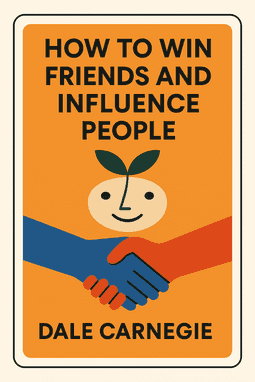
A debate-style lesson comparing Dale Carnegie's 'How to Win Friends and Influence People' and Chris Voss's 'Never Split the Difference,' specifically focusing on the tension between Carnegie's emphasis on seeking agreement/saying 'yes' and Voss's tactic of 'Getting to No' to uncover real constraints.





Frequently Asked Questions
The primary difference lies in their approach to agreement. Dale Carnegie’s classic method focuses on building frictionless momentum by seeking immediate 'yes' responses to avoid conflict. In contrast, Chris Voss utilizes high-stakes FBI negotiation tactics that encourage 'Getting to No' early on, arguing that a quick 'yes' is often a counterfeit response used to end a conversation rather than reach a true agreement.
Chris Voss, drawing from his experience with kidnappers and terrorists, suggests that seeking an immediate 'yes' can be a trap. He views a fast 'yes' as a 'counterfeit yes' that people use just to get others to leave them alone. By aiming for 'no' right out of the gate, negotiators can bypass psychological barriers and move toward a more authentic and secure form of persuasion and influence.
While Dale Carnegie’s approach in 'How to Win Friends and Influence People' is effective for building warmth and avoiding arguments, it carries specific risks in modern communication. If you follow Carnegie’s methods too strictly, you may find yourself becoming a people-pleaser who struggles to stand your ground. This tension highlights the need to balance charm with more assertive negotiation techniques to avoid being steamrolled in difficult conversations.
Yes, there is a risk that leaning too heavily into Chris Voss’s high-stakes methods can impact your personal brand. While these persuasion techniques are powerful for getting what you want, they can sometimes make a person come across as a psychological manipulator. The challenge for most people is finding a balance between being pushy and being effective when trying to move others toward a specific goal.
From Columbia University alumni built in San Francisco
"Instead of endless scrolling, I just hit play on BeFreed. It saves me so much time."


"I never knew where to start with nonfiction—BeFreed’s book lists turned into podcasts gave me a clear path."


"Perfect balance between learning and entertainment. Finished ‘Thinking, Fast and Slow’ on my commute this week."
"Crazy how much I learned while walking the dog. BeFreed = small habits → big gains."
"Reading used to feel like a chore. Now it’s just part of my lifestyle."

"Feels effortless compared to reading. I’ve finished 6 books this month already."
"BeFreed turned my guilty doomscrolling into something that feels productive and inspiring."

"BeFreed turned my commute into learning time. 20-min podcasts are perfect for finishing books I never had time for."
"BeFreed replaced my podcast queue. Imagine Spotify for books — that’s it. 🙌"

"It is great for me to learn something from the book without reading it."
"The themed book list podcasts help me connect ideas across authors—like a guided audio journey."
"Makes me feel smarter every time before going to work"
From Columbia University alumni built in San Francisco
"Instead of endless scrolling, I just hit play on BeFreed. It saves me so much time."
"I never knew where to start with nonfiction—BeFreed’s book lists turned into podcasts gave me a clear path."
"Perfect balance between learning and entertainment. Finished ‘Thinking, Fast and Slow’ on my commute this week."
"Crazy how much I learned while walking the dog. BeFreed = small habits → big gains."
"Reading used to feel like a chore. Now it’s just part of my lifestyle."
"Feels effortless compared to reading. I’ve finished 6 books this month already."
"BeFreed turned my guilty doomscrolling into something that feels productive and inspiring."
"BeFreed turned my commute into learning time. 20-min podcasts are perfect for finishing books I never had time for."
"BeFreed replaced my podcast queue. Imagine Spotify for books — that’s it. 🙌"
"It is great for me to learn something from the book without reading it."
"The themed book list podcasts help me connect ideas across authors—like a guided audio journey."
"Makes me feel smarter every time before going to work"
"Instead of endless scrolling, I just hit play on BeFreed. It saves me so much time."
"I never knew where to start with nonfiction—BeFreed’s book lists turned into podcasts gave me a clear path."
"Perfect balance between learning and entertainment. Finished ‘Thinking, Fast and Slow’ on my commute this week."
"Crazy how much I learned while walking the dog. BeFreed = small habits → big gains."
"Reading used to feel like a chore. Now it’s just part of my lifestyle."
"Feels effortless compared to reading. I’ve finished 6 books this month already."
"BeFreed turned my guilty doomscrolling into something that feels productive and inspiring."
"BeFreed turned my commute into learning time. 20-min podcasts are perfect for finishing books I never had time for."
"BeFreed replaced my podcast queue. Imagine Spotify for books — that’s it. 🙌"
"It is great for me to learn something from the book without reading it."
"The themed book list podcasts help me connect ideas across authors—like a guided audio journey."
"Makes me feel smarter every time before going to work"
"Instead of endless scrolling, I just hit play on BeFreed. It saves me so much time."
"I never knew where to start with nonfiction—BeFreed’s book lists turned into podcasts gave me a clear path."
"Perfect balance between learning and entertainment. Finished ‘Thinking, Fast and Slow’ on my commute this week."
"Crazy how much I learned while walking the dog. BeFreed = small habits → big gains."
"Reading used to feel like a chore. Now it’s just part of my lifestyle."
"Feels effortless compared to reading. I’ve finished 6 books this month already."
"BeFreed turned my guilty doomscrolling into something that feels productive and inspiring."
"BeFreed turned my commute into learning time. 20-min podcasts are perfect for finishing books I never had time for."
"BeFreed replaced my podcast queue. Imagine Spotify for books — that’s it. 🙌"
"It is great for me to learn something from the book without reading it."
"The themed book list podcasts help me connect ideas across authors—like a guided audio journey."
"Makes me feel smarter every time before going to work"