Building Real Confidence Through Action
Discover how authentic confidence isn't about feeling ready first, but taking action despite doubt. Learn practical strategies to develop unshakeable self-assurance based on genuine capability rather than false bravado.

Best quote from Building Real Confidence Through Action
Waiting to 'feel confident' before taking action is actually backwards. Real confidence comes from putting yourself out there first, even when you're scared.

This audio lesson was created by a BeFreed community member
How to have real confidence

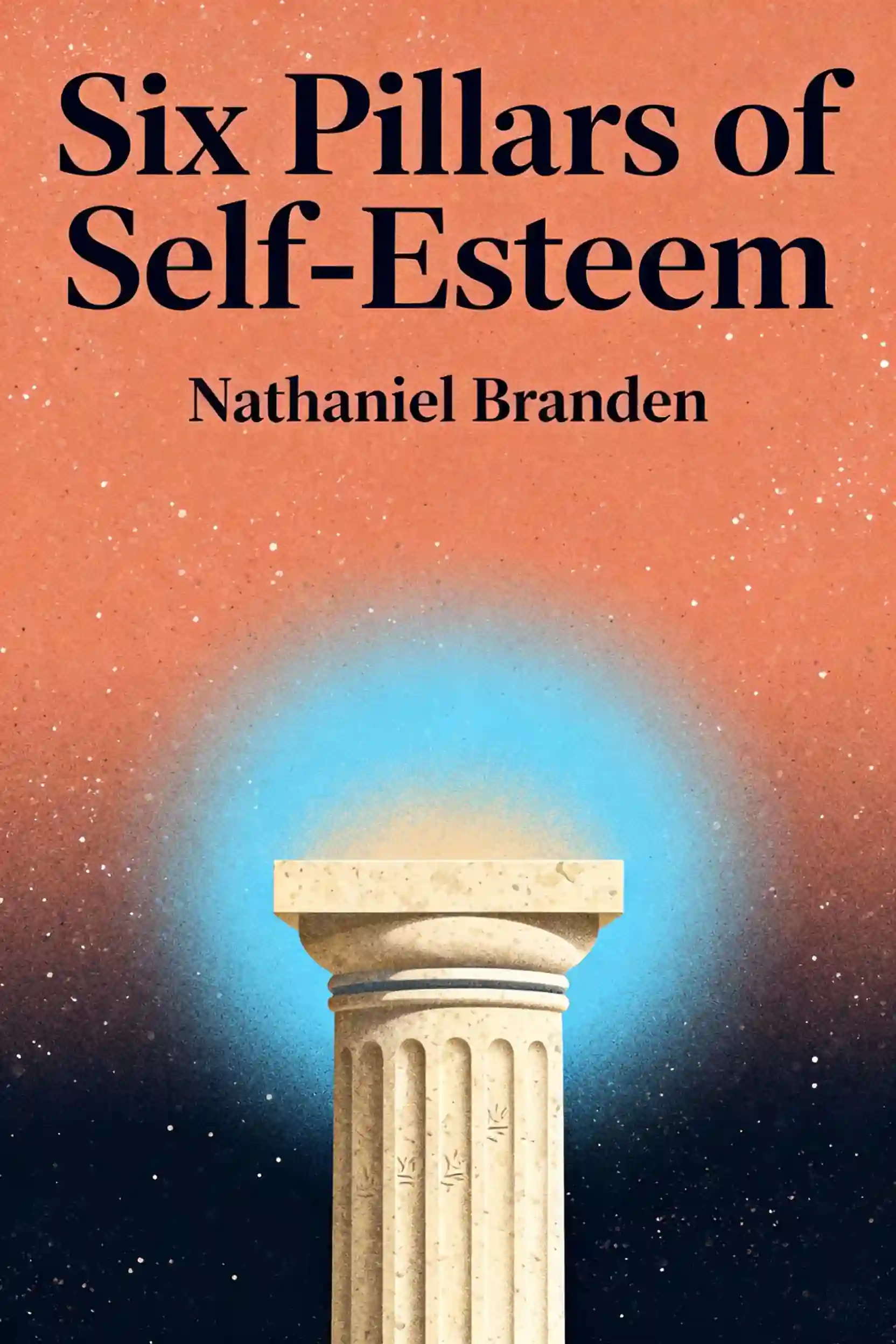
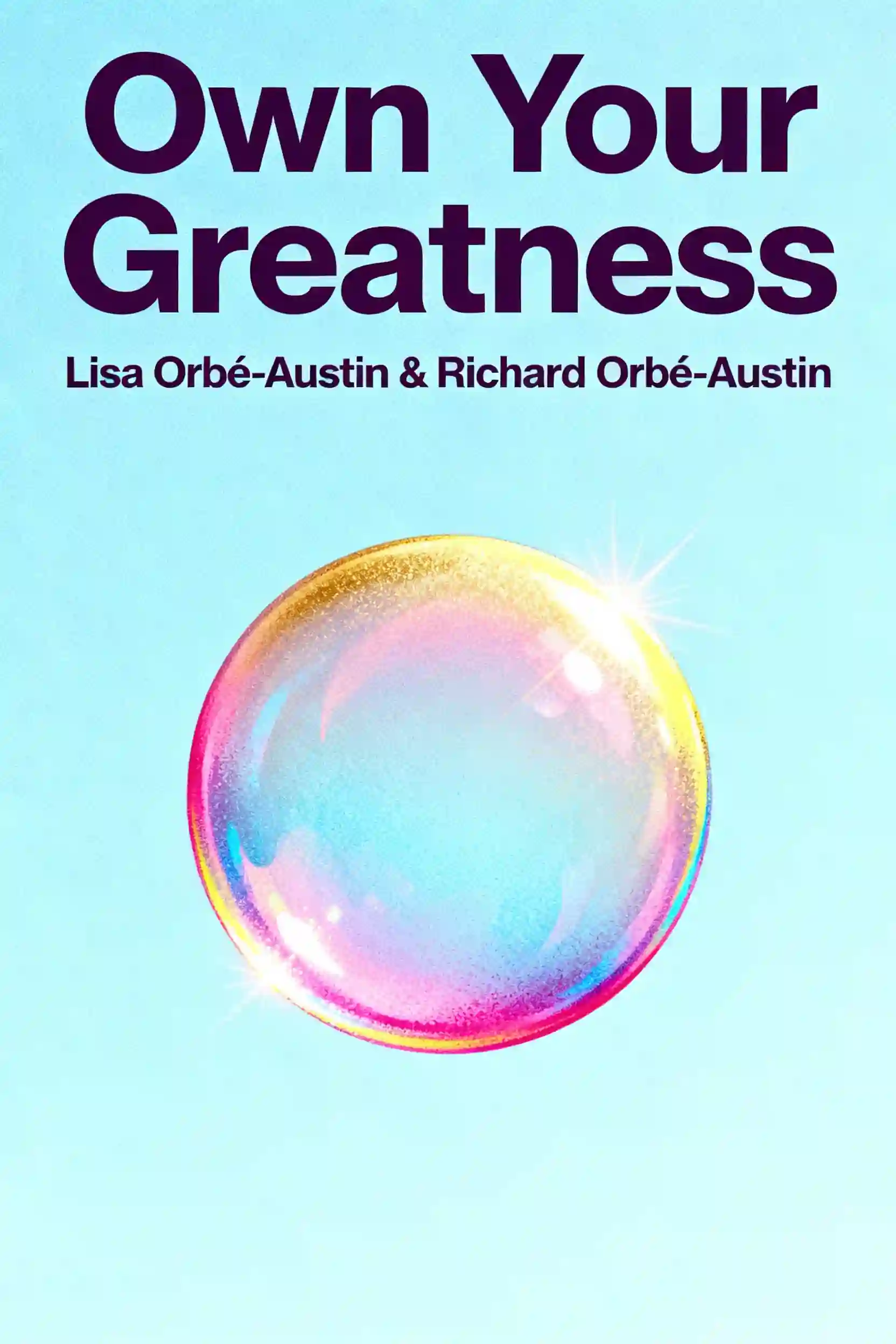
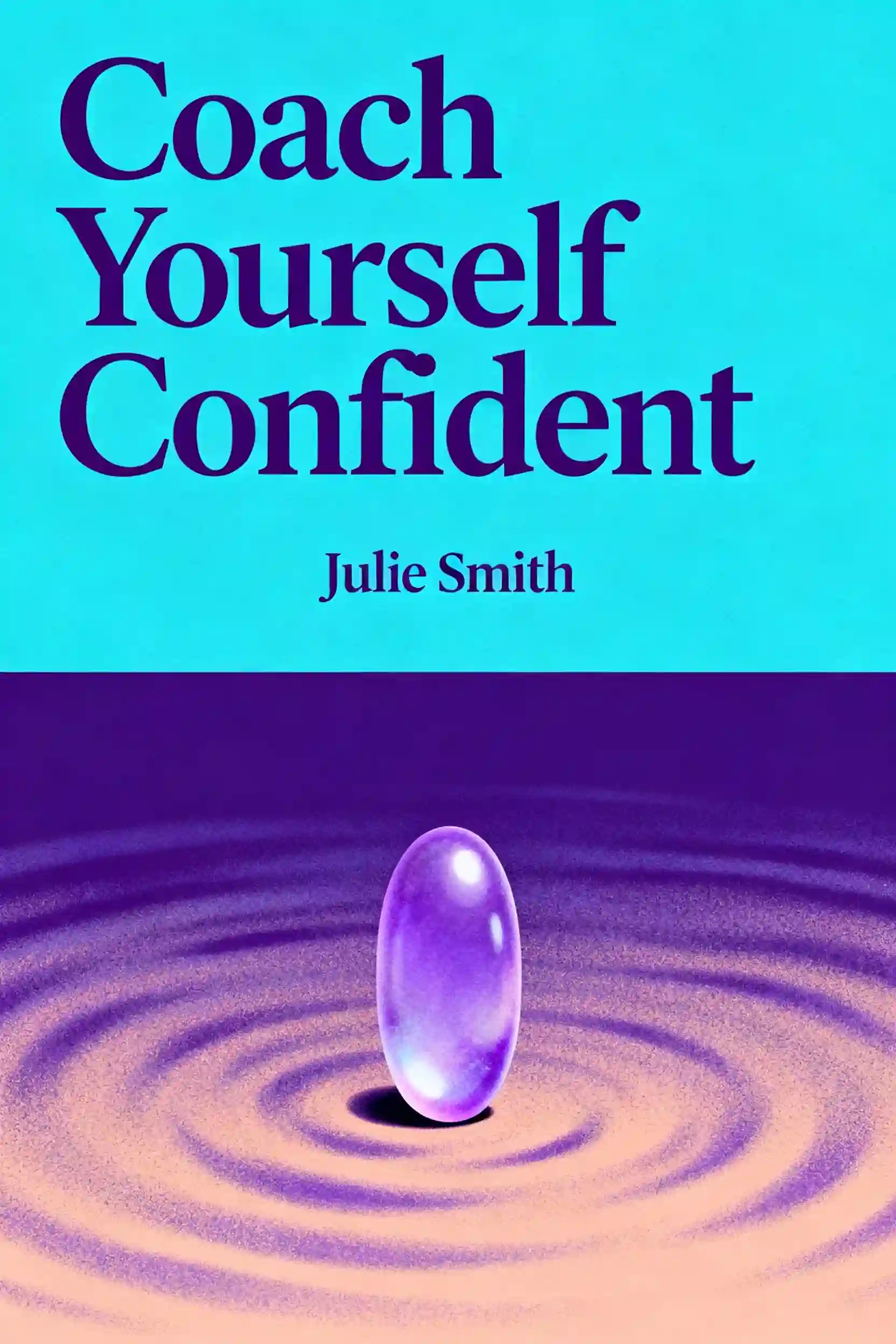
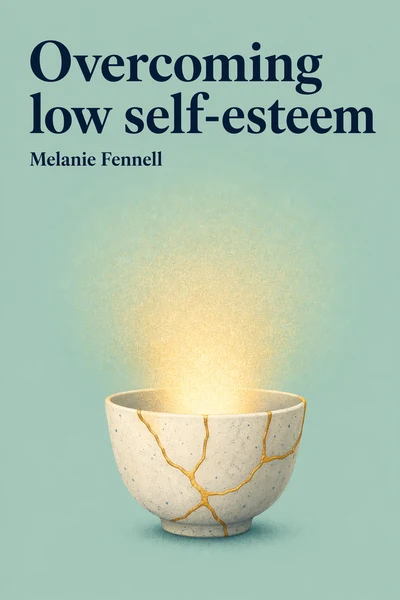
Discover more

Unshakable Self-Trust
This plan is designed for individuals who struggle with chronic second-guessing and social anxiety. It provides a practical roadmap to shift from paralyzing overthinking to decisive action by building a foundation of internal validation.

Unshakable Presence: From Hesitation to Action
This plan is designed for professionals who feel sidelined by anxiety or the need for external validation. It provides the psychological tools to transform hesitation into assertive action, making it ideal for those looking to command more respect and influence in their careers.

Unshakeable Confidence and Body Acceptance
This plan is essential for individuals struggling with social anxiety and negative body image who want to rebuild their self-esteem from the inside out. It combines physiological regulation with mindset shifts to help learners move beyond self-doubt and reclaim their personal power.
The Authenticity Advantage
This plan is essential for anyone feeling exhausted by the pressure to act 'cool' or perform in social situations. It is designed for individuals seeking to transform social anxiety into grounded confidence by embracing radical honesty and inner security.

Build Authentic Social Confidence
This plan is designed for professionals and introverts who feel sidelined in social or networking settings. It provides a psychological and tactical roadmap to overcome anxiety and master the mechanics of human connection.

The Confidence Blueprint
In today’s fast-paced professional world, technical skills are often overshadowed by the ability to communicate and decide with authority. This plan is designed for emerging leaders and professionals who want to bridge the gap between their expertise and their executive presence.

Project Confidence and Authority at Work
In today’s competitive landscape, technical skill alone is insufficient without the ability to project authority. This plan is designed for emerging leaders and professionals who want to bridge the gap between their inner expertise and their outward executive presence.

Build Social Skills for Introverts
This plan is essential for introverts who feel overshadowed in social or professional settings. It provides a roadmap to build authentic confidence and leadership skills without forcing a change in personality.
From Columbia University alumni built in San Francisco
"Instead of endless scrolling, I just hit play on BeFreed. It saves me so much time."


"I never knew where to start with nonfiction—BeFreed’s book lists turned into podcasts gave me a clear path."


"Perfect balance between learning and entertainment. Finished ‘Thinking, Fast and Slow’ on my commute this week."
"Crazy how much I learned while walking the dog. BeFreed = small habits → big gains."
"Reading used to feel like a chore. Now it’s just part of my lifestyle."

"Feels effortless compared to reading. I’ve finished 6 books this month already."
"BeFreed turned my guilty doomscrolling into something that feels productive and inspiring."

"BeFreed turned my commute into learning time. 20-min podcasts are perfect for finishing books I never had time for."
"BeFreed replaced my podcast queue. Imagine Spotify for books — that’s it. 🙌"

"It is great for me to learn something from the book without reading it."
"The themed book list podcasts help me connect ideas across authors—like a guided audio journey."
"Makes me feel smarter every time before going to work"
From Columbia University alumni built in San Francisco
"Instead of endless scrolling, I just hit play on BeFreed. It saves me so much time."
"I never knew where to start with nonfiction—BeFreed’s book lists turned into podcasts gave me a clear path."
"Perfect balance between learning and entertainment. Finished ‘Thinking, Fast and Slow’ on my commute this week."
"Crazy how much I learned while walking the dog. BeFreed = small habits → big gains."
"Reading used to feel like a chore. Now it’s just part of my lifestyle."
"Feels effortless compared to reading. I’ve finished 6 books this month already."
"BeFreed turned my guilty doomscrolling into something that feels productive and inspiring."
"BeFreed turned my commute into learning time. 20-min podcasts are perfect for finishing books I never had time for."
"BeFreed replaced my podcast queue. Imagine Spotify for books — that’s it. 🙌"
"It is great for me to learn something from the book without reading it."
"The themed book list podcasts help me connect ideas across authors—like a guided audio journey."
"Makes me feel smarter every time before going to work"
"Instead of endless scrolling, I just hit play on BeFreed. It saves me so much time."
"I never knew where to start with nonfiction—BeFreed’s book lists turned into podcasts gave me a clear path."
"Perfect balance between learning and entertainment. Finished ‘Thinking, Fast and Slow’ on my commute this week."
"Crazy how much I learned while walking the dog. BeFreed = small habits → big gains."
"Reading used to feel like a chore. Now it’s just part of my lifestyle."
"Feels effortless compared to reading. I’ve finished 6 books this month already."
"BeFreed turned my guilty doomscrolling into something that feels productive and inspiring."
"BeFreed turned my commute into learning time. 20-min podcasts are perfect for finishing books I never had time for."
"BeFreed replaced my podcast queue. Imagine Spotify for books — that’s it. 🙌"
"It is great for me to learn something from the book without reading it."
"The themed book list podcasts help me connect ideas across authors—like a guided audio journey."
"Makes me feel smarter every time before going to work"
"Instead of endless scrolling, I just hit play on BeFreed. It saves me so much time."
"I never knew where to start with nonfiction—BeFreed’s book lists turned into podcasts gave me a clear path."
"Perfect balance between learning and entertainment. Finished ‘Thinking, Fast and Slow’ on my commute this week."
"Crazy how much I learned while walking the dog. BeFreed = small habits → big gains."
"Reading used to feel like a chore. Now it’s just part of my lifestyle."
"Feels effortless compared to reading. I’ve finished 6 books this month already."
"BeFreed turned my guilty doomscrolling into something that feels productive and inspiring."
"BeFreed turned my commute into learning time. 20-min podcasts are perfect for finishing books I never had time for."
"BeFreed replaced my podcast queue. Imagine Spotify for books — that’s it. 🙌"
"It is great for me to learn something from the book without reading it."
"The themed book list podcasts help me connect ideas across authors—like a guided audio journey."
"Makes me feel smarter every time before going to work"