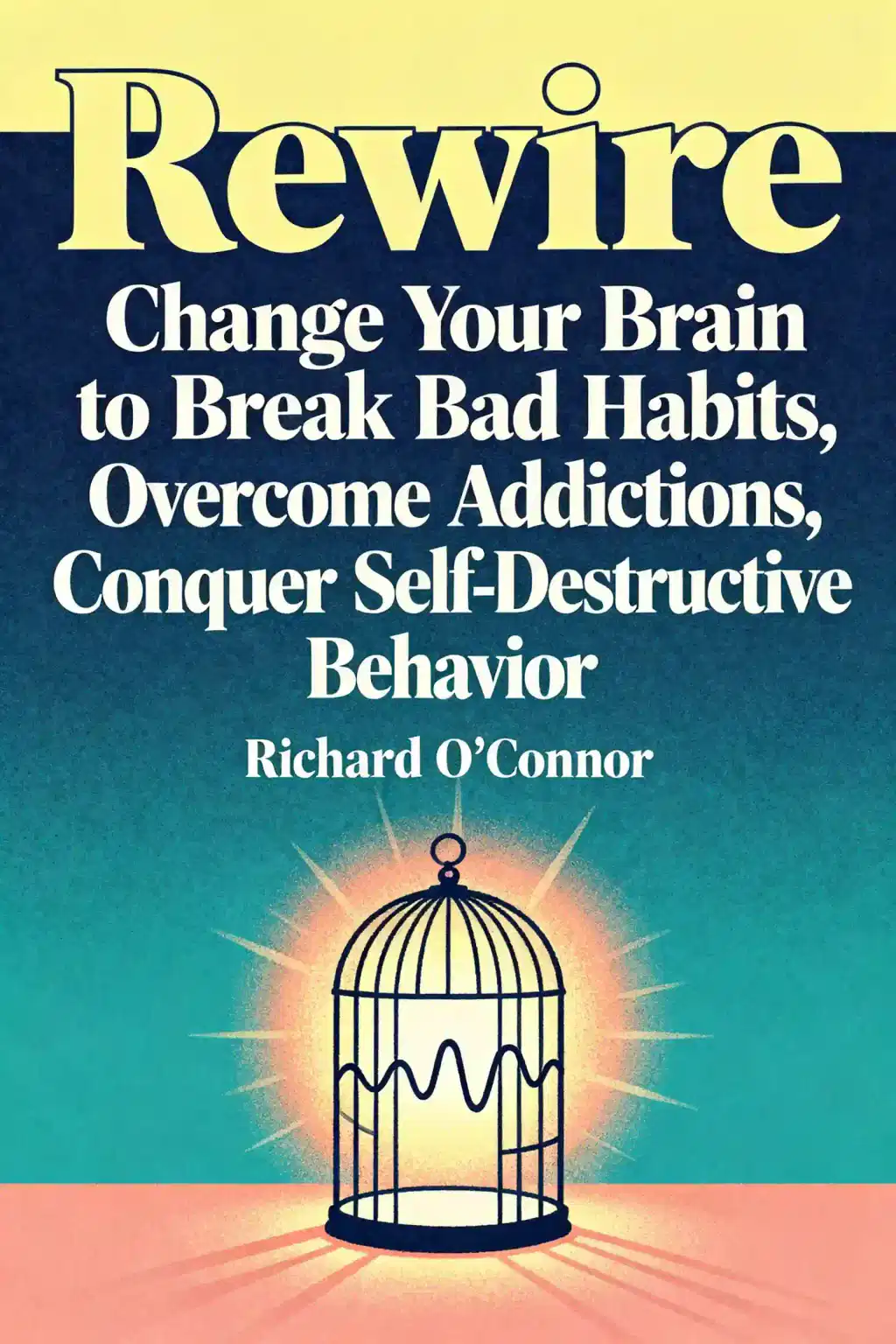
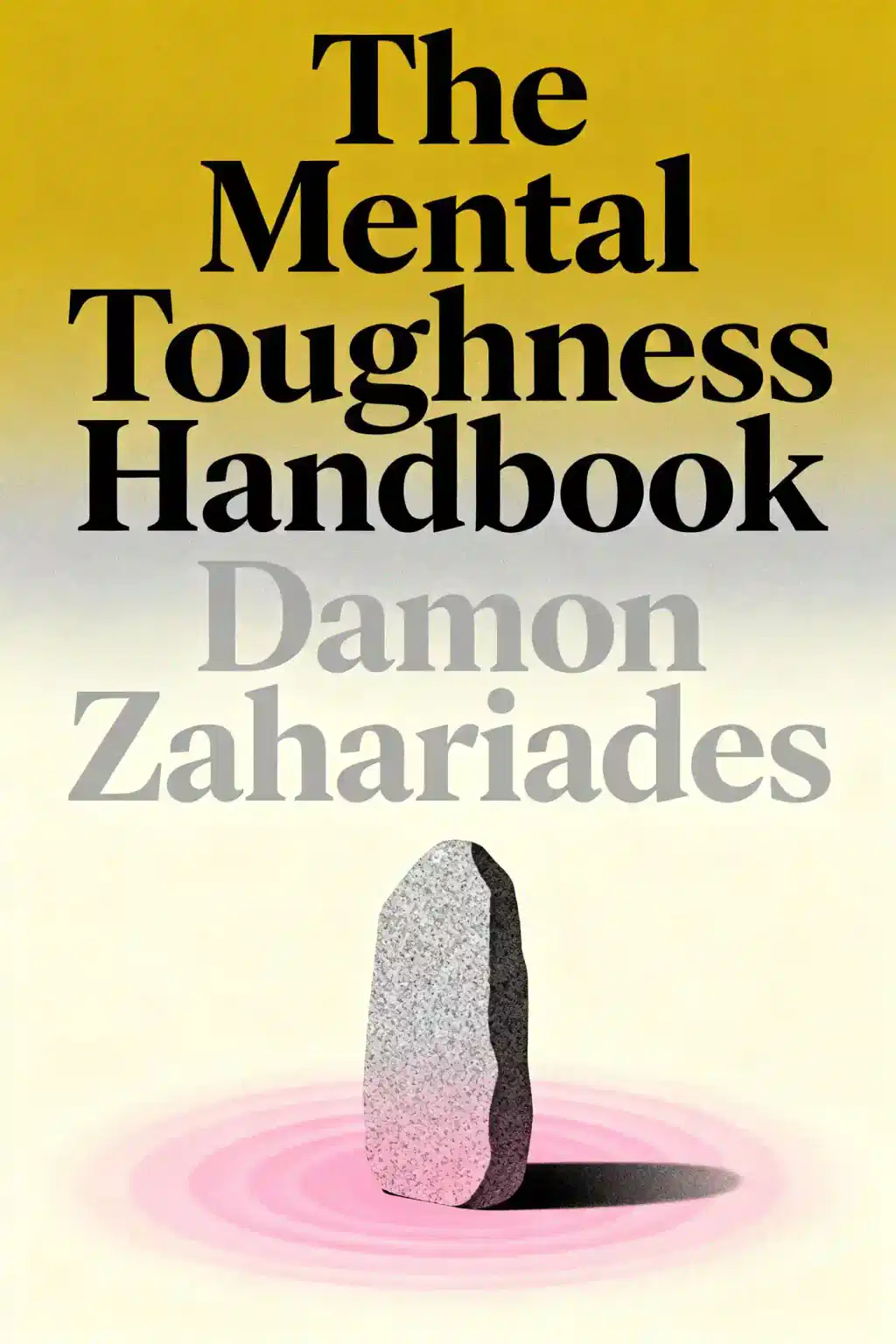
Developing a Winning Mindset: Strategies for Success and Growth
Master the art of success psychology. Learn how to build mental toughness, adopt a growth mindset, and apply peak performance strategies to achieve your goals.

Best quote from Developing a Winning Mindset: Strategies for Success and Growth
Performance isn't about doing more; it's about managing the energy that allows you to do it well. Your toughest competitor isn't the person next to you; it's actually living inside your own mind.
Generated by NK
Winning mindset

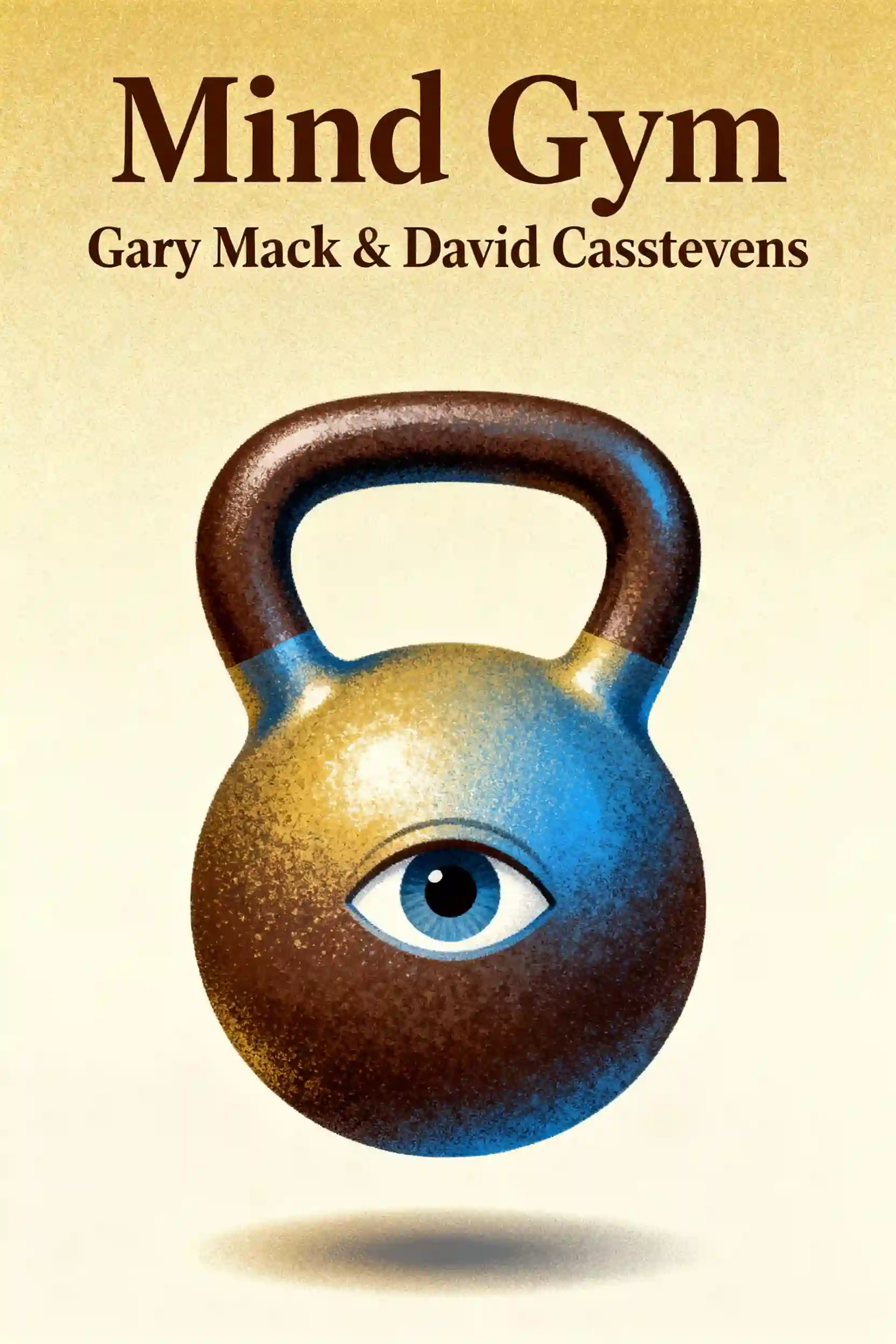
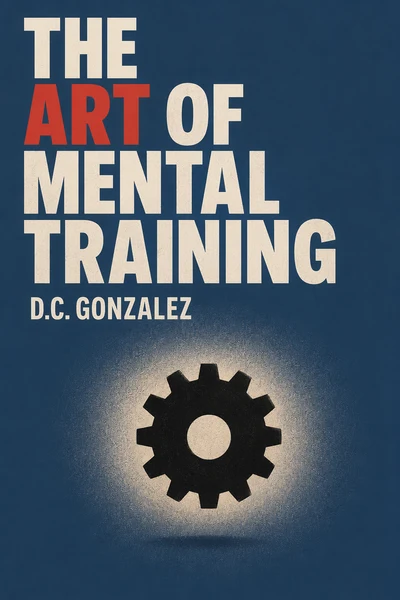
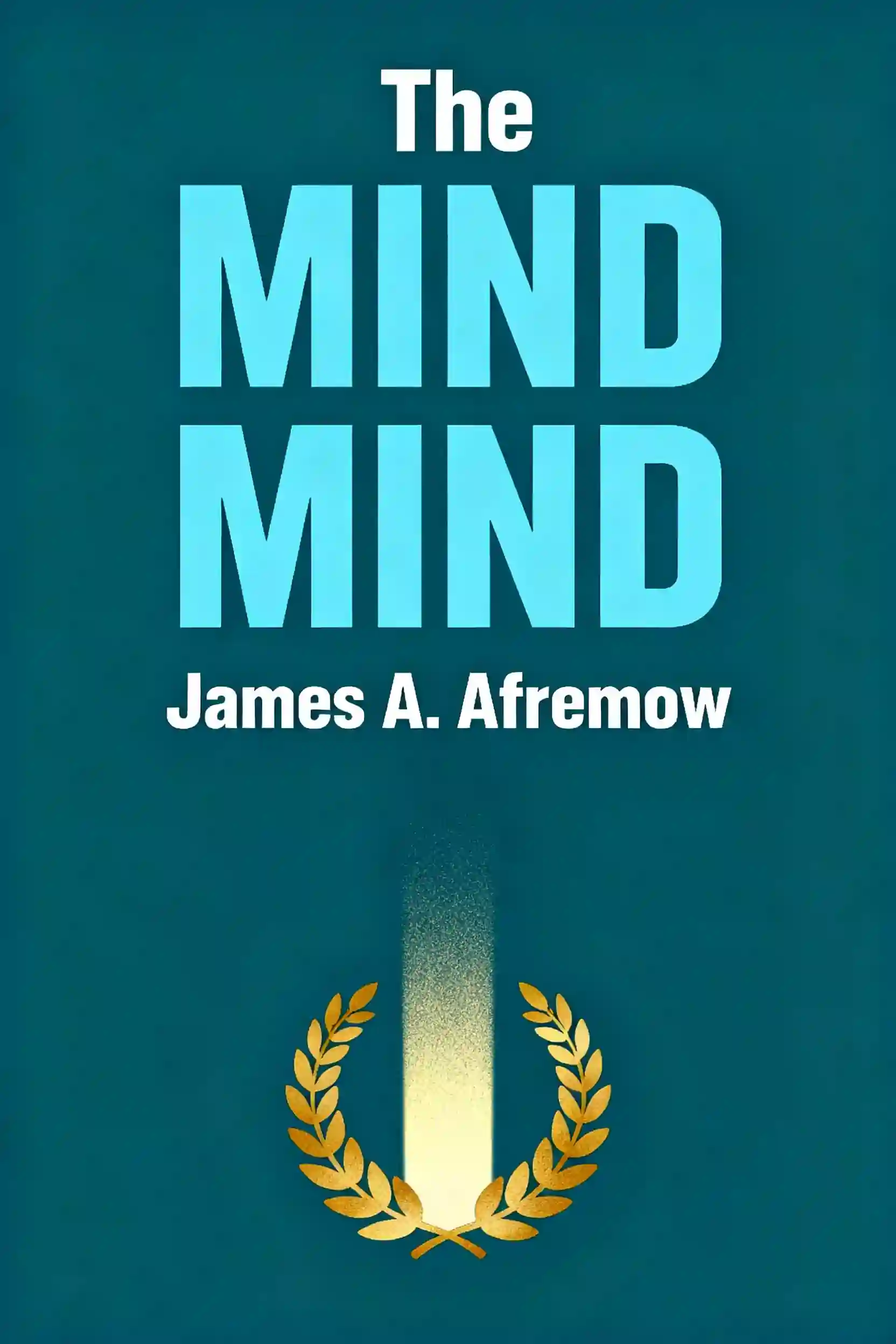
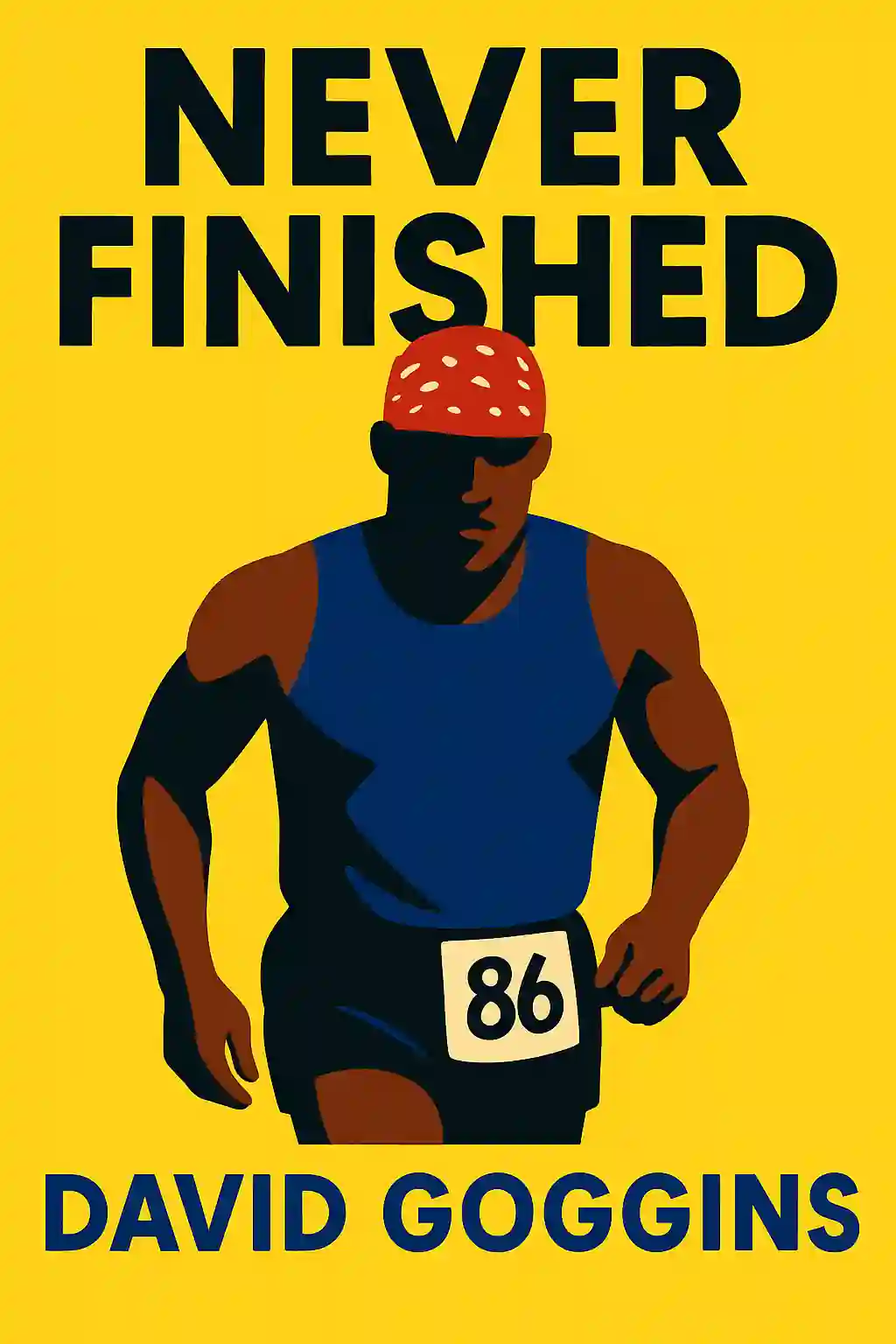
Frequently Asked Questions
A winning mindset is a collection of mental habits and attitudes that prioritize growth, resilience, and peak performance. By focusing on success psychology, individuals can transform how they perceive challenges, turning obstacles into opportunities for improvement. This mental framework is essential for achieving long-term goals because it fosters the persistence needed to navigate setbacks while maintaining high levels of motivation and focus.
Developing mental toughness involves consistent practice in emotional regulation and discipline. To reach peak performance, you must train your brain to remain calm under pressure and stay committed to your objectives despite external distractions. By integrating specific strategies for success and growth into your daily routine, you build the psychological strength required to handle high-stakes situations and maintain a competitive edge in any field.
A growth mindset is the belief that abilities and intelligence can be developed through dedication and hard work, whereas a fixed mindset assumes these traits are innate and unchangeable. Embracing a growth mindset is a core component of a winning mindset because it encourages lifelong learning and resilience. When you view failure as a feedback mechanism rather than a permanent defeat, you unlock the potential for continuous self-improvement and success.
Achieving difficult goals requires a combination of clear objective-setting and the right success psychology. Effective strategies include breaking down large ambitions into manageable tasks, maintaining high motivation through visualization, and cultivating the mental toughness to stay the course. By aligning your daily actions with a winning mindset, you create a sustainable path toward peak performance and ensure that you are psychologically prepared for the journey ahead.
From Columbia University alumni built in San Francisco
"Instead of endless scrolling, I just hit play on BeFreed. It saves me so much time."


"I never knew where to start with nonfiction—BeFreed’s book lists turned into podcasts gave me a clear path."


"Perfect balance between learning and entertainment. Finished ‘Thinking, Fast and Slow’ on my commute this week."
"Crazy how much I learned while walking the dog. BeFreed = small habits → big gains."
"Reading used to feel like a chore. Now it’s just part of my lifestyle."

"Feels effortless compared to reading. I’ve finished 6 books this month already."
"BeFreed turned my guilty doomscrolling into something that feels productive and inspiring."

"BeFreed turned my commute into learning time. 20-min podcasts are perfect for finishing books I never had time for."
"BeFreed replaced my podcast queue. Imagine Spotify for books — that’s it. 🙌"

"It is great for me to learn something from the book without reading it."
"The themed book list podcasts help me connect ideas across authors—like a guided audio journey."
"Makes me feel smarter every time before going to work"
From Columbia University alumni built in San Francisco
"Instead of endless scrolling, I just hit play on BeFreed. It saves me so much time."
"I never knew where to start with nonfiction—BeFreed’s book lists turned into podcasts gave me a clear path."
"Perfect balance between learning and entertainment. Finished ‘Thinking, Fast and Slow’ on my commute this week."
"Crazy how much I learned while walking the dog. BeFreed = small habits → big gains."
"Reading used to feel like a chore. Now it’s just part of my lifestyle."
"Feels effortless compared to reading. I’ve finished 6 books this month already."
"BeFreed turned my guilty doomscrolling into something that feels productive and inspiring."
"BeFreed turned my commute into learning time. 20-min podcasts are perfect for finishing books I never had time for."
"BeFreed replaced my podcast queue. Imagine Spotify for books — that’s it. 🙌"
"It is great for me to learn something from the book without reading it."
"The themed book list podcasts help me connect ideas across authors—like a guided audio journey."
"Makes me feel smarter every time before going to work"
"Instead of endless scrolling, I just hit play on BeFreed. It saves me so much time."
"I never knew where to start with nonfiction—BeFreed’s book lists turned into podcasts gave me a clear path."
"Perfect balance between learning and entertainment. Finished ‘Thinking, Fast and Slow’ on my commute this week."
"Crazy how much I learned while walking the dog. BeFreed = small habits → big gains."
"Reading used to feel like a chore. Now it’s just part of my lifestyle."
"Feels effortless compared to reading. I’ve finished 6 books this month already."
"BeFreed turned my guilty doomscrolling into something that feels productive and inspiring."
"BeFreed turned my commute into learning time. 20-min podcasts are perfect for finishing books I never had time for."
"BeFreed replaced my podcast queue. Imagine Spotify for books — that’s it. 🙌"
"It is great for me to learn something from the book without reading it."
"The themed book list podcasts help me connect ideas across authors—like a guided audio journey."
"Makes me feel smarter every time before going to work"
"Instead of endless scrolling, I just hit play on BeFreed. It saves me so much time."
"I never knew where to start with nonfiction—BeFreed’s book lists turned into podcasts gave me a clear path."
"Perfect balance between learning and entertainment. Finished ‘Thinking, Fast and Slow’ on my commute this week."
"Crazy how much I learned while walking the dog. BeFreed = small habits → big gains."
"Reading used to feel like a chore. Now it’s just part of my lifestyle."
"Feels effortless compared to reading. I’ve finished 6 books this month already."
"BeFreed turned my guilty doomscrolling into something that feels productive and inspiring."
"BeFreed turned my commute into learning time. 20-min podcasts are perfect for finishing books I never had time for."
"BeFreed replaced my podcast queue. Imagine Spotify for books — that’s it. 🙌"
"It is great for me to learn something from the book without reading it."
"The themed book list podcasts help me connect ideas across authors—like a guided audio journey."
"Makes me feel smarter every time before going to work"