The Mindset Blueprint: How Elite Performers Engineer Excellence
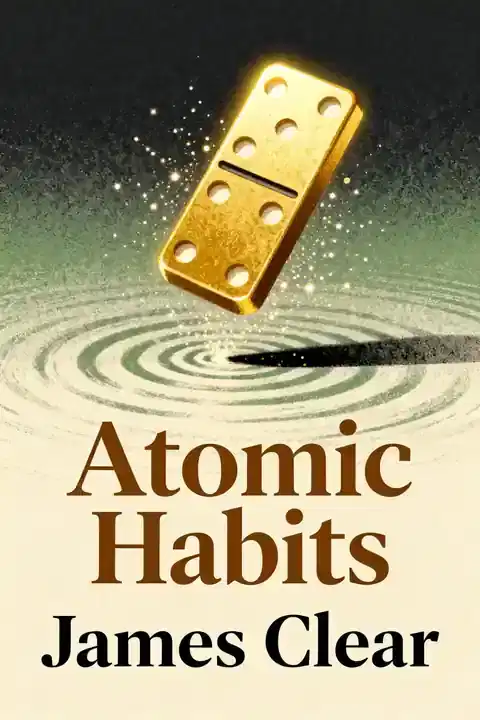
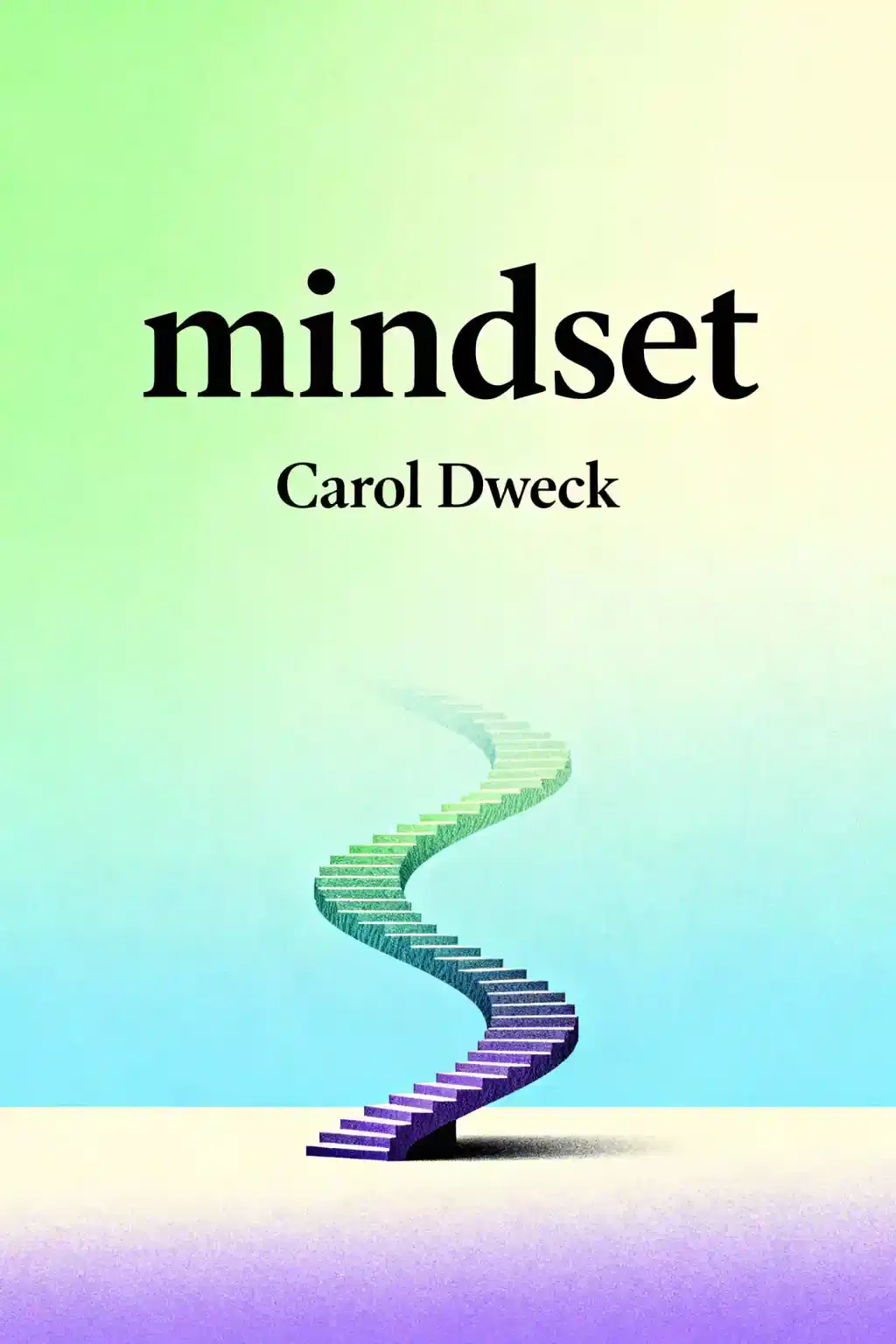
Discover how top performers use identity-based habits, deliberate practice, and dopamine engineering to achieve mastery. Drawing from James Clear's Atomic Habits, Carol Dweck's growth mindset research, and Andrew Huberman's neuroscience, this episode reveals the counterintuitive mindset shifts that make excellence look effortless.

Best quote from The Mindset Blueprint: How Elite Performers Engineer Excellence
Excellence isn't magic—it's engineered. The goal isn't just to set goals, but to adopt an identity where your actions become inevitable and your environment makes doing the right thing require the least energy.

This audio lesson was created by a BeFreed community member
How do top performers use dopamine to stay motivated and focused?






Discover more

Strengthen My Mindset
This plan is essential for high-performers and individuals feeling stuck in cycles of self-sabotage or burnout. It provides a scientific framework for anyone looking to bridge the gap between their current capabilities and their ultimate potential through psychological mastery.

Master Mind, Habits & Behavioral Science
This plan bridges the gap between neurological theory and practical application for anyone seeking total self-mastery. It is ideal for professionals, leaders, and individuals looking to optimize their performance by understanding the science of how they think and act.

The Habit Architect: Building Unbreakable Systems
In an era of constant distraction, the ability to engineer your own behavior is a superpower. This plan is designed for professionals and high-achievers who want to move beyond willpower by building systems that make success inevitable.

The Neuropsychology of Self-Mastery
This plan bridges the gap between brain science and personal agency, offering a biological blueprint for self-regulation. It is essential for high-performers and leaders looking to overcome subconscious barriers and master their internal landscape.
The Unshakable Mindset Blueprint
This plan is essential for professionals and leaders who feel drained by self-doubt or reactive stress. It provides the psychological tools needed to maintain composure and authority when facing high-pressure challenges.

The High-Performance Engineer’s Social Blueprint
Technical excellence often plateaus without the social intelligence to navigate high-stakes environments. This plan is designed for engineers who want to bridge the gap between technical mastery and influential leadership through performance psychology and structured communication.

The Science of Unstoppable Consistency
This plan is designed for high-performers and individuals struggling with follow-through who want to move beyond fleeting motivation. It combines neuroscience with practical mindset shifts to help anyone build a resilient engine for lifelong discipline.

The Delusional Girlie's Blueprint
This blueprint is designed for ambitious individuals looking to break through mental plateaus by leveraging the power of radical self-belief. It is ideal for those who want to blend high-level manifestation with practical, disciplined execution to achieve elite results.
From Columbia University alumni built in San Francisco
"Instead of endless scrolling, I just hit play on BeFreed. It saves me so much time."


"I never knew where to start with nonfiction—BeFreed’s book lists turned into podcasts gave me a clear path."


"Perfect balance between learning and entertainment. Finished ‘Thinking, Fast and Slow’ on my commute this week."
"Crazy how much I learned while walking the dog. BeFreed = small habits → big gains."
"Reading used to feel like a chore. Now it’s just part of my lifestyle."

"Feels effortless compared to reading. I’ve finished 6 books this month already."
"BeFreed turned my guilty doomscrolling into something that feels productive and inspiring."

"BeFreed turned my commute into learning time. 20-min podcasts are perfect for finishing books I never had time for."
"BeFreed replaced my podcast queue. Imagine Spotify for books — that’s it. 🙌"

"It is great for me to learn something from the book without reading it."
"The themed book list podcasts help me connect ideas across authors—like a guided audio journey."
"Makes me feel smarter every time before going to work"
From Columbia University alumni built in San Francisco
"Instead of endless scrolling, I just hit play on BeFreed. It saves me so much time."
"I never knew where to start with nonfiction—BeFreed’s book lists turned into podcasts gave me a clear path."
"Perfect balance between learning and entertainment. Finished ‘Thinking, Fast and Slow’ on my commute this week."
"Crazy how much I learned while walking the dog. BeFreed = small habits → big gains."
"Reading used to feel like a chore. Now it’s just part of my lifestyle."
"Feels effortless compared to reading. I’ve finished 6 books this month already."
"BeFreed turned my guilty doomscrolling into something that feels productive and inspiring."
"BeFreed turned my commute into learning time. 20-min podcasts are perfect for finishing books I never had time for."
"BeFreed replaced my podcast queue. Imagine Spotify for books — that’s it. 🙌"
"It is great for me to learn something from the book without reading it."
"The themed book list podcasts help me connect ideas across authors—like a guided audio journey."
"Makes me feel smarter every time before going to work"
"Instead of endless scrolling, I just hit play on BeFreed. It saves me so much time."
"I never knew where to start with nonfiction—BeFreed’s book lists turned into podcasts gave me a clear path."
"Perfect balance between learning and entertainment. Finished ‘Thinking, Fast and Slow’ on my commute this week."
"Crazy how much I learned while walking the dog. BeFreed = small habits → big gains."
"Reading used to feel like a chore. Now it’s just part of my lifestyle."
"Feels effortless compared to reading. I’ve finished 6 books this month already."
"BeFreed turned my guilty doomscrolling into something that feels productive and inspiring."
"BeFreed turned my commute into learning time. 20-min podcasts are perfect for finishing books I never had time for."
"BeFreed replaced my podcast queue. Imagine Spotify for books — that’s it. 🙌"
"It is great for me to learn something from the book without reading it."
"The themed book list podcasts help me connect ideas across authors—like a guided audio journey."
"Makes me feel smarter every time before going to work"
"Instead of endless scrolling, I just hit play on BeFreed. It saves me so much time."
"I never knew where to start with nonfiction—BeFreed’s book lists turned into podcasts gave me a clear path."
"Perfect balance between learning and entertainment. Finished ‘Thinking, Fast and Slow’ on my commute this week."
"Crazy how much I learned while walking the dog. BeFreed = small habits → big gains."
"Reading used to feel like a chore. Now it’s just part of my lifestyle."
"Feels effortless compared to reading. I’ve finished 6 books this month already."
"BeFreed turned my guilty doomscrolling into something that feels productive and inspiring."
"BeFreed turned my commute into learning time. 20-min podcasts are perfect for finishing books I never had time for."
"BeFreed replaced my podcast queue. Imagine Spotify for books — that’s it. 🙌"
"It is great for me to learn something from the book without reading it."
"The themed book list podcasts help me connect ideas across authors—like a guided audio journey."
"Makes me feel smarter every time before going to work"