Breaking Free from Narcissistic Mothers

Setting Boundaries With A Difficult Parent: episode overview
This BeFreed audio episode explores how adults can establish healthy limits with challenging family members. Rather than attempting to change or diagnose a parent, this guide focuses on what you can control: your own choices and communication style. You will hear practical approaches to preparing for tough conversations and expressing your needs respectfully.
Create Your Podcast in a Click
Generated by Freedee_F327DF0A
Input question
Create a podcast about my narcissist mother
Host voices

What you'll learn about setting boundaries with a difficult parent
- 1
Opening & Welcome
 00:0000:00
Lena: Hey everyone, welcome to your personalized BeFreed podcast! I'm Lena, and I'm here with my co-host Eli, and we are genuinely excited to dive into something that touches so many lives yet often remains hidden in the shadows. Eli: Absolutely, Lena! Today we're exploring the complex world of narcissistic mothers and their lasting impact on daughters. This is such an important conversation, and I can already feel the energy around how transformative this discussion is going to be for our listeners. Lena: Right? And what I love is that we're not just talking theory here-we're drawing from some incredibly insightful research and real experiences that can genuinely help people understand what they've been through.
- 2
Topic Introduction & Source Material Setup
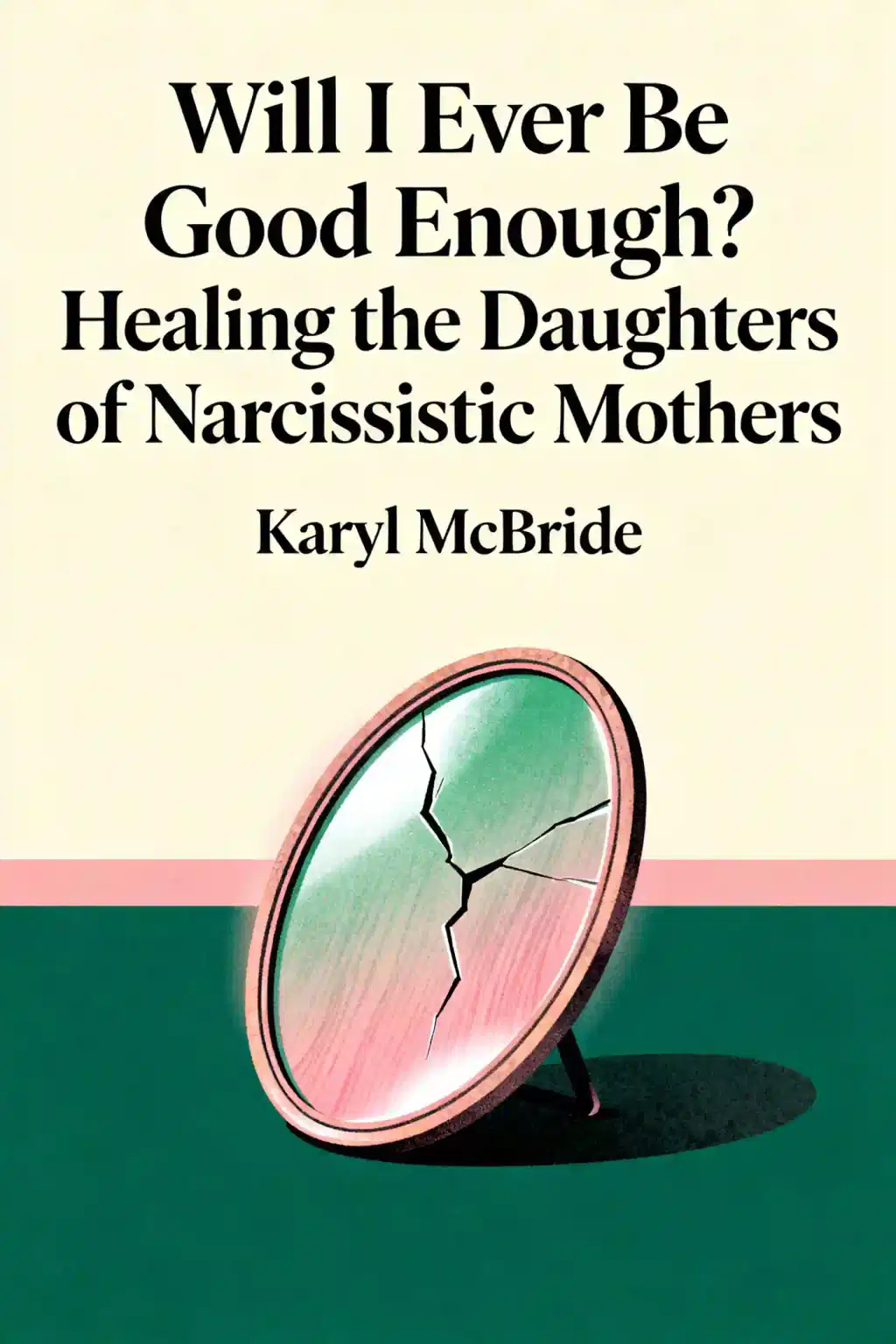
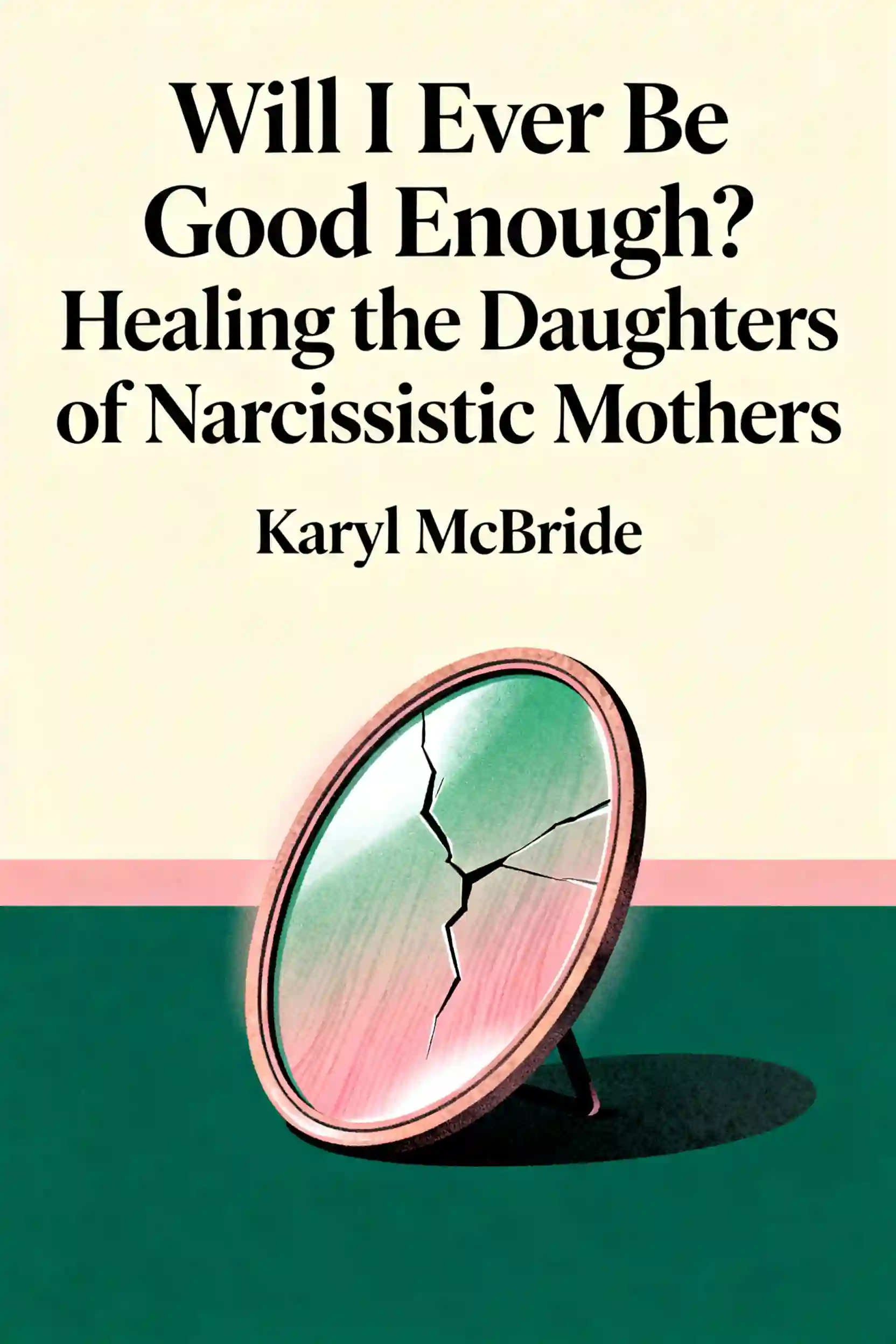
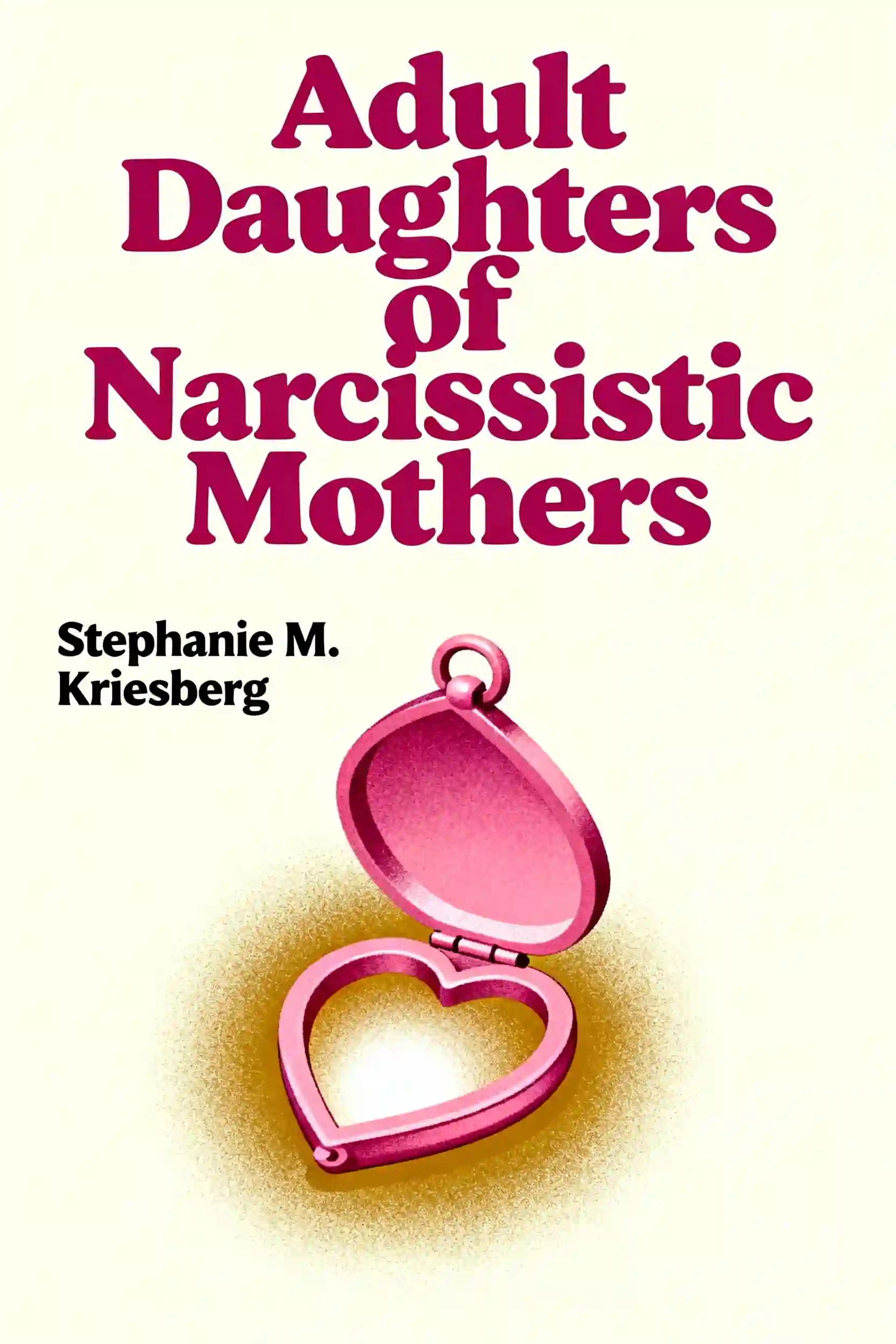
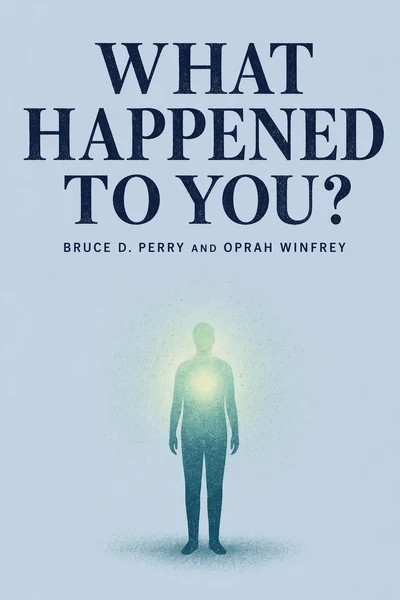
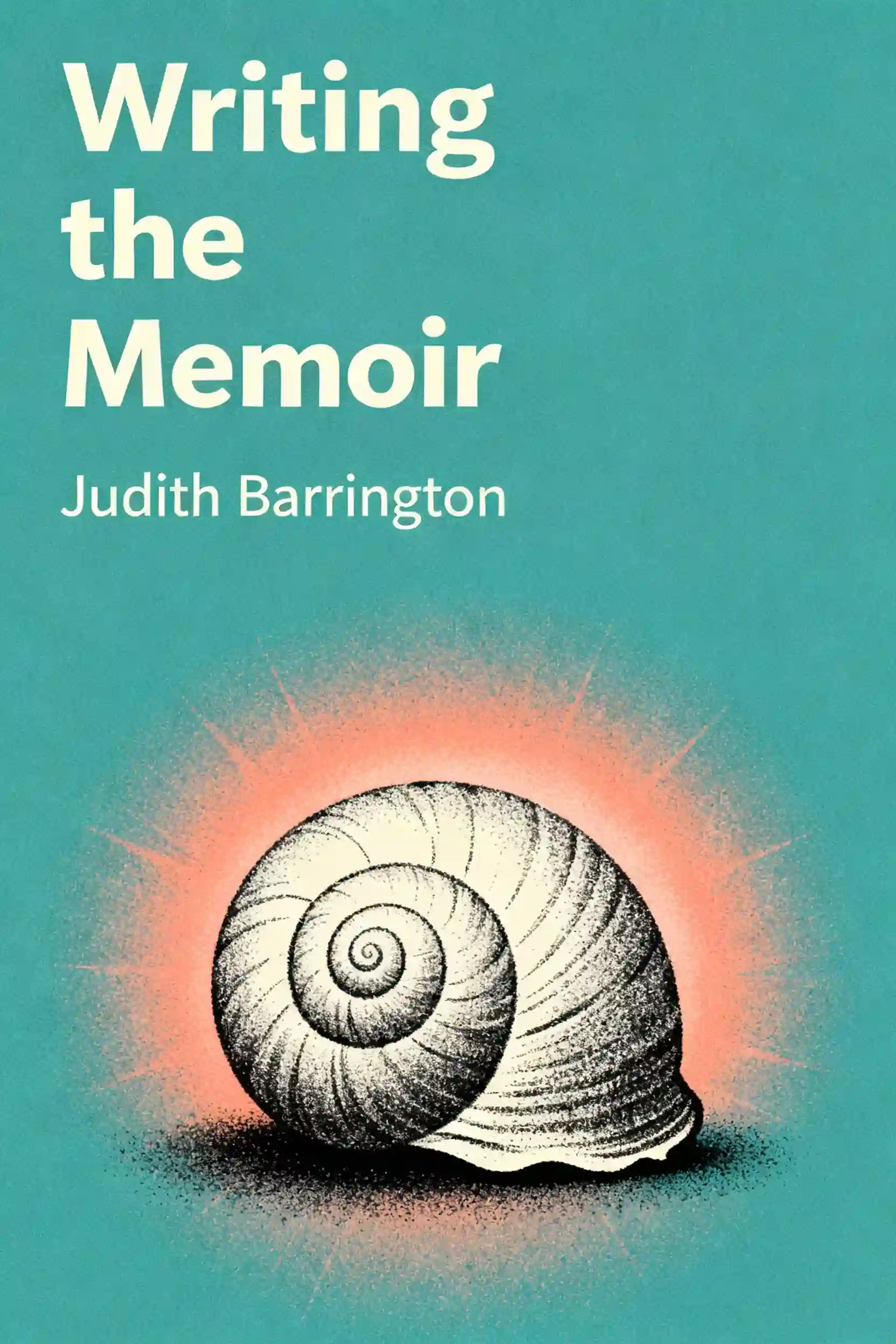
Eli: You know, Lena, I was just reading Dr. Karyl McBride's groundbreaking work "Will I Ever Be Good Enough?" and it really hit me how she describes this invisible wound that daughters carry. She talks about how every daughter's relationship with her mother forms the bedrock of her identity-but what happens when that foundation is built on emotional emptiness? Lena: That's such a powerful way to put it. And it connects beautifully with what Dr. Bruce Perry and Oprah explore in "What Happened to You?"-this shift from asking "What's wrong with you?" to "What happened to you?" It's like we're finally getting the right questions, you know? Eli: Exactly! And what's fascinating is how this plays out in so many different ways. I mean, we're looking at everything from the psychological patterns these daughters develop to how they can actually break free and write their own stories-literally and figuratively. Lena: I love that you mention writing their own stories, because that memoir aspect is so crucial to healing, isn't it?
- 3
The Invisible Prison of Conditional Love
Eli: So let's dive into what this actually looks like day-to-day. McBride describes these "emotional stingers"-ten common dynamics that leave lasting psychological imprints. The most fundamental one really got to me: mothers who never acknowledge daughters as separate people. Lena: Oh, that boundary failure is devastating for identity development, isn't it? I'm thinking about the example McBride gives-"My mother saw me as an extension of herself. She'd introduce me as 'my daughter, the lawyer' as if my profession was her achievement." Eli: Right! And then there's this whole spectrum of narcissism we need to understand. It's not just the clinical personality disorder affecting about 1.5 million American women-it's the much more pervasive nonclinical narcissism that's equally damaging. Lena: That's what makes this so tricky for daughters to recognize, isn't it? Because you might have what looks like a successful, accomplished mother who's beloved publicly but feared privately. These are the flamboyant-extrovert types McBride identifies. Eli: Absolutely. And what Perry and Oprah show us is how this creates what they call "an ache"-not just emotional but physiological. The trauma literally rewires the brain, changing how these daughters respond to stress and interact with the world.
- Chapter 4
Two Faces, Same Wound
**Lena:** Now, this is where it gets really interesting-there are these two distinct flavors of narcissism that create similar wounds. Can you break that down for our listeners? **Eli:** Oh, this is fascinating! So you've got grandiose narcissism-like "hot sauce ice cream," overwhelming with that dominant personality. These mothers expect special treatment, need to be the center of attention, obsessed with status. **Lena:** And then there's vulnerable narcissism-the quieter challenge. These mothers appear chronically unsure, often depressed or anxious, yet they still demand constant validation. Their feelings dominate family interactions without recognizing the impact on others. **Eli:** What's crucial is that both types create the same core wounds: difficulty with self-worth, challenges maintaining boundaries, struggles with authentic self-expression. And this is where the gaslighting comes in-making daughters question their own reality. **Lena:** That gaslighting effect is like quicksand, isn't it? Invisible until it overpowers you. These mothers minimize feelings-"you're too sensitive"-or they deny reality outright, keeping score of favors to create endless obligation. **Eli:** And building on what you're saying, this creates what the research shows are three primary psychological wounds: misplaced guilt for having normal needs, suppressed anger that turns inward as depression, and deep shame about being fundamentally flawed.
Chapter 5Breaking the Mental Hamster Wheel
**Lena:** So let's talk about how this shows up in adulthood, because I think our listeners are really going to recognize these patterns. There's this constant mental chatter that prevents living in the present moment, right? **Eli:** Exactly! It's like being trapped on a mental hamster wheel. While some people can easily discard negative thoughts like junk mail, daughters of narcissistic mothers experience this nonstop critical inner conversation. **Lena:** And McBride shows us how they typically respond in two ways to that message "I am valued for what I do, not who I am"-becoming high achievers or self-saboteurs. **Eli:** The "Mary Marvel" high-achieving daughter constantly strives to prove her worth through accomplishment. They become "human doings" rather than "human beings," battling chronic inadequacy despite impressive achievements. **Lena:** While the self-sabotaging daughters turn that anger inward-depression, eating disorders, substance abuse. Both responses are attempts to manage the same core wound: believing their authentic self is fundamentally unworthy of love. **Eli:** And this carries into relationships! They seek to fill emotional voids through what McBride calls "distorted love"-viewing love as transactional rather than unconditional.
Chapter 6The Path to Reclaiming Your Voice
**Lena:** Okay, so we've painted this picture of the challenges, but let's talk hope here. What does the healing journey actually look like? **Eli:** Well, Perry emphasizes that "wellness is possible. It happens one moment, one step at a time." Recovery begins with reclaiming emotions and enhancing self-awareness through understanding the problem, processing feelings, and implementing behavioral changes. **Lena:** And here's what I find so powerful-accepting that your mother may be incapable of genuine love is difficult but necessary. Understanding that narcissists lack capacity for authentic empathy helps free you from cycles of disappointment. **Eli:** Right! It's like expecting a toddler to read at college level. And becoming authentic requires psychologically separating from your mother as an adult, strengthening what McBride calls your "internal mother"-your own nurturing voice. **Lena:** This connects beautifully with the memoir-writing aspect too. When you start referring to yourself as "the narrator" rather than "I," it creates that necessary perspective for healing. **Eli:** Absolutely! And boundaries become crucial-your internal rules about what treatment you'll accept. Like painted lines on roads, they keep you safe and guide you through challenging situations.
Chapter 7Practical Applications & Listener Takeaways
**Lena:** So for everyone listening who's recognizing themselves in this conversation, what are the concrete steps they can take starting today? **Eli:** First, practice that shift from "What's wrong with me?" to "What happened to me?" This moves you from judgment to empathy and understanding. Your behaviors and struggles are often results of past experiences, not inherent flaws. **Lena:** And start small with boundaries in safe relationships before tackling more challenging situations. Remember, healthy boundaries aren't about controlling others but taking responsibility for your own wellbeing. **Eli:** I love what the research shows about self-compassion too. Instead of that harsh inner critic, develop your nurturing internal voice. Identify your genuine preferences, passions, and values-separate from what your mother wanted. **Lena:** And here's something practical-try the "blocks exercise" when you're struggling. List what prevents your healing, identify the most powerful block, write about confronting it. Often our greatest obstacles are internal fears rather than external barriers. **Eli:** For our listeners who are ready to go deeper, consider writing your story. Not necessarily for publication, but as Patricia Hampl shows us, memoir transforms personal experience into meaning. It's "a story from a life" focused on healing and growth. **Lena:** And remember-as McBride emphasizes-by healing your wounds, you transform your life and ensure the pattern stops with you, creating a new legacy of authentic love for generations to come.
Chapter 8Wrap-up & Closing Reflection
**Lena:** So as we bring this conversation to a close, what strikes me most is how this journey from invisible wounds to authentic healing is really about reclaiming your right to exist as yourself. **Eli:** That's beautifully put, Lena. And you know what gives me hope? Understanding that these patterns-the gaslighting, the conditional love, the emotional stingers-they have names, they're recognized, and most importantly, they're healable. **Lena:** Exactly. Whether you're the high-achieving "Mary Marvel" or you've been caught in self-sabotage patterns, whether your mother was grandiose or vulnerable in her narcissism-your experience is valid, your healing matters, and your authentic self is absolutely worth fighting for. **Eli:** And for everyone listening who's just beginning to recognize these dynamics, remember what Perry and Oprah teach us-all pain is the same, and everyone's pain deserves recognition and empathy. You're not alone in this journey. **Lena:** The greatest gift you can give yourself and future generations is breaking this legacy. And on that note, we encourage you to stay curious, keep those questions coming, and remember-your story matters, your healing is possible, and you absolutely deserve unconditional love. **Eli:** Keep exploring, keep growing, and we'll see you next time!
What people search for about setting boundaries with a difficult parent
Many adults look for strategies to navigate complicated family dynamics without escalating conflict. Common searches focus on finding examples of emotional boundaries, learning how to respond when limits are tested, and discovering frameworks for respectful family conversations. This guide addresses these interests by offering practical communication tools rather than clinical advice.
A practical guide to setting boundaries with a difficult parent
Establishing boundaries helps protect your energy while maintaining a framework for family interaction. Start by getting clear on your own limits before initiating a conversation. Use 'I' statements to share your experience without assigning blame. For example, instead of saying 'You always ignore my rules,' try 'I feel overwhelmed when my parenting choices are questioned, so I will end the conversation if it happens again.' By preplanning your approach and focusing on your own responses, you can navigate tough family conversations more productively.
Best quote from Breaking Free from Narcissistic Mothers
Recovery begins with shifting the question from 'What's wrong with me?' to 'What happened to me?' This moves you from judgment to empathy, recognizing that your struggles are results of past experiences rather than inherent flaws.
Knowledge sources


FAQ
Communicating a boundary involves being clear, kind, and honest about your needs. It is helpful to initiate a conversation when both parties are calm, use 'I' statements to share your experience, and clearly express what you need moving forward. For example, you might say, 'I need advance notice before visits, so I will not be able to open the door for unannounced drop-ins.'
When a boundary is tested, it is important to remain calm and follow through with the consequence you previously communicated. Remind the person of your limit respectfully but firmly. If the behavior continues, you may need to temporarily disengage from the conversation or leave the environment to protect your own well-being.
An emotional boundary protects your feelings and mental energy. An example is deciding not to engage in conversations about certain triggering topics. You might communicate this by saying, 'I am not comfortable discussing my career choices right now. If the topic comes up, I will need to change the subject or end the call.'
From Columbia University alumni built in San Francisco
"Instead of endless scrolling, I just hit play on BeFreed. It saves me so much time."


"I never knew where to start with nonfiction—BeFreed’s book lists turned into podcasts gave me a clear path."


"Perfect balance between learning and entertainment. Finished ‘Thinking, Fast and Slow’ on my commute this week."
"Crazy how much I learned while walking the dog. BeFreed = small habits → big gains."
"Reading used to feel like a chore. Now it’s just part of my lifestyle."

"Feels effortless compared to reading. I’ve finished 6 books this month already."
"BeFreed turned my guilty doomscrolling into something that feels productive and inspiring."

"BeFreed turned my commute into learning time. 20-min podcasts are perfect for finishing books I never had time for."
"BeFreed replaced my podcast queue. Imagine Spotify for books — that’s it. 🙌"

"It is great for me to learn something from the book without reading it."
"The themed book list podcasts help me connect ideas across authors—like a guided audio journey."
"Makes me feel smarter every time before going to work"
From Columbia University alumni built in San Francisco
"Instead of endless scrolling, I just hit play on BeFreed. It saves me so much time."
"I never knew where to start with nonfiction—BeFreed’s book lists turned into podcasts gave me a clear path."
"Perfect balance between learning and entertainment. Finished ‘Thinking, Fast and Slow’ on my commute this week."
"Crazy how much I learned while walking the dog. BeFreed = small habits → big gains."
"Reading used to feel like a chore. Now it’s just part of my lifestyle."
"Feels effortless compared to reading. I’ve finished 6 books this month already."
"BeFreed turned my guilty doomscrolling into something that feels productive and inspiring."
"BeFreed turned my commute into learning time. 20-min podcasts are perfect for finishing books I never had time for."
"BeFreed replaced my podcast queue. Imagine Spotify for books — that’s it. 🙌"
"It is great for me to learn something from the book without reading it."
"The themed book list podcasts help me connect ideas across authors—like a guided audio journey."
"Makes me feel smarter every time before going to work"
"Instead of endless scrolling, I just hit play on BeFreed. It saves me so much time."
"I never knew where to start with nonfiction—BeFreed’s book lists turned into podcasts gave me a clear path."
"Perfect balance between learning and entertainment. Finished ‘Thinking, Fast and Slow’ on my commute this week."
"Crazy how much I learned while walking the dog. BeFreed = small habits → big gains."
"Reading used to feel like a chore. Now it’s just part of my lifestyle."
"Feels effortless compared to reading. I’ve finished 6 books this month already."
"BeFreed turned my guilty doomscrolling into something that feels productive and inspiring."
"BeFreed turned my commute into learning time. 20-min podcasts are perfect for finishing books I never had time for."
"BeFreed replaced my podcast queue. Imagine Spotify for books — that’s it. 🙌"
"It is great for me to learn something from the book without reading it."
"The themed book list podcasts help me connect ideas across authors—like a guided audio journey."
"Makes me feel smarter every time before going to work"
"Instead of endless scrolling, I just hit play on BeFreed. It saves me so much time."
"I never knew where to start with nonfiction—BeFreed’s book lists turned into podcasts gave me a clear path."
"Perfect balance between learning and entertainment. Finished ‘Thinking, Fast and Slow’ on my commute this week."
"Crazy how much I learned while walking the dog. BeFreed = small habits → big gains."
"Reading used to feel like a chore. Now it’s just part of my lifestyle."
"Feels effortless compared to reading. I’ve finished 6 books this month already."
"BeFreed turned my guilty doomscrolling into something that feels productive and inspiring."
"BeFreed turned my commute into learning time. 20-min podcasts are perfect for finishing books I never had time for."
"BeFreed replaced my podcast queue. Imagine Spotify for books — that’s it. 🙌"
"It is great for me to learn something from the book without reading it."
"The themed book list podcasts help me connect ideas across authors—like a guided audio journey."
"Makes me feel smarter every time before going to work"