Break the Scroll: Reclaiming Your After-School Focus
Discover why your phone is designed to hijack your attention and learn practical, science-backed strategies to build a distraction-free environment for deep work and productivity.

Best quote from Break the Scroll: Reclaiming Your After-School Focus
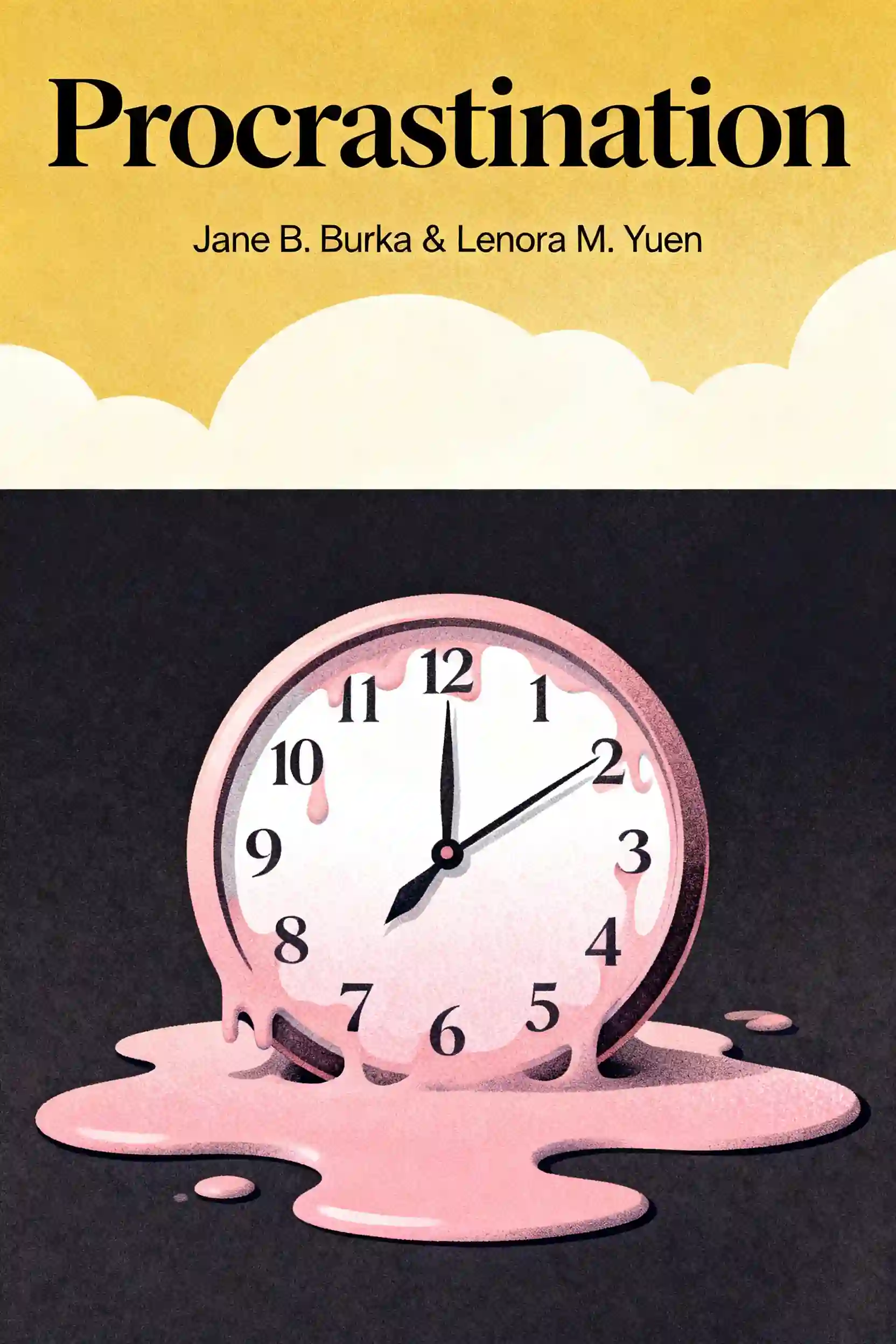
Procrastination is actually an emotional regulation problem, not a time management one; we’re not avoiding the work, we’re avoiding the feelings the work gives us.
Generated by Grass
I be able to come home from school and start doing my homework and be productive and completely quit scrolling

Frequently Asked Questions
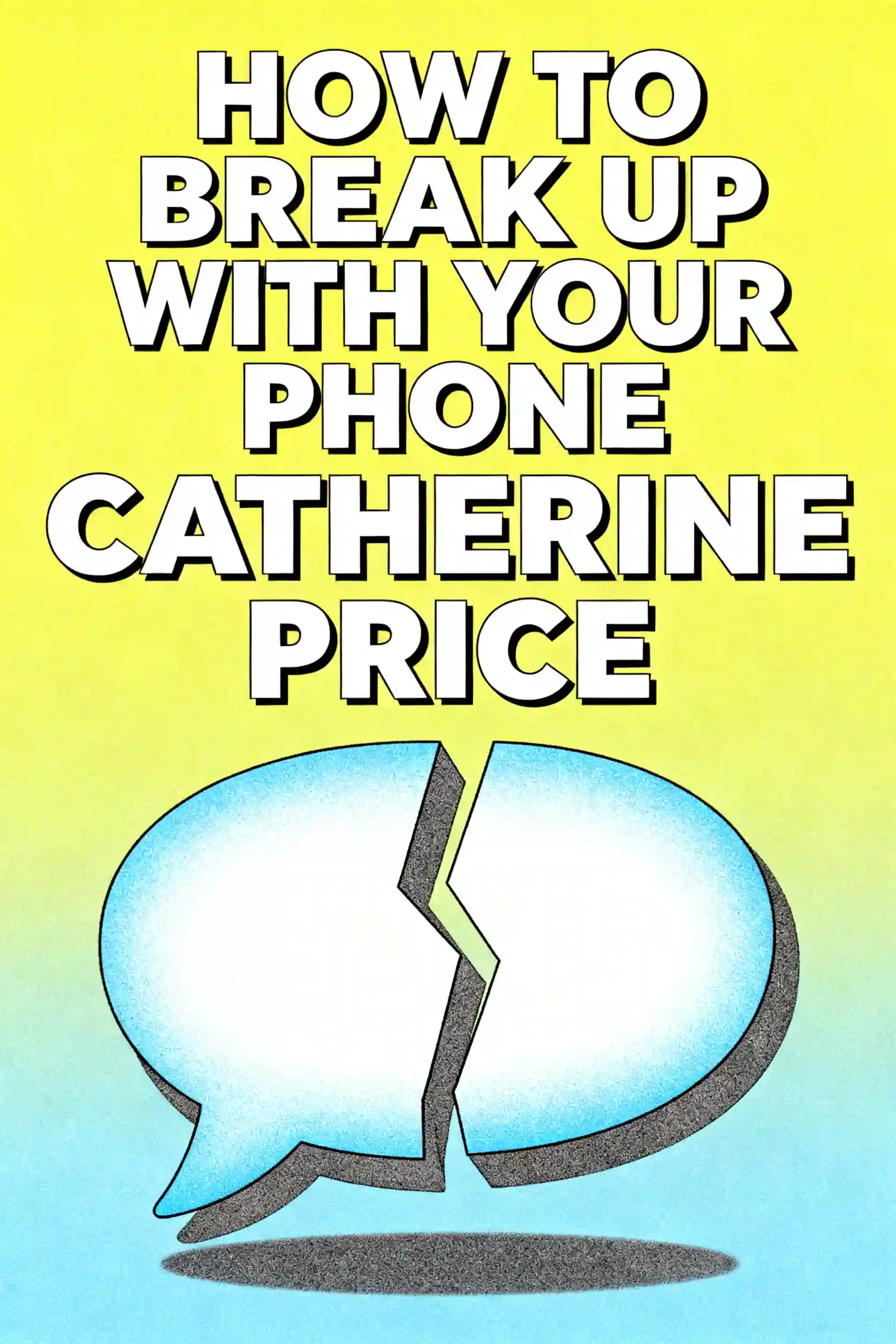
Social media apps are designed by neuroscientists and psychologists using a concept called variable-ratio reinforcement, which is the same mechanic that makes slot machines addictive. Because you never know when the next interesting post or "like" will appear, your brain is stimulated to keep scrolling in search of a dopamine hit. This creates a "focus hijack" where your brain views difficult tasks like homework as threats and seeks the "safety" and instant gratification of a smartphone.
Attention residue is the phenomenon where your brain does not immediately switch focus when you move from one task to another. If you check a notification while writing an essay, a part of your mind remains stuck on that digital interruption even after you put the phone away. Research mentioned in the script suggests it can take up to twenty-three minutes to regain full focus after a single interruption, meaning frequent phone checks keep the brain in a state of "continuous partial attention" where very little is actually accomplished.
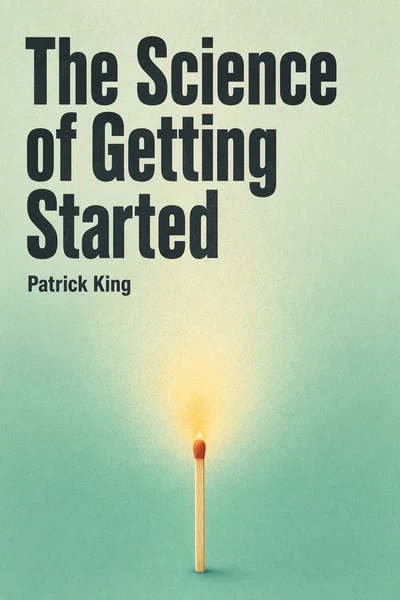
Implementation intentions involve creating a hyper-specific "if-then" plan, such as "If it is 4 PM and I have finished my snack, then I will open my biology textbook," which removes the need for active decision-making when mental energy is low. Task chunking complements this by breaking overwhelming projects into tiny, non-threatening steps, like writing just one sentence. This lowers the "threat level" in the brain and utilizes the Zeigarnik effect, a psychological quirk where the brain feels a natural urge to finish a task once it has actually been started.
Simply having a phone visible on a desk—even if it is turned off—can reduce cognitive capacity by twenty-six percent because the brain wastes energy actively resisting the urge to check it. By putting the phone in "phone jail" in another room, you create physical friction. Increasing the "cost" of checking the phone by making yourself walk down a hall makes it much easier for the brain to stay in a state of "Deep Work" and maintain focus on the task at hand.
Procrastination is often an emotional regulation problem rather than a time management one; people avoid work to avoid the negative feelings, like boredom or anxiety, associated with it. When you beat yourself up for wasting time, you increase your stress, which triggers the brain to seek "escape" in a phone again. Practicing self-compassion and a growth mindset lowers this anxiety, making it easier to move past a mistake and start fresh without falling into a "guilt spiral."
From Columbia University alumni built in San Francisco
"Instead of endless scrolling, I just hit play on BeFreed. It saves me so much time."


"I never knew where to start with nonfiction—BeFreed’s book lists turned into podcasts gave me a clear path."


"Perfect balance between learning and entertainment. Finished ‘Thinking, Fast and Slow’ on my commute this week."
"Crazy how much I learned while walking the dog. BeFreed = small habits → big gains."
"Reading used to feel like a chore. Now it’s just part of my lifestyle."

"Feels effortless compared to reading. I’ve finished 6 books this month already."
"BeFreed turned my guilty doomscrolling into something that feels productive and inspiring."

"BeFreed turned my commute into learning time. 20-min podcasts are perfect for finishing books I never had time for."
"BeFreed replaced my podcast queue. Imagine Spotify for books — that’s it. 🙌"

"It is great for me to learn something from the book without reading it."
"The themed book list podcasts help me connect ideas across authors—like a guided audio journey."
"Makes me feel smarter every time before going to work"
From Columbia University alumni built in San Francisco
"Instead of endless scrolling, I just hit play on BeFreed. It saves me so much time."
"I never knew where to start with nonfiction—BeFreed’s book lists turned into podcasts gave me a clear path."
"Perfect balance between learning and entertainment. Finished ‘Thinking, Fast and Slow’ on my commute this week."
"Crazy how much I learned while walking the dog. BeFreed = small habits → big gains."
"Reading used to feel like a chore. Now it’s just part of my lifestyle."
"Feels effortless compared to reading. I’ve finished 6 books this month already."
"BeFreed turned my guilty doomscrolling into something that feels productive and inspiring."
"BeFreed turned my commute into learning time. 20-min podcasts are perfect for finishing books I never had time for."
"BeFreed replaced my podcast queue. Imagine Spotify for books — that’s it. 🙌"
"It is great for me to learn something from the book without reading it."
"The themed book list podcasts help me connect ideas across authors—like a guided audio journey."
"Makes me feel smarter every time before going to work"
"Instead of endless scrolling, I just hit play on BeFreed. It saves me so much time."
"I never knew where to start with nonfiction—BeFreed’s book lists turned into podcasts gave me a clear path."
"Perfect balance between learning and entertainment. Finished ‘Thinking, Fast and Slow’ on my commute this week."
"Crazy how much I learned while walking the dog. BeFreed = small habits → big gains."
"Reading used to feel like a chore. Now it’s just part of my lifestyle."
"Feels effortless compared to reading. I’ve finished 6 books this month already."
"BeFreed turned my guilty doomscrolling into something that feels productive and inspiring."
"BeFreed turned my commute into learning time. 20-min podcasts are perfect for finishing books I never had time for."
"BeFreed replaced my podcast queue. Imagine Spotify for books — that’s it. 🙌"
"It is great for me to learn something from the book without reading it."
"The themed book list podcasts help me connect ideas across authors—like a guided audio journey."
"Makes me feel smarter every time before going to work"
"Instead of endless scrolling, I just hit play on BeFreed. It saves me so much time."
"I never knew where to start with nonfiction—BeFreed’s book lists turned into podcasts gave me a clear path."
"Perfect balance between learning and entertainment. Finished ‘Thinking, Fast and Slow’ on my commute this week."
"Crazy how much I learned while walking the dog. BeFreed = small habits → big gains."
"Reading used to feel like a chore. Now it’s just part of my lifestyle."
"Feels effortless compared to reading. I’ve finished 6 books this month already."
"BeFreed turned my guilty doomscrolling into something that feels productive and inspiring."
"BeFreed turned my commute into learning time. 20-min podcasts are perfect for finishing books I never had time for."
"BeFreed replaced my podcast queue. Imagine Spotify for books — that’s it. 🙌"
"It is great for me to learn something from the book without reading it."
"The themed book list podcasts help me connect ideas across authors—like a guided audio journey."
"Makes me feel smarter every time before going to work"