Brain Rot and the Information Diet: Fixing Your Digital Habits
Explore the impact of brain rot and the infinite scroll. Learn how to fix your digital habits and manage cognitive drain in this episode on information diets.

Best quote from Brain Rot and the Information Diet: Fixing Your Digital Habits
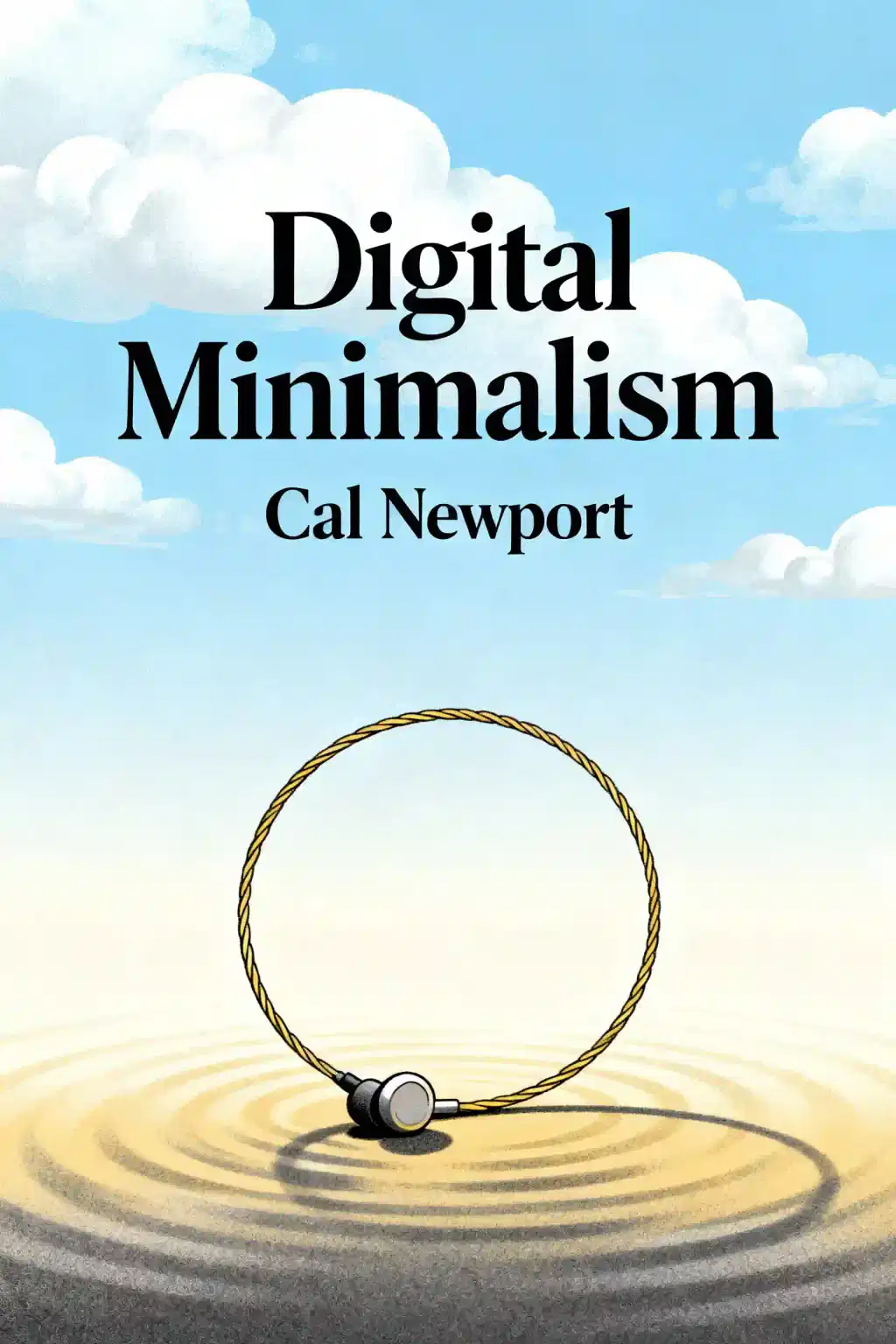
Digital minimalism is the idea that a small number of carefully chosen tools, used intentionally, provides way more value than a huge mess of apps used thoughtlessly. It’s about moving from being a passive consumer to an intentional curator.
Generated by Bhaskar
How to stop over consuming content in our life






Frequently Asked Questions
Brain rot is a term used to describe the cognitive drain and hollow feeling people experience after consuming hours of trivial digital content. It gained significant cultural recognition when Oxford University Press named it the word of the year for 2024. This phenomenon highlights the mental exhaustion that comes from overstimulating the brain with low-value information, leaving users feeling unsatisfied and mentally depleted after long periods of screen time.
The infinite scroll is a specific design feature engineered to remove natural stopping points in apps, making it difficult for users to put their phones down. By eliminating the 'all caught up' notifications that were once common, this feature creates a cycle where users keep scrolling in search of a finish line that never comes. This design choice is a major factor in why people struggle to manage their information diet and digital wellness.
Recent data reveals a staggering trend in digital behavior, showing that the average person checks their phone approximately 352 times every day. This frequency breaks down to roughly once every three minutes, illustrating the intensity of modern phone usage. These statistics suggest that the struggle with digital consumption is not just an individual failing but a widespread issue driven by habit-forming technology and constant connectivity.
Improving your information diet involves recognizing the design problems, such as the infinite scroll, that lead to cognitive drain. To fix these digital habits, it is essential to find ways to stop the cycle of consuming trivial content and replace it with more nourishing information. By understanding that the lack of natural stopping points is intentional, users can take more conscious control over their screen time to reduce the hollow feeling associated with brain rot.
From Columbia University alumni built in San Francisco
"Instead of endless scrolling, I just hit play on BeFreed. It saves me so much time."


"I never knew where to start with nonfiction—BeFreed’s book lists turned into podcasts gave me a clear path."


"Perfect balance between learning and entertainment. Finished ‘Thinking, Fast and Slow’ on my commute this week."
"Crazy how much I learned while walking the dog. BeFreed = small habits → big gains."
"Reading used to feel like a chore. Now it’s just part of my lifestyle."

"Feels effortless compared to reading. I’ve finished 6 books this month already."
"BeFreed turned my guilty doomscrolling into something that feels productive and inspiring."

"BeFreed turned my commute into learning time. 20-min podcasts are perfect for finishing books I never had time for."
"BeFreed replaced my podcast queue. Imagine Spotify for books — that’s it. 🙌"

"It is great for me to learn something from the book without reading it."
"The themed book list podcasts help me connect ideas across authors—like a guided audio journey."
"Makes me feel smarter every time before going to work"
From Columbia University alumni built in San Francisco
"Instead of endless scrolling, I just hit play on BeFreed. It saves me so much time."
"I never knew where to start with nonfiction—BeFreed’s book lists turned into podcasts gave me a clear path."
"Perfect balance between learning and entertainment. Finished ‘Thinking, Fast and Slow’ on my commute this week."
"Crazy how much I learned while walking the dog. BeFreed = small habits → big gains."
"Reading used to feel like a chore. Now it’s just part of my lifestyle."
"Feels effortless compared to reading. I’ve finished 6 books this month already."
"BeFreed turned my guilty doomscrolling into something that feels productive and inspiring."
"BeFreed turned my commute into learning time. 20-min podcasts are perfect for finishing books I never had time for."
"BeFreed replaced my podcast queue. Imagine Spotify for books — that’s it. 🙌"
"It is great for me to learn something from the book without reading it."
"The themed book list podcasts help me connect ideas across authors—like a guided audio journey."
"Makes me feel smarter every time before going to work"
"Instead of endless scrolling, I just hit play on BeFreed. It saves me so much time."
"I never knew where to start with nonfiction—BeFreed’s book lists turned into podcasts gave me a clear path."
"Perfect balance between learning and entertainment. Finished ‘Thinking, Fast and Slow’ on my commute this week."
"Crazy how much I learned while walking the dog. BeFreed = small habits → big gains."
"Reading used to feel like a chore. Now it’s just part of my lifestyle."
"Feels effortless compared to reading. I’ve finished 6 books this month already."
"BeFreed turned my guilty doomscrolling into something that feels productive and inspiring."
"BeFreed turned my commute into learning time. 20-min podcasts are perfect for finishing books I never had time for."
"BeFreed replaced my podcast queue. Imagine Spotify for books — that’s it. 🙌"
"It is great for me to learn something from the book without reading it."
"The themed book list podcasts help me connect ideas across authors—like a guided audio journey."
"Makes me feel smarter every time before going to work"
"Instead of endless scrolling, I just hit play on BeFreed. It saves me so much time."
"I never knew where to start with nonfiction—BeFreed’s book lists turned into podcasts gave me a clear path."
"Perfect balance between learning and entertainment. Finished ‘Thinking, Fast and Slow’ on my commute this week."
"Crazy how much I learned while walking the dog. BeFreed = small habits → big gains."
"Reading used to feel like a chore. Now it’s just part of my lifestyle."
"Feels effortless compared to reading. I’ve finished 6 books this month already."
"BeFreed turned my guilty doomscrolling into something that feels productive and inspiring."
"BeFreed turned my commute into learning time. 20-min podcasts are perfect for finishing books I never had time for."
"BeFreed replaced my podcast queue. Imagine Spotify for books — that’s it. 🙌"
"It is great for me to learn something from the book without reading it."
"The themed book list podcasts help me connect ideas across authors—like a guided audio journey."
"Makes me feel smarter every time before going to work"