Borderline Personality Disorder Is Often Misunderstood
BPD is more than just being difficult. Learn how emotion dysregulation and stress affect the nervous system and discover the practical path to remission.

Best quote from Borderline Personality Disorder Is Often Misunderstood
Borderline Personality Disorder is not a character flaw; it’s really about chronic emotion dysregulation where emotions hit harder and stay longer. It is a way to turn an invisible, emotional scream into something tangible or distracting as a desperate survival strategy to down-regulate suffering.
Generated by Jess
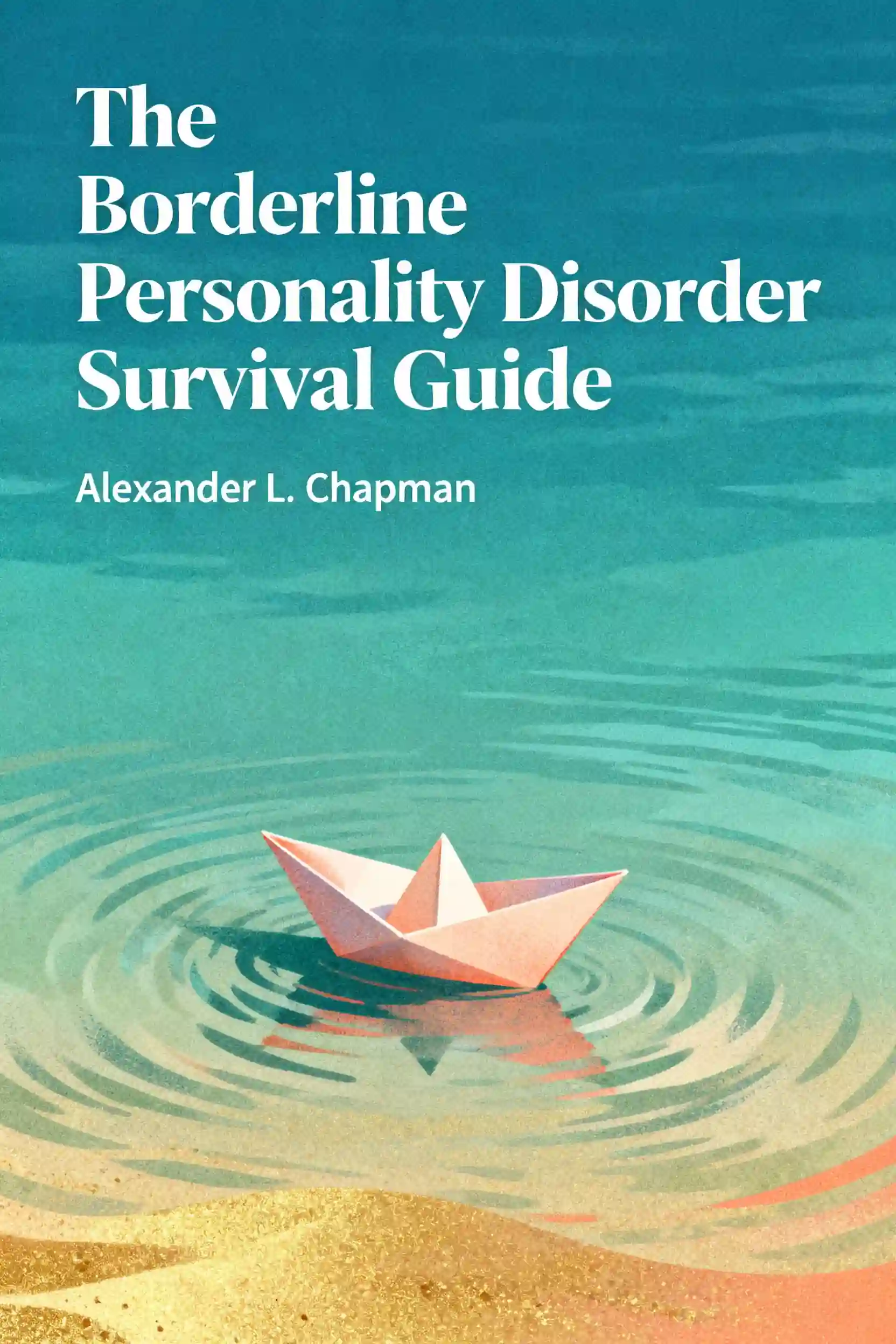
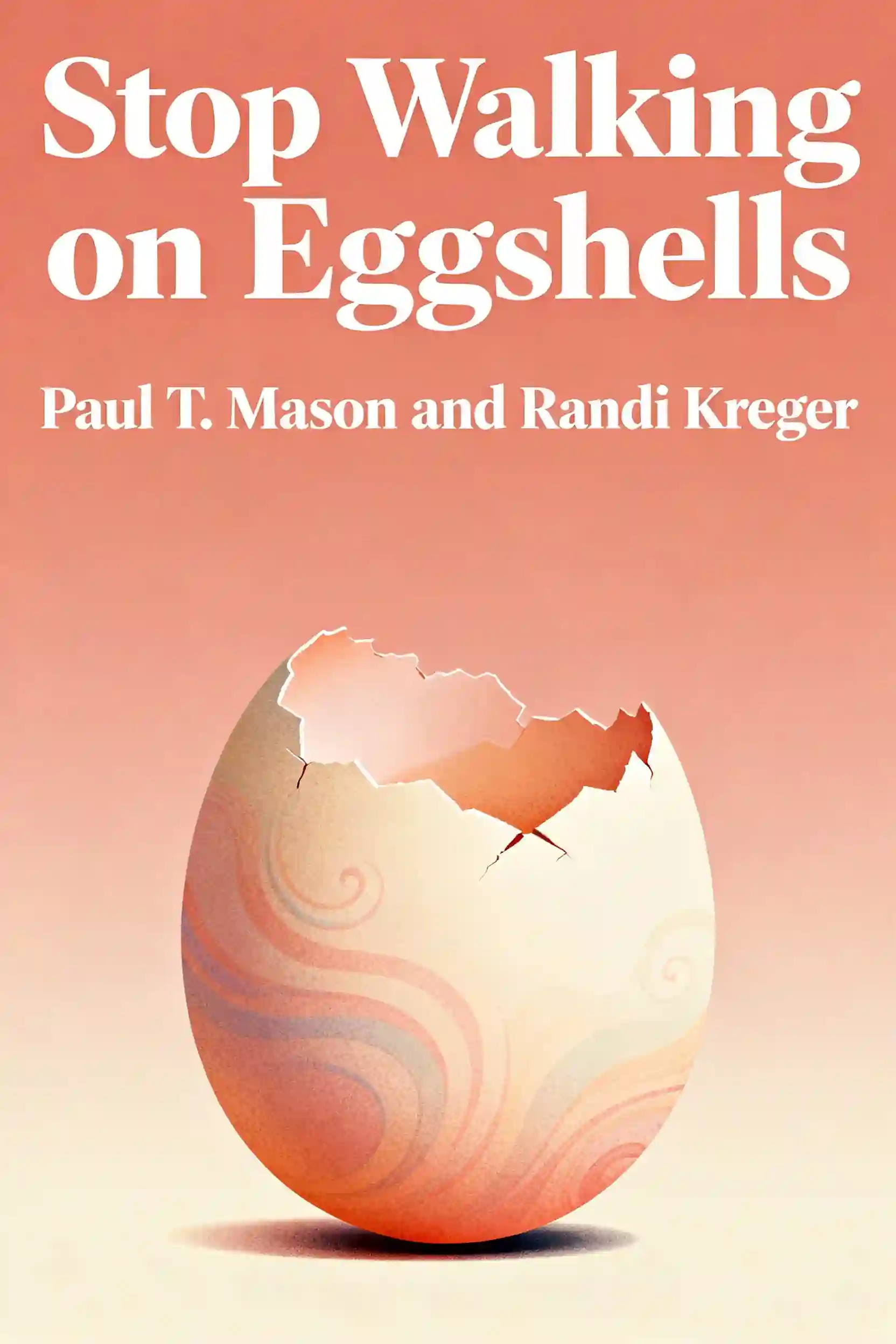
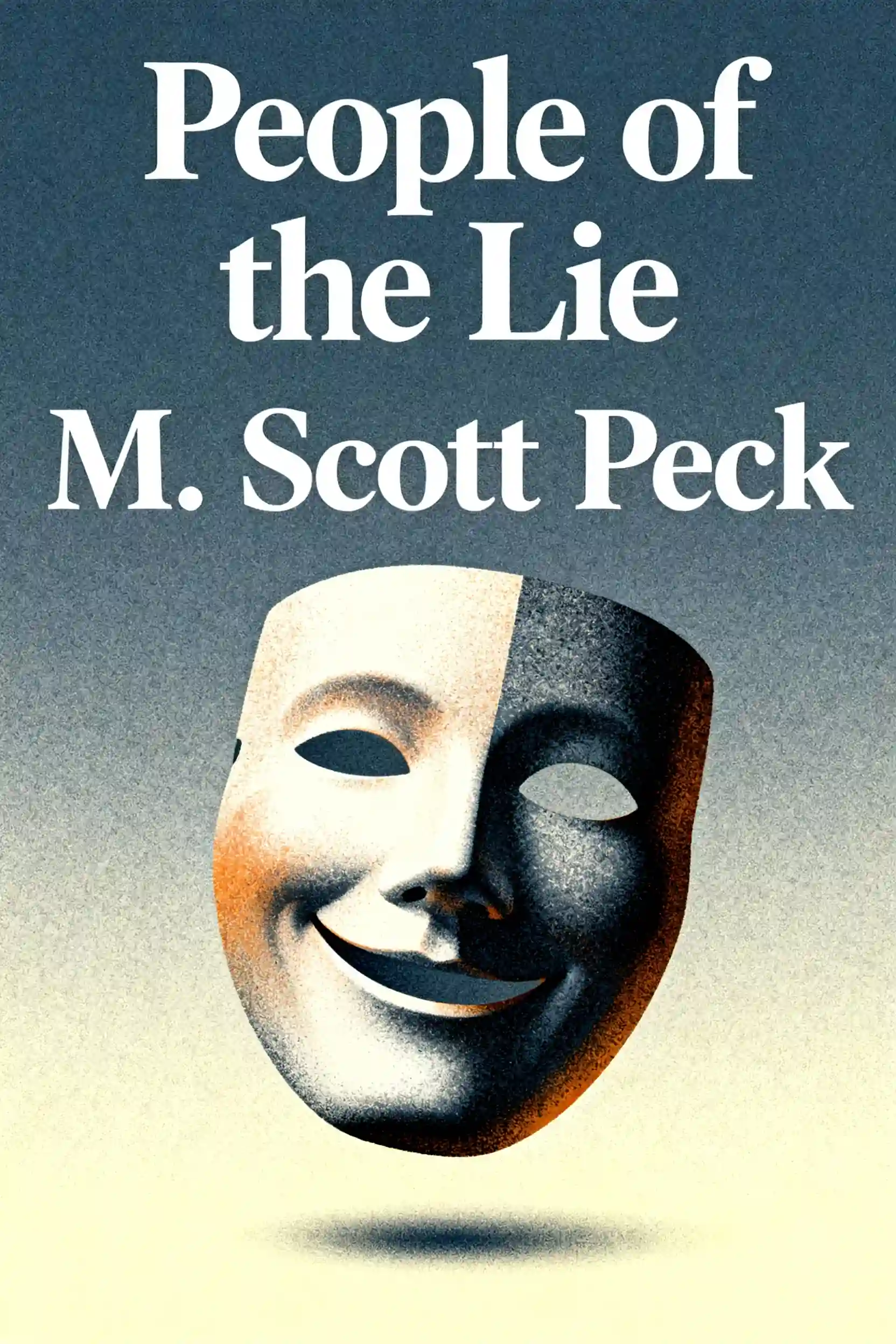
Borderline personality disorder and related personality disorders.


Frequently Asked Questions
Rather than viewing BPD as a random list of symptoms, clinicians often group the diagnostic criteria into five core territories of dysregulation. These include Emotion Dysregulation (rapidly escalating emotions and intense anger/shame), Interpersonal Dysregulation (frantic efforts to avoid abandonment and unstable relationships), Behavioral Dysregulation (impulsivity and self-harm used as survival strategies), Self Dysregulation (chronic feelings of emptiness and an unstable sense of self), and Cognitive Dysregulation (stress-induced paranoia or dissociation). This framework views all symptoms as different ways a single struggle—regulating intense feelings—spills out into a person’s life.
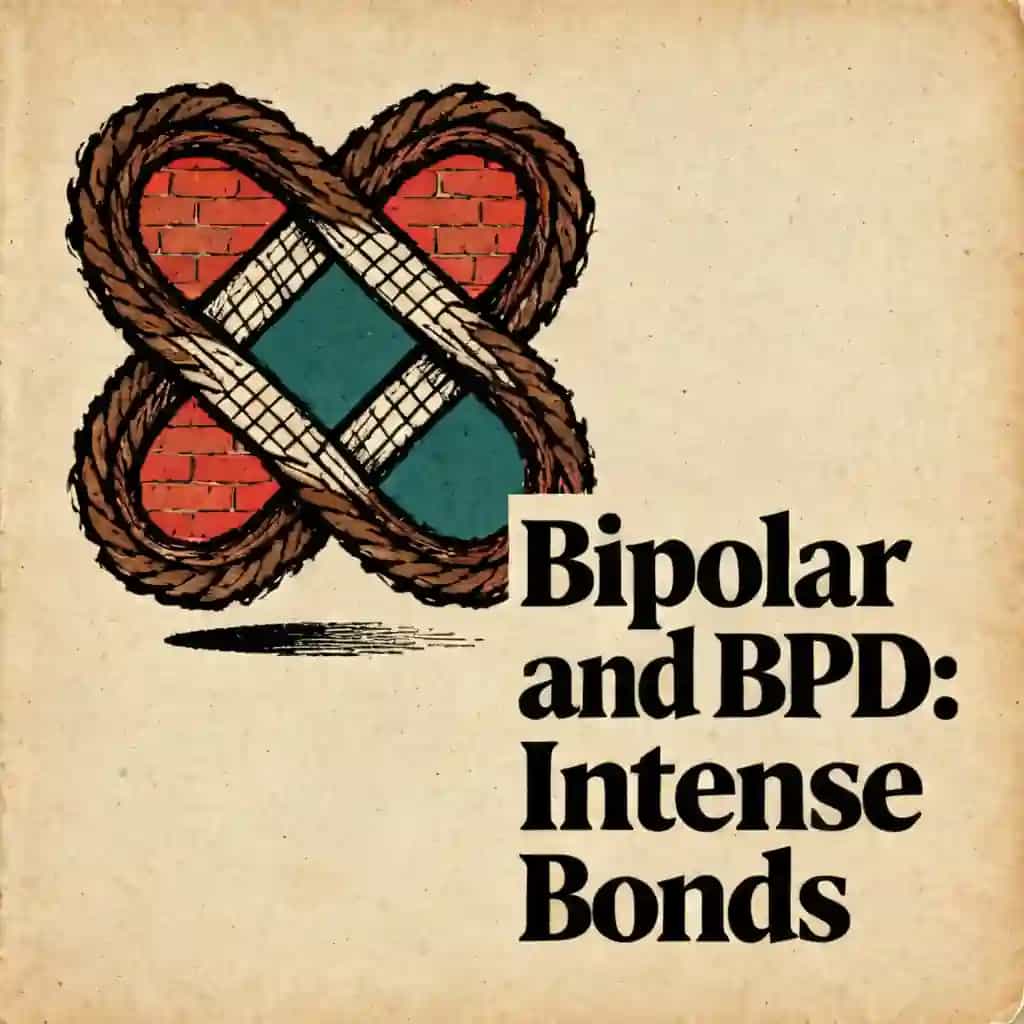
The primary distinction between BPD and Bipolar Disorder lies in the trigger and duration of mood shifts; Bipolar shifts are often biochemical and last weeks or months, whereas BPD shifts are usually triggered by relational events and can happen multiple times a day. When compared to Complex PTSD (cPTSD), the difference is often seen in the "sense of self" and relational patterns. While both involve emotional struggles, cPTSD typically leads to avoidance and disconnection, whereas the unstable sense of self in BPD often leads to volatile, intense efforts to "lean in" to relationships to avoid abandonment.
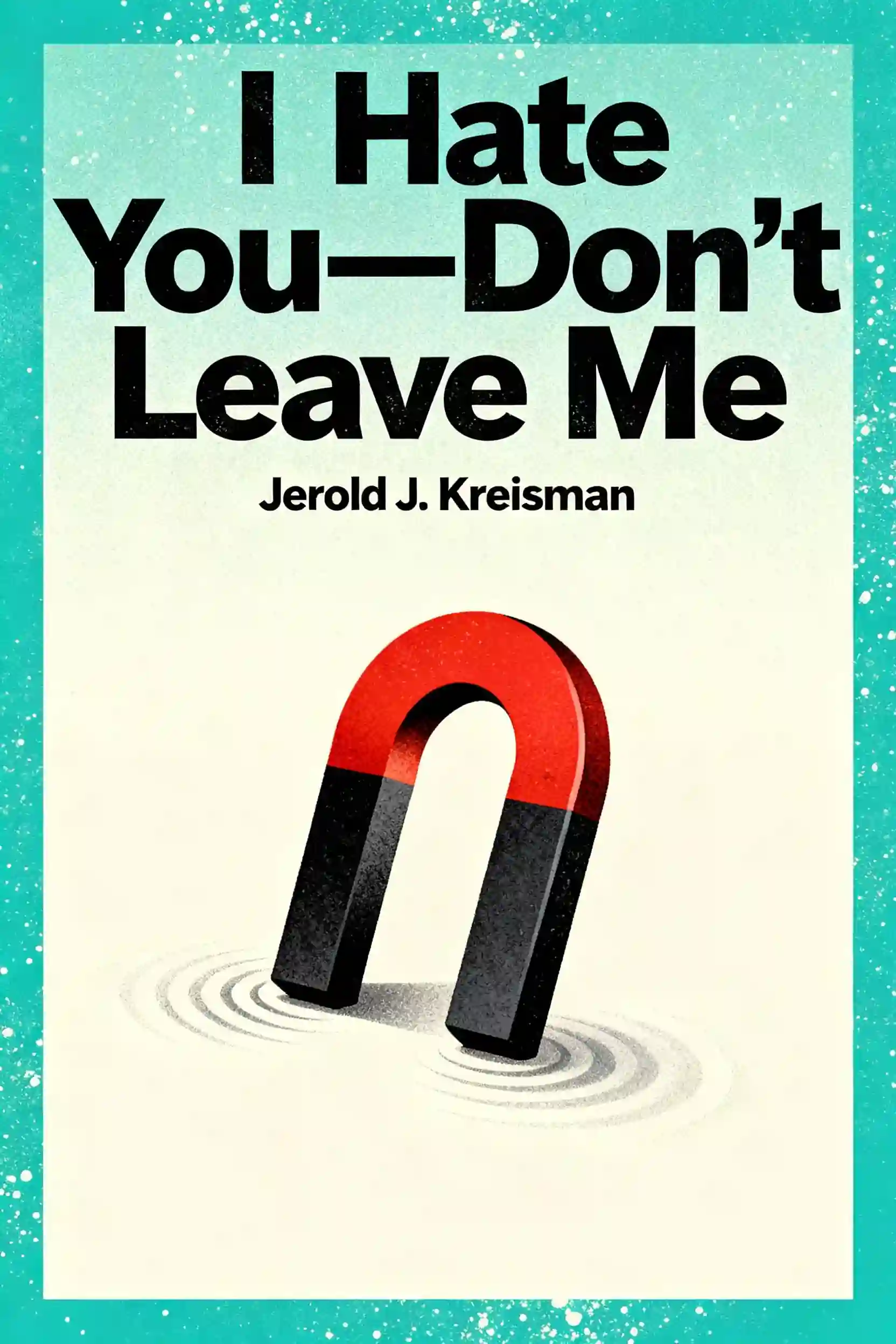
A "Favourite Person" acts as an emotional anchor for someone with BPD who struggles to regulate their own internal emotions. The individual attaches to this specific person to serve as an external regulator for their stability. While this begins with intense idealization, it is often fragile; any perceived shift in the FP's availability can trigger a "panic response" or an emotional switch from adoration to devaluation. This dynamic is driven by a lack of "object constancy," or the inability to remember that a loved one is still "good" and present even when they are temporarily unavailable or causing disappointment.
Yes, BPD is closely linked to physical health issues due to "allostatic load," which is the wear and tear on the body caused by chronic stress. Constant emotional dysregulation keeps the body's "alarm center" over-activated, leading to higher rates of metabolic syndrome (such as abdominal obesity and high blood sugar) and chronic pain conditions like fibromyalgia. Research indicates that people with BPD often have lower Heart Rate Variability, meaning their parasympathetic nervous system struggles to calm the body down after a stressor, keeping them in a physical state of "survival mode."
BPD has a remarkably good prognosis and is not a "life sentence." Longitudinal research, such as the McLean Study, found that 85 percent of participants achieved remission—meaning they no longer met the diagnostic criteria—over a ten-year period. Recovery is driven by evidence-based treatments like Dialectical Behavior Therapy (DBT), which focuses on building skills in mindfulness, distress tolerance, and emotion regulation. Modern clinical perspectives now view BPD as a "pattern of functioning" that can be improved and managed over time rather than a fixed, untreatable character flaw.
From Columbia University alumni built in San Francisco
"Instead of endless scrolling, I just hit play on BeFreed. It saves me so much time."


"I never knew where to start with nonfiction—BeFreed’s book lists turned into podcasts gave me a clear path."


"Perfect balance between learning and entertainment. Finished ‘Thinking, Fast and Slow’ on my commute this week."
"Crazy how much I learned while walking the dog. BeFreed = small habits → big gains."
"Reading used to feel like a chore. Now it’s just part of my lifestyle."

"Feels effortless compared to reading. I’ve finished 6 books this month already."
"BeFreed turned my guilty doomscrolling into something that feels productive and inspiring."

"BeFreed turned my commute into learning time. 20-min podcasts are perfect for finishing books I never had time for."
"BeFreed replaced my podcast queue. Imagine Spotify for books — that’s it. 🙌"

"It is great for me to learn something from the book without reading it."
"The themed book list podcasts help me connect ideas across authors—like a guided audio journey."
"Makes me feel smarter every time before going to work"
 Ask ChatGPT
 Ask Claude
From Columbia University alumni built in San Francisco
"Instead of endless scrolling, I just hit play on BeFreed. It saves me so much time."
"I never knew where to start with nonfiction—BeFreed’s book lists turned into podcasts gave me a clear path."
"Perfect balance between learning and entertainment. Finished ‘Thinking, Fast and Slow’ on my commute this week."
"Crazy how much I learned while walking the dog. BeFreed = small habits → big gains."
"Reading used to feel like a chore. Now it’s just part of my lifestyle."
"Feels effortless compared to reading. I’ve finished 6 books this month already."
"BeFreed turned my guilty doomscrolling into something that feels productive and inspiring."
"BeFreed turned my commute into learning time. 20-min podcasts are perfect for finishing books I never had time for."
"BeFreed replaced my podcast queue. Imagine Spotify for books — that’s it. 🙌"
"It is great for me to learn something from the book without reading it."
"The themed book list podcasts help me connect ideas across authors—like a guided audio journey."
"Makes me feel smarter every time before going to work"
"Instead of endless scrolling, I just hit play on BeFreed. It saves me so much time."
"I never knew where to start with nonfiction—BeFreed’s book lists turned into podcasts gave me a clear path."
"Perfect balance between learning and entertainment. Finished ‘Thinking, Fast and Slow’ on my commute this week."
"Crazy how much I learned while walking the dog. BeFreed = small habits → big gains."
"Reading used to feel like a chore. Now it’s just part of my lifestyle."
"Feels effortless compared to reading. I’ve finished 6 books this month already."
"BeFreed turned my guilty doomscrolling into something that feels productive and inspiring."
"BeFreed turned my commute into learning time. 20-min podcasts are perfect for finishing books I never had time for."
"BeFreed replaced my podcast queue. Imagine Spotify for books — that’s it. 🙌"
"It is great for me to learn something from the book without reading it."
"The themed book list podcasts help me connect ideas across authors—like a guided audio journey."
"Makes me feel smarter every time before going to work"
"Instead of endless scrolling, I just hit play on BeFreed. It saves me so much time."
"I never knew where to start with nonfiction—BeFreed’s book lists turned into podcasts gave me a clear path."
"Perfect balance between learning and entertainment. Finished ‘Thinking, Fast and Slow’ on my commute this week."
"Crazy how much I learned while walking the dog. BeFreed = small habits → big gains."
"Reading used to feel like a chore. Now it’s just part of my lifestyle."
"Feels effortless compared to reading. I’ve finished 6 books this month already."
"BeFreed turned my guilty doomscrolling into something that feels productive and inspiring."
"BeFreed turned my commute into learning time. 20-min podcasts are perfect for finishing books I never had time for."
"BeFreed replaced my podcast queue. Imagine Spotify for books — that’s it. 🙌"
"It is great for me to learn something from the book without reading it."
"The themed book list podcasts help me connect ideas across authors—like a guided audio journey."
"Makes me feel smarter every time before going to work"