Beren y Lúthien: El corazón literario de Tolkien
¿Es solo un romance o el motor de la Tierra Media? Descubre cómo el Silmaril y la mortalidad definen esta épica historia de amor y sacrificio.

Best quote from Beren y Lúthien: El corazón literario de Tolkien
Lúthien es, probablemente, el personaje más potente que Tolkien creó jamás, porque combina la belleza física con una fuerza espiritual que puede dormir al mismísimo Diablo en su trono.

This audio lesson was created by a BeFreed community member
I want a literary analysis of the Beren and Luthien chapter from The Silmarillion.



Frequently Asked Questions
The names represent a deeply personal connection to Tolkien’s own life and his marriage to Edith. The central image of the story—Lúthien dancing in a forest—was inspired by seeing Edith dance among hemlock flowers in Yorkshire after Tolkien returned from the horrors of World War I. For Tolkien, the fictional romance mirrored their real-world devotion, symbolizing a love that could face trauma and "cross hell" to bring a partner back.
In the earliest 1917 versions, such as "The Tale of Tinúviel," Lúthien was portrayed as more vulnerable and fearful when facing threats like the demon cat Tevildo. However, as Tolkien revised the legend over decades, she gained significant agency and power. In the final versions, she is the primary hero who rescues Beren from Sauron’s tower and uses her divine heritage and magical song to lull the dark lord Morgoth to sleep, proving that spiritual strength and art can overcome brute force.
Lúthien is an immortal Elf-Maia hybrid, while Beren is a mortal Man. To remain with Beren after his death, Lúthien chooses to renounce her immortality and become mortal herself. This is a pivotal moment in Tolkien’s mythology because it introduces a "drop of divinity" into the human bloodline, leading to the Half-elves and eventually Aragorn. It also highlights Tolkien’s theme that mortality is a "gift" providing a freedom from the world that even the divine powers cannot fully comprehend.
The Silmaril acts as a catalyst for the plot and a symbol of destructive greed. King Thingol demands the jewel from Beren as an impossible bride-price, intended to be a death sentence for the mortal. By demanding the gem, Thingol inadvertently brings the malice of Morgoth into his protected kingdom. While Beren seeks the jewel out of love and honor, and Thingol seeks it for possession, the quest ultimately leads to physical sacrifice—such as Beren losing his hand to the wolf Carcharoth—and the eventual downfall of the elven realm.
The tale serves as a source of hope and a historical blueprint for the characters in the Third Age. Aragorn tells the story to the Hobbits to give them courage against the Nazgûl, and Sam Gamyi later realizes that the light in Galadriel’s phial is actually the light of the Silmaril recovered by Beren. Furthermore, the romance between Aragorn and Arwen is an intentional "echo" of Beren and Lúthien, as Arwen makes the same choice to become mortal for the man she loves.
Discover more

Read romance and fantasy
This learning path serves readers seeking to explore two of the most popular and emotionally engaging literary genres, perfect for both newcomers wanting structured guidance and experienced readers looking to expand their horizons. By progressing from foundational works through hybrid and darker subgenres, learners gain both breadth and depth in understanding how romance and fantasy create powerful escapism, emotional resonance, and imaginative storytelling that has captivated millions of readers worldwide.

Rutas, mercaderes y el origen del viaje
Este plan es fundamental para entender cómo el intercambio de bienes y creencias forjó la civilización moderna. Es ideal para estudiantes de historia, antropología y entusiastas del turismo que buscan comprender las raíces culturales del viaje.

Enjoy romance novels
Romance is the highest-selling fiction genre worldwide, offering readers emotional journeys, relationship insights, and diverse perspectives on love. This learning plan helps both newcomers and seasoned readers develop a deeper appreciation for romance literature's craft, evolution, and cultural significance.

Reading Dark Romance
Dark romance has emerged as a powerful literary genre that explores the shadows of human desire and complex relationship dynamics. This learning plan helps readers understand the psychological appeal of taboo themes, power imbalances, and morally ambiguous characters while developing critical analysis skills for this controversial but increasingly popular genre.
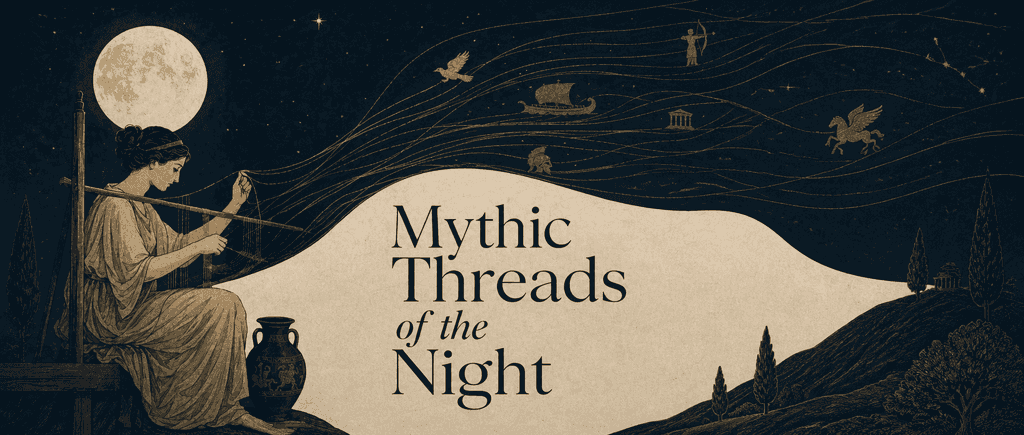
Mythic Threads of the Night
This plan is essential for creatives and folklore enthusiasts seeking to understand the intersection of nature and mysticism. It provides a deep dive into the symbolic language of the night, perfect for writers, artists, or anyone fascinated by the darker side of mythology.

Literature
This learning plan is essential for anyone seeking to move beyond surface-level reading and engage with literature as a transformative intellectual practice. It's ideal for students, educators, aspiring writers, and lifelong learners who want to appreciate both classic and contemporary works while developing critical analysis skills that enhance cultural literacy and deepen understanding of the human experience.

Vivir en el flujo del Tao
Este plan es ideal para personas saturadas que buscan recuperar el equilibrio y la efectividad mediante la sabiduría oriental. Aprenderás a gestionar tu energía y entorno para lograr más con menos esfuerzo consciente.

Adult fiction with intimacy
This learning plan is designed for adult readers seeking to deepen their understanding and appreciation of intimate fiction beyond surface-level entertainment. Whether you're a romance enthusiast wanting to explore more complex narratives, a book club member seeking thoughtful discussion material, or simply curious about why passionate fiction has become a dominant literary force, this structured approach guides you through the genre's most influential works and themes.
From Columbia University alumni built in San Francisco
"Instead of endless scrolling, I just hit play on BeFreed. It saves me so much time."


"I never knew where to start with nonfiction—BeFreed’s book lists turned into podcasts gave me a clear path."


"Perfect balance between learning and entertainment. Finished ‘Thinking, Fast and Slow’ on my commute this week."
"Crazy how much I learned while walking the dog. BeFreed = small habits → big gains."
"Reading used to feel like a chore. Now it’s just part of my lifestyle."

"Feels effortless compared to reading. I’ve finished 6 books this month already."
"BeFreed turned my guilty doomscrolling into something that feels productive and inspiring."

"BeFreed turned my commute into learning time. 20-min podcasts are perfect for finishing books I never had time for."
"BeFreed replaced my podcast queue. Imagine Spotify for books — that’s it. 🙌"

"It is great for me to learn something from the book without reading it."
"The themed book list podcasts help me connect ideas across authors—like a guided audio journey."
"Makes me feel smarter every time before going to work"
From Columbia University alumni built in San Francisco
"Instead of endless scrolling, I just hit play on BeFreed. It saves me so much time."
"I never knew where to start with nonfiction—BeFreed’s book lists turned into podcasts gave me a clear path."
"Perfect balance between learning and entertainment. Finished ‘Thinking, Fast and Slow’ on my commute this week."
"Crazy how much I learned while walking the dog. BeFreed = small habits → big gains."
"Reading used to feel like a chore. Now it’s just part of my lifestyle."
"Feels effortless compared to reading. I’ve finished 6 books this month already."
"BeFreed turned my guilty doomscrolling into something that feels productive and inspiring."
"BeFreed turned my commute into learning time. 20-min podcasts are perfect for finishing books I never had time for."
"BeFreed replaced my podcast queue. Imagine Spotify for books — that’s it. 🙌"
"It is great for me to learn something from the book without reading it."
"The themed book list podcasts help me connect ideas across authors—like a guided audio journey."
"Makes me feel smarter every time before going to work"
"Instead of endless scrolling, I just hit play on BeFreed. It saves me so much time."
"I never knew where to start with nonfiction—BeFreed’s book lists turned into podcasts gave me a clear path."
"Perfect balance between learning and entertainment. Finished ‘Thinking, Fast and Slow’ on my commute this week."
"Crazy how much I learned while walking the dog. BeFreed = small habits → big gains."
"Reading used to feel like a chore. Now it’s just part of my lifestyle."
"Feels effortless compared to reading. I’ve finished 6 books this month already."
"BeFreed turned my guilty doomscrolling into something that feels productive and inspiring."
"BeFreed turned my commute into learning time. 20-min podcasts are perfect for finishing books I never had time for."
"BeFreed replaced my podcast queue. Imagine Spotify for books — that’s it. 🙌"
"It is great for me to learn something from the book without reading it."
"The themed book list podcasts help me connect ideas across authors—like a guided audio journey."
"Makes me feel smarter every time before going to work"
"Instead of endless scrolling, I just hit play on BeFreed. It saves me so much time."
"I never knew where to start with nonfiction—BeFreed’s book lists turned into podcasts gave me a clear path."
"Perfect balance between learning and entertainment. Finished ‘Thinking, Fast and Slow’ on my commute this week."
"Crazy how much I learned while walking the dog. BeFreed = small habits → big gains."
"Reading used to feel like a chore. Now it’s just part of my lifestyle."
"Feels effortless compared to reading. I’ve finished 6 books this month already."
"BeFreed turned my guilty doomscrolling into something that feels productive and inspiring."
"BeFreed turned my commute into learning time. 20-min podcasts are perfect for finishing books I never had time for."
"BeFreed replaced my podcast queue. Imagine Spotify for books — that’s it. 🙌"
"It is great for me to learn something from the book without reading it."
"The themed book list podcasts help me connect ideas across authors—like a guided audio journey."
"Makes me feel smarter every time before going to work"