Asian History and the Myth of a Unified Continent
Is Asia a real place or just a label? Discover how geography and trade networks shaped ancient civilizations and why this history still matters today.
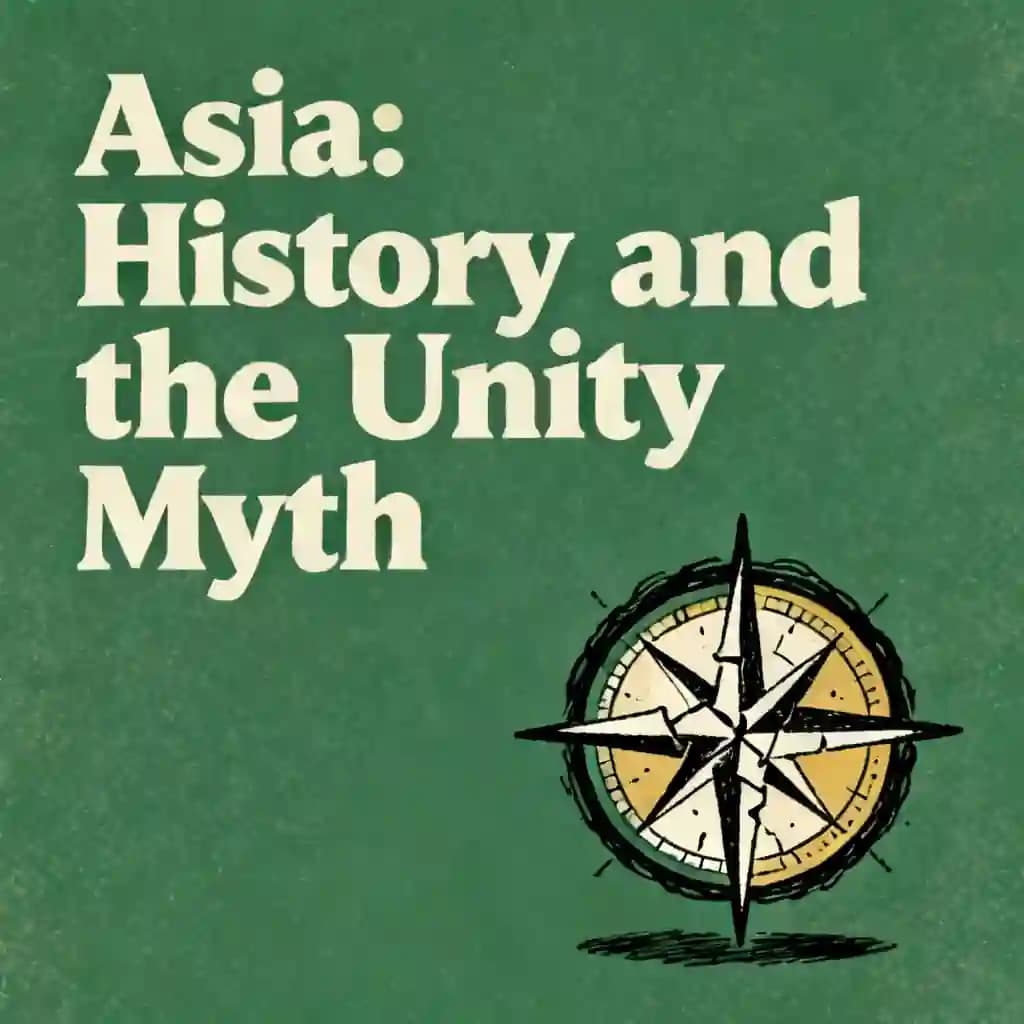
Best quote from Asian History and the Myth of a Unified Continent
If geography was the hardware of early Asia, belief systems were the software that actually made these states run. Rulers weren't just picking a religion because they liked the prayers; they were picking the one that made their subjects the most governable.
Generated by Rudy
History of Asia

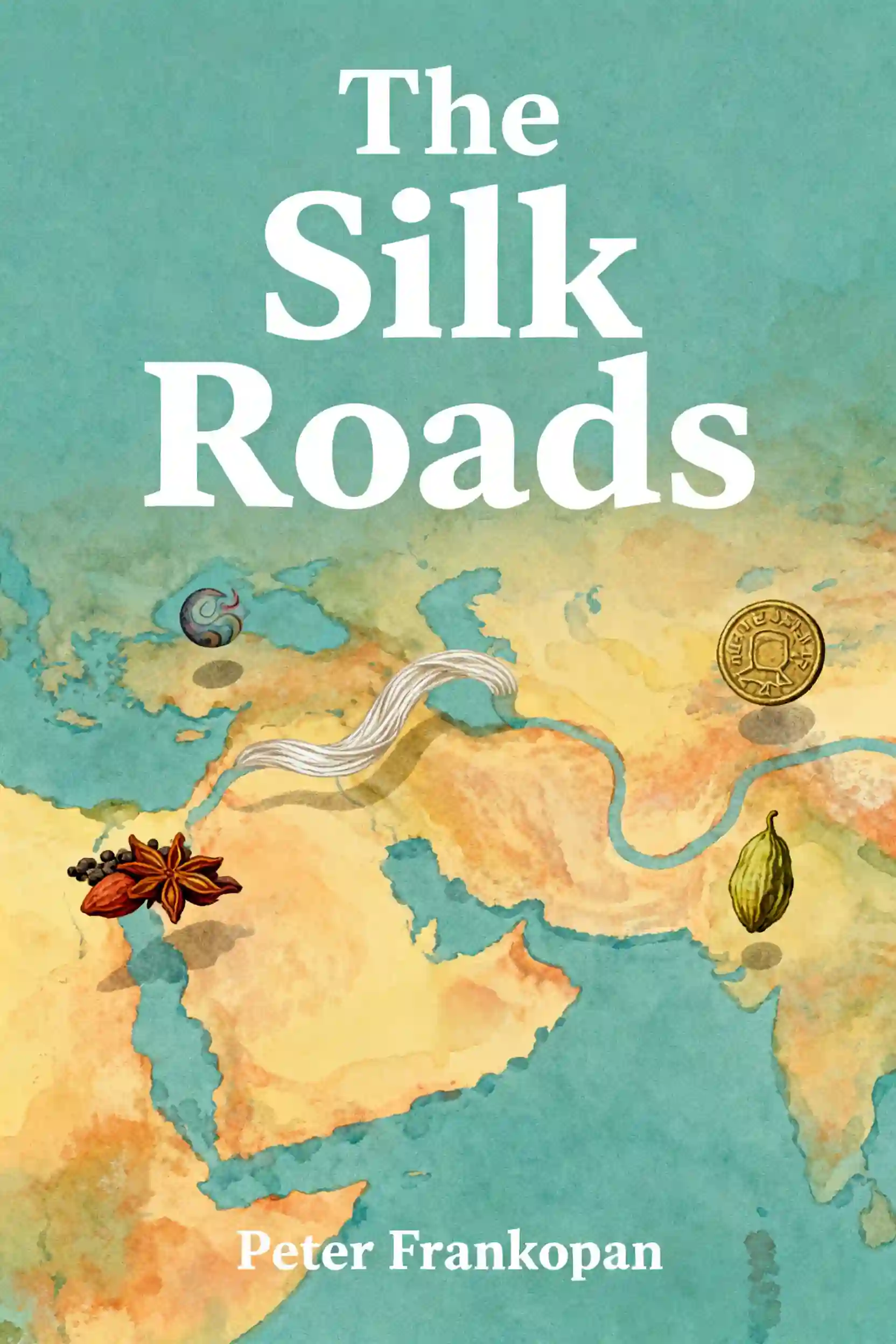
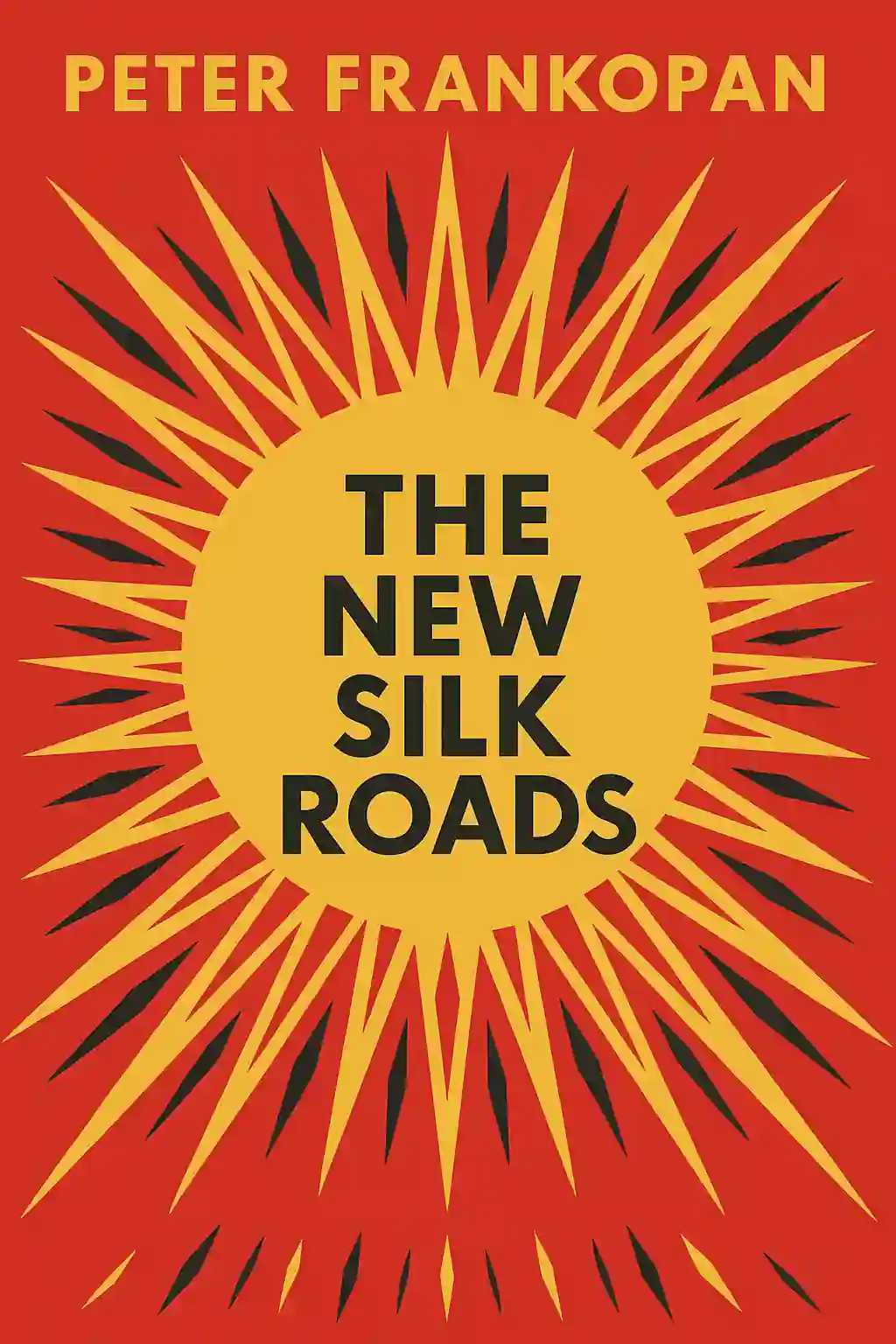
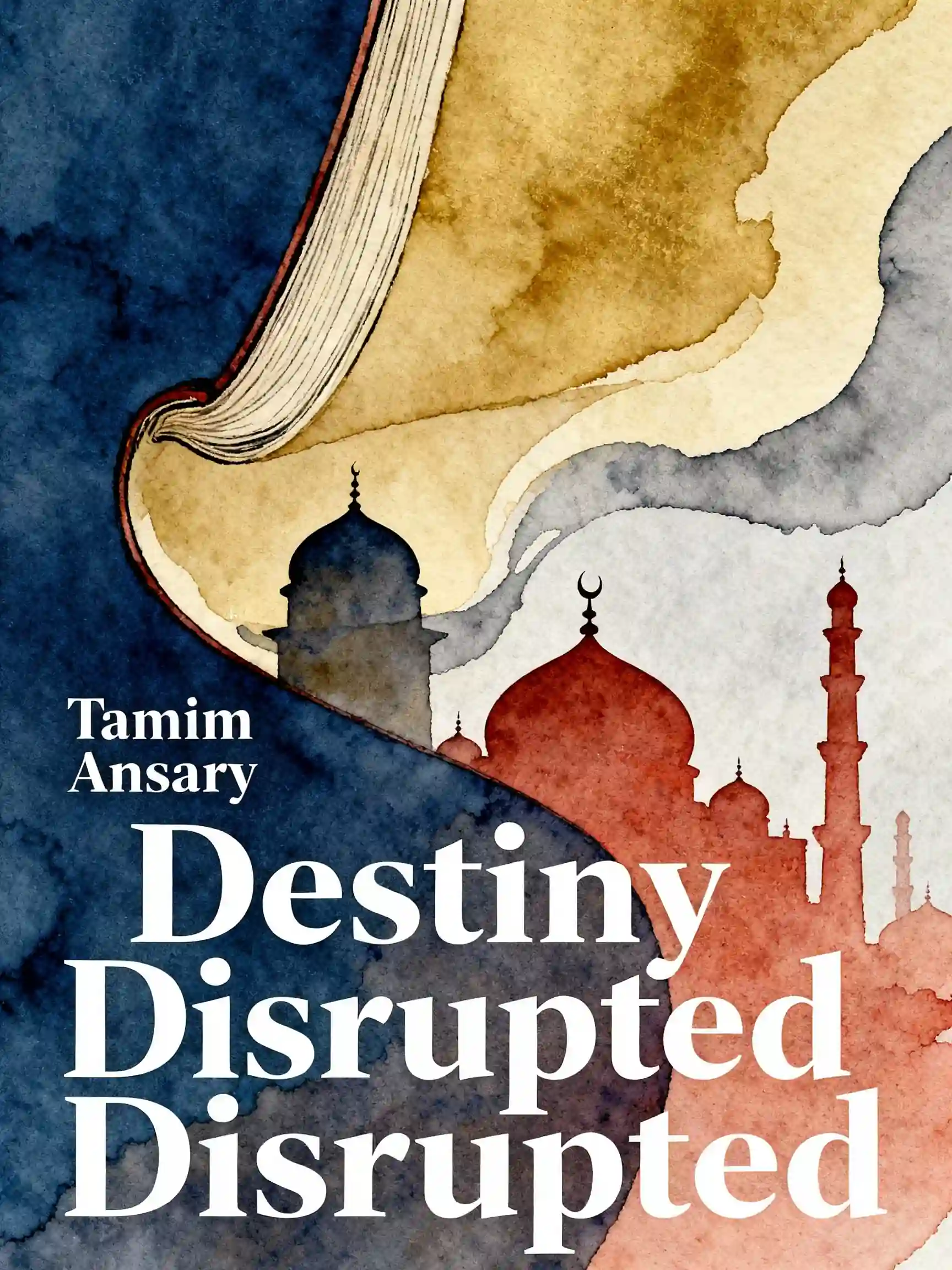
Frequently Asked Questions
The term "Asia" was not used by the people living on the continent until it was introduced by European imperialists in the mid-nineteenth century. Historically, the region consisted of diverse, distinct civilizations like those in India and China that were separated by massive natural barriers such as the Himalayas and the Gobi Desert. Rather than being a single political or cultural entity, the continent was a collection of societies connected through trade and the movement of nomadic groups rather than a shared internal identity.
Geography served as a "silent architect" by using mountains and deserts to isolate civilizations, forcing them to develop unique local cultures and irrigation-based power structures. However, the steppe region—a vast, flat grassland in the north—functioned as a prehistoric superhighway. Nomadic "mounted hordes" used this terrain to move rapidly across the continent, acting as the original connectors who linked urban centers and facilitated the exchange of technology, goods, and ideas.
The Pax Mongolica, or "Mongol Peace," was a period where the Mongol Empire unified almost the entire length of the Silk Road under one political authority. This stability created a safe environment for trade, leading to the "first globalization" where Chinese technologies like gunpowder, paper-making, and the compass moved westward. While it brought immense wealth and cultural exchange, this high level of connectivity also had the unintended consequence of allowing the Black Death to spread rapidly along these same trade routes.
These movements represented a shift toward a personal, emotional connection with the divine rather than strict adherence to formal rituals or elite languages like Sanskrit. By using local languages and rejecting rigid hierarchies like the caste system, these "devotional revolutions" made religion accessible to common people, including women and lower castes. This flexibility allowed religions to blend with local customs, creating "shared cultural zones" that made diverse populations more governable and interconnected through shared values.
In the early 1400s, China possessed the world's most advanced navy, led by Admiral Zheng He, with ships far larger than any in Europe. However, the government eventually viewed these voyages as an unnecessary expense and chose to focus on "interior reform" and defending land borders against northern nomads. By dismantling their fleet and "closing the door" to focus on internal stability, China became vulnerable to European powers who arrived by sea in the following centuries to monopolize trade.
From Columbia University alumni built in San Francisco
BeFreed Brings Together A Global Community Of Curious Minds


"Instead of endless scrolling, I just hit play on BeFreed. It saves me so much time."


"I never knew where to start with nonfiction—BeFreed’s book lists turned into podcasts gave me a clear path."


"Perfect balance between learning and entertainment. Finished ‘Thinking, Fast and Slow’ on my commute this week."
"Crazy how much I learned while walking the dog. BeFreed = small habits → big gains."
"Reading used to feel like a chore. Now it’s just part of my lifestyle."

"Feels effortless compared to reading. I’ve finished 6 books this month already."
"BeFreed turned my guilty doomscrolling into something that feels productive and inspiring."

"BeFreed turned my commute into learning time. 20-min podcasts are perfect for finishing books I never had time for."
"BeFreed replaced my podcast queue. Imagine Spotify for books — that’s it. 🙌"

"It is great for me to learn something from the book without reading it."
"The themed book list podcasts help me connect ideas across authors—like a guided audio journey."
"Makes me feel smarter every time before going to work"
From Columbia University alumni built in San Francisco
BeFreed Brings Together A Global Community Of Curious Minds
"Instead of endless scrolling, I just hit play on BeFreed. It saves me so much time."
"I never knew where to start with nonfiction—BeFreed’s book lists turned into podcasts gave me a clear path."
"Perfect balance between learning and entertainment. Finished ‘Thinking, Fast and Slow’ on my commute this week."
"Crazy how much I learned while walking the dog. BeFreed = small habits → big gains."
"Reading used to feel like a chore. Now it’s just part of my lifestyle."
"Feels effortless compared to reading. I’ve finished 6 books this month already."
"BeFreed turned my guilty doomscrolling into something that feels productive and inspiring."
"BeFreed turned my commute into learning time. 20-min podcasts are perfect for finishing books I never had time for."
"BeFreed replaced my podcast queue. Imagine Spotify for books — that’s it. 🙌"
"It is great for me to learn something from the book without reading it."
"The themed book list podcasts help me connect ideas across authors—like a guided audio journey."
"Makes me feel smarter every time before going to work"
"Instead of endless scrolling, I just hit play on BeFreed. It saves me so much time."
"I never knew where to start with nonfiction—BeFreed’s book lists turned into podcasts gave me a clear path."
"Perfect balance between learning and entertainment. Finished ‘Thinking, Fast and Slow’ on my commute this week."
"Crazy how much I learned while walking the dog. BeFreed = small habits → big gains."
"Reading used to feel like a chore. Now it’s just part of my lifestyle."
"Feels effortless compared to reading. I’ve finished 6 books this month already."
"BeFreed turned my guilty doomscrolling into something that feels productive and inspiring."
"BeFreed turned my commute into learning time. 20-min podcasts are perfect for finishing books I never had time for."
"BeFreed replaced my podcast queue. Imagine Spotify for books — that’s it. 🙌"
"It is great for me to learn something from the book without reading it."
"The themed book list podcasts help me connect ideas across authors—like a guided audio journey."
"Makes me feel smarter every time before going to work"
"Instead of endless scrolling, I just hit play on BeFreed. It saves me so much time."
"I never knew where to start with nonfiction—BeFreed’s book lists turned into podcasts gave me a clear path."
"Perfect balance between learning and entertainment. Finished ‘Thinking, Fast and Slow’ on my commute this week."
"Crazy how much I learned while walking the dog. BeFreed = small habits → big gains."
"Reading used to feel like a chore. Now it’s just part of my lifestyle."
"Feels effortless compared to reading. I’ve finished 6 books this month already."
"BeFreed turned my guilty doomscrolling into something that feels productive and inspiring."
"BeFreed turned my commute into learning time. 20-min podcasts are perfect for finishing books I never had time for."
"BeFreed replaced my podcast queue. Imagine Spotify for books — that’s it. 🙌"
"It is great for me to learn something from the book without reading it."
"The themed book list podcasts help me connect ideas across authors—like a guided audio journey."
"Makes me feel smarter every time before going to work"