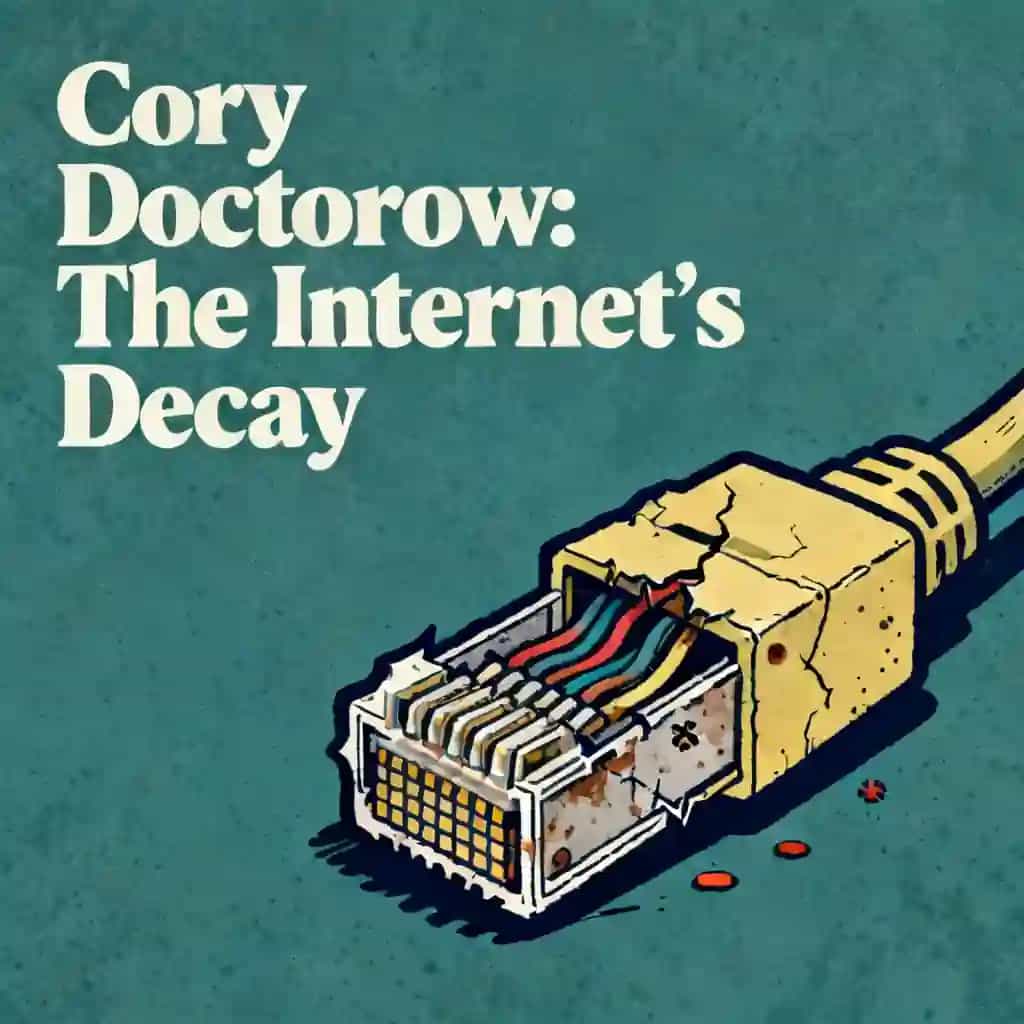
Amazon and the Rise of Enshittification: Why Platforms Decay
Explore the decay of Amazon and the rise of enshittification. Learn how platforms shift from customer obsession to value extraction in this deep dive into Cory Doctorow's theory.

Best quote from Amazon and the Rise of Enshittification: Why Platforms Decay
Enshittification describes a predictable lifecycle where a platform starts out amazing for you, locks you in, and then slowly starts clawing back that value until the product you loved feels like a pile of exactly what the name implies.
Generated by Freedee_24030951
The enshittification of Amazon and why cheap no name garbage now costs so much. At what point do consumers walk out on Amazon's business model






Frequently Asked Questions
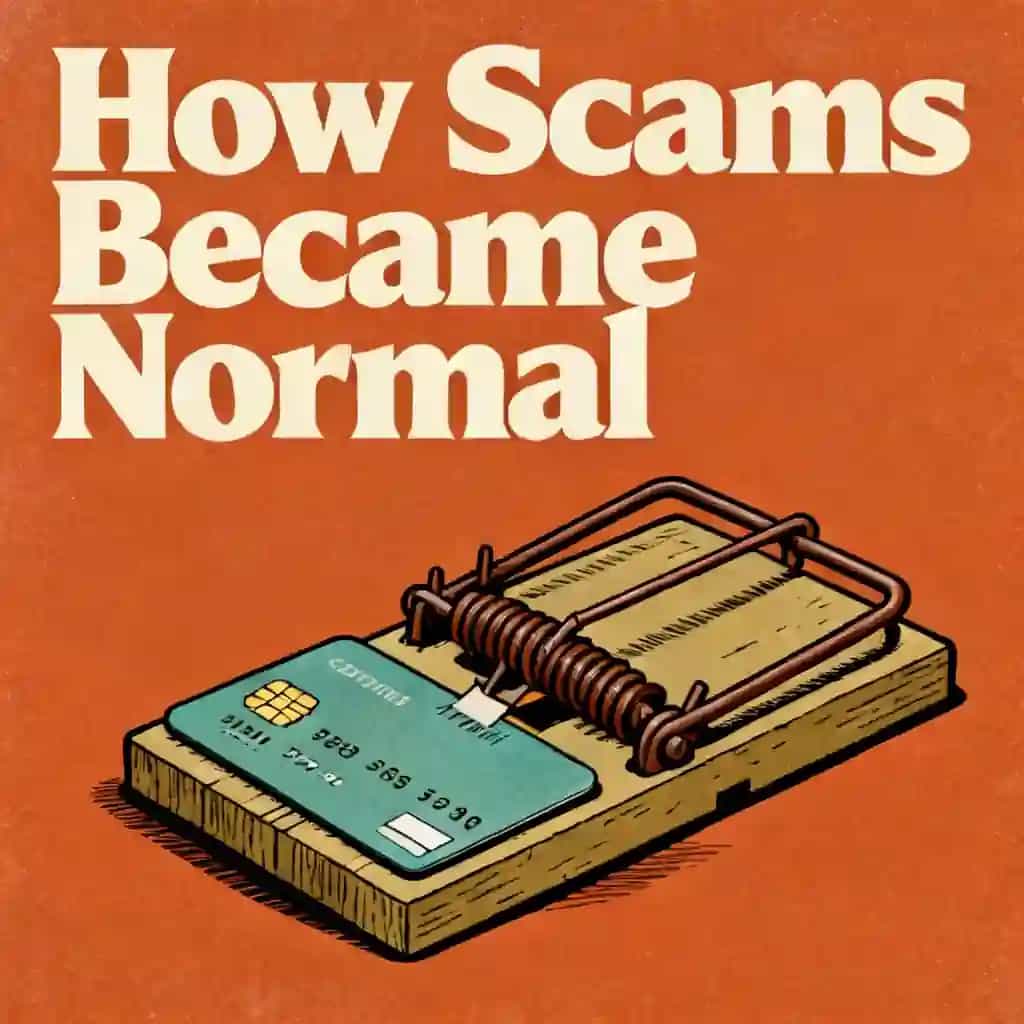
Enshittification is a term coined by Cory Doctorow in November 2022 to describe a predictable lifecycle of platform decay. In the case of Amazon, it refers to the transition from a customer-obsessed store where users could find the best deals in two clicks to a platform focused on value extraction. This structural decay often leaves shoppers navigating a minefield of unknown brands and identical photos instead of a reliable marketplace.
The term was famously coined by Cory Doctorow in late 2022 to explain why digital platforms eventually decline in quality. It describes a process where a platform starts by being great for users to lock them in, then slowly claws back that value to benefit the platform itself. This shift results in a product that feels like a pile of garbage, moving away from the original utility that made the service popular.
As Amazon experiences platform decay, the search experience has changed significantly for the average user. Instead of seeing the best prices immediately, shoppers often have to dig deep into search results—sometimes as far as page two or result seventeen—to find the true best buy. This shift occurs as the platform moves from being customer-obsessed to extraction-obsessed, prioritizing specific economic forces over simple user convenience.
Signs of platform decay, or enshittification, include a feeling of creeping uncertainty while shopping. Users may encounter pages filled with unknown brand names that look like keyboard mashes, all featuring identical photos and five-star reviews. This structural decay makes the shopping experience feel more like navigating a minefield than a store, as the platform begins to prioritize its own interests over providing a high-quality experience for the consumer.
From Columbia University alumni built in San Francisco
"Instead of endless scrolling, I just hit play on BeFreed. It saves me so much time."


"I never knew where to start with nonfiction—BeFreed’s book lists turned into podcasts gave me a clear path."


"Perfect balance between learning and entertainment. Finished ‘Thinking, Fast and Slow’ on my commute this week."
"Crazy how much I learned while walking the dog. BeFreed = small habits → big gains."
"Reading used to feel like a chore. Now it’s just part of my lifestyle."

"Feels effortless compared to reading. I’ve finished 6 books this month already."
"BeFreed turned my guilty doomscrolling into something that feels productive and inspiring."

"BeFreed turned my commute into learning time. 20-min podcasts are perfect for finishing books I never had time for."
"BeFreed replaced my podcast queue. Imagine Spotify for books — that’s it. 🙌"

"It is great for me to learn something from the book without reading it."
"The themed book list podcasts help me connect ideas across authors—like a guided audio journey."
"Makes me feel smarter every time before going to work"
 Ask ChatGPT
 Ask Claude
From Columbia University alumni built in San Francisco
"Instead of endless scrolling, I just hit play on BeFreed. It saves me so much time."
"I never knew where to start with nonfiction—BeFreed’s book lists turned into podcasts gave me a clear path."
"Perfect balance between learning and entertainment. Finished ‘Thinking, Fast and Slow’ on my commute this week."
"Crazy how much I learned while walking the dog. BeFreed = small habits → big gains."
"Reading used to feel like a chore. Now it’s just part of my lifestyle."
"Feels effortless compared to reading. I’ve finished 6 books this month already."
"BeFreed turned my guilty doomscrolling into something that feels productive and inspiring."
"BeFreed turned my commute into learning time. 20-min podcasts are perfect for finishing books I never had time for."
"BeFreed replaced my podcast queue. Imagine Spotify for books — that’s it. 🙌"
"It is great for me to learn something from the book without reading it."
"The themed book list podcasts help me connect ideas across authors—like a guided audio journey."
"Makes me feel smarter every time before going to work"
"Instead of endless scrolling, I just hit play on BeFreed. It saves me so much time."
"I never knew where to start with nonfiction—BeFreed’s book lists turned into podcasts gave me a clear path."
"Perfect balance between learning and entertainment. Finished ‘Thinking, Fast and Slow’ on my commute this week."
"Crazy how much I learned while walking the dog. BeFreed = small habits → big gains."
"Reading used to feel like a chore. Now it’s just part of my lifestyle."
"Feels effortless compared to reading. I’ve finished 6 books this month already."
"BeFreed turned my guilty doomscrolling into something that feels productive and inspiring."
"BeFreed turned my commute into learning time. 20-min podcasts are perfect for finishing books I never had time for."
"BeFreed replaced my podcast queue. Imagine Spotify for books — that’s it. 🙌"
"It is great for me to learn something from the book without reading it."
"The themed book list podcasts help me connect ideas across authors—like a guided audio journey."
"Makes me feel smarter every time before going to work"
"Instead of endless scrolling, I just hit play on BeFreed. It saves me so much time."
"I never knew where to start with nonfiction—BeFreed’s book lists turned into podcasts gave me a clear path."
"Perfect balance between learning and entertainment. Finished ‘Thinking, Fast and Slow’ on my commute this week."
"Crazy how much I learned while walking the dog. BeFreed = small habits → big gains."
"Reading used to feel like a chore. Now it’s just part of my lifestyle."
"Feels effortless compared to reading. I’ve finished 6 books this month already."
"BeFreed turned my guilty doomscrolling into something that feels productive and inspiring."
"BeFreed turned my commute into learning time. 20-min podcasts are perfect for finishing books I never had time for."
"BeFreed replaced my podcast queue. Imagine Spotify for books — that’s it. 🙌"
"It is great for me to learn something from the book without reading it."
"The themed book list podcasts help me connect ideas across authors—like a guided audio journey."
"Makes me feel smarter every time before going to work"