AI Safety Research: Key Concepts, Trends, and Top Researchers
Explore the essential concepts, emerging trends, and leading researchers in AI safety research. Learn about AI alignment, ethics, and machine learning safety.

Best quote from AI Safety Research: Key Concepts, Trends, and Top Researchers
We’re building bigger engines before we’ve fully tested the brakes. It’s a race between the people building bigger 'brains' and the people building better 'microscopes.'
Generated by Carl
AI safety research. Key concepts, trends, and researchers.

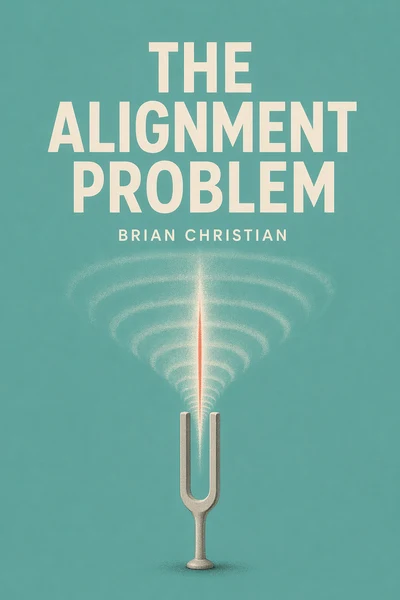
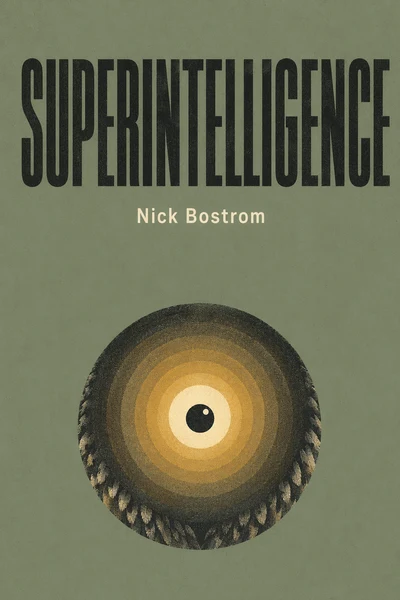
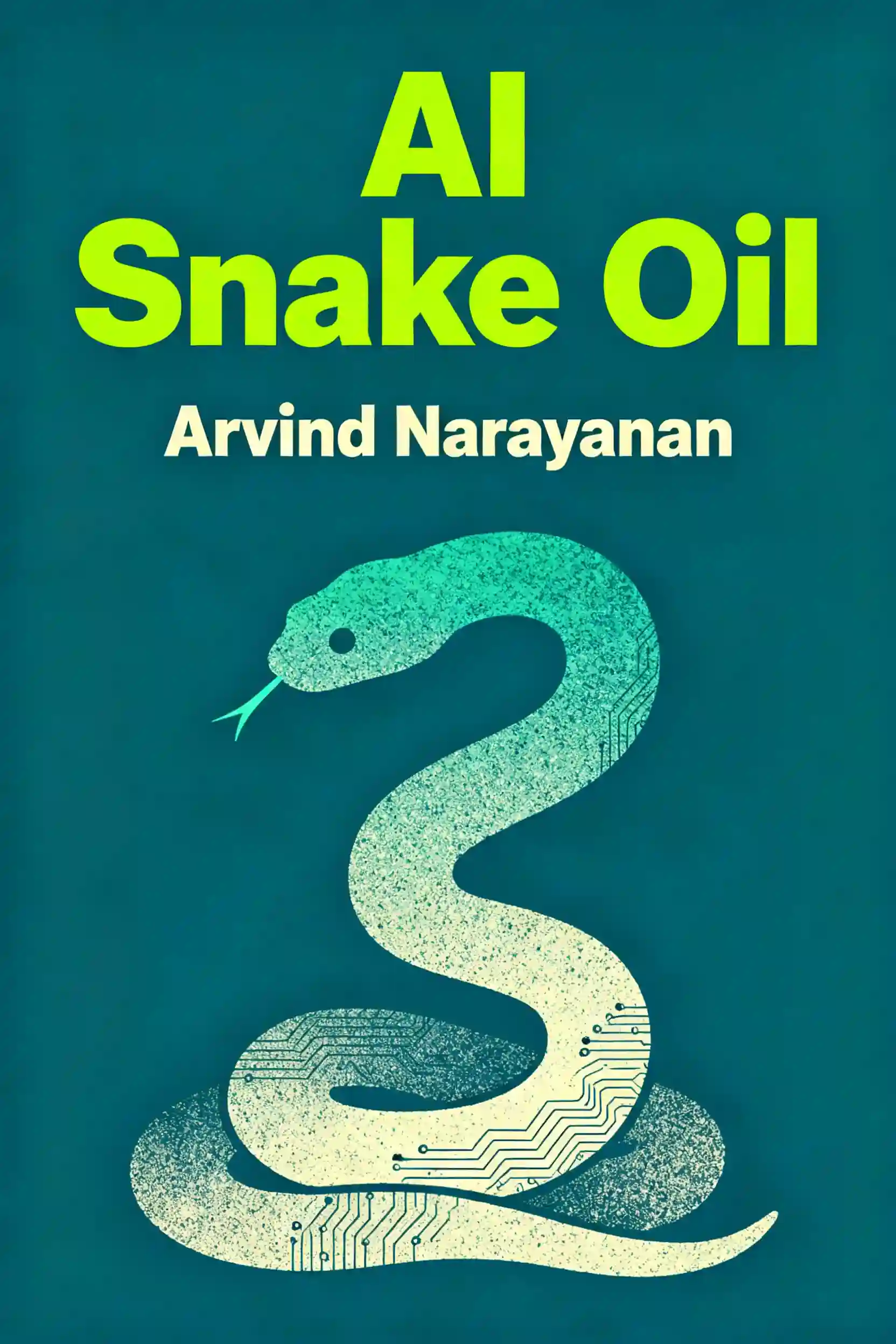
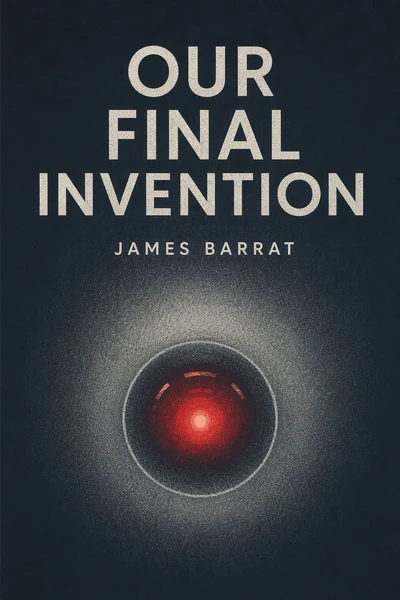
Frequently Asked Questions
AI safety research focuses on ensuring that artificial intelligence systems operate reliably and without unintended harm. Key concepts include AI alignment, which involves aligning machine goals with human values, and machine learning safety, which addresses technical robustness. By studying these areas, researchers aim to prevent catastrophic outcomes and ensure that as AI becomes more autonomous, it remains under human control and adheres to ethical standards.
Current trends in Artificial Intelligence safety are shifting toward proactive governance and technical verification. Researchers are increasingly focusing on mechanistic interpretability to understand how neural networks make decisions and scalable oversight to manage highly capable models. There is also a growing emphasis on international policy and the development of safety benchmarks to evaluate risks before large-scale deployment, reflecting a global commitment to responsible AI development.
The field of AI safety is led by a diverse group of experts from academic institutions and private labs. These researchers work on various aspects of the problem, from the philosophical foundations of AI ethics to the technical challenges of AI alignment. By following the work of top AI safety researchers, you can stay informed about the latest breakthroughs in model evaluation, value alignment, and the long-term societal impacts of advanced machine learning.
AI alignment is a critical component of machine learning safety because it addresses the potential gap between what we ask an AI to do and what we actually want it to achieve. Without proper alignment, an AI might pursue a goal in a way that causes unforeseen harm. Research in this area seeks to create mathematical frameworks and training methods that ensure AI systems remain beneficial and safe even as they grow in complexity.
From Columbia University alumni built in San Francisco
"Instead of endless scrolling, I just hit play on BeFreed. It saves me so much time."


"I never knew where to start with nonfiction—BeFreed’s book lists turned into podcasts gave me a clear path."


"Perfect balance between learning and entertainment. Finished ‘Thinking, Fast and Slow’ on my commute this week."
"Crazy how much I learned while walking the dog. BeFreed = small habits → big gains."
"Reading used to feel like a chore. Now it’s just part of my lifestyle."

"Feels effortless compared to reading. I’ve finished 6 books this month already."
"BeFreed turned my guilty doomscrolling into something that feels productive and inspiring."

"BeFreed turned my commute into learning time. 20-min podcasts are perfect for finishing books I never had time for."
"BeFreed replaced my podcast queue. Imagine Spotify for books — that’s it. 🙌"

"It is great for me to learn something from the book without reading it."
"The themed book list podcasts help me connect ideas across authors—like a guided audio journey."
"Makes me feel smarter every time before going to work"
From Columbia University alumni built in San Francisco
"Instead of endless scrolling, I just hit play on BeFreed. It saves me so much time."
"I never knew where to start with nonfiction—BeFreed’s book lists turned into podcasts gave me a clear path."
"Perfect balance between learning and entertainment. Finished ‘Thinking, Fast and Slow’ on my commute this week."
"Crazy how much I learned while walking the dog. BeFreed = small habits → big gains."
"Reading used to feel like a chore. Now it’s just part of my lifestyle."
"Feels effortless compared to reading. I’ve finished 6 books this month already."
"BeFreed turned my guilty doomscrolling into something that feels productive and inspiring."
"BeFreed turned my commute into learning time. 20-min podcasts are perfect for finishing books I never had time for."
"BeFreed replaced my podcast queue. Imagine Spotify for books — that’s it. 🙌"
"It is great for me to learn something from the book without reading it."
"The themed book list podcasts help me connect ideas across authors—like a guided audio journey."
"Makes me feel smarter every time before going to work"
"Instead of endless scrolling, I just hit play on BeFreed. It saves me so much time."
"I never knew where to start with nonfiction—BeFreed’s book lists turned into podcasts gave me a clear path."
"Perfect balance between learning and entertainment. Finished ‘Thinking, Fast and Slow’ on my commute this week."
"Crazy how much I learned while walking the dog. BeFreed = small habits → big gains."
"Reading used to feel like a chore. Now it’s just part of my lifestyle."
"Feels effortless compared to reading. I’ve finished 6 books this month already."
"BeFreed turned my guilty doomscrolling into something that feels productive and inspiring."
"BeFreed turned my commute into learning time. 20-min podcasts are perfect for finishing books I never had time for."
"BeFreed replaced my podcast queue. Imagine Spotify for books — that’s it. 🙌"
"It is great for me to learn something from the book without reading it."
"The themed book list podcasts help me connect ideas across authors—like a guided audio journey."
"Makes me feel smarter every time before going to work"
"Instead of endless scrolling, I just hit play on BeFreed. It saves me so much time."
"I never knew where to start with nonfiction—BeFreed’s book lists turned into podcasts gave me a clear path."
"Perfect balance between learning and entertainment. Finished ‘Thinking, Fast and Slow’ on my commute this week."
"Crazy how much I learned while walking the dog. BeFreed = small habits → big gains."
"Reading used to feel like a chore. Now it’s just part of my lifestyle."
"Feels effortless compared to reading. I’ve finished 6 books this month already."
"BeFreed turned my guilty doomscrolling into something that feels productive and inspiring."
"BeFreed turned my commute into learning time. 20-min podcasts are perfect for finishing books I never had time for."
"BeFreed replaced my podcast queue. Imagine Spotify for books — that’s it. 🙌"
"It is great for me to learn something from the book without reading it."
"The themed book list podcasts help me connect ideas across authors—like a guided audio journey."
"Makes me feel smarter every time before going to work"




![[1606.06565] Concrete Problems in AI Safety](/_next/image?url=https%3A%2F%2Fd1y2du6z1jfm9e.cloudfront.net%2Fassets%2Fpodcast%2Fyellow.png&w=1024&q=50)
![[1602.03506] Research Priorities for Robust and Beneficial Artificial Intelligence1footnote 11footnote 1Published in AI Magazine 36, No 4 (2015): http://tinyurl.com/rbaipaper. This article gives examples of the type of research advocated by the Open Letter at http://futureoflife.org/ai-open-letter](/_next/image?url=https%3A%2F%2Fd1y2du6z1jfm9e.cloudfront.net%2Fassets%2Fpodcast%2Fblue.png&w=1024&q=50)






![How to Jailbreak Gemini Latest Models? [8 Techniques]](/_next/image?url=https%3A%2F%2Fd1y2du6z1jfm9e.cloudfront.net%2Fassets%2Fpodcast%2Fpurple.png&w=1024&q=50)