How to Make True Connections as an Adult
Making true connections as an adult requires intentional effort, emotional vulnerability, and a willingness to initiate interactions. By understanding the science of adult attachment, showing up consistently in social spaces, and transforming digital habits into meaningful touchpoints, you can build a resilient and authentic circle of friends.
This guide explores the science behind adult friendships, offering research-backed strategies to overcome isolation, build trust through vulnerability, and maintain authentic relationships in a fast-paced modern world.
Why is making friends as an adult so hard?
During childhood and college, proximity and shared schedules make forming friendships relatively effortless. In adulthood, however, career demands, family responsibilities, and geographic relocations often dismantle these natural social structures. This shift means that friendships no longer happen by accident; they require deliberate scheduling and a proactive mindset to overcome the inertia of busy modern routines.
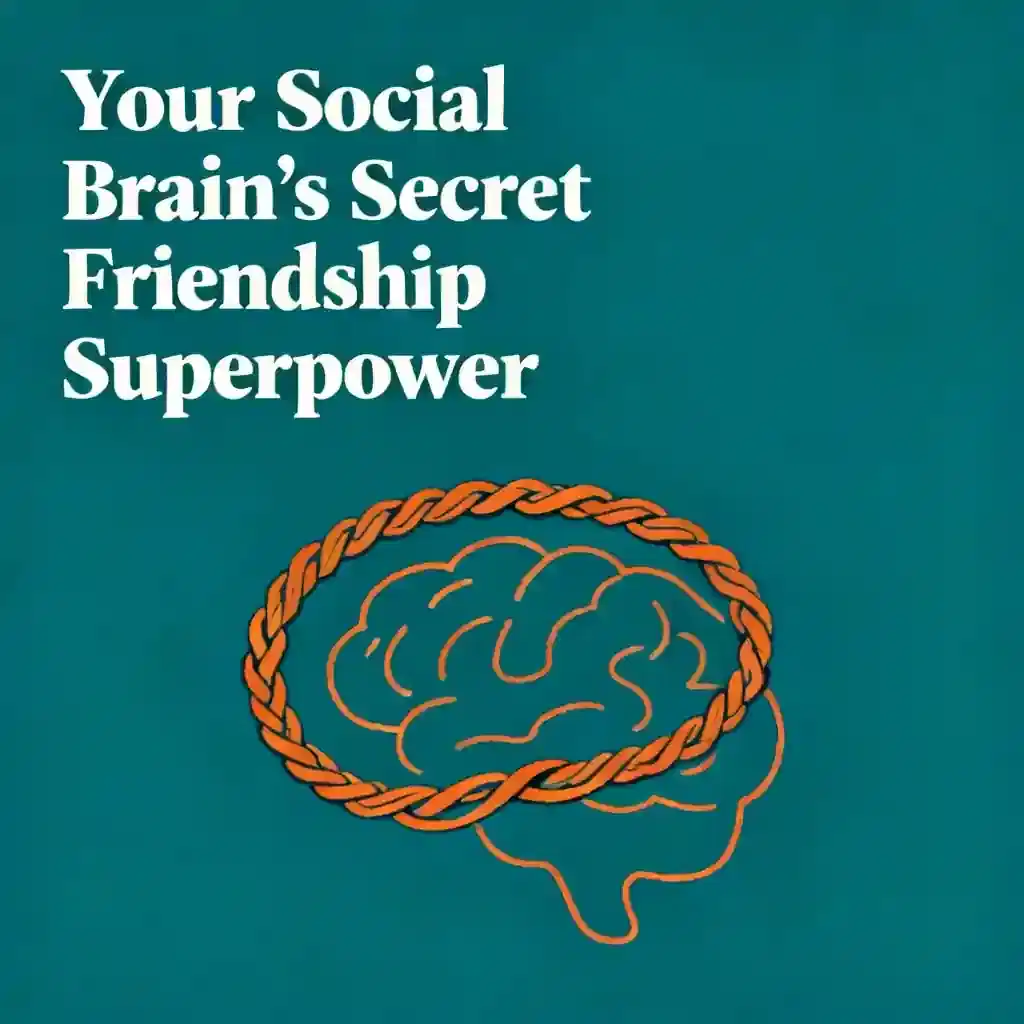
Furthermore, our biology is deeply impacted by this modern isolation. According to evolutionary frameworks like Robin Dunbar's social brain theory and findings from the Harvard 85-year happiness study, human beings are wired to require a core group of intimate connections. When we lack these bonds, we often experience loneliness not as a personal failure, but as a biological signal that a fundamental human need for community is going unmet.
How to build connections as an adult?
Building strong adult connections begins with embracing the concept of intentionality. Instead of waiting for others to approach you, it is crucial to become a 'joiner' and take the initiative to make the first move. Whether it is attending local community events, joining hobby groups, or simply asking an acquaintance for coffee, consistently putting yourself in environments where social energy thrives is the first step toward finding your people.
Once you have established initial contact, the focus must shift to nurturing those early ties. Research-backed strategies emphasize the importance of frequency and consistency over intensity. Regular, small interactions—such as a quick text to check in, sharing a relevant article, or establishing a recurring weekly meetup—help build the foundational trust and familiarity required to transform casual acquaintances into true, lasting friends.
How does vulnerability help you build deep connections?
A common barrier to forming meaningful relationships is the desire to appear perfect in order to win people over. However, as highlighted by vulnerability researchers like Brene Brown, hiding our flaws actually prevents authentic connection. When we constantly curate our image, we create a superficial dynamic that keeps others at arm's length, making it impossible to form the deep, trusting bonds that characterize true friendship.
Vulnerability acts as a catalyst for trust. By having the courage to share your true self—including your fears, challenges, and genuine joys—you signal to others that they are in a safe space to do the same. This mutual sharing of authentic experiences accelerates emotional intimacy, moving relationships beyond surface-level small talk and fostering a profound sense of mutual support and belonging.
How to maintain friendships in the digital age?
The digital age presents unique challenges for adult friendships, often replacing deep emotional connection with superficial online interactions. Passive scrolling and 'liking' social media posts can create a false sense of socialization, leaving individuals feeling more isolated despite being constantly connected. To counteract this, it is essential to reclaim the lost art of connecting by using technology as a tool for facilitation rather than a substitute for genuine interaction.
Maintaining friendships in a fast-paced world requires transforming everyday digital habits into meaningful relationship-building strategies. This means prioritizing voice notes, phone calls, or video chats over text messages when possible, and using digital calendars to set intentional reminders to reach out to loved ones. By consciously directing your time and energy toward active engagement, you can sustain robust and fulfilling friendships regardless of busy schedules.
A guided path through the learning plan
The curriculum below connects the plan’s public sections and source material into a structured sequence for further learning.
- 01
Understanding the Foundation of Adult Connection
Learn the science behind meaningful relationships and discover why authentic connections are vital for wellbeing and happiness in adulthood.
- 02
Building Trust and Vulnerability
Develop essential skills for creating deeper connections through authentic vulnerability, effective communication, and understanding attachment patterns.
- 03
Cultivating Meaningful Friendships
Master practical strategies for nurturing and maintaining authentic friendships as an adult, with research-backed approaches to overcome common barriers.
This guide reflects the public Learning Plan overview, sections, and listed sources. It is educational material, not a substitute for advice tailored to your circumstances.