BeFreed
    Categories>Psychology>Workplace bullying is harder to spot than you think

    Workplace bullying is harder to spot than you think

    31분
    |
    |
    2026년 4월 4일
    • Psychology
    • Leadership & Corp Culture

    Subtle toxic behavior can damage your health before you even realize it's happening. Learn to identify hidden signs and protect your well-being at work.

    Workplace bullying is harder to spot than you think
    0:00 / 0:00
    전달 방식을 선택하세요

    하나의 에피소드, 다양한 청취 방식.

    Workplace bullying is harder to spot than you think의 같은 아이디어를 나에게 맞는 목소리, 깊이, 속도로 만나보세요. 언제든 바꿀 수 있습니다.

    전체 대본 및 챕터

    챕터 1

    Decoding the Silent Workplace Crisis

    Lena: You know, Miles, I was looking at some recent workplace data, and it really stopped me in my tracks. In 2024, a staggering 25% of employees reported experiencing some form of conflict or abuse at work.

    Miles: That is a huge number, Lena. And what’s tricky is that it isn’t always someone shouting or being overtly aggressive. It’s often much more insidious—like having your duties removed for no reason or being "set up to fail" with impossible deadlines.

    Lena: Exactly! It’s that repeated, unreasonable behavior that creates a real risk to your health. It’s not just a one-off bad day or a tough manager giving feedback; it’s a persistent pattern that can actually lead to physical symptoms like sleep disturbances and even long-term anxiety.

    Miles: Right, and it’s fascinating how it can become a cycle where the environment actually allows this behavior to thrive. Let’s explore how we can identify these signs early and what steps you can take to protect yourself.

    챕터 2

    The Subtle Shift From Person to Problem

    Lena: It’s so true—the shift is often so subtle you don't even realize it’s happening until you’re already in the thick of it. I was reading some fascinating ethnographic research from early 2026 that looked at this through a "Schutzian" lens—basically, how our shared sense of reality at work gets rewritten.

    Miles: A Schutzian lens—that sounds intense, Lena. Break that down for me. What are we actually talking about in plain English?

    Lena: Think of it as the "common sense" of your office. Normally, you and your colleagues have this "reciprocity of perspectives." You assume you’re seeing the same world, right? You’re both "you" and "me"—real people with lives and feelings. But when bullying starts, that person is essentially expelled from that "we" space. They get moved into the anonymous category of "they."

    Miles: Wow—so they stop being a person and start being a... what? A category? A problem to be managed?

    Lena: Exactly. They become a "typification." Instead of "Miles, my colleague who’s having a rough morning," you become "The Unstable One" or "The Incompetent One." And once that label sticks, every single thing you do is filtered through it. If you’re quiet, it’s not because you’re focused—it’s because you’re "withdrawing." If you speak up, it’s because you’re "aggressive."

    Miles: That’s terrifying because it feels so inescapable. I mean—if the very lens people use to look at you has changed—how do you even fight that? It’s like trying to argue with a ghost. You’re reacting to a version of you that doesn't even exist, but everyone else "knows" it’s the truth.

    Lena: You’ve hit the nail on the head. The research calls it "ontological solidity." The rumor or the label becomes more real than the actual person. There was this case of a laboratory technician—we’ll call her Mrs. B—who protested because the lab ran out of reagents. A totally normal, professional complaint, right?

    Miles: Right—you can't do your job without supplies. That’s just being a good employee.

    Lena: In a healthy office, yes. But for her, that one complaint was the turning point. Suddenly, she was "The Bothersome Person." Her colleagues stopped inviting her to coffee. They started making jibes. The "common sense" of the lab shifted to: "Mrs. B is the problem."

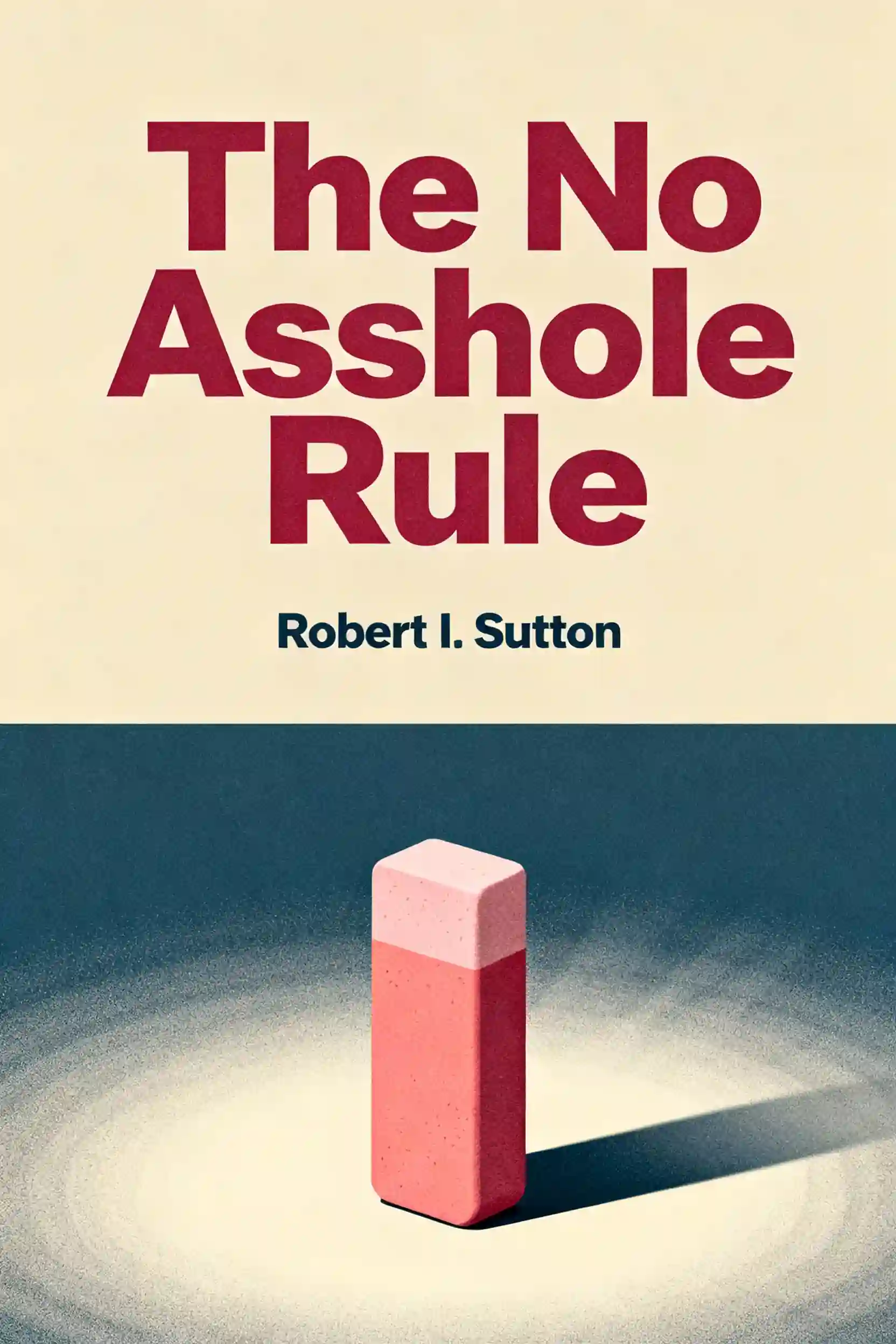
    Miles: It’s like a social lynching, but happening in slow motion through emails and missed coffee breaks. And what’s wild is how the group aligns. It’s not just one "asshole"—to use Robert Sutton’s famous term—it’s the whole group slowly agreeing on a new, distorted reality.

    Lena: And that collective alignment is key. It’s a form of "mimetic escalation." People see the leader or a dominant peer treating someone a certain way, and they subconsciously—or sometimes consciously—align with it to stay safe themselves. It’s a survival strategy for the bystanders, but it’s devastating for the target.

    Miles: It reminds me of the "zombie" metaphor I saw in another case study. One senior civil servant described feeling like he was "half dead and half alive"—a corpse returned from the underworld. People felt they had "permission" to do things to him they’d never do to a "living" person—like going through his desk or spreading rumors about his private life.

    Lena: Because he wasn't part of the "umwelt"—the world of shared subjects—anymore. He was just a "they." And once someone is "othered" like that, the moral rules of the office don't seem to apply to them in the same way. It’s the erosion of recognition.

    Miles: So, if we’re looking at this from a listener’s perspective—if you feel like the "vibe" has shifted and your professional identity is being rewritten—that’s not just in your head. That is a documented mechanism of how these toxic environments consolidate power.

    Lena: Precisely. It’s the transition from a "you" to a "they." And once that happens, the "common sense" of the organization starts to work against you, making even your attempts to defend yourself look like more evidence of the very "problem" they’ve invented.

    이 에피소드로 더 깊이 배우기

    이 에피소드의 아이디어를 BeFreed의 가이드 학습 경험으로 더 깊이 탐구해 보세요.

    챕터 3

    The Personality Paradox of Cause and Effect

    Miles: You know, Lena, this brings up a really sensitive question that researchers have been wrestling with for years. Is there a "victim personality"? I mean—it’s a controversial idea because it sounds like victim-blaming, but the data from the Swedish workforce study—published just a few months ago in early 2026—shows something much more complex than just "blaming the target."

    Lena: Right—the "vulnerable victim" versus the "provocative victim" archetypes. But the real breakthrough in this new research is the idea of "reciprocal effects." It’s not that your personality causes bullying in a vacuum—it’s that your personality and the bullying environment are in this constant, dark dance with each other.

    Miles: Exactly. They looked at the "Big Five" personality traits—you know, Openness, Conscientiousness, Extraversion, Agreeableness, and Neuroticism. And the standout trait—the one that keeps popping up—is Neuroticism.

    Lena: And we have to be careful here. In psychology, Neuroticism isn't a "bad" thing—it’s just a measure of emotional reactivity. It’s how sensitive you are to stress or negative emotions like anxiety and irritability.

    Miles: Right—it’s like having a more sensitive alarm system. But here’s the kicker from the Swedish study: high baseline Neuroticism did predict a slightly higher risk of being bullied later. But—and this is the "Big But"—being bullied also caused people’s Neuroticism to go up over time.

    Lena: So it’s a vicious circle. The environment triggers your sensitivity, and that sensitivity—manifesting as distress or anxiety—then makes you a more "convenient" target for a bully who’s looking for an outlet for their own frustration.

    Miles: You’ve hit the nail on the head. It’s "Victim Precipitation Theory," which—again—is controversial. It suggests that certain behaviors might inadvertently trigger a perpetrator. For example, if someone is high in Neuroticism, they might be more anxious or easily upset. A toxic leader might see that "weakness" and pounce—what’s called "predatory bullying."

    Lena: Or—on the flip side—the "provocative victim" might be someone whose irritability or high standards are misinterpreted as a "norm violation." If the office culture is "lazy and relaxed," and you’re high in Conscientiousness and Neuroticism—always anxious about deadlines and pushing others—the group might see you as the aggressor.

    Miles: And then they "correct" you through bullying. It’s wild. But the most heart-breaking part of that 2026 study was what happened to Conscientiousness. That’s the trait associated with being organized, responsible, and goal-oriented. The researchers found that prolonged bullying actually eroded people’s Conscientiousness.

    Lena: That makes so much sense if you think about "Conservation of Resources" theory. If you’re spending 90% of your mental energy just trying to survive the workday—wondering who’s whispering about you or if your boss is going to shame you in the morning meeting—you don't have the "regulatory resources" left to be organized or disciplined.

    Miles: You’re just depleted. You start missing small things, you become disengaged, you avoid tasks—and then, of course, the bully points at that and says, "See? I told you they were incompetent!"

    Lena: It’s a self-fulfilling prophecy orchestrated by the environment. And the study was so robust—it followed over 2,000 Swedish employees. It showed that personality isn't this fixed, unchangeable thing. It’s a dynamic system. Bullying is an "extreme social stressor" that can actually shatter your basic assumptions about the world being a benevolent place.

    Miles: It "shatters the assumptions"—that’s a powerful way to put it. If you can't trust your colleagues—the people you spend more time with than your own family—your core "dispositional functioning" changes. You become more anxious, less trusting, less organized.

    Lena: And that’s why we have to move away from the idea of personality as a "risk factor" that lives inside the person. It’s the interaction. A well-functioning organization—one with a strong "conflict management climate"—can protect people regardless of their personality.

    Miles: Right! The study found that in a healthy environment, even people with high mental health distress didn't face a higher risk of bullying. It’s the "Toxic Triangle"—it takes a susceptible target, a destructive leader, and a "conducive environment." If you fix the environment, the other two don't have the "oxygen" they need to start a fire.

    챕터 4

    The Invisible Levers of Toxic Leadership

    Lena: Building on that "Toxic Triangle," I want to dig into the "susceptible leader" part of the equation. We often talk about "bad bosses," but there’s been some really intense multilevel analysis recently—specifically looking at the "Dark Triad" of personality traits in leadership.

    Miles: Oh, the Dark Triad. Narcissism, Machiavellianism, and Psychopathy. It sounds like the lineup for a corporate horror movie, doesn't it?

    Lena: It really does! But what’s fascinating—and deeply unsettling—is how these traits manifest as "hidden mechanisms" in an organization. These leaders don't usually walk around twirling a mustache. They use things like "strategic manipulation," "emotional exploitation," and "normalized deviance."

    Miles: Normalized deviance—I love that term. It’s when the "wrong" way of doing things becomes the "standard" way because the person at the top has rewritten the rules. I was reading a 2025 paper from Bangladesh that analyzed this across industries like banking and telecommunications. They found that these leaders create "cascades" of destructive effects.

    Lena: Exactly. Take a Narcissistic leader. Their core "because-motive"—to use that Schutzian term again—is a need for admiration and a total lack of empathy. They’ll use "public shaming" or "ridicule" not just to be mean, but to reinforce their own superiority. It’s a tool for "identity threat."

    Miles: And then you’ve got the Machiavellian leader. They’re the "grandmasters" of the office. They use "strategic deceit" and "opportunistic silence." They might withhold information from you—not because they forgot, but because keeping you in the dark makes you easier to control.

    Lena: And that’s where "Employee Silence" becomes a survival strategy. The study identified four types, but the one that really stood out was "Defensive Silence." That’s when you have the information—you know the project is failing or the boss is being unethical—but you choose to stay silent because the "fear response" is so high.

    Miles: Right. You look at what happened to the last person who spoke up—maybe they were "othered" or moved to a basement office like Mrs. D in that Spanish ethnographic study—and you think, "Nope, not me. I’m keeping my head down."

    Lena: And over time, that silence becomes the team norm. It’s "behavioral contagion." If the leader rewards "Acquiescent Silence"—where people just give up and do what they’re told—the whole team stops innovating. They stop problem-solving. They just... exist.

    Miles: It’s the "Institutionalization of Silence." And what’s really sneaky is how these leaders use "exploitative reward systems." They’ll favor one or two "loyalists"—creating a "provocative" dynamic—while punishing or ignoring everyone else. It’s "divide and conquer" at the desk level.

    Lena: And the HR departments? The study found they often become part of the mechanism. Because the toxic leader is often seen as a "high performer" or "charismatic," HR might side with them, reframing the target’s complaints as "personal sensitivity" or "lack of fit."

    Miles: That’s "Institutional Betrayal." When the very systems meant to protect you—HR, whistleblower lines—actually reinforce the harm. It makes the target feel like they’re losing their mind—that "gaslighting" effect where your reality is being denied by everyone in power.

    Lena: And that’s why the "Psychological Safety" of the team is the first casualty. If you can't take a "micro-risk"—like asking a question or admitting a mistake—without fearing a Dark Triad leader’s reaction, the team’s "innovation capacity" just vanishes.

    Miles: So, for our listeners, if you’re noticing that no one in your meetings ever disagrees with the boss—or if "loyalists" are getting promoted while the critical thinkers are getting sidelined—you’re seeing the hidden gears of toxic leadership in motion. It’s not just "office politics"—it’s a structural erosion of safety.

    이 에피소드로 더 깊이 배우기

    이 에피소드의 아이디어를 BeFreed의 가이드 학습 경험으로 더 깊이 탐구해 보세요.

    챕터 5

    Empathy Under Siege and the Bystander's Dilemma

    Lena: You know, Miles, we’ve talked a lot about the leader and the target, but we haven't really touched on the "silent majority"—the bystanders. There’s a new Research Topic from early 2026 that specifically looked at the bystander’s role, and the findings on empathy were... well, they were a bit of a wake-up call.

    Miles: Oh, I saw that. It’s the idea that empathy isn't just a fixed trait—it’s "contextually fragile." We like to think that if we saw someone being bullied, we’d jump in to help because we’d "feel" their pain, right?

    Lena: Right! But the research shows "Motivated Empathy." Basically, bystanders often intentionally down-regulate their empathy to avoid their own distress. They literally turn off their "emotional radar" so they don't have to feel the guilt of not helping.

    Miles: They even found electroencephalography evidence for this! Like—actual brain scans showing reduced neural markers for empathy when people witness social exclusion. It’s not just a choice; it’s a neurobiological "shielding" mechanism.

    Lena: It’s "emotional self-preservation." If I acknowledge that Miles is being treated unfairly, then I’m morally obligated to do something. And doing something is risky. I might become the next target. I might lose my "standing" in the group. So, my brain just says, "Miles is probably fine" or "He’s a bit sensitive anyway."

    Miles: That’s that "typification" again! The bystander uses the bully’s label—"The Sensitive One"—to justify their own inaction. It’s a "moral disengagement" strategy. And the institutional context—the "Hierarchical Structure"—only makes it worse.

    Lena: Especially in places like academia or high-stakes corporate environments where your career literally depends on the person doing the bullying. If the bully is the one who signs your grant or your bonus, the "moral calculus" changes. You’re not just a "bad person"; you’re a person trapped in a system that punishes empathy.

    Miles: And this is where the "Bystander Intervention" paradox comes in. We’re all told to "be an upstander," but the research says human intervention alone is incredibly unreliable. We’re too prone to "ambiguity" and "social cost" fears.

    Lena: Which is why there’s this huge push right now—and I know this sounds futuristic, but it’s happening—to integrate AI into the detection of workplace harm. The idea is to have "automated detection algorithms" that can flag patterns of "exclusionary communication" or "incivility" before they escalate.

    Miles: I saw that in the 2026 editorial. The "AI-augmented framework." It’s not about replacing human judgment; it’s about having a "consistent capability" for identifying risks. Imagine if an AI flagged that 90% of a team’s "voice" had vanished in the last three months. That’s a data point HR can't ignore.

    Lena: Exactly. It removes the "ambiguity" that bystanders use as an excuse. It’s a "multilevel intervention framework"—empower the individual, shape the group norms, but also have "institutional accountability" that doesn't just rely on someone being "brave" enough to speak up.

    Miles: Because "bravery" shouldn't be a requirement for a safe workplace. It’s interesting how the research is moving from "How do we make people nicer?" to "How do we build systems that make it impossible to be mean without getting caught?"

    Lena: Right! It’s about creating "Scalable, Consistent Capabilities." Whether it’s through "Immersive Simulation Training"—where bystanders can practice intervening in a safe, VR-style environment—or AI monitoring, we’re trying to close the gap where empathy usually fails.

    Miles: It’s a shift from "Individual Morality" to "Systemic Safety." If we know empathy is fragile, we shouldn't build our entire safety net on it. We need the "armor" of policy and technology to support that "fragile" human heart.

    챕터 6

    The Physical Price of the Paycheck

    Lena: We’ve spent a lot of time on the psychology of this, but I think we need to talk about the physical "toll" of working in these toxic environments. There’s a very real "erosion of health" that happens—and it’s not just "feeling stressed."

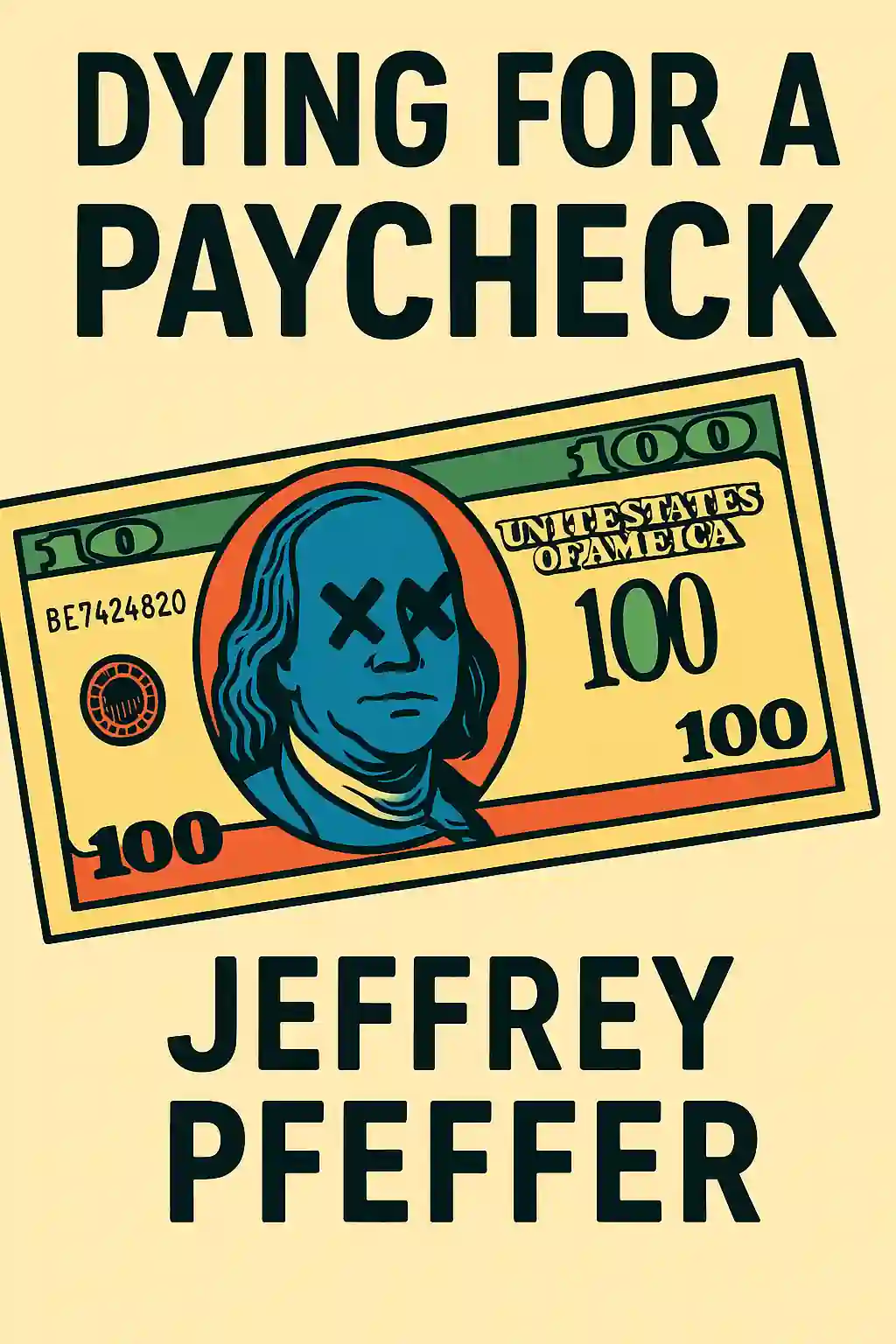
    Miles: You’re talking about "Dying for a Paycheck"—to borrow the title of that classic Jeffrey Pfeffer book. But even in the more recent 2025 studies, the link between workplace bullying and "sickness absence" is undeniable. In Germany, a five-year study of over 2,400 employees showed a direct line from bullying to "long-term sickness absence."

    Lena: And it goes even deeper. We’re talking about "suicidal ideation" and actual "suicides." A multicohort study published just a few years back found that workplace violence and bullying are significant predictors of later suicide risk. This is a "life and death" issue, not just a "bad boss" issue.

    Miles: It’s that "Extreme Social Stressor" again. When you’re targeted, your body stays in a state of "chronic vigilance." Your cortisol is spiked, your "threat response" is always on. That leads to "psychosomatic illness"—headaches, digestive issues, heart problems.

    Lena: And the "Re-traumatization" of the legal or clinical process! Think about the nurses or teachers in the Spanish study who went to their doctors and were told, "It’s all in your head." That’s "Embodied Hermeneutical Injustice." Your body is screaming that something is wrong—you’re exhausted, you’re trembling—and the "experts" tell you you’re just "unstable."

    Miles: It’s gaslighting at a medical level. And for the target, that "loss of agency" is devastating. You feel like your body is failing you, your office is attacking you, and the "healers" are doubting you. It’s no wonder people "withdraw" or "self-censor."

    Lena: And what’s fascinating—and a bit tragic—is that "Conscientiousness" we talked about earlier. Because bullying erodes your "self-regulatory resources," you actually do become less effective at your job. You might start making mistakes. And then the "Toxic Leader" uses those physical symptoms of stress as "proof" that you’re the problem.

    Miles: "See? They’re always out sick. They can't handle the pressure." It’s a "vicious circle" where the physical damage caused by the bully is used to justify more bullying. It’s a "spiral of depletion."

    Lena: Which is why "Early Intervention" is so critical. If an organization can break that cycle—provide psychological support or "Recovery Opportunities" before the stress becomes a permanent "disposition"—they can save not just a career, but a life.

    Miles: But that requires "Supportive Leadership" and "Clear Work Structures." You can't just tell someone to "do yoga" and then send them back into a "Dark Triad" environment. You have to "restore the sense of control."

    Lena: Exactly. It’s about "Conservation of Resources." How do we help the target get their "regulatory energy" back? It starts by acknowledging the harm is real. When an organization says, "We see this, and it’s not okay," that validation alone can start to lower the "threat response" in the target’s body.

    Miles: So, for everyone listening, if your body is telling you that work is "toxic"—if you’re losing sleep, if you’re getting sick more often—listen to it. It’s not "weakness." It’s a biological response to a "hostile work climate." Your health is the "ultimate resource," and it’s the one the bully is most likely to "deplete" if the environment allows it.

    이 에피소드로 더 깊이 배우기

    이 에피소드의 아이디어를 BeFreed의 가이드 학습 경험으로 더 깊이 탐구해 보세요.

    챕터 7

    When the Armor Becomes the Prison

    Lena: We’ve looked at how the environment changes you, but I want to talk about how the target tries to adapt. Sometimes the very "armor" we put on to survive a toxic workplace ends up becoming its own kind of prison.

    Miles: Oh, like that middle manager—Mr. L—in the ethnographic study. He started using "ironic self-labelling." He’d walk into a room and say, "Careful, I’m a dangerous lunatic." He was trying to "neutralize" the insults by saying them first.

    Lena: Right! It’s a way to "reclaim agency." If I say I’m "mad" before you do, you can't use it against me, right? But the tragedy is that it didn't work. His colleagues just used his "irony" as more evidence that he was actually unstable. It’s that "Looping Effect"—every attempt to resist is reabsorbed into the bully’s narrative.

    Miles: It’s "Whatever you do, it all fits." If you’re angry, you’re "aggressive." If you’re funny, you’re "unprofessional." If you’re quiet, you’re "withdrawing." You’re trapped in a "Catch-22" where the only winning move is to not play—but you have to play because you need the paycheck.

    Lena: And that leads to "Resignation" versus "Resistance." Some people, like Mr. S, the security guard, say "Not a chance I’m resigning." They start recording everything—audio on their phones, keeping logs. They’re "counter-strategizing."

    Miles: But that "vigilance" has a massive cost. You’re essentially living in a "continuous state of alertness." You can't be creative or collaborative if you’re constantly "anticipating the next aggression." Your "spontaneity" just dies.

    Lena: And the "Institutional Betrayal" when you do try to use the formal systems. Think about Mrs. MC—twelve years at the company, went on leave for depression, and her colleagues wouldn't testify because they didn't want to "risk their jobs."

    Miles: That’s the "Bystander Passivity" we talked about. The target is left in a "social limbo"—physically there, but relationally absent. It’s that "Zombie" state. And the longer you stay in that state, the more your "basic trust" in humanity is eroded.

    Lena: The 2026 Swedish study found that this "erosion of trust" is why the effects of bullying persist even after you leave the job. You carry that "altered disposition" into the next workplace. You’re more sensitive to "ambiguous cues." You’re looking for the next bully.

    Miles: It’s "Sensitization." Your "threat detection system" is now permanently calibrated to "High." Which—ironically—can make you look "Neurotic" to your new boss, starting the whole cycle over again.

    Lena: That’s why the "Practical Playbook" isn't just about "surviving" the current bully—it’s about "healing the disposition." It’s about "restoring the umwelt." And that often requires a total change of environment—like the psychiatrist, Dr. Z, said: "Find another job and forget that nightmare."

    Miles: But even leaving is a "dilemma." If you resign, you lose your "standing," your "unemployment benefits," your "compensation." The system is often set up to "punish the target" for leaving, while the "Toxic Leader" stays in place to find their next victim.

    Lena: It’s a "Toxic Paradox." The person most harmed by the environment is the one who has to pay the highest "exit cost." Which is why we need to talk about what organizations should be doing to break these "loops" before they become "prisons" for their best employees.

    챕터 8

    A Practical Playbook for Organizational Health

    Miles: Okay, so let’s get into the "How-To" for a second. If you’re a leader who actually wants to prevent this—or an employee looking for signs of a healthy culture—what does the "Multilevel Intervention Framework" actually look like in practice?

    Lena: First, it’s about "Early Detection." And I don't mean just waiting for someone to file a formal complaint. By the time that happens, the "sedimentation" of harm is already deep. We’re talking about "360-Degree Feedback" that is actually taken seriously—not just a box-ticking exercise.

    Miles: And "Leadership Development" that focuses on "Emotional Intelligence" and "Ethical Behavior." If you’re hiring for "Dark Triad" traits because they look like "strong leadership" in the short term, you’re literally "importing toxicity" into your system.

    Lena: Right! We need to "integrate psychological assessments" into leadership selection. If someone scores high on "Psychopathy" or "Machiavellianism," it doesn't matter how good their KPIs are—they are an "organizational threat."

    Miles: And for the teams, we need "Transparent Performance Appraisal Systems." If rewards are based on "favoritism" or "loyalist" dynamics, you’re creating the "oxygen" for bullying. Rewards must be tied to how you achieve results, not just the results themselves.

    Lena: And what about "Employee Voice"? We’ve talked about "Defensive Silence." A healthy organization creates "structured opportunities for anonymous feedback." And—this is the key—they actually act on it. If you ask for feedback and then nothing changes, you’ve just reinforced the "Acquiescent Silence."

    Miles: That’s where "Whistleblower Protections" and "Anti-Retaliation Policies" have to have teeth. If someone speaks up about a "Dark Traid" leader and then gets "othered" or moved to a different office, the organization has failed. There must be "Accountability" for the leader, not just "support" for the target.

    Lena: And let’s talk about that "AI dimension" again. For our listeners who are in HR or management—using "Behavioral Risk Assessment Tools" to monitor the "communication climate" can be a game-changer. It’s about "System-Wide Transformation," not just "superficial interventions."

    Miles: It’s like a "check-engine light" for the office culture. If the AI flags that "Conflict Involvement" is rising or "Empathic Engagement" is dropping, you intervene then—before the "Typifications" become "Ontologically Solid."

    Lena: And for the individuals—"Resilience Training" is great, but it has to be paired with "Supportive Leadership." You can't ask a target to "be more resilient" while the bully is still shaming them in meetings. You have to "restore the sense of agency."

    Miles: Exactly. "Restore the Umwelt." Make the office a "subject-to-subject" space again. Clear work structures, manageable demands, and "fair procedures." When people feel the system is "just," their "threat response" naturally lowers.

    Lena: It’s a "Safe and Inclusive Environment." And that’s not just a "nice-to-have" HR slogan. It is a "structural requirement" for innovation and performance. A healthy culture is the "ultimate armor" against toxic leadership.

    이 에피소드로 더 깊이 배우기

    이 에피소드의 아이디어를 BeFreed의 가이드 학습 경험으로 더 깊이 탐구해 보세요.

    챕터 9

    The Power of Recognition in a Fragile World

    Miles: We’ve covered a lot of ground today, Lena. From the "Big Five" personality traits to "Dark Triad" leaders, and from "Schutzian Phenomenology" to "AI-augmented interventions." It’s a lot to process.

    Lena: It really is. But if there’s one "Big Idea" I want our listeners to walk away with, it’s that "Recognition" is the "elementary medium" of work. When we stop recognizing each other as "yous"—as full, complex human beings—and start seeing each other as "typifications" or "problems," that’s when the rot sets in.

    Miles: "The erosion of recognition." It’s such a powerful phrase. It reminds us that workplace bullying isn't just about "mean people." It’s about the "intersubjective reorganization of reality." It’s about how "common sense" can be hijacked to justify cruelty.

    Lena: And that’s why "Awareness" is the first step. If you can see the "hidden mechanisms"—the silence, the favoritism, the identity threats—you can start to "de-sediment" them. You can name them for what they are.

    Miles: And remember—personality is "dynamic." You aren't "destined" to be a victim because of your "Neuroticism," and you aren't "stuck" in that "depleted" state forever. If the environment changes—or if you change the environment—you can "recover your dispositional functioning."

    Lena: "Restoring the psychological resources." It’s possible. But it takes a "multilevel effort." It takes "brave bystanders," "accountable institutions," and "intelligent systems." We can't just leave it to the individual to "be tough."

    Miles: Right. "No asshole is worth dying for"—to paraphrase Sutton. Your health, your "basic trust" in the world, and your "professional identity" are too precious to be "eroded" by a toxic paycheck.

    Lena: So, to everyone listening—take a look at your "umwelt" tomorrow. Are you speaking with people or about them? Are you allowing "typifications" to replace "reciprocity"? Small shifts in how we recognize each other can be the "first line of defense" against a toxic culture.

    Miles: It’s about "subjectivity." Keeping the "we" in the workplace. It’s been a fascinating deep dive, Lena. I think I’m going to go home and give my "stock of knowledge" a good spring cleaning.

    Lena: Me too, Miles. Me too.

    챕터 10

    Closing Reflections on a Healthier Path Forward

    Lena: As we wrap up this deep dive into the complex world of workplace bullying, I’m left thinking about how much of this really comes down to the stories we tell—and believe—about each other.

    Miles: Absolutely. Whether it's the "typifications" we use to categorize a colleague or the "institutional narratives" that silence dissent, these stories have a profound power to either build a culture of safety or a climate of fear. It’s a reminder that every interaction we have at work is an opportunity to either reinforce someone’s recognition or slowly erode it.

    Lena: That’s a great way to put it. And for our listeners, I hope this has given you a new lens to look at your own workplace. Maybe you’ve spotted one of those "hidden mechanisms" we talked about—the strategic silence, the subtle favoritism, or that shift from "you" to "they." Recognizing these patterns is the first step toward changing them, whether that means advocating for systemic change or making the tough decision to find a healthier environment.

    Miles: Exactly. And don't forget that "reciprocal dance" between your environment and your personality. If you feel yourself changing—becoming more anxious or less organized—it might not be "you" at all. It might be the environment "eroding" your resources. Give yourself the grace to acknowledge that the toll is real.

    Lena: It’s a life-and-death issue in some cases, and it’s certainly a "quality of life" issue for everyone. As you head into your next workday, maybe just take a moment to reflect on the "common sense" of your office. Is it grounded in mutual respect and reciprocity, or is there a "silent crisis" brewing under the surface?

    Miles: Thought-provoking stuff. We want to thank you all for joining us on this journey today. It’s not an easy topic, but it’s one that matters deeply to our health, our careers, and our sense of belonging.

    Lena: Truly. We hope you take one or two of these insights—maybe the idea of "Motivated Empathy" or the "Multilevel Intervention" model—and think about how they apply to your world. Sometimes, just naming the "ghost" is enough to start making it disappear.

    Miles: Well said. Thank you for listening, and we hope you feel a little more empowered to "own your armor" and protect your recognition in the world of work.

    Lena: Thanks for spending this time with us. Take care of yourselves—and each other.

    ★★★★★

    Workplace bullying is harder to spot than you think의 끝까지 도달했어요

    “23일째 매일 사용하고 있어요. 이제 제 일상의 한 부분이 되었습니다.”

    jayallen

    Workplace bullying is harder to spot than you think 베스트 인용

    “

    When bullying starts, a person is essentially expelled from the 'we' space and moved into the anonymous category of 'they.' Once that label sticks, every single thing they do is filtered through it until the rumor becomes more real than the actual person.

    ”

    Generated with BeFreed

    질문 입력

    How to understand workplace bullying

    호스트 음성
    Lenaplay
    Milesplay
    지식 출처
    The No Asshole Rule
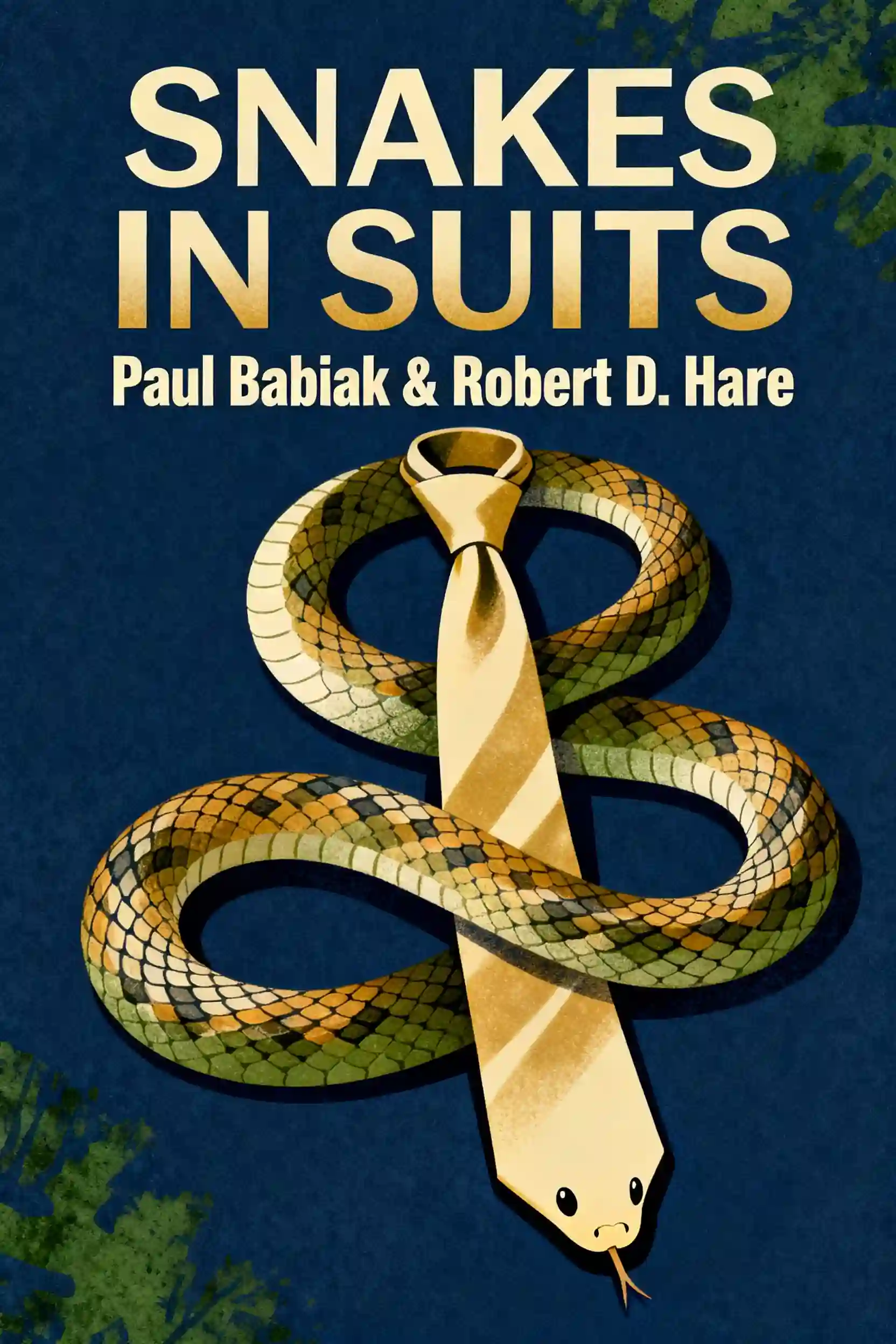
    Snakes in Suits
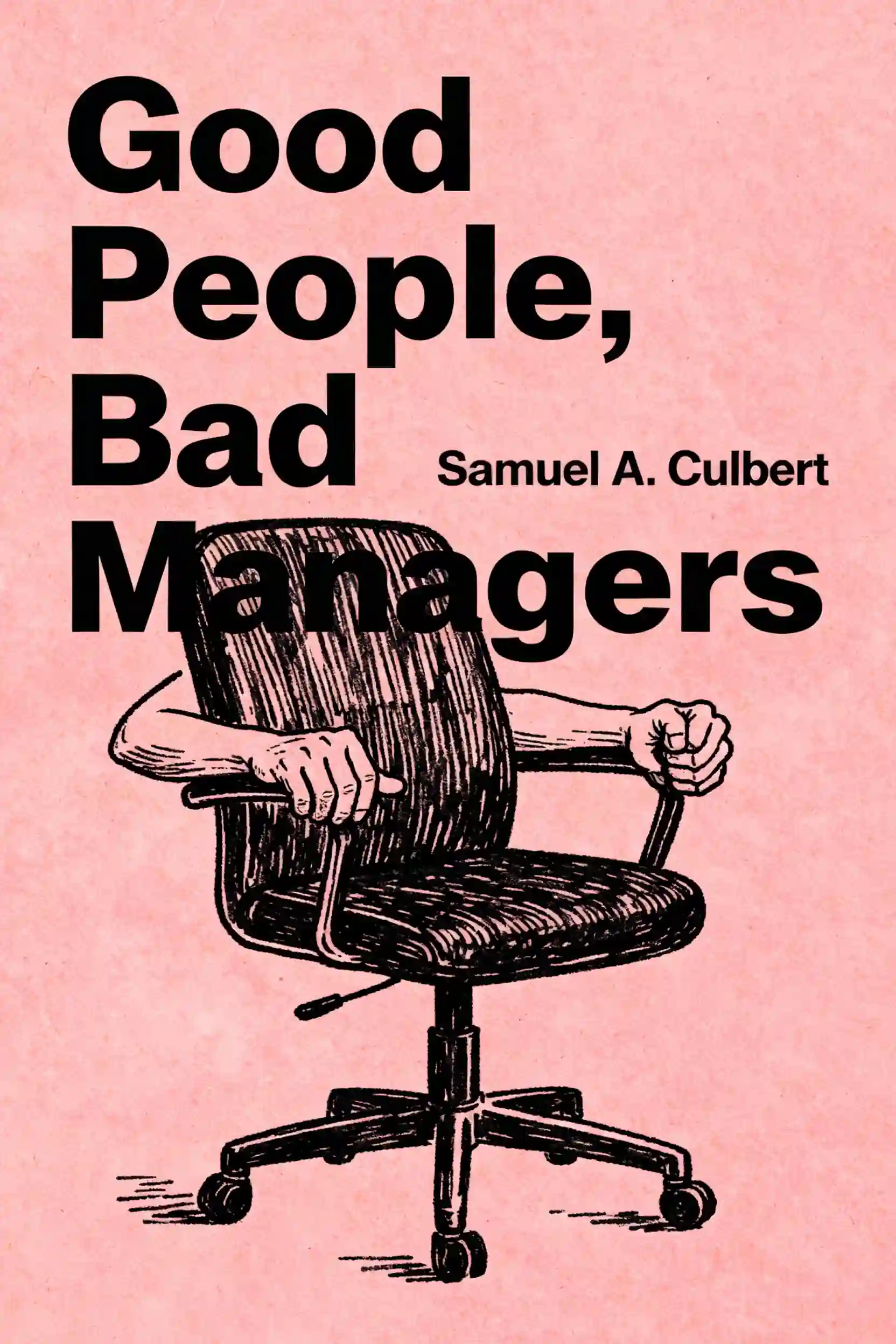
    Good People, Bad Managers
    Own Your Armor
    Dying for a paycheck
    How Work Works

    자주 묻는 질문

    The Schutzian lens refers to a sociological perspective on how a shared sense of reality is constructed in the office. In a healthy environment, colleagues view each other as "you" and "me"—real people with feelings and reciprocity. When bullying begins, the target is expelled from this "we" space and moved into an anonymous category of "they." This process, known as typification, replaces the actual person with a label like "The Incompetent One" or "The Unstable One," causing every action the person takes to be filtered through that negative lens.

    Yes, research from 2026 suggests that personality and the work environment exist in a "dark dance" where they constantly influence each other. While certain traits like high Neuroticism (emotional sensitivity) can make someone a more convenient target for a bully, the act of being bullied actually increases a person's Neuroticism over time. Furthermore, prolonged bullying can erode "Conscientiousness," as the target spends so much mental energy on survival that they lose the regulatory resources needed to stay organized, disciplined, and engaged.

    Bystander inaction is often driven by "Motivated Empathy," where witnesses intentionally down-regulate their own empathy to avoid the distress or guilt of not helping. This is a neurobiological shielding mechanism; if a bystander acknowledges the unfairness, they feel morally obligated to act, which carries the risk of becoming the next target. To justify this inaction, bystanders often adopt the bully’s "typification" of the victim, convincing themselves the target is simply "too sensitive" or "the problem."

    The Dark Triad consists of Narcissism, Machiavellianism, and Psychopathy. Leaders with these traits use hidden mechanisms like strategic manipulation, emotional exploitation, and "normalized deviance" to control their environment. They may use public shaming to reinforce superiority or withhold information to maintain power. This often leads to "Institutionalization of Silence," where employees stop innovating or speaking up out of fear, and "Institutional Betrayal," where HR systems inadvertently side with the high-performing toxic leader over the victim.

    Workplace bullying is considered an "extreme social stressor" that keeps the body in a state of chronic vigilance, leading to spiked cortisol levels and a constant threat response. This can manifest as psychosomatic illnesses, including sleep disturbances, digestive issues, heart problems, and long-term anxiety. In severe cases, studies have linked workplace bullying and violence to significant increases in long-term sickness absence and even suicidal ideation, highlighting that it is a life-and-death issue rather than just a professional grievance.

    컬럼비아 대학교 동문들이 제작 | 샌프란시스코에서 개발

    BeFreed는 호기심 넘치는 글로벌 커뮤니티를 하나로 연결합니다

    4.7

    평균 평점

    앱 평가 7.84천 개 이상

    BeFreed 커뮤니티

    정말이지 아직 앱을 다 써 보지도 않았는데, 며칠 써 본 것만으로도 깊은 인상을 받았어요… BeFreed는 제가 써 본 어떤 학습 앱과도 차원이 달라요. 몰입감이 엄청나고 집중력도 실제로 좋아져서, 스마트폰을 하염없이 스크롤하는 분들께 딱이에요!

    @ladyInfinity

    정확히 23일 전에 BeFreed를 구입했는데, 그날부터 하루도 빠짐없이 쓰고 있어요. 제 일상 업무 흐름과 학습 습관에 완전히 자리 잡았어요.

    @jayallen

    솔직히 이 앱은 제 기대를 전부 뛰어넘었어요. 어떤 주제든 오디오로 만들어 달라고 할 수 있고, 결과물이 놀라워요. 제 전문 분야는 심리치료 쪽이고 여러 학문이 얽혀 있는데도 답변이 아주 정확해요.

    @Raguipa

    제일 고마운 건 스크롤하는 시간이 확 줄었다는 거예요. 검색하는 시간은 줄고 흡수하는 시간은 늘었어요. 오디오북 전권, 팟캐스트, 학습 플랜의 조합이 정말 훌륭해요.

    @colonyofcreatorsNGO

    저는 24년째 PhotoReading 속진 학습 강사로 일하고 있어요… 책과 독서, 배움이 제 전문인데, BeFreed는 정보를 소화하기 쉽게 전달하는 혁신적인 방식을 정말 잘 구현했어요.

    @BeFreed user

    단순한 책 요약 앱이 아니에요. '재미' 스타일을 써 봤는데, 전통적인 방식보다 훨씬 나은 요약이고 아이디어를 이해하기도 쉬워요. 이것만으로도 값어치를 해요.

    @austinakon

    이 앱이 정말 좋아요. 며칠 써 봤는데 듣는 걸 멈출 수가 없어요. 시작하기에 이보다 좋을 수 없어요.

    @jcrules328

    정말 마음에 들어요. 한 달 정도 써 봤는데 숨은 보석을 찾은 기분이에요. BeFreed로 제가 원하는 주제를 직접 만들 수 있어서 좋고, 목소리도 훌륭한 데다 내레이션 선택지가 무궁무진해요.

    @DanielCZ

    정말이지 아직 앱을 다 써 보지도 않았는데, 며칠 써 본 것만으로도 깊은 인상을 받았어요… BeFreed는 제가 써 본 어떤 학습 앱과도 차원이 달라요. 몰입감이 엄청나고 집중력도 실제로 좋아져서, 스마트폰을 하염없이 스크롤하는 분들께 딱이에요!

    @ladyInfinity

    정확히 23일 전에 BeFreed를 구입했는데, 그날부터 하루도 빠짐없이 쓰고 있어요. 제 일상 업무 흐름과 학습 습관에 완전히 자리 잡았어요.

    @jayallen

    솔직히 이 앱은 제 기대를 전부 뛰어넘었어요. 어떤 주제든 오디오로 만들어 달라고 할 수 있고, 결과물이 놀라워요. 제 전문 분야는 심리치료 쪽이고 여러 학문이 얽혀 있는데도 답변이 아주 정확해요.

    @Raguipa

    제일 고마운 건 스크롤하는 시간이 확 줄었다는 거예요. 검색하는 시간은 줄고 흡수하는 시간은 늘었어요. 오디오북 전권, 팟캐스트, 학습 플랜의 조합이 정말 훌륭해요.

    @colonyofcreatorsNGO

    저는 24년째 PhotoReading 속진 학습 강사로 일하고 있어요… 책과 독서, 배움이 제 전문인데, BeFreed는 정보를 소화하기 쉽게 전달하는 혁신적인 방식을 정말 잘 구현했어요.

    @BeFreed user

    단순한 책 요약 앱이 아니에요. '재미' 스타일을 써 봤는데, 전통적인 방식보다 훨씬 나은 요약이고 아이디어를 이해하기도 쉬워요. 이것만으로도 값어치를 해요.

    @austinakon

    이 앱이 정말 좋아요. 며칠 써 봤는데 듣는 걸 멈출 수가 없어요. 시작하기에 이보다 좋을 수 없어요.

    @jcrules328

    정말 마음에 들어요. 한 달 정도 써 봤는데 숨은 보석을 찾은 기분이에요. BeFreed로 제가 원하는 주제를 직접 만들 수 있어서 좋고, 목소리도 훌륭한 데다 내레이션 선택지가 무궁무진해요.

    @DanielCZ

    유용한 정보와 아이디어를 8~15분짜리 팟캐스트 스타일 오디오로 압축해서 들을 수 있다는 게 정말 좋아요. 원래 팟캐스트는 군더더기가 많아서 안 좋아했는데, 여기는 그걸 싹 걷어냈어요.

    @BeFreed user

    박사 과정을 마무리하는 중이라 낯선 자료를 많이 읽어야 해요… BeFreed에서는 프롬프트만 입력하면 앱이 자료를 찾아서 오디오 팟캐스트로 만들어 줘요. BeFreed의 과정이 NotebookLM보다 더 매끄럽게 느껴져요.

    @Brad

    아침을 준비하거나 산책하거나 출퇴근할 때 들을 것을 YouTube에서 자주 찾곤 했는데, BeFreed는 광고도 군더더기도 없이 훨씬 더 딱 맞는 걸 들려줘요!

    @BeFreed user

    이 플랫폼의 가장 큰 장점은 활용도예요. 다루지 못하는 주제가 말 그대로 하나도 없어요. 무엇을 던져도 다 소화해요… 제한이 전혀 없으면서 약속을 실제로 지키는 학습 도구는 정말 드물어요.

    @jayallen

    BeFreed는 환상적이에요. 디자인이 편해서 헤매는 시간은 줄고 배우는 시간은 늘었어요. 오디오북, 팟캐스트, 학습 플랜의 조합은 천재적이에요. 제 하루가 완전히 달라졌어요.

    @BeFreed user

    처음엔 이탈리아어로 팟캐스트를 만드는 방법을 이해하는 데 시간이 좀 걸렸는데, 알고 나니까 — 와! 정말 대단해요! 어떤 주제든 설명해 달라고 하면 정말 똑똑하게 잘 설명해 줘요!

    @matteo77

    BeFreed는 제가 매일 쓰는 오디오북 앱이 됐어요… 제일 마음에 드는 건 텍스트를 넣으면 이동 중에도 들을 수 있는 오디오로 만들어 준다는 점이에요.

    @kotanzu1

    유용한 정보와 아이디어를 8~15분짜리 팟캐스트 스타일 오디오로 압축해서 들을 수 있다는 게 정말 좋아요. 원래 팟캐스트는 군더더기가 많아서 안 좋아했는데, 여기는 그걸 싹 걷어냈어요.

    @BeFreed user

    박사 과정을 마무리하는 중이라 낯선 자료를 많이 읽어야 해요… BeFreed에서는 프롬프트만 입력하면 앱이 자료를 찾아서 오디오 팟캐스트로 만들어 줘요. BeFreed의 과정이 NotebookLM보다 더 매끄럽게 느껴져요.

    @Brad

    아침을 준비하거나 산책하거나 출퇴근할 때 들을 것을 YouTube에서 자주 찾곤 했는데, BeFreed는 광고도 군더더기도 없이 훨씬 더 딱 맞는 걸 들려줘요!

    @BeFreed user

    이 플랫폼의 가장 큰 장점은 활용도예요. 다루지 못하는 주제가 말 그대로 하나도 없어요. 무엇을 던져도 다 소화해요… 제한이 전혀 없으면서 약속을 실제로 지키는 학습 도구는 정말 드물어요.

    @jayallen

    BeFreed는 환상적이에요. 디자인이 편해서 헤매는 시간은 줄고 배우는 시간은 늘었어요. 오디오북, 팟캐스트, 학습 플랜의 조합은 천재적이에요. 제 하루가 완전히 달라졌어요.

    @BeFreed user

    처음엔 이탈리아어로 팟캐스트를 만드는 방법을 이해하는 데 시간이 좀 걸렸는데, 알고 나니까 — 와! 정말 대단해요! 어떤 주제든 설명해 달라고 하면 정말 똑똑하게 잘 설명해 줘요!

    @matteo77

    BeFreed는 제가 매일 쓰는 오디오북 앱이 됐어요… 제일 마음에 드는 건 텍스트를 넣으면 이동 중에도 들을 수 있는 오디오로 만들어 준다는 점이에요.

    @kotanzu1

    웹에서 BeFreed가 어떻게 논의되고 있는지 더 보기
    129.7K19.5K
    55.2K19.2K
    154.2K10827355
    48.1K2.5K
    81.2K6.6K
    82.3K1.8K
    지금 바로 학습 여정을 시작하세요
    BeFreed 앱
    BeFreed

    무엇이든 개인화된 학습

    DiscordLinkedIn
    추천 도서 요약
    Crucial ConversationsThe Perfect MarriageInto the WildNever Split the DifferenceAttachedGood to GreatSay Nothing
    인기 카테고리
    Self HelpCommunication SkillRelationshipMindfulnessPhilosophyInspirationProductivity
    유명인 추천 도서
    Elon MuskCharlie KirkBill GatesSteve JobsAndrew HubermanJoe RoganJordan Peterson
    수상작 컬렉션
    Pulitzer PrizeNational Book AwardGoodreads Choice AwardsNobel Prize in LiteratureNew York TimesCaldecott MedalNebula Award
    추천 주제
    ManagementAmerican HistoryWarTradingStoicismAnxietySex
    연도별 베스트 도서
    2025 Best Non Fiction Books2024 Best Non Fiction Books2023 Best Non Fiction Books
    추천 저자
    Chimamanda Ngozi AdichieGeorge OrwellO. J. SimpsonBarbara O'NeillWinston ChurchillCharlie Kirk
    BeFreed vs 다른 앱
    BeFreed vs. Other Book Summary AppsBeFreed vs. ElevenReaderBeFreed vs. ReadwiseBeFreed vs. Anki
    학습 도구
    Knowledge VisualizerAI Podcast Generator
    정보
    회사 소개arrow
    가격arrow
    FAQarrow
    블로그arrow
    채용arrow
    파트너십arrow
    앰배서더 프로그램arrow
    디렉토리arrow
    BeFreed
    Try now
    © 2026 BeFreed
    이용 약관개인정보 처리방침
    BeFreed

    무엇이든 개인화된 학습

    DiscordLinkedIn
    추천 도서 요약
    Crucial ConversationsThe Perfect MarriageInto the WildNever Split the DifferenceAttachedGood to GreatSay Nothing
    인기 카테고리
    Self HelpCommunication SkillRelationshipMindfulnessPhilosophyInspirationProductivity
    유명인 추천 도서
    Elon MuskCharlie KirkBill GatesSteve JobsAndrew HubermanJoe RoganJordan Peterson
    수상작 컬렉션
    Pulitzer PrizeNational Book AwardGoodreads Choice AwardsNobel Prize in LiteratureNew York TimesCaldecott MedalNebula Award
    추천 주제
    ManagementAmerican HistoryWarTradingStoicismAnxietySex
    연도별 베스트 도서
    2025 Best Non Fiction Books2024 Best Non Fiction Books2023 Best Non Fiction Books
    학습 도구
    Knowledge VisualizerAI Podcast Generator
    추천 저자
    Chimamanda Ngozi AdichieGeorge OrwellO. J. SimpsonBarbara O'NeillWinston ChurchillCharlie Kirk
    BeFreed vs 다른 앱
    BeFreed vs. Other Book Summary AppsBeFreed vs. ElevenReaderBeFreed vs. ReadwiseBeFreed vs. Anki
    정보
    회사 소개arrow
    가격arrow
    FAQarrow
    블로그arrow
    채용arrow
    파트너십arrow
    앰배서더 프로그램arrow
    디렉토리arrow
    BeFreed
    Try now
    © 2026 BeFreed
    이용 약관개인정보 처리방침

    이 학습 계획의 일부

    Bully at workplace
    학습 계획

    Bully at workplace

    5 h 25 m•4 에피소드

    비슷한 콘텐츠

    Stopping Workplace Bullying and Toxic Leadership 책 표지
    The No Asshole RuleJust WorkAsshole Survival GuideOvercoming Mobbing
    22 sources
    Stopping Workplace Bullying and Toxic Leadership
    Bullying is a clinical health hazard, not just office drama. Learn to spot subtle red flags and use a trauma-informed approach to protect your team.
    33 min
    Workplace Bullying: Patterns and Recovery 책 표지
    Workplace bullying: Signs and how to copeSigns and Effects of Workplace Bullying - Verywell MindBullying at work: Advice for workers | WorkSafeInsights into workplace bullying: psychosocial drivers and effective i | PRBM | Dove Medical Press
    5 sources
    Workplace Bullying: Patterns and Recovery
    Is a difficult colleague eroding your confidence? Learn to identify the subtle signs of professional mistreatment and gain tools to reclaim your power.
    1279 min
    Workplace bullying: Why we stay silent and how to help 책 표지
    Overcoming MobbingAsshole Survival GuideJust WorkThe No Asshole Rule
    12 sources
    Workplace bullying: Why we stay silent and how to help
    Most people witness office bullying but feel paralyzed to act. Learn the psychology behind the bystander effect and a 5-step model to safely intervene.
    27 min
    Confronting the Bully Manager 책 표지
    What to Do When Your Boss Is a Bully | Crucial LearningWhat should I do if HR doesn’t do anything about my toxic boss? - Fast CompanyHow to Deal with a Toxic Boss: Your GuideWhat to Do When Your Boss Is a Bully | Crucial Learning
    7 sources
    Confronting the Bully Manager
    Workplace bullying can feel impossible to escape. Learn how to shift from reactive stress to a strategic plan for addressing toxic boss behavior.
    19 min
    Autistic Women and Workplace Bullying 책 표지
    Future of Work: Behind the masks – good work for autistic women - Institute for Employment Studies (IES)Conflict Resolution and Self-Advocacy in the Workplace | SpecialNeeds.comReasonable Accommodations for Employees With Autism: A Practical Guide - OgletreeAutism and Employment Discrimination: What Employees Should Know - The Lange Firm
    8 sources
    Autistic Women and Workplace Bullying
    Navigating a career while masking can lead to targeted harassment. Learn to identify subtle patterns of harm and use self-advocacy to reclaim your safety.
    967 min
    Why Workplace Manipulators Act Scared in Public 책 표지
    In sheep's clothingSnakes in SuitsThe Covert Passive-Aggressive NarcissistEmotional Blackmail
    28 sources
    Why Workplace Manipulators Act Scared in Public
    When a coworker plays the victim, it may be a calculated performance. Learn to spot the biological signs of a predator hiding behind a mask of fear.
    32 min
    Toxic Work Environments and How to Escape Them 책 표지
    Jerks at WorkThe No Asshole RuleAsshole Survival GuideGetting Along
    21 sources
    Toxic Work Environments and How to Escape Them
    Struggling with a dysfunctional office? Learn to identify red flags, document the facts, and protect your mental health while planning a strategic exit.
    30 min
    Workplace Manipulation: The Art of Disengaging 책 표지
    Recognizing and Protecting Yourself from Manipulators at WorkCaught in a web of workplace manipulation? Watch out for these signs before it’s too lateGrey Rocking: What this Method is and How To Do It (and when not to)The “Gray Rock” Communication Method: What Is It, And How Can It Save Your Sanity At Work? | True You Journal
    4 sources
    Workplace Manipulation: The Art of Disengaging
    Spotting a toxic colleague's 'web' is the first step to freedom. Learn how to use the Grey Rock method and neutral responses to reclaim your peace.
    24 min

    Recommended Learning Plans

    Bully at workplace
    학습 계획

    Bully at workplace

    Workplace bullying can derail careers and destroy mental well-being if left unaddressed. This plan is essential for professionals facing toxic dynamics who need practical tools for assertiveness, documentation, and emotional recovery.

    5 h 25 m•4 섹션
    Cope with toxic boss
    학습 계획

    Cope with toxic boss

    Nearly half of employees report having worked under a toxic boss at some point in their careers, leading to stress, decreased productivity, and career stagnation. This learning plan provides practical strategies for professionals who need to navigate challenging leadership dynamics while protecting their wellbeing and career trajectory.

    3 h 16 m•4 섹션
    Stop the Office Drama
    학습 계획

    Stop the Office Drama

    Toxic workplace dynamics can drain productivity and damage mental health. This plan is essential for professionals seeking to navigate difficult personalities and eliminate gossip while maintaining their professional integrity.

    2 h•4 섹션
    Thrive in Nice Nasty Workplaces
    학습 계획

    Thrive in Nice Nasty Workplaces

    This plan is essential for professionals navigating toxic environments hidden behind a facade of politeness. It benefits anyone facing passive aggression or gaslighting who needs actionable strategies to reclaim their agency and well-being.

    1 h 30 m•3 섹션
    Stay Unshakable with Difficult Coworkers
    학습 계획

    Stay Unshakable with Difficult Coworkers

    In high-pressure environments, difficult personalities can derail productivity and mental well-being. This plan is essential for professionals at any level who want to reclaim their focus and remain professional despite challenging interpersonal dynamics.

    30 m•3 섹션
    Neutralize Passive Aggression at Work
    학습 계획

    Neutralize Passive Aggression at Work

    Passive-aggressive behavior can quietly erode team morale and personal productivity. This plan is essential for professionals navigating high-conflict environments who need practical strategies to reclaim their peace and protect their career growth.

    1 h 12 m•3 섹션
    Survive and Exit Your Toxic Role
    학습 계획

    Survive and Exit Your Toxic Role

    This plan is essential for professionals trapped in hostile work environments who need a safe way out. It provides the psychological tools and tactical strategies required to manage workplace conflict while securing a better role elsewhere.

    1 h 12 m•3 섹션
    Unshakable: Thriving Amidst Workplace Envy
    학습 계획

    Unshakable: Thriving Amidst Workplace Envy

    This plan is essential for high-performing professionals facing resentment or isolation due to their success. It provides the psychological tools and Stoic strategies needed to maintain peak performance while shielding oneself from workplace toxicity.

    2 h•4 섹션