BeFreed
    Categories>Philosophy & Spirituality>Buddhism as Teaching: Key Differences Between Buddhist Traditions

    Buddhism as Teaching: Key Differences Between Buddhist Traditions

    38분
    |
    |
    2026년 4월 12일
    Philosophy & SpiritualityWell-Being

    Explore Buddhism as a teaching and discover the key differences between traditions like Theravada and Mahayana. Learn about Buddhist philosophy and the Dharma.

    Buddhism as Teaching: Key Differences Between Buddhist Traditions
    전달 방식을 선택하세요

    하나의 에피소드, 다양한 청취 방식.

    Buddhism as Teaching: Key Differences Between Buddhist Traditions의 같은 아이디어를 나에게 맞는 목소리, 깊이, 속도로 만나보세요. 언제든 바꿀 수 있습니다.

    전체 대본 및 챕터

    챕터 1

    One Root, Many Paths to Peace

    Lena: You know, Miles, I was thinking about how we usually talk about Buddhism as this one single thing. But then I saw this diagram describing an "out-of-control life" and how different schools would "rescue" you. One says you should break the self, another says you should entrust your life to a higher power, and a third says you need to transform your mind. It made me wonder—if they all come from the same Buddha, why are the "manuals" for fixing our lives so different?

    Miles: That’s such a great way to put it. It’s interesting how one message evolved into these distinct branches, almost like different plants growing from the same "cultural soil." While they all share that root of the Buddha’s enlightenment 2,500 years ago, they’ve developed unique diagnoses for why we suffer.

    Lena: Right, so it’s not just different rituals; it’s a different starting point for how we even see ourselves.

    Miles: Exactly. Let's explore how these diverse traditions actually point back to that single theme of ending suffering.

    챕터 2

    The Four Noble Truths as a Medical Model

    Lena: So, Miles, if we’re looking at these different "manuals" for fixing a life that’s spun out of control, we have to start with the baseline, right? The original "diagnosis" the Buddha gave. You mentioned earlier that the teachings are essentially a response to suffering. But how did he actually structure that?

    Miles: You know, it’s often described as a medical model, which I think is so much easier to wrap your head around than just a list of "rules." Think about Siddhartha Gautama—before he was known as the Buddha—sitting under that tree by the Niranjana River. He wasn’t looking for a philosophy; he was looking for a cure. And what he came up with were the Four Noble Truths.

    Lena: A cure for what, exactly? Because "suffering" feels like such a broad term. I mean, are we talking about a stubbed toe or a midlife crisis?

    Miles: Well, the Pali word is dukkha. And while it’s usually translated as "suffering," it really means something closer to "unsatisfactoriness" or "ill-being." It’s that feeling that something is just... off. Like a wheel that’s slightly out of alignment. So, the first Noble Truth is the Symptom: Dukkha exists. Life involves this inherent friction.

    Lena: Okay, so we admit there’s a problem. That’s step one. But what’s the actual Diagnosis? Why are we out of alignment?

    Miles: That’s the second Noble Truth. The diagnosis is craving and clinging—tanha. We suffer because we’re constantly trying to make permanent things out of a world that is fundamentally impermanent. We define ourselves by our jobs, our houses, our relationships—and when those things inevitably change, we feel like we’re losing ourselves. It’s like trying to hold onto a handful of water. The tighter you squeeze, the faster it runs through your fingers.

    Lena: That’s a powerful image. It’s the "attachment" we always hear about. We’re addicted to the idea that things should stay the same. So if that’s the diagnosis, what’s the Prognosis? Is it actually fixable?

    Miles: Absolutely. The third Truth is the Prognosis: There is a cure. Well-being is possible. You don't have to be a slave to that constant craving. And the fourth Truth is the Prescription—the Eightfold Path. It’s the actual treatment plan to move from a state of dukkha to a state of liberation.

    Lena: I love that. It makes the whole thing feel less like a religion and more like... well, like a laboratory for the mind. You mentioned earlier that these early lists were meant to be "gifts to humanity" from researchers using their own minds as the experiment.

    Miles: Exactly! It’s all about Ehipassiko—which basically means "Come and see for yourself." The Buddha didn't want people to just believe him; he wanted them to run the experiment. And that’s where the different branches come in. They’re all using the same medical model, but they might emphasize different parts of the treatment depending on the patient’s "spiritual constitution."

    Lena: So, if the Eightfold Path is the prescription, does it cover everything? I mean, how do you actually categorize "Right View" or "Right Livelihood" in a way that doesn’t just feel like a checklist?

    Miles: That’s where the three overarching categories come in: Ethics, Meditation, and Wisdom. Ethics—things like Right Speech and Action—is about how we move in the world. Meditation—Right Effort, Mindfulness, and Concentration—is how we tame what the sources call the "monkey mind," that scattered, restless energy we all deal with. And Wisdom—Right View and Intention—is the clarity that comes from finally seeing reality as it is, not as we want it to be.

    Lena: It’s interesting how that "monkey mind" is such a universal problem. Even 2,500 years ago, people were struggling with distraction and scattered thoughts. It makes me feel a little better about my own focus! But I’m curious—when Buddhism started spreading from India into different "cultural soils," how did those three pillars—ethics, meditation, and wisdom—start to shift in emphasis?

    Miles: That’s exactly where the "One Root, Many Paths" idea becomes so fascinating. You have the Theravada tradition, which is the oldest and sticks very closely to these original Pali teachings. They focus heavily on individual practice—being a "lamp unto yourself." But then, as the teachings moved north and east, you see the rise of the Mahayana, the "Great Vehicle."

    Lena: The "Great Vehicle." That sounds like they’re trying to fit more people on the bus, right?

    Miles: You’ve hit the nail on the head. While Theravada emphasizes personal liberation—getting yourself across the river of suffering—Mahayana shifts the goalpost. They introduce the "Bodhisattva ideal," which is the idea that you don't just want to save yourself; you want to help everyone get across. It transforms the path from a solitary journey into a collective mission grounded in compassion.

    Lena: So the "prescription" stays the same, but the "motivation" for taking the medicine changes. It becomes about universal salvation. I can see why that would lead to very different styles of practice—from the silent meditation of a monk in Thailand to the elaborate rituals we see in other places.

    Miles: Exactly. And as we look at these different "manuals" for fixing our lives, we start to see how each branch offers a different "pain responsibility allocation." Some ask you to take full responsibility through your own effort, while others suggest that you might need to rely on something bigger. It’s all a variation on that single theme: ending suffering.

    이 에피소드로 더 깊이 배우기

    이 에피소드의 아이디어를 BeFreed의 가이드 학습 경험으로 더 깊이 탐구해 보세요.

    챕터 3

    The Theravada Way and the Lamp of Self-Reliance

    Lena: Miles, let’s dig into that first "manual"—the Theravada tradition. You called it the "Teachings of the Elders." It sounds very foundational, almost like the "original recipe" of Buddhism. If someone’s life is spinning out of control and they turn to Theravada, what’s the first thing they’re told to do?

    Miles: The first thing they’re told is to stop looking for an external savior. It’s a very rigorous, "do-it-yourself" approach. Think about the Buddha’s final words as he was dying. He told his followers not to depend on him, but to be a "lamp unto themselves." In Theravada, the responsibility for your suffering—and your liberation—is allocated almost entirely to your own personal will and practice.

    Lena: That sounds both empowering and... a little terrifying. "It’s all on you." So, if I’m stressed and overwhelmed, a Theravada teacher might point me toward the "Four Foundations of Mindfulness"?

    Miles: Right on. They’d tell you to return to the "ground of experience." When everything feels out of control, you anchor yourself in the body, the feelings, the mind, and the objects of the mind. And the most common entry point? The breath. It’s about using your own mind as a laboratory to see how confusion and anxiety actually arise.

    Lena: It’s like being a "meditator-researcher," like you said earlier. But isn't there more to it than just watching your breath? I mean, life is full of people and relationships. How does this "self-reliance" handle the emotional side of things?

    Miles: That’s where the "Four Boundless Dwellings" come in. These are divine states of being that open the heart—metta or loving-kindness, compassion, sympathetic joy, and equanimity. But even here, the practice starts with you. In a metta retreat, you start by instilling loving-kindness in yourself. You can’t give what you don’t have. Once you’ve cultivated that internal warmth, then you progressively project it out to all beings.

    Lena: So, it’s a very structured path. You have these lists—the Four Noble Truths, the Eightfold Path, the Four Foundations. It can feel a bit academic, but the sources mention these weren’t meant to be dogmatic. They were more like memory aids in a time before printing presses.

    Miles: Exactly. They were teaching tools to provoke inquiry. The goal isn't to believe in the list; it’s to experience the dhamma—the universal truth—firsthand. In Theravada, suffering is seen as a product of our own mental behavior and attachment. If I violate a precept or act out of greed, I’m planting seeds of karma that will inevitably lead to more dukkha. So, the way out is to master your own speech, action, and thought.

    Lena: It’s a very linear equation: My actions lead to my results. But I can see how that could be a lot of pressure if you feel like you’re already failing. If I’m in an "out-of-control" state, I might feel like my "lamp" has already gone out. Is that why other branches developed? To offer a different kind of support?

    Miles: That’s a huge part of it. If you look at the "pain responsibility allocation" for Theravada, the "Actor" is 100% responsible. But as Buddhism spread into places like China, Korea, and Japan, people started asking, "What if my own effort isn't enough? What if the world is so complex and my habits are so deep that I need more than just my own willpower?"

    Lena: That’s where the Mahayana—the Great Vehicle—comes in, right? To provide a broader vision.

    Miles: Exactly. Mahayana moves from individual discipline to altruistic action. It redefines enlightenment not as a private achievement, but as a relational process. You’re not just fixing yourself; you’re recognizing that your well-being is inseparable from the well-being of others. It’s like the difference between cleaning your own room and realizing you live in a house where everyone’s rooms are connected by the same air.

    Lena: So, the Theravada "manual" is all about the rigorous laboratory of the self. But when we move into Zen or Pure Land, we start to see the "manual" change. It’s interesting how Theravada has maintained its unique flavor in places like Sri Lanka, Thailand, and Myanmar, mingling with local cultures. In the West, it’s often seen through the "Insight Meditation" movement.

    Miles: Right, and it’s still incredibly popular because that message of self-reliance—"Come and see for yourself"—really resonates with modern individualism. But it’s just one spoke on the wheel. When we look at Zen, we see a completely different strategy for "breaking the self." Instead of the structured lists of Theravada, Zen goes for a radical, direct transmission.

    Lena: Zen is the one that always feels a bit mysterious to me. The "flower sermon" and the wordless transmission. It feels like they’re trying to bypass the "academic" side of Buddhism altogether.

    Miles: They are! Zen likens words to a "finger pointing at the moon." It’s useful for direction, but if you spend all your time looking at the finger, you miss the luminous truth itself. If Theravada is the detailed medical manual, Zen is more like a sudden jolt—a "lightning bolt" meant to wake you up to your own buddhanature right now.

    챕터 4

    Zen and the Lightning Bolt of Direct Experience

    Lena: Miles, let’s talk about that "lightning bolt." Zen. It’s probably the most famous branch in the West, but also maybe the most misunderstood. If someone’s life is a mess and they walk into a Zen dojo, they aren't getting a list of the Four Noble Truths, are they?

    Miles: Probably not. They’re more likely to be told to just sit. Shikantaza. "Just sitting." It sounds simple, but it’s actually a radical strategy. In Zen, the diagnosis for an out-of-control life is "discriminating thoughts." We’re constantly slicing the world into "me" and "not me," "good" and "bad," "success" and "failure." Zen says those thoughts are what’s creating the suffering. So, the cure is to stop the thoughts—not by fighting them, but by resting in awareness without any object or striving.

    Lena: "Resting in awareness without object." That’s a far cry from the "meditator-researcher" in Theravada who’s carefully watching the breath or labeling feelings.

    Miles: It is! While they share the same root of intensive meditative absorption—dhyana in Sanskrit, which became Chan in China and Zen in Japan—Zen places the emphasis on intuitive, non-conceptual experience. It’s about recognizing that you already have buddhanature. You don't have to "become" a Buddha; you just have to stop obscuring the fact that you already are one.

    Lena: That reminds me of the story of the Buddha holding up a flower at Vulture Peak. No words, just a flower. And only one monk, Mahakasyapa, got it. He just smiled.

    Miles: Exactly. That wordless transmission. Zen calls for a radical understanding of the mind. If your life feels out of control, Zen’s "manual" says the problem isn't the external world—it’s the "linguistic and thought systems" you’re using to interpret it. We’re trapped in our own labels. So, Zen uses tools to jolt us out of those habitual patterns. Have you heard of koans?

    Lena: Like "What is the sound of one hand clapping?" They always felt like riddles that don't have an answer.

    Miles: Because they don't! At least not a logical one. Take the classic: "What was your original face before your mother and father were born?" You can't think your way out of that. It’s designed to make your discursive, logical mind give up. It’s a "lie detector" for the self. When the mind finally stops trying to solve the puzzle, there’s a moment of "sudden enlightenment"—satori. The "I" that was struggling just... drops away.

    Lena: So, the "pain responsibility allocation" here is concentrated on the "present mind." It’s not about your past karma or your future goals; it’s about how your mind is operating this second.

    Miles: You’ve hit the nail on the head. Zen is like a minimalist hacker. It’s trying to strip away all the unnecessary software—the theories, the rituals, even the scriptures—to get back to the direct experience of reality. That’s why Zen has such a strong aesthetic in things like tea ceremonies, calligraphy, or even gardening. It’s about being fully present in the action, without the "I" getting in the way.

    Lena: I love that idea of "minimalist hacking." But I have to ask—isn't that incredibly difficult? For a lot of people, "just sitting" while their life is falling apart feels impossible. Their "monkey mind" is screaming too loud. If Zen is a lightning bolt, what happens if you just can't catch the lightning?

    Miles: That’s the great critique of Zen! It’s high-risk, high-reward. If you don't have a strong teacher—who acts as a "mirror" to show you your own delusions—you can easily fall into a kind of "spiritual bypassing" or just get stuck in your own thoughts. It requires a lot of "self-power."

    Lena: And that brings us back to that "responsibility chart." Theravada and Zen both rely heavily on "self-power"—your own effort, your own meditation, your own insight. But the sources mention another branch that takes the opposite approach. The Pure Land school. They talk about "other-power."

    Miles: Right. Pure Land is the "manual" for when you realize your own effort isn't enough. If Zen is the lightning bolt for the "spiritual elite," Pure Land is the wide-open gate for everyone else. It’s probably the most practiced form of Buddhism in East Asia, yet it’s often the one Westerners know the least about.

    Lena: "Other-power." That sounds so different from "be a lamp unto yourself." How does that even work within the Buddhist framework of karma and dependent origination?

    Miles: It’s a fascinating pivot. Instead of focusing on your own mental discipline, you focus on devotion and "entrustment." It’s based on the story of a monk named Dharmakara—who became Amitabha Buddha. He made a vow to create a cosmic realm—a "Pure Land"—where anyone who sincerely calls his name can be reborn. In that realm, the conditions for awakening are perfect. Even the birds sing the dharma.

    Lena: So, instead of hacking your own mind, you’re looking for a "backup system." A refuge.

    Miles: Exactly. It’s a "script for rewriting reality" where the endpoint is already determined by the Buddha’s vow. It’s the ultimate "other-power" long-voyage.

    이 에피소드로 더 깊이 배우기

    이 에피소드의 아이디어를 BeFreed의 가이드 학습 경험으로 더 깊이 탐구해 보세요.

    챕터 5

    Pure Land and the Compassionate Refuge of Other-Power

    Lena: Miles, let’s talk about this "Pure Land" idea. It feels almost like a different religion compared to the silent, "self-power" sitting of Zen. If someone is truly overwhelmed—maybe they’re dealing with grief, or they’re just exhausted by the struggle of life—and they turn to Pure Land, what are they actually doing?

    Miles: They’re practicing "entrustment." The core practice is the Nembutsu—reciting the phrase Namu Amida Butsu, which means "I take refuge in Amida Buddha." Amida’s name signifies "infinite light and endless life." The idea is that in this "degenerate age," our own willpower is often too weak to overcome our beginningless karma and deep-seated afflictions. So, we rely on Amida’s "primal vow" to carry us to liberation.

    Lena: It’s like a "salvation" model. But wait—Buddhism is all about karma, right? You reap what you sow. If I just say a name, how does that balance out all the "bad seeds" I’ve planted?

    Miles: That’s the "heartfelt" part of the Pure Land "manual." It doesn't deny karma; it just reinterprets the "responsibility allocation." In Jodo Shinshu—one of the largest Pure Land schools—the "other-power" of Amida isn't an external god who cancels your karma. Instead, it’s a "structural re-arrangement" of the universe. By calling Amida’s name, you’re aligning yourself with a force of compassion that is already present. It’s like jumping into a river that’s already flowing toward the ocean. You still have to jump, but the river does the heavy lifting.

    Lena: So, the "rescue" happens because you admit you can't do it alone. That feels very humble. The sources say this made Buddhism accessible to everyone—not just monks or scholars, but anyone, regardless of gender or class.

    Miles: Exactly. It’s the "Great Vehicle" at its most inclusive. And it’s interesting because Pure Land and Zen often coexist in places like China and Vietnam. A practitioner might spend a month in silent Zen meditation and then turn to reciting the Amitabha Sutra the next. They’re seen as two sides of the same coin. Zen deconstructs the self through "sudden awakening," while Pure Land settles the self through "faith and aspiration."

    Lena: It’s like having a "minimalist sanctuary" in Zen and a "comforting long-term care" in Pure Land. I love that analogy from the sources. But what about the "Pure Land" itself? Is it an actual place you go after you die, or is it a state of mind?

    Miles: That’s a point of debate! Some traditions see it as a literal "buddhaverse" with jeweled trees and golden ground where you’re reborn after death. But others, like some Zen-Pure Land hybrids, believe that a transformation of the ego can open your awareness to the Pure Land right here and now. It’s about "pure perception." If all phenomena are empty and interdependent, then the world could be seen as a Pure Land if our minds weren't so clouded by greed and aversion.

    Lena: So, whether it’s an "endpoint" or a "new perspective," the goal is the same—to provide a way out of the out-of-control cycle of suffering. But we’ve still got one major branch left, right? The "Diamond Vehicle." Vajrayana.

    Miles: Yes, the "indestructible clarity." If Theravada is the foundational lab, Zen is the lightning bolt, and Pure Land is the compassionate refuge, then Vajrayana is like the "high-dimensional laboratory." It’s shaped by Himalayan culture and uses these incredibly complex "skillful means"—tantric rituals, visualizations, mantras.

    Lena: "Skillful means." I remember seeing that in the sources. It’s about tailoring the teaching to the person, right?

    Miles: Exactly. Like a doctor prescribing a specific medicine for a specific patient. In Vajrayana, they don't just tell you to "let go" of your emotions; they show you how to transform them. If you’re angry, you don't just suppress it; you use specific visualizations and mantras to turn that energy into "mirror-like wisdom." It’s about taking the very things that cause us to lose control—our desires, our fears, our senses—and using them as the fuel for awakening.

    Lena: That sounds like a "spiritual boot camp." It sounds intense and maybe a little dangerous if you don't know what you’re doing.

    Miles: It can be! That’s why Vajrayana places so much emphasis on the "Guru"—the teacher. You need a formal initiation and a guide to make sure you don't stray into "self-aggrandizing fascination." It’s an immersive, symbolic system where your body, speech, and mind are all aligned with the "three secrets" of the Buddha.

    Lena: "Three secrets"—body, speech, and mind. It’s like a "synchronous system" of symbols and energy. So, if your life is out of control, Vajrayana "rescues" you by "re-programming" your entire identity through these rituals.

    Miles: You’ve hit the nail on the head. It builds on the Mahayana idea that we all have buddhanature, but it adds this layer of "tantric technology" to reveal it faster. It’s all variations on that same single theme, Lena. Different soil, different flowers, but the same root of ending suffering.

    챕터 6

    Vajrayana and the Alchemy of Transformation

    Lena: Miles, let’s look closer at this "Diamond Vehicle"—Vajrayana. It’s the branch we see in Tibet, Nepal, and Bhutan, right? With the colorful mandalas and the chanting. You called it a "high-dimensional laboratory." If someone’s life feels fragmented and they turn to Vajrayana, how does it "re-program" their identity, like you said?

    Miles: It uses what the sources call upaya—skillful means. Think of it like a spiritual alchemy. Instead of trying to "kill" your ego or "escape" the world, Vajrayana says, "Everything you experience is actually the energy of awakening—you just haven't recognized it yet." So, they use these incredibly sophisticated tools—mantras for the speech, mudras or gestures for the body, and visualization for the mind. These are the "Three Secrets."

    Lena: The Three Secrets. So, if I’m visualizing a deity—like Green Tara, who the sources say represents compassion—I’m not just "praying" to her?

    Miles: No, it’s much more radical than that. You’re visualizing yourself as Green Tara. You’re practicing "Deity Yoga." The idea is to "immure" your ordinary, out-of-control self-image in the radiant, enlightened image of the Buddha or Bodhisattva. It’s like a "life scenario profile" that you’re actively rewriting. You’re training your mind to stop seeing yourself as a "suffering person" and start seeing yourself as a manifestation of wisdom and compassion.

    Lena: Wow. That’s a huge shift. It’s like "faking it until you make it," but on a cosmic scale. But I noticed the sources mention this requires a guru—a teacher. Why is that relationship so central?

    Miles: Because you’re playing with the "source code" of your mind. Without guidance, it’s easy to get lost in the imagery or, even worse, to use these "limitless powers" to inflate your own ego. The guru acts as a "protector" and a "mirror," ensuring you’re actually realizing emptiness—the insight that nothing has a separate, permanent identity—rather than just building a "fancier" self.

    Lena: Emptiness. We keep coming back to that. It’s the heart of Mahayana philosophy, right? The idea that we’re all interconnected and "empty" of a fixed essence.

    Miles: Exactly. And Vajrayana takes that philosophical concept and makes it experiential. They have these amazing sand mandalas—they spend days creating these intricate, beautiful worlds out of colored sand, and then... they just brush it away. It’s a literal demonstration of impermanence and emptiness. The "Diamond" in Diamond Vehicle refers to that indestructible clarity that remains when you finally stop clinging to the "sand" of your life.

    Lena: It’s so visual. It makes the "manual" for fixing life feel less like a book and more like a... well, a piece of art. But I’m thinking about all these branches now—Theravada with its mindfulness, Zen with its "just sitting," Pure Land with its "entrustment," and Vajrayana with its "transformation." It’s quite the "distribution chart."

    Miles: It really is. And there’s a scholar mentioned in the sources, Jonathan Silk, who says these differences are "more a matter of degree and emphasis than of fundamental opposition." They’re all responding to the same question: "How does existence produce suffering?"

    Lena: And they all agree on the "Diagnosis"—ignorance and attachment. They just have different "Prescriptions" for how to handle the "Patient."

    Miles: That’s a great way to put it. And what’s interesting is that in the modern world, especially in the West, these branches are starting to blend. You have people who start with Vajrayana and then move to Zen, or people who practice "Engaged Buddhism," which takes these principles of compassion and applies them to social justice and the environment.

    Lena: "Engaged Buddhism." That reminds me of Thich Nhat Hanh, who’s mentioned in the sources. He’s known for that "humanistic" approach in Vietnam. It’s like the "one root" is growing into a whole new forest of "intrafaith engagement."

    Miles: Absolutely. Exploring different branches of Buddhism is like "hugging a few distinct trees"—it extends our appreciation for the whole forest. Whether you’re using the "lightning bolt" of Zen or the "long-voyage" of Pure Land, you’re still moving toward that same goal: a dignified, awakened, fulfilling way of living.

    Lena: It’s fascinating how these traditions have traveled along the Silk Road and the Maritime Spice Routes, adapting to every culture they touched. And now, they’re here on American soil, offering all these different "manuals" to help us deal with the "flames" of the modern world.

    Miles: And we need them now more than ever, right? The Buddha said the world was "aflame with suffering." Today, it feels like there are more flames than any single mind can grasp. But luckily, we have this robust offering of traditions to help us get through it—together.

    이 에피소드로 더 깊이 배우기

    이 에피소드의 아이디어를 BeFreed의 가이드 학습 경험으로 더 깊이 탐구해 보세요.

    챕터 7

    The Eight Schools and the Pain Responsibility Allocation

    Lena: Miles, I want to go back to that "pain responsibility allocation chart" we saw in the sources. It breaks down how the different schools in China—the "Eight Schools"—actually "argue" about where suffering comes from. It’s not just about "methods"; it’s about "causal attribution."

    Miles: Right, it’s about the "Key Variables." Like, "To what extent is your suffering your own fault?" and "How much is due to the structure of the universe?" It’s a very logically structured way to see why these schools developed such different philosophies.

    Lena: Okay, so let’s test this. If we look at the "Vinaya" school—the one focused on precepts and monastic discipline—where does the "responsibility" for suffering fall?

    Miles: In the Vinaya school, responsibility is highly concentrated on the "Actor." It inherits that original "Agama" standard: "self-creation and self-receiving." If you violate a precept or act out of greed, you are the primary cause of your own dukkha. It’s a very direct, behavioral model. The answer to "Where does suffering come from?" is: "From your own erroneous speech, action, and thought."

    Lena: That’s the "self-power" baseline. But then you have the "Sanlun" or Three Treatises school—the Madhyamaka tradition. They say suffering comes from "Existential Attachment."

    Miles: Exactly. They pull the "cause" back to the level of language and thought. For them, we suffer because we incorrectly establish things as "truly real" or "permanent." The moment we say "I exist as a separate entity," we’ve presupposed a false ontological framework. So, for them, "responsibility" is allocated to the "ways in which language and thought occur." It’s a "linguistic and thought system" problem.

    Lena: That feels very "Zen-adjacent," in terms of hacking the mind’s labels. But what about the "Yogacara" school? The "Consciousness-Only" people. They talk about the "Alaya-consciousness."

    Miles: That’s where the "allocation" gets really complex. They say suffering comes from the "Structural Illusion of Consciousness." It’s not just what you did today; it’s the "seeds" of karma and afflictions that have been accumulating in your "storehouse consciousness" since beginningless time. So, responsibility is divided between your superficial actions and these deep, structural habits. It’s like a "bank of responsibility" that spans across lifetimes.

    Lena: So, it’s not just "my fault"; it’s "the fault of my entire history of consciousness." I can see how that would change the "treatment plan." You have to "transform the seeds," not just change your behavior.

    Miles: Exactly. And then you have the "Tiantai" and "Huayan" schools, which are these grand, integrative systems. They look at suffering within the "Dharmadhatu"—the entire Dharma realm. For Tiantai, suffering is a "Partial Grasp of the Mind." If you only see things as "real" and forget they’re "empty," you suffer. For Huayan, suffering is just a "Partial Blindness" within the infinite web of dependent origination.

    Lena: So, in those schools, "responsibility" is expanded to the "Structural Framework of the Dharma Realm." It’s a "relational" problem. You suffer because you aren't seeing the "harmonious integration" of everything.

    Miles: You’ve hit the nail on the head. And that brings us back to "Pure Land" and "Tantric" or Esoteric Buddhism. In Pure Land, the responsibility for liberation is partially "outsourced" to the "Other-Power" of the Buddha’s vows. And in Tantric Buddhism, it’s about "Correspondence"—aligning your "Three Secrets" with the Buddha’s.

    Lena: It’s like a "distribution of destiny." I love that metaphor from the sources. Each school is basically a different "contract" for how you and the universe share the work of fixing your life. Zen says you take 100% of the contract; Pure Land says you share it with Amitabha; and Tantric Buddhism says you and the Dharma realm are already "interwoven."

    Miles: It really helps clarify why people feel drawn to different paths. If you’re a "minimalist hacker" type, Zen’s "self-power" contract makes sense. If you’re feeling overwhelmed by the "seeds" of your past, maybe Yogacara’s "transformation" or Pure Land’s "aspiration" is the better fit.

    Lena: And they all share that "One Root." Even the most complex "contract" is still trying to get you to the same place—the end of suffering. It’s just about which "diagnostic tool" resonates with your "spiritual constitution."

    Miles: Right, and as we look at the "Practical Playbook" for all this, we can see how we might apply these different "manuals" to our own lives, even if we aren't "monks in a laboratory."

    챕터 8

    The Practical Playbook for a Losing-Control Life

    Lena: So, Miles, we’ve looked at the "medical model," the "distribution of responsibility," and the different "manuals." But for someone listening right now—someone who feels like their life is spinning out of control—how do they actually use this? What’s the "Practical Playbook" here?

    Miles: That’s the most important question, isn't it? I think the first step is to "Diagnose your Loss of Control." Just like the Four Noble Truths. Ask yourself: "What is the flavor of my suffering?" Is it because I’m clinging to a self-image that’s being challenged? Is it because my thoughts are scattered and I can't find an anchor? Or is it because I feel like I’m failing at my own efforts to be 'perfect'?"

    Lena: Okay, so if I realize my problem is "Self-Attachment"—I’m stressed because I’m trying to maintain this "perfect professional" or "perfect parent" image—which manual do I pull off the shelf?

    Miles: That’s where you might look toward the "Zen" or "Madhyamaka" strategy. "Break the Self." Remind yourself that the "I" you’re trying to protect is just a label—a "finger pointing at the moon." Practice that Shikantaza—just sit with the feeling of being overwhelmed without trying to "fix" it or "judge" it. Let the "lightning bolt" of direct experience show you that the "I" who is failing is actually "empty" of a fixed essence.

    Lena: And what if the problem is more about "Chaotic Thoughts"? My mind is just a screaming "monkey mind" and I can't catch a break.

    Miles: Then you return to the "Theravada" foundation. Use the "Four Foundations of Mindfulness." Find an anchor—the breath, the body. When the "monkey mind" starts swinging, don't chase it. Just label it—"thinking, thinking"—and come back to the ground of experience. It’s about being a "meditator-researcher" in your own life.

    Lena: I like that. "Labeling" it makes it feel less like a personal failure and more like a data point. But what about the "Refuge" side of things? If I’m just... exhausted. I feel like I’ve tried everything and I’m still losing control.

    Miles: That’s when you look at the "Pure Land" or "Vajrayana" approach. "Entrust your life." Admit your limitations. In the Pure Land tradition, it’s about the Nembutsu—taking refuge in something bigger than your own ego. It’s a "reset" for the value orientation of your mind. Or, if you’re more "visual," look at the "Deity Yoga" of Vajrayana. Visualize yourself not as a "stressed-out person," but as a manifestation of Green Tara’s compassion. "Re-program" your identity.

    Lena: It’s like having a "Reality Fault-Tolerance Mechanism," as the sources call it. If life goes out of control, you have these different frameworks to maintain "logical coherence and value resilience."

    Miles: Exactly. And don't forget the "Vinaya" foundation—Ethics. Sometimes the best way to stabilize a chaotic life is through "Behavioral Engineering." Precepts. Establishing clear boundaries for your speech and action. It prevents the mind’s disturbances from "overflowing" into more destructive karma.

    Lena: So, the playbook is basically a "toolkit." You don't have to pick just one school; you can use different "translators" for different types of pain. Anxiety might need the "other-power" of Pure Land, while impulsiveness might need the "mindfulness" of Theravada.

    Miles: Right on. And the ultimate goal is always the same: Nirvana. Liberation. Which doesn't mean "escaping" the world, but "reconciling" with it. It’s about moving from a state of "loss of control" to a state of "unobstructed harmony."

    Lena: I love that idea of "reconciliation." It’s not about fighting the flames; it’s about understanding why things are burning and finding the path that leads to peace. It’s about being a "lamp unto yourself" while also recognizing that we’re all part of the same forest.

    Miles: You’ve hit the nail on the head. And as we wrap things up, I hope everyone listening takes a moment to think about their own "spiritual constitution." Which "manual" feels most heartfelt to you right now?

    이 에피소드로 더 깊이 배우기

    이 에피소드의 아이디어를 BeFreed의 가이드 학습 경험으로 더 깊이 탐구해 보세요.

    챕터 9

    Closing Reflections on the One Root

    Lena: You know, Miles, as we bring this to a close, I’m struck by how "simple" and yet "sorely needed" that original message is: There is an end to suffering.

    Miles: It’s powerful, isn't it? Whether we’re talking about a wandering yogi 2,500 years ago or someone stuck in traffic today, that message of hope is universal. "A dignified, awakened, fulfilling way of living is possible." It’s a gift to humanity that’s been passed down and refined through all these different "cultural soils."

    Lena: And it’s fascinating how each branch—from the rigorous self-reliance of Theravada to the compassionate "other-power" of Pure Land—is just a different way of saying "Come and see for yourself." They’re all inviting us into that laboratory of the mind.

    Miles: Exactly. They all lead back to that "one root"—the Buddha’s supreme awakening. And as the sources remind us, exploring these different paths is like hugging distinct trees. It doesn't divide the forest; it just makes us appreciate the whole ecosystem even more.

    Lena: So, to everyone listening, I wonder... which "manual" resonated with you today? Maybe it was the "minimalist hacker" vibe of Zen, or the "compassionate refuge" of Pure Land, or the "structured research" of Theravada.

    Miles: It’s worth reflecting on. How does your "out-of-control life" look when you view it through the lens of emptiness or interdependence? Sometimes just changing the "translator" for your pain can change the pain itself.

    Lena: That’s a great takeaway. "Change the translator, change the pain." Thank you so much for exploring this with me, Miles. It’s been a truly eye-opening journey through the branches of the Dharma.

    Miles: My pleasure, Lena. It’s been great to dive deep into these "manuals for rewriting destiny."

    Lena: And thank you to everyone for joining us today. We hope you take a moment to reflect on your own "spiritual constitution" and maybe try applying one of these "skillful means" to your own life. Whether it’s anchoring yourself in the breath or visualizing a more compassionate version of yourself, remember that the path to peace is always available.

    Miles: "Dharma doors are countless," as they say. May you find the one that opens for you.

    Lena: Thanks for listening. Take care of your minds, everyone.

    ★★★★★

    Buddhism as Teaching: Key Differences Between Buddhist Traditions의 끝까지 도달했어요

    “23일째 매일 사용하고 있어요. 이제 제 일상의 한 부분이 되었습니다.”

    jayallen

    Buddhism as Teaching: Key Differences Between Buddhist Traditions 베스트 인용

    “

    The Buddha didn't want people to just believe him; he wanted them to run the experiment. It’s all about Ehipassiko—which basically means 'Come and see for yourself.'

    ”
    D

    Generated by Domen

    질문 입력

    Buddhism as teaching and difference between teachings

    호스트 음성
    Lenaplay
    Milesplay
    지식 출처
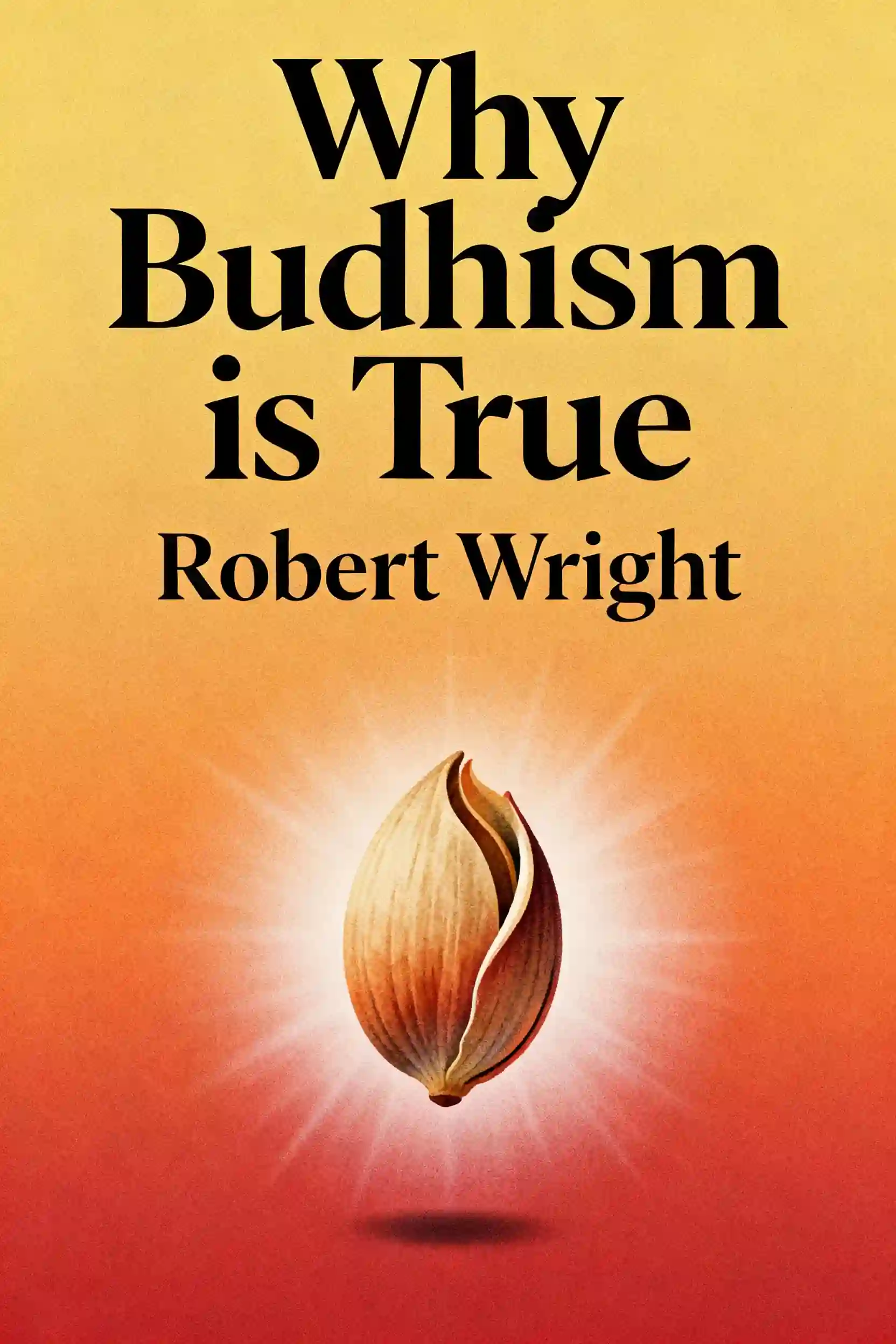
    Why Buddhism Is True
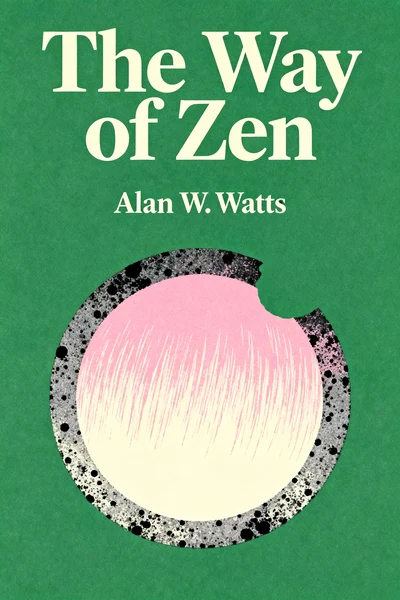
    The Way of Zen
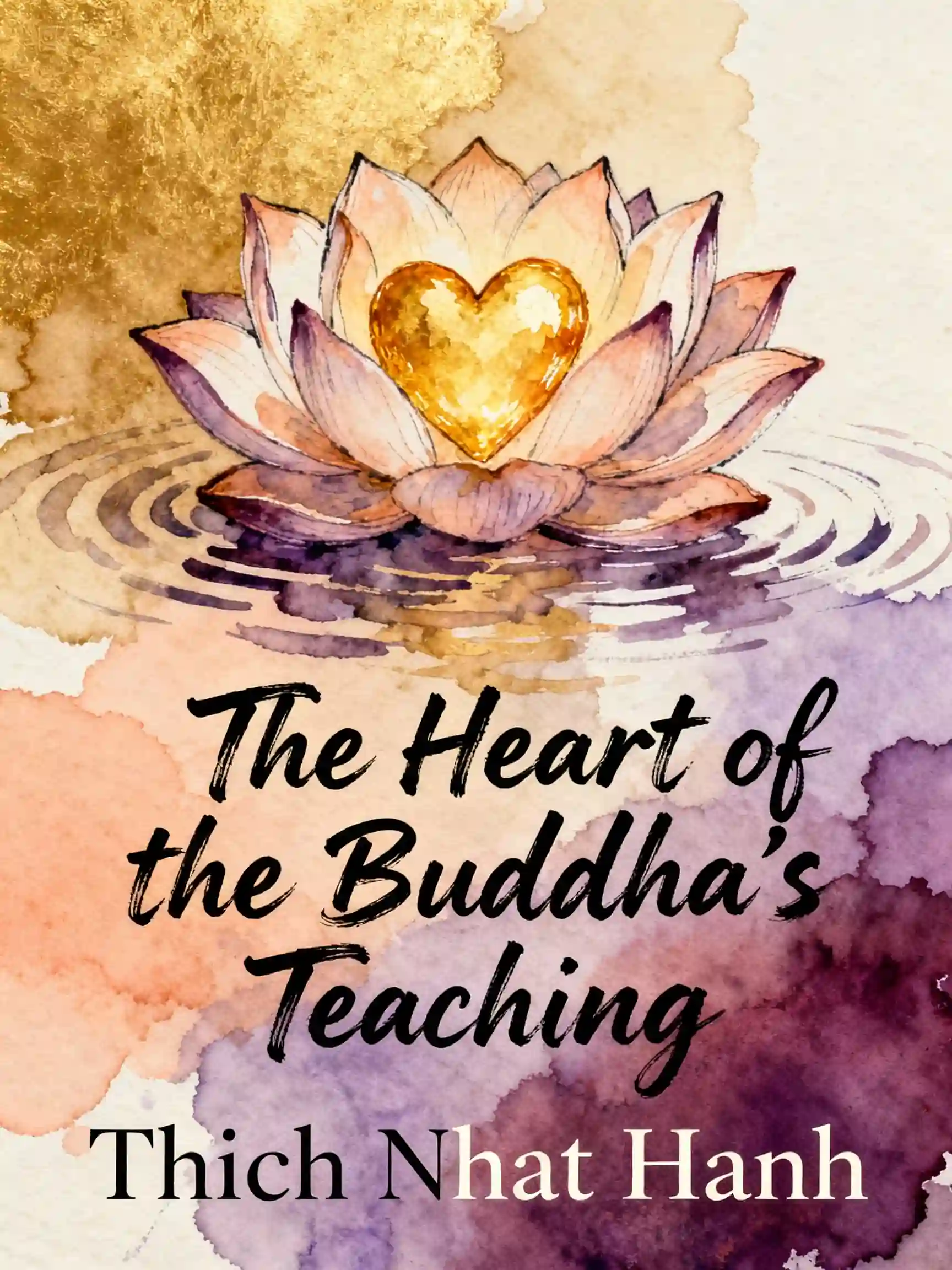
    The Heart of the Buddha's Teaching
    Buddhism
    Dharma Matters
    Appreciate Your Life

    자주 묻는 질문

    Buddhism as a teaching, often referred to as the Dharma, focuses on the philosophical and practical guidance provided by the Buddha to overcome suffering. Rather than being a static set of dogmas, it is viewed as a path of study and practice. This approach emphasizes understanding the nature of reality through Buddhist philosophy, mindfulness, and ethical living, allowing practitioners to apply these ancient insights to their modern lives.

    The differences between Theravada and Mahayana traditions often center on their goals and geographical spread. Theravada, the 'School of the Elders,' focuses on individual liberation and adheres closely to the original Pali Canon. In contrast, Mahayana, or the 'Great Vehicle,' emphasizes the bodhisattva ideal of seeking enlightenment for the sake of all beings. These schools represent diverse interpretations of Buddhist teachings while sharing the core foundation of the Dharma.

    Comparative Buddhism involves analyzing the various schools of Buddhism to identify their unique perspectives and shared core values. By looking at traditions like Theravada, Mahayana, and Vajrayana side-by-side, students can better understand how historical and cultural contexts shaped different Buddhist teachings. This comparative approach highlights the richness of Buddhist philosophy and clarifies how different practices lead toward the common goal of spiritual awakening and the cessation of suffering.

    컬럼비아 대학교 동문들이 제작 | 샌프란시스코에서 개발

    BeFreed는 호기심 넘치는 글로벌 커뮤니티를 하나로 연결합니다

    4.7

    평균 평점

    앱 평가 7.84천 개 이상

    BeFreed 커뮤니티

    정말이지 아직 앱을 다 써 보지도 않았는데, 며칠 써 본 것만으로도 깊은 인상을 받았어요… BeFreed는 제가 써 본 어떤 학습 앱과도 차원이 달라요. 몰입감이 엄청나고 집중력도 실제로 좋아져서, 스마트폰을 하염없이 스크롤하는 분들께 딱이에요!

    @ladyInfinity

    정확히 23일 전에 BeFreed를 구입했는데, 그날부터 하루도 빠짐없이 쓰고 있어요. 제 일상 업무 흐름과 학습 습관에 완전히 자리 잡았어요.

    @jayallen

    솔직히 이 앱은 제 기대를 전부 뛰어넘었어요. 어떤 주제든 오디오로 만들어 달라고 할 수 있고, 결과물이 놀라워요. 제 전문 분야는 심리치료 쪽이고 여러 학문이 얽혀 있는데도 답변이 아주 정확해요.

    @Raguipa

    제일 고마운 건 스크롤하는 시간이 확 줄었다는 거예요. 검색하는 시간은 줄고 흡수하는 시간은 늘었어요. 오디오북 전권, 팟캐스트, 학습 플랜의 조합이 정말 훌륭해요.

    @colonyofcreatorsNGO

    저는 24년째 PhotoReading 속진 학습 강사로 일하고 있어요… 책과 독서, 배움이 제 전문인데, BeFreed는 정보를 소화하기 쉽게 전달하는 혁신적인 방식을 정말 잘 구현했어요.

    @BeFreed user

    단순한 책 요약 앱이 아니에요. '재미' 스타일을 써 봤는데, 전통적인 방식보다 훨씬 나은 요약이고 아이디어를 이해하기도 쉬워요. 이것만으로도 값어치를 해요.

    @austinakon

    이 앱이 정말 좋아요. 며칠 써 봤는데 듣는 걸 멈출 수가 없어요. 시작하기에 이보다 좋을 수 없어요.

    @jcrules328

    정말 마음에 들어요. 한 달 정도 써 봤는데 숨은 보석을 찾은 기분이에요. BeFreed로 제가 원하는 주제를 직접 만들 수 있어서 좋고, 목소리도 훌륭한 데다 내레이션 선택지가 무궁무진해요.

    @DanielCZ

    정말이지 아직 앱을 다 써 보지도 않았는데, 며칠 써 본 것만으로도 깊은 인상을 받았어요… BeFreed는 제가 써 본 어떤 학습 앱과도 차원이 달라요. 몰입감이 엄청나고 집중력도 실제로 좋아져서, 스마트폰을 하염없이 스크롤하는 분들께 딱이에요!

    @ladyInfinity

    정확히 23일 전에 BeFreed를 구입했는데, 그날부터 하루도 빠짐없이 쓰고 있어요. 제 일상 업무 흐름과 학습 습관에 완전히 자리 잡았어요.

    @jayallen

    솔직히 이 앱은 제 기대를 전부 뛰어넘었어요. 어떤 주제든 오디오로 만들어 달라고 할 수 있고, 결과물이 놀라워요. 제 전문 분야는 심리치료 쪽이고 여러 학문이 얽혀 있는데도 답변이 아주 정확해요.

    @Raguipa

    제일 고마운 건 스크롤하는 시간이 확 줄었다는 거예요. 검색하는 시간은 줄고 흡수하는 시간은 늘었어요. 오디오북 전권, 팟캐스트, 학습 플랜의 조합이 정말 훌륭해요.

    @colonyofcreatorsNGO

    저는 24년째 PhotoReading 속진 학습 강사로 일하고 있어요… 책과 독서, 배움이 제 전문인데, BeFreed는 정보를 소화하기 쉽게 전달하는 혁신적인 방식을 정말 잘 구현했어요.

    @BeFreed user

    단순한 책 요약 앱이 아니에요. '재미' 스타일을 써 봤는데, 전통적인 방식보다 훨씬 나은 요약이고 아이디어를 이해하기도 쉬워요. 이것만으로도 값어치를 해요.

    @austinakon

    이 앱이 정말 좋아요. 며칠 써 봤는데 듣는 걸 멈출 수가 없어요. 시작하기에 이보다 좋을 수 없어요.

    @jcrules328

    정말 마음에 들어요. 한 달 정도 써 봤는데 숨은 보석을 찾은 기분이에요. BeFreed로 제가 원하는 주제를 직접 만들 수 있어서 좋고, 목소리도 훌륭한 데다 내레이션 선택지가 무궁무진해요.

    @DanielCZ

    유용한 정보와 아이디어를 8~15분짜리 팟캐스트 스타일 오디오로 압축해서 들을 수 있다는 게 정말 좋아요. 원래 팟캐스트는 군더더기가 많아서 안 좋아했는데, 여기는 그걸 싹 걷어냈어요.

    @BeFreed user

    박사 과정을 마무리하는 중이라 낯선 자료를 많이 읽어야 해요… BeFreed에서는 프롬프트만 입력하면 앱이 자료를 찾아서 오디오 팟캐스트로 만들어 줘요. BeFreed의 과정이 NotebookLM보다 더 매끄럽게 느껴져요.

    @Brad

    아침을 준비하거나 산책하거나 출퇴근할 때 들을 것을 YouTube에서 자주 찾곤 했는데, BeFreed는 광고도 군더더기도 없이 훨씬 더 딱 맞는 걸 들려줘요!

    @BeFreed user

    이 플랫폼의 가장 큰 장점은 활용도예요. 다루지 못하는 주제가 말 그대로 하나도 없어요. 무엇을 던져도 다 소화해요… 제한이 전혀 없으면서 약속을 실제로 지키는 학습 도구는 정말 드물어요.

    @jayallen

    BeFreed는 환상적이에요. 디자인이 편해서 헤매는 시간은 줄고 배우는 시간은 늘었어요. 오디오북, 팟캐스트, 학습 플랜의 조합은 천재적이에요. 제 하루가 완전히 달라졌어요.

    @BeFreed user

    처음엔 이탈리아어로 팟캐스트를 만드는 방법을 이해하는 데 시간이 좀 걸렸는데, 알고 나니까 — 와! 정말 대단해요! 어떤 주제든 설명해 달라고 하면 정말 똑똑하게 잘 설명해 줘요!

    @matteo77

    BeFreed는 제가 매일 쓰는 오디오북 앱이 됐어요… 제일 마음에 드는 건 텍스트를 넣으면 이동 중에도 들을 수 있는 오디오로 만들어 준다는 점이에요.

    @kotanzu1

    유용한 정보와 아이디어를 8~15분짜리 팟캐스트 스타일 오디오로 압축해서 들을 수 있다는 게 정말 좋아요. 원래 팟캐스트는 군더더기가 많아서 안 좋아했는데, 여기는 그걸 싹 걷어냈어요.

    @BeFreed user

    박사 과정을 마무리하는 중이라 낯선 자료를 많이 읽어야 해요… BeFreed에서는 프롬프트만 입력하면 앱이 자료를 찾아서 오디오 팟캐스트로 만들어 줘요. BeFreed의 과정이 NotebookLM보다 더 매끄럽게 느껴져요.

    @Brad

    아침을 준비하거나 산책하거나 출퇴근할 때 들을 것을 YouTube에서 자주 찾곤 했는데, BeFreed는 광고도 군더더기도 없이 훨씬 더 딱 맞는 걸 들려줘요!

    @BeFreed user

    이 플랫폼의 가장 큰 장점은 활용도예요. 다루지 못하는 주제가 말 그대로 하나도 없어요. 무엇을 던져도 다 소화해요… 제한이 전혀 없으면서 약속을 실제로 지키는 학습 도구는 정말 드물어요.

    @jayallen

    BeFreed는 환상적이에요. 디자인이 편해서 헤매는 시간은 줄고 배우는 시간은 늘었어요. 오디오북, 팟캐스트, 학습 플랜의 조합은 천재적이에요. 제 하루가 완전히 달라졌어요.

    @BeFreed user

    처음엔 이탈리아어로 팟캐스트를 만드는 방법을 이해하는 데 시간이 좀 걸렸는데, 알고 나니까 — 와! 정말 대단해요! 어떤 주제든 설명해 달라고 하면 정말 똑똑하게 잘 설명해 줘요!

    @matteo77

    BeFreed는 제가 매일 쓰는 오디오북 앱이 됐어요… 제일 마음에 드는 건 텍스트를 넣으면 이동 중에도 들을 수 있는 오디오로 만들어 준다는 점이에요.

    @kotanzu1

    웹에서 BeFreed가 어떻게 논의되고 있는지 더 보기
    129.7K19.5K
    55.2K19.2K
    154.2K10827355
    48.1K2.5K
    81.2K6.6K
    82.3K1.8K
    지금 바로 학습 여정을 시작하세요
    BeFreed 앱
    BeFreed

    무엇이든 개인화된 학습

    DiscordLinkedIn
    추천 도서 요약
    Crucial ConversationsThe Perfect MarriageInto the WildNever Split the DifferenceAttachedGood to GreatSay Nothing
    인기 카테고리
    Self HelpCommunication SkillRelationshipMindfulnessPhilosophyInspirationProductivity
    유명인 추천 도서
    Elon MuskCharlie KirkBill GatesSteve JobsAndrew HubermanJoe RoganJordan Peterson
    수상작 컬렉션
    Pulitzer PrizeNational Book AwardGoodreads Choice AwardsNobel Prize in LiteratureNew York TimesCaldecott MedalNebula Award
    추천 주제
    ManagementAmerican HistoryWarTradingStoicismAnxietySex
    연도별 베스트 도서
    2025 Best Non Fiction Books2024 Best Non Fiction Books2023 Best Non Fiction Books
    추천 저자
    Chimamanda Ngozi AdichieGeorge OrwellO. J. SimpsonBarbara O'NeillWinston ChurchillCharlie Kirk
    BeFreed vs 다른 앱
    BeFreed vs. Other Book Summary AppsBeFreed vs. ElevenReaderBeFreed vs. ReadwiseBeFreed vs. Anki
    학습 도구
    Knowledge VisualizerAI Podcast Generator
    정보
    회사 소개arrow
    가격arrow
    FAQarrow
    블로그arrow
    채용arrow
    파트너십arrow
    앰배서더 프로그램arrow
    디렉토리arrow
    BeFreed
    Try now
    © 2026 BeFreed
    이용 약관개인정보 처리방침
    BeFreed

    무엇이든 개인화된 학습

    DiscordLinkedIn
    추천 도서 요약
    Crucial ConversationsThe Perfect MarriageInto the WildNever Split the DifferenceAttachedGood to GreatSay Nothing
    인기 카테고리
    Self HelpCommunication SkillRelationshipMindfulnessPhilosophyInspirationProductivity
    유명인 추천 도서
    Elon MuskCharlie KirkBill GatesSteve JobsAndrew HubermanJoe RoganJordan Peterson
    수상작 컬렉션
    Pulitzer PrizeNational Book AwardGoodreads Choice AwardsNobel Prize in LiteratureNew York TimesCaldecott MedalNebula Award
    추천 주제
    ManagementAmerican HistoryWarTradingStoicismAnxietySex
    연도별 베스트 도서
    2025 Best Non Fiction Books2024 Best Non Fiction Books2023 Best Non Fiction Books
    학습 도구
    Knowledge VisualizerAI Podcast Generator
    추천 저자
    Chimamanda Ngozi AdichieGeorge OrwellO. J. SimpsonBarbara O'NeillWinston ChurchillCharlie Kirk
    BeFreed vs 다른 앱
    BeFreed vs. Other Book Summary AppsBeFreed vs. ElevenReaderBeFreed vs. ReadwiseBeFreed vs. Anki
    정보
    회사 소개arrow
    가격arrow
    FAQarrow
    블로그arrow
    채용arrow
    파트너십arrow
    앰배서더 프로그램arrow
    디렉토리arrow
    BeFreed
    Try now
    © 2026 BeFreed
    이용 약관개인정보 처리방침

    비슷한 콘텐츠

    Why Zen Beats Every Other Philosophy 책 표지
    The Way of ZenJapanese Zen Buddhist PhilosophyPhilosophical Issues: The Good Life - Zen BuddhismZen and the Art of Consciousness
    6 sources
    Why Zen Beats Every Other Philosophy
    Discover how Zen transcends Western thought and ancient wisdom by dissolving the illusion of the separate self that other philosophies try to fix. A revolutionary approach to ending suffering at its root.
    10 min
    Buddhism for Everyday Choices 책 표지
    The Heart of the Buddha's TeachingThe Diamond CutterWhy Buddhism is TrueThe Zen of Therapy
    17 sources
    Buddhism for Everyday Choices
    Discover how ancient Buddhist wisdom offers practical tools for navigating daily challenges, from dealing with line-cutters to making difficult decisions with greater clarity and compassion.
    27 min
    Buddhism: 2,500 Years of Timeless Wisdom 책 표지
    The Heart of the Buddha's TeachingBuddhism – Plain and SimpleWhy Buddhism is TrueBuddhism | Definition, Beliefs, Origin, Systems, & Practice | Britannica
    6 sources
    Buddhism: 2,500 Years of Timeless Wisdom
    Journey from ancient India to modern mindfulness as we explore Buddhism's revolutionary insights. Discover how the Four Noble Truths, mindfulness practices, and different Buddhist paths offer practical tools for transforming suffering into wisdom in our digital age.
    8 min
    Buddhism's Three Poisons and Ten Defilements 책 표지
    Why Buddhism is TrueThe Heart of the Buddha's TeachingBuddhism – Plain and SimpleLove and Rage
    15 sources
    Buddhism's Three Poisons and Ten Defilements
    Explore the three unwholesome roots (lobha/greed, dosa/hatred, moha/delusion) that cause suffering in Buddhist philosophy, plus the complete set of ten mental defilements they generate and how to overcome them.
    29 min
    Buddhism and the Poisoned Arrow 책 표지
    Two Paths, One Quest: Inner Peace in Buddhism and Islam — Study BuddhismExperimental Theologythezensite: The Buddhist Refusal of TheismTwo Faces of the Dhamma
    5 sources
    Buddhism and the Poisoned Arrow
    When life hurts, do you need a metaphysical explanation or a way out? Explore why Buddhism prioritizes practical relief over cosmic answers.
    33 min
    Ancient Buddhist Stories for Modern Peace 책 표지
    source 1Zen Stories for a Calm, Clear & Open Mind | nik.artThe Buddha On Ending Suffering: the Parable of the Poisoned Arrow11 - Parable of the Raft
    6 sources
    Ancient Buddhist Stories for Modern Peace
    Journey through profound Buddhist parables and Zen teachings that offer practical wisdom for finding calm in chaos. Discover timeless stories about letting go, mindful presence, and compassion that can transform how you navigate life's challenges.
    18 min
    The Buddhist Path to Love Without Clinging 책 표지
    The Heart of the Buddha's TeachingLiving UntetheredThe Greatest SecretNo Self, No Problem
    19 sources
    The Buddhist Path to Love Without Clinging
    Explore the misunderstood Buddhist concept of attachment, revealing how non-attachment isn't about loving less, but loving more wisely—without the desperate grasping that causes suffering.
    55 min
    The Dalai Lama’s Path to Joy 책 표지
    How to Practice Book Summary by Dalai LamaHow to Practice | His Holiness the Dalai Lama | ReviewHow to Practice The Way to a Meaningful LifeHow to Practice: The Way to a Meaningful Life - Dalai Lama (Book)
    4 sources
    The Dalai Lama’s Path to Joy
    Chasing external success often leaves us feeling empty. Explore Tibetan practices for mental peace to build a foundation of lasting happiness from within.
    18 min

    Recommended Learning Plans

    Explore Buddhism for Modern Life
    학습 계획

    Explore Buddhism for Modern Life

    In our fast-paced, distracted world, Buddhist wisdom offers practical tools for finding balance, meaning, and genuine happiness. This learning plan bridges ancient teachings with modern life challenges, ideal for anyone seeking more mindfulness, emotional resilience, and authentic connection in their daily experience.

    3 h 51 m•4 섹션
    Apply Buddhist Teachings at Work
    학습 계획

    Apply Buddhist Teachings at Work

    This learning plan bridges ancient spiritual wisdom with modern professional demands, offering a roadmap for ethical and mindful career development. It is ideal for leaders and professionals seeking to transform workplace stress into a path of personal and collective growth.

    5 h 39 m•4 섹션
    The Stoic and Buddhist Path to Peace
    학습 계획

    The Stoic and Buddhist Path to Peace

    In an increasingly volatile world, combining the wisdom of the West and East offers a comprehensive toolkit for mental stability. This plan is ideal for individuals seeking to build emotional resilience and find a balance between personal tranquility and social engagement.

    3 h•4 섹션
    Pillars of Zen
    학습 계획

    Pillars of Zen

    This learning path offers a comprehensive introduction to Zen Buddhism for anyone seeking mental clarity, stress reduction, or deeper philosophical understanding. It's particularly valuable for those feeling overwhelmed by modern life's complexity, individuals interested in meditation and contemplative practices, or anyone drawn to Eastern philosophy and its practical applications in daily living.

    3 h 47 m•4 섹션
    The Dhammapada and the Symmetry of Wisdom
    학습 계획

    The Dhammapada and the Symmetry of Wisdom

    This plan bridges ancient Eastern philosophy with Western classical thought to provide a practical framework for mental clarity. It is ideal for students of philosophy, ethics, or mindfulness seeking to apply historical wisdom to contemporary life challenges.

    2 h•4 섹션
    Explore Eastern philosophies
    학습 계획

    Explore Eastern philosophies

    Eastern philosophies offer time-tested wisdom for navigating modern life's complexities, providing practical tools for mental clarity, ethical living, and inner peace. This learning plan is ideal for anyone seeking alternatives to Western philosophical frameworks, professionals looking to reduce stress through mindfulness practices, or spiritual seekers wanting to deepen their understanding of consciousness and human existence. The skills gained are increasingly valuable in fields ranging from psychology and wellness to leadership and conflict resolution.

    4 h 50 m•4 섹션
    The Path of the Modern Sage
    학습 계획

    The Path of the Modern Sage

    This learning plan bridges the gap between rigorous classical scholarship and the practical demands of contemporary spiritual leadership. It is designed for aspiring leaders and dedicated students seeking to master both the technical mechanics of sacred texts and the empathetic skills required to guide modern communities.

    1 h 30 m•3 섹션
    从零构建佛学世界观
    학습 계획

    从零构建佛学世界观

    本课程专为寻求深度思考与内在平静的现代人设计,通过严谨的逻辑分析而非宗教信仰来解读佛学。它适合希望通过理性思辨,系统性重构认知体系并解决生命焦虑的学习者。

    2 h•4 섹션