BeFreed
    Categories>Psychology>The Control Paradox: True Influence vs Manipulation

    The Control Paradox: True Influence vs Manipulation

    29분
    |
    |
    2026년 2월 9일
    PsychologyCommunicationLeadership & Corp Culture

    Discover why trying to control people backfires and how genuine influence through curiosity, shared values, and ethical methods creates lasting impact and real persuasion power.

    The Control Paradox: True Influence vs Manipulation
    전달 방식을 선택하세요

    하나의 에피소드, 다양한 청취 방식.

    The Control Paradox: True Influence vs Manipulation의 같은 아이디어를 나에게 맞는 목소리, 깊이, 속도로 만나보세요. 언제든 바꿀 수 있습니다.

    전체 대본 및 챕터

    챕터 1

    The Control Paradox Revealed

    Lena: Miles, I have to ask you something that's been on my mind. When someone searches "how to control people," what do you think they're really looking for?

    Miles: You know, that's such a fascinating question, Lena. I think most people assume they want manipulation tactics, but here's what's counterintuitive—research shows that true influence actually comes from the exact opposite of control.

    Lena: Wait, what do you mean by that? Isn't influence just a softer word for control?

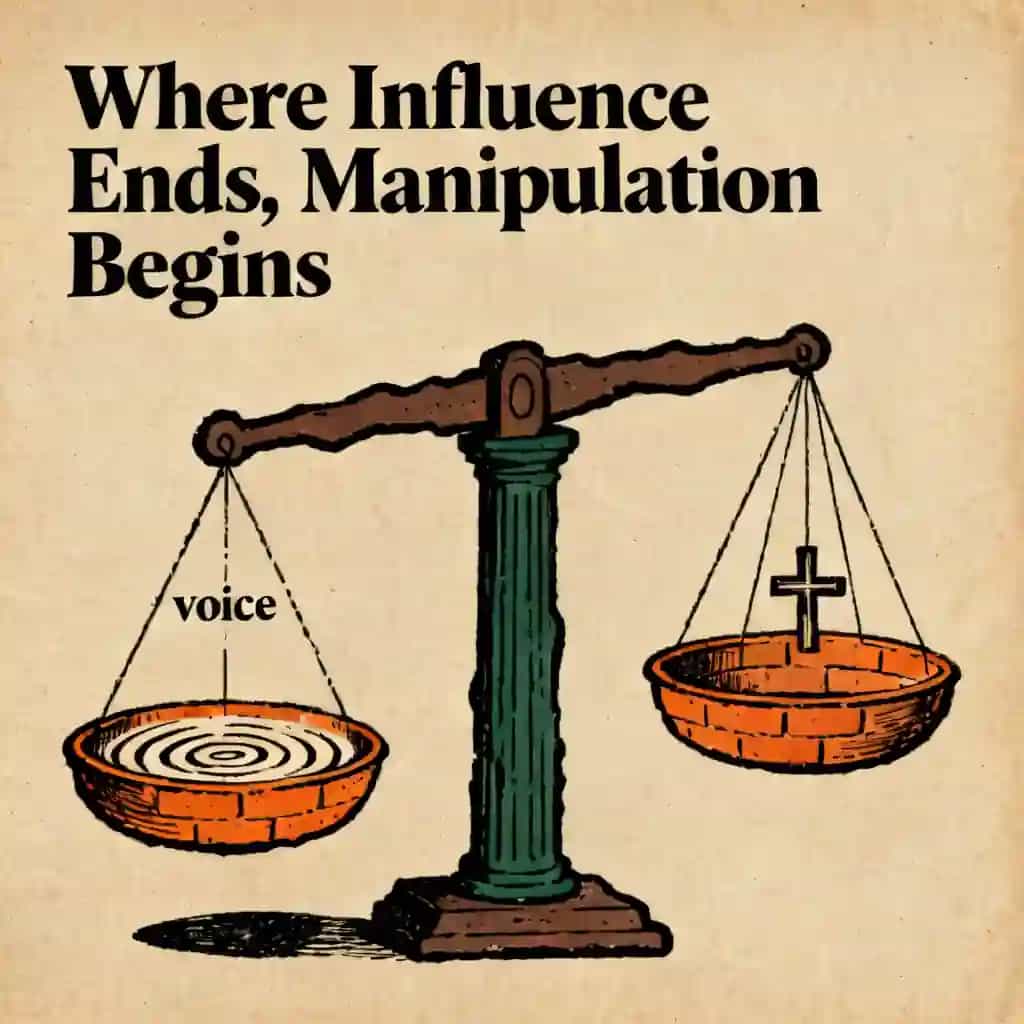
    Miles: That's exactly the assumption we need to challenge! See, when psychologists study this, they find that people who try to control others through manipulation—like gaslighting or coercion—actually end up with less real influence. It's like trying to hold water in your fist.

    Lena: Right, the tighter you squeeze, the more it slips away. But then what's the difference between healthy influence and manipulation?

    Miles: It comes down to intent and method. Manipulation exploits people's vulnerabilities for selfish gain, while genuine influence appeals to shared values and mutual benefit. The research from Stanford actually shows that simply asking someone "Can you tell me more about how you think about this?" makes them dramatically more open to changing their mind.

    Lena: That's incredible—so curiosity is more powerful than pressure. Let's explore how this completely reframes what it means to have influence over others.

    챕터 2

    The Psychology of Genuine Influence

    Miles: You know what's really interesting about that Stanford research? It reveals something profound about human psychology—people actually want to be influenced, but only in the right way.

    Lena: That sounds contradictory. How can people want to be influenced but resist it at the same time?

    Miles: Think about it this way—when someone you respect shares an insight that helps you see something differently, you feel grateful, right? But when someone tries to manipulate you into buying something you don't need, you feel violated. The difference is whether the influence serves your interests or exploits them.

    Lena: Ah, so it's about alignment. But how do we know when we're genuinely helping versus when we're just telling ourselves we're helping?

    Miles: That's the crucial question, and Robert Cialdini's research gives us a framework here. He identifies what he calls the "reciprocity principle"—when we genuinely help someone first, without expecting anything back, it creates authentic influence. But here's the key: the help has to be real and valuable to them, not just what we think they need.

    Lena: So it's not enough to have good intentions. We need to actually understand what serves the other person. But Miles, how do we develop that understanding?

    Miles: This is where emotional intelligence becomes critical. The research shows that people with high emotional intelligence don't just read emotions better—they're fundamentally more curious about other people's perspectives. They ask questions like "What would make this valuable for you?" instead of assuming they already know.

    Lena: That's fascinating. It's like the difference between a doctor who prescribes without examining the patient versus one who does a thorough diagnosis first. But what about when someone genuinely needs to change but doesn't want to?

    Miles: Perfect analogy, Lena. And that's where the research on "motivational interviewing" comes in. Instead of telling someone what they should do, you help them discover their own reasons for change. You might ask, "What concerns you most about staying where you are?" rather than listing all the problems you see.

    Lena: So we're essentially helping people persuade themselves. That seems so much more sustainable than external pressure.

    Miles: Exactly! Because when people generate their own reasons for change, they own those reasons. Studies show that self-generated arguments are up to four times more persuasive than the same arguments coming from someone else. It's like the difference between being pushed and choosing to walk in the same direction.

    이 에피소드로 더 깊이 배우기

    이 에피소드의 아이디어를 BeFreed의 가이드 학습 경험으로 더 깊이 탐구해 보세요.

    챕터 3

    The Neuroscience of Resistance and Acceptance

    Lena: Miles, you mentioned that people resist external pressure but accept self-generated insights. What's actually happening in the brain when this occurs?

    Miles: Oh, this is where it gets really fascinating. Neuroscientists have discovered that when people feel they're being pressured or controlled, their brain's threat detection system—the amygdala—literally lights up. It's the same response you'd have to a physical threat.

    Lena: So manipulation actually triggers a fight-or-flight response? That explains why high-pressure sales tactics feel so uncomfortable.

    Miles: Absolutely. But here's what's incredible—when people feel they have autonomy in a decision, completely different brain regions activate. The prefrontal cortex, which handles complex reasoning, becomes more engaged. It's like the difference between your brain being in defense mode versus exploration mode.

    Lena: That makes so much sense. When I feel pressured, I can barely think straight. But when someone creates space for me to think, I actually come up with better ideas. Is there research on how to create that mental space for others?

    Miles: There absolutely is. Studies on what's called "psychological reactance" show that people have an automatic impulse to restore their freedom when they feel it's being threatened. So phrases like "you have to" or "you should" actually make people less likely to comply, even when the suggestion is good for them.

    Lena: So the language we use literally changes how receptive someone's brain is to our ideas?

    Miles: Exactly. Instead of "you need to," research suggests phrases like "you might consider" or "what if you tried." These preserve the person's sense of choice, which keeps their brain in that open, exploratory state. It's like the difference between pushing a door marked "pull" versus reading the sign first.

    Lena: That's such a practical insight. But what about when we're dealing with someone who seems completely closed off to any influence at all?

    Miles: That's often a sign that their threat detection system is already activated—maybe from past experiences or current stress. The research on trauma-informed communication shows that the first step isn't trying to influence them at all. It's helping them feel safe enough to think clearly.

    Lena: So we need to address the emotional state before we can engage the rational mind. How do we do that without being manipulative?

    Miles: The key is genuine empathy, not strategic empathy. When you authentically try to understand someone's perspective—not to use it against them, but because you genuinely care—they can sense that. Mirror neurons in the brain actually allow people to detect whether your concern is real or performed.

    Lena: It's like people have a built-in authenticity detector. That's both humbling and encouraging—it means we can't fake our way to genuine influence, but we also don't need to be perfect communicators if our intentions are truly good.

    챕터 4

    The Authority Paradox

    Miles: Lena, there's something really counterintuitive about authority that most people get completely wrong. They think having power means people should automatically listen to you.

    Lena: Right, the whole "because I said so" approach. But I'm guessing that doesn't actually work very well?

    Miles: Not only does it not work well—it often backfires spectacularly. Stanley Milgram's famous obedience experiments showed that people will follow authority, but only under very specific conditions. And here's what's crucial: those conditions rarely exist in real-world relationships.

    Lena: What were those conditions? Because I remember learning about those experiments, and they were pretty disturbing.

    Miles: The key factors were isolation from other perspectives, gradual escalation of demands, and the authority figure taking full responsibility for the consequences. But in normal life, people have access to other viewpoints, they can see the full scope of what you're asking, and they know they'll bear the consequences of their choices.

    Lena: So positional authority alone isn't enough. But then how do people with legitimate authority—like managers or parents—actually influence behavior effectively?

    Miles: This is where the research on "expert authority" versus "legitimate authority" becomes crucial. People follow expert authority because they trust the person's knowledge and judgment. They follow legitimate authority only when they believe the authority figure has their best interests at heart.

    Lena: That's a huge distinction. It's like the difference between following a doctor's advice because they know medicine versus following orders because someone outranks you.

    Miles: Exactly! And here's what's fascinating—studies show that expert authority actually increases when you admit the limits of your knowledge. When a doctor says, "I'm not sure, but here's what I think based on my experience," people trust them more, not less.

    Lena: That's so counterintuitive. We think admitting uncertainty makes us look weak, but it actually builds credibility?

    Miles: Right, because it signals that you're more interested in being accurate than appearing infallible. Research on "intellectual humility" shows that leaders who acknowledge what they don't know create psychological safety for others to share information and push back when needed.

    Lena: So real authority comes from competence plus humility, not just position or confidence. But Miles, what about when you need to make a decision that people won't like, even if it's the right one?

    Miles: That's where transparent reasoning becomes critical. Studies show that people can accept decisions they disagree with if they understand the reasoning and feel the process was fair. It's not about getting everyone to agree—it's about helping them understand how you reached your conclusion.

    Lena: So we're back to that theme of respect for people's intelligence. Instead of trying to sell them on the outcome, we share our thinking process and let them evaluate it.

    Miles: Exactly. And here's the beautiful thing—when people understand your reasoning, even if they disagree with your conclusion, they're more likely to implement the decision effectively because they can see the logic behind it.

    이 에피소드로 더 깊이 배우기

    이 에피소드의 아이디어를 BeFreed의 가이드 학습 경험으로 더 깊이 탐구해 보세요.

    챕터 5

    The Social Proof Phenomenon

    Lena: Miles, I want to dig into something that seems really powerful but also potentially dangerous—this idea of social proof. How do people use what others are doing to make their own decisions?

    Miles: Oh, this is one of Cialdini's most researched principles, and it's absolutely everywhere once you start noticing it. Basically, when people are uncertain about what to do, they look to what similar others are doing as a guide. It's like an automatic mental shortcut.

    Lena: That makes sense from an evolutionary perspective—if everyone else is running from something, you probably should too. But how does this play out in influence situations?

    Miles: Here's a perfect example from the research: hotels that put signs in bathrooms saying "most guests reuse their towels" get significantly higher compliance than signs that just talk about environmental benefits. People want to know what the norm is, especially among people like them.

    Lena: So it's not just any social proof—it's proof from people we identify with. That seems like it could be really powerful for positive change, but also concerning for manipulation.

    Miles: You've hit on something crucial there. The ethical line is whether you're accurately representing what people actually do, or whether you're creating false social proof to manipulate behavior. Honest social proof can be incredibly helpful—like showing someone that most people in their situation choose the healthier option.

    Lena: Right, because if it's true that most people make the better choice, sharing that information helps people overcome their own resistance or uncertainty. But what about when most people aren't making the better choice?

    Miles: That's where you have to be really careful about how you frame things. Instead of highlighting negative social proof—like "most people don't exercise regularly"—research shows it's better to focus on positive trends, like "more people are discovering the benefits of regular movement."

    Lena: So we're not lying, but we're choosing which true facts to emphasize. That feels like a gray area ethically.

    Miles: It absolutely is, and that's why intent matters so much. If you're highlighting positive trends because you genuinely believe the behavior serves people well, that's different from manipulating statistics to sell something harmful. The question is always: does this serve their interests or just mine?

    Lena: That's a good test. But Miles, what about situations where you're trying to influence someone to do something that really is in their best interest, but they're surrounded by social proof pointing in the wrong direction?

    Miles: This is where you might need to help them find different reference groups or reframe who they're comparing themselves to. For instance, instead of "most people your age," you might focus on "people who share your values" or "people who've achieved what you want to achieve."

    Lena: So we're helping them choose more relevant comparison groups. That actually seems like it would lead to better decisions, not just different ones.

    Miles: Exactly! Because when people compare themselves to others who are actually similar in relevant ways, they get better information for their decisions. It's like the difference between comparing your fitness progress to a professional athlete versus someone who started from a similar place as you.

    챕터 6

    The Reciprocity Revolution

    Lena: I want to explore this reciprocity principle more deeply, Miles, because it seems like it could easily cross the line into manipulation. How do we use reciprocity ethically?

    Miles: That's such an important question, Lena. The research shows that reciprocity is hardwired into human psychology—we feel obligated to return favors. But there's a huge difference between authentic generosity and calculated giving designed to create obligation.

    Lena: What's the difference? Because on the surface, both involve giving something first.

    Miles: The key is in your motivation and expectations. Authentic reciprocity comes from genuinely wanting to help, with no strings attached. You're not keeping score or expecting specific returns. Manipulative reciprocity is strategic—you give something small to get something bigger back.

    Lena: So it's about the spirit behind the action, not just the action itself. But how can people tell the difference? Can they sense when someone has ulterior motives?

    Miles: Research on "thin slice" judgments shows that people are remarkably good at detecting authenticity, even from brief interactions. When your generosity is genuine, your body language, tone, and word choice all align differently than when you're being strategic.

    Lena: That's fascinating—so our unconscious communication reveals our true intentions. But what about situations where you genuinely want to help someone, and you also hope it might influence their decision in a direction you think is good for them?

    Miles: That's where most real-world situations actually fall, and it's totally normal to have mixed motives. The ethical key is being honest about those motives, at least with yourself. If you're helping someone because you care about them and you also hope they'll consider your perspective, that's different from helping them just to manipulate their decision.

    Lena: So self-awareness is crucial. We need to examine our own motivations honestly. But practically speaking, how do we give in ways that build genuine relationship rather than obligation?

    Miles: One approach from the research is to give things that are valuable to them but not costly to you—like sharing relevant information, making introductions, or offering encouragement. These create positive feelings without the sense of debt that comes from expensive gifts.

    Lena: That makes sense. It's like the difference between sharing an article you think they'd find interesting versus buying them an expensive dinner. One feels like generosity, the other might feel like pressure.

    Miles: Exactly! And here's something really interesting from the studies—when people feel genuinely cared for rather than indebted, they're actually more open to influence, not less. It's like they trust your judgment more because they know you have their interests at heart.

    Lena: So genuine care is more influential than creating obligation. That's both reassuring and challenging—it means we can't shortcut our way to influence through manipulation, but we also can't be effective if we don't genuinely care about the people we're trying to influence.

    Miles: That's beautifully put, Lena. And it explains why the most influential people are often those who've built authentic relationships over time, not those who've mastered manipulation techniques.

    이 에피소드로 더 깊이 배우기

    이 에피소드의 아이디어를 BeFreed의 가이드 학습 경험으로 더 깊이 탐구해 보세요.

    챕터 7

    The Commitment and Consistency Code

    Lena: Miles, there's something I've been thinking about regarding this idea of commitment and consistency. People seem to have a strong drive to be consistent with what they've said or done before. How does this factor into ethical influence?

    Miles: This is one of the most powerful psychological principles, and it cuts both ways. When people make a commitment—especially if it's voluntary, public, and written down—they feel internal pressure to follow through. The question is whether we're helping people make commitments that serve them or manipulating them into commitments that serve us.

    Lena: Give me an example of how this could go wrong versus how it could be helpful.

    Miles: Sure. The manipulative version is the classic "lowball" technique—getting someone to agree to something, then changing the terms after they've committed. Like agreeing to a car price, then having "additional fees" appear at signing. They often go through with it because they've already committed mentally to buying the car.

    Lena: That feels gross just hearing about it. What would the ethical version look like?

    Miles: The ethical version helps people clarify their own values and make commitments aligned with those values. Like a coach asking, "What kind of person do you want to be in this situation?" and helping them commit to actions that match their self-image. The commitment serves their goals, not the coach's agenda.

    Lena: So we're helping people become more consistent with their authentic selves, rather than tricking them into consistency with arbitrary commitments. That seems like it would actually increase their sense of integrity.

    Miles: Exactly! Research on "identity-based habits" shows that when people see their actions as expressions of who they are—like "I'm someone who keeps their word" or "I'm someone who takes care of their health"—the behavior becomes much more sustainable.

    Lena: That's interesting. It's like we're helping people connect their actions to their identity rather than to external pressures. But what about when someone has made a commitment that's not serving them anymore? How do we help them break free from destructive consistency?

    Miles: That's where you help them examine whether the commitment still aligns with their deeper values. Sometimes people stay committed to things that made sense in the past but don't serve them now. The key is helping them see that changing course can actually be more consistent with who they want to be.

    Lena: So true consistency isn't about never changing—it's about staying true to your core values even when that means changing your behavior.

    Miles: Beautifully said! And research backs this up—people who have clear values but flexible strategies are both happier and more effective than people who rigidly stick to past commitments that no longer serve them.

    Lena: This reframes consistency from a trap into a tool. Instead of being locked into past decisions, we can use our drive for consistency to support our growth and values.

    Miles: Exactly. And when you help someone make a commitment that genuinely aligns with their values and serves their interests, you're not manipulating them—you're helping them become more themselves.

    챕터 8

    The Liking Paradox

    Lena: Here's something that seems obvious but might not be—people are more easily influenced by people they like. But Miles, this feels like it could lead to some really superficial manipulation tactics.

    Miles: You're absolutely right to be concerned about that, Lena. There's a whole industry built around fake rapport-building techniques—mirroring body language, finding artificial commonalities, using someone's name excessively. But research shows these tactics often backfire because people can sense when liking is being manufactured.

    Lena: So what's the difference between authentic connection and manipulative rapport-building?

    Miles: Authentic connection comes from genuine curiosity and appreciation for the other person. You're interested in them as a human being, not just as someone to influence. Manipulative rapport-building is strategic—you're performing interest to create a feeling of connection you can exploit.

    Lena: That distinction seems crucial, but also subtle. How can we tell when we're crossing that line ourselves?

    Miles: Great question. One test is: would you still want to connect with this person if you had nothing to gain from them? If you're only interested in the relationship because of what they can do for you, that's probably manipulation. If you'd genuinely enjoy their company regardless, that's authentic connection.

    Lena: So it's about whether we value the person themselves or just their utility to us. But what about professional relationships where there is a transactional element? Like with clients or colleagues?

    Miles: Even in professional contexts, you can have genuine appreciation for people. You might respect someone's expertise, enjoy their sense of humor, or admire their work ethic. The key is that these feelings are real, not performed for strategic purposes.

    Lena: That makes sense. It's like the difference between networking to collect contacts versus networking to meet interesting people. The approach and the feeling are completely different.

    Miles: Exactly! And here's what's fascinating from the research—when people sense that your interest in them is genuine, they're not only more open to influence, they're also more likely to have your best interests at heart in return. It becomes genuinely mutual.

    Lena: So authentic liking creates a positive cycle where both people are looking out for each other. But what about situations where you need to influence someone you genuinely don't like or respect?

    Miles: That's really challenging, and honestly, it might be better to have someone else handle that relationship if possible. But if you must, the research suggests focusing on finding something genuinely respectable about them—their dedication to their family, their expertise in some area, their persistence. You need to find authentic appreciation, not fake it.

    Lena: So we're looking for genuine points of connection rather than trying to like everything about them. That seems more honest and sustainable.

    Miles: Right. And sometimes the most respectful thing is to acknowledge that you're different people with different approaches, but you can still work together effectively. Authentic professional respect can be more influential than fake personal liking.

    이 에피소드로 더 깊이 배우기

    이 에피소드의 아이디어를 BeFreed의 가이드 학습 경험으로 더 깊이 탐구해 보세요.

    챕터 9

    Your Ethical Influence Playbook

    Lena: Alright Miles, let's get practical here. Our listeners have been absorbing all this research and theory, but they're probably wondering: how do I actually apply this in my daily life without becoming manipulative?

    Miles: Such a crucial question, Lena. Let me share what I think of as the "integrity check" framework. Before any influence attempt, ask yourself three questions: Does this serve their interests? Am I being transparent about my motives? Would I want someone to influence me this way?

    Lena: Those are really good filters. Let's break them down. The first one—does this serve their interests—seems like it requires us to really understand what's good for someone else. How do we avoid the trap of thinking we know what's best for people?

    Miles: The key is to ask them, not assume. Instead of "I think you should do this because it's good for you," try "Help me understand what success looks like from your perspective." You're gathering information about their values and goals before suggesting anything.

    Lena: So we're starting with curiosity rather than conclusions. What about the transparency piece? How much do we need to reveal about our own motivations?

    Miles: You don't need to share every thought, but you should be honest about any significant conflicts of interest or personal stakes you have in their decision. Like, "I want to suggest something, and I should mention that I'd also benefit if you chose this option, but I genuinely think it could help you too."

    Lena: That level of honesty feels vulnerable, but I imagine it actually builds trust rather than undermining it.

    Miles: Research confirms exactly that. When people sense you're being transparent about your motivations, they're more likely to trust your judgment, even when you have skin in the game. It's the cover-up that destroys credibility, not the conflict of interest itself.

    Lena: And that third question—would I want someone to influence me this way—that's like the golden rule applied to persuasion.

    Miles: Exactly! If you wouldn't want someone using a particular technique on you, that's probably a sign it crosses ethical lines. But here's what's beautiful about this approach—ethical influence techniques are also more effective long-term than manipulative ones.

    Lena: How so?

    Miles: When people feel respected and genuinely cared for in an influence interaction, they're more likely to implement the decision wholeheartedly, recommend you to others, and trust you in future situations. Manipulation might win you one battle, but it loses you the war.

    Lena: So ethics and effectiveness align—that's encouraging. But what about specific techniques? Are there particular phrases or approaches that tend to be both ethical and effective?

    Miles: Absolutely. Instead of "You should," try "You might consider." Instead of "The right answer is," try "One option that's worked for others is." Instead of "You need to," try "What would happen if you tried." These preserve the person's sense of choice while sharing your perspective.

    Lena: Those subtle language changes probably make a huge difference in how people receive our suggestions. Any other practical tips?

    Miles: One more big one: always leave room for them to say no gracefully. If someone feels trapped or pressured, they'll either resist or comply resentfully. But if they feel genuinely free to choose, they're more likely to choose well and feel good about it.

    챕터 10

    The Ripple Effect of Ethical Influence

    Lena: Miles, as we wrap up our exploration today, I'm struck by something bigger than just individual influence techniques. It seems like when we influence others ethically, we're actually modeling a way of being that could transform how people interact with each other.

    Miles: That's such a profound insight, Lena. Every time we choose curiosity over pressure, transparency over manipulation, or genuine care over strategic positioning, we're not just achieving a short-term goal—we're demonstrating that there's a better way to navigate human relationships.

    Lena: Right, it's like we're teaching people that they can trust others to have their best interests at heart, which probably makes them more open to positive influence in the future.

    Miles: Exactly! And research on social modeling shows that people learn more from what we do than what we say. When someone experiences ethical influence—where they feel respected, heard, and genuinely cared for—they're more likely to influence others the same way.

    Lena: So ethical influence is contagious in the best possible way. But I'm also thinking about the personal impact. How does it change us when we commit to influencing others with integrity?

    Miles: That's where it gets really interesting. Studies on moral behavior show that acting with integrity actually strengthens our capacity for integrity. It's like a muscle that gets stronger with use. Plus, when you build influence through authentic relationships and genuine value creation, you sleep better at night.

    Lena: There's something beautiful about that—the methods that feel right are also the ones that create the most sustainable results. But Miles, what about people who are currently using more manipulative approaches? Is it possible to change course without losing effectiveness?

    Miles: Absolutely, though there might be a transition period. Some relationships built on manipulation might not survive the shift to authenticity, but that's actually a good thing. You'll end up with fewer but stronger, more genuine connections that serve you better long-term.

    Lena: So it's like clearing out relationships that were based on false premises to make room for real ones. That sounds both scary and liberating.

    Miles: It really is both. But here's what people often discover—when you stop trying to control outcomes and start focusing on serving others genuinely, you often get better outcomes than you were trying to force. It's like the difference between pushing a rope and pulling it.

    Lena: That's such a perfect metaphor. And it brings us back to where we started—true influence isn't about control at all. It's about connection, service, and mutual respect.

    Miles: Beautifully said, Lena. For everyone listening, remember that every interaction is an opportunity to practice this approach. Start small, be patient with yourself as you develop these skills, and trust that doing right by others is ultimately the most effective strategy of all.

    Lena: Thank you so much for this fascinating conversation, Miles. To our listeners, we'd love to hear how you're applying these ideas in your own relationships and leadership. What's working? What's challenging? Your experiences help all of us learn and grow together.

    Miles: Absolutely. Keep questioning, keep growing, and remember—the goal isn't to become someone who can control others, but to become someone others trust to have their best interests at heart. That's where real influence lives.

    ★★★★★

    The Control Paradox: True Influence vs Manipulation의 끝까지 도달했어요

    “23일째 매일 사용하고 있어요. 이제 제 일상의 한 부분이 되었습니다.”

    jayallen

    The Control Paradox: True Influence vs Manipulation 베스트 인용

    “

    True influence actually comes from the exact opposite of control. When people generate their own reasons for change, they own those reasons, making self-generated arguments up to four times more persuasive than the same arguments coming from someone else.

    ”
    N

    Generated by Nhlanhla Malashe

    질문 입력

    How to control people

    호스트 음성
    Lenaplay
    Milesplay
    지식 출처
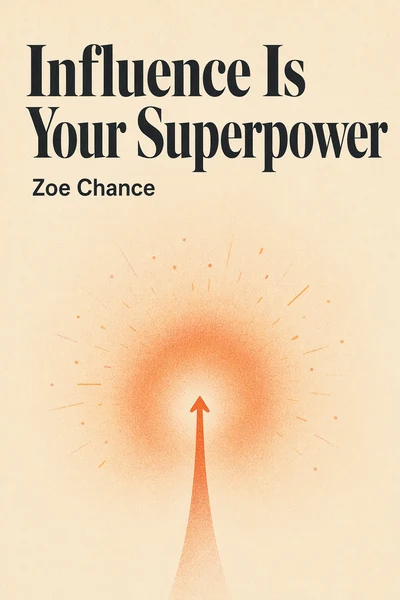
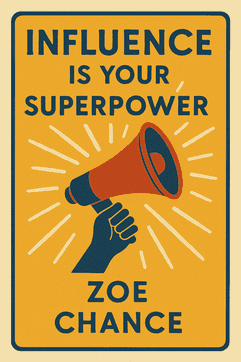
    Influence Is Your Superpower
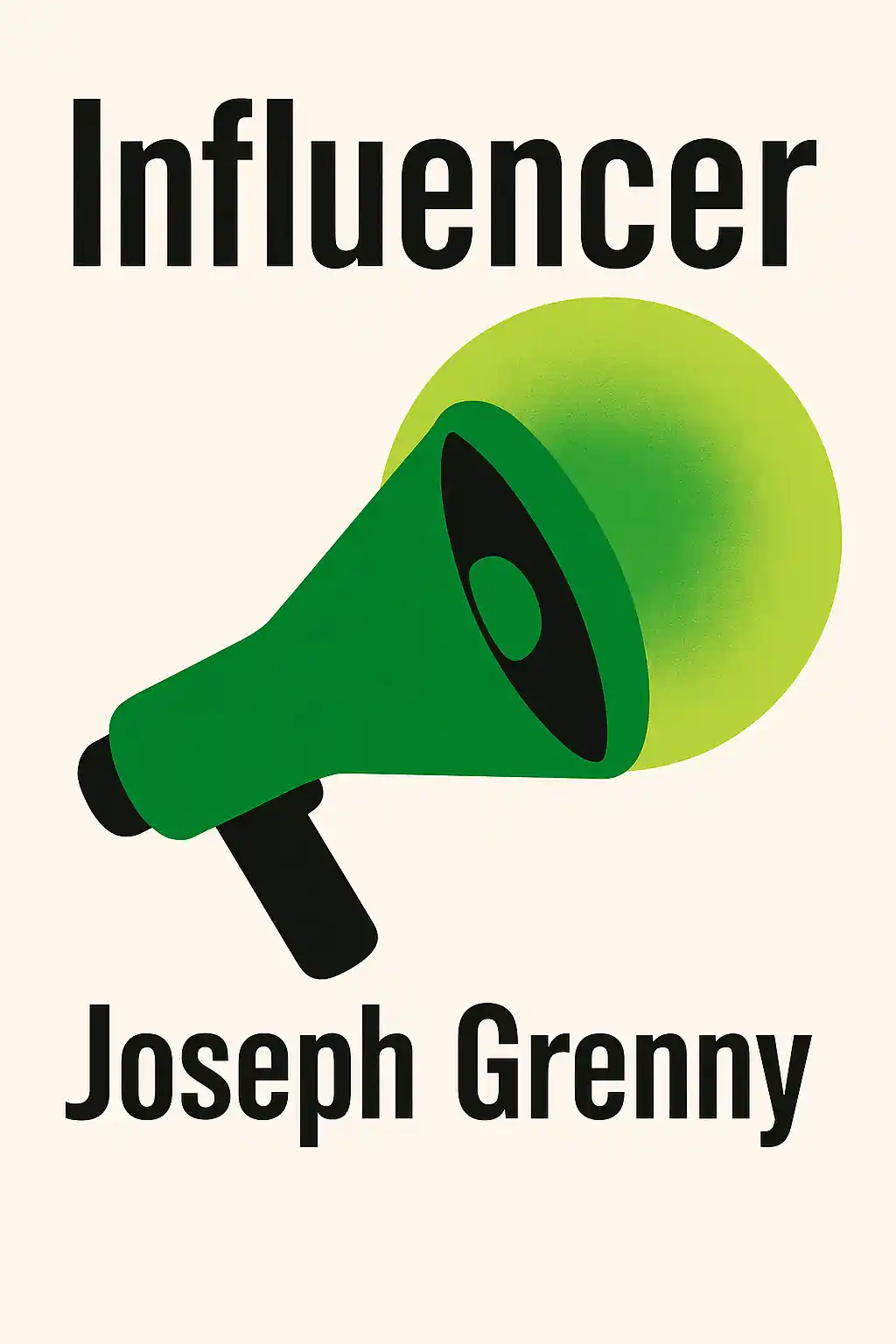
    Influencer
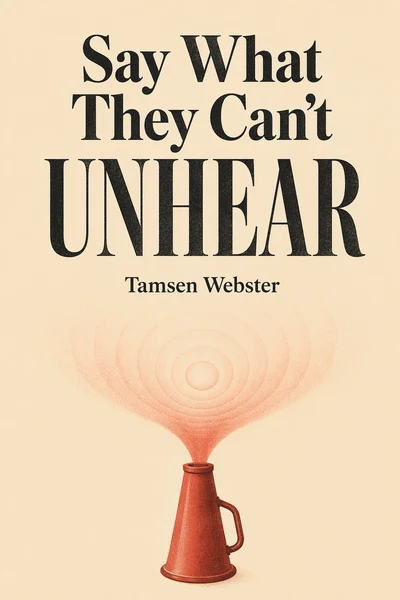
    Say What They Can't Unhear
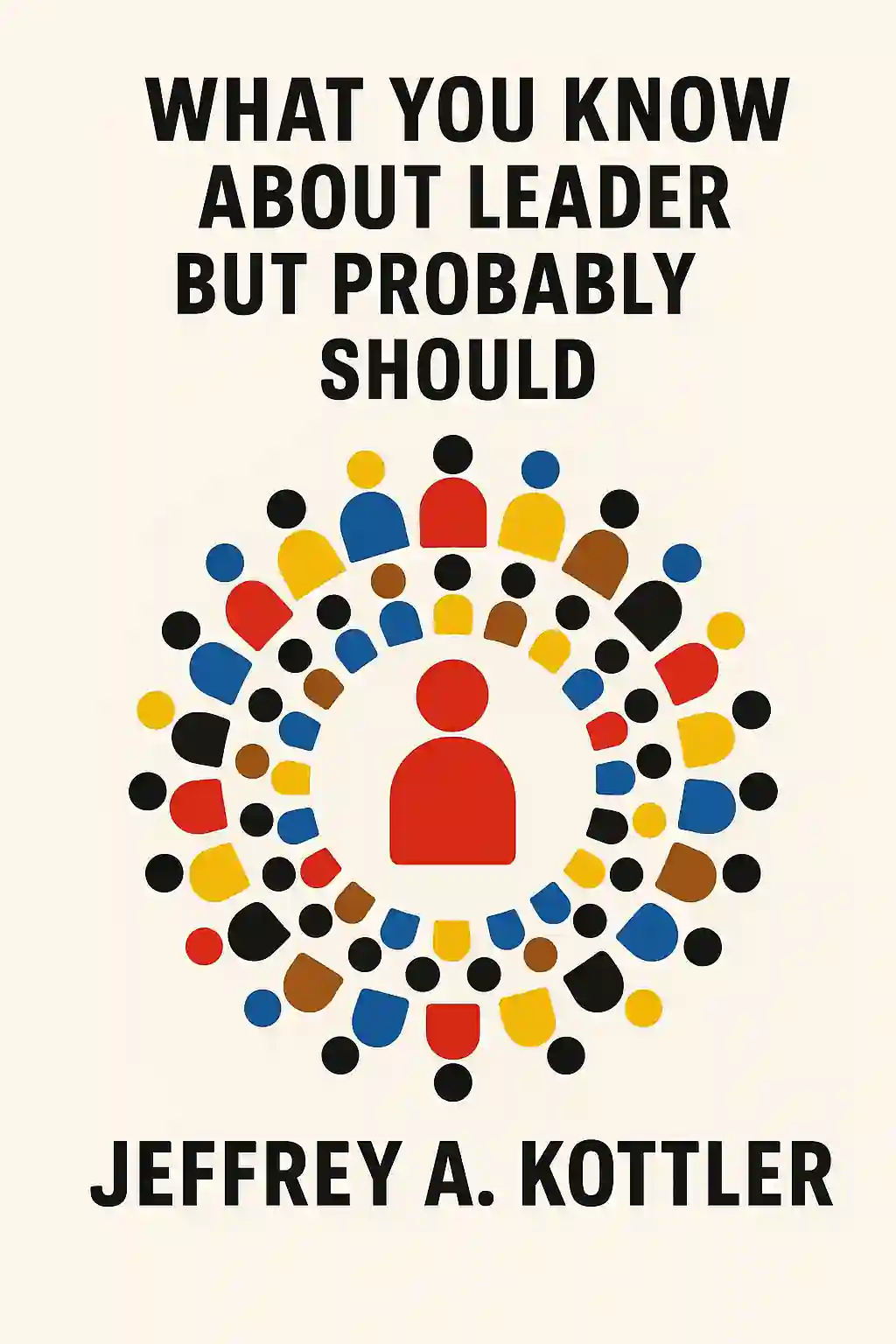
    What You Don't Know about Leadership, But Probably Should
    Yes!
    The Art of Seduction

    컬럼비아 대학교 동문들이 제작 | 샌프란시스코에서 개발

    BeFreed는 호기심 넘치는 글로벌 커뮤니티를 하나로 연결합니다

    4.7

    평균 평점

    앱 평가 7.84천 개 이상

    BeFreed 커뮤니티

    정말이지 아직 앱을 다 써 보지도 않았는데, 며칠 써 본 것만으로도 깊은 인상을 받았어요… BeFreed는 제가 써 본 어떤 학습 앱과도 차원이 달라요. 몰입감이 엄청나고 집중력도 실제로 좋아져서, 스마트폰을 하염없이 스크롤하는 분들께 딱이에요!

    @ladyInfinity

    정확히 23일 전에 BeFreed를 구입했는데, 그날부터 하루도 빠짐없이 쓰고 있어요. 제 일상 업무 흐름과 학습 습관에 완전히 자리 잡았어요.

    @jayallen

    솔직히 이 앱은 제 기대를 전부 뛰어넘었어요. 어떤 주제든 오디오로 만들어 달라고 할 수 있고, 결과물이 놀라워요. 제 전문 분야는 심리치료 쪽이고 여러 학문이 얽혀 있는데도 답변이 아주 정확해요.

    @Raguipa

    제일 고마운 건 스크롤하는 시간이 확 줄었다는 거예요. 검색하는 시간은 줄고 흡수하는 시간은 늘었어요. 오디오북 전권, 팟캐스트, 학습 플랜의 조합이 정말 훌륭해요.

    @colonyofcreatorsNGO

    저는 24년째 PhotoReading 속진 학습 강사로 일하고 있어요… 책과 독서, 배움이 제 전문인데, BeFreed는 정보를 소화하기 쉽게 전달하는 혁신적인 방식을 정말 잘 구현했어요.

    @BeFreed user

    단순한 책 요약 앱이 아니에요. '재미' 스타일을 써 봤는데, 전통적인 방식보다 훨씬 나은 요약이고 아이디어를 이해하기도 쉬워요. 이것만으로도 값어치를 해요.

    @austinakon

    이 앱이 정말 좋아요. 며칠 써 봤는데 듣는 걸 멈출 수가 없어요. 시작하기에 이보다 좋을 수 없어요.

    @jcrules328

    정말 마음에 들어요. 한 달 정도 써 봤는데 숨은 보석을 찾은 기분이에요. BeFreed로 제가 원하는 주제를 직접 만들 수 있어서 좋고, 목소리도 훌륭한 데다 내레이션 선택지가 무궁무진해요.

    @DanielCZ

    정말이지 아직 앱을 다 써 보지도 않았는데, 며칠 써 본 것만으로도 깊은 인상을 받았어요… BeFreed는 제가 써 본 어떤 학습 앱과도 차원이 달라요. 몰입감이 엄청나고 집중력도 실제로 좋아져서, 스마트폰을 하염없이 스크롤하는 분들께 딱이에요!

    @ladyInfinity

    정확히 23일 전에 BeFreed를 구입했는데, 그날부터 하루도 빠짐없이 쓰고 있어요. 제 일상 업무 흐름과 학습 습관에 완전히 자리 잡았어요.

    @jayallen

    솔직히 이 앱은 제 기대를 전부 뛰어넘었어요. 어떤 주제든 오디오로 만들어 달라고 할 수 있고, 결과물이 놀라워요. 제 전문 분야는 심리치료 쪽이고 여러 학문이 얽혀 있는데도 답변이 아주 정확해요.

    @Raguipa

    제일 고마운 건 스크롤하는 시간이 확 줄었다는 거예요. 검색하는 시간은 줄고 흡수하는 시간은 늘었어요. 오디오북 전권, 팟캐스트, 학습 플랜의 조합이 정말 훌륭해요.

    @colonyofcreatorsNGO

    저는 24년째 PhotoReading 속진 학습 강사로 일하고 있어요… 책과 독서, 배움이 제 전문인데, BeFreed는 정보를 소화하기 쉽게 전달하는 혁신적인 방식을 정말 잘 구현했어요.

    @BeFreed user

    단순한 책 요약 앱이 아니에요. '재미' 스타일을 써 봤는데, 전통적인 방식보다 훨씬 나은 요약이고 아이디어를 이해하기도 쉬워요. 이것만으로도 값어치를 해요.

    @austinakon

    이 앱이 정말 좋아요. 며칠 써 봤는데 듣는 걸 멈출 수가 없어요. 시작하기에 이보다 좋을 수 없어요.

    @jcrules328

    정말 마음에 들어요. 한 달 정도 써 봤는데 숨은 보석을 찾은 기분이에요. BeFreed로 제가 원하는 주제를 직접 만들 수 있어서 좋고, 목소리도 훌륭한 데다 내레이션 선택지가 무궁무진해요.

    @DanielCZ

    유용한 정보와 아이디어를 8~15분짜리 팟캐스트 스타일 오디오로 압축해서 들을 수 있다는 게 정말 좋아요. 원래 팟캐스트는 군더더기가 많아서 안 좋아했는데, 여기는 그걸 싹 걷어냈어요.

    @BeFreed user

    박사 과정을 마무리하는 중이라 낯선 자료를 많이 읽어야 해요… BeFreed에서는 프롬프트만 입력하면 앱이 자료를 찾아서 오디오 팟캐스트로 만들어 줘요. BeFreed의 과정이 NotebookLM보다 더 매끄럽게 느껴져요.

    @Brad

    아침을 준비하거나 산책하거나 출퇴근할 때 들을 것을 YouTube에서 자주 찾곤 했는데, BeFreed는 광고도 군더더기도 없이 훨씬 더 딱 맞는 걸 들려줘요!

    @BeFreed user

    이 플랫폼의 가장 큰 장점은 활용도예요. 다루지 못하는 주제가 말 그대로 하나도 없어요. 무엇을 던져도 다 소화해요… 제한이 전혀 없으면서 약속을 실제로 지키는 학습 도구는 정말 드물어요.

    @jayallen

    BeFreed는 환상적이에요. 디자인이 편해서 헤매는 시간은 줄고 배우는 시간은 늘었어요. 오디오북, 팟캐스트, 학습 플랜의 조합은 천재적이에요. 제 하루가 완전히 달라졌어요.

    @BeFreed user

    처음엔 이탈리아어로 팟캐스트를 만드는 방법을 이해하는 데 시간이 좀 걸렸는데, 알고 나니까 — 와! 정말 대단해요! 어떤 주제든 설명해 달라고 하면 정말 똑똑하게 잘 설명해 줘요!

    @matteo77

    BeFreed는 제가 매일 쓰는 오디오북 앱이 됐어요… 제일 마음에 드는 건 텍스트를 넣으면 이동 중에도 들을 수 있는 오디오로 만들어 준다는 점이에요.

    @kotanzu1

    유용한 정보와 아이디어를 8~15분짜리 팟캐스트 스타일 오디오로 압축해서 들을 수 있다는 게 정말 좋아요. 원래 팟캐스트는 군더더기가 많아서 안 좋아했는데, 여기는 그걸 싹 걷어냈어요.

    @BeFreed user

    박사 과정을 마무리하는 중이라 낯선 자료를 많이 읽어야 해요… BeFreed에서는 프롬프트만 입력하면 앱이 자료를 찾아서 오디오 팟캐스트로 만들어 줘요. BeFreed의 과정이 NotebookLM보다 더 매끄럽게 느껴져요.

    @Brad

    아침을 준비하거나 산책하거나 출퇴근할 때 들을 것을 YouTube에서 자주 찾곤 했는데, BeFreed는 광고도 군더더기도 없이 훨씬 더 딱 맞는 걸 들려줘요!

    @BeFreed user

    이 플랫폼의 가장 큰 장점은 활용도예요. 다루지 못하는 주제가 말 그대로 하나도 없어요. 무엇을 던져도 다 소화해요… 제한이 전혀 없으면서 약속을 실제로 지키는 학습 도구는 정말 드물어요.

    @jayallen

    BeFreed는 환상적이에요. 디자인이 편해서 헤매는 시간은 줄고 배우는 시간은 늘었어요. 오디오북, 팟캐스트, 학습 플랜의 조합은 천재적이에요. 제 하루가 완전히 달라졌어요.

    @BeFreed user

    처음엔 이탈리아어로 팟캐스트를 만드는 방법을 이해하는 데 시간이 좀 걸렸는데, 알고 나니까 — 와! 정말 대단해요! 어떤 주제든 설명해 달라고 하면 정말 똑똑하게 잘 설명해 줘요!

    @matteo77

    BeFreed는 제가 매일 쓰는 오디오북 앱이 됐어요… 제일 마음에 드는 건 텍스트를 넣으면 이동 중에도 들을 수 있는 오디오로 만들어 준다는 점이에요.

    @kotanzu1

    웹에서 BeFreed가 어떻게 논의되고 있는지 더 보기
    129.7K19.5K
    55.2K19.2K
    154.2K10827355
    48.1K2.5K
    81.2K6.6K
    82.3K1.8K
    지금 바로 학습 여정을 시작하세요
    BeFreed 앱
    BeFreed

    무엇이든 개인화된 학습

    DiscordLinkedIn
    추천 도서 요약
    Crucial ConversationsThe Perfect MarriageInto the WildNever Split the DifferenceAttachedGood to GreatSay Nothing
    인기 카테고리
    Self HelpCommunication SkillRelationshipMindfulnessPhilosophyInspirationProductivity
    유명인 추천 도서
    Elon MuskCharlie KirkBill GatesSteve JobsAndrew HubermanJoe RoganJordan Peterson
    수상작 컬렉션
    Pulitzer PrizeNational Book AwardGoodreads Choice AwardsNobel Prize in LiteratureNew York TimesCaldecott MedalNebula Award
    추천 주제
    ManagementAmerican HistoryWarTradingStoicismAnxietySex
    연도별 베스트 도서
    2025 Best Non Fiction Books2024 Best Non Fiction Books2023 Best Non Fiction Books
    추천 저자
    Chimamanda Ngozi AdichieGeorge OrwellO. J. SimpsonBarbara O'NeillWinston ChurchillCharlie Kirk
    BeFreed vs 다른 앱
    BeFreed vs. Other Book Summary AppsBeFreed vs. ElevenReaderBeFreed vs. ReadwiseBeFreed vs. Anki
    학습 도구
    Knowledge VisualizerAI Podcast Generator
    정보
    회사 소개arrow
    가격arrow
    FAQarrow
    블로그arrow
    채용arrow
    파트너십arrow
    앰배서더 프로그램arrow
    디렉토리arrow
    BeFreed
    Try now
    © 2026 BeFreed
    이용 약관개인정보 처리방침
    BeFreed

    무엇이든 개인화된 학습

    DiscordLinkedIn
    추천 도서 요약
    Crucial ConversationsThe Perfect MarriageInto the WildNever Split the DifferenceAttachedGood to GreatSay Nothing
    인기 카테고리
    Self HelpCommunication SkillRelationshipMindfulnessPhilosophyInspirationProductivity
    유명인 추천 도서
    Elon MuskCharlie KirkBill GatesSteve JobsAndrew HubermanJoe RoganJordan Peterson
    수상작 컬렉션
    Pulitzer PrizeNational Book AwardGoodreads Choice AwardsNobel Prize in LiteratureNew York TimesCaldecott MedalNebula Award
    추천 주제
    ManagementAmerican HistoryWarTradingStoicismAnxietySex
    연도별 베스트 도서
    2025 Best Non Fiction Books2024 Best Non Fiction Books2023 Best Non Fiction Books
    학습 도구
    Knowledge VisualizerAI Podcast Generator
    추천 저자
    Chimamanda Ngozi AdichieGeorge OrwellO. J. SimpsonBarbara O'NeillWinston ChurchillCharlie Kirk
    BeFreed vs 다른 앱
    BeFreed vs. Other Book Summary AppsBeFreed vs. ElevenReaderBeFreed vs. ReadwiseBeFreed vs. Anki
    정보
    회사 소개arrow
    가격arrow
    FAQarrow
    블로그arrow
    채용arrow
    파트너십arrow
    앰배서더 프로그램arrow
    디렉토리arrow
    BeFreed
    Try now
    © 2026 BeFreed
    이용 약관개인정보 처리방침

    비슷한 콘텐츠

    Influence Without Control: Authentic Leadership Secrets 책 표지
    Influence is Your SuperpowerFlipnosisThe Art of Influencing AnyoneYes!
    26 sources
    Influence Without Control: Authentic Leadership Secrets
    Discover the crucial difference between controlling people and genuine influence. Learn how the best leaders inspire others through trust, empowerment, and authentic connection rather than manipulation.
    32 min
    The Ethics of Influence 책 표지
    Influence is Your SuperpowerFlipnosisSay What They Can't UnhearThe Art of Influencing Anyone
    25 sources
    The Ethics of Influence
    Explore the crucial difference between ethical influence and manipulation, and how understanding psychology can build authentic connections rather than control others—a path that leads to more fulfilling relationships.
    14 min
    Mastering the Control Paradox 책 표지
    Basic Heat TransferSoftware EngineeringThinking in SystemsThe Mythical Man-Month
    30 sources
    Mastering the Control Paradox
    Explore the fascinating tension between our universal desire for control and the counterintuitive reality that sometimes letting go gives us more power, with practical insights for finding balance in life's chaos.
    32 min
    The Ethics of Influence 책 표지
    Ethical Persuasion: Influence vs. ManipulationDark Psychology: Definition, Techniques, and MoreDark Psychology: Unveiling Hidden Human Behavior SecretsDark Triad: S-Tier Behavioral Designer's Guide | Yu-kai Chou
    5 sources
    The Ethics of Influence
    Discover the thin line between persuasion and manipulation. Learn to spot the tactics of dark psychology and build a defense against hidden control.
    23 min
    The Manipulation vs Influence Line 책 표지
    Say What They Can't UnhearYes!The Art of Influencing AnyoneInfluence is Your Superpower
    25 sources
    The Manipulation vs Influence Line
    Exploring the thin ethical boundary between persuasion and manipulation, revealing the psychological tactics that make influence so powerful and how to recognize when you're being manipulated.
    24 min
    Influence: The Psychology of Persuasion 책 표지
    [influence-the-psychology-of-persuasion-by-phd-robert-b-cialdini:c0000] Influence p1-1[influence-the-psychology-of-persuasion-by-phd-robert-b-cialdini:c0001] Influence p1-1[influence-the-psychology-of-persuasion-by-phd-robert-b-cialdini:c0002] Influence p1-1[influence-the-psychology-of-persuasion-by-phd-robert-b-cialdini:c0003] Influence p1-1
    13 sources
    Influence: The Psychology of Persuasion
    We often make choices on autopilot, leaving us vulnerable to manipulation. Discover the six triggers that drive human behavior to regain your autonomy.
    1842 min
    The Mindful Leader's Influence Paradox 책 표지
    True NorthSimple Truths of LeadershipExtraordinary Influence
    3 sources
    The Mindful Leader's Influence Paradox
    Discover how authentic leadership, servant leadership, and neuroscience create a powerful framework for leading with both effectiveness and integrity. Learn practical strategies to cultivate genuine influence while remaining authentically mindful.
    11 min
    The Mechanics of Manipulation 책 표지
    Modulated feelings: the Pleasurable-Ends-Model of manipulationFrontiers | Manipulative Shallow Processing Induced by Presuppositions and Topics: Theoretical Perspectives and Experimental EvidenceThe Ethics of Manipulation (Stanford Encyclopedia of Philosophy)
    5 sources
    The Mechanics of Manipulation
    We often feel in control of our choices, but subtle psychological levers can tilt our decisions. Learn how influence works to reclaim your autonomy.
    1169 min

    Recommended Learning Plans

    Influence people effectively
    학습 계획

    Influence people effectively

    The ability to influence others effectively is essential for leaders, managers, sales professionals, and anyone who needs to drive change or gain buy-in. This learning plan combines timeless psychological principles with cutting-edge neuroscience to provide a comprehensive toolkit for ethical persuasion. Whether you're negotiating deals, leading teams, or building relationships, these skills will help you achieve your goals while maintaining authenticity and trust.

    4 h 20 m•4 섹션
    Influence Without the Push
    학습 계획

    Influence Without the Push

    This learning plan is essential for professionals who want to master persuasion without compromising integrity or damaging relationships. It is particularly beneficial for sales leaders, negotiators, and entrepreneurs who need to drive results through psychological alignment rather than force.

    2 h•4 섹션
    Influence and Persuasion at Work
    학습 계획

    Influence and Persuasion at Work

    In today's flat organizational structures, the ability to lead without formal authority is a critical career differentiator. This plan is ideal for professionals looking to command respect, handle executive-level pressure, and navigate office politics with integrity.

    40 m•4 섹션
    Persuasion and manipulation techniques
    학습 계획

    Persuasion and manipulation techniques

    Understanding the mechanics of influence is essential for navigating modern social and professional landscapes. This plan is ideal for leaders, negotiators, and individuals looking to enhance their communication impact while building a strong defense against psychological manipulation.

    4 h 59 m•4 섹션
    To manipulate others
    학습 계획

    To manipulate others

    This plan is essential for leaders and professionals who need to navigate complex social hierarchies and master the art of persuasion. It provides a comprehensive toolkit for understanding human motivation and protecting oneself from covert influence.

    5 h 5 m•4 섹션
    Mind Control and Persuasion Mechanics
    학습 계획

    Mind Control and Persuasion Mechanics

    This plan is essential for professionals in sales, leadership, or negotiations who need to master the art of influence. It provides a deep dive into psychological triggers and non-verbal communication to help you navigate complex social dynamics effectively.

    1 h 36 m•4 섹션
    Quiet Influence for Leaders
    학습 계획

    Quiet Influence for Leaders

    This plan is designed for leaders who want to move beyond traditional command-and-control styles to achieve results through subtle persuasion. It is ideal for managers and executives looking to master the psychological nuances of group dynamics and linguistic influence.

    1 h 30 m•3 섹션
    Control the Conversation
    학습 계획

    Control the Conversation

    The ability to guide and control conversations is essential in both professional and personal settings, determining success in negotiations, leadership, and relationships. This learning plan equips individuals with practical communication techniques to establish authority, overcome resistance, and ethically influence outcomes in any interaction.
    5 h 19 m•5 섹션