The Invisible Hand on the Wheel
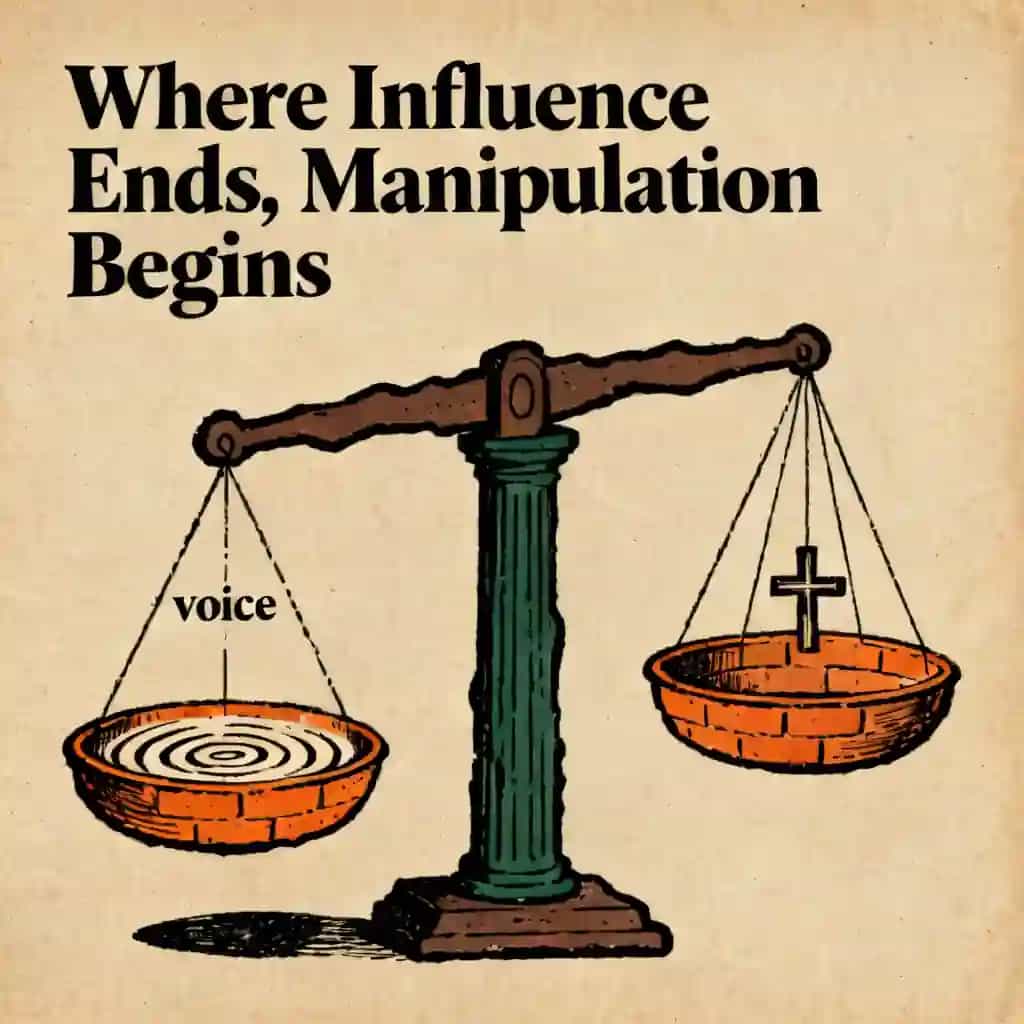
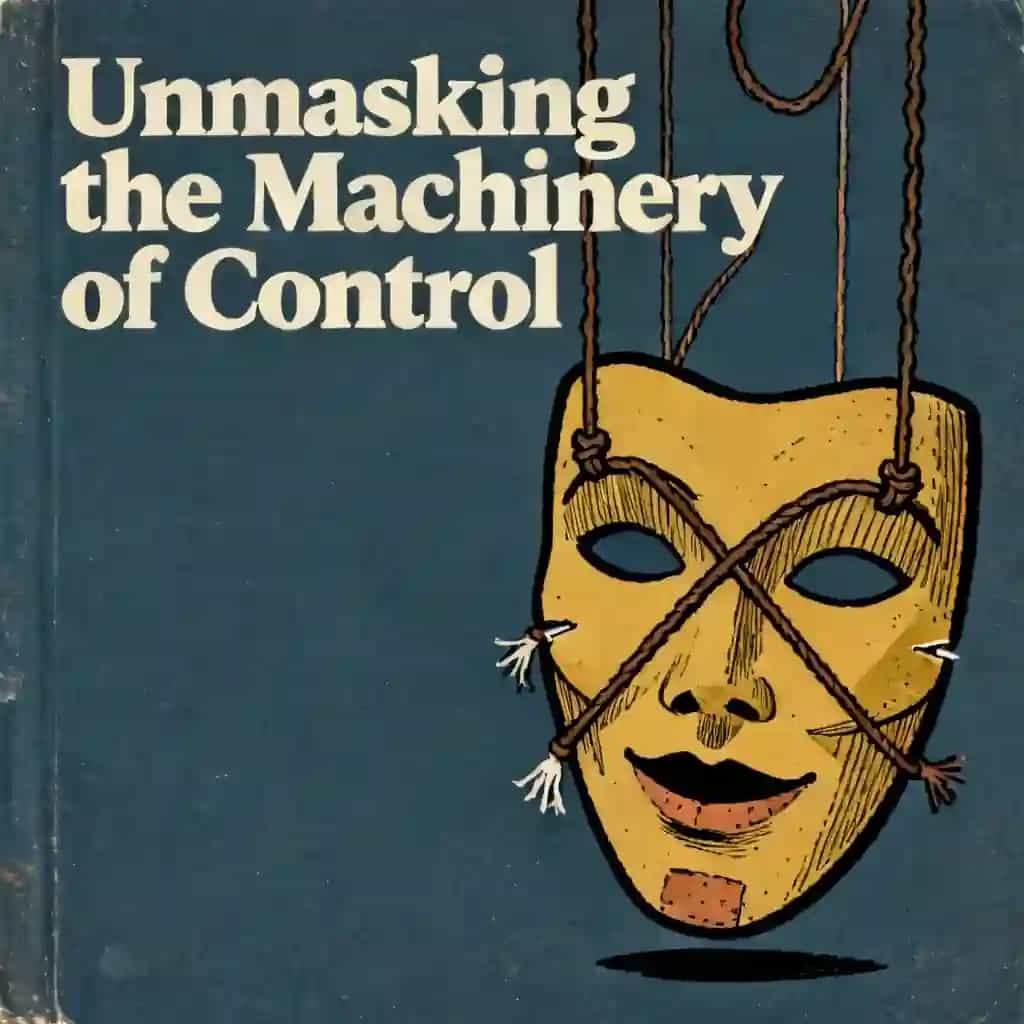
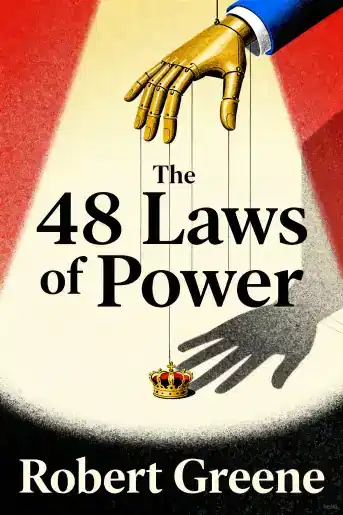
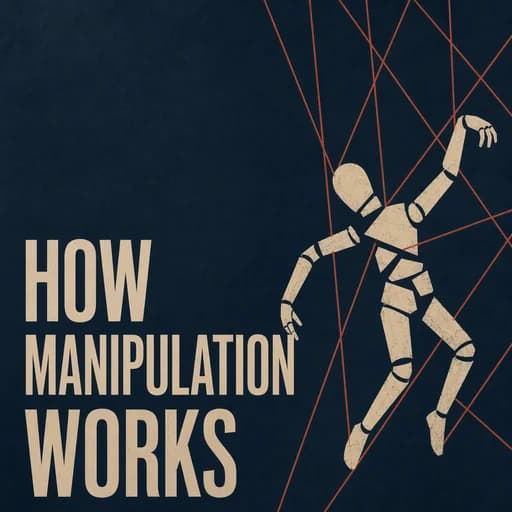
There is a particular kind of intelligence that doesn’t announce itself with a loud voice or a display of force, and once you learn to recognize it, you start seeing it everywhere—in the way an advertisement makes you feel a sudden, unexplainable pang of nostalgia, in the subtle phrasing of a political speech that makes a radical idea feel like common sense, or even in the quiet dynamics of a long term friendship. Psychologists and philosophers have a name for this hidden influence: manipulation. You might think of it as something that only happens in dark alleys or high stakes spy novels, but the reality is much closer to home. Research suggests that manipulation is a significant and ubiquitous feature of human interaction, woven into the very fabric of marketing, policy, and interpersonal relationships. It is a form of power that doesn’t break your will but instead gently tilts the floor you’re standing on until you find yourself walking in a direction someone else chose for you.
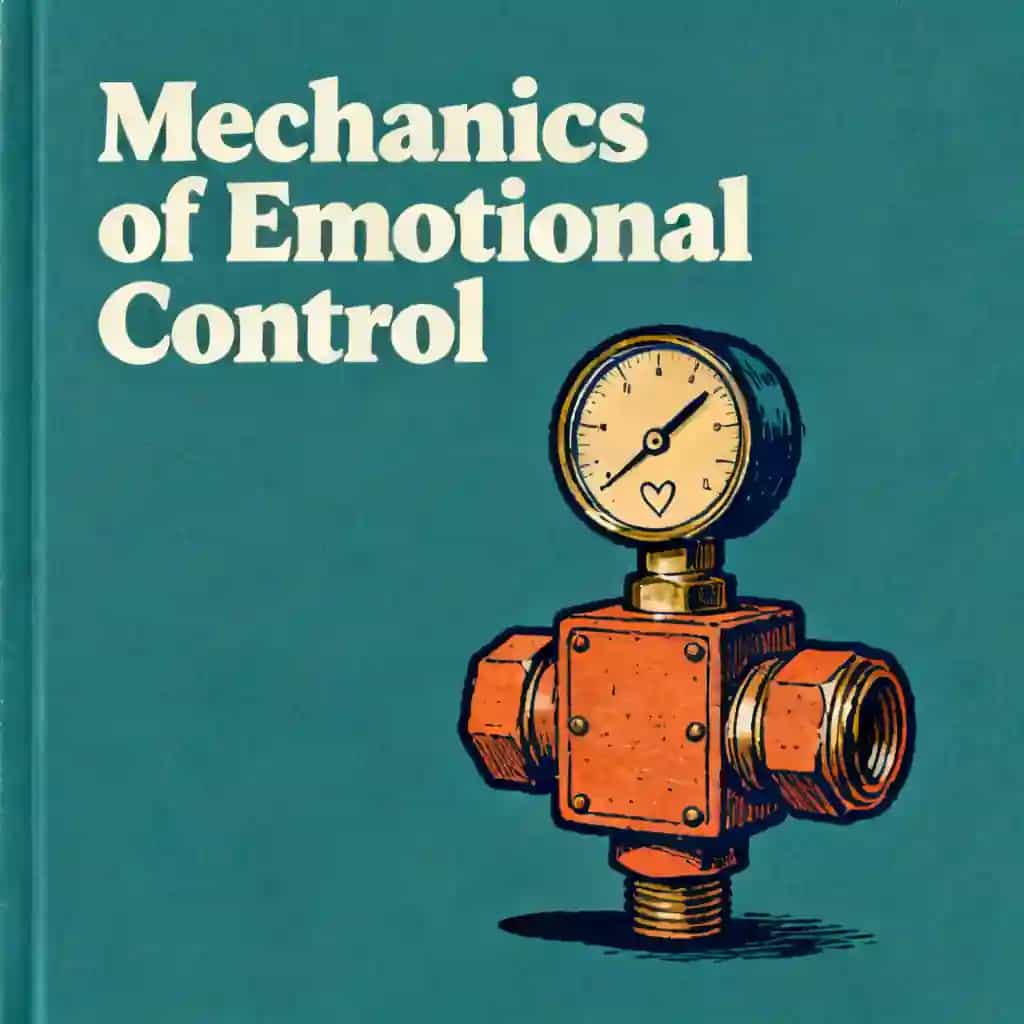
Why does this matter to you? Because the most effective manipulation is the kind you don't even realize is happening. Unlike coercion, which uses threats or force to make you do something against your will, manipulation works with your freedom rather than against it. You still feel like the author of your choices, but the ink in the pen was changed when you weren't looking. This episode is about pulling back the curtain on those mechanisms. We’re going to explore a core framework called the Pleasurable—Ends—Model, which suggests that manipulation isn't just about lying—it's about actively changing the emotional attraction of the things you want. We will look at how your brain processes language in a "shallow" way that allows questionable ideas to slip past your mental guards. By the end of our time together, you’ll have a clinical, objective understanding of how your own psychological levers can be pulled, not to make you a cynic, but to give you back the wheel. So let’s dive into the fundamental question: what exactly is happening in your mind when an influence moves from being a suggestion to being a manipulation?

















![[influence-the-psychology-of-persuasion-by-phd-robert-b-cialdini:c0000] Influence p1-1](/_next/image?url=https%3A%2F%2Fd1y2du6z1jfm9e.cloudfront.net%2Fassets%2Fpodcast%2Fyellow.png&w=1024&q=50)