BeFreed
    Categories>Spoken Arabic Grammar for Real Conversations

    Spoken Arabic Grammar for Real Conversations

    38분
    |
    |
    2026년 4월 5일

    Stop memorizing rare words and learn the high-frequency grammar that runs daily life. Master core patterns to turn textbook rules into real connection.

    Spoken Arabic Grammar for Real Conversations

    이 오디오 레슨은 BeFreed 커뮤니티 멤버가 만들었습니다

    질문 입력

    High impact grammar for spoken Arabic
    호스트 음성
    Lenaplay
    Milesplay
    학습 스타일
    심층
    지식 출처
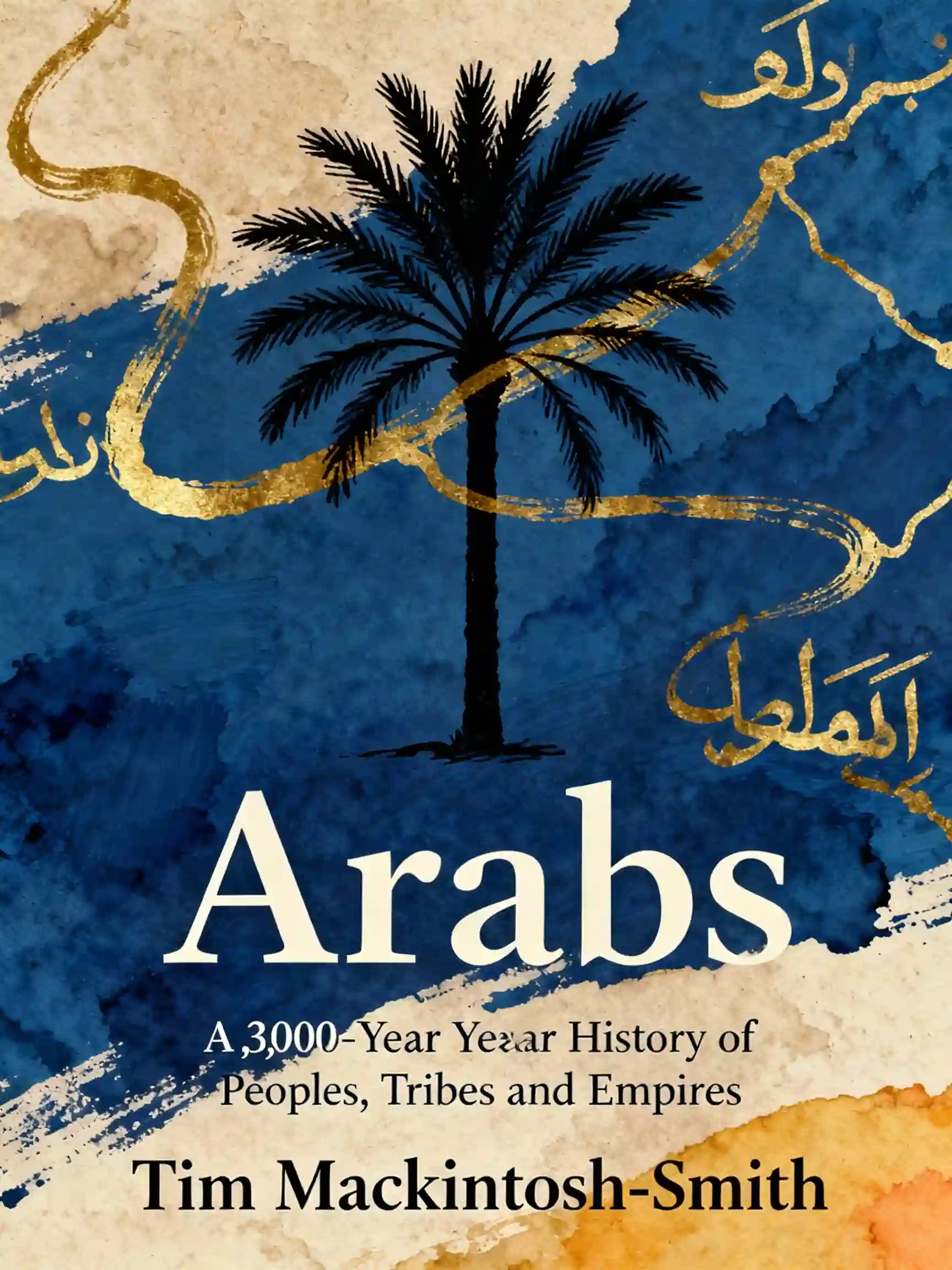
    Arabs
    Says Who?
    Fluent in 3 Months
    How to Talk to Anyone
    Sex and the citadel
    Dreyer's English

    더 알아보기

    learn french

    learn french

    학습 계획

    learn french

    This comprehensive plan is designed for learners who want to move beyond rote memorization toward genuine conversational mastery. It is ideal for beginners and intermediate students seeking a structured path from foundational sounds to advanced cultural fluency.

    2 h 22 m•4 섹션
    Learn Najdi Arabic through YouTube mining

    Learn Najdi Arabic through YouTube mining

    학습 계획

    Learn Najdi Arabic through YouTube mining

    This plan is essential for learners who want to move beyond formal textbooks and master the authentic Najdi dialect used in daily Saudi life. It is ideal for expats, travelers, or professionals seeking fluency through immersive digital content and cultural context.

    4 h 26 m•4 섹션
    Spanish

    Spanish

    학습 계획

    Spanish

    This plan provides a comprehensive bridge from basic grammar to advanced cultural mastery, ensuring learners don't just speak Spanish but understand its nuance. It is ideal for students or professionals seeking to build authentic communication skills and deep cultural literacy.

    2 h 27 m•3 섹션
    Learning german

    Learning german

    학습 계획

    Learning german

    This plan is designed for learners who want to demystify German grammar and build a logical foundation for fluency. It is ideal for students or professionals seeking to move beyond rote memorization toward intuitive speaking and cultural competence.

    2 h 4 m•3 섹션
    Learn facts and current events for talking

    Learn facts and current events for talking

    학습 계획

    Learn facts and current events for talking

    This plan is designed for individuals looking to overcome social anxiety and conversational dry spells by merging factual knowledge with social intelligence. It is ideal for professionals and lifelong learners who want to speak with confidence and authority in any social or networking setting.

    2 h 2 m•4 섹션
    Master Native English Speaking Skills

    Master Native English Speaking Skills

    학습 계획

    Master Native English Speaking Skills

    This plan is designed for non-native professionals and students seeking to bridge the gap between intermediate proficiency and native-level fluency. It focuses on the subtle nuances of pronunciation and presence that are often overlooked in traditional language courses.

    2 h 37 m•4 섹션
    Urdu

    Urdu

    학습 계획

    Urdu

    This plan is designed for individuals seeking more than just basic vocabulary, focusing on the intersection of linguistic mastery and cultural depth. It is ideal for learners who want to appreciate Urdu's poetic heritage while gaining advanced communication tools for real-world influence.

    1 h 23 m•3 섹션
    Learn spoken Italian in a week

    Learn spoken Italian in a week

    학습 계획

    Learn spoken Italian in a week

    This plan is designed for travelers and language enthusiasts who need to achieve functional fluency on a tight schedule. It combines linguistic foundations with intensive immersion to move learners from basic sounds to natural, confident conversation.

    2 h 2 m•3 섹션

    샌프란시스코에서 컬럼비아 대학교 동문들이 만들었습니다

    BeFreed는 1,000,000 호기심 넘치는 글로벌 커뮤니티를 하나로 연결합니다
    웹에서 BeFreed가 어떻게 논의되고 있는지 더 보기

    "Instead of endless scrolling, I just hit play on BeFreed. It saves me so much time."

    @Moemenn
    platform
    star
    star
    star
    star
    star

    "I never knew where to start with nonfiction—BeFreed’s book lists turned into podcasts gave me a clear path."

    @Chloe, Solo founder, LA
    platform
    comments
    12
    likes
    117

    "Perfect balance between learning and entertainment. Finished ‘Thinking, Fast and Slow’ on my commute this week."

    @Raaaaaachelw
    platform
    star
    star
    star
    star
    star

    "Crazy how much I learned while walking the dog. BeFreed = small habits → big gains."

    @Matt, YC alum
    platform
    comments
    12
    likes
    108

    "Reading used to feel like a chore. Now it’s just part of my lifestyle."

    @Erin, Investment Banking Associate , NYC
    platform
    comments
    254
    likes
    17

    "Feels effortless compared to reading. I’ve finished 6 books this month already."

    @djmikemoore
    platform
    star
    star
    star
    star
    star

    "BeFreed turned my guilty doomscrolling into something that feels productive and inspiring."

    @Pitiful
    platform
    comments
    96
    likes
    4.5K

    "BeFreed turned my commute into learning time. 20-min podcasts are perfect for finishing books I never had time for."

    @SofiaP
    platform
    star
    star
    star
    star
    star

    "BeFreed replaced my podcast queue. Imagine Spotify for books — that’s it. 🙌"

    @Jaded_Falcon
    platform
    comments
    201
    thumbsUp
    16

    "It is great for me to learn something from the book without reading it."

    @OojasSalunke
    platform
    star
    star
    star
    star
    star

    "The themed book list podcasts help me connect ideas across authors—like a guided audio journey."

    @Leo, Law Student, UPenn
    platform
    comments
    37
    likes
    483

    "Makes me feel smarter every time before going to work"

    @Cashflowbubu
    platform
    star
    star
    star
    star
    star

    샌프란시스코에서 컬럼비아 대학교 동문들이 만들었습니다

    BeFreed는 1,000,000 호기심 넘치는 글로벌 커뮤니티를 하나로 연결합니다
    웹에서 BeFreed가 어떻게 논의되고 있는지 더 보기

    "Instead of endless scrolling, I just hit play on BeFreed. It saves me so much time."

    @Moemenn
    platform
    star
    star
    star
    star
    star

    "I never knew where to start with nonfiction—BeFreed’s book lists turned into podcasts gave me a clear path."

    @Chloe, Solo founder, LA
    platform
    comments
    12
    likes
    117

    "Perfect balance between learning and entertainment. Finished ‘Thinking, Fast and Slow’ on my commute this week."

    @Raaaaaachelw
    platform
    star
    star
    star
    star
    star

    "Crazy how much I learned while walking the dog. BeFreed = small habits → big gains."

    @Matt, YC alum
    platform
    comments
    12
    likes
    108

    "Reading used to feel like a chore. Now it’s just part of my lifestyle."

    @Erin, Investment Banking Associate , NYC
    platform
    comments
    254
    likes
    17

    "Feels effortless compared to reading. I’ve finished 6 books this month already."

    @djmikemoore
    platform
    star
    star
    star
    star
    star

    "BeFreed turned my guilty doomscrolling into something that feels productive and inspiring."

    @Pitiful
    platform
    comments
    96
    likes
    4.5K

    "BeFreed turned my commute into learning time. 20-min podcasts are perfect for finishing books I never had time for."

    @SofiaP
    platform
    star
    star
    star
    star
    star

    "BeFreed replaced my podcast queue. Imagine Spotify for books — that’s it. 🙌"

    @Jaded_Falcon
    platform
    comments
    201
    thumbsUp
    16

    "It is great for me to learn something from the book without reading it."

    @OojasSalunke
    platform
    star
    star
    star
    star
    star

    "The themed book list podcasts help me connect ideas across authors—like a guided audio journey."

    @Leo, Law Student, UPenn
    platform
    comments
    37
    likes
    483

    "Makes me feel smarter every time before going to work"

    @Cashflowbubu
    platform
    star
    star
    star
    star
    star

    "Instead of endless scrolling, I just hit play on BeFreed. It saves me so much time."

    @Moemenn
    platform
    star
    star
    star
    star
    star

    "I never knew where to start with nonfiction—BeFreed’s book lists turned into podcasts gave me a clear path."

    @Chloe, Solo founder, LA
    platform
    comments
    12
    likes
    117

    "Perfect balance between learning and entertainment. Finished ‘Thinking, Fast and Slow’ on my commute this week."

    @Raaaaaachelw
    platform
    star
    star
    star
    star
    star

    "Crazy how much I learned while walking the dog. BeFreed = small habits → big gains."

    @Matt, YC alum
    platform
    comments
    12
    likes
    108

    "Reading used to feel like a chore. Now it’s just part of my lifestyle."

    @Erin, Investment Banking Associate , NYC
    platform
    comments
    254
    likes
    17

    "Feels effortless compared to reading. I’ve finished 6 books this month already."

    @djmikemoore
    platform
    star
    star
    star
    star
    star

    "BeFreed turned my guilty doomscrolling into something that feels productive and inspiring."

    @Pitiful
    platform
    comments
    96
    likes
    4.5K

    "BeFreed turned my commute into learning time. 20-min podcasts are perfect for finishing books I never had time for."

    @SofiaP
    platform
    star
    star
    star
    star
    star

    "BeFreed replaced my podcast queue. Imagine Spotify for books — that’s it. 🙌"

    @Jaded_Falcon
    platform
    comments
    201
    thumbsUp
    16

    "It is great for me to learn something from the book without reading it."

    @OojasSalunke
    platform
    star
    star
    star
    star
    star

    "The themed book list podcasts help me connect ideas across authors—like a guided audio journey."

    @Leo, Law Student, UPenn
    platform
    comments
    37
    likes
    483

    "Makes me feel smarter every time before going to work"

    @Cashflowbubu
    platform
    star
    star
    star
    star
    star

    "Instead of endless scrolling, I just hit play on BeFreed. It saves me so much time."

    @Moemenn
    platform
    star
    star
    star
    star
    star

    "I never knew where to start with nonfiction—BeFreed’s book lists turned into podcasts gave me a clear path."

    @Chloe, Solo founder, LA
    platform
    comments
    12
    likes
    117

    "Perfect balance between learning and entertainment. Finished ‘Thinking, Fast and Slow’ on my commute this week."

    @Raaaaaachelw
    platform
    star
    star
    star
    star
    star

    "Crazy how much I learned while walking the dog. BeFreed = small habits → big gains."

    @Matt, YC alum
    platform
    comments
    12
    likes
    108

    "Reading used to feel like a chore. Now it’s just part of my lifestyle."

    @Erin, Investment Banking Associate , NYC
    platform
    comments
    254
    likes
    17

    "Feels effortless compared to reading. I’ve finished 6 books this month already."

    @djmikemoore
    platform
    star
    star
    star
    star
    star

    "BeFreed turned my guilty doomscrolling into something that feels productive and inspiring."

    @Pitiful
    platform
    comments
    96
    likes
    4.5K

    "BeFreed turned my commute into learning time. 20-min podcasts are perfect for finishing books I never had time for."

    @SofiaP
    platform
    star
    star
    star
    star
    star

    "BeFreed replaced my podcast queue. Imagine Spotify for books — that’s it. 🙌"

    @Jaded_Falcon
    platform
    comments
    201
    thumbsUp
    16

    "It is great for me to learn something from the book without reading it."

    @OojasSalunke
    platform
    star
    star
    star
    star
    star

    "The themed book list podcasts help me connect ideas across authors—like a guided audio journey."

    @Leo, Law Student, UPenn
    platform
    comments
    37
    likes
    483

    "Makes me feel smarter every time before going to work"

    @Cashflowbubu
    platform
    star
    star
    star
    star
    star
    1.5K Ratings4.7
    지금 바로 학습 여정을 시작하세요
    BeFreed App
    BeFreed

    무엇이든 개인화된 학습

    DiscordLinkedIn
    추천 도서 요약
    Crucial ConversationsThe Perfect MarriageInto the WildNever Split the DifferenceAttachedGood to GreatSay Nothing
    인기 카테고리
    Self HelpCommunication SkillRelationshipMindfulnessPhilosophyInspirationProductivity
    유명인 추천 도서
    Elon MuskCharlie KirkBill GatesSteve JobsAndrew HubermanJoe RoganJordan Peterson
    수상작 컬렉션
    Pulitzer PrizeNational Book AwardGoodreads Choice AwardsNobel Prize in LiteratureNew York TimesCaldecott MedalNebula Award
    추천 주제
    ManagementAmerican HistoryWarTradingStoicismAnxietySex
    연도별 베스트 도서
    2025 Best Non Fiction Books2024 Best Non Fiction Books2023 Best Non Fiction Books
    추천 저자
    Chimamanda Ngozi AdichieGeorge OrwellO. J. SimpsonBarbara O'NeillWinston ChurchillCharlie Kirk
    BeFreed vs 다른 앱
    BeFreed vs. Other Book Summary AppsBeFreed vs. ElevenReaderBeFreed vs. ReadwiseBeFreed vs. Anki
    학습 도구
    Knowledge VisualizerAI Podcast Generator
    정보
    회사 소개arrow
    가격arrow
    FAQarrow
    블로그arrow
    채용arrow
    파트너십arrow
    앰배서더 프로그램arrow
    디렉토리arrow
    BeFreed
    Try now
    © 2026 BeFreed
    이용 약관개인정보 처리방침
    BeFreed

    무엇이든 개인화된 학습

    DiscordLinkedIn
    추천 도서 요약
    Crucial ConversationsThe Perfect MarriageInto the WildNever Split the DifferenceAttachedGood to GreatSay Nothing
    인기 카테고리
    Self HelpCommunication SkillRelationshipMindfulnessPhilosophyInspirationProductivity
    유명인 추천 도서
    Elon MuskCharlie KirkBill GatesSteve JobsAndrew HubermanJoe RoganJordan Peterson
    수상작 컬렉션
    Pulitzer PrizeNational Book AwardGoodreads Choice AwardsNobel Prize in LiteratureNew York TimesCaldecott MedalNebula Award
    추천 주제
    ManagementAmerican HistoryWarTradingStoicismAnxietySex
    연도별 베스트 도서
    2025 Best Non Fiction Books2024 Best Non Fiction Books2023 Best Non Fiction Books
    학습 도구
    Knowledge VisualizerAI Podcast Generator
    추천 저자
    Chimamanda Ngozi AdichieGeorge OrwellO. J. SimpsonBarbara O'NeillWinston ChurchillCharlie Kirk
    BeFreed vs 다른 앱
    BeFreed vs. Other Book Summary AppsBeFreed vs. ElevenReaderBeFreed vs. ReadwiseBeFreed vs. Anki
    정보
    회사 소개arrow
    가격arrow
    FAQarrow
    블로그arrow
    채용arrow
    파트너십arrow
    앰배서더 프로그램arrow
    디렉토리arrow
    BeFreed
    Try now
    © 2026 BeFreed
    이용 약관개인정보 처리방침

    핵심 요점

    1

    Stop Learning Words, Start Speaking Arabic

    0:00

    Lena: Miles, I was looking at my old Arabic flashcards and realized I know the word for "infrastructure," but I still can't ask someone if they want a cup of coffee without stuttering. It’s so frustrating!

    0:11

    Miles: You aren't alone, Lena. It’s actually a classic trap. Many learners fail not because the language is too hard, but because they’re memorizing rare, textbook words instead of the high-frequency core that actually runs daily life. Think about it—the top 1,000 words cover about 80 to 85% of everyday conversations.

    0:31

    Lena: That’s a huge percentage! So, instead of "democracy," I should have been focusing on "want" or "need"?

    0:37

    Miles: Exactly. In Arabic, grammar isn't just a set of rigid rules; it’s a toolkit for specific social scenarios. It’s about moving from vocabulary lists to building a living system where one vowel change can flip a meaning entirely. Let’s explore how we can turn these grammatical rules into actual tools for your next conversation.

    2

    The Core Tool: Mastering the Two Ways to Say 'I Have'

    0:58

    Miles: You know, Lena, the most basic building block for any conversation is expressing possession—just being able to say "I have." But in Arabic, and specifically in the Levantine dialect like Lebanese, it is not just one word. It is a choice between two tools: *’Andi* and *Ili*.

    1:16

    Lena: Right, and I remember seeing *’Andi* in every beginner textbook. It is usually the first one they teach you, right? Like *’Andi sayyara* for "I have a car."

    0:37

    Miles: Exactly. *’Andi* is the workhorse. You use it for physical objects—cars, houses, a cup of coffee. But then there is this other one, *Ili*, which literally translates to something like "to me" or "is mine." And this is where the high-impact grammar really kicks in because the choice between them tells the listener a lot about what you are actually saying.

    1:45

    Lena: So, it is not just "I have." It is more about the *nature* of what you have? That is fascinating. I have heard people use them interchangeably when talking about family, though. Like, can I say *’Andi khay* and *Ili khay* for "I have a brother"?

    1:59

    Miles: You hit the nail on the head. For relatives and friends—people—you can absolutely swap them. You might hear someone say *’Andi qarayeb kteer* or *Ili qarayeb kteer* to say they have a lot of relatives in America. Both are perfect. But as soon as you move away from people, the rules get more specific. If you are talking about your new house or a phone, stick with *’Andi*. If you start using *Ili* for your sandwich, it sounds a bit like you are claiming legal ownership or saying "this is mine" rather than just "I have it with me."

    2:33

    Lena: Oh, I see! So *Ili* carries more weight? It feels more permanent or maybe more... abstract?

    2:40

    Miles: Spot on. That is the "Pro Move" right there. We use *Ili* for abstract nouns. If you want to say someone has a "long history" or a "good future," you wouldn't use *’Andi*. You would say *Ilo tarikhtawil*—he has a long history. It sounds much more natural and sophisticated. It is about the "history" being an intrinsic part of the person, not just something they happen to be carrying around.

    3:04

    Lena: That makes so much sense. It is like the difference between "I have a book in my bag" and "I have a destiny." One is a thing, the other is an idea. But what about those idioms you mentioned? I’ve heard *Ili* used in some really colorful ways that don't seem to be about "having" anything at all.

    3:20

    Miles: Those are the high-impact shortcuts! My favorite is *Ma ili qalb*. Literally, "I don’t have a heart." But it doesn't mean you are heartless or mean. It means you don't have the courage or the stomach for something. Like, *Ma ili qalb safer bil-tiyyara*—I don’t have the heart to travel by plane. It’s such a visceral way to express fear or hesitation.

    3:44

    Lena: I love that. It feels so much more "human" than just saying "I am afraid." It’s like you are sharing a bit of your internal state. And there is another one about eyes, right?

    3:55

    Miles: Yes! *Ma ili ’ayn*. "I don't have an eye." This is what you say when you are too ashamed or embarrassed to do something. If someone offers you money and you feel bad taking it, you say *Ma ili ’ayn akhud minkun masari*. It’s like saying, "I can’t even look you in the eye and take this."

    4:13

    Lena: Wow, these idioms really do add that emotional depth. And they all use *Ili* because they are abstract feelings, not physical things you own. It’s like *Ili* is the key to the soul of the language, while *’Andi* is just for the stuff in your garage.

    4:27

    Miles: That is a great way to put it. And here is a quick tip for the listeners: when you use *Ili* or *Ilik* with a definite noun—a noun with "the" or *al-*—it shifts from "I have" to "mine" or "yours." So, if you ask, *Hayda al-ktab ilak?* you are asking "Is this book yours?" and the answer *Ey, hayda ili* means "Yes, this is mine."

    4:53

    Lena: So, just by knowing this one little preposition and how it attaches to pronouns, I can express possession, ownership, shame, courage, and even describe someone's future. That is a lot of mileage for one small word!

    5:06

    Miles: It really is. It’s about choosing the right tool for the social scenario. If you want to sound like a textbook, stick to *’Andi*. If you want to connect with people on a deeper level, start playing with *Ili*.

    3

    The Usage Map: Relatives vs. Objects vs. Abstract Concepts

    5:18

    Lena: Okay, so we've got *’Andi* for my car and *Ili* for my "lack of heart" to skydive. But I’m thinking about the listener who is just starting to put these into sentences. How do we actually build these out? It’s not just the word "I," right? It changes based on who is doing the "having."

    5:36

    Miles: Right. This is where we look at the pronoun suffixes. It’s like Lego bricks. You take the base—*’And* or *Il*—and you snap on the ending that represents the person. For "he has," it’s *’Ando* or *Ilo*. For "she has," it’s *’Anda* or *Ila*.

    5:52

    Lena: And for "we," it’s *’Anna* or *Ilna*. I noticed something interesting in the materials—for "I have," you can say *’Andi* or you can say *Ili* or even *Fiyyi*. Well, wait, *Fiyyi* is different, we'll get to that. But for *Ili*, it stays *Ili*.

    0:37

    Miles: Exactly. And the beauty of this system is that once you learn these suffixes—*o, a, un, ak, ik, kun, i, na*—they apply to almost everything. They apply to these "to have" words, they apply to verbs in the past tense, and they even apply to prepositions. It’s the ultimate "learn once, use everywhere" shortcut.

    6:28

    Lena: So, if I want to practice, I should probably map out my own life, right? Like, "I have two sisters," "I have a laptop," "I have a busy week."

    6:38

    Miles: That is the perfect exercise. Let’s do a quick drill. If you want to tell a friend, "You have a good future," how would you say it using that abstract rule we talked about?

    6:48

    Lena: Okay, "you" for a guy is *Inta*, and the suffix for *Inta* is *ak*. "Future" is abstract, so I use *Il-*. So... *Ilak mustaqbal kwayyis*?

    7:00

    Miles: Spot on! And if you were talking to a girl, it would be *Ilik*. Now, what if you wanted to say, "They have a lot of friends in America"? Friends are people, so we can use either, right?

    5:36

    Lena: Right. So *’Andun ashab kteer* or *Ilun ashab kteer*. It feels good to have that flexibility. It makes the language feel less like a test and more like a conversation.

    7:25

    Miles: And that is the goal. You want to reach the point where you aren't thinking about the rule, you are thinking about the person you are talking to. If you are asking a classmate, "Do you have a brother or sister?" you can ask *’Andak khay aw ekht?* or *Ilak khay aw ekht?* Both are naturally heard on the streets of Beirut.

    7:43

    Lena: It’s also interesting to note that in all these examples, the thing you have is "indefinite." A brother, a car, a history. No "the" involved.

    7:53

    Miles: That is a crucial observation, Lena. In Levantine Arabic, when you are using these phrases to mean "to have," the noun that follows is almost always indefinite. If you make it definite, the meaning shifts entirely to "this thing is mine." It’s a subtle distinction, but it’s the difference between saying "I have a book" and "The book is mine."

    8:15

    Lena: It’s like a secret toggle switch in the grammar. Flip the "the" and the whole sentence structure changes its purpose. I can see why people say Arabic is logical. It’s very patterned.

    5:06

    Miles: It really is. And once you see the pattern, you start seeing it everywhere. You realize that you don't need ten different ways to say "mine," "yours," "his," and "hers." You just need *Ili*, *Ilak*, *Ilo*, and *Ila*. It’s incredibly efficient.

    8:42

    Lena: So, for our listeners, the next action is simple: Look around your room. Point to your stuff and use *’Andi*. Then think about your family and use both *’Andi* and *Ili*. Finally, think about your goals or your character—your "patience" or your "history"—and use *Ili*.

    9:01

    Miles: And don't forget that "patience" idiom! *Ma ili jalladi*. "I don't have the endurance" or "I don't feel like" doing something. If someone asks you to study and you are just drained, you say *Ma ili jalladi adrus halla’*. It’s a very common, very natural way to express that specific kind of "I'm done for the day" feeling.

    9:21

    Lena: I think I’m going to use that one tonight! "I don’t have the *jalladi* to cook dinner." It’s perfect.

    4

    The Power of 'Can': Moving Beyond Basic Statements

    9:28

    Miles: We've mastered "having" things, but what about "doing" things? If you want to navigate a new city or negotiate a deal, you need to be able to say what you *can* do. In Levantine Arabic, the word for "can" or "be able to" is actually built on a word you might already know: *Fi*.

    9:46

    Lena: Wait, *Fi*? Like the preposition "in"?

    9:49

    Miles: Exactly! Literally, when you say "I can," you are saying "It is in me" or "within me." *Fini* or *Fiyyi*. It’s such a cool, internal way to think about ability.

    10:01

    Lena: "It is in me to go." That is actually really poetic. So, how do we build a "can" sentence? Is it the same suffix system?

    10:09

    Miles: It is! You take *Fi* and you add those same Lego bricks we just used for *’Andi* and *Ili*. *Fi-hi* (he can), *Fi-ya* (she can), *Fi-na* (we can), *Fi-k* (you can).

    10:22

    Lena: Okay, I’m seeing the pattern. *Fik trooh* would be "You can go"?

    5:36

    Miles: Right. But there is one very important "high-impact" rule here. When you use *Fi* with another verb—like "can go" or "can speak"—that second verb does *not* take the usual *b-* prefix that you hear in the present tense. It’s just the raw verb.

    10:42

    Lena: Oh, that is a big one. So, normally I say *bi-hki* for "I speak," but if I say "I can speak," it becomes *Fini hki*? No *b-*?

    0:37

    Miles: Exactly. *Fina nihki*—we can speak. *Fiyyun yijo*—they can come. *Fiya tudhar*—she can go out. This is a classic "C1 level" nuance. Dropping that *b-* makes you sound instantly more fluent because it shows you understand how verbs interact with auxiliary words like "can."

    11:10

    Lena: It’s like the "can" is doing the heavy lifting, so the other verb can just relax. But I also remember seeing *Fi* used to mean "there is" or "there are." Is that the same word?

    10:09

    Miles: It is! Context is everything. If you say *Fi ktab ’al tawla*, you are saying "There is a book on the table." But if you say *Fik takul*, you are saying "You can eat." The giveaway is the suffix. If *Fi* has a pronoun attached to it, it almost always means "can." If it’s standing alone, it usually means "there is."

    11:39

    Lena: That is a great "Usage Map" rule. Suffix equals "can," no suffix equals "there is." It’s like a little linguistic shortcut.

    11:47

    Miles: And it’s so versatile. You can use it to ask for permission—*Fini us’al su’al?* "Can I ask a question?"—or to offer help—*Fini sa’dak?* "Can I help you?" It’s a very polite, soft way to navigate social interactions.

    12:01

    Lena: I’m thinking about how this connects back to what you said earlier about the top 1,000 words. "Can" has to be in the top 50, right? You use it constantly.

    12:09

    Miles: Absolutely. And when you combine *Fi* with the common verbs like "go" (*rooh*), "see" (*shoof*), or "speak" (*hki*), you suddenly have the ability to handle about 50% of travel interactions. "Can I go here?", "Can we see the menu?", "Can you speak English?"

    12:26

    Lena: It’s empowering. Instead of feeling like a robot repeating phrases, you are building your own thoughts. "It is in me to ask..." "It is in you to help..."

    12:35

    Miles: And here is a "Pro Move" for the listeners: *Fi* is also used for "possible." If something is possible, you just say *Fi*. If it’s not, *Ma fi*. It’s the ultimate one-word answer for "Is it possible to do this?"

    12:49

    Lena: *Ma fi*. I’ve heard that one a lot! It usually means "no way" or "it’s not happening."

    0:37

    Miles: Exactly. It’s the "Gatekeeper" of the language. "Can I get a discount?" *Ma fi*. "Is there a room available?" *Ma fi*. Understanding the power of *Fi*—both as an ability and as an existence—is a massive step toward real fluency.

    13:08

    Lena: So, the drill for this section: Try to say three things you *can* do today using *Fini*. "I can drink coffee," "I can study Arabic," "I can call my mom." And then try to ask three "Can you...?" questions. It’s all about getting that *Fi* + suffix + verb pattern into your muscle memory.

    13:25

    Miles: And remember—no *b-* prefix on that second verb! That is the secret sauce.

    5

    The Time Traveler's Guide: Mastering the Past Without the Pain

    13:31

    Miles: Okay, Lena, let’s talk about moving through time. We’ve been living in the present, but to tell a story or explain what happened yesterday, we need the past tense—the *Madi*.

    13:42

    Lena: This is usually where I start to panic. All those different endings for "I went," "she went," "they went"... it feels like a lot to memorize.

    13:50

    Miles: I get it. But here is the secret to the *Madi* in Levantine Arabic: it is actually more stable than you think. It is all about the suffix. Unlike English, where "go" becomes "went," Arabic verbs usually keep their core three-letter root and just add a "tail" to tell you who did it.

    14:07

    Lena: So, "he" is the base? Like *Raah* for "he went"?

    0:37

    Miles: Exactly. The "he" form is your foundation. It’s what you find in the dictionary. From there, you just add the suffixes. For "she," it’s *-et*—*Rahet*. For "they," it’s *-o*—*Raho*.

    14:22

    Lena: Wait, those sound familiar. Are they the same suffixes as *’Ando* and *’Anda*?

    14:28

    Miles: They are related, but not identical. The past tense has its own set of "tails." The big ones to remember are *-t* for "I" and "you" (masculine). So, *Ruht* can mean "I went" or "you went."

    14:39

    Lena: Hold on, *Ruht*? What happened to the *aa* in *Raah*?

    14:43

    Miles: You've spotted a "Hollow Verb"! This is a high-impact grammar rule that will save you so much confusion. Verbs like *Raah* (went), *Kaana* (was), and *Naama* (slept) have a long vowel in the middle. When you add a suffix that starts with a consonant—like the *-t* for "I"—that middle vowel just... disappears. It "shortens" to keep the word easy to say.

    15:04

    Lena: So *Raah* becomes *Ruht* for "I went," but stays *Rahet* for "she went" because *-et* starts with a vowel?

    9:49

    Miles: Exactly! You've got it. If the suffix starts with a vowel, the middle of the verb stays long. If the suffix starts with a consonant, the middle gets short. It’s a rhythmic rule. *Raho* (they went)—vowel ending, long middle. *Ruhna* (we went)—consonant ending, short middle.

    15:28

    Lena: That is so much more logical than "memorize these ten exceptions." It’s just a phonological balance. If the tail is heavy, the middle gets light.

    15:37

    Miles: I love that analogy. "If the tail is heavy, the middle gets light." That is going to stick with people. And this applies to all those common verbs. *Kaana* (was) becomes *Kunt* (I was). *Naama* (slept) becomes *Nimt* (I slept).

    15:52

    Lena: So, if I want to say "I was at home yesterday," I say *Ana kunt bil-bayt mbareh*?

    15:57

    Miles: Perfect. And if you want to say "My colleagues drank a lot of coffee today," you would take *Shariba* (he drank), use the "they" suffix *-o*, and get *Shurbo*. *Zumlai shurbo qahwa kteer al-yom*.

    16:09

    Lena: It’s like a puzzle. You have the root, you check the suffix, you adjust the middle if necessary, and boom—you are speaking in the past.

    16:16

    Miles: And here is a tip for sounding more like a native: the "I" and "you" (masculine) forms are often identical in pronunciation—*Ruht*. You rely on context or the pronoun *Ana* or *Inta* to know who is talking.

    16:31

    Lena: That simplifies things! One less ending to worry about. But what about "you" for a girl?

    16:36

    Miles: Just add an *-i*! *Ruhti*. "Did you go?" *Ruhti?* It’s very consistent.

    16:42

    Lena: I’m starting to see why you say these high-frequency verbs are the engine of fluency. If I master the past tense of just ten verbs—"go," "was," "ate," "drank," "slept," "saw," "said," "did," "worked," "came"—I can basically narrate my whole day.

    16:57

    Miles: Precisely. You don't need to know the past tense of "industrialize." You need to be able to say *Ruht al-shughul* (I went to work), *Akalt sandwich* (I ate a sandwich), and *Nimt mniheen* (I slept well).

    17:15

    Lena: So, the playbook for this: Pick five verbs from your daily routine. Conjugate them for "I," "you," and "she" in the past tense. Pay attention to those "Hollow Verbs" where the middle drops out. It’s all about that rhythm—long middle, short middle.

    17:29

    Miles: And once you have the past tense, you have the foundation for storytelling. You can move from simple sentences to actual narratives. "Yesterday I was tired, so I slept early." *Mbareh kunt ta’ban, fa nimt bakkir*.

    Lena: That feels like real communication. Not just repeating words, but sharing an experience.

    6

    The 'In-Progress' Particle: Mastering the Present Progressive

    17:47

    Miles: So we've done the past, we've done ability, we've done possession. Now let’s talk about right now. In English, we distinguish between "I eat" and "I am eating." In Levantine Arabic, we do the same thing using a very powerful little particle: *’Am*.

    18:05

    Lena: *’Am*? I hear that all the time. *’Am bi-hki*, *’Am bi-yakul*...

    18:10

    Miles: It is the "magic ingredient" for the present progressive. It tells the listener that the action is happening *right now*, at this very moment, or that it is an ongoing process.

    18:21

    Lena: So, it’s like adding "-ing" to the verb?

    0:37

    Miles: Exactly. And the structure is incredibly simple: *’Am* + the present tense verb (with its *b-* prefix). So, *bi-yakul* is "he eats," but *’Am bi-yakul* is "he is eating."

    18:38

    Lena: Oh, wait. Earlier you said that with "can" (*Fi*), we *drop* the *b-* prefix. But with *’Am*, we *keep* it?

    18:47

    Miles: Correct! That is a vital distinction. *Fi* takes the raw verb (no *b-*), but *’Am* takes the full present tense verb (with the *b-*).

    19:00

    Lena: Okay, let me try one. "The students are speaking Arabic." Students is *Al-talamiz*, speak is *bi-hku*... so, *Kull al-talamiz ’am bi-hku ’arabi*?

    15:57

    Miles: Perfect. You’ve got the particle, the prefix, and the plural ending. It sounds 100% natural.

    19:20

    Lena: And this works for all pronouns? *’Am bi-dros* (he is studying), *’Am tu-dros* (she is studying), *’Am ni-dros* (we are studying)?

    Miles: Yes. And just like with the past tense, the "I" and "you" (masculine) forms are often the same: *’Am bu-dros* can be "I am studying" or "You are studying," depending on the context.

    19:41

    Lena: It’s interesting how many things in Levantine Arabic are "simplified" compared to the formal MSA version. It feels like the language is optimized for speed and clarity in conversation.

    5:06

    Miles: It really is. The *’Am* particle is a great example of that. It’s a quick, clear signal. You don't have to change the verb itself to indicate the progressive; you just add that one little word in front of it.

    20:07

    Lena: I’m thinking about how this changes the "flavor" of a conversation. If I say *Bishrab qahwa*, it sounds like a general fact—"I drink coffee." but if I say *’Am bishrab qahwa*, it sounds like an invitation to join me, or an explanation of what I’m doing at the moment.

    16:57

    Miles: Precisely. It’s about being specific. If someone calls you and asks what you are doing, you use *’Am*. "I am working." *’Am bishtaghal*. "I am driving." *’Am soo’. *

    20:38

    Lena: And we can use this with all those high-frequency verbs we talked about earlier. "I am going" (*’Am brooh*), "I am seeing" (*’Am shoof*), "I am knowing"... well, wait, do you say "I am knowing"?

    20:52

    Miles: Good catch! Just like in English, some verbs don't really take the progressive. You wouldn't usually say "I am knowing" or "I am wanting." You just say *A’raf* (I know) or *Biddi* (I want).

    21:11

    Lena: Right, *Biddi*! We haven't even touched on "want" yet, and that is probably the most used word in any language.

    10:09

    Miles: It is! And *Biddi* is another one of those "Lego" words. *Bidd-* + suffix. *Biddi* (I want), *Biddak* (you want), *Biddo* (he wants). It’s not a standard verb, but it functions like one. And just like with *Fi* (can), the verb that follows *Biddi* does *not* take the *b-* prefix.

    21:42

    Lena: So, "I want to go" is *Biddi rooh*? No *b-*?

    0:37

    Miles: Exactly. *Biddi shoof* (I want to see), *Biddna nihki* (we want to speak).

    21:51

    Lena: Okay, so the "No *b-*" rule applies to "Can" (*Fi*) and "Want" (*Biddi*). But the "Keep the *b-*" rule applies to "Right now" (*’Am*).

    Miles: You've got the map! That is the high-impact grammar right there. Knowing when to keep that little *b-* and when to drop it is what separates the beginners from the fluent speakers.

    Lena: It’s like the *b-* is a badge of "regularity." When another powerful word like "can" or "want" takes over, the badge comes off. But when *’Am* is just highlighting the timing, the badge stays on.

    Miles: I love that! The "Badge of Regularity." That is a perfect way to remember it.

    7

    The Question Master: Navigating the 'Who, What, Where' of Arabic

    21:56

    Miles: Lena, if you want to be a part of a conversation, you can't just make statements. You have to be able to ask questions. You have to be the "Question Master."

    22:07

    Lena: And in Levantine Arabic, the question words are so punchy! *Shu? Wayn? Leish?* They feel much more immediate than the formal MSA versions.

    22:17

    Miles: They are. And the most important thing to know about questions in the dialect is that we don't use that formal particle *Hal* for yes/no questions. We just use intonation.

    22:27

    Lena: So, "You are hungry" and "Are you hungry?" are exactly the same words?

    0:37

    Miles: Exactly. *Inta jo’an* (You are hungry) vs. *Inta jo’an?* (Are you hungry?). Just lift your voice at the end, exactly like we do in English. It’s one of the easiest parts of the grammar to master.

    22:45

    Lena: That is a relief! One less rule to memorize. But what about the other question words? I know *Shu* is "What." Does it work with verbs too?

    22:56

    Miles: It does. And here is a "High-Impact" rule for word order: in Levantine Arabic, if there is a verb in the question, it almost always comes *before* the subject.

    23:08

    Lena: Oh, interesting. So instead of saying "What Yara studies?" you say "What studies Yara?"

    0:37

    Miles: Exactly. *Shu btidros Yara?* Not *Shu Yara btidros?* It keeps the focus on the action.

    23:22

    Lena: Okay, let’s go through the "Question Master" list. *Shu* is "What." *Wayn* is "Where." *Meen* is "Who." *Kif* is "How." And *Leish* is "Why."

    23:32

    Miles: And don't forget *Emta* for "When" and *Kam* for "How much" or "How many."

    23:39

    Lena: *Kam* for price, too? Like *Kam al-ha’?* (How much is the price?)

    Miles: Yes. Or just *B-addaysh?* which is a very common Levantine way to ask "For how much?"

    23:51

    Lena: *B-addaysh*. I like that. It sounds like one word.

    23:56

    Miles: It basically is. And here is another quirk: the word for "Which" is *Aya*. *Aya ktab?* (Which book?).

    24:02

    Lena: *Aya*. That is easy to remember. It sounds like "Hey-ya."

    24:06

    Miles: And if you want to ask "From where?", you just put *Min* in front of *Wayn*. *Min wayn inta?* (Where are you from?).

    24:15

    Lena: I’ve heard that one a lot. It’s usually the first thing people ask me.

    24:20

    Miles: It’s the universal small talk starter. And the answer is usually *Ana min...* followed by your city or country.

    24:28

    Lena: What I love about these question words is how flexible they are. You can use them on their own—*Shu?* (What?), *Leish?* (Why?)—and you are instantly participating in the dialogue.

    0:37

    Miles: Exactly. You don't even need a full sentence. If someone says something surprising, just say *Leish?* and they will keep talking. It’s the ultimate "lazy learner's" tool for keeping a conversation going.

    24:52

    Lena: It’s true! It shows you are listening and interested, without requiring you to conjugate a complex verb.

    25:01

    Miles: And here is a "Pro Move" for the listeners: In the Lebanese dialect, the word *Shu* is often used as a filler or a way to start a thought. *Shu, rahti al-shughul al-yom?* (So, did you go to work today?). It adds a bit of flavor and makes you sound much more like a local.

    25:32

    Lena: It’s like saying "So..." or "Well..." at the start of a sentence. It softens the question.

    16:57

    Miles: Precisely. So, the playbook for this section: Memorize the "Big 7" question words: *Shu, Wayn, Meen, Kif, Leish, Emta, Kam*. Then, practice turning your statements into questions just by changing your tone. *Biddak qahwa* (You want coffee) becomes *Biddak qahwa?* (Do you want coffee?).

    Lena: It’s all about that upward inflection. It’s the universal sign for "I’m asking you a question."

    8

    Roots and Patterns: The DNA of the Arabic Language

    25:36

    Miles: Lena, we've been talking about words like "write" (*kataba*) and "study" (*darasa*). But to really master Arabic, you have to understand the "DNA" behind those words. The Root system.

    25:48

    Lena: This is the part that always blows my mind. The idea that almost every word in the language comes from a three-letter core.

    25:54

    Miles: It is incredibly elegant. Take the root *K-T-B*. It represents the core idea of "writing." From those three letters, you can grow an entire family of words just by plugging them into different patterns, or *Awzan*.

    26:08

    Lena: So *Ka-Ta-Ba* is "he wrote." *Ki-Ta-B* is "a book." *Ma-K-Ta-B* is "an office" or "a desk."

    9:49

    Miles: Exactly! And *Ka-Ti-B* is "a writer." You see how the *K*, the *T*, and the *B* stay in the same order? Once you spot those three letters, you can guess the meaning of a word even if you’ve never seen it before.

    26:28

    Lena: It’s like having a superpower. If I see a word with *D-R-S*, I know it has something to do with "studying." *Darasa* (he studied), *Madrasa* (school), *Dars* (lesson).

    26:39

    Miles: And it goes even deeper. These patterns—the *Awzan*—carry their own meanings. There are ten main patterns in Modern Standard Arabic, and many of them survive in the dialects. For example, doubling the middle letter—making it "intensive"—often turns an action into "making someone else do it."

    26:58

    Lena: Oh, I remember this! *Darasa* is "he studied," but if you double the *r* and say *Darrasa*, it means "he taught." He *made* someone study.

    9:49

    Miles: Exactly! Or *’Alima* (he knew) becomes *’Allama* (he taught/informed). It’s a beautifully logical system. You don't have to memorize a new word for "teach"; you just modify the word for "know."

    27:24

    Lena: It’s like the language has its own internal logic built-in. It’s not just a collection of random sounds.

    27:32

    Miles: And this is why we say "Focus on Patterns, Not Words." If you learn the pattern for "Requesting" (Form X), which usually starts with *Ista-*, you can unlock a whole set of meanings. *Ista-f-ha-ma* (he inquired) from the root *F-H-M* (understanding). He *requested* understanding.

    27:56

    Lena: Wow. *Fahima* is "he understood." So *Istafhama* is "he asked for clarification." That is so cool! It’s like a linguistic "seek and find."

    28:05

    Miles: And the best part is that native speakers have an innate sense of this. They aren't thinking "I’m using Form X," but they feel the "requesting" flavor of that *Ista-* prefix.

    28:17

    Lena: I’m thinking about the listener who is overwhelmed by vocabulary. This root system is actually a massive shortcut. Instead of learning 10,000 words, you learn 1,000 roots and 10 patterns.

    16:57

    Miles: Precisely. It’s the "Pareto Principle" of language learning. 20% of the effort—the roots and patterns—gives you 80% of the comprehension.

    28:35

    Lena: So, the playbook for this: Start "Root Hunting." Whenever you see a new word, try to find the three consonants. Look for them in other words you know. It’s like a game.

    28:45

    Miles: And use a "Model Verb." Pick one root, like *F-’A-L* (to do), and see how it looks in all the different patterns. *Fa’ala, Fa’’ala, Tafa’’ala*... once you have the rhythm of the model verb, you can apply it to any root.

    28:57

    Lena: It’s about building a mental "template." Once the template is there, you just plug in the letters and the word creates itself.

    Miles: It’s the engine of the language. And understanding that engine is what takes you from a "phrasebook traveler" to a real "Arabic speaker."

    9

    The Professional Hybrid: Mastering the Art of the Switch

    29:01

    Miles: Lena, we've talked about the formal MSA and the spoken Levantine dialect. But in the real world—especially in places like Dubai or Beirut—people don't usually stick to just one. They do what we call "Code-Switching."

    29:14

    Lena: Right! I’ve noticed this. In a business meeting, someone might start very formally, then switch to something more casual when they are making a joke or asking a colleague for a favor.

    0:37

    Miles: Exactly. This is the "Art of the Switch." It’s often called Educated Spoken Arabic, or ESA. It’s the language of the educated professional who wants to sound authoritative but also relatable.

    29:36

    Lena: So, it’s not a "mistake" to mix them? It’s actually a skill?

    29:40

    Miles: It’s a high-level skill! Think of it like this: MSA is for the "Head"—it’s for facts, technical terms, and official positions. The dialect is for the "Heart"—it’s for opinions, emotions, and building rapport.

    3:44

    Lena: I love that. "Head" and "Heart." So, if I’m in a meeting, I might use MSA for the "strategic analysis" part, but then switch to dialect to say "Guys, we need to move on this now."

    0:37

    Miles: Exactly. You might say *Al-tahleel al-strateegi* (the strategic analysis)—pure MSA—but then use the dialectal *Ya jama’a* (guys) and *Lazim* (must) to make it personal. It’s about "Footing"—changing your persona to fit the moment.

    30:23

    Lena: And this happens in the media too, right? I see YouTubers and influencers doing this all the time.

    30:30

    Miles: They are the masters of it. They use MSA for the core content—maybe they are explaining a news story or a scientific concept—but then they switch to their local dialect for the "asides," the jokes, and the call to action. It keeps the audience engaged.

    30:53

    Lena: It’s like they are saying, "I know my stuff (MSA), but I’m also one of you (Dialect)."

    16:57

    Miles: Precisely. And for a C1 learner, this is the final frontier. It’s not just about speaking "correctly," but about speaking "appropriately." Using pure MSA in a café makes you sound like a walking textbook. Using pure dialect in a formal presentation might make you seem less professional.

    31:23

    Lena: So, how do we "Bridge the Gap"? Are there specific rules for mixing them?

    31:30

    Miles: There are! One common move is "Phonological Easing." You use the MSA vocabulary and sentence structure, but you drop the strict case endings (the *I’rab*) and adapt the pronunciation. For example, instead of the formal *Qala* (he said), you might use the glottal stop and say *’Ala* while still using the rest of the MSA sentence.

    31:54

    Lena: So, it’s like a "relaxed" version of the formal language. It’s less stiff.

    0:37

    Miles: Exactly. And another move is "Lexical Injection." You keep the grammatical frame of the dialect—the verb conjugations, the *’Am* particle—but you "inject" Fusha (MSA) nouns and adjectives for those technical or abstract concepts we talked about.

    32:11

    Lena: It’s like a sandwich. The bread is the dialect, and the filling is the high-level vocabulary from the textbook.

    32:18

    Miles: That is a perfect analogy! And it’s the most natural way for an educated person to speak. It shows cultural fluency.

    32:28

    Lena: So, the advice for our listeners: Don't feel like you have to choose a side. Build your foundation in a dialect so you can actually talk to people, but keep your MSA vocabulary for those "Head" moments.

    32:41

    Miles: And pay attention to the "Mirroring" technique. If the person you are talking to switches to a more formal register, follow them. If they get casual, you can get casual too. It’s all about social awareness.

    Lena: It’s about being a "Linguistic Chameleon." Adjusting your colors to fit the room.

    Miles: And that is where the real power of Arabic lies. It’s a spectrum, not a binary. Mastering the switch is how you truly belong in the conversation.

    10

    Practical Playbook: Your High-Impact Arabic Routine

    32:49

    Lena: Miles, this has been an incredible deep dive. We've covered possession, ability, time travel, right-now actions, the "Question Master" toolkit, the secret of roots, and even the art of code-switching. But I want to make sure our listeners have a clear plan to actually *use* this.

    33:07

    Miles: You're right. Knowledge without action is just trivia. Let’s build a "Practical Playbook" that anyone can start today.

    33:14

    Lena: Step one, for me, has to be those "Big 10" high-frequency verbs. If you can conjugate "want," "can," "go," "see," "know," "speak," "understand," "eat," "drink," and "work" in the past and present, you are already ahead of most students.

    12:09

    Miles: Absolutely. And remember the "Badge of Regularity" rule. For *Biddi* (I want) and *Fini* (I can), drop that *b-* prefix on the next verb. For *’Am* (I am doing), keep it. That one rule will fix 50% of common learner mistakes.

    33:48

    Lena: And for possession, the "Usage Map" is key. Use *’Andi* for your stuff and *Ili* for your heart and soul. And don't forget the shame idiom—*Ma ili ’ayn*. It’s such a powerful way to sound like a native.

    34:06

    Miles: Step two: Become a "Root Hunter." Stop memorizing words in isolation. When you see a new word, look for the three-letter core. Connect it to other words you know. It turns the language into a giant, interconnected web instead of a list of definitions.

    34:22

    Lena: It’s like building a map of the language instead of just a list of landmarks. You start to see how the "office" (*maktab*) is connected to the "book" (*kitab*) and the "writer" (*katib*).

    34:37

    Miles: Step three: Practice "Narrow Listening." Don't just jump between random topics. Stick with one podcast, one YouTuber, or one subject area for a week. The vocabulary will repeat naturally, and your comprehension will skyrocket without you even trying.

    34:54

    Lena: This goes back to that "Comprehensible Input" idea we talked about. i+1. You want material that is about 70 to 90% understandable so you can pick up the new bits from context.

    0:37

    Miles: Exactly. If you only understand 30%, your brain just tunes out. It’s noise, not input. Find the "sweet spot" where you are challenged but not overwhelmed.

    35:15

    Lena: And step four: Don't be afraid to mix! If you know the MSA word for something but the dialectal grammar for the rest of the sentence, go for it. That "ESA" hybrid is exactly how the most articulate native speakers communicate in professional settings.

    35:32

    Miles: And finally, remember the "Question Master" move. Use your intonation to turn statements into questions. It’s the fastest way to get other people talking. And when they talk, you get that valuable input you need to grow.

    35:49

    Lena: So, to everyone listening—don't wait until you "know enough" to start speaking. Start today with what you have. Use *’Andi*, use *Fini*, use *’Am*.

    35:58

    Miles: It’s about usability, not word count. Fluency isn't about how many rare words you’ve memorized. It’s about how many high-frequency tools you can use instantly and confidently.

    3:44

    Lena: I love that. "Usability over word count." That is going to be my new Arabic learning mantra.

    Miles: It’s a good one to have. And it’s the secret to moving from a "learner" to a "speaker."

    11

    Closing Reflection: Turning Grammar into Connection

    36:08

    Lena: As we wrap things up, Miles, I’m reflecting on how different this approach feels from the standard "memorize the table" method. It’s not about rules for the sake of rules; it’s about grammar as a bridge to other people.

    36:21

    Miles: You've hit the nail on the head, Lena. Every rule we’ve discussed—whether it’s the choice between *’Andi* and *Ili* or the rhythm of the hollow verbs—is really just a way to express a human experience more clearly.

    36:34

    Lena: It’s like we’re building a toolkit for connection. "I have a brother," "I can help you," "I was there yesterday," "I am thinking about you right now." These aren't just sentences; they are the threads that weave us together.

    0:37

    Miles: Exactly. And the more "automatic" these tools become, the more you can focus on the person in front of you instead of the conjugation in your head. That is when the magic happens. That is when a foreign language stops feeling "foreign."

    37:03

    Lena: I’m thinking about the "no heart" idiom again. *Ma ili qalb*. It’s such a beautiful example of how a simple grammatical structure can carry so much emotional weight. It’s not just a sentence; it’s a shared feeling.

    7:25

    Miles: And that is the goal. To reach a point where the language is a transparent medium for your thoughts and feelings. It takes practice, and it takes mistakes, but the reward is a whole new way of seeing the world.

    37:31

    Lena: So, for our listeners, we want to leave you with one final thought: what is one "high-impact" tool you can try out today? Maybe it’s asking a question with just your tone, or using *’Am* to describe what you are doing, or even just looking for a root in a news headline.

    37:48

    Miles: Pick one thing. Just one. And use it. Use it until it feels like yours. Then pick another. The mountain of Arabic is actually just a series of very climbable hills, and you’ve already started the ascent.

    38:03

    Lena: We want to thank you for joining us on this deep dive into the spoken heart of the Arabic language. It’s been a fascinating journey, and we hope it’s given you the confidence to turn your grammar into real conversation.

    38:16

    Miles: Remember, the top 1,000 words are your friends. The root system is your superpower. And your ability to connect is your ultimate goal.

    38:24

    Lena: Thank you for listening, and we hope you feel a little more empowered to start speaking today. Take a moment to reflect on which of these tools felt the most "usable" for you, and give it a try in your next interaction. Happy learning!

    비슷한 콘텐츠

    podcast cover
    Metaphors We Live ByArabsFluent in 3 MonthsThrough the Language Glass
    21 sources
    Arabic grammar for speaking is easier than you think
    Struggling to turn memorized Arabic words into real conversation? Learn how to use flexible sentence structures to stop stalling and start speaking.
    33 min
    podcast cover
    Arabs: A 3,000-Year History of Peoples, Tribes and EmpiresFluent In 3 MonthsSays Who?The Mother Tongue
    22 sources
    Speak Arabic With Confidence
    Discover practical techniques to overcome the speaking roadblock in Arabic, from daily micro-immersion practices to navigating dialects, all designed for busy English speakers ready to move beyond basics.
    33 min
    podcast cover
    How to Talk to AnyoneArabsFluent in 3 MonthsSex and Lies
    22 sources
    Arabic Sentences You Actually Need for Fluency
    Stop memorizing complex vocabulary and start with the 100 most used sentences. Learn the core phrases that cover 80% of everyday Arabic conversation.
    26 min
    podcast cover
    Fluent In 3 MonthsArabs: A 3,000-Year History of Peoples, Tribes and EmpiresFluent ForeverThe Language Instinct
    21 sources
    Speak Arabic with Confidence
    Discover seven proven strategies to transform your Arabic speaking skills through consistent 15-30 minute daily practice rather than cramming, following natural language acquisition stages from listening to expression.
    39 min
    podcast cover
    ArabsHow to Talk to AnyoneNoah Webster's first edition of an American dictionary of the English languageSays Who?
    22 sources
    Arabic Phrases You Actually Need for Daily Life
    Stop wasting time on textbook words you'll never use. Learn the 100 high-frequency phrases that help you navigate conversations and build rapport.
    28 min
    podcast cover
    Arabs: A 3,000-Year History of Peoples, Tribes and EmpiresFluent In 3 MonthsSex and the CitadelSays Who?
    21 sources
    Beyond the Classroom: Mastering Levantine Arabic
    Ditch the formal textbooks and learn to speak like a local. This guide explores the grammar, phonetics, and cultural nuances of Shami Arabic to help you connect authentically across the Levant.
    32 min
    book cover
    The Moor's account
    Laila Lalami
    Forgotten voices rewrite history: a Moroccan slave's American journey
    8 min
    book cover
    Win Every Argument
    Mehdi Hasan
    Master the art of persuasion and debate with insider tips from a renowned journalist and skilled debater.
    9 min