BeFreed
    Categories>Education>Speak Arabic with Confidence

    Speak Arabic with Confidence

    39분
    |
    |
    2026년 2월 6일
    EducationCommunicationSelf-Growth

    Discover seven proven strategies to transform your Arabic speaking skills through consistent 15-30 minute daily practice rather than cramming, following natural language acquisition stages from listening to expression.

    Speak Arabic with Confidence
    전달 방식을 선택하세요

    하나의 에피소드, 다양한 청취 방식.

    Speak Arabic with Confidence의 같은 아이디어를 나에게 맞는 목소리, 깊이, 속도로 만나보세요. 언제든 바꿀 수 있습니다.

    전체 대본 및 챕터

    챕터 1

    The 15-Minute Arabic Breakthrough

    Nia: Hey there, language enthusiasts! I'm super excited about today's episode because we're tackling something I personally struggled with for years—speaking Arabic confidently. You know that feeling when you've studied vocabulary for months but freeze up the moment someone asks you a question?

    Blythe: Oh, absolutely! That's such a common experience. What most learners don't realize is that speaking proficiency is built on four key elements: vocabulary, structure, pronunciation, and fluency. And interestingly, the research shows that consistent daily practice—even just 15-30 minutes—can dramatically improve retention and speaking confidence.

    Nia: Wait, really? Just 15 minutes a day can make a difference? Because I've been trying to cram these massive study sessions on weekends, and I'm still struggling to remember basic phrases when I need them.

    Blythe: That's exactly the problem! Our brains retain language much better through regular, spaced practice rather than cramming. One fascinating insight from our sources is that speaking Arabic follows natural language acquisition stages—similar to how children learn—starting with listening and gradually building to expression.

    Nia: That makes so much sense. I think I've been putting too much pressure on myself to speak perfectly right away instead of focusing on consistent practice and gradual improvement.

    Blythe: Right! And that perfectionism is actually the biggest barrier for most learners. The key is to create a sustainable practice routine that incorporates both passive listening and active speaking. Let's break down seven proven strategies that can transform your Arabic speaking skills in just a few months.

    챕터 2

    Start Small, Win Big

    Nia: Okay, so you mentioned that 15-minute daily practice thing—I'm totally intrigued, but I have to be honest, I'm skeptical. How can such a short time make any real difference?

    Blythe: I get why you'd think that! But here's the thing—it's not about the length of time, it's about the consistency and quality of that practice. Think about it like building muscle memory. When you practice Arabic speaking for just 15 minutes every single day, you're creating neural pathways that strengthen over time.

    Nia: Neural pathways? You're getting all sciencey on me!

    Blythe: Okay, let me put it this way—remember when you learned to drive? At first, you had to consciously think about every single action: check mirrors, signal, brake gently. But after consistent practice, it became automatic, right? Arabic speaking works the same way. Those 15 minutes of focused practice are way more powerful than cramming for two hours once a week.

    Nia: That actually makes total sense. But what should I be doing in those 15 minutes? Because I usually just end up staring at my textbook feeling overwhelmed.

    Blythe: Perfect question! The most effective approach is what I call the "micro-immersion method." You break those 15 minutes into three focused chunks: five minutes of listening to native speakers, five minutes of shadowing—that's repeating what you hear immediately after—and five minutes of free speaking practice.

    Nia: Wait, shadowing? Like following someone around?

    Blythe: Ha! No, not that kind of shadowing. In language learning, shadowing means you listen to Arabic audio and repeat it almost simultaneously, like you're the person's echo. It's incredibly powerful for developing pronunciation and rhythm. You're not trying to understand every word—you're training your mouth and brain to work together.

    Nia: Oh wow, that sounds both terrifying and exciting. But what if I mess up the pronunciation completely?

    Blythe: That's the beauty of it—messing up is part of the process! One of our sources emphasizes that mistakes aren't failures, they're proof you're learning. Each time your brain notices a difference between what you said and what you heard, it's actually strengthening your ability to self-correct.

    Nia: You know what? I love that reframe. Instead of avoiding mistakes, I should be embracing them as learning opportunities.

    Blythe: Exactly! And here's another key insight—start with phrases you'll actually use. Don't waste time memorizing "the pen is on the table" if you're never going to talk about pens and tables. Focus on survival phrases first: greetings, asking for help, expressing basic needs.

    Nia: That's so practical! I've been learning all these random vocabulary words that I never actually need in real conversations.

    Blythe: Right! The research shows that high-frequency vocabulary—the most commonly used words and phrases—gives you the biggest bang for your buck. Master the top 100 most common Arabic phrases, and you'll be able to handle basic conversations. It's like having a skeleton that you can gradually add muscle to.

    Nia: So instead of trying to learn everything at once, I should focus on building a solid foundation with the most useful phrases?

    Blythe: Absolutely! And here's where that 15-minute practice becomes crucial. If you spend those minutes every day working with the same core phrases in different contexts, they become automatic. You're not translating from English in your head—you're thinking directly in Arabic.

    Nia: Wait, thinking directly in Arabic? That sounds impossible for someone at my level.

    Blythe: It's more achievable than you think! Start small—when you wake up, instead of thinking "good morning" in English, train yourself to think "صباح الخير" (sabah al-khayr). When you see a cat, think "قطة" (qitta) instead of "cat." These tiny mental shifts add up to major breakthroughs.

    Nia: I'm starting to see how all these small, consistent actions could really compound over time. It's like compound interest for language learning!

    Blythe: That's a perfect analogy! And the beautiful thing is that once you establish this routine, it becomes easier to maintain than to skip. Your brain starts craving that daily Arabic practice because it's building momentum.

    이 에피소드로 더 깊이 배우기

    이 에피소드의 아이디어를 BeFreed의 가이드 학습 경험으로 더 깊이 탐구해 보세요.

    챕터 3

    The Power of Listening First

    Nia: You mentioned starting with listening, and I have to admit, I usually skip that part and jump straight to trying to speak. Is that why I'm struggling so much?

    Blythe: You've just identified one of the biggest mistakes language learners make! Listening is absolutely foundational—it's how we develop our "inner ear" for Arabic. Think about babies learning their first language. They spend months just absorbing sounds and patterns before they ever attempt to speak.

    Nia: But I feel like I'm wasting time when I'm just listening. Shouldn't I be actively doing something?

    Blythe: Listening IS actively doing something! Your brain is incredibly busy during listening practice. It's identifying sound patterns, recognizing word boundaries, and building a mental database of how Arabic actually sounds when spoken naturally. This is called "input processing," and it's essential for developing speaking skills.

    Blythe: Here's what's fascinating—one of our sources explains that Arabic has sounds that don't exist in English. If you try to speak before your ear is trained to hear these distinctions, you'll keep defaulting to English sound patterns. But when you prioritize listening first, your mouth learns to produce sounds your ear can already recognize.

    Nia: That makes so much sense! So what should I be listening to? Because I've tried watching Arabic news, and it's way too fast and complicated.

    Blythe: Great question! You want to find that sweet spot where the content is challenging enough to push you forward but not so difficult that you get discouraged. Start with content designed for learners—podcasts that speak slowly and clearly, or children's stories in Arabic.

    Nia: Children's stories? Won't that be boring?

    Blythe: Not at all! Children's content is perfect because it uses high-frequency vocabulary, simple sentence structures, and clear pronunciation. Plus, many Arabic children's stories are actually quite engaging. You're not trying to be entertained—you're training your ear.

    Blythe: But here's the key—don't worry about understanding every word. Focus on the rhythm, the melody of the language. Arabic has a very distinctive flow, and once your ear attunes to that rhythm, speaking becomes much more natural.

    Nia: Okay, so I should be listening for the music of the language, not stressing about individual words?

    Blythe: Exactly! And gradually, as you listen more, individual words will start popping out at you. It's like when you learn a new song—at first it's just melody, then suddenly you start catching lyrics here and there.

    Blythe: Another powerful technique is something called "passive listening." Play Arabic audio in the background while you're doing other activities—cooking, exercising, commuting. You're not actively focusing on it, but your brain is still absorbing those sound patterns.

    Nia: Really? Even when I'm not paying attention, it's still helping?

    Blythe: Absolutely! Your subconscious mind is incredibly good at pattern recognition. Even when you're not consciously listening, your brain is cataloging the sounds and rhythms of Arabic. It's like marinating—the flavors are seeping in even when you're not actively cooking.

    Nia: I love that analogy! So I could be improving my Arabic while I'm doing dishes?

    Blythe: Yes! But remember, this passive listening works best when combined with active, focused listening practice. The passive exposure primes your brain, but the focused practice is where you make conscious connections and improvements.

    Blythe: One more crucial point about listening—variety is key. Don't just stick to one speaker or one type of content. Arabic varies significantly across different regions and contexts. Exposure to different voices, accents, and speaking styles will make you a more adaptable listener and speaker.

    Nia: So I should mix it up—maybe some Egyptian Arabic one day, Levantine another day?

    Blythe: That's a smart approach, especially if you're learning Modern Standard Arabic but want to understand regional variations. Just remember to focus primarily on one dialect or variety at first, then gradually expand your exposure.

    Nia: This is giving me a completely new perspective on how to approach Arabic learning. I've been so focused on output that I neglected the input side.

    Blythe: And that's exactly why so many learners hit plateaus. They try to speak without building a solid foundation of listening comprehension. But when you prioritize listening first, speaking becomes a natural extension of what you've already internalized.

    챕터 4

    Breaking the Fear Barrier

    Nia: Okay, I'm convinced about the listening part, but I still get terrified when it comes time to actually open my mouth and speak Arabic. Like, my heart starts racing and I completely blank out. Is that normal?

    Blythe: Oh my goodness, yes! Speaking anxiety is probably the most common barrier language learners face. And with Arabic, it can feel even more intimidating because the sounds are so different from English. But here's what I want you to understand—that fear is actually your brain trying to protect you from embarrassment.

    Nia: So my brain is sabotaging my language learning to protect my ego?

    Blythe: In a way, yes! Your brain perceives speaking Arabic as a risk because you might make mistakes and feel foolish. But here's the thing—that same protective mechanism is what prevents you from improving. You can't get better at speaking without actually speaking.

    Blythe: One of our sources talks about this concept called "lowering the affective filter." Basically, you need to create conditions where you feel safe to make mistakes and experiment with the language.

    Nia: How do I do that? Because right now, every time I try to speak, I feel like everyone's judging my pronunciation.

    Blythe: Start by practicing alone. Seriously! Talk to yourself in Arabic. Describe what you're doing throughout your day. "I'm making coffee. أنا أصنع القهوة (ana asna'u al-qahwa)." No one's listening, no one's judging, and you're building that crucial muscle memory.

    Nia: Talking to myself? That seems weird, but I guess it makes sense. No pressure, no judgment.

    Blythe: Exactly! And here's another technique—record yourself speaking Arabic, then listen back. This serves two purposes: you get used to hearing your own voice speaking the language, and you can objectively assess your pronunciation without the stress of real-time conversation.

    Nia: That's actually brilliant! I can practice without the social pressure.

    Blythe: Right! And when you do start speaking with others, remember that most Arabic speakers are incredibly patient and encouraging with learners. They appreciate the effort you're making to learn their language. I've found that Arabic speakers are often more forgiving of mistakes than we are of ourselves.

    Nia: Really? Because I always imagine they're thinking about how badly I'm butchering their beautiful language.

    Blythe: That's just your inner critic talking! The reality is that most native speakers are impressed when someone is learning Arabic. It's considered a challenging language, so they respect the effort. Plus, they want to communicate with you—they're not sitting there grading your grammar.

    Blythe: Here's a mindset shift that can help: instead of aiming for perfection, aim for communication. Your goal isn't to speak like a native immediately—it's to convey your message and understand theirs. Even broken Arabic is successful if it achieves communication.

    Nia: So I should focus on getting my point across rather than perfect grammar and pronunciation?

    Blythe: Absolutely! And here's something interesting from the research—when you focus on communication rather than accuracy, you actually improve faster. Because you're using the language for its intended purpose: connecting with other people.

    Blythe: Another powerful technique is what I call "graduated exposure." Start with very low-stakes speaking situations. Maybe order food at an Arabic restaurant using just a few phrases. The interaction is brief, the context is clear, and there's minimal pressure.

    Nia: That sounds manageable! Much less scary than trying to have a full conversation.

    Blythe: Exactly! Then gradually increase the complexity and length of your speaking interactions. Maybe ask for directions, then have a brief chat with a language exchange partner, then eventually longer conversations. You're building confidence incrementally.

    Blythe: And remember—every Arabic speaker was once a beginner too. Even native speakers make mistakes, use filler words, and sometimes struggle to express complex ideas. Language is messy and imperfect, and that's okay!

    Nia: You know what? That actually takes a lot of pressure off. I've been holding myself to this impossible standard of perfection.

    Blythe: Perfect! And here's one more fear-busting technique: embrace your beginner status. Instead of trying to hide that you're learning, be open about it. Say "أنا أتعلم العربية" (ana ata'allam al-arabiya) - "I'm learning Arabic." Most people will immediately adjust their expectations and become more supportive.

    Nia: So honesty about my level actually works in my favor?

    Blythe: Absolutely! It sets appropriate expectations and often leads to more patient, encouraging interactions. Plus, it takes the pressure off you to perform beyond your current ability level.

    이 에피소드로 더 깊이 배우기

    이 에피소드의 아이디어를 BeFreed의 가이드 학습 경험으로 더 깊이 탐구해 보세요.

    챕터 5

    The Shadowing Revolution

    Nia: Earlier you mentioned shadowing, and I'm really curious about this technique. Can you walk me through exactly how it works? Because it sounds kind of intense.

    Blythe: Shadowing is honestly one of the most powerful techniques for developing Arabic fluency, but it's also one of the most misunderstood. Let me break it down step by step. You listen to Arabic audio—could be a podcast, dialogue, or even a news segment—and you repeat what you hear almost simultaneously, like you're the speaker's shadow.

    Nia: So I'm trying to keep up with them in real time? That sounds impossible!

    Blythe: It feels impossible at first, but that's exactly what makes it so effective! Your brain has to work incredibly hard to process the sounds, activate your speech muscles, and coordinate everything in real time. It's like interval training for your language skills.

    Blythe: Here's what's happening neurologically—shadowing forces your brain to bypass the translation process. Instead of hearing Arabic, translating to English, thinking of your response in English, then translating back to Arabic, you're creating direct pathways between hearing and speaking Arabic.

    Nia: Wow, so it's literally rewiring my brain to think in Arabic?

    Blythe: Exactly! And the research shows that shadowing improves multiple skills simultaneously: pronunciation, rhythm, intonation, and processing speed. You're not just learning individual words—you're absorbing the natural flow of the language.

    Blythe: Now, here's how to start. Choose audio that's slightly below your current level—you want to understand maybe 70% of what you hear. If it's too difficult, you'll get frustrated. If it's too easy, you won't be challenged enough to improve.

    Nia: What kind of audio works best for beginners?

    Blythe: Start with scripted content—language learning podcasts, audiobook dialogues, or even Arabic language courses with clear, slow speech. Avoid spontaneous conversations or news at first because they have too many unpredictable elements.

    Blythe: Here's your step-by-step process: First, listen to a short segment—maybe 30 seconds—without trying to repeat anything. Just absorb the sounds and rhythm. Then play it again and try to shadow, even if you're mumbling nonsense. Don't worry about perfect pronunciation or understanding every word.

    Nia: So I shouldn't pause if I miss something?

    Blythe: No! Keep going. That's crucial. Shadowing teaches you to maintain the flow of speech even when you don't catch every detail. This mirrors real conversation, where you can't ask someone to pause and repeat every few seconds.

    Blythe: After you've shadowed the same segment several times, then you can analyze it more carefully. Look up words you didn't know, check pronunciation, understand the grammar. But the shadowing itself should be about flow, not analysis.

    Nia: This is fascinating! How long should I practice shadowing in each session?

    Blythe: Start small—maybe five minutes per day. It's mentally exhausting at first because your brain is working so hard. But as you get more comfortable, you can increase the duration. Some advanced learners shadow for 20-30 minutes daily.

    Blythe: Here's a pro tip: record yourself shadowing, then compare your recording to the original. You'll be amazed at how much your pronunciation and rhythm improve over time. It's like having a before-and-after photo of your speaking skills.

    Nia: That sounds like it would be really motivating to hear my progress!

    Blythe: Absolutely! And here's another variation—shadow different types of content. Try news broadcasts for formal Arabic, casual conversations for colloquial speech, or even Arabic songs for rhythm and intonation. Each type challenges your brain differently.

    Blythe: One thing our sources emphasize is that shadowing works because it integrates multiple learning modalities. You're using your auditory processing, motor skills, and cognitive abilities all at once. It's like cross-training for language acquisition.

    Nia: So it's more efficient than studying each skill separately?

    Blythe: Much more efficient! Instead of practicing listening in one session, pronunciation in another, and rhythm in a third, shadowing develops all these skills simultaneously. Plus, it teaches you how these elements work together in natural speech.

    Blythe: The key is consistency. Even five minutes of daily shadowing will produce better results than an hour once a week. Your brain needs regular exposure to build those neural pathways we talked about earlier.

    Nia: I'm definitely going to try this! It sounds challenging but also kind of fun, like a linguistic workout.

    Blythe: That's a perfect way to think about it! And remember, at first you might feel like you're just making random sounds. That's normal! Trust the process. Your brain is absorbing patterns even when your conscious mind doesn't realize it.

    챕터 6

    Building Your Arabic Vocabulary Arsenal

    Nia: Let's talk about vocabulary because I feel like I'm drowning in all these Arabic words I'm trying to memorize. I'll learn a bunch of words one day, then completely forget them the next. What am I doing wrong?

    Blythe: You're definitely not alone in this struggle! The problem is that most people approach Arabic vocabulary like they're cramming for a test—trying to memorize isolated words without context. But our brains don't work that way. We remember words better when they're connected to meaning, emotion, and experience.

    Nia: So I shouldn't be using flashcards with just Arabic on one side and English on the other?

    Blythe: Those traditional flashcards can be part of your toolkit, but they shouldn't be your only method. Here's what's more effective: learn words in phrases and sentences. Instead of memorizing "كتاب" (kitab) means "book," learn "أقرأ كتاباً ممتعاً" (aqra'u kitaban mumti'an) - "I'm reading an interesting book."

    Blythe: This approach does several things. First, you're learning grammar naturally within context. Second, you're creating stronger memory connections because the word is embedded in meaning. And third, you're learning how the word actually functions in real Arabic, not just its dictionary definition.

    Nia: That makes so much sense! I've been learning words in isolation, then struggling to use them in sentences.

    Blythe: Exactly! And here's another crucial strategy: focus on high-frequency vocabulary first. Research shows that the most common 1,000 words in any language account for about 80% of everyday conversation. Master those, and you'll understand most casual interactions.

    Blythe: For Arabic specifically, prioritize words that appear across different dialects and contexts. Words like "بيت" (bayt) for house, "أكل" (akl) for food, "وقت" (waqt) for time—these are universal and immediately useful.

    Nia: How do I know which words are high-frequency? Is there a list somewhere?

    Blythe: There are several frequency lists available online, but here's a practical approach: pay attention to which words keep appearing in your listening and reading practice. If you hear the same word multiple times across different contexts, it's probably high-frequency and worth prioritizing.

    Blythe: Now, let's talk about retention techniques. One of the most effective methods is spaced repetition—reviewing words at increasing intervals. You might review new words after one day, then three days, then a week, then a month. This matches how your brain naturally consolidates memories.

    Nia: Is that what those apps like Anki do?

    Blythe: Exactly! Spaced repetition software can be incredibly helpful, but you can also do it manually. The key is reviewing words just as you're about to forget them—that's when your brain works hardest to retain the information.

    Blythe: Here's another powerful technique: create personal connections to new vocabulary. If you learn the word "مطر" (matar) for rain, don't just memorize it. Think about a specific rainy day that was meaningful to you, or imagine yourself using that word in a conversation about weather.

    Nia: So I'm making the vocabulary personally relevant?

    Blythe: Yes! Your brain remembers information that's emotionally or personally significant much better than abstract facts. If you can connect Arabic words to your own experiences, interests, or goals, they'll stick much more effectively.

    Blythe: Also, use multiple senses when learning new words. Don't just read and repeat—write the word, draw a picture of its meaning, act it out, or find an image that represents it. The more neural pathways you create, the stronger the memory becomes.

    Nia: That's really creative! I never thought about drawing or acting out vocabulary.

    Blythe: It might feel silly, but it works! And here's something specific to Arabic—pay attention to word roots. Arabic is built on a system of three-letter roots that carry core meanings. Once you recognize common roots, you can often guess the meanings of related words.

    Blythe: For example, the root ك-ت-ب (k-t-b) relates to writing. So "كتاب" (kitab) is book, "كاتب" (katib) is writer, "مكتب" (maktab) is office or desk, and "مكتبة" (maktaba) is library. Learning one root gives you access to multiple related words.

    Nia: Wow, that's like getting multiple words for the price of one!

    Blythe: Exactly! This root system is one of Arabic's superpowers. It makes the language more systematic and predictable once you understand the patterns. Instead of memorizing thousands of unrelated words, you're learning families of related concepts.

    Blythe: One final tip: regularly review and use your vocabulary in different contexts. Don't just recognize words—practice producing them in your own sentences. The goal is active vocabulary that you can recall and use spontaneously, not just passive recognition.

    Nia: So I need to move from recognizing words when I hear them to actually being able to pull them out of my memory when I need them?

    Blythe: Precisely! And that transition happens through practice and use. The more you actively engage with vocabulary—speaking it, writing it, thinking with it—the more automatic it becomes.

    이 에피소드로 더 깊이 배우기

    이 에피소드의 아이디어를 BeFreed의 가이드 학습 경험으로 더 깊이 탐구해 보세요.

    챕터 7

    Mastering Arabic Pronunciation and Rhythm

    Nia: I have to confess something—I'm really intimidated by Arabic pronunciation. Some of these sounds don't exist in English, and I feel like I'm never going to get them right. Is it even possible for adult learners to master Arabic pronunciation?

    Blythe: I totally understand that concern! Arabic does have sounds that are completely foreign to English speakers—like the pharyngeal consonants ع ('ayn) and ح (ḥa), or the emphatic consonants like ص (ṣad) and ط (ṭa). But here's the encouraging news: adult learners absolutely can master these sounds with the right approach and consistent practice.

    Nia: Really? Because I've heard that adults lose the ability to learn new sounds after a certain age.

    Blythe: That's a persistent myth, but research shows it's not true! While children might have some advantages in sound acquisition, adult brains are incredibly plastic. The key is understanding that pronunciation is a physical skill, like playing an instrument. You're training your mouth, tongue, and throat muscles to move in new ways.

    Blythe: Let's start with the sounds that trip up most English speakers. Take the letter ع ('ayn)—it's produced by constricting the pharynx, which we never do in English. Instead of getting frustrated, think of it as learning a new physical movement. It takes time and practice, just like learning to play guitar.

    Nia: So how do I actually learn to make these sounds? Just keep trying until something clicks?

    Blythe: There are specific techniques that work much better than random attempts. For 'ayn, try this: put your hand on your throat and swallow. Feel that constriction? That's the same muscle movement you need for 'ayn, but without actually swallowing. Practice that constriction while breathing out.

    Blythe: Another approach is to work backwards from sounds you can make. Many English speakers can produce 'ayn when they're gargling or clearing their throat. Start with those familiar actions, then gradually refine them into the Arabic sound.

    Nia: That's actually really helpful! I never thought about connecting it to sounds I already make naturally.

    Blythe: Exactly! And here's something crucial—don't just practice individual sounds in isolation. Arabic pronunciation is as much about rhythm and flow as it is about individual phonemes. The language has a very distinctive musical quality that you need to internalize.

    Blythe: This is where that shadowing technique we discussed earlier becomes invaluable for pronunciation. When you shadow native speakers, you're not just learning individual sounds—you're absorbing the natural rhythm, stress patterns, and intonation of Arabic.

    Nia: So the melody of the language is just as important as getting individual sounds right?

    Blythe: Absolutely! In fact, sometimes having the right rhythm and intonation can make up for slightly imperfect individual sounds. Native speakers will often understand you better if your overall flow sounds natural, even if you're not hitting every consonant perfectly.

    Blythe: Here's a specific exercise: choose a short Arabic phrase or sentence that you've heard many times. Listen to it repeatedly, then practice saying it with exaggerated intonation—really emphasize the ups and downs of the melody. This trains your ear and your voice to work together.

    Nia: Should I worry about different Arabic accents and dialects affecting my pronunciation?

    Blythe: That's a great question! If you're learning Modern Standard Arabic, focus on clear, formal pronunciation first. But do expose yourself to different regional accents through listening practice. This will make you a more flexible speaker and listener in the long run.

    Blythe: One thing that really helps with pronunciation is recording yourself regularly. Use your phone to record yourself reading Arabic text or having imaginary conversations, then listen back critically. You'll start to hear the differences between your pronunciation and native speakers more clearly.

    Nia: I'm always so embarrassed by how I sound in recordings!

    Blythe: Everyone feels that way initially! But those recordings are incredibly valuable feedback. Over time, you'll hear your pronunciation improving, which is incredibly motivating. Plus, it helps you identify specific sounds or patterns that need more work.

    Blythe: Here's another technique: practice minimal pairs—words that differ by only one sound. For example, "سين" (seen) and "صين" (ṣeen). This trains your ear to hear the distinctions and your mouth to produce them consistently.

    Blythe: And remember, Arabic speakers have been incredibly patient and encouraging with learners in my experience. They appreciate the effort you're making to learn their language, and they're usually more focused on understanding your meaning than judging your pronunciation.

    Nia: That's reassuring! I think I put way too much pressure on myself to sound perfect immediately.

    Blythe: Perfect pronunciation isn't the goal—clear communication is. Focus on being understood rather than sounding like a native speaker. As you build confidence in communication, your pronunciation will naturally improve through continued exposure and practice.

    Blythe: One final tip: pay attention to the physical aspects of Arabic pronunciation. Arabic uses more of the mouth and throat than English does. Practice opening your mouth wider, using more breath support, and engaging muscles you might not normally use in English. It's a full-body language experience!

    챕터 8

    Your Daily Arabic Speaking Routine

    Nia: Okay, I'm convinced that all these techniques work, but I'm feeling a bit overwhelmed trying to figure out how to put it all together. How do I create a daily routine that actually incorporates everything we've talked about without burning myself out?

    Blythe: That's such an important question! The key is creating a sustainable routine that feels manageable rather than overwhelming. Remember, we're aiming for consistency over intensity. A well-designed 15-30 minute daily routine will beat sporadic marathon sessions every time.

    Nia: So what would an ideal daily routine look like?

    Blythe: Let me walk you through a sample 20-minute routine that incorporates all the key elements. Start with 5 minutes of listening practice—this could be a Arabic podcast, dialogue from your textbook, or even Arabic music. Just pure input to warm up your ear.

    Blythe: Then spend 5 minutes on shadowing practice using the same or similar audio. Remember, you're not trying to understand every word—you're training your mouth and brain to work together in Arabic rhythm and sounds.

    Nia: So far that's 10 minutes. What about the other 10?

    Blythe: Spend 5 minutes on vocabulary review using spaced repetition—either with an app or your own system. Focus on words and phrases you've learned recently, but make sure you're reviewing them in context, not just as isolated items.

    Blythe: Finally, dedicate 5 minutes to free speaking practice. This could be describing your day, having an imaginary conversation, or even just reading Arabic text aloud. The goal is to get your mouth moving and build confidence with producing Arabic sounds.

    Nia: That actually sounds totally manageable! But what if I want to do more some days?

    Blythe: Great question! On days when you have more time or energy, you can extend any of these segments. Maybe do 10 minutes of shadowing instead of 5, or add a conversation with a language partner. But the beauty of this routine is that even on your busiest days, you can maintain momentum with just 20 minutes.

    Blythe: Here's what's crucial—track your practice consistently. Use a simple calendar or app to mark off each day you complete your routine. This visual progress tracking is incredibly motivating and helps you maintain your streak.

    Nia: Should I be doing this routine at the same time every day?

    Blythe: If possible, yes! Habit research shows that consistent timing makes behaviors more automatic. Many people find that morning practice works well because your mind is fresh and you're less likely to get derailed by daily distractions.

    Blythe: But the most important thing is finding a time that works for your lifestyle. If evenings are better for you, do it then. The key is consistency, not the specific time of day.

    Blythe: Now, let's talk about weekly goals to complement your daily routine. Set one specific speaking goal each week—maybe it's learning to introduce yourself more fluently, or mastering the pronunciation of a challenging sound, or having a 2-minute conversation with a language partner.

    Nia: I like having those concrete weekly targets! It gives me something specific to work toward.

    Blythe: Exactly! And here's another important element—weekly review sessions. Spend 30 minutes each week listening to recordings you made of yourself speaking, reviewing vocabulary that's been challenging, or reflecting on your progress and areas for improvement.

    Blythe: Also, build in variety to keep things interesting. Maybe Monday, Wednesday, Friday you focus on formal Arabic, while Tuesday and Thursday you practice a specific dialect. Or alternate between different types of listening material throughout the week.

    Nia: What about days when I'm just not feeling motivated? Because let's be honest, that's going to happen.

    Blythe: Absolutely, and that's where having a "minimum viable routine" helps. On low-motivation days, commit to just 5 minutes—maybe just the listening portion of your routine. Often, starting small will lead to doing more, but even if it doesn't, you've maintained your habit.

    Blythe: Remember, the goal isn't perfection—it's progress. Some days you'll be energetic and practice for 45 minutes. Other days you'll barely manage 10 minutes. Both are valuable contributions to your Arabic journey.

    Blythe: One final element to consider: monthly challenges or themes. Maybe one month you focus intensively on pronunciation, another month on expanding vocabulary, or another on conversation skills. This adds structure and prevents your routine from becoming stale.

    Nia: This is giving me such a clear roadmap! I feel like I finally have a practical plan instead of just good intentions.

    Blythe: That's exactly what we want! Remember, the best routine is the one you'll actually stick to. Start with something manageable, build consistency, then gradually expand as Arabic practice becomes a natural part of your daily life.

    이 에피소드로 더 깊이 배우기

    이 에피소드의 아이디어를 BeFreed의 가이드 학습 경험으로 더 깊이 탐구해 보세요.

    챕터 9

    Embracing Your Arabic Journey

    Nia: As we wrap up today's conversation, I have to say I'm feeling so much more optimistic about my Arabic learning journey. But I'm also wondering—how do I maintain this motivation over the long haul? Because let's be honest, language learning is a marathon, not a sprint.

    Blythe: You've touched on something really important here! Motivation naturally ebbs and flows, which is why building systems and habits is more reliable than depending on constant enthusiasm. The techniques we've discussed today are designed to work even when you're not feeling particularly motivated.

    Nia: That's reassuring! But what about those inevitable plateaus where it feels like I'm not making progress anymore?

    Blythe: Plateaus are actually a sign that your brain is consolidating what you've learned! Think of them as rest stops on a mountain climb—you're not moving upward at that moment, but you're gathering strength for the next ascent. During plateaus, focus on consistency rather than pushing harder.

    Blythe: Here's something that really helps: celebrate small wins along the way. Maybe you understood a phrase in an Arabic song, or successfully ordered coffee using Arabic, or had your first dream in Arabic. These moments might seem minor, but they're actually huge milestones in your language journey.

    Nia: I never thought about dreaming in Arabic as a milestone! That's actually pretty cool.

    Blythe: It really is! And here's another perspective shift that can help with long-term motivation—focus on the process rather than just the outcome. Instead of fixating on "becoming fluent," enjoy the daily discoveries, the moments of connection with Arabic culture, the satisfaction of understanding something new.

    Blythe: Remember, every Arabic speaker you admire was once exactly where you are now. They had moments of frustration, confusion, and doubt. But they kept showing up, kept practicing, kept engaging with the language. That consistency is what ultimately led to their fluency.

    Nia: So it's really about persistence and patience with myself?

    Blythe: Absolutely! And here's something beautiful about learning Arabic specifically—you're not just acquiring a language, you're gaining access to an incredibly rich culture, literature, and way of thinking. Arabic has been a language of poetry, science, philosophy, and art for over a thousand years.

    Blythe: Every phrase you master, every conversation you have, every text you read is connecting you to that vast cultural heritage. You're not just learning to communicate—you're joining a global community of Arabic speakers and learners.

    Nia: That's such a beautiful way to think about it! I'm not just learning grammar and vocabulary—I'm becoming part of something much bigger.

    Blythe: Exactly! And remember, your Arabic journey is unique to you. Don't compare your progress to other learners, because everyone starts from a different place and has different goals, resources, and circumstances.

    Blythe: Some people might seem to learn faster, but they might be spending more time studying, or have previous language learning experience, or different learning strengths. Focus on your own growth and celebrate your personal victories.

    Nia: That's really important advice. I definitely fall into the comparison trap sometimes.

    Blythe: We all do! But here's what I want our listeners to remember as they start implementing these techniques—you already have everything you need to begin improving your Arabic speaking skills. You don't need perfect conditions, expensive courses, or months of preparation. You can start today with just 15 minutes and your phone.

    Blythe: The shadowing, the listening practice, the daily speaking routine—these aren't theoretical concepts. They're practical tools that work when you apply them consistently. Trust the process, be patient with yourself, and remember that every moment you spend engaging with Arabic is moving you forward.

    Nia: I love that! It's empowering to know that I can start making progress immediately with tools I already have.

    Blythe: And here's one final thought for everyone listening—your Arabic learning journey is going to be full of surprises, breakthroughs, and moments of joy. There will be challenges, but there will also be incredible rewards. The first time you understand a joke in Arabic, or help someone who doesn't speak English, or read a poem in its original language—those moments make every minute of practice worthwhile.

    Nia: Thank you so much for sharing all of these insights today! I feel like I have a completely new toolkit for approaching Arabic speaking practice.

    Blythe: It's been such a pleasure discussing this with you! To everyone who's been listening, remember that your Arabic speaking skills can absolutely improve with the right approach and consistent practice. Start small, stay consistent, and be patient with yourself.

    Nia: We'd love to hear about your Arabic learning experiences and any breakthroughs you have using these techniques. Feel free to reach out and share your journey with us—we're always excited to celebrate your progress and learn from your experiences. Until next time, keep practicing and keep believing in your ability to master this beautiful language!

    ★★★★★

    Speak Arabic with Confidence의 끝까지 도달했어요

    “23일째 매일 사용하고 있어요. 이제 제 일상의 한 부분이 되었습니다.”

    jayallen

    Speak Arabic with Confidence 베스트 인용

    “

    It's not about the length of time, it's about the consistency and quality of that practice. Those 15 minutes of focused practice are way more powerful than cramming for two hours once a week.

    ”
    H

    Generated by Hass

    질문 입력

    I am trying to improve my speaking proficiency in arabic. What are methodologies and practices that will help me retain.

    호스트 음성
    Niaplay
    Blytheplay
    지식 출처
    Fluent in 3 Months
    Arabs
    Fluent forever
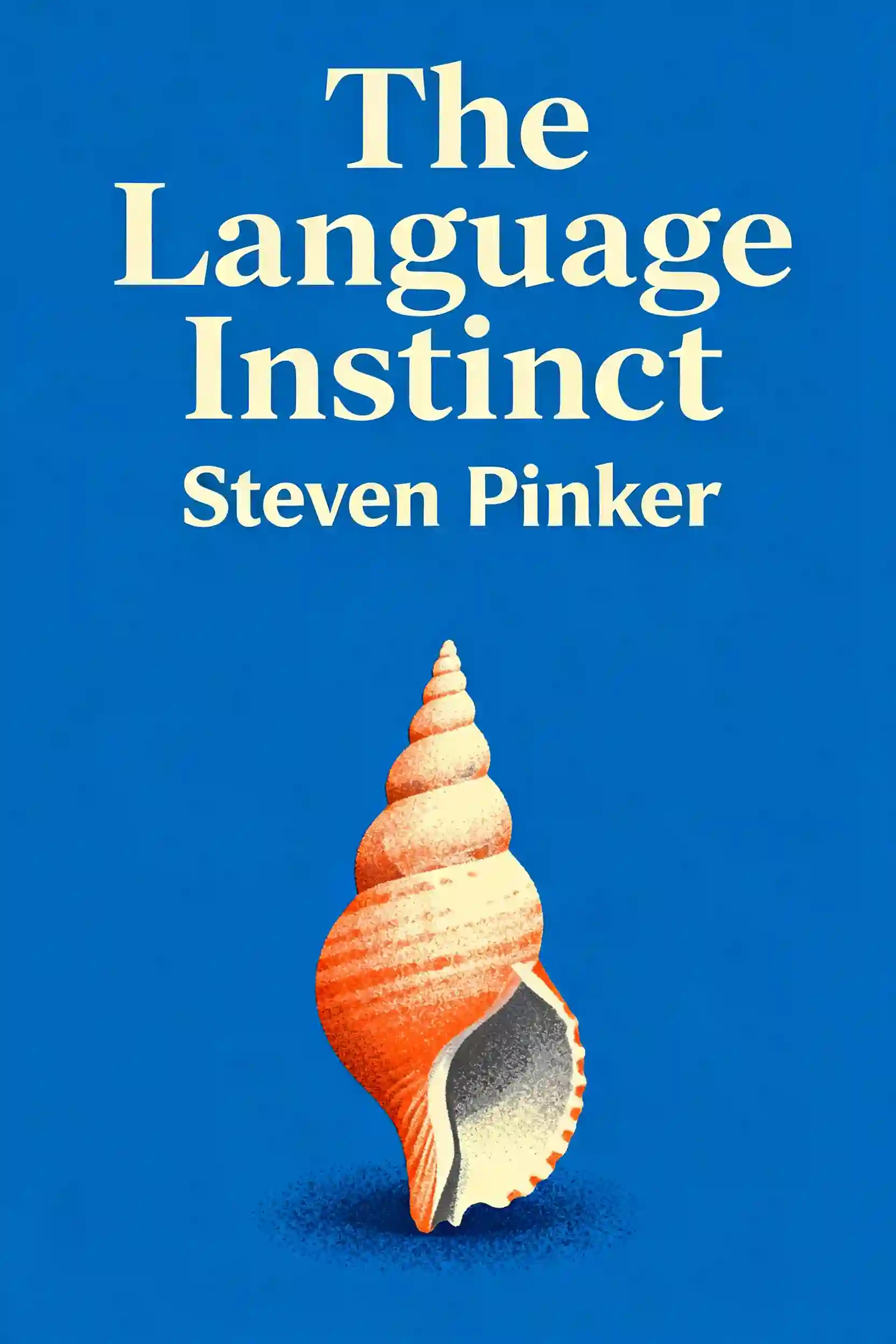
    The Language Instinct
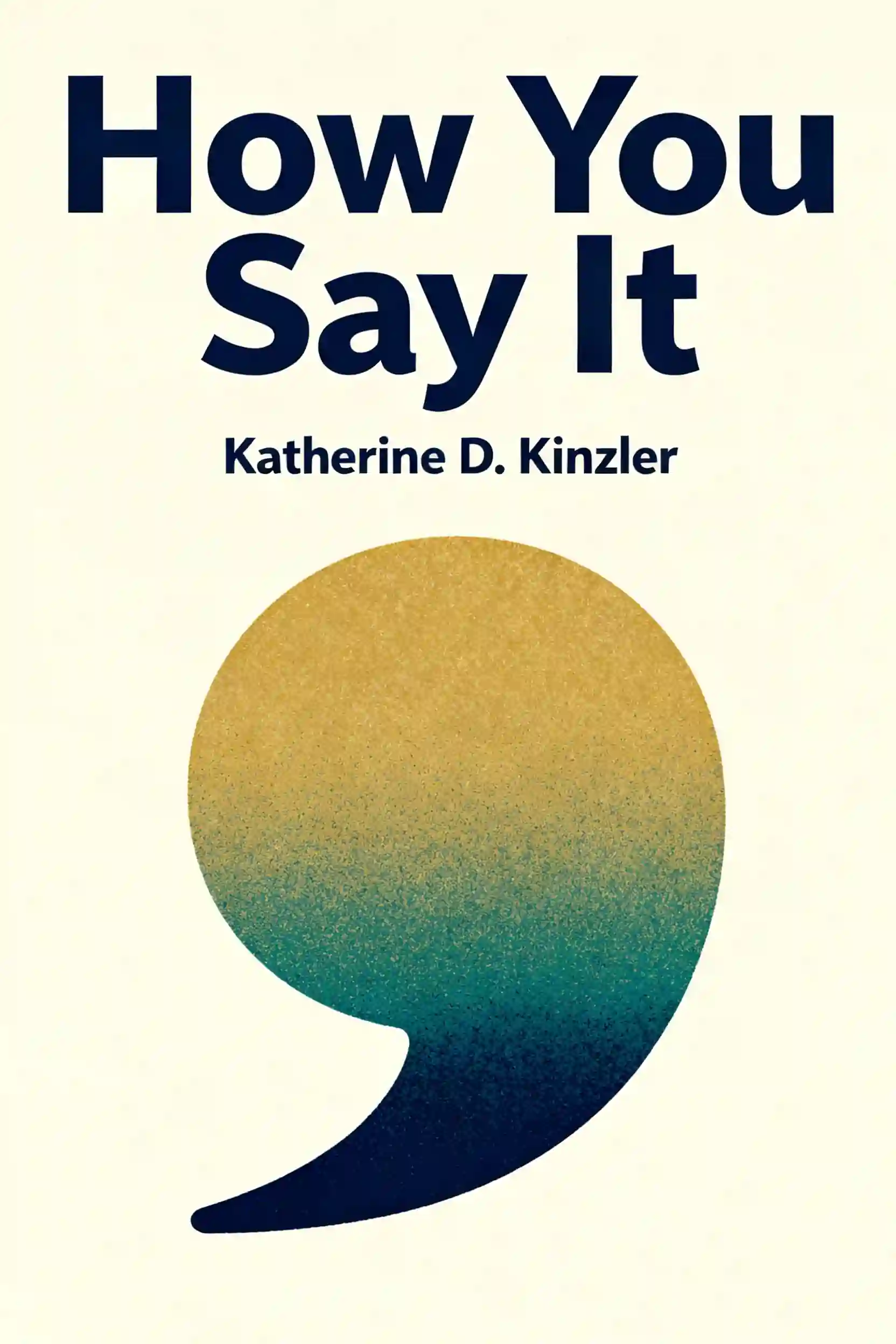
    How You Say It
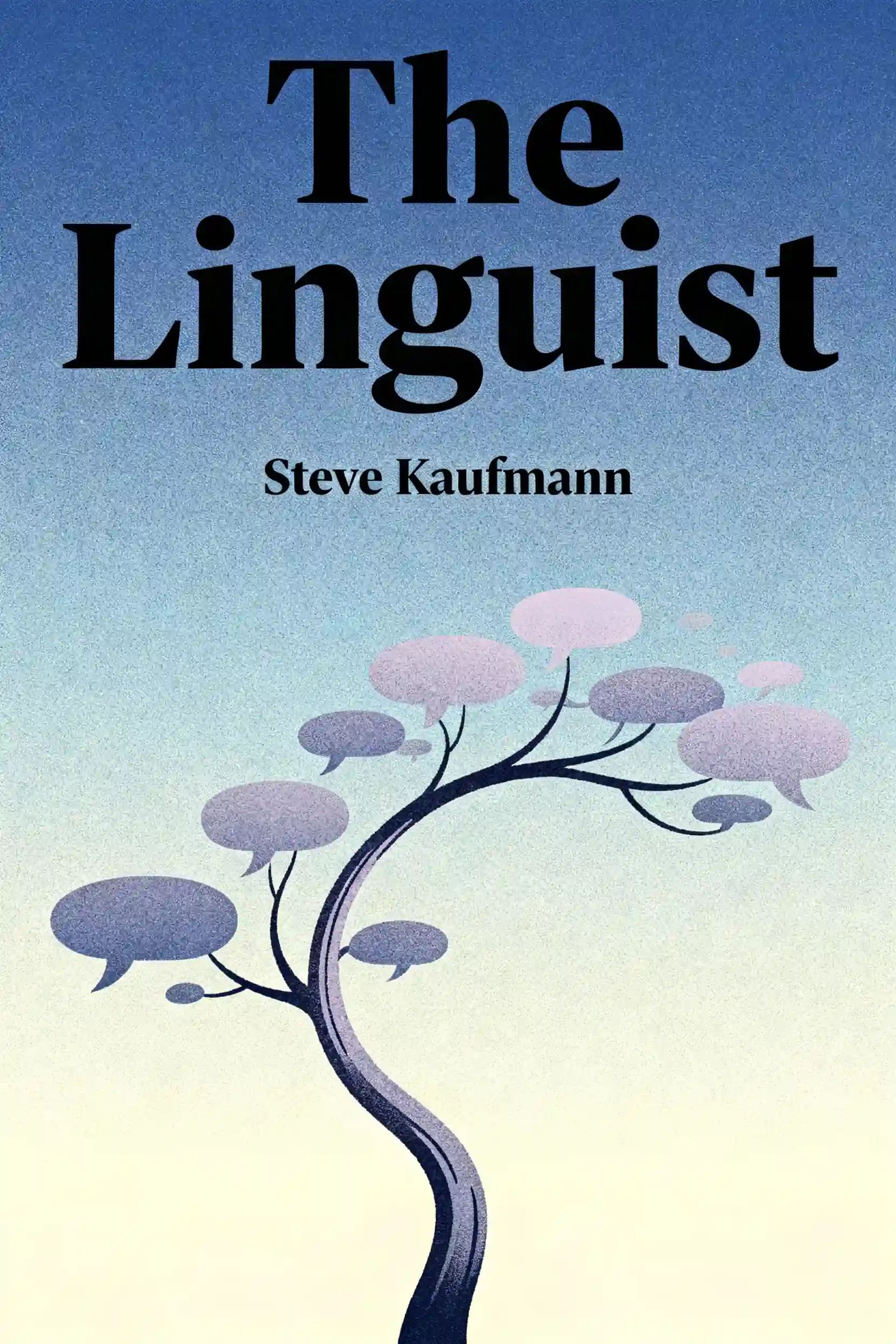
    The Way of the Linguist

    컬럼비아 대학교 동문들이 제작 | 샌프란시스코에서 개발

    BeFreed는 호기심 넘치는 글로벌 커뮤니티를 하나로 연결합니다

    4.7

    평균 평점

    앱 평가 7.84천 개 이상

    BeFreed 커뮤니티

    정말이지 아직 앱을 다 써 보지도 않았는데, 며칠 써 본 것만으로도 깊은 인상을 받았어요… BeFreed는 제가 써 본 어떤 학습 앱과도 차원이 달라요. 몰입감이 엄청나고 집중력도 실제로 좋아져서, 스마트폰을 하염없이 스크롤하는 분들께 딱이에요!

    @ladyInfinity

    정확히 23일 전에 BeFreed를 구입했는데, 그날부터 하루도 빠짐없이 쓰고 있어요. 제 일상 업무 흐름과 학습 습관에 완전히 자리 잡았어요.

    @jayallen

    솔직히 이 앱은 제 기대를 전부 뛰어넘었어요. 어떤 주제든 오디오로 만들어 달라고 할 수 있고, 결과물이 놀라워요. 제 전문 분야는 심리치료 쪽이고 여러 학문이 얽혀 있는데도 답변이 아주 정확해요.

    @Raguipa

    제일 고마운 건 스크롤하는 시간이 확 줄었다는 거예요. 검색하는 시간은 줄고 흡수하는 시간은 늘었어요. 오디오북 전권, 팟캐스트, 학습 플랜의 조합이 정말 훌륭해요.

    @colonyofcreatorsNGO

    저는 24년째 PhotoReading 속진 학습 강사로 일하고 있어요… 책과 독서, 배움이 제 전문인데, BeFreed는 정보를 소화하기 쉽게 전달하는 혁신적인 방식을 정말 잘 구현했어요.

    @BeFreed user

    단순한 책 요약 앱이 아니에요. '재미' 스타일을 써 봤는데, 전통적인 방식보다 훨씬 나은 요약이고 아이디어를 이해하기도 쉬워요. 이것만으로도 값어치를 해요.

    @austinakon

    이 앱이 정말 좋아요. 며칠 써 봤는데 듣는 걸 멈출 수가 없어요. 시작하기에 이보다 좋을 수 없어요.

    @jcrules328

    정말 마음에 들어요. 한 달 정도 써 봤는데 숨은 보석을 찾은 기분이에요. BeFreed로 제가 원하는 주제를 직접 만들 수 있어서 좋고, 목소리도 훌륭한 데다 내레이션 선택지가 무궁무진해요.

    @DanielCZ

    정말이지 아직 앱을 다 써 보지도 않았는데, 며칠 써 본 것만으로도 깊은 인상을 받았어요… BeFreed는 제가 써 본 어떤 학습 앱과도 차원이 달라요. 몰입감이 엄청나고 집중력도 실제로 좋아져서, 스마트폰을 하염없이 스크롤하는 분들께 딱이에요!

    @ladyInfinity

    정확히 23일 전에 BeFreed를 구입했는데, 그날부터 하루도 빠짐없이 쓰고 있어요. 제 일상 업무 흐름과 학습 습관에 완전히 자리 잡았어요.

    @jayallen

    솔직히 이 앱은 제 기대를 전부 뛰어넘었어요. 어떤 주제든 오디오로 만들어 달라고 할 수 있고, 결과물이 놀라워요. 제 전문 분야는 심리치료 쪽이고 여러 학문이 얽혀 있는데도 답변이 아주 정확해요.

    @Raguipa

    제일 고마운 건 스크롤하는 시간이 확 줄었다는 거예요. 검색하는 시간은 줄고 흡수하는 시간은 늘었어요. 오디오북 전권, 팟캐스트, 학습 플랜의 조합이 정말 훌륭해요.

    @colonyofcreatorsNGO

    저는 24년째 PhotoReading 속진 학습 강사로 일하고 있어요… 책과 독서, 배움이 제 전문인데, BeFreed는 정보를 소화하기 쉽게 전달하는 혁신적인 방식을 정말 잘 구현했어요.

    @BeFreed user

    단순한 책 요약 앱이 아니에요. '재미' 스타일을 써 봤는데, 전통적인 방식보다 훨씬 나은 요약이고 아이디어를 이해하기도 쉬워요. 이것만으로도 값어치를 해요.

    @austinakon

    이 앱이 정말 좋아요. 며칠 써 봤는데 듣는 걸 멈출 수가 없어요. 시작하기에 이보다 좋을 수 없어요.

    @jcrules328

    정말 마음에 들어요. 한 달 정도 써 봤는데 숨은 보석을 찾은 기분이에요. BeFreed로 제가 원하는 주제를 직접 만들 수 있어서 좋고, 목소리도 훌륭한 데다 내레이션 선택지가 무궁무진해요.

    @DanielCZ

    유용한 정보와 아이디어를 8~15분짜리 팟캐스트 스타일 오디오로 압축해서 들을 수 있다는 게 정말 좋아요. 원래 팟캐스트는 군더더기가 많아서 안 좋아했는데, 여기는 그걸 싹 걷어냈어요.

    @BeFreed user

    박사 과정을 마무리하는 중이라 낯선 자료를 많이 읽어야 해요… BeFreed에서는 프롬프트만 입력하면 앱이 자료를 찾아서 오디오 팟캐스트로 만들어 줘요. BeFreed의 과정이 NotebookLM보다 더 매끄럽게 느껴져요.

    @Brad

    아침을 준비하거나 산책하거나 출퇴근할 때 들을 것을 YouTube에서 자주 찾곤 했는데, BeFreed는 광고도 군더더기도 없이 훨씬 더 딱 맞는 걸 들려줘요!

    @BeFreed user

    이 플랫폼의 가장 큰 장점은 활용도예요. 다루지 못하는 주제가 말 그대로 하나도 없어요. 무엇을 던져도 다 소화해요… 제한이 전혀 없으면서 약속을 실제로 지키는 학습 도구는 정말 드물어요.

    @jayallen

    BeFreed는 환상적이에요. 디자인이 편해서 헤매는 시간은 줄고 배우는 시간은 늘었어요. 오디오북, 팟캐스트, 학습 플랜의 조합은 천재적이에요. 제 하루가 완전히 달라졌어요.

    @BeFreed user

    처음엔 이탈리아어로 팟캐스트를 만드는 방법을 이해하는 데 시간이 좀 걸렸는데, 알고 나니까 — 와! 정말 대단해요! 어떤 주제든 설명해 달라고 하면 정말 똑똑하게 잘 설명해 줘요!

    @matteo77

    BeFreed는 제가 매일 쓰는 오디오북 앱이 됐어요… 제일 마음에 드는 건 텍스트를 넣으면 이동 중에도 들을 수 있는 오디오로 만들어 준다는 점이에요.

    @kotanzu1

    유용한 정보와 아이디어를 8~15분짜리 팟캐스트 스타일 오디오로 압축해서 들을 수 있다는 게 정말 좋아요. 원래 팟캐스트는 군더더기가 많아서 안 좋아했는데, 여기는 그걸 싹 걷어냈어요.

    @BeFreed user

    박사 과정을 마무리하는 중이라 낯선 자료를 많이 읽어야 해요… BeFreed에서는 프롬프트만 입력하면 앱이 자료를 찾아서 오디오 팟캐스트로 만들어 줘요. BeFreed의 과정이 NotebookLM보다 더 매끄럽게 느껴져요.

    @Brad

    아침을 준비하거나 산책하거나 출퇴근할 때 들을 것을 YouTube에서 자주 찾곤 했는데, BeFreed는 광고도 군더더기도 없이 훨씬 더 딱 맞는 걸 들려줘요!

    @BeFreed user

    이 플랫폼의 가장 큰 장점은 활용도예요. 다루지 못하는 주제가 말 그대로 하나도 없어요. 무엇을 던져도 다 소화해요… 제한이 전혀 없으면서 약속을 실제로 지키는 학습 도구는 정말 드물어요.

    @jayallen

    BeFreed는 환상적이에요. 디자인이 편해서 헤매는 시간은 줄고 배우는 시간은 늘었어요. 오디오북, 팟캐스트, 학습 플랜의 조합은 천재적이에요. 제 하루가 완전히 달라졌어요.

    @BeFreed user

    처음엔 이탈리아어로 팟캐스트를 만드는 방법을 이해하는 데 시간이 좀 걸렸는데, 알고 나니까 — 와! 정말 대단해요! 어떤 주제든 설명해 달라고 하면 정말 똑똑하게 잘 설명해 줘요!

    @matteo77

    BeFreed는 제가 매일 쓰는 오디오북 앱이 됐어요… 제일 마음에 드는 건 텍스트를 넣으면 이동 중에도 들을 수 있는 오디오로 만들어 준다는 점이에요.

    @kotanzu1

    웹에서 BeFreed가 어떻게 논의되고 있는지 더 보기
    129.7K19.5K
    55.2K19.2K
    154.2K10827355
    48.1K2.5K
    81.2K6.6K
    82.3K1.8K
    지금 바로 학습 여정을 시작하세요
    BeFreed 앱
    BeFreed

    무엇이든 개인화된 학습

    DiscordLinkedIn
    추천 도서 요약
    Crucial ConversationsThe Perfect MarriageInto the WildNever Split the DifferenceAttachedGood to GreatSay Nothing
    인기 카테고리
    Self HelpCommunication SkillRelationshipMindfulnessPhilosophyInspirationProductivity
    유명인 추천 도서
    Elon MuskCharlie KirkBill GatesSteve JobsAndrew HubermanJoe RoganJordan Peterson
    수상작 컬렉션
    Pulitzer PrizeNational Book AwardGoodreads Choice AwardsNobel Prize in LiteratureNew York TimesCaldecott MedalNebula Award
    추천 주제
    ManagementAmerican HistoryWarTradingStoicismAnxietySex
    연도별 베스트 도서
    2025 Best Non Fiction Books2024 Best Non Fiction Books2023 Best Non Fiction Books
    추천 저자
    Chimamanda Ngozi AdichieGeorge OrwellO. J. SimpsonBarbara O'NeillWinston ChurchillCharlie Kirk
    BeFreed vs 다른 앱
    BeFreed vs. Other Book Summary AppsBeFreed vs. ElevenReaderBeFreed vs. ReadwiseBeFreed vs. Anki
    학습 도구
    Knowledge VisualizerAI Podcast Generator
    정보
    회사 소개arrow
    가격arrow
    FAQarrow
    블로그arrow
    채용arrow
    파트너십arrow
    앰배서더 프로그램arrow
    디렉토리arrow
    BeFreed
    Try now
    © 2026 BeFreed
    이용 약관개인정보 처리방침
    BeFreed

    무엇이든 개인화된 학습

    DiscordLinkedIn
    추천 도서 요약
    Crucial ConversationsThe Perfect MarriageInto the WildNever Split the DifferenceAttachedGood to GreatSay Nothing
    인기 카테고리
    Self HelpCommunication SkillRelationshipMindfulnessPhilosophyInspirationProductivity
    유명인 추천 도서
    Elon MuskCharlie KirkBill GatesSteve JobsAndrew HubermanJoe RoganJordan Peterson
    수상작 컬렉션
    Pulitzer PrizeNational Book AwardGoodreads Choice AwardsNobel Prize in LiteratureNew York TimesCaldecott MedalNebula Award
    추천 주제
    ManagementAmerican HistoryWarTradingStoicismAnxietySex
    연도별 베스트 도서
    2025 Best Non Fiction Books2024 Best Non Fiction Books2023 Best Non Fiction Books
    학습 도구
    Knowledge VisualizerAI Podcast Generator
    추천 저자
    Chimamanda Ngozi AdichieGeorge OrwellO. J. SimpsonBarbara O'NeillWinston ChurchillCharlie Kirk
    BeFreed vs 다른 앱
    BeFreed vs. Other Book Summary AppsBeFreed vs. ElevenReaderBeFreed vs. ReadwiseBeFreed vs. Anki
    정보
    회사 소개arrow
    가격arrow
    FAQarrow
    블로그arrow
    채용arrow
    파트너십arrow
    앰배서더 프로그램arrow
    디렉토리arrow
    BeFreed
    Try now
    © 2026 BeFreed
    이용 약관개인정보 처리방침

    비슷한 콘텐츠

    Speak Arabic With Confidence 책 표지
    Arabs: A 3,000-Year History of Peoples, Tribes and EmpiresFluent In 3 MonthsSays Who?The Mother Tongue
    22 sources
    Speak Arabic With Confidence
    Discover practical techniques to overcome the speaking roadblock in Arabic, from daily micro-immersion practices to navigating dialects, all designed for busy English speakers ready to move beyond basics.
    33 min
    Arabic grammar for speaking is easier than you think 책 표지
    Metaphors We Live ByArabsFluent in 3 MonthsThrough the Language Glass
    21 sources
    Arabic grammar for speaking is easier than you think
    Struggling to turn memorized Arabic words into real conversation? Learn how to use flexible sentence structures to stop stalling and start speaking.
    33 min
    Beyond the Classroom: Mastering Levantine Arabic 책 표지
    Arabs: A 3,000-Year History of Peoples, Tribes and EmpiresFluent In 3 MonthsSex and the CitadelSays Who?
    21 sources
    Beyond the Classroom: Mastering Levantine Arabic
    Ditch the formal textbooks and learn to speak like a local. This guide explores the grammar, phonetics, and cultural nuances of Shami Arabic to help you connect authentically across the Levant.
    32 min
    Speak with Power and Precision 책 표지
    How to Speak Like the Top 1%: The Science of Elite CommunicationFreeing the Natural VoiceThe Sense of StyleMagic Words
    26 sources
    Speak with Power and Precision
    Discover practical techniques to expand your vocabulary and communicate more articulately, helping you express complex thoughts with clarity and confidence in everyday conversations.
    49 min
    Speak With Clarity and Confidence 책 표지
    The Art of Public SpeakingPublic Speaking for SuccessThe Elements of Rhetoric -- How to Write and Speak Clearly and PersuasivelyHow to Speak Like the Top 1%: The Science of Elite Communication
    23 sources
    Speak With Clarity and Confidence
    Discover practical strategies to become more articulate, from developing your 'greatest hits' of core ideas to mastering the rhythm of speech and building vocabulary that serves your message.
    11 min
    Master English: Speak From Day One Guide 책 표지
    Learning English as A Second Language: A Comprehensive GuideHow to Improve Your English Quickly: Effective Learning Methods ...Resources for LearnersFluent In 3 Months
    6 sources
    Master English: Speak From Day One Guide
    Discover proven strategies to learn English fast by speaking immediately, creating immersion at home, and connecting with native speakers. Transform from silent learner to confident communicator.
    8 min
    Overcome Speaking Anxiety: Real Techniques That Work 책 표지
    source 1Speaking Up Without Freaking Out: 50 Techniques for Confident, Calm, and Competent Presenting (3rd edition)Management of stuttering using cognitive behavior therapy and ...source 4
    6 sources
    Overcome Speaking Anxiety: Real Techniques That Work
    Practical strategies to transform speaking fears into confidence. Learn breathing techniques, grounding methods, and mindset shifts that help you connect authentically rather than perform perfectly.
    23 min
    Speak with Power and Clarity 책 표지
    The Art of Public SpeakingPublic Speaking for SuccessThe Elements of Rhetoric -- How to Write and Speak Clearly and PersuasivelySpeak Like a CEO
    8 sources
    Speak with Power and Clarity
    Discover how to transform jumbled thoughts into articulate speech through practical daily exercises. Learn to bridge the brain-mouth gap and develop a confident, persuasive speaking style that connects with any audience.
    31 min

    Recommended Learning Plans

    Learn Levantine Arabic.
    학습 계획

    Learn Levantine Arabic.

    This learning plan is essential for anyone seeking to navigate daily life in the Levant or connect deeply with Arabic-speaking communities. It is ideal for travelers, expats, and language enthusiasts who want to move beyond textbooks and achieve practical, culturally-aware conversational fluency.

    4 h 28 m•3 섹션
    Speak Natural and Stay Present
    학습 계획

    Speak Natural and Stay Present

    This plan is essential for professionals and speakers who struggle with overthinking or freezing in the moment. It provides actionable tools to transition from scripted anxiety to fluid, present communication in any social or professional setting.

    1 h 30 m•3 섹션
    Become fluent in speaking French.
    학습 계획

    Become fluent in speaking French.

    This plan is designed for learners who want to move beyond rote memorization to achieve true conversational confidence. It is ideal for travelers, professionals, or expats who need to master both the linguistic mechanics and the cultural nuances of the French language.

    3 h 29 m•3 섹션
    Overcome Speaking Anxiety & Speak Confidently
    학습 계획

    Overcome Speaking Anxiety & Speak Confidently

    This plan is designed for professionals and aspiring leaders who feel held back by the fear of public speaking. It provides a comprehensive roadmap from managing anxiety to mastering the advanced nonverbal and structural skills needed to influence any audience.

    5 h 20 m•4 섹션
    Learn English-Arabic translation
    학습 계획

    Learn English-Arabic translation

    This plan is essential for bilingual individuals looking to professionalize their translation skills by bridging linguistic gaps and cultural nuances. It benefits aspiring translators and language enthusiasts seeking a structured path from foundational theory to career-ready expertise.

    6 h 6 m•4 섹션
    Speak and Remember Naturally
    학습 계획

    Speak and Remember Naturally

    This plan is essential for professionals and students who struggle with forgetting their talking points or vocabulary under pressure. It combines cognitive science with practical delivery techniques to help anyone transform from a rote-memorizer into a confident, natural communicator.

    1 h 30 m•3 섹션
    Boost my English speaking
    학습 계획

    Boost my English speaking

    This learning plan is designed for English learners who understand the language but struggle to speak it confidently and naturally in real-world situations. It's ideal for professionals, students, and anyone who wants to bridge the gap between knowing English and actually using it fluently in conversations, presentations, and daily interactions.

    4 h 27 m•4 섹션
    To learn how to speak fluently in public
    학습 계획

    To learn how to speak fluently in public

    Effective communication is the cornerstone of leadership and professional success. This plan is designed for aspiring leaders and professionals who want to transform their stage presence from fearful to influential.

    5 h 5 m•4 섹션