BeFreed
    Categories>Psychology>Hang Up Your Anxiety: Conquering Phone Phobia

    Hang Up Your Anxiety: Conquering Phone Phobia

    21분
    |
    |
    2026년 3월 10일
    • Psychology
    • Communication
    • Self-Growth

    Discover the psychology behind telephobia and learn a practical, step-by-step playbook to transform your phone anxiety into confident communication.

    Hang Up Your Anxiety: Conquering Phone Phobia
    0:00 / 0:00
    전달 방식을 선택하세요

    하나의 에피소드, 다양한 청취 방식.

    Hang Up Your Anxiety: Conquering Phone Phobia의 같은 아이디어를 나에게 맞는 목소리, 깊이, 속도로 만나보세요. 언제든 바꿀 수 있습니다.

    전체 대본 및 챕터

    챕터 1

    Defeating the Ringing Boss Battle

    Lena: You know, Miles, I was about to call for a pizza last night, and I actually froze. My heart started racing like a caffeinated squirrel, and I ended up just using an app. It’s wild how a little plastic device can feel like a high-stakes performance stage.

    Miles: It’s more common than you’d think! Studies actually suggest that up to 15% of adults deal with some form of phone anxiety. It’s not just a "millennial thing" either; it hits everyone from CEOs to grandparents. Our brains basically treat a ringing phone like a "boss battle" because we lose all those helpful non-verbal cues, like facial expressions.

    Lena: Exactly! Without those cues, I’m just terrified of an awkward silence or saying something foolish "live on air."

    Miles: Right, and that's why we’re turning this into a training montage today. We’re going to break down how to unlearn that fear using a practical playbook. Let’s dive into why our brains treat a simple dial tone like a major threat.

    챕터 2

    The Silent Orchestra of Nonverbal Cues

    Lena: It is so true about the "boss battle" feeling—but I want to dig into that specific fear of the unknown you mentioned. Why does the lack of a face make such a massive difference in how our brains process a conversation? I mean—we’re still using words, right?

    Miles: We are—but words are actually a much smaller piece of the puzzle than we realize. I was looking into some research from the 1960s—and while the exact numbers are debated—the core idea remains solid: a huge chunk of our communication, maybe even 55 percent, is purely visual. Think of it as a silent orchestra. You have facial expressions, gestures—the way someone leans in or glances away. When you’re face-to-face, you’re constantly reading these tiny cues to see if the other person is bored—confused—or even about to laugh.

    Lena: And on the phone, the orchestra is basically playing in the dark!

    Miles: Exactly. You lose the conductor and the sheet music. All you have is the voice. That creates a massive cognitive load because your brain is desperately trying to fill in those gaps. If there’s a silence on the line—your brain doesn't see the person pausing to take a sip of water or looking for a pen. Instead—if you’re prone to anxiety—you fill that silence with negative thoughts. You think—"Did I offend them?" or "Are they judging me?"

    Lena: Oh—I do that all the time. If I hear a "deadly silence"—I immediately assume I’ve said something incredibly stupid. It’s like my brain goes into overdrive trying to play detective without any evidence.

    Miles: That’s a perfect way to put it. And it’s not just about what they are thinking—it’s about the pressure of the "live" performance. In a text or an email—you have the luxury of time. You can edit—delete—and polish your thoughts before you hit send. But a phone call? It’s spontaneous. It catches us off guard. We’re forced to respond in real time—and for many of us—that feels like being put on the spot without a script.

    Lena: It’s the difference between a pre-recorded special and a live broadcast where anything can go wrong. And I think that’s why "halfalogues" are so distracting too. Have you ever been on a train and had to listen to just one side of a phone conversation?

    Miles: Yes—and it’s infuriating! There’s actually research from Cornell about this. They found that hearing only one side of a conversation is significantly more distracting to bystanders than hearing two people talk face-to-face. Because our brains are wired to predict patterns—when half the information is missing—our minds work twice as hard to figure out the rest. So—if you’re the one on the phone—you feel that extra scrutiny from everyone around you. You feel like you’re performing a monologue for an audience that’s only half-listening—which just cranks the anxiety up even higher.

    Lena: So we’re dealing with missing cues—time pressure—and the feeling of being judged by both the person on the line and anyone in earshot. No wonder I’d rather just text!

    Miles: It’s a perfect storm of social stress. But once we recognize that these are just biological responses to a specific set of triggers—we can start to dismantle them. It’s about realizing that the "danger" isn't the person on the other end—it’s just our brain’s reaction to a lack of data.

    이 에피소드로 더 깊이 배우기

    이 에피소드의 아이디어를 BeFreed의 가이드 학습 경험으로 더 깊이 탐구해 보세요.

    챕터 3

    Mapping the Telephobia Skill Tree

    Lena: If we’re treating this like a training montage—where do we actually start? I can’t just jump from "terrified of the dial tone" to "closing million-dollar deals over the phone" in one day.

    Miles: You're right—we need a "scaffold approach." Think of it like a skill tree in a video game. You don't start at the level 50 dungeon; you start by practicing your basic moves in a safe zone. Psychologists call this exposure therapy—and the key is to make it gradual. You create a "hierarchy of fears"—ranking phone tasks from "barely scary" to "total panic mode."

    Lena: Okay—so what’s a level one task? Something like calling a recorded message?

    Miles: Exactly! That’s the perfect tutorial level. You call a customer service line where you know you’re just going to hear an automated menu. There’s zero chance of social rejection because there’s no human on the other end. You’re just getting used to the physical act of holding the phone and listening. Once that feels boring—not just tolerable—but actually boring—you move up to level two.

    Lena: Maybe calling a friend or a family member? Someone who won’t judge if I stumble?

    Miles: Spot on. The "Phone Lady"—Mary Jane Copps—actually suggests calling familiar people for two days straight instead of texting them. It builds the habit of "voice-first" communication. From there—you move to level three: the "Low-Stakes Information Request." This is where you call a local business—like a bookstore or a pharmacy—just to ask a simple question. "What time do you close?" or "Do you have this specific item in stock?"

    Lena: Oh—I like that. It’s a very structured interaction. They have a script—I have a script—and the whole thing is over in thirty seconds.

    Miles: Right—and because they’re at work—they’re incentivized to be helpful and professional. You’re not "bothering" them; you’re literally the reason they’re there. As you get more comfortable—you keep climbing. Level four might be calling someone you don't know well with a more complex question. Level five is making those same calls while someone else is in the room with you—which—as we discussed—adds that layer of "audience anxiety."

    Lena: It’s funny—I actually find calling strangers easier than calling acquaintances sometimes. If I mess up with a customer service rep—I’ll never speak to them again. But if I sound awkward with a distant friend—I’ll be obsessing over it for weeks.

    Miles: That’s a really common insight! And that’s why your personal hierarchy might look different from mine. The goal isn't to follow a rigid list—but to find your specific "edge" and push it just a little bit every day.

    Lena: It’s about building "conversational resilience," right?

    Miles: Exactly. And while you’re doing this—you want to watch out for "safety behaviors." Those are the little things we do to avoid the core fear—like rehearsing a script for twenty minutes before a two-minute call—or only calling when you know you’ll get someone’s voicemail. Those might make you feel better in the moment—but they actually reinforce the idea that the phone is dangerous. The goal is to gradually strip away those crutches until you can just—you know—pick up and dial.

    Lena: So—start small—track your progress—and don't be afraid to fail at the low levels. It’s all just XP for the bigger battles later.

    챕터 4

    The Cognitive Restructuring Cheat Sheet

    Miles: Now—while we’re doing the physical practice—we also have to do the "brain work." This is where cognitive restructuring comes in. It sounds fancy—but it’s really just about being a lawyer for your own sanity. You have to cross-examine those anxious thoughts that pop up the moment the phone vibrates.

    Lena: Like that thought—"I’m going to be a total nuisance if I call right now"?

    Miles: Precisely. Let’s put that thought on trial. What’s the evidence? If you call a friend—and they’re busy—what will they do? They’ll probably let it go to voicemail—or answer and say—"Hey—can I call you back in ten?" Why would they answer if they were truly too busy to talk?

    Lena: That’s a good point. I always assume people answer out of some grim sense of obligation—but most people are actually in control of their own phones.

    Miles: Right! And another big one is the "Fear of the Verbal Slip-up." We worry that we’ll stutter—or forget what we were saying—and the other person will think we’re incompetent. But think about the last three people you talked to. Do you remember if they stumbled over a word?

    Lena: Honestly—no. I was probably too busy thinking about what I was going to say next.

    Miles: There’s a psychological concept for that called "The Liking Gap." Research from Yale and other universities shows that after a conversation—people actually like us much more than we think they do. We’re so busy monitoring our own "performance" and spotting our own tiny mistakes that we completely miss the fact that the other person is having a perfectly pleasant time. We underestimate our own likability.

    Lena: That’s actually really heartening. We’re our own harshest critics—while the person on the other end is probably just thinking about their lunch or their own to-do list.

    Miles: Exactly. Another great technique is "Humanizing the Caller." Often—we treat the person on the other end like a judge or a "boss monster"—but they’re just another person. They might even be nervous themselves! A 2019 survey found that 62 percent of office workers experience call-related nerves. So—there’s a statistically significant chance the person you’re calling is just as relieved as you are when the conversation goes well.

    Lena: I love the idea of assuming they’re "kind—forgiving—and open-minded" until proven otherwise. It takes so much of the pressure off.

    Miles: It really does. And if you’re worried about the "Unknown Number" panic—remember that you always have the power to say—"I don't know the answer right now—but I’ll find out and get back to you." That is a perfectly professional—adult response. You don't have to be a human encyclopedia just because you picked up the receiver.

    Lena: So—challenge the negative thoughts—remember the Liking Gap—and give yourself permission to not have all the answers. It’s about shifting from "What if I fail?" to "What if this is just a normal—helpful conversation?"

    Miles: And—if all else fails—use a little "Positive Self-Talk." Before you dial—remind yourself—"I am a clear and confident communicator" or "This is just a thirty-second exchange." It sounds a bit cheesy—but it helps prime your brain for success instead of catastrophe.

    이 에피소드로 더 깊이 배우기

    이 에피소드의 아이디어를 BeFreed의 가이드 학습 경험으로 더 깊이 탐구해 보세요.

    챕터 5

    Physical Resets and the "Hearable" Smile

    Lena: Okay—so we’ve got the mental strategy—but what about those physical symptoms? The racing heart—the sweaty palms—the shaky voice. Sometimes it feels like my body has decided we’re being chased by a bear before I even hit the "call" button.
    Miles: That is your fight-or-flight response kicking in. Your body can’t tell the difference between a social threat—like a phone interview—and a physical threat. To calm it down—we have to use "bottom-up" resets. These are physical actions that tell your nervous system—"Hey—we’re safe. You can stand down."

    Lena: Like the deep breathing we keep hearing about?

    Miles: Exactly—but specifically "Square Breathing" or the "4-7-8 technique." You inhale for four counts—hold for seven—and exhale for eight. That long—slow exhale is the secret sauce. It activates your parasympathetic nervous system—which is the "rest and digest" mode. Even just one round of that before you pick up can significantly lower your heart rate.

    Lena: I’ve also heard about something called "Progressive Muscle Relaxation." How does that work in a phone context?

    Miles: It’s great for getting rid of that hidden tension in your shoulders or jaw. You basically tense a muscle group—like your fists or your shoulders—as hard as you can for a few seconds—and then suddenly release. It helps you recognize where you’re holding stress so you can let it go. And—here’s a weird one—smile while you’re talking.

    Lena: Wait—smile? Even if they can’t see me?

    Miles: Especially because they can’t see you! There’s a study from the University of Portsmouth that found people can actually "hear" a smile. When you smile—it changes the shape of your mouth and the tone of your voice—making you sound more confident and friendly. But it also works on you. Psychologists at the University of Cardiff found that even when people couldn't physically frown—thanks to things like Botox—they actually felt less anxious. Your brain takes cues from your facial muscles. If you’re smiling—your brain thinks—"Oh—we must be having a good time!"

    Lena: "Fake it until your brain believes it." I like that. What about the environment? I find that if I’m in a crowded room—my anxiety triples.

    Miles: Environment is huge. You want to create a "Safe Zone" for your calls. If you can—find a quiet—private spot where you don't feel like people are eavesdropping. Have a glass of water nearby for that "dry mouth" feeling—and maybe keep a "fidget toy" or a pen and paper handy. Scribbling or doodling while you talk is a fantastic way to channel that nervous energy away from your voice and into your hands.

    Lena: Oh—I’m a chronic doodler on the phone. I thought it meant I wasn't paying attention—but it actually helps me stay focused.

    Miles: It’s a classic "grounding technique." It keeps you in the present moment instead of spiraling into "what-if" scenarios. And if an unexpected call comes in and you’re just not ready—it’s okay to ask for a moment. Say—"Hey—let me just find a quiet spot" or "Can I call you back in five minutes?" Taking that time to regulate your breathing and gather your thoughts isn't rude—it’s actually good etiquette because it means you’re giving the caller your full attention.

    Lena: So—breathe deep—smile through the line—doodle to stay grounded—and don't be afraid to take a "tactical pause" to get your head right.

    챕터 6

    The Professional Playbook and Scripting

    Miles: Let’s talk about work—because that’s where the stakes often feel the highest. Phone anxiety can actually stall careers if you’re avoiding networking or avoiding those "urgent" client calls. The best defense here is a good offense—and that means "Bullet Points—not Scripts."

    Lena: Wait—why not a full script? I feel so much safer when I have every word written down.

    Miles: I get it—but a full script can actually be a trap. If the person on the other end says something you didn't anticipate—you might freeze because you’ve gone "off-script." It makes the conversation feel rigid and unnatural. Instead—use bullet points. Write down the purpose of the call—the three main things you need to say—and any questions you have. It gives you a roadmap without locking you into a specific path.

    Lena: That makes sense. It’s like having a GPS instead of a pre-written turn-by-turn list that breaks if there’s a detour.

    Miles: Exactly. And for professional calls—you can also use the "Humanize and Validate" technique. If you’re calling someone "important"—remember that they’re just as busy and human as you are. Acknowledge their time. Start with—"Hi—is this a good time to chat for five minutes?" It gives them an "out" and makes you feel less like an intruder.

    Lena: And what if the call is actually a confrontation? Like calling a customer who’s angry—or a boss to deliver bad news?

    Miles: Those are the "Level 10" battles. For those—Taylor Sneed—who worked as a customer care advocate—suggests using the "Long Silent Pause." If someone is yelling or being aggressive—don't jump in immediately. Wait a few seconds after they finish. It gives them a chance to reflect on their own behavior—and often—they’ll actually apologize. It puts you back in the driver’s seat.

    Lena: That is such a power move! It’s like letting the storm blow itself out before you start talking.

    Miles: It really is. And for those of us who are "generation mute"—we can use "Voice Notes" as a bridge. If you need to deliver information but aren't ready for a live back-and-forth—a voice note lets you practice your "phone voice" without the pressure of an immediate response. It’s a great way to "unlearn" the fear of your own voice on a recording.

    Lena: I’ve started doing that more—and it really does help you get used to how you sound. You realize you don't sound nearly as awkward as you think you do.

    Miles: Precisely. And the last piece of the professional playbook is the "Digital Record." If a call is really complex—tell the other person—"I’m going to take some notes while we talk." It justifies any pauses—and it gives you something to do with your hands. Then—follow up with a quick email summarizing what you discussed. It reinforces the connection and ensures you didn't miss anything in your "phone fog."

    Lena: So—bullets over scripts—the "Power Pause" for tough calls—and using voice notes or email follow-ups to bridge the gap. It’s all about creating a system where the phone is just one tool in your kit—not a source of dread.

    이 에피소드로 더 깊이 배우기

    이 에피소드의 아이디어를 BeFreed의 가이드 학습 경험으로 더 깊이 탐구해 보세요.

    챕터 7

    Building a Healthy Tech Relationship

    Miles: As we look at the bigger picture—overcoming phone anxiety is really part of a larger goal: building a healthier relationship with our technology. We live in this world of "constant connectivity"—but "meaningful connection" is often what’s missing.

    Lena: It’s ironic—isn't it? We’re more "connected" than ever—yet the idea of a real-time voice call feels more intrusive and scary than it did thirty years ago.

    Miles: It really is. And that’s why "Digital Detoxing" and "Phone-Free Zones" are so important for managing anxiety. If your phone is always a source of stress—you need places in your life where it literally can’t reach you. The dinner table—the bedroom—or even just a specific hour of the day where the phone stays in another room. It helps "reset" your nervous system so you’re not always in a state of "high alert" for the next notification.

    Lena: I’ve started leaving my phone in the kitchen when I go to bed—and it’s made a huge difference in my sleep quality. I’m not waking up and immediately checking for "threats" or messages I missed.

    Miles: That’s a huge win! And it’s also about "reclaiming the joy of the moment." When we rely entirely on text—we lose the "spontaneous intimacy" of a conversation. We lose the laughs—the "ums"—the shared silences. Overcoming telephobia isn't just about being better at your job; it’s about opening up your world to deeper—more authentic social interactions.

    Lena: It’s about not letting the fear of a "bad call" rob us of the chance for a "great conversation."

    Miles: Exactly. And remember—resilience is a muscle. Every time you pick up the phone—even if you’re nervous—even if you stumble—you’re making that muscle stronger. You’re teaching your brain that you can handle the "unknown."

    Lena: I think that’s the most important takeaway for me today. It’s not about never being anxious; it’s about knowing that I have the tools to handle that anxiety when it shows up. I’ve got my breathing—my bullet points—and my "hearable" smile.

    Miles: And if you find that your anxiety is still feeling overwhelming—don't hesitate to seek out professional help. Therapists are experts at this kind of exposure work—and they can provide a safe space to practice these skills. There’s no shame in needing a "coach" for your training montage.

    Lena: Absolutely. Whether it’s through an app—a support group—or a licensed therapist—the goal is to move toward a life where a ringing phone is just a sound—not a signal to panic.

    Miles: It’s about taking back control. You are the one who decides when to pick up—what to say—and when the conversation is over. The phone is a tool that works for you—not the other way around.

    챕터 8

    Your Personal Training Montage

    Lena: So—as we wrap things up—I’m looking at my phone differently now. It’s not a "boss battle"—it’s just a piece of hardware. And I’ve got a whole inventory of "power-ups" to use.

    Miles: That’s the spirit! We’ve covered a lot of ground—from the "silent orchestra" of nonverbal cues to the "scaffold approach" of exposure therapy. We’ve talked about the "Liking Gap"—square breathing—the power of the "bullet point"—and the importance of creating "phone-free zones" to protect your peace.

    Lena: It really feels like a shift in perspective. Instead of focusing on "What if I sound silly?"—I’m starting to think—"What if this call actually saves me twenty minutes of confusing emails?" or "What if I actually enjoy hearing this person’s voice?"

    Miles: That "What-If" flip is the ultimate cognitive restructuring move. For everyone listening—I’d love for you to think about one "Level One" phone task you’ve been avoiding. Maybe it’s calling to check store hours—or calling a friend just to say hi instead of sending a heart emoji.

    Lena: I’m going to try it today. I have to call my dentist to reschedule—and instead of waiting for their online portal to update—I’m going to just dial the number. I’ll do my 4-7-8 breathing—I’ll have my dates written down in bullet points—and I’ll be smiling the whole time.

    Miles: I love that. And remember—if it’s not perfect—it doesn't matter. The win is in the dialing. Every time you choose the call over the avoidance—you’re winning.

    Lena: It’s about progress—not perfection. I think we can all get behind that.

    Miles: Absolutely. Thank you so much for joining us for this "training montage" today. We hope these strategies give you the confidence to turn those dreaded rings into meaningful connections.

    Lena: Take a moment to reflect on which of these tools felt the most "you"—and maybe try one out before the sun goes down. You might be surprised at how much easier it feels once you just—you know—pick up.

    Miles: It’s a brave new digital world—but your voice is still your most powerful tool. Use it well.

    Lena: Thanks for listening—and here’s to your next great conversation!

    ★★★★★

    Hang Up Your Anxiety: Conquering Phone Phobia의 끝까지 도달했어요

    “23일째 매일 사용하고 있어요. 이제 제 일상의 한 부분이 되었습니다.”

    jayallen

    Hang Up Your Anxiety: Conquering Phone Phobia 베스트 인용

    “

    Overcoming telephobia isn't just about being better at your job; it’s about opening up your world to deeper, more authentic social interactions. It’s about not letting the fear of a 'bad call' rob us of the chance for a 'great conversation.'

    ”
    H

    Generated by Hil

    질문 입력

    I want to learn how to unlearn my fear of telephones.

    호스트 음성
    Lenaplay
    Milesplay
    지식 출처
    How to Be Yourself
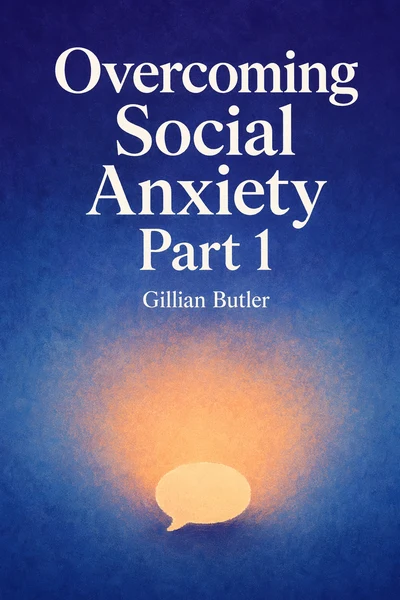
    Overcoming Social Anxiety Part 1
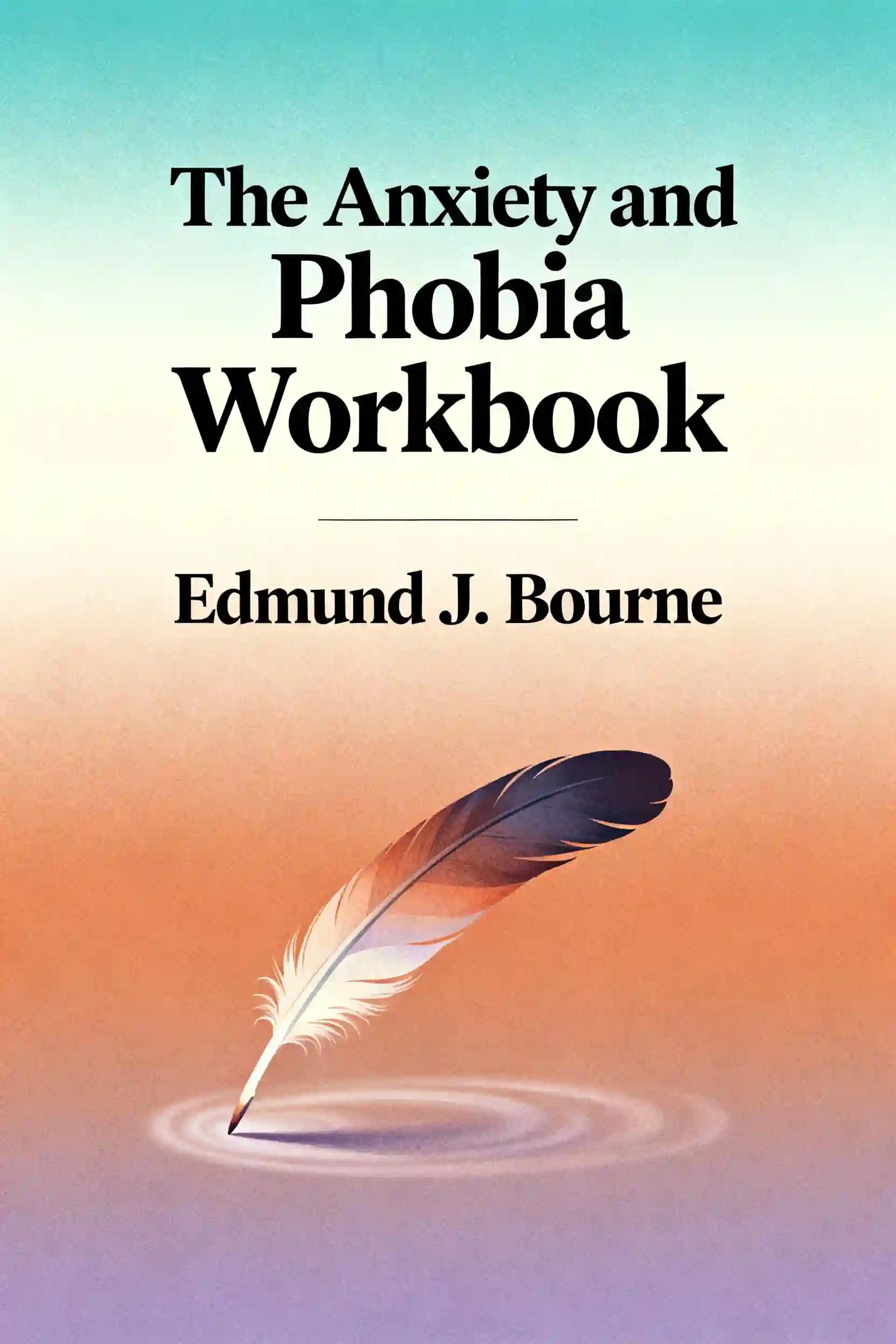
    The Anxiety and Phobia Workbook
    DARE
    When Panic Attacks
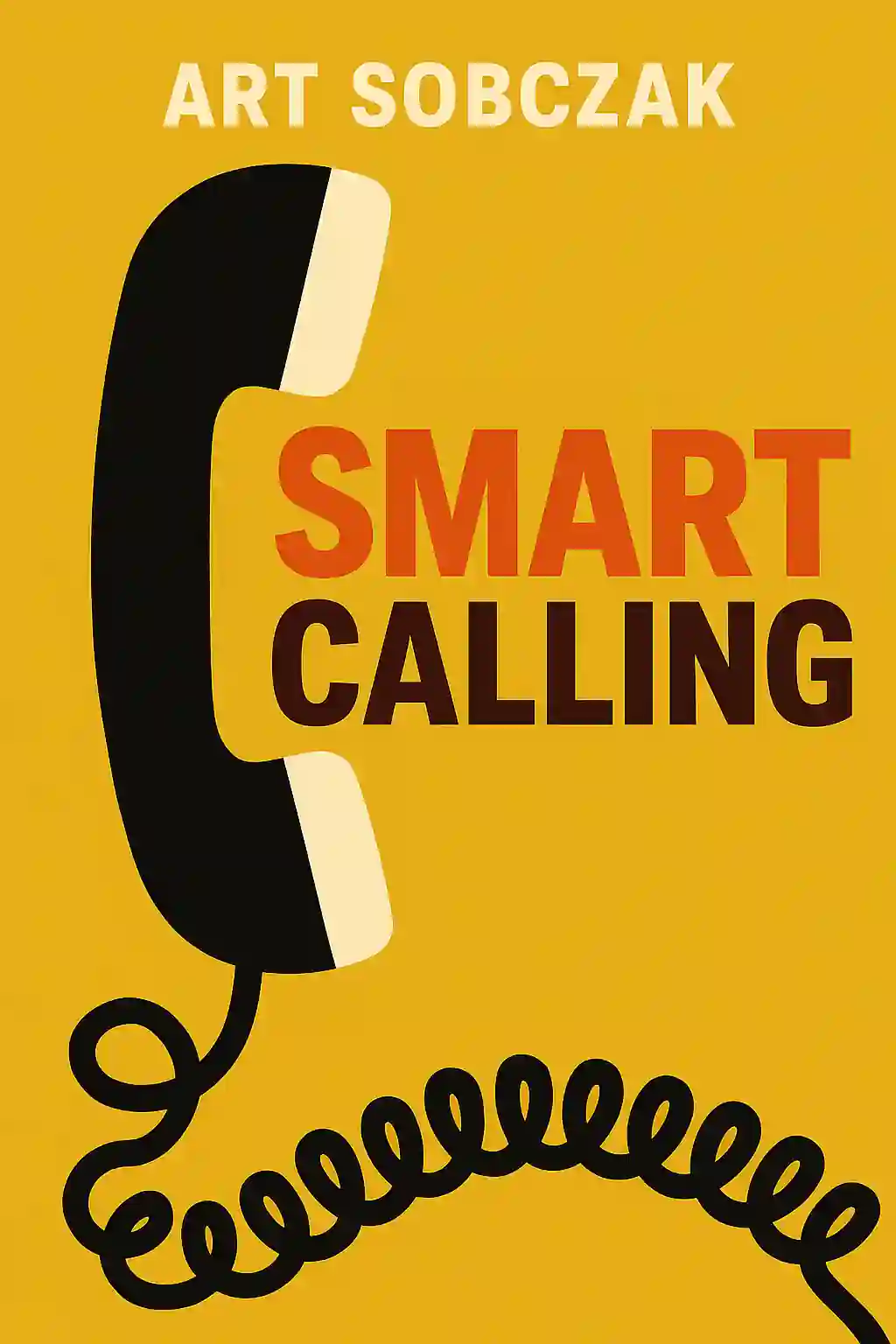
    Smart Calling

    자주 묻는 질문

    Phone calls create a high cognitive load because they strip away the "silent orchestra" of nonverbal communication. Research suggests that up to 55 percent of communication is visual, including facial expressions, gestures, and eye contact. Without these cues, the brain struggles to fill in the gaps during silences, often leading anxious individuals to assume the other person is judging them or reacting negatively. Additionally, unlike texts or emails, phone calls require spontaneous, real-time responses, which can feel like a high-stakes live performance.

    The scaffold approach is a form of exposure therapy where you gradually face your fears by climbing a "skill tree" of tasks. You start with Level One tasks that have zero risk of social rejection, such as calling an automated customer service recording. Once that feels boring, you move to Level Two by calling familiar friends or family. Level Three involves low-stakes information requests to businesses, like asking for store hours. By slowly increasing the complexity and stakes of the calls, you build conversational resilience and desensitize your brain to the "threat" of the ringtone.

    You can use "bottom-up" resets to signal to your nervous system that you are safe. One effective method is the 4-7-8 breathing technique, where you inhale for four counts, hold for seven, and exhale for eight to activate the parasympathetic nervous system. Another tip is to actually smile while talking; studies show that smiling changes the shape of your mouth and your vocal tone, making you sound more confident while simultaneously tricking your brain into feeling less anxious. Finally, doodling or using a fidget toy can help channel nervous energy away from your voice.

    While it is tempting to write out every word, the script can actually become a trap if the conversation goes in an unexpected direction. Instead, it is recommended to use "bullet points, not scripts." By writing down the purpose of the call, three main points, and any specific questions, you create a flexible roadmap. This allows you to stay focused and professional without freezing if the other person deviates from a pre-written dialogue.

    The Liking Gap is a psychological concept which suggests that after a conversation, people generally like us much more than we think they do. We are often our own harshest critics, obsessing over minor stumbles or awkward pauses that the other person likely didn't even notice. Recognizing this gap helps reduce anxiety by shifting the focus away from a perceived "flawless performance" and toward the reality that the person on the other end is likely having a perfectly pleasant experience.

    컬럼비아 대학교 동문들이 제작 | 샌프란시스코에서 개발

    BeFreed는 호기심 넘치는 글로벌 커뮤니티를 하나로 연결합니다

    4.7

    평균 평점

    앱 평가 7.84천 개 이상

    BeFreed 커뮤니티

    정말이지 아직 앱을 다 써 보지도 않았는데, 며칠 써 본 것만으로도 깊은 인상을 받았어요… BeFreed는 제가 써 본 어떤 학습 앱과도 차원이 달라요. 몰입감이 엄청나고 집중력도 실제로 좋아져서, 스마트폰을 하염없이 스크롤하는 분들께 딱이에요!

    @ladyInfinity

    정확히 23일 전에 BeFreed를 구입했는데, 그날부터 하루도 빠짐없이 쓰고 있어요. 제 일상 업무 흐름과 학습 습관에 완전히 자리 잡았어요.

    @jayallen

    솔직히 이 앱은 제 기대를 전부 뛰어넘었어요. 어떤 주제든 오디오로 만들어 달라고 할 수 있고, 결과물이 놀라워요. 제 전문 분야는 심리치료 쪽이고 여러 학문이 얽혀 있는데도 답변이 아주 정확해요.

    @Raguipa

    제일 고마운 건 스크롤하는 시간이 확 줄었다는 거예요. 검색하는 시간은 줄고 흡수하는 시간은 늘었어요. 오디오북 전권, 팟캐스트, 학습 플랜의 조합이 정말 훌륭해요.

    @colonyofcreatorsNGO

    저는 24년째 PhotoReading 속진 학습 강사로 일하고 있어요… 책과 독서, 배움이 제 전문인데, BeFreed는 정보를 소화하기 쉽게 전달하는 혁신적인 방식을 정말 잘 구현했어요.

    @BeFreed user

    단순한 책 요약 앱이 아니에요. '재미' 스타일을 써 봤는데, 전통적인 방식보다 훨씬 나은 요약이고 아이디어를 이해하기도 쉬워요. 이것만으로도 값어치를 해요.

    @austinakon

    이 앱이 정말 좋아요. 며칠 써 봤는데 듣는 걸 멈출 수가 없어요. 시작하기에 이보다 좋을 수 없어요.

    @jcrules328

    정말 마음에 들어요. 한 달 정도 써 봤는데 숨은 보석을 찾은 기분이에요. BeFreed로 제가 원하는 주제를 직접 만들 수 있어서 좋고, 목소리도 훌륭한 데다 내레이션 선택지가 무궁무진해요.

    @DanielCZ

    정말이지 아직 앱을 다 써 보지도 않았는데, 며칠 써 본 것만으로도 깊은 인상을 받았어요… BeFreed는 제가 써 본 어떤 학습 앱과도 차원이 달라요. 몰입감이 엄청나고 집중력도 실제로 좋아져서, 스마트폰을 하염없이 스크롤하는 분들께 딱이에요!

    @ladyInfinity

    정확히 23일 전에 BeFreed를 구입했는데, 그날부터 하루도 빠짐없이 쓰고 있어요. 제 일상 업무 흐름과 학습 습관에 완전히 자리 잡았어요.

    @jayallen

    솔직히 이 앱은 제 기대를 전부 뛰어넘었어요. 어떤 주제든 오디오로 만들어 달라고 할 수 있고, 결과물이 놀라워요. 제 전문 분야는 심리치료 쪽이고 여러 학문이 얽혀 있는데도 답변이 아주 정확해요.

    @Raguipa

    제일 고마운 건 스크롤하는 시간이 확 줄었다는 거예요. 검색하는 시간은 줄고 흡수하는 시간은 늘었어요. 오디오북 전권, 팟캐스트, 학습 플랜의 조합이 정말 훌륭해요.

    @colonyofcreatorsNGO

    저는 24년째 PhotoReading 속진 학습 강사로 일하고 있어요… 책과 독서, 배움이 제 전문인데, BeFreed는 정보를 소화하기 쉽게 전달하는 혁신적인 방식을 정말 잘 구현했어요.

    @BeFreed user

    단순한 책 요약 앱이 아니에요. '재미' 스타일을 써 봤는데, 전통적인 방식보다 훨씬 나은 요약이고 아이디어를 이해하기도 쉬워요. 이것만으로도 값어치를 해요.

    @austinakon

    이 앱이 정말 좋아요. 며칠 써 봤는데 듣는 걸 멈출 수가 없어요. 시작하기에 이보다 좋을 수 없어요.

    @jcrules328

    정말 마음에 들어요. 한 달 정도 써 봤는데 숨은 보석을 찾은 기분이에요. BeFreed로 제가 원하는 주제를 직접 만들 수 있어서 좋고, 목소리도 훌륭한 데다 내레이션 선택지가 무궁무진해요.

    @DanielCZ

    유용한 정보와 아이디어를 8~15분짜리 팟캐스트 스타일 오디오로 압축해서 들을 수 있다는 게 정말 좋아요. 원래 팟캐스트는 군더더기가 많아서 안 좋아했는데, 여기는 그걸 싹 걷어냈어요.

    @BeFreed user

    박사 과정을 마무리하는 중이라 낯선 자료를 많이 읽어야 해요… BeFreed에서는 프롬프트만 입력하면 앱이 자료를 찾아서 오디오 팟캐스트로 만들어 줘요. BeFreed의 과정이 NotebookLM보다 더 매끄럽게 느껴져요.

    @Brad

    아침을 준비하거나 산책하거나 출퇴근할 때 들을 것을 YouTube에서 자주 찾곤 했는데, BeFreed는 광고도 군더더기도 없이 훨씬 더 딱 맞는 걸 들려줘요!

    @BeFreed user

    이 플랫폼의 가장 큰 장점은 활용도예요. 다루지 못하는 주제가 말 그대로 하나도 없어요. 무엇을 던져도 다 소화해요… 제한이 전혀 없으면서 약속을 실제로 지키는 학습 도구는 정말 드물어요.

    @jayallen

    BeFreed는 환상적이에요. 디자인이 편해서 헤매는 시간은 줄고 배우는 시간은 늘었어요. 오디오북, 팟캐스트, 학습 플랜의 조합은 천재적이에요. 제 하루가 완전히 달라졌어요.

    @BeFreed user

    처음엔 이탈리아어로 팟캐스트를 만드는 방법을 이해하는 데 시간이 좀 걸렸는데, 알고 나니까 — 와! 정말 대단해요! 어떤 주제든 설명해 달라고 하면 정말 똑똑하게 잘 설명해 줘요!

    @matteo77

    BeFreed는 제가 매일 쓰는 오디오북 앱이 됐어요… 제일 마음에 드는 건 텍스트를 넣으면 이동 중에도 들을 수 있는 오디오로 만들어 준다는 점이에요.

    @kotanzu1

    유용한 정보와 아이디어를 8~15분짜리 팟캐스트 스타일 오디오로 압축해서 들을 수 있다는 게 정말 좋아요. 원래 팟캐스트는 군더더기가 많아서 안 좋아했는데, 여기는 그걸 싹 걷어냈어요.

    @BeFreed user

    박사 과정을 마무리하는 중이라 낯선 자료를 많이 읽어야 해요… BeFreed에서는 프롬프트만 입력하면 앱이 자료를 찾아서 오디오 팟캐스트로 만들어 줘요. BeFreed의 과정이 NotebookLM보다 더 매끄럽게 느껴져요.

    @Brad

    아침을 준비하거나 산책하거나 출퇴근할 때 들을 것을 YouTube에서 자주 찾곤 했는데, BeFreed는 광고도 군더더기도 없이 훨씬 더 딱 맞는 걸 들려줘요!

    @BeFreed user

    이 플랫폼의 가장 큰 장점은 활용도예요. 다루지 못하는 주제가 말 그대로 하나도 없어요. 무엇을 던져도 다 소화해요… 제한이 전혀 없으면서 약속을 실제로 지키는 학습 도구는 정말 드물어요.

    @jayallen

    BeFreed는 환상적이에요. 디자인이 편해서 헤매는 시간은 줄고 배우는 시간은 늘었어요. 오디오북, 팟캐스트, 학습 플랜의 조합은 천재적이에요. 제 하루가 완전히 달라졌어요.

    @BeFreed user

    처음엔 이탈리아어로 팟캐스트를 만드는 방법을 이해하는 데 시간이 좀 걸렸는데, 알고 나니까 — 와! 정말 대단해요! 어떤 주제든 설명해 달라고 하면 정말 똑똑하게 잘 설명해 줘요!

    @matteo77

    BeFreed는 제가 매일 쓰는 오디오북 앱이 됐어요… 제일 마음에 드는 건 텍스트를 넣으면 이동 중에도 들을 수 있는 오디오로 만들어 준다는 점이에요.

    @kotanzu1

    웹에서 BeFreed가 어떻게 논의되고 있는지 더 보기
    129.7K19.5K
    55.2K19.2K
    154.2K10827355
    48.1K2.5K
    81.2K6.6K
    82.3K1.8K
    지금 바로 학습 여정을 시작하세요
    BeFreed 앱
    BeFreed

    무엇이든 개인화된 학습

    DiscordLinkedIn
    추천 도서 요약
    Crucial ConversationsThe Perfect MarriageInto the WildNever Split the DifferenceAttachedGood to GreatSay Nothing
    인기 카테고리
    Self HelpCommunication SkillRelationshipMindfulnessPhilosophyInspirationProductivity
    유명인 추천 도서
    Elon MuskCharlie KirkBill GatesSteve JobsAndrew HubermanJoe RoganJordan Peterson
    수상작 컬렉션
    Pulitzer PrizeNational Book AwardGoodreads Choice AwardsNobel Prize in LiteratureNew York TimesCaldecott MedalNebula Award
    추천 주제
    ManagementAmerican HistoryWarTradingStoicismAnxietySex
    연도별 베스트 도서
    2025 Best Non Fiction Books2024 Best Non Fiction Books2023 Best Non Fiction Books
    추천 저자
    Chimamanda Ngozi AdichieGeorge OrwellO. J. SimpsonBarbara O'NeillWinston ChurchillCharlie Kirk
    BeFreed vs 다른 앱
    BeFreed vs. Other Book Summary AppsBeFreed vs. ElevenReaderBeFreed vs. ReadwiseBeFreed vs. Anki
    학습 도구
    Knowledge VisualizerAI Podcast Generator
    정보
    회사 소개arrow
    가격arrow
    FAQarrow
    블로그arrow
    채용arrow
    파트너십arrow
    앰배서더 프로그램arrow
    디렉토리arrow
    BeFreed
    Try now
    © 2026 BeFreed
    이용 약관개인정보 처리방침
    BeFreed

    무엇이든 개인화된 학습

    DiscordLinkedIn
    추천 도서 요약
    Crucial ConversationsThe Perfect MarriageInto the WildNever Split the DifferenceAttachedGood to GreatSay Nothing
    인기 카테고리
    Self HelpCommunication SkillRelationshipMindfulnessPhilosophyInspirationProductivity
    유명인 추천 도서
    Elon MuskCharlie KirkBill GatesSteve JobsAndrew HubermanJoe RoganJordan Peterson
    수상작 컬렉션
    Pulitzer PrizeNational Book AwardGoodreads Choice AwardsNobel Prize in LiteratureNew York TimesCaldecott MedalNebula Award
    추천 주제
    ManagementAmerican HistoryWarTradingStoicismAnxietySex
    연도별 베스트 도서
    2025 Best Non Fiction Books2024 Best Non Fiction Books2023 Best Non Fiction Books
    학습 도구
    Knowledge VisualizerAI Podcast Generator
    추천 저자
    Chimamanda Ngozi AdichieGeorge OrwellO. J. SimpsonBarbara O'NeillWinston ChurchillCharlie Kirk
    BeFreed vs 다른 앱
    BeFreed vs. Other Book Summary AppsBeFreed vs. ElevenReaderBeFreed vs. ReadwiseBeFreed vs. Anki
    정보
    회사 소개arrow
    가격arrow
    FAQarrow
    블로그arrow
    채용arrow
    파트너십arrow
    앰배서더 프로그램arrow
    디렉토리arrow
    BeFreed
    Try now
    © 2026 BeFreed
    이용 약관개인정보 처리방침

    이 학습 계획의 일부

    Master accounting and office communication
    학습 계획

    Master accounting and office communication

    7 h 42 m•5 에피소드

    비슷한 콘텐츠

    Overcoming Call Reluctance 책 표지
    7 Cold Call Anxiety Hacks to Feel and Sound More Confident | PhoneBurnerHow to Overcome Call Reluctance and Close More Deals?Behavioral Sciences Blog - How Do You Coach Sales Reps to Reduce Call Reluctance?How To Overcome Call Reluctance
    6 sources
    Overcoming Call Reluctance
    Struggling to hit the dial button? Learn how to rewire your brain’s fear response and turn phone anxiety into the confidence needed to make more calls.
    19 min
    Phone Anxiety and the Science of Sales Calls 책 표지
    How to Improve Sales Calls: 8 Data-Backed Strategies | Coldread Blog7 Cold Call Anxiety Hacks to Feel and Sound More Confident | PhoneBurnerSales Call Anxiety: Quick Fixes + 2-Week Plan | SybillInbound vs. Outbound Call Centers: What’s the Difference?
    4 sources
    Phone Anxiety and the Science of Sales Calls
    Struggling with phone jitters? Move past empty pep talks and use call analytics and neuroscience to turn nervous energy into high-performance results.
    21 min
    Speak confidently on the phone without the anxiety 책 표지
    Public Speaking for SuccessThe Public Speaking Bible; a Survival Guide for Standing on StageHow to Speak Like the Top 1%Art of Public Speaking
    25 sources
    Speak confidently on the phone without the anxiety
    Phone calls feel high-stakes because we lose visual cues. Learn to ground yourself and use vocal clarity to handle work calls with professional poise.
    31 min
    The Courage to Connect: Conquering Call Fear 책 표지
    Smart CallingResilienceFailing Forward
    3 sources
    The Courage to Connect: Conquering Call Fear
    Transform your fear of calls, vulnerability, and mistakes into your greatest growth allies. Discover ancient psychology behind modern fears and practical methods to build unshakeable confidence through mindful action.
    12 min
    Overcome Speaking Anxiety: Real Techniques That Work 책 표지
    source 1Speaking Up Without Freaking Out: 50 Techniques for Confident, Calm, and Competent Presenting (3rd edition)Management of stuttering using cognitive behavior therapy and ...source 4
    6 sources
    Overcome Speaking Anxiety: Real Techniques That Work
    Practical strategies to transform speaking fears into confidence. Learn breathing techniques, grounding methods, and mindset shifts that help you connect authentically rather than perform perfectly.
    23 min
    Conquer Your Public Speaking Fear 책 표지
    The Art of Public SpeakingPublic Speaking for SuccessThe Public Speaking Bible; a Survival Guide for Standing on StageSecrets of Dynamic Communication
    24 sources
    Conquer Your Public Speaking Fear
    Transform speaking anxiety into powerful presentation skills with practical techniques. Learn how to channel nervousness productively and connect authentically with any audience.
    23 min
    Quiet Confidence: Overcoming Social Anxiety 책 표지
    The Introvert AdvantageOvercoming Social Anxiety and Shyness Self-help CourseHow to Be YourselfThe Introvert’s Complete Career Guide
    23 sources
    Quiet Confidence: Overcoming Social Anxiety
    Stop over-analyzing and start connecting. Learn how to shift your focus from self-consciousness to curiosity with practical tools designed to turn social anxiety into natural confidence.
    12 min
    Conquering the Stage Fright Monster 책 표지
    Speak With No FearThe Art of Public SpeakingPublic Speaking for SuccessThe Public Speaking Bible; a Survival Guide for Standing on Stage
    12 sources
    Conquering the Stage Fright Monster
    Discover how even the most anxious speakers can transform their public speaking fear into confidence using proven mindset shifts and practical techniques from those who've mastered the journey.
    32 min

    Recommended Learning Plans

    Unmasking Your Social Confidence
    학습 계획

    Unmasking Your Social Confidence

    This plan is designed for individuals who feel held back by social anxiety and the tendency to overanalyze every interaction. It offers a practical roadmap for anyone looking to transition from internal panic to conversational flow by mastering both mental reframing and physical grounding.

    1 h 30 m•3 섹션
    Overcome Speaking Anxiety & Speak Confidently
    학습 계획

    Overcome Speaking Anxiety & Speak Confidently

    This plan is designed for professionals and aspiring leaders who feel held back by the fear of public speaking. It provides a comprehensive roadmap from managing anxiety to mastering the advanced nonverbal and structural skills needed to influence any audience.

    5 h 20 m•4 섹션
    Tame Your Speaking Fears
    학습 계획

    Tame Your Speaking Fears

    Public speaking anxiety often stems from a physiological hijack that overrides logic. This plan is essential for professionals who want to regain physical control and mental clarity during presentations. It is ideal for anyone looking to transform nervous energy into a confident, service-driven presence.

    1 h 30 m•3 섹션
    Overcome fear and regain control of my life
    학습 계획

    Overcome fear and regain control of my life

    Fear can paralyze even the most capable individuals, preventing them from living fully and pursuing meaningful goals. This learning plan provides practical tools for anyone feeling stuck in anxiety patterns, helping them recognize fear triggers, take courageous action, and develop the mental resilience needed to reclaim control of their life.

    4 h 19 m•4 섹션
    why im always anxious when it comes to speak
    학습 계획

    why im always anxious when it comes to speak

    This plan is designed for professionals and students who feel held back by a persistent fear of public speaking. It provides a structured path from understanding the biological roots of anxiety to mastering advanced communication techniques in real-time scenarios.

    4 h 31 m•4 섹션
    Mastering Anxiety: Stop Overthinking
    학습 계획

    Mastering Anxiety: Stop Overthinking

    The Anxiety Freedom Masterclass: How to Stop Overthinking Everything offers a structured approach to dismantling anxiety loops through practical, evidence-based techniques. By understanding the formation of anxiety loops and cognitive distortions, individuals can learn to interrupt worry spirals and practice mindfulness to observe thoughts without attachment. The program emphasizes building new habits over 63 days, reframing anxiety as useful information, and applying these skills in real-world scenarios to reduce overthinking and enhance decision-making.

    1 h 11 m•8 에피소드
    Overcome workplace anxiety
    학습 계획

    Overcome workplace anxiety

    Workplace anxiety affects millions of professionals, impacting performance, career growth, and overall well-being. This learning plan is designed for anyone who experiences nervousness, self-doubt, or stress in professional settings—whether you're facing presentations, difficult conversations, or daily workplace pressures. By combining psychological insights with practical skills, you'll transform anxiety from a career obstacle into manageable energy that supports your professional success.

    6 h 3 m•4 섹션
    Understand and Overcome Social Anxiety
    학습 계획

    Understand and Overcome Social Anxiety

    Social anxiety affects millions of people, preventing them from forming meaningful connections, advancing in careers, and fully enjoying life. This learning plan combines neuroscience, proven therapeutic techniques, and practical social skills to help anyone struggling with social fear—from those avoiding social situations entirely to high-functioning individuals who hide their internal discomfort. Whether you experience occasional nervousness or persistent anxiety in social settings, these evidence-based strategies will help you break free from limiting patterns and build genuine confidence.

    4 h 56 m•5 섹션