BeFreed
    Categories>Psychology>Unmasking the Dark Triad: The Science of Manipulation

    Unmasking the Dark Triad: The Science of Manipulation

    27 min
    |
    |
    Mar 10, 2026
    PsychologySelf-GrowthRelationships

    Explore the hidden mechanics of dark psychology as we break down the Dark Triad and provide a practical playbook for spotting and resisting coercive tactics.

    Unmasking the Dark Triad: The Science of Manipulation
    Choose how it's told

    One episode. Many ways to hear it.

    Same ideas from Unmasking the Dark Triad: The Science of Manipulation. Pick the voice, depth, and pace that fits you. Switch anytime.

    Transcript & chapters

    Chapter 1

    Who Pulls Your Strings?

    Lena: Hey Miles, I was thinking about how we all like to believe we’re in total control of our choices, but then you see something like a "limited-time offer" online and suddenly you’re hit with this intense fear of missing out. It’s wild how easily our buttons can be pushed.

    Miles: It really is. That’s actually a classic example of dark psychology in action. It’s not just about marketing, though; it’s this broader study of how people use manipulative and coercive tactics—like gaslighting or emotional blackmail—to exploit others for personal gain.

    Lena: Right, and it’s fascinating because it’s not just "bad luck." There’s actually a specific framework psychologists use to explain this called the Dark Triad.

    Miles: Exactly. It’s the foundation of the whole field, focusing on three specific traits: narcissism, Machiavellianism, and psychopathy. Understanding these is like getting a manual for how the "phantom" pulls the strings.

    Lena: I love that. So, let’s dive into what these three traits actually look like in the real world.

    Chapter 2

    The Dark Triad and the Architecture of Control

    Miles: So, if we’re looking at that manual, we have to start with the big three. You’ve got Narcissism, which is all about that inflated sense of self-importance and a desperate need for admiration. Then there’s Machiavellianism—named after the philosopher Machiavelli—which is basically being a master strategist who views people like chess pieces. And finally, Psychopathy, which is characterized by a lack of empathy and remorse.

    Lena: It’s a heavy list, right? But what’s really interesting is that these traits don’t just exist in a vacuum. They often overlap and feed into each other. You might meet someone who has a "dash" of Machiavellianism and a "pinch" of Narcissism, and that specific blend determines how they’ll try to pull your strings.

    Miles: Exactly. And it’s not just about "evil villains" in movies. These traits can show up in everyday life—in the office, in dating, even in friendships. The key thing to remember is that dark psychology isn’t an official branch of science, but rather a term we use to describe these unethical practices of influence and coercion. It’s the study of how people use their understanding of human behavior to harm or limit the freedom of someone else for their own benefit.

    Lena: That’s a crucial distinction. It’s about the intent and the impact. If I’m using my EQ to help a friend feel better, that’s empathy. If I’m using my EQ to find their deepest insecurity and poke it so they do what I want—that’s dark psychology.

    Miles: You’ve hit the nail on the head. And it’s fascinating how these manipulators exploit very predictable human patterns. We all have these mental shortcuts called cognitive biases. For example, there’s the "Authority Bias," where we tend to trust people who look or sound influential. A manipulator might craft an image of success just to get your guard down.

    Lena: Or the "Confirmation Bias." We want to believe things that align with what we already think. So, a manipulator might feed you exactly what you want to hear—validating your existing beliefs—just to lead you down a path you wouldn’t otherwise take.

    Miles: Right. It’s like they’re using the "Search" function on your brain to find the vulnerabilities and then they just... click. And because humans are emotional creatures, they often go straight for the heart rather than the mind. They’ll use fear to control you, guilt to weaken your boundaries, or shame to make you doubt your own worth.

    Lena: It’s so subtle, though. It usually starts with something small—a tiny comment, a "harmless" lie—and then it builds. It’s a process of emotional conditioning.

    Miles: Absolutely. And that’s why understanding the "Dark Singularity"—this idea that some people might even prey on others without a clear, logical reason—is so chilling. It suggests that for some, the act of victimization itself is the goal.

    Lena: That really reframes the whole "Why did they do this to me?" question. Sometimes the answer isn't about anything you did; it's just about their own psychological makeup. It makes me want to look closer at the actual tactics they use to create that "unreality" for their victims.

    Keep learning with this episode

    Take the ideas from this episode into a guided learning experience in BeFreed.

    Chapter 3

    The Fog of War in Personal Reality

    Miles: If we're talking about unreality, we have to talk about the heavy hitters of psychological manipulation. One of the most insidious ones is gaslighting. It’s not just lying—it’s a systematic attempt to make you question your own sanity or memory.

    Lena: I was reading about the origins of that term. It comes from that 1938 play Gas Light, where the husband literally dims the gas lights and then tells his wife she’s imagining it. The goal was to get her institutionalized so he could steal her fortune.

    Miles: It’s such a perfect metaphor for the tactic. In the real world, it looks like someone saying, "You’re imagining things," or "That never happened," even when you have proof. Over time, the victim starts to doubt their own perceptions. They look at the "gas light" and think, "Maybe it is the same brightness as before."

    Lena: And it’s often combined with "paltering." I found that concept so interesting—it’s when someone tells the truth but hides key information to create a false impression. Like someone on a date saying they shared social media passwords with their ex because they were "open and honest," but omitting the fact that it was actually because of extreme jealousy and monitoring.

    Miles: Right, it’s "the truth, but not the whole truth." It creates this misleading narrative that feels authentic because there’s a grain of truth in it. It’s a very clever way to manage a reputation while hiding the darker reality.

    Lena: Then there’s the "Pity Play" or "Victim Card." This is where the manipulator exaggerates their own hardships to gain sympathy and escape accountability. It’s like they’re saying, "How could you be mad at me for lying when I’ve had such a hard life?" It guilt-trips the other person into backing down.

    Miles: It’s a classic move. And let’s not forget "Triangulation." This is when a third person is brought into a situation to create jealousy or competition. It’s like a manager telling two employees they’re both up for the same promotion, but then dropping hints to each one that the other is "not a team player."

    Lena: It isolates people and makes them fight each other instead of looking at the person pulling the strings. It keeps the manipulator in control.

    Miles: Exactly. And for the victim, this constant bombardment of mixed signals—lying, paltering, triangulation—creates what psychologists call "Cognitive Dissonance." You have these two contradictory ideas: "I know what I saw," and "My partner says I’m crazy." The discomfort of that contradiction is something the manipulator can leverage.

    Lena: It's like they're creating a "fog" that makes it impossible to see the exit. And while you’re lost in that fog, they’re using "Operant Conditioning"—rewarding you when you comply and punishing you when you resist.

    Miles: Right. They might use the "Silent Treatment" as a punishment or "Love Bombing" as a reward. It keeps you on an emotional roller coaster, which actually increases your attachment to the manipulator. It’s that "traumatic bonding" we hear about, where the cycles of fights and reconciliations create a powerful, albeit toxic, connection.

    Lena: It makes me think about how these tactics aren't just one-off events. They’re part of a larger strategy of "Devaluation." You start on a pedestal with the love bombing, and then slowly, they chip away at your self-worth until you feel lucky to even be with them.

    Miles: It's a calculated descent. And when you're at the bottom, they might even use "Regression Seduction"—acting like a parent figure to make you feel dependent and small. It’s all about shifting the power balance until the victim feels they have no autonomy left.

    Chapter 4

    Predators in the Boardroom and the Ballot Box

    Miles: You know, it’s easy to think of these things as only happening in dark corners or toxic romances, but dark psychology is a major force in the public sphere too. We see it in politics, in business, even in how groups are led.

    Lena: Right, like when a company uses phrases like "We’re a family" to get employees to work overtime for less pay. It’s using that emotional bond to make people sacrifice their own self-interest for the organization’s profit.

    Miles: Absolutely. It’s "Corporate Manipulation." They’re essentially asking you to drop your "rational selfishness" in favor of the group. And once you’re fully identified with the "family," it’s much easier for the leaders to control you.

    Lena: It’s similar to how political propaganda works. There’s this tactic called the "Burning Stake Power Move," where a politician makes up an "enemy" and then frames themselves as the only person who can destroy that enemy. It stokes fear and anger as a way to build loyalty.

    Miles: It’s about creating an "Us vs. Them" mentality. When people feel threatened by an external enemy, they naturally seek refuge in a group. The leader then uses that group cohesion to increase their own power. They might even use "Scapegoating" to blame others for things going poorly while taking personal credit for any successes.

    Lena: And it’s not just about what they say; it’s about how they handle dissent. Group leaders will often "ridicule" or "disempower" any voices that disagree. If you question the group’s "dogmas," you’re labeled as "uninformed" or even "manipulative" yourself. It’s a way to "inoculate" the followers against any outside opinions.

    Miles: It's a closed loop. And then you have things like "Social Engineering" in the digital world. This is where manipulators exploit human error and trust—like a phishing scam that uses a sense of "urgency" or "authority" to get you to give up your personal information.

    Lena: It’s wild how "Scarcity" is such a powerful tool there. "Only two items left!" or "This offer expires in five minutes!" It shuts down our critical thinking and triggers a hasty reaction.

    Miles: Right, and on a larger scale, we see "Dark Psychology in War." It’s not just about the fighting; it’s about the psychological dominate. Think about Genghis Khan—he purposefully built a reputation for being merciless so that cities would surrender before he even arrived. That’s winning without firing a shot.

    Lena: Or the "Stuka" siren on those Nazi planes. It was designed specifically to create a sound that meant "impending disaster." It was meant to make the soldiers on the ground feel "learned helplessness"—like there was no point in even trying to defend themselves.

    Miles: It’s all about "instilling terror" to handicap the enemy's ability to resist. And even at home, governments might "hide the true emotional costs" of a war to keep public support high. If you don’t see the casualties or the suffering, it’s easier to stay committed to the "holy cause."

    Lena: It highlights that dark psychology is really just "psychology applied for harmful ends." It’s the same principles of influence, but the "ends" are about power, control, or profit at someone else's expense. Whether it’s a politician framing the status quo as positive to stay in office, or a company using "Chameleon Manipulation" to appear like the perfect partner for their customers.

    Miles: Exactly. And that "Chameleon" move is so common in sales and marketing. They present a "mask" of exactly what you want, pretending there’s no conflict of interest, just to get you to lower your defenses. It’s the same tactic a "Dark Seducer" might use in dating—pretending to be your soulmate until they’ve gained control.

    Keep learning with this episode

    Take the ideas from this episode into a guided learning experience in BeFreed.

    Chapter 5

    The Dance of the Willing and the Wounded

    Miles: One of the most controversial ideas in this field is the "It Takes Two to Tango" concept—the idea that for manipulation to work, there has to be a certain "willingness" or "vulnerability" in the victim.

    Lena: That sounds like it could easily slip into victim-blaming. How do psychologists frame that without making it the victim’s fault?

    Miles: It’s a delicate balance. It’s not about blame; it’s about understanding the "hooks" that manipulators look for. For instance, some theories suggest that people with high "Sensory Processing Sensitivity" or a high "Intolerance for Uncertainty" might be more prone to falling for gaslighting because they’re naturally more reflective and want to resolve contradictions.

    Lena: So, if a manipulator creates that "fog" of uncertainty, someone who needs clarity will work twice as hard to find it—even if it means accepting the manipulator’s version of reality just to make the confusion stop.

    Miles: Exactly. And then there’s the role of "Empathy." A highly empathic person might be more susceptible to "Guilt-tripping" or "Pity Plays" because they genuinely care about the other person’s feelings—even when those feelings are being faked to control them.

    Lena: It’s like the manipulator is weaponizing the victim’s best traits against them. Their kindness becomes their "Institutional Vulnerability."

    Miles: That’s a great way to put it. And speaking of institutions, we have to look at how gender roles play into this. There’s a lot of discussion about how "gender-based stereotypes"—like the "hysterical woman" vs. the "rational man"—are used in gaslighting. A male perpetrator might rely on that "Authority Bias" to dismiss his partner’s concerns as "emotional" or "crazy."

    Lena: And that can be reinforced by actual institutions. If a woman goes to the police or a doctor and they’ve internalized those same stereotypes, they might not take her "testimony" as seriously. It’s what philosophers call "Testimonial Injustice"—where someone’s credibility is deflated because of prejudice against their social group.

    Miles: Right, and that isolation from institutional support makes the gaslighting even more effective. If the "outside world" seems to agree with the manipulator, the victim feels they have nowhere to go. They develop "Dispositional Doubt," where they start to forfeit their own knowledge just to be accepted or to "keep the peace."

    Lena: It’s so layered. It’s not just two people in a room; it’s the whole weight of social norms and power structures pressing down on that relationship. Like "Racial Gaslighting," where a dominant group pathologizes the resistance of a minority group to maintain a certain "reality."

    Miles: Absolutely. It’s about "structural silencing." And in a romantic context, this can lead to "Trauma Bonding," where the victim becomes tie-emotionally to the person harming them. It’s a "predatory one-sided attachment" that leverages psychological wounds.

    Lena: It makes me think about "Love Bombing" again. It’s not just "too much affection"; it’s about creating an "intense emotional dependency" early on. Then, when the "Devaluation" phase hits, the victim is so hooked on that initial "high" that they’ll do anything to get it back.

    Miles: It’s an addiction. And the "Silent Treatment" or "Withholding Affection" acts like a withdrawal. It creates a state of "Learned Helplessness" where the victim feels they can’t change the outcome, so they just stop trying to resist.

    Lena: It’s a grim picture, but understanding these "hooks"—the need for approval, the fear of abandonment, the desire to be understood—is actually the first step to unhooking yourself. It’s about recognizing that your "best traits" are exactly what they’re trying to use to pull your strings.

    Chapter 6

    Decoding the Language of Deception

    Miles: If we're going to get practical, we have to talk about how these tactics actually sound in conversation. It’s not always obvious. Take "Semantic Manipulation," for example. This is where a manipulator relabels or renames things to confuse you.

    Lena: Like calling a "lie" a "misunderstanding," or calling "abuse" a "passionate argument." It distorts the meaning of words so you can't even describe what's happening to you.

    Miles: Exactly. It’s "weaponizing the tone and meaning of words." If you try to call them out on a lie, they’ll say, "I didn’t mean it that way, you just misunderstood me." It makes you feel like you’re the one being pedantic or difficult.

    Lena: Or "Negging." That’s a classic in dating. It’s a backhanded compliment designed to lower your self-esteem so you seek their approval. Something like, "You’re pretty cute for someone who doesn’t really take care of themselves." It’s an insult disguised as a compliment.

    Miles: It’s a "subtle insult to lower self-esteem." And then there’s "Reverse Psychology." This is where they suggest the opposite of what they want to trigger your desire for autonomy. Like saying, "You probably wouldn't want to go to that party with me anyway, you should just stay home." It makes you want to "prove them wrong" by doing exactly what they actually wanted you to do.

    Lena: It’s a "mind game" that gives the victim the illusion of control while the manipulator is still calling the shots.

    Miles: Right. And let's not overlook "Paltering" again, because it's so common in professional settings. Telling a "half-truth" that shifts the impression. Like a job applicant saying they have "extensive experience managing projects" when they were actually just a junior assistant. It’s not a "lie" in the technical sense, but it’s 100% deceptive.

    Lena: It’s about "omitting key elements of information." And when you catch them, they hide behind the "truth" part. "But I did work on those projects!"

    Miles: It’s maddening. And then you have "Projection"—accusing you of the very thing they’re doing. If they’re cheating, they might start accusing you of being unfaithful. It creates a "deflection" that keeps the focus off their own behavior and puts you on the defensive.

    Lena: It "muddies the waters to escape accountability." It’s so effective because it forces you to spend all your energy "proving" your innocence instead of looking at their guilt.

    Miles: Absolutely. And for the victim, this leads to that "Cognitive Dissonance" we mentioned. You're left trying to reconcile their words with their actions, and the math just doesn't add up.

    Lena: It’s like they’re using a "distraction" tactic—like a magician. While you’re looking at the "argument" they’ve manufactured, they’re busy pulling your strings behind the scenes.

    Miles: Right. And in the workplace, this can look like "Triangulation" again—spreading rumors or taking credit for someone else's work to "discredit" a rival for a promotion. It’s about "undermining" someone after pretending to be their ally.

    Lena: It’s "Backstabbing" as a strategy. And the scariest part is that many people do this "naturally." They have a "feel" for manipulation without ever having studied it. They just know instinctively which buttons to push to get the result they want.

    Miles: That’s why we need to be just as "studied" in our defense. We need to recognize the "Red Flags"—the excessive flattery, the shifting blame, the "nonsensical conversations" that are designed to disorient you. If a conversation feels like it’s going in circles and you’re coming out of it feeling more confused than when you started, that’s a major sign.

    Keep learning with this episode

    Take the ideas from this episode into a guided learning experience in BeFreed.

    Chapter 7

    The Long Shadow of Psychological Warfare

    Miles: We’ve talked a lot about the tactics, but we really need to sit with the impact this has on a person long-term. It’s not just "drama"—it can be profoundly damaging to your mental health.

    Lena: Right, it’s not something you just "shake off." Constant manipulation can lead to "anxiety, depression, and a total loss of self-trust." If someone is constantly telling you that your reality is wrong, you eventually stop trusting your own "lying eyes," as Richard Pryor said.

    Miles: It "erodes self-worth and independence." Victims often end up in a state of "social withdrawal" because they’re too exhausted to deal with other people, or they’re afraid of being judged. They might even feel "powerless" and lose their sense of identity entirely.

    Lena: And that isolation is exactly what the manipulator wants. It makes the victim more "dependent" on them for validation and truth. It’s a "traumatic bond" that’s incredibly hard to break.

    Miles: It’s also important to note that the effects don’t just vanish once the relationship ends. Survivors often struggle with "difficulty trusting" others and a "diminished sense of self" for a long time. It can even manifest as physical symptoms—stress-related health issues, chronic exhaustion.

    Lena: It's like a "psychological wound" that needs time and care to heal. And part of that healing is "reclaiming your narrative." It’s about looking back and saying, "I wasn't crazy; I was being manipulated."

    Miles: Exactly. It’s "labeling the abuse." Once you have a word for it—like "gaslighting" or "triangulation"—it loses some of its power. You realize it’s a "technique," not a "truth" about you.

    Lena: It reminds me of that idea of "Epistemic Injustice"—the wrong done to someone in their "capacity as a knower." Gaslighting is a direct attack on your right to participate in the "negotiation of shared reality." It’s telling you that your voice doesn't count.

    Miles: And that can have "intergenerational" effects. If children grow up in an environment where gaslighting is normal, they might either become manipulators themselves or become "predisposed" to being victimized because they’ve learned to "tune out their intuition."

    Lena: It’s a "cycle of abuse" that can be very hard to break without intervention. That’s why "education and awareness" are so crucial. We need to teach people what "healthy communication" actually looks like—transparency, empathy, and mutual respect.

    Miles: Right. And we need to recognize that "dark psychology is not dark magic." It’s powerful, yes, but it’s not "unassailable." It has limits. It relies on the victim being "unaware" of the tactics. Once the lights are turned up, the "gaslight" effect starts to fade.

    Lena: It's about "strengthening your resilience." Building a strong "support network" of people who will give you a gut-check and remind you of what’s real. People who validate your experiences instead of undermining them.

    Miles: Absolutely. And "developing emotional intelligence"—not just to understand others, but to "self-regulate" your own emotions so you’re less susceptible to those "fear-based" or "guilt-based" triggers. If you know why you’re feeling guilty, you can decide if that guilt is earned or if it’s being "manufactured" to control you.

    Lena: It’s about "taking back the strings." It’s a long process, but it starts with that first moment of realization: "Wait, this doesn't make sense."

    Chapter 8

    A Practical Playbook for Self-Defense

    Miles: Okay, let's get down to brass tacks. If someone listening feels like they're being pulled by these strings right now, what's the "Playbook" for pushing back?

    Lena: The first and most important step is to "Trust Your Gut." If something feels "off" or "nefarious," it probably is. Don't let someone convince you that you're "too sensitive" or "imagining things." That "unease" you feel is a vital piece of data.

    Miles: Rule number two: "Document Everything." Keep a "Reality Journal." Write down dates, times, and exact quotes. When the manipulator tries to "distort the facts" later, you have an objective record to look back on. It keeps you "grounded in reality."

    Lena: And for digital interactions, "save the receipts." Screenshots of texts, emails, even voice recordings if it's legal in your area. Having that "physical evidence" is a powerful antidote to self-doubt.

    Miles: Third, "Set Firm Boundaries." And I mean firm. Use "I Statements" to express your limits. "I feel disrespected when my memories are dismissed, and I won’t continue this conversation if it keeps happening." And then—this is the hard part—you have to "enforce the consequences." If they keep doing it, you walk away.

    Lena: Right, "consistency is key." If you back down, you're just teaching them that your boundaries are flexible. You have to "practice saying no without guilt."

    Miles: Fourth, "Bring in the Cavalry." Break the "secrecy" that dark psychology thrives on. Talk to a "trusted friend," a "family member," or a "mental health professional." Get that "objective feedback." Having even one person say, "No, that's not normal," can be enough to break the spell.

    Lena: And if you can, "use digital tools" to your advantage. There are actually apps and AI platforms now that can help you "analyze manipulation patterns" in your conversations. It’s like having a "second set of eyes" to catch what you might miss when you’re emotionally involved.

    Miles: Fifth, "Educate Yourself." Learn the "vocabulary" of manipulation—gaslighting, paltering, negging, triangulation. Once you can "label the behavior," you can "depersonalize" it. It's not about your flaws; it's about their "tactics."

    Lena: Sixth, "Practice Self-Care." Rebuild your "self-esteem" through activities that make you feel capable and happy. Spend time with people who "uplift and validate" you. A strong "sense of self" is the best defense against someone trying to chip it away.

    Miles: And seventh, "Maintain Emotional Distance." Don't "overshare" personal information with someone you suspect is manipulative. It just gives them more "ammunition" for future "guilt-trips" or "exploitation."

    Lena: It's about "limiting their access" to your heart. And if the situation is severe, "Seek Therapy." A "trauma-informed therapist" can provide the tools and a "safe space" to process the emotional toll and rebuild your "self-trust."

    Miles: Finally, "Make a Recovery Plan." If you need to leave a toxic relationship or job, have a "safety plan" in place—emergency contacts, safe places to go, important documents ready. "Celebrating small victories" along the way is key. Every time you "stand your ground" or "spot a red flag," that’s a win.

    Lena: It's about "reclaiming your autonomy." It’s not an overnight fix, but by "following these steps," you're slowly but surely cutting those strings.

    Keep learning with this episode

    Take the ideas from this episode into a guided learning experience in BeFreed.

    Chapter 9

    The Power of the Enlightened Individual

    Miles: As we bring this to a close, I think the biggest takeaway is that while dark psychology is a real and often scary force, "knowledge is our ultimate shield."

    Lena: Exactly. It’s that transition from being "unconsciously manipulated" to being an "enlightened individual." When you understand the "mechanics" of how someone is trying to pull your strings, those strings suddenly become visible—and once you can see them, you can start to cut them.

    Miles: It’s about "shifting the power balance." Manipulators rely on the "darkness"—on you staying confused, isolated, and self-doubting. By "turning up the lights" through education, documentation, and support, you’re taking away their most powerful weapon.

    Lena: It's also a reminder that we all have a "dark side," as the research shows. Every one of us is capable of these behaviors, even if it's just a "fleeting thought." But the difference between a "dark psychologist" and a "healthy person" is the "deliberate choice" to act with empathy and integrity instead of coercion.

    Miles: Right. It’s about "controlling our own impulses" and choosing to build "transparent, respectful relationships." Understanding dark psychology doesn't just help us "defend against others"; it helps us "understand ourselves" and ensure we’re not unintentionally using these tactics on the people we care about.

    Lena: It’s that "self-awareness" that makes a safer society for everyone. So, to everyone listening, I hope this has given you some "practical tools" and a bit more "confidence" in your own perceptions.

    Miles: Absolutely. Take a moment today to "reflect on your own interactions." Is there a relationship or a conversation where you’ve been feeling that "unease"? Maybe try applying one of the "defensive tactics" we talked about—like "documenting an incident" or "setting a clear boundary."

    Lena: It’s about "trusting your intuition" again. Your "lying eyes" are usually telling you the truth.

    Miles: They really are. Thank you so much for diving into this with me, Lena. It’s been a fascinating—and important—journey into the "shadows."

    Lena: Thanks for the insights, Miles. And thanks to all of you for listening. Stay grounded, stay aware, and remember: you're the only one who should be pulling your strings.

    ★★★★★

    You made it to the end of Unmasking the Dark Triad: The Science of Manipulation

    “23 days in and I have used it every single day. It is part of my daily habit now.”

    jayallen

    Best quote from Unmasking the Dark Triad: The Science of Manipulation

    “

    Dark psychology is the study of how people use their understanding of human behavior to harm or limit the freedom of someone else for their own benefit. Once the lights are turned up through education and awareness, the 'gaslight' effect starts to fade.

    ”
    W

    Generated by Wizzy

    Input question

    Dark phycology

    Host voices
    Lenaplay
    Milesplay
    Knowledge sources
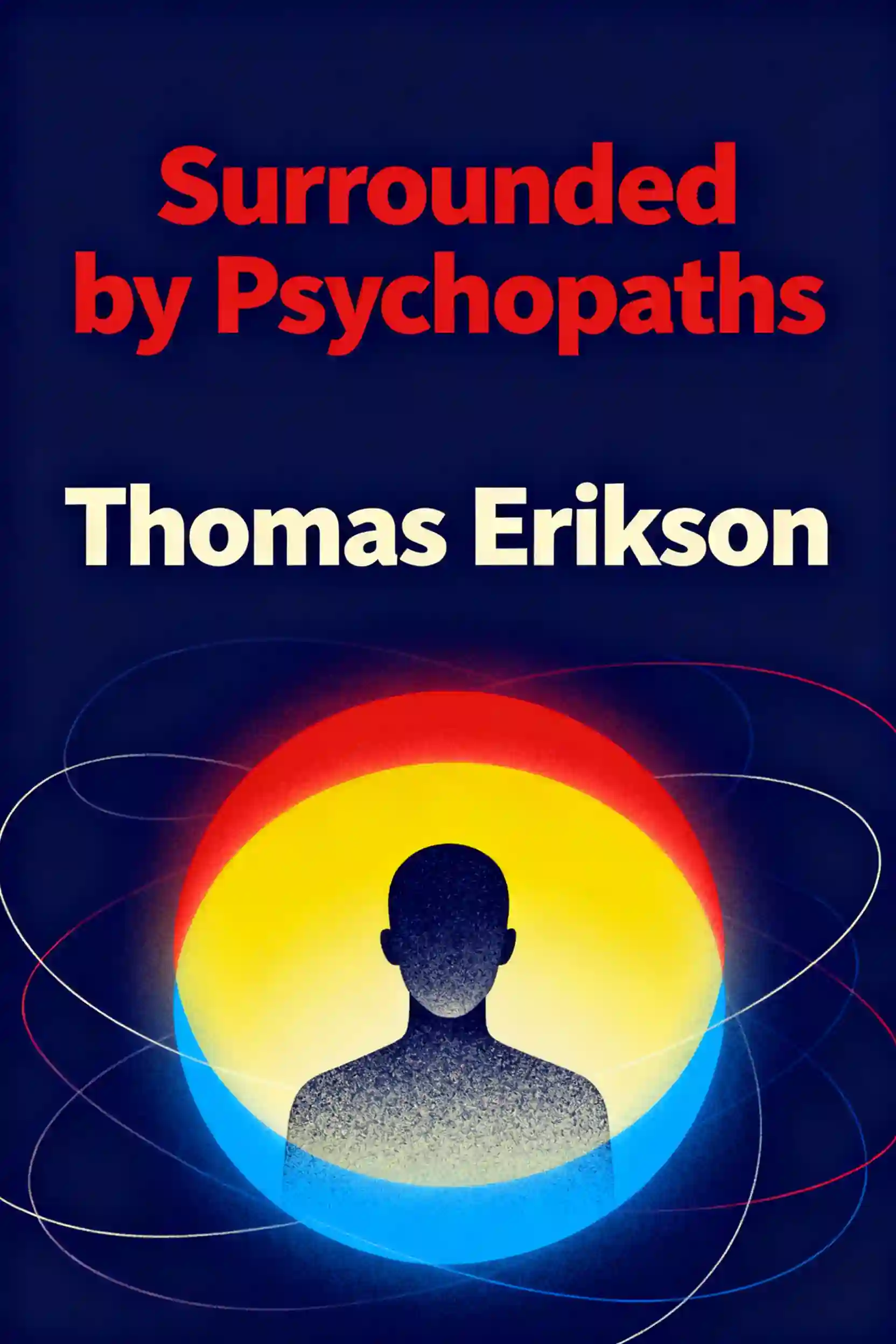
    Surrounded by Psychopaths
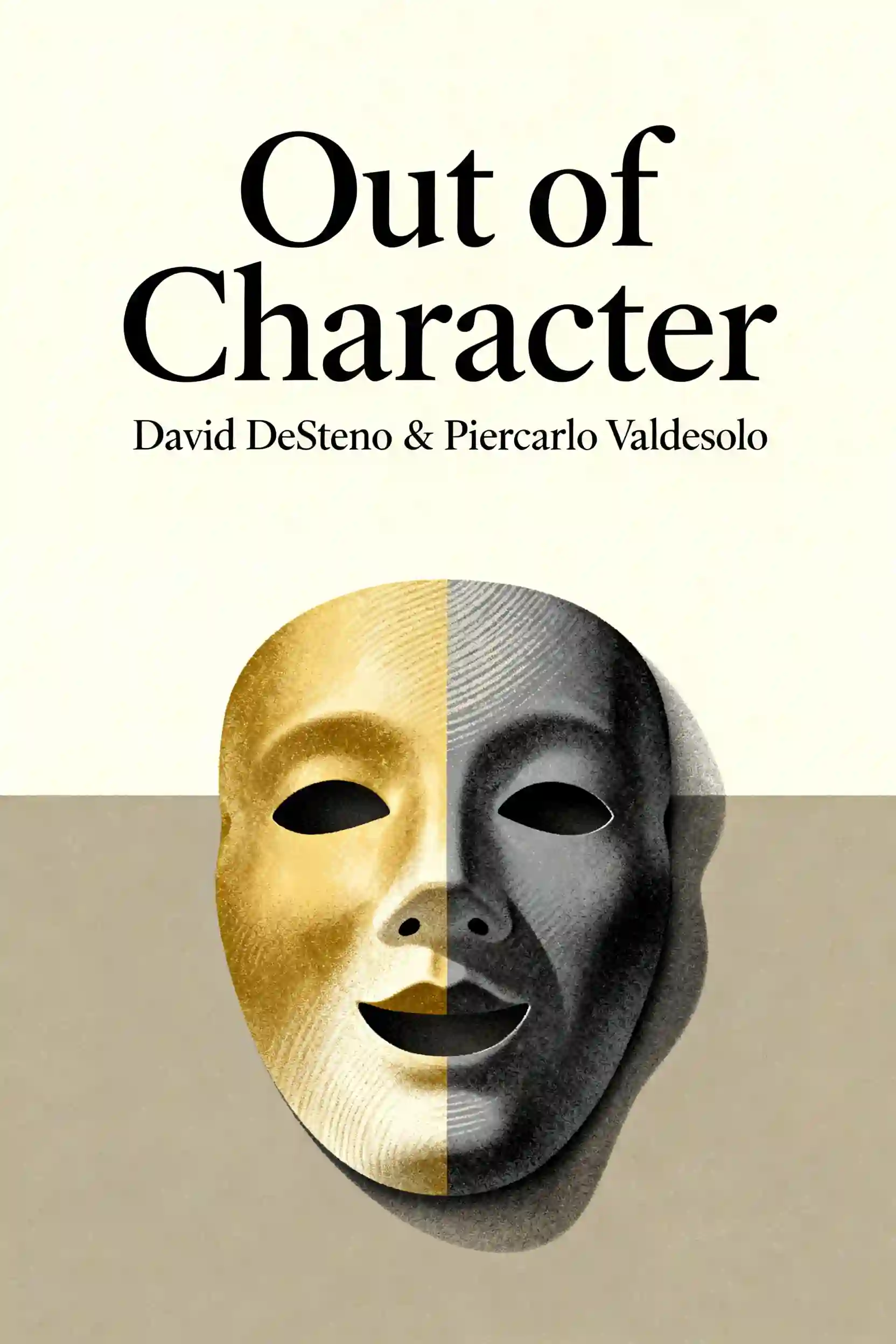
    Out of Character
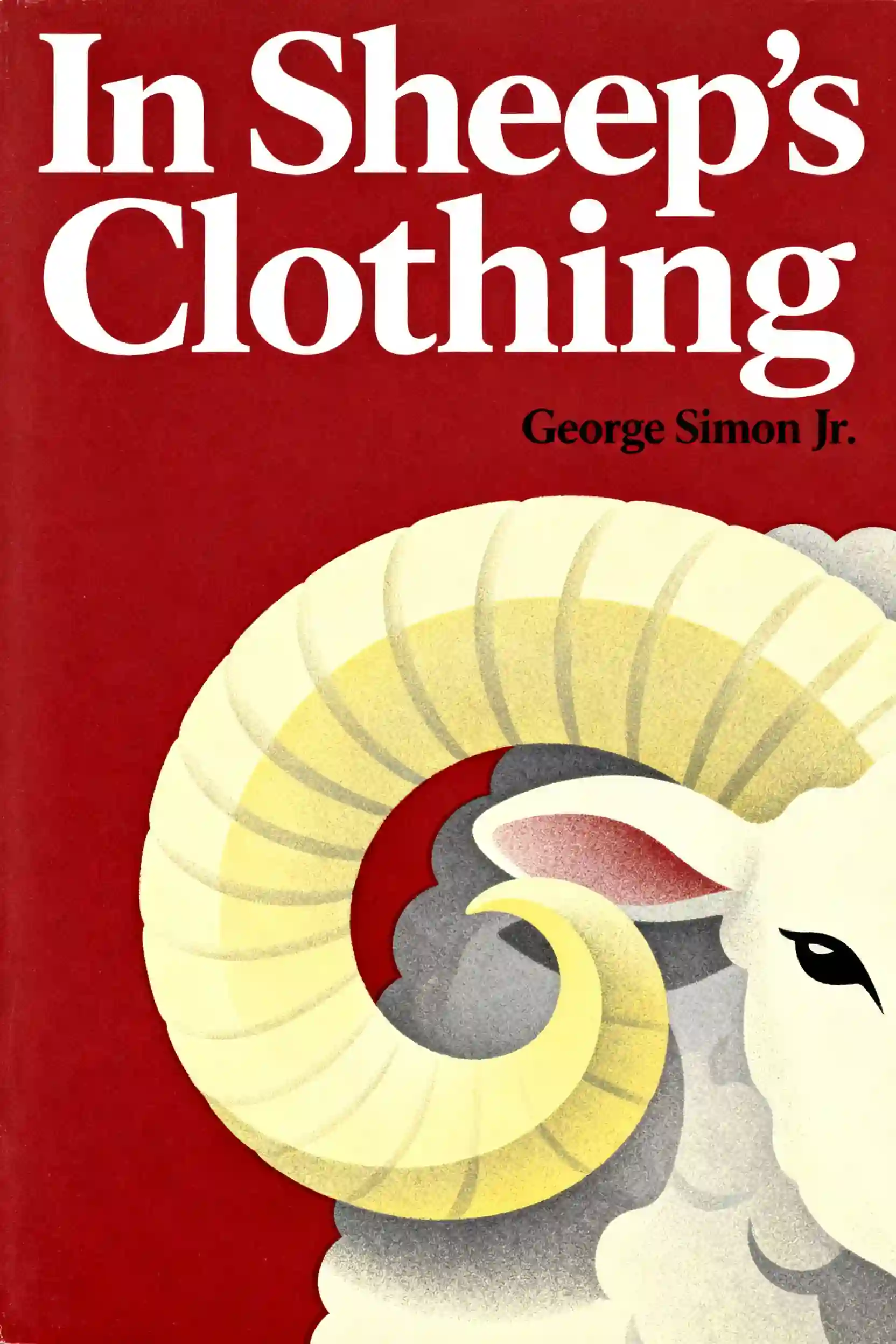
    In sheep's clothing
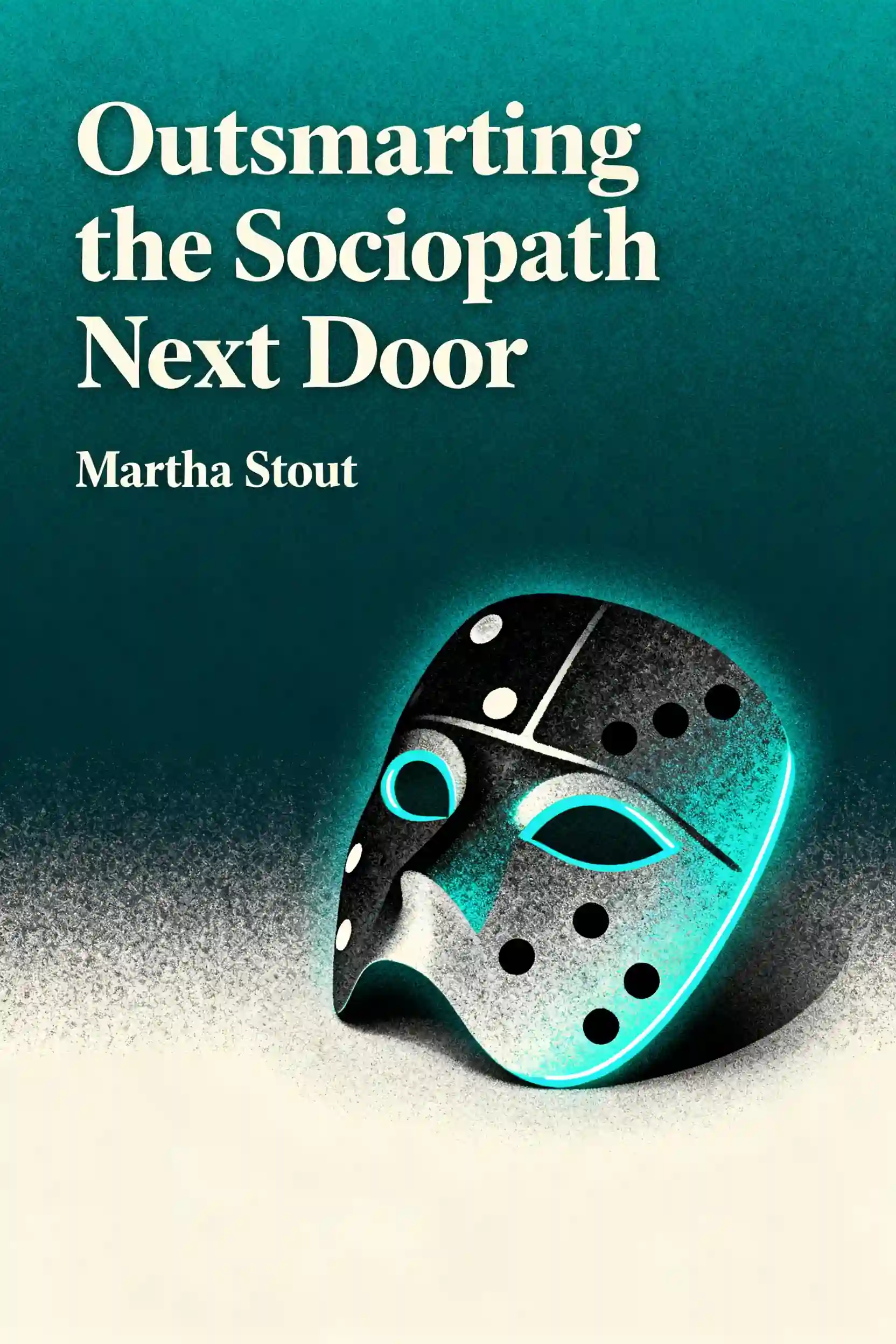
    Outsmarting the Sociopath Next Door
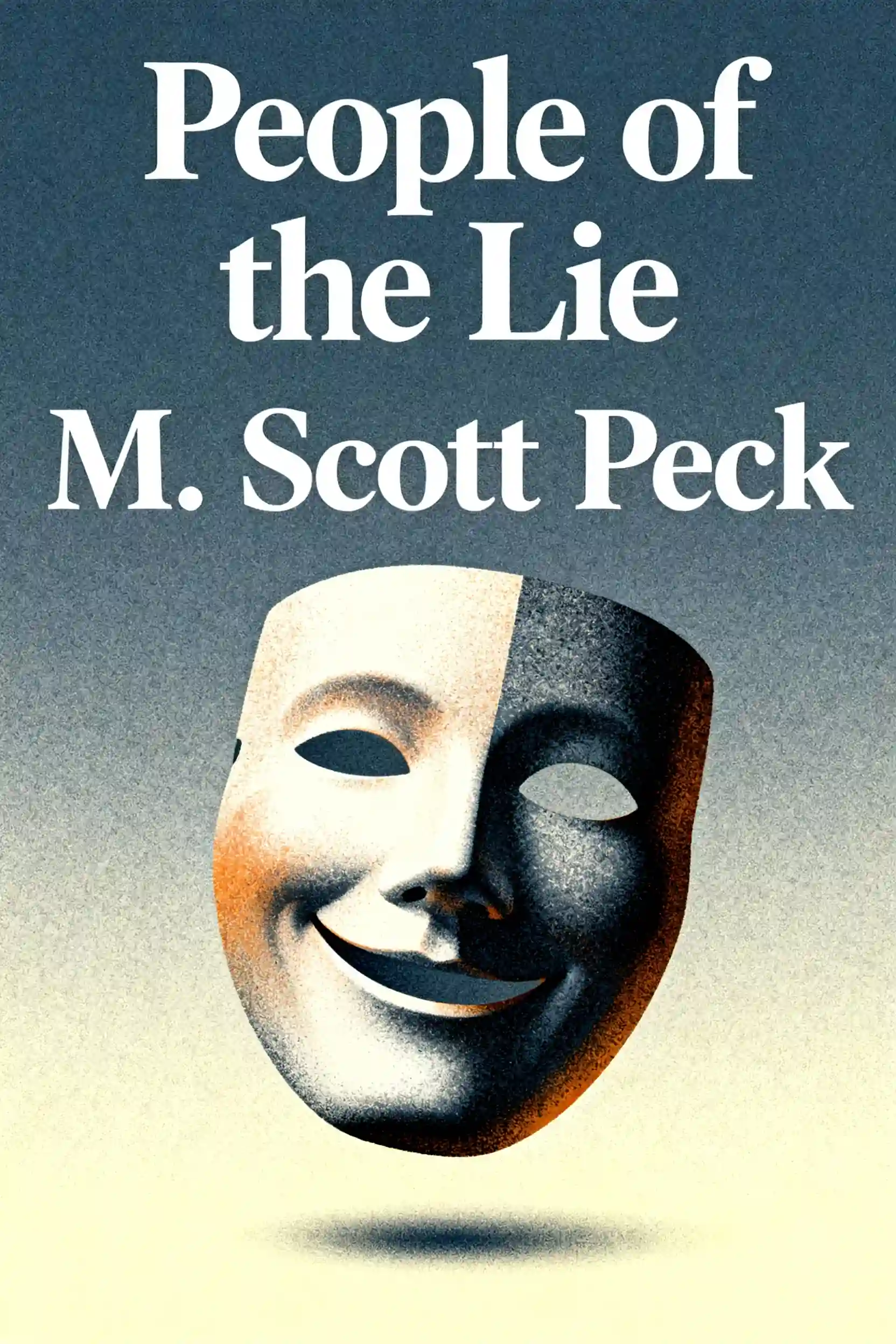
    People of the lie
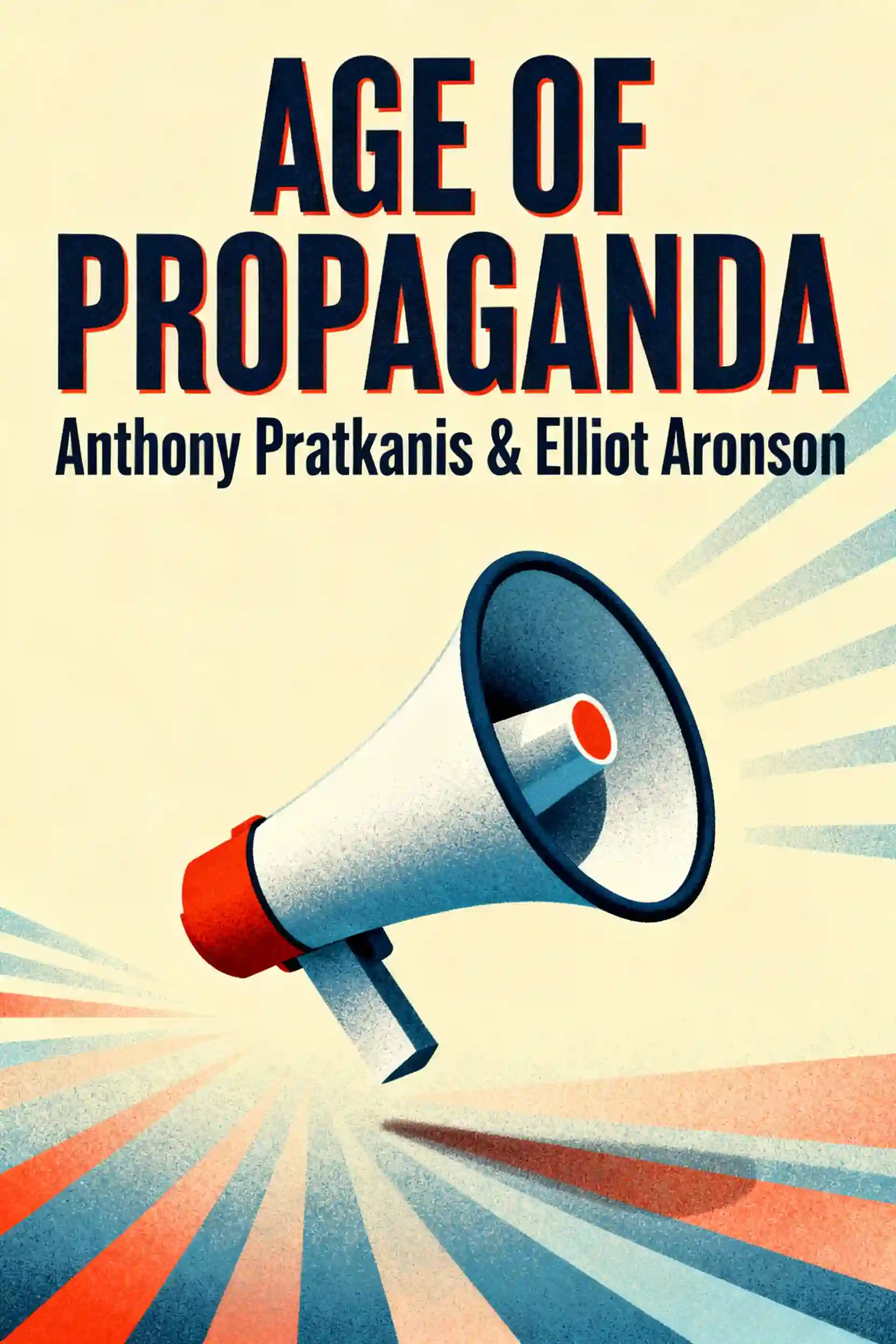
    Age of Propaganda

    Frequently Asked Questions

    The Dark Triad is a psychological framework used to understand the foundation of exploitative behavior. It consists of three specific personality traits: Narcissism (extreme self-importance and a need for admiration), Machiavellianism (acting as a master strategist who views people as chess pieces), and Psychopathy (a lack of empathy and remorse). These traits often overlap, and the specific "blend" of these characteristics in an individual determines the tactics they use to influence or coerce others for personal gain.

    While both are deceptive tactics used to create an "unreality" for the victim, they function differently. Gaslighting is a systematic attempt to make someone question their own sanity, memory, or perceptions by flatly denying facts or telling the victim they are imagining things. Paltering, on the other hand, involves telling the literal truth but omitting key pieces of information to create a false impression. A palterer uses "the truth, but not the whole truth" to mislead others while maintaining a veneer of honesty.

    Triangulation occurs when a manipulator brings a third person into a dynamic to create artificial competition, jealousy, or conflict. By feeding different stories to different people—such as telling two employees they are rivals for the same position—the manipulator ensures that the victims focus on fighting each other rather than noticing the person pulling the strings. This tactic effectively isolates individuals and keeps the manipulator in a position of total control.

    Manipulators frequently weaponize a victim's best traits against them, a concept the script refers to as "institutional vulnerability." Highly empathetic individuals are more susceptible to "Pity Plays" or "Guilt-tripping" because they genuinely care about the feelings of others. Because they have a high tolerance for uncertainty and a desire to resolve contradictions, they may work harder to understand a manipulator's confusing behavior, eventually accepting a false reality just to make the emotional discomfort stop.

    The most critical first step is to trust your gut instinct if a situation feels "off" or nefarious. Practically, you should begin a "Reality Journal" to document dates, times, and exact quotes to stay grounded in objective facts when a manipulator tries to distort the truth. Additionally, it is vital to break the secrecy by talking to a trusted friend or professional and setting firm boundaries with "I statements" to protect your autonomy.

    From Columbia University alumni | built in San Francisco

    BeFreed Brings Together A Global Community Of Curious Minds

    4.7

    avg rating

    7.84k+ App Rating

    BeFreed Community

    Seriously I haven’t even explored this app fully yet but from using it the last few days I am so impressed... BeFreed is on a different level from any other learning app I have used. This makes it ultra engaging and can actually improve your concentration which is great for all the doom scrollers!

    @ladyInfinity

    I bought BeFreed exactly 23 days ago, and I have used it every single day since. It has completely embedded itself into my daily workflow and learning habit.

    @jayallen

    The truth is, the app has exceeded all my expectations. I can ask it to generate audio on any topic, whatever it may be, and the result is impressive. My professional field is a specialization in psychotherapy and it is multidisciplinary; however, the answers are very accurate.

    @Raguipa

    What I appreciate most is how much it's reduced my scrolling – I'm spending less time searching and more time absorbing information. The combination of full audiobooks, podcasts, the learning plans are brilliant.

    @colonyofcreatorsNGO

    I have been a PhotoReading Accelerated Learning Instructor for the past 24 years... books and reading and learning are my thing, and BeFreed has done a great job in providing an innovative approach to disseminating and delivering information in an easy to consume way.

    @BeFreed user

    It is not just a book summary app, I have used the 'fun reading' option and it's a much better summary and way to grasp ideas the traditional way, that alone is worth this deal.

    @austinakon

    I love this app. Used it for several days and I cannot stop listening. Such a great way to start.

    @jcrules328

    I really like the program; I have already tested it for around one month, and I feel that it's an amazing gem. It works so well because I can use BeFreed to create my own topics, and the voice is so good with unlimited choice of narrations.

    @DanielCZ

    Seriously I haven’t even explored this app fully yet but from using it the last few days I am so impressed... BeFreed is on a different level from any other learning app I have used. This makes it ultra engaging and can actually improve your concentration which is great for all the doom scrollers!

    @ladyInfinity

    I bought BeFreed exactly 23 days ago, and I have used it every single day since. It has completely embedded itself into my daily workflow and learning habit.

    @jayallen

    The truth is, the app has exceeded all my expectations. I can ask it to generate audio on any topic, whatever it may be, and the result is impressive. My professional field is a specialization in psychotherapy and it is multidisciplinary; however, the answers are very accurate.

    @Raguipa

    What I appreciate most is how much it's reduced my scrolling – I'm spending less time searching and more time absorbing information. The combination of full audiobooks, podcasts, the learning plans are brilliant.

    @colonyofcreatorsNGO

    I have been a PhotoReading Accelerated Learning Instructor for the past 24 years... books and reading and learning are my thing, and BeFreed has done a great job in providing an innovative approach to disseminating and delivering information in an easy to consume way.

    @BeFreed user

    It is not just a book summary app, I have used the 'fun reading' option and it's a much better summary and way to grasp ideas the traditional way, that alone is worth this deal.

    @austinakon

    I love this app. Used it for several days and I cannot stop listening. Such a great way to start.

    @jcrules328

    I really like the program; I have already tested it for around one month, and I feel that it's an amazing gem. It works so well because I can use BeFreed to create my own topics, and the voice is so good with unlimited choice of narrations.

    @DanielCZ

    I love the fact that I can get useful, condensed, information and ideas in a 8 - 15 minute podcast style audio. I'm not a general fan of podcasts because of all the fluff, but this cuts through all that.

    @BeFreed user

    I am finishing up my doctorate, and have to read a lot of unfamiliar material... With BeFreed, you simply enter a prompt, and the app finds source material for you and generates an audio podcast. I find the process in BeFreed to be more streamlined than NotebookLM.

    @Brad

    I often search YouTube for something to listen to whilst making breakfast, when I'm out walking, commuting, etc, and BeFreed has provided an even more targeted approach, without the adverts and the fluff!

    @BeFreed user

    The absolute best part about this platform is its versatility. There is literally no subject that is off-topic. It handles whatever you throw at it... It is rare to find an learning tool with zero limitations that actually delivers on its promises.

    @jayallen

    BeFreed is fantastic. The user-friendly design means I spend less time navigating and more time learning. The mix of audiobooks, podcasts, and learning plans is a genius combo that has completely changed my daily routine.

    @BeFreed user

    At the start I needed a while to understand how to create podcasts in italian language and boom! It is so great! I can ask to explain every argument and it does so well and so smartly!

    @matteo77

    BeFreed has become my daily app for audio books tools... What I like the most is the way you put your text and come with an audio that you can listen on the go.

    @kotanzu1

    I love the fact that I can get useful, condensed, information and ideas in a 8 - 15 minute podcast style audio. I'm not a general fan of podcasts because of all the fluff, but this cuts through all that.

    @BeFreed user

    I am finishing up my doctorate, and have to read a lot of unfamiliar material... With BeFreed, you simply enter a prompt, and the app finds source material for you and generates an audio podcast. I find the process in BeFreed to be more streamlined than NotebookLM.

    @Brad

    I often search YouTube for something to listen to whilst making breakfast, when I'm out walking, commuting, etc, and BeFreed has provided an even more targeted approach, without the adverts and the fluff!

    @BeFreed user

    The absolute best part about this platform is its versatility. There is literally no subject that is off-topic. It handles whatever you throw at it... It is rare to find an learning tool with zero limitations that actually delivers on its promises.

    @jayallen

    BeFreed is fantastic. The user-friendly design means I spend less time navigating and more time learning. The mix of audiobooks, podcasts, and learning plans is a genius combo that has completely changed my daily routine.

    @BeFreed user

    At the start I needed a while to understand how to create podcasts in italian language and boom! It is so great! I can ask to explain every argument and it does so well and so smartly!

    @matteo77

    BeFreed has become my daily app for audio books tools... What I like the most is the way you put your text and come with an audio that you can listen on the go.

    @kotanzu1

    See more on how BeFreed is discussed
    129.7K19.5K
    55.2K19.2K
    154.2K10827355
    48.1K2.5K
    81.2K6.6K
    82.3K1.8K
    Start your learning journey, now
    BeFreed app
    BeFreed

    Learn Anything, Personalized

    DiscordLinkedIn
    Featured book summaries
    Crucial ConversationsThe Perfect MarriageInto the WildNever Split the DifferenceAttachedGood to GreatSay Nothing
    Trending categories
    Self HelpCommunication SkillRelationshipMindfulnessPhilosophyInspirationProductivity
    Celebrities' reading list
    Elon MuskCharlie KirkBill GatesSteve JobsAndrew HubermanJoe RoganJordan Peterson
    Award winning collection
    Pulitzer PrizeNational Book AwardGoodreads Choice AwardsNobel Prize in LiteratureNew York TimesCaldecott MedalNebula Award
    Featured Topics
    ManagementAmerican HistoryWarTradingStoicismAnxietySex
    Best books by Year
    2025 Best Non Fiction Books2024 Best Non Fiction Books2023 Best Non Fiction Books
    Featured authors
    Chimamanda Ngozi AdichieGeorge OrwellO. J. SimpsonBarbara O'NeillWinston ChurchillCharlie Kirk
    BeFreed vs other apps
    BeFreed vs. Other Book Summary AppsBeFreed vs. ElevenReaderBeFreed vs. ReadwiseBeFreed vs. Anki
    Learning tools
    Knowledge VisualizerAI Podcast Generator
    Information
    About Usarrow
    Pricingarrow
    FAQarrow
    Blogarrow
    Careerarrow
    Partnershipsarrow
    Ambassador Programarrow
    Directoryarrow
    BeFreed
    Try now
    © 2026 BeFreed
    Term of UsePrivacy Policy
    BeFreed

    Learn Anything, Personalized

    DiscordLinkedIn
    Featured book summaries
    Crucial ConversationsThe Perfect MarriageInto the WildNever Split the DifferenceAttachedGood to GreatSay Nothing
    Trending categories
    Self HelpCommunication SkillRelationshipMindfulnessPhilosophyInspirationProductivity
    Celebrities' reading list
    Elon MuskCharlie KirkBill GatesSteve JobsAndrew HubermanJoe RoganJordan Peterson
    Award winning collection
    Pulitzer PrizeNational Book AwardGoodreads Choice AwardsNobel Prize in LiteratureNew York TimesCaldecott MedalNebula Award
    Featured Topics
    ManagementAmerican HistoryWarTradingStoicismAnxietySex
    Best books by Year
    2025 Best Non Fiction Books2024 Best Non Fiction Books2023 Best Non Fiction Books
    Learning tools
    Knowledge VisualizerAI Podcast Generator
    Featured authors
    Chimamanda Ngozi AdichieGeorge OrwellO. J. SimpsonBarbara O'NeillWinston ChurchillCharlie Kirk
    BeFreed vs other apps
    BeFreed vs. Other Book Summary AppsBeFreed vs. ElevenReaderBeFreed vs. ReadwiseBeFreed vs. Anki
    Information
    About Usarrow
    Pricingarrow
    FAQarrow
    Blogarrow
    Careerarrow
    Partnershipsarrow
    Ambassador Programarrow
    Directoryarrow
    BeFreed
    Try now
    © 2026 BeFreed
    Term of UsePrivacy Policy

    More like this

    Unmasking the Dark Triad book cover
    Age of PropagandaThe Art of SeductionFlipnosisInfluence is Your Superpower
    20 sources
    Unmasking the Dark Triad
    Explore the shadowy world of psychological manipulation, from gaslighting to workplace predators. Learn to recognize dark psychology tactics and build your mental defense system against those who seek to control.
    12 min
    Dark Psychology: The Mechanics of Manipulation book cover
    Outsmarting the Sociopath Next DoorThe 48 laws of powerDark Psychology: 12 Tricks for Manipulation & Mind Control (and How to Avoid Them)20 Dark Psychological Tactics: Unveiling Manipulative Techniques
    8 sources
    Dark Psychology: The Mechanics of Manipulation
    Subtle psychological tactics can quietly strip away our autonomy. Learn to spot the signs of the Dark Triad to protect your mental well-being.
    24 min
    Dark Psychology: Manipulation Exposed book cover
    How Highly Effective People SpeakInfluence is Your SuperpowerThe Art of Influencing AnyoneFlipnosis
    30 sources
    Dark Psychology: Manipulation Exposed
    This episode decodes the 'dark triad' personality traits behind manipulation techniques, not to practice them but to recognize and defend against them while building authentic connections instead.
    15 min
    Dark Psychology: The Tactics of Manipulation book cover
    Understanding Dark Psychology and Manipulation Tactics - Psych CentralDark Psychology: Complete Guide To The Dark Side Of Human BehaviorDark Psychology Explained: 10 Essential Insights — Expert Guide5 Manipulation Tactics You Might Miss Until It’s Too Late | Psychology Today United Kingdom
    5 sources
    Dark Psychology: The Tactics of Manipulation
    Hidden influence can turn a deep connection into a trap. Learn to spot the red flags of the 'Dark Triad' and build a defense kit against manipulation.
    1418 min
    Dark Psychology: The Mechanics of Control book cover
    20 Harmful Dark Psychology Tactics and How to Protect YourselfDark Psychology: Tricks, Tactics & Manipulation ExplainedFull article: A primer on the Dark Triad traitsThe Psychology of Manipulation: Mechanisms, Tactics, and Defense - Dark Psychology Lab
    5 sources
    Dark Psychology: The Mechanics of Control
    We often mistake manipulation for normal social behavior. Learn to spot the tactics of the Dark Triad and reclaim your autonomy from predatory influence.
    27 min
    Dark Psychology: The Mechanics of Manipulation book cover
    Dark Psychology: Definition, Techniques, and More - Psych CentralDark Psychology: Manipulation Tactics to Recognize and Neutralize | When Notes FlyDark Psychology: 11 Traits & Manipulation TacticsDark Psychology Definition in Psychology
    5 sources
    Dark Psychology: The Mechanics of Manipulation
    Kindness and responsibility are often used against us. Learn to spot the Dark Triad and gaslighting tactics to build a stronger defensive playbook.
    20 min
    Dark Psychology: The Mechanics of Manipulation book cover
    Dark Psychology: Definition, Techniques, and More - Psych CentralDark triadWhat Is the Dark Triad? 9 Signs To Watch Out Forsource 4
    4 sources
    Dark Psychology: The Mechanics of Manipulation
    Feeling drained or doubted? Learn to identify the Dark Triad and weaponized communication tactics to protect your autonomy and reclaim your sanity.
    19 min
    The Dark Triad: Trading Empathy for Influence book cover
    Understanding Dark Psychology and Manipulation TacticsDark Psychology: Recognizing and Countering ManipulationThe Psychology of Manipulation: Mechanisms, Tactics, and Defense - Dark Psychology LabThe Ethics of Manipulation - Stanford Encyclopedia of Philosophy
    6 sources
    The Dark Triad: Trading Empathy for Influence
    Struggling with social manipulation? Explore the traits of the Dark Triad and the mechanics of covert influence to master the art of human strategy.
    1316 min

    Recommended Learning Plans

    Dark psychology
    LEARNING PLAN

    Dark psychology

    In an era of complex social dynamics, understanding the mechanics of manipulation is essential for self-protection. This plan is ideal for anyone looking to identify toxic behaviors and build strong psychological defenses against predatory personalities.

    5 h 59 m•4 Sections
    Mastering dark manipulation,
    LEARNING PLAN

    Mastering dark manipulation,

    This curriculum is essential for high-stakes negotiators and leaders who need to navigate and dominate complex social landscapes. It provides a deep dive into the darker aspects of human psychology to ensure you can recognize and utilize the mechanics of power.

    6 h 9 m•4 Sections
    Dark psychologist: skills and explanation
    LEARNING PLAN

    Dark psychologist: skills and explanation

    Understanding the mechanics of manipulation is essential for navigating complex social and professional landscapes safely. This plan is designed for leaders, professionals, and individuals who want to master psychological influence while building strong defenses against predatory personalities.

    5 h 35 m•4 Sections
    Learn dark physcology tricks
    LEARNING PLAN

    Learn dark physcology tricks

    This plan is essential for professionals and individuals seeking to safeguard themselves against predatory behavior while mastering advanced persuasion. It benefits anyone looking to improve their social intelligence and recognize manipulation in high-stakes environments.

    5 h 38 m•4 Sections
    Neutralizing the Dark Tetrad
    LEARNING PLAN

    Neutralizing the Dark Tetrad

    In high-stakes social and professional environments, understanding predatory personality traits is essential for self-preservation. This plan is designed for individuals seeking to safeguard their mental well-being and physical safety from manipulative actors.

    1 h 45 m•3 Sections
    Explore dark psychology & transgression
    LEARNING PLAN

    Explore dark psychology & transgression

    Dark psychology impacts our daily interactions, relationships, and decision-making processes, often without our awareness. This learning plan benefits those seeking to understand manipulative tactics, protect themselves from psychological exploitation, and gain insight into the forbidden aspects of human psychology.

    4 h 41 m•4 Sections
    Dark Psychology Podcast: 500 Books Condensed
    LEARNING PLAN

    Dark Psychology Podcast: 500 Books Condensed

    Dark psychology affects every aspect of our lives, from personal relationships to professional environments. This learning plan equips individuals with the knowledge to identify manipulation tactics, understand dark personality traits, and develop protective strategies against psychological influence.

    4 h 5 m•4 Sections
    Micro-Compliance & Dark Manipulation Science
    LEARNING PLAN

    Micro-Compliance & Dark Manipulation Science

    This plan is essential for professionals in high-stakes negotiation, security, or leadership who need to understand the hidden layers of human interaction. It provides a deep dive into the mechanics of influence, benefiting anyone looking to master behavioral engineering and psychological defense.

    5 h 59 m•5 Sections