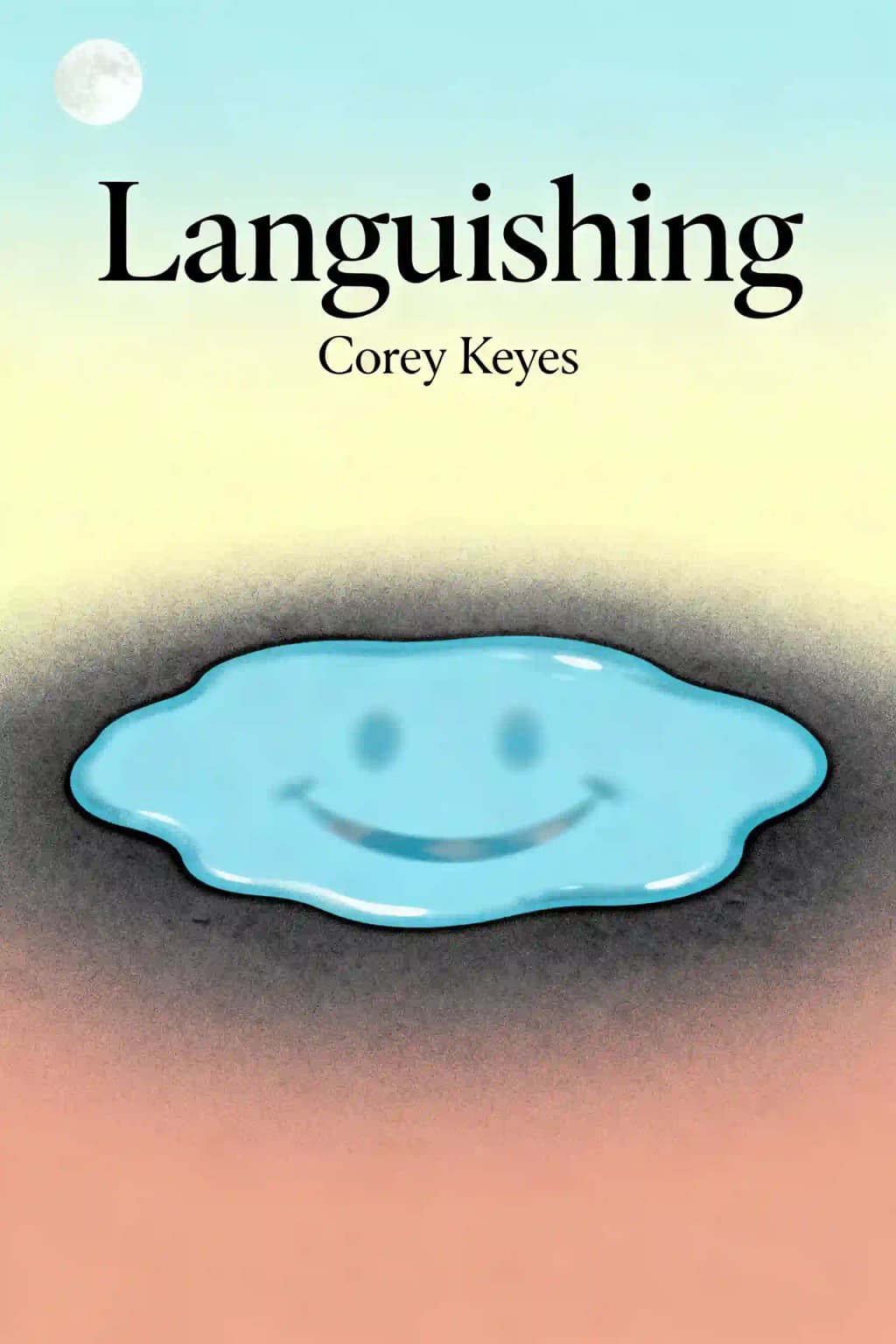
In "Languishing," sociologist Corey Keyes reveals why we're stuck between depression and flourishing - a condition Adam Grant calls "a must-read revelation." Discover the five vitamins for mental wellness that Arianna Huffington praises as "the roadmap to reignite passion in life."
Corey Keyes, author of Languishing: How to Feel Alive Again in a World That Wears Us Down, is a pioneering sociologist and professor emeritus at Emory University, renowned for his groundbreaking research on mental health and well-being. A founding figure in positive psychology, Keyes introduced the concepts of “flourishing” and “languishing,” reshaping global understanding of mental health as a spectrum beyond mere absence of illness.
His work, informed by decades of interdisciplinary study and collaborations with institutions like the CDC and the World Health Organization, bridges sociology, psychology, and public health.
Keyes’s insights have been featured in major media outlets, including NPR and TEDx, and his frameworks underpin mental health initiatives worldwide, such as Canada’s national surveillance program. A member of the MacArthur Foundation Research Network on Successful Midlife Development, he blends academic rigor with personal narratives of resilience, drawing from his own journey overcoming adversity.
Languishing, his first book, distills this lifetime of research into actionable strategies for reclaiming vitality. Published by Crown/Penguin Random House, the book has been hailed as a definitive guide to navigating modern mental health challenges.
Corey Keyes' groundbreaking book identifies languishing—a state of mental weariness marked by emptiness and stagnation—as a critical but overlooked mental health challenge. It explores societal causes like the self-help industry's shortcomings and offers a science-backed framework to transition from merely surviving to thriving through daily practices that foster connection, purpose, and emotional resilience.
This book is essential for anyone feeling emotionally drained, demotivated, or stuck in a fog of indifference. It’s particularly relevant for those navigating post-pandemic burnout, caregivers, and individuals seeking actionable strategies to rebuild mental vitality without relying on quick-fix solutions.
Yes—it’s praised by experts like Adam Grant for redefining mental health beyond happiness and depression. Keyes blends research, case studies, and practical steps to address a global epidemic of emotional exhaustion, making it a timely resource for personal growth and societal change.
Keyes attributes languishing to systemic issues like the self-help industry’s oversimplified promises, healthcare systems prioritizing treatment over prevention, and modern life’s relentless demands. Global crises, such as the pandemic, exacerbate these conditions by amplifying fear and isolation.
While depression involves prolonged sadness, languishing is characterized by emotional numbness, aimlessness, and a sense of being “stuck.” Keyes emphasizes that languishing isn’t a mental illness but a risk factor for developing one if unaddressed.
Keyes advocates shifting focus from feeling good to functioning well:
This approach fosters long-term resilience over temporary mood boosts.
Keyes argues that the self-help sector often peddles unrealistic “quick fixes” for happiness, which neglect deeper psychological needs. His framework rejects superficial solutions, urging readers to prioritize sustainable habits that address root causes of emotional exhaustion.
These lines underscore the book’s central thesis: lasting well-being stems from purposeful action, not passive positivity.
Flourishing involves a high tolerance for adversity, strong social connections, and consistent engagement in meaningful activities. Keyes positions it as the antithesis of languishing—a state achieved through intentional, daily practices rather than fleeting happiness.
A sociologist at Emory University, Keyes pioneered research on languishing and mental health continua. His 20+ years of study blend academic rigor with empathy, informed by his own experiences with adversity and recovery.
The book provides tools to build a “buffer” against societal stressors, like reframing challenges as growth opportunities and prioritizing small, consistent acts of self-care. Keyes emphasizes that flourishing isn’t about eliminating stress but developing resilience to navigate it.
In an era of escalating burnout and isolation, Keyes’ work offers a vocabulary and roadmap for millions feeling “stuck” but not clinically depressed. Its focus on prevention over treatment aligns with growing demands for proactive mental health strategies.
저자의 목소리로 책을 느껴보세요
지식을 흥미롭고 예시가 풍부한 인사이트로 전환
핵심 아이디어를 빠르게 캡처하여 신속하게 학습
재미있고 매력적인 방식으로 책을 즐기세요
Languishing isn't just uncomfortable-it's a serious public health threat.
Loneliness has nearly doubled among adolescents in the past decade.
Most feel isolated despite having connections.
We've come to see emotions as expressions of identity.
Languishing의 핵심 아이디어를 이해하기 쉬운 포인트로 분해하여 혁신적인 팀이 어떻게 창조하고, 협력하고, 성장하는지 이해합니다.
Languishing을 빠른 기억 단서로 압축하여 솔직함, 팀워크, 창의적 회복력의 핵심 원칙을 강조합니다.

생생한 스토리텔링을 통해 Languishing을 경험하고, 혁신 교훈을 기억에 남고 적용할 수 있는 순간으로 바꿉니다.
무엇이든 물어보고, 목소리를 선택하고, 진정으로 공감되는 인사이트를 함께 만들어보세요.

샌프란시스코에서 컬럼비아 대학교 동문들이 만들었습니다
"Instead of endless scrolling, I just hit play on BeFreed. It saves me so much time."
"I never knew where to start with nonfiction—BeFreed’s book lists turned into podcasts gave me a clear path."
"Perfect balance between learning and entertainment. Finished ‘Thinking, Fast and Slow’ on my commute this week."
"Crazy how much I learned while walking the dog. BeFreed = small habits → big gains."
"Reading used to feel like a chore. Now it’s just part of my lifestyle."
"Feels effortless compared to reading. I’ve finished 6 books this month already."
"BeFreed turned my guilty doomscrolling into something that feels productive and inspiring."
"BeFreed turned my commute into learning time. 20-min podcasts are perfect for finishing books I never had time for."
"BeFreed replaced my podcast queue. Imagine Spotify for books — that’s it. 🙌"
"It is great for me to learn something from the book without reading it."
"The themed book list podcasts help me connect ideas across authors—like a guided audio journey."
"Makes me feel smarter every time before going to work"
샌프란시스코에서 컬럼비아 대학교 동문들이 만들었습니다

Languishing 요약을 무료 PDF 또는 EPUB으로 받으세요. 인쇄하거나 오프라인에서 언제든 읽을 수 있습니다.
Have you ever felt like you're watching your own life from the outside-present but not really there? Not depressed enough to stay in bed, but not energized enough to feel alive? This emotional flatness has a name: languishing. When Adam Grant's viral article named this condition during the pandemic, the response was staggering. Millions recognized themselves in his words-from celebrities to everyday people running on empty. But here's what most don't know: this isn't just pandemic fatigue. Research shows 50-60% of people languish during key life transitions, and the consequences go far beyond feeling "meh." Languishing increases vulnerability to mental illness, physical disease, and even premature death. It's the silent epidemic hiding in plain sight, affecting our children, our workplaces, and our communities in ways we're only beginning to understand. Em Beihold's hit "Numb Little Bug" captures languishing perfectly: "Like you're not really happy but you don't wanna die." This resonates because languishing shows up as brain fog, feeling defeated by small setbacks, struggling with relationships, and a fluctuating sense of self-worth. Unlike depression's persistent hopelessness, languishing feels like losing control of your future. The data is sobering: a Hungarian study found direct correlation between languishing severity and self-harm behaviors. Middle schoolers who languish already skip school and experiment with substances. Loneliness among adolescents has nearly doubled in the past decade.