1장
When Women Rise: The Legal Resistance Begins
In June 2016, a moment of hope flickered in the American legal landscape. The Supreme Court's decision in Whole Woman's Health v. Hellerstedt seemed to herald a new era of gender parity in legal institutions, with female justices leading the charge. Ruth Bader Ginsburg, the iconic "Notorious RBG," had become a cultural phenomenon, her face emblazoned on t-shirts and mugs across the nation. For a brief moment, it appeared that women's voices in the judiciary were finally being heard with the gravitas they deserved.
Then came the 2016 election. As "Lock her up" chants echoed through campaign rallies, a chilling message emerged: the law could be weaponized against women. Rather than surrender to despair, however, women across America rose in unprecedented legal resistance. These weren't just any women - they were lawyers, judges, and activists who understood intimately the dual nature of the American legal system: its power to protect and its capacity to punish.
This remarkable female-led legal resistance draws from a rich but often overlooked lineage. Consider Pauli Murray, whose groundbreaking legal strategies laid essential foundations for landmark civil rights decisions, yet whose name remains unfamiliar to many Americans. Despite facing the triple barriers of racism, sexism, and homophobia, Murray's constitutional theories became the bedrock upon which later victories were built.
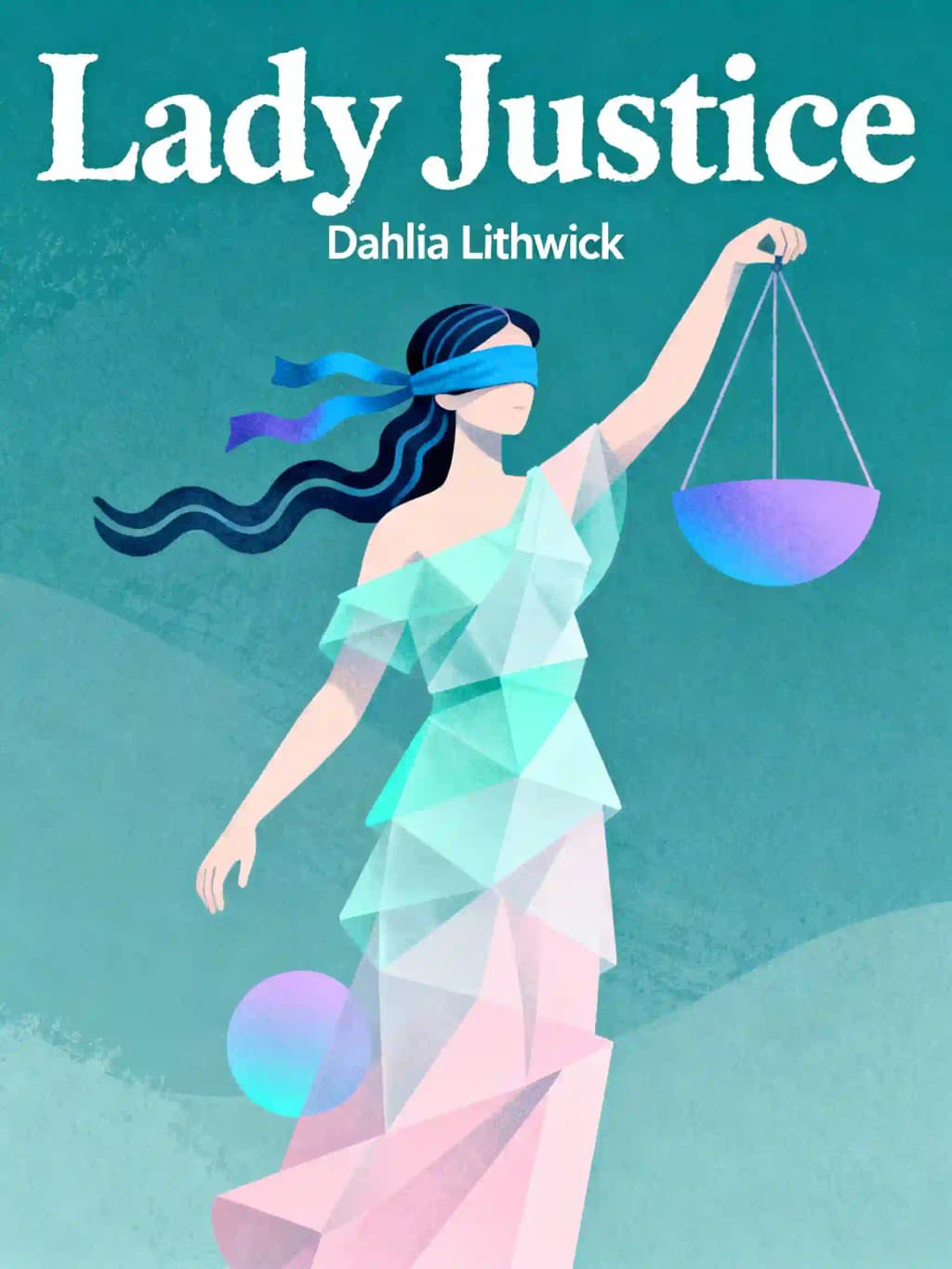
Today, Lady Justice has found her voice in a new generation of women lawyers. From airport terminals transformed into impromptu legal clinics to courtrooms where reproductive rights hang in the balance, these women aren't just participating in legal battles - they're leading them. And as the Supreme Court shifts dramatically rightward, with decisions like the overturning of Roe v. Wade, their fight continues with renewed urgency and determination.
2장
The First Stand: Sally Yates and the Muslim Ban
When Donald Trump signed Executive Order 13769 - the infamous "Muslim ban" - in January 2017, Sally Yates faced an impossible choice. As Acting Attorney General, she was tasked with defending the administration's policies. But as a career Justice Department lawyer with decades of experience, she recognized the order's constitutional flaws immediately.
"I looked at this EO. I thought about it. I read the law. I re-read the law. And I believed that it was unconstitutional," Yates later explained. Her refusal to defend the ban, which barred entry to the U.S. from seven predominantly Muslim countries, resulted in her immediate dismissal. But in that moment of professional sacrifice, she became the first official to say "no" to an administration that would repeatedly test constitutional boundaries.
What drove Yates to take such a principled stand? Perhaps it was the legacy of her grandmother, who secretly studied law despite societal barriers that relegated her to a secretary's role. Or maybe it was her early experiences winning a significant pro bono case that cemented her commitment to justice over expediency. Throughout her career at the Justice Department, Yates had built a reputation for nonpartisan professionalism, leading initiatives to reform sentencing guidelines and reduce over-incarceration under President Obama.
"The Attorney General has a responsibility to uphold the Constitution and the rule of law," Yates testified later before the Senate. When Senator Ted Cruz attempted to corner her with questions about constitutional authority, she responded with the calm precision that had characterized her entire career: "I was not convinced that the defense of the executive order was consistent with my responsibilities as Attorney General."
What makes her stand particularly remarkable is that Yates wasn't a partisan firebrand. She was a career professional who had served administrations of both parties with distinction. Her decision wasn't about politics - it was about constitutional principles. In a time when loyalty to power often trumps loyalty to principle, Yates reminded young lawyers everywhere that their ultimate duty is to the law itself.
3장
Airport Chaos: The Grassroots Legal Response
"Sir, where is your son?" The question, posed by a customs official to an Iraqi interpreter who had served alongside American troops, captured the chaos unfolding at airports across the country. Travelers with valid visas and green cards found themselves detained, their documents confiscated, and in some cases, faced immediate deportation. Hameed Khalid Darweesh, who had risked his life working with the U.S. military in Iraq, was among those detained at JFK Airport - a stark betrayal of America's promise to protect its allies.
Into this maelstrom stepped Becca Heller, a lawyer whose approach to advocacy matched the moment's urgency. As director of the International Refugee Assistance Project (IRAP), Heller had been preparing for potential immigration restrictions, but the ban's sudden implementation caught everyone off guard. "We had no idea it would apply to people already in transit," she recalled. "People with valid documents were being stopped at the border. It was unprecedented."
Within hours, Heller and a coalition of legal organizations filed an emergency petition for habeas corpus - the ancient legal principle requiring authorities to present detained individuals before a judge. This wasn't abstract legal theory; it was about preventing immediate, irreparable harm to people caught in administrative limbo.
What happened next was extraordinary. As word spread about travelers being detained, lawyers across the country flocked to airports, setting up makeshift legal clinics in terminal buildings. Thousands of attorneys volunteered their services, many sitting cross-legged on airport floors with laptops balanced on their knees, drafting emergency motions. One volunteer described it as "a spontaneous constitutional flash mob" - professionals from every legal specialty converging to defend basic rights.
Outside, massive crowds gathered in protest. "Let them in!" chants echoed through terminal buildings as ordinary citizens joined what quickly became both a legal battle and a public demonstration of values. Women were particularly visible in this mobilization, mirroring the energy of the Women's March held just days earlier. For many female lawyers, this wasn't just professional - it was personal.
"I never thought I'd be drafting habeas petitions in an airport food court," one attorney remarked. "But when the government violates constitutional rights this flagrantly, you don't ask where your office is. You just get to work."
4장
Standing Against Hate: Charlottesville and Legal Accountability
The images from Charlottesville in August 2017 shocked the nation: torch-bearing white nationalists marching through the University of Virginia campus, chanting "Jews will not replace us." The Unite the Right rally, organized by figures like Jason Kessler, represented an unapologetic display of white supremacist ideology that culminated in violence and the death of counter-protester Heather Heyer.
What could the law do in response to such naked hatred? Enter Robbie Kaplan, a formidable litigator who had already made legal history arguing United States v. Windsor, which struck down the Defense of Marriage Act. Kaplan recognized that while hateful speech is protected under the First Amendment, conspiracy to commit violence is not. "The First Amendment doesn't protect violence or conspiracies to engage in violence," Kaplan explained. "These weren't just people expressing opinions. They were planning attacks."
Drawing on the rarely used Ku Klux Klan Act of 1871, Kaplan and her legal team crafted a lawsuit - Sines v. Kessler - that targeted the organizers of the Charlottesville rally for conspiring to commit racially motivated violence. The 1871 law, passed during Reconstruction to combat Klan terrorism, provided a legal framework to hold modern white supremacists accountable.
The defendants' response was predictable: they attempted to hide behind free speech protections and claimed they were merely expressing political views. Some tried to evade legal responsibility by destroying evidence or using encryption to hide their communications. Others adopted a strategy of harassment, targeting Kaplan and her colleagues with antisemitic threats.
Kaplan remained undeterred. "When you're Jewish and a lesbian," she remarked, "you've heard it all before." Her determination reflected something deeper than legal strategy - it was about confronting the persistent threat of white nationalism in American society. The lawsuit wasn't just seeking damages; it was designed to expose the inner workings of white supremacist organizations and financially cripple their operations.
The case represented a new front in the legal battle against extremism. Rather than relying solely on criminal prosecution, which depends on government action, Kaplan's approach used civil litigation to hold hate groups accountable. It demonstrated how creative legal thinking could address threats that existing frameworks seemed inadequate to confront.
5장
Reproductive Rights Under Siege: Jane Doe's Fight
In October 2017, a 17-year-old girl identified in court documents only as "Jane Doe" found herself at the center of a constitutional storm. An undocumented minor in federal custody, she had discovered she was pregnant and sought an abortion. Despite obtaining a judicial bypass (required for minors in Texas) and arranging private funding, the Trump administration refused to allow her to leave detention to visit a clinic.
"I was astounded," recalls Brigitte Amiri, the ACLU attorney who took the case. "This wasn't about government funding - she had private sponsors. It was purely about controlling her body." The administration's position, championed by Scott Lloyd, then-director of the Office of Refugee Resettlement, represented an unprecedented level of government intervention in reproductive decisions.
The case highlighted the intersection of multiple vulnerabilities: Jane was young, undocumented, and in government custody. She had already fled abuse in her home country, only to find her bodily autonomy challenged by the very government supposedly offering her refuge. Lloyd, who had no medical training, personally intervened in her case, even visiting her to persuade her to continue the pregnancy.
Amiri's legal strategy focused on establishing that undocumented minors retain constitutional rights, including those established in Roe v. Wade. "The government can't hold someone hostage to prevent them from exercising a constitutional right," she argued before the D.C. Circuit Court of Appeals. The government's counterargument - that Jane could either return to her home country or find a sponsor - ignored the practical impossibilities of both options.
The case's legal journey was tortuous. After initial victories were vacated by Judge Brett Kavanaugh (then on the D.C. Circuit), the full appeals court reinstated the favorable ruling. Even then, government officials attempted to delay Jane's procedure until she passed the legal threshold for abortion in Texas.
When Jane finally obtained her abortion, the government's lawyers took the extraordinary step of asking the Supreme Court to vacate the lower court's decision and consider sanctioning Amiri - a vindictive move that ultimately failed. The case revealed how reproductive rights, long under siege through funding restrictions and regulations, faced new threats through direct government intervention in individual cases.
What made Jane's case particularly disturbing was the discovery, through subsequent litigation, that Lloyd had created a spreadsheet tracking the menstrual cycles of all pregnant minors in custody. This level of intrusion represented a dystopian turn that even seasoned reproductive rights attorneys found shocking. "It was like something from The Handmaid's Tale," Amiri noted, "except it was happening in real time, in America."
6장
Inside-Outside Strategy: Vanita Gupta's Civil Rights Work
How do you change a system while working both within and outside its structures? This question defines the career of Vanita Gupta, whose journey from litigator to organizer embodies the complex dance between institutional reform and grassroots activism.
As a young attorney with the NAACP Legal Defense Fund, Gupta made her mark by exposing a massive drug enforcement scandal in Tulia, Texas, where dozens of Black residents were wrongfully convicted based on the testimony of a single corrupt officer. Her work led to the exoneration of 38 people and highlighted the racial disparities in America's criminal justice system.
"Legal victories alone don't create lasting change," Gupta often emphasizes. "You need organizing, coalition-building, and public education alongside litigation." This philosophy guided her transition to the Leadership Conference on Civil and Human Rights, where she worked to build bridges between diverse communities facing common threats to their rights.
Gupta's approach reflects her understanding that democracy requires more than just formal legal structures - it needs an engaged citizenry willing to defend its principles. "The Constitution doesn't enforce itself," she notes. "It requires people who believe in its promises to make those promises real."
Her personal history informs this perspective. As the daughter of Indian immigrants, Gupta experienced firsthand how America's promise of equality often falls short for communities of color. This outsider experience, combined with her insider knowledge of legal systems, gives her a unique vantage point from which to address systemic inequities.
When confronting issues like police reform, voting rights, or immigration policy, Gupta employs what she calls an "inside-outside strategy" - working with institutions when possible while maintaining pressure through organized communities when necessary. This approach recognizes that lasting change requires both reforming existing structures and building power among those traditionally excluded from them.
"The most effective advocacy happens when those most affected by injustice lead the fight," Gupta explains. "Lawyers can provide tools and expertise, but the vision must come from communities themselves." This philosophy represents a significant evolution in civil rights work, moving from lawyer-centered strategies to community-empowered movements.
7장
#MeToo Reaches the Judiciary: Breaking the Silence
For decades, an open secret lurked in the federal judiciary: Judge Alex Kozinski of the Ninth Circuit Court of Appeals, one of the most powerful jurists in America, had allegedly subjected numerous female clerks and staff to sexual harassment. His behavior, ranging from inappropriate comments to showing pornography in chambers, created a toxic environment that many women endured in silence, fearing career repercussions if they spoke out.
The wall of silence finally cracked in December 2017, when former clerks began sharing their experiences publicly. Heidi Bond, who clerked for Kozinski in 2006-2007, described being called into his office to view pornographic images and being asked if they aroused her. Emily Murphy recounted how Kozinski suggested she should exercise naked in the courthouse gym. As more women came forward, a pattern of abuse spanning decades emerged.
"The most devastating part wasn't just the behavior," one former clerk explained. "It was that everyone knew and no one did anything." This conspiracy of silence implicated not just Kozinski but an entire legal ecosystem that prioritized power and connections over the wellbeing of young attorneys. Supreme Court justices, law school deans, and other judges had all heard rumors about Kozinski's behavior, yet the system continued placing vulnerable clerks in his chambers.
The revelations sparked a reckoning within the judiciary. Chief Justice John Roberts acknowledged the problem in his year-end report, and the Judicial Conference established new procedures for reporting misconduct. But these reforms came too late for dozens of women whose careers and psychological wellbeing had been damaged by their experiences.
What made the Kozinski case particularly troubling was how it revealed the judiciary's insularity. Courts tasked with enforcing workplace harassment laws had failed to police their own chambers. The power imbalance between judges with lifetime appointments and early-career attorneys created conditions where abuse could flourish without accountability.
The #MeToo movement's reach into the judiciary demonstrated that no institution, no matter how prestigious, was immune from the need for transparency and accountability. It also highlighted how women in the legal profession, despite significant advances, still faced barriers their male colleagues did not - barriers that could derail promising careers and deny the bench diverse perspectives.
8장
The Kavanaugh Confirmation: Echoes of Anita Hill
When Christine Blasey Ford reluctantly stepped into the national spotlight in September 2018, many Americans experienced deja vu. Twenty-seven years after Anita Hill testified about sexual harassment by Supreme Court nominee Clarence Thomas, another accomplished professional woman was sharing her story of alleged misconduct by another high court nominee - Brett Kavanaugh.
Ford's testimony before the Senate Judiciary Committee was both powerful and painful to watch. With careful precision reflecting her training as a psychology professor, she recounted how a teenage Kavanaugh allegedly assaulted her at a party in the early 1980s. "I am here today not because I want to be," she told senators. "I am terrified. But I believe it is my civic duty."
The parallels to Hill's experience were striking. Both women faced skepticism about why they hadn't come forward earlier. Both endured character attacks and had their motives questioned. Both testified before panels dominated by men who seemed more concerned with the nominee's reputation than with investigating the allegations thoroughly.
What had changed in the intervening decades? In some ways, very little. Senator Chuck Grassley, who had been on the committee during the Hill hearings, was now its chairman. The Republican majority hired a female prosecutor to question Ford, avoiding the optics of male senators interrogating her, but the underlying dynamic remained similar - a woman's testimony weighed against a man's career ambitions.
In other ways, the cultural context had shifted dramatically. The #MeToo movement had created space for women to share experiences of sexual misconduct and be believed. Social media allowed for immediate public reaction and organization. When Senator Jeff Flake was confronted in an elevator by sexual assault survivors demanding a thorough investigation, the moment went viral, contributing to his call for an FBI inquiry before the final vote.
Despite these differences, the outcome echoed the past. Like Thomas before him, Kavanaugh was confirmed by a narrow margin. His emotional, partisan testimony - in which he called the allegations "a calculated and orchestrated political hit" - contrasted sharply with Ford's measured responses. The message sent to many women was clear: even in the #MeToo era, power structures remained resistant to change.
"I was not surprised by the outcome," Ford later said, "but I was still deeply disappointed." Her experience, like Hill's before her, revealed the enormous personal cost of challenging powerful men and institutions. It also demonstrated how allegations of sexual misconduct continue to be evaluated through political rather than factual lenses.
9장
Voting Rights Warriors: Stacey Abrams and the New Georgia
When Stacey Abrams narrowly lost Georgia's 2018 gubernatorial race, she did something unexpected: she refused to concede in the traditional sense. Not because she denied the vote count, but because she recognized that the election had been conducted under conditions of systematic voter suppression. "Concession means to acknowledge an action is right, true, or proper," she explained. "I cannot concede that."
Abrams' response to defeat revealed her strategic brilliance. Rather than retreating from public life, she channeled her energy into addressing the underlying problems that had shaped the election's outcome. Through her organizations Fair Fight and the New Georgia Project, she embarked on an ambitious plan to register new voters, particularly in communities of color that had historically faced barriers to participation.
Her approach was methodical and comprehensive. "Voting rights aren't just about Election Day," she often notes. "They're about the entire ecosystem of democracy." This meant addressing everything from registration processes to polling place accessibility, from voter ID requirements to the restoration of rights for formerly incarcerated citizens.
Abrams brought unique qualifications to this work. With degrees from Spelman College, the University of Texas, and Yale Law School, she combined intellectual rigor with practical political experience gained during her years in the Georgia legislature. Her background as a tax attorney and romance novelist (writing under the pen name Selena Montgomery) gave her both analytical precision and narrative skill - crucial assets for someone trying to change the story of American democracy.
The results were remarkable. Between 2018 and 2020, more than 800,000 new voters were registered in Georgia - many from communities that had previously been marginalized in the political process. This groundwork contributed to Democratic victories in the 2020 presidential election and the 2021 Senate runoffs, fundamentally altering Georgia's political landscape.
What makes Abrams' work particularly significant is her focus on infrastructure rather than personality. Unlike traditional political campaigns centered on individual candidates, her organizations built lasting capacity for civic engagement. "This isn't about me," she emphasizes. "It's about creating systems where every eligible citizen can participate fully in our democracy."
Her approach represents a new model for protecting voting rights in the post-Shelby County era. After the Supreme Court gutted key provisions of the Voting Rights Act in 2013, states with histories of discrimination were freed to implement restrictive voting measures without federal preclearance. Rather than relying solely on litigation to challenge these laws, Abrams demonstrated that massive voter mobilization could overcome suppression tactics.
10장
Latino Voting Power: Nina Perales and the Redistricting Battles
In the labyrinthine world of redistricting law, Nina Perales has emerged as one of the most effective advocates for Latino voting rights. As the litigation director for the Mexican American Legal Defense and Educational Fund (MALDEF), she has successfully challenged discriminatory electoral maps across the Southwest, ensuring that growing Latino communities gain appropriate representation.
"Redistricting is where democracy gets designed," Perales explains. "When communities are fractured across multiple districts, their voices are diluted. When they're packed into a single district, their influence is contained." These techniques - cracking and packing - have been used for generations to minimize minority voting power, but Perales has developed sophisticated legal strategies to combat them.
Her work takes on special urgency as demographic shifts transform the political landscape. The Latino population has grown significantly in states like Texas, Arizona, and Nevada, yet political representation hasn't always kept pace. Through careful litigation under both the Voting Rights Act and the Constitution, Perales has forced states to create districts where Latino voters can elect candidates of their choice.
What distinguishes Perales' approach is her deep understanding of both legal doctrine and community dynamics. "Voting rights cases aren't just about numbers," she notes. "They're about lived experiences of discrimination and the practical ability of communities to participate in democracy." This perspective allows her to build compelling cases that connect statistical evidence with real-world impacts.
One of her most significant victories came in challenging Texas's attempted voter purge in 2019, when the state threatened to remove thousands of naturalized citizens from voter rolls based on flawed data matching. Perales quickly secured an injunction, protecting these citizens' voting rights and exposing the discriminatory intent behind the purge effort.
Her battles against figures like Kris Kobach, who has led voter suppression efforts in multiple states, highlight the ongoing struggle over who gets to participate fully in American democracy. While Kobach and others claim to be protecting electoral integrity, their measures disproportionately impact minority voters - a pattern Perales has repeatedly exposed in court.
Looking toward the future, Perales sees reason for optimism despite continuing challenges. "The demographic trends are unmistakable," she observes. "Young Latinos are registering and voting in increasing numbers. They understand that their political power depends on participation." This generational shift, combined with strategic legal advocacy, suggests that Latino electoral influence will continue to grow despite efforts to constrain it.
11장
The Ongoing Battle for Lady Justice
The women profiled in this journey - Sally Yates, Becca Heller, Robbie Kaplan, Brigitte Amiri, Vanita Gupta, Stacey Abrams, Nina Perales, and others - represent different facets of a remarkable legal resistance. From government service to grassroots organizing, from litigation to voter mobilization, they have deployed diverse strategies to protect constitutional values during a period of profound challenge.
Their stories reveal several important truths about the current state of American democracy. First, the legal system remains both a battleground and a bulwark - capable of enabling injustice but also providing tools to combat it. Second, women's leadership has been central to defending democratic norms, with female lawyers often stepping forward when institutions faltered. Finally, the most effective advocacy combines professional expertise with deep connection to affected communities.
What unites these women is not ideology but methodology - a commitment to using legal tools strategically and creatively to advance justice. Whether defending immigrants at airports, challenging white supremacists in court, protecting reproductive rights, or expanding voting access, they have demonstrated that the law remains a vital resource for those seeking to build a more inclusive democracy.
The challenges they face continue to evolve. Supreme Court decisions have eroded protections for voting rights and reproductive freedom. State legislatures have enacted new restrictions on civic participation. The legal profession itself still struggles with issues of diversity, inclusion, and harassment. Yet these women's work offers a template for moving forward - combining rigorous legal advocacy with broader movement building.
As Ruth Bader Ginsburg once observed, "Real change, enduring change, happens one step at a time." The women leading today's legal resistance understand this principle deeply. Their steps - sometimes bold, sometimes incremental, always purposeful - are reshaping American law and democracy for generations to come. Lady Justice may be blindfolded, but these women see clearly the path toward a more just future.