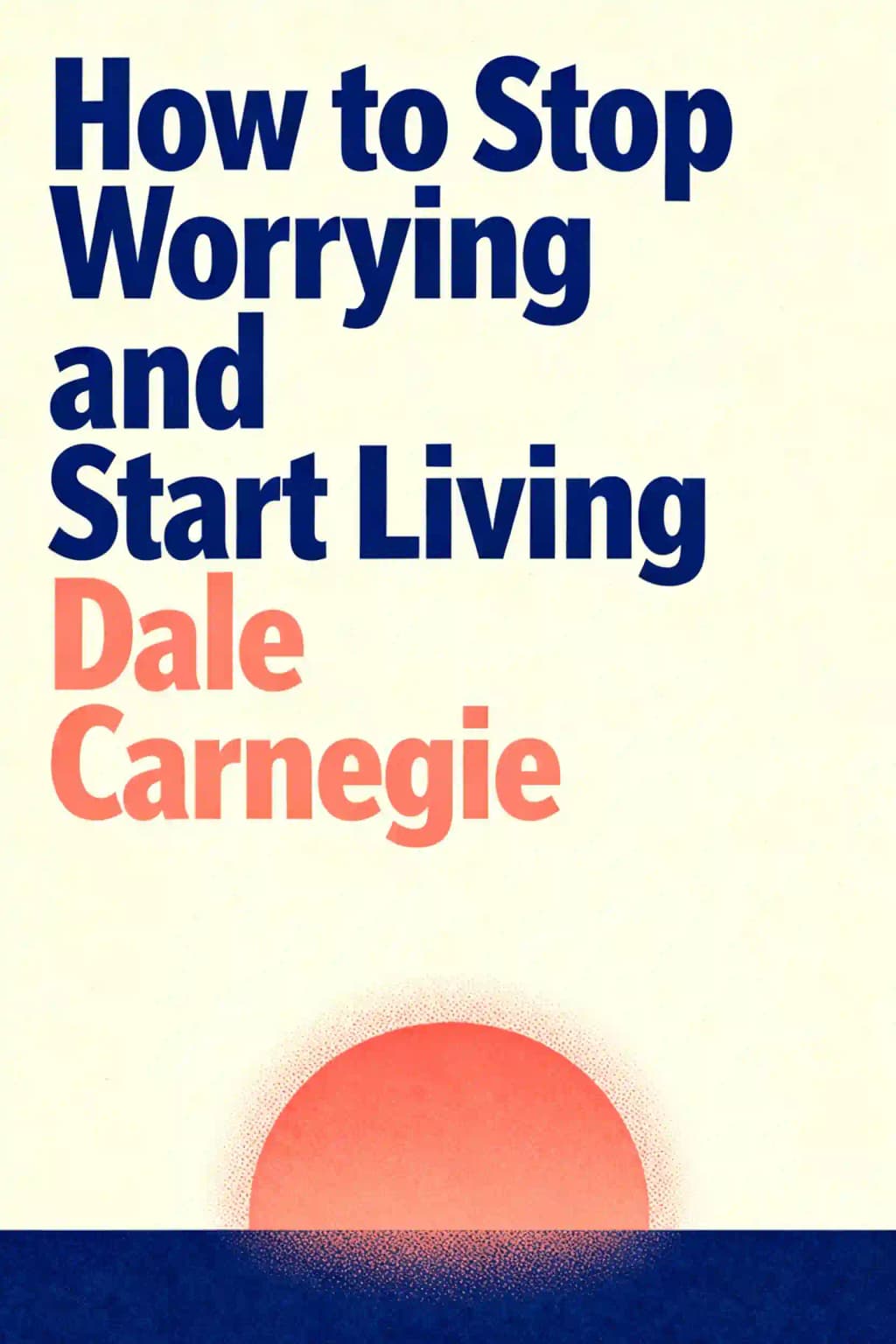
In a world drowning in anxiety, Dale Carnegie's 6-million-copy bestseller offers life-changing strategies for conquering worry. Tim Ferriss swears by its "fear-setting" technique, while military and business leaders embrace its "day-tight compartments" philosophy. Ready to transform paralyzing thoughts into productive action?
Dale Carnegie (1888–1955), author of the self-help classic How to Stop Worrying and Start Living, was a pioneering figure in personal development and interpersonal communication. Born into poverty in rural Missouri, Carnegie transformed his early struggles into a career dedicated to empowering others through public speaking courses and practical advice.
His expertise in human relations and anxiety management stemmed from years teaching at the YMCA and developing corporate training programs, which later evolved into the globally recognized Dale Carnegie Institute.
Carnegie’s reputation rests on his ability to distill complex psychological principles into actionable strategies, as seen in his other seminal works like How to Win Friends and Influence People—a bestseller with over 30 million copies sold—and Lincoln the Unknown. These books, alongside his public speaking guides, established him as a cornerstone of the self-help genre.
How to Stop Worrying and Start Living builds on his signature themes of resilience and proactive problem-solving, offering timeless techniques to combat stress. Translated into dozens of languages, Carnegie’s insights continue to shape professional training programs and inspire readers worldwide.
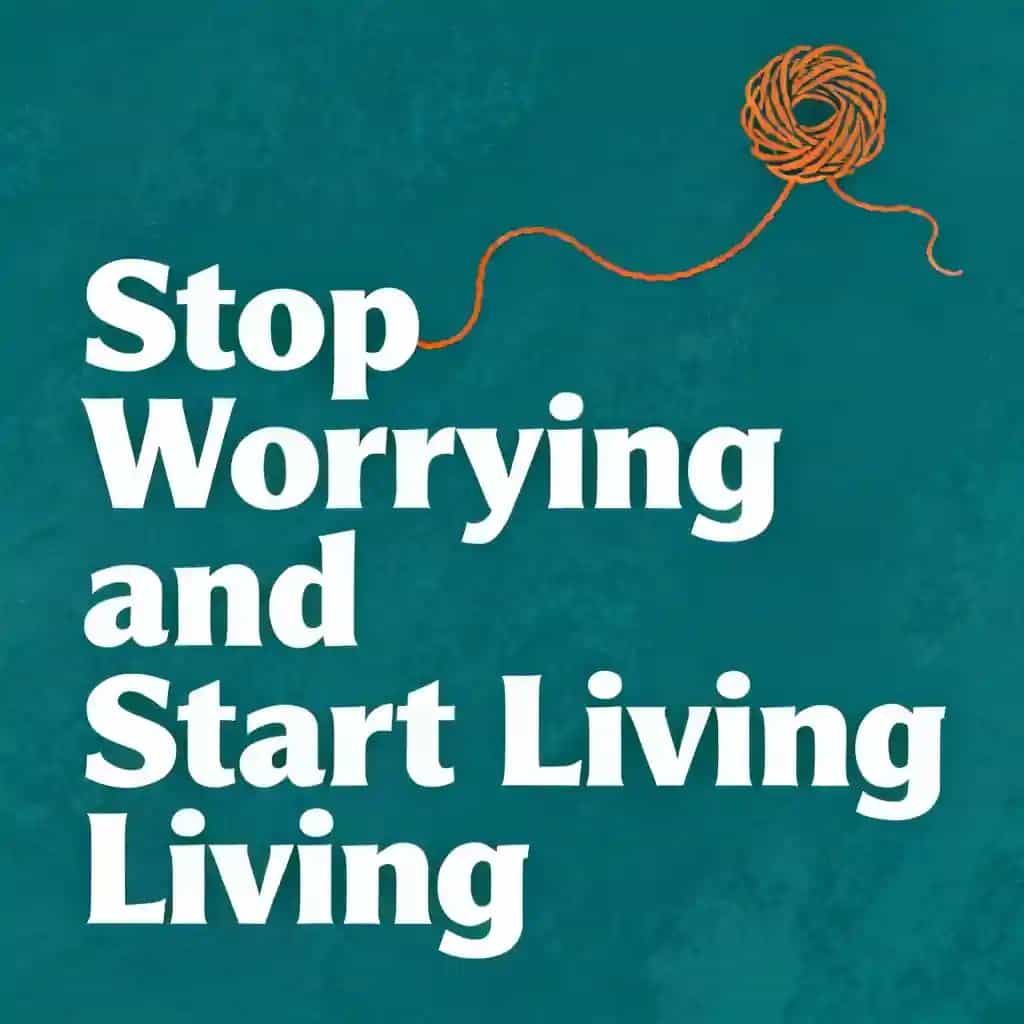
How to Stop Worrying and Start Living is a timeless self-help classic offering practical strategies to overcome anxiety and embrace a fulfilling life. Dale Carnegie provides actionable techniques like living in "day-tight compartments," analyzing worst-case scenarios, and cultivating gratitude. The book combines psychological insights, real-world examples, and motivational advice to help readers break free from worry’s destructive cycle.
This book is ideal for anyone struggling with stress, anxiety, or overthinking—especially professionals, students, and caregivers. Carnegie’s relatable anecdotes and step-by-step frameworks resonate with readers seeking mental clarity, emotional resilience, or improved work-life balance. Updated editions keep its advice relevant for modern audiences.
Yes—it’s a bestseller with over six million copies sold, praised for its actionable advice and enduring relevance. Readers gain tools to manage stress, improve sleep, and reframe challenges. While some concepts may seem simplistic, the book’s focus on mindset shifts and practical habits makes it a valuable resource.
Key concepts include:
Carnegie’s three-step formula tackles problems head-on:
Notable quotes include:
Both books emphasize actionable self-improvement, but How to Stop Worrying targets internal emotional struggles, while How to Win Friends focuses on social skills. Carnegie’s storytelling and step-by-step frameworks unite them, making the books complementary for personal growth.
Some critics argue its advice oversimplifies complex mental health issues or lacks scientific rigor. However, most readers praise its pragmatic approach to everyday stressors, noting its effectiveness when applied consistently.
Its focus on timeless challenges—work stress, financial anxiety, and overthinking—keeps it applicable. Updated editions address modern concerns like remote work and digital distractions, reinforcing Carnegie’s principles as adaptable tools for resilience.
Carnegie’s experience as a self-improvement pioneer and teacher shapes the book’s conversational tone and practical focus. His earlier work (How to Win Friends) laid the groundwork for blending psychological insights with relatable storytelling.
저자의 목소리로 책을 느껴보세요
지식을 흥미롭고 예시가 풍부한 인사이트로 전환
핵심 아이디어를 빠르게 캡처하여 신속하게 학습
재미있고 매력적인 방식으로 책을 즐기세요
Our fatigue is often caused not by work, but by worry, frustration and resentment.
Let's not allow ourselves to be upset by small things we should despise and forget. Remember 'Life is too short to be little'.
Remember, today is life--the only life you are sure of.
Life, we learn too late, is in the living, in the tissue of every day and hour.
Acceptance of what has happened is the first step in overcoming the consequences of any misfortune.
How to Stop Worrying and Start Living의 핵심 아이디어를 이해하기 쉬운 포인트로 분해하여 혁신적인 팀이 어떻게 창조하고, 협력하고, 성장하는지 이해합니다.
How to Stop Worrying and Start Living을 빠른 기억 단서로 압축하여 솔직함, 팀워크, 창의적 회복력의 핵심 원칙을 강조합니다.

생생한 스토리텔링을 통해 How to Stop Worrying and Start Living을 경험하고, 혁신 교훈을 기억에 남고 적용할 수 있는 순간으로 바꿉니다.
무엇이든 물어보고, 목소리를 선택하고, 진정으로 공감되는 인사이트를 함께 만들어보세요.

샌프란시스코에서 컬럼비아 대학교 동문들이 만들었습니다
"Instead of endless scrolling, I just hit play on BeFreed. It saves me so much time."
"I never knew where to start with nonfiction—BeFreed’s book lists turned into podcasts gave me a clear path."
"Perfect balance between learning and entertainment. Finished ‘Thinking, Fast and Slow’ on my commute this week."
"Crazy how much I learned while walking the dog. BeFreed = small habits → big gains."
"Reading used to feel like a chore. Now it’s just part of my lifestyle."
"Feels effortless compared to reading. I’ve finished 6 books this month already."
"BeFreed turned my guilty doomscrolling into something that feels productive and inspiring."
"BeFreed turned my commute into learning time. 20-min podcasts are perfect for finishing books I never had time for."
"BeFreed replaced my podcast queue. Imagine Spotify for books — that’s it. 🙌"
"It is great for me to learn something from the book without reading it."
"The themed book list podcasts help me connect ideas across authors—like a guided audio journey."
"Makes me feel smarter every time before going to work"
샌프란시스코에서 컬럼비아 대학교 동문들이 만들었습니다

How to Stop Worrying and Start Living 요약을 무료 PDF 또는 EPUB으로 받으세요. 인쇄하거나 오프라인에서 언제든 읽을 수 있습니다.
What if the very thing destroying your peace of mind could be conquered with techniques so simple they seem almost too obvious? A young Warren Buffett once stood paralyzed by social anxiety, unable to speak in public without trembling. Today, he credits a set of practical principles for transforming his life-principles that have helped millions break free from the grip of worry. The truth is, anxiety doesn't discriminate. CEOs and college students, celebrities and stay-at-home parents-we all wrestle with the same mental demons. Yet most of us treat worry as an inevitable burden rather than a conquerable habit. What makes certain approaches to anxiety so transformative isn't their complexity but their radical practicality. They don't ask us to adopt elaborate philosophical systems or undergo years of therapy. Instead, they offer concrete techniques that anyone can implement immediately, regardless of background or circumstance.