How to Be Your Own Therapist: Boost Your Mood and Reduce Your Anxiety in 10 Minutes a Day

How to Be Your Own Therapist 개요
Former NHS mental health lead Owen O'Kane offers life-changing therapeutic techniques in this bestseller that teaches you to become your own healer. His "5-4-3-2-1" grounding trick and daily mental check-ins have transformed countless lives. Why pay for therapy when this book exists?
- Owen O'Kane’s 10-minute daily self-therapy practice builds emotional resilience through reflection.
- Reframe self-critical thoughts by separating factual evidence from unhelpful mental narratives.
- Childhood coping strategies often morph into invisible barriers to adult fulfillment.
- Identify and challenge self-imposed rules rooted in past trauma or conditioning.
- Self-therapy success requires consistent check-ins rather than one-time emotional fixes.
- Use mindfulness to acknowledge anxious thoughts without letting them dictate actions.
- O’Kane’s “Ready, Steady, Reflect” framework simplifies daily self-awareness and growth.
- Replace people-pleasing politeness with assertive communication to strengthen relationships.
- Rewriting your life story breaks cyclical patterns of self-sabotage and doubt.
- Disconnect from negative self-talk by questioning its origin and validity.
- Self-compassion disrupts the mental loop of self-loathing and fosters acceptance.
- Uncover hidden behavioral patterns by linking past experiences to current triggers.
How to Be Your Own Therapist의 저자 소개
Owen O'Kane, psychotherapist and Sunday Times bestselling author of How to Be Your Own Therapist, combines over 25 years of clinical experience with accessible self-help strategies.
A former NHS Mental Health Clinical Lead, his work in palliative care and trauma-informed therapy shapes the book’s focus on breaking anxiety cycles and building emotional resilience through CBT, mindfulness, and interpersonal techniques.
O’Kane’s expertise extends to his prior bestsellers Ten to Zen and Ten Times Happier, which have been translated into more than 35 languages and praised by figures like Fearne Cotton and Eamonn Holmes.
A regular contributor to BBC Radio 5 Live, Good Morning Britain, and The Times, he blends clinical rigor with relatable storytelling informed by his upbringing during Northern Ireland’s Troubles. His TEDx talk “Bombs, Bullets, Bullying and a Piano” and corporate partnerships with Vodafone and City & Guilds underscore his practical approach to stress management.
How to Be Your Own Therapist debuted as an instant Sunday Times bestseller, solidifying O’Kane’s status as one of the UK’s most trusted mental health voices.
How to Be Your Own Therapist에 대한 자주 묻는 질문
What is How to Be Your Own Therapist by Owen O’Kane about?
How to Be Your Own Therapist provides practical, evidence-based techniques from cognitive behavioral therapy (CBT), mindfulness, and interpersonal therapy to help readers manage mental health independently. The book emphasizes daily 10-minute routines divided into morning, afternoon, and evening sessions to address emotional regulation, thought patterns, and reflection. It focuses on understanding one’s life story to break harmful cycles and foster empowerment.
Who should read How to Be Your Own Therapist?
This book is ideal for individuals seeking self-guided mental health tools, those interested in daily mindfulness practices, or anyone wanting to replace negative thought patterns with healthier perspectives. It’s particularly useful for busy people who need short, actionable strategies to manage stress, anxiety, or emotional challenges without formal therapy.
Is How to Be Your Own Therapist worth reading?
Yes—readers praise its accessible, conversational style and practical exercises grounded in Owen O’Kane’s 25+ years as a psychotherapist. Reviewers highlight its actionable steps for emotional resilience and its blend of professional expertise with relatable anecdotes. The structured daily routines and focus on self-empowerment make it a standout resource.
What are the key concepts in How to Be Your Own Therapist?
Key concepts include:
- Daily mental maintenance: Three short daily sessions (morning readiness, afternoon steadiness, evening reflection) to build consistency.
- Life story analysis: Understanding past experiences to identify and disrupt negative patterns.
- Cognitive reframing: Techniques to challenge unhelpful thoughts and adopt healthier perspectives.
How does Owen O’Kane suggest structuring self-therapy sessions?
O’Kane recommends:
- Morning: Grounding exercises, gratitude practices, and setting intentions.
- Afternoon: Reviewing behaviors, addressing “thinking traps,” and acts of kindness.
- Evening: Journaling, reflection on daily lessons, and relaxation rituals to prepare for sleep.
What therapeutic approaches does the book use?
The book integrates CBT for thought restructuring, mindfulness for present-moment awareness, and interpersonal therapy for relationship dynamics. These evidence-based methods are simplified for everyday application, with exercises designed to fit into 10-minute intervals.
How does How to Be Your Own Therapist address past trauma?
O’Kane emphasizes analyzing one’s life story to connect past events with current struggles, enabling readers to reframe traumatic experiences and break recurring patterns. Acceptance and compassionate self-inquiry are central to this process.
Can the techniques replace traditional therapy?
While not a substitute for clinical care, the book offers tools for mild-to-moderate mental health challenges and complements professional therapy. It’s designed for those seeking proactive self-management or unable to access traditional services.
What makes How to Be Your Own Therapist unique?
Its focus on micro-practices (10-minute daily routines) and integration of multiple therapeutic modalities sets it apart. O’Kane’s palliative care background also informs its compassionate, holistic approach to emotional well-being.
How does the book help with anxiety?
It teaches readers to identify anxiety-triggering thought patterns and replace them with grounded, rational responses using CBT and mindfulness. The structured daily practice helps build resilience and reduce overwhelm.
What are common criticisms of the book?
Some readers may find the daily routine demanding long-term, though the exercises are designed for flexibility. It also focuses more on self-guided solutions than severe mental health conditions, which require professional intervention.
How does How to Be Your Own Therapist compare to O’Kane’s other books?
Unlike Ten to Zen (focused on mindfulness) or Addicted to Anxiety (targeting anxiety cycles), this book offers a comprehensive toolkit for general mental health, blending CBT, reflection, and daily habit-building.
저자의 목소리로 책을 느껴보세요
지식을 흥미롭고 예시가 풍부한 인사이트로 전환
핵심 아이디어를 빠르게 캡처하여 신속하게 학습
재미있고 매력적인 방식으로 책을 즐기세요
How to Be Your Own Therapist의 등장인물
- Owen O'KaneAuthor, psychotherapist, and former medical lead
- NigelCorporate employee used as a therapy case study
How to Be Your Own Therapist의 핵심 주제
- cognitive reframing
- core belief identification
- narrative therapy techniques
- emotional regulation skills
- unlearning inherited patterns
How to Be Your Own Therapist의 명언
You can become your own therapist.
Therapy isn't mysterious or magical.
Everyone has a story that contains hidden treasures.
Welcome them all as interesting information.
Unexpressed love can be transgenerational.
나만의 학습 방법 탐색하기
 빠른 요약 모드
How to Be Your Own Therapist 요약을 8분 만에 읽거나 듣기
How to Be Your Own Therapist의 핵심 아이디어를 이해하기 쉬운 포인트로 분해하여 혁신적인 팀이 어떻게 창조하고, 협력하고, 성장하는지 이해합니다.

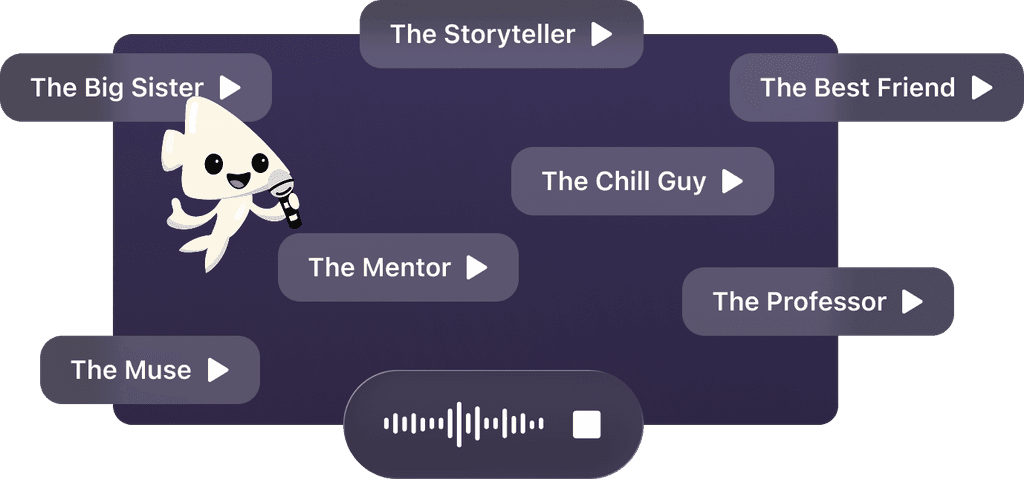
 재미있게 모드
How to Be Your Own Therapist의 교훈을 21분 스토리로
생생한 스토리텔링을 통해 How to Be Your Own Therapist을 경험하고, 혁신 교훈을 기억에 남고 적용할 수 있는 순간으로 바꿉니다.
 개인화 모드
How to Be Your Own Therapist을 나만의 학습 스타일로 경험하기
무엇이든 묻고, 학습 스타일을 선택하고, 나에게 맞는 인사이트를 함께 만들어보세요.
샌프란시스코에서 컬럼비아 대학교 동문들이 만들었습니다
"Instead of endless scrolling, I just hit play on BeFreed. It saves me so much time."


"I never knew where to start with nonfiction—BeFreed’s book lists turned into podcasts gave me a clear path."


"Perfect balance between learning and entertainment. Finished ‘Thinking, Fast and Slow’ on my commute this week."
"Crazy how much I learned while walking the dog. BeFreed = small habits → big gains."
"Reading used to feel like a chore. Now it’s just part of my lifestyle."

"Feels effortless compared to reading. I’ve finished 6 books this month already."
"BeFreed turned my guilty doomscrolling into something that feels productive and inspiring."

"BeFreed turned my commute into learning time. 20-min podcasts are perfect for finishing books I never had time for."
"BeFreed replaced my podcast queue. Imagine Spotify for books — that’s it. 🙌"

"It is great for me to learn something from the book without reading it."
"The themed book list podcasts help me connect ideas across authors—like a guided audio journey."
"Makes me feel smarter every time before going to work"
샌프란시스코에서 컬럼비아 대학교 동문들이 만들었습니다
"Instead of endless scrolling, I just hit play on BeFreed. It saves me so much time."
"I never knew where to start with nonfiction—BeFreed’s book lists turned into podcasts gave me a clear path."
"Perfect balance between learning and entertainment. Finished ‘Thinking, Fast and Slow’ on my commute this week."
"Crazy how much I learned while walking the dog. BeFreed = small habits → big gains."
"Reading used to feel like a chore. Now it’s just part of my lifestyle."
"Feels effortless compared to reading. I’ve finished 6 books this month already."
"BeFreed turned my guilty doomscrolling into something that feels productive and inspiring."
"BeFreed turned my commute into learning time. 20-min podcasts are perfect for finishing books I never had time for."
"BeFreed replaced my podcast queue. Imagine Spotify for books — that’s it. 🙌"
"It is great for me to learn something from the book without reading it."
"The themed book list podcasts help me connect ideas across authors—like a guided audio journey."
"Makes me feel smarter every time before going to work"
"Instead of endless scrolling, I just hit play on BeFreed. It saves me so much time."
"I never knew where to start with nonfiction—BeFreed’s book lists turned into podcasts gave me a clear path."
"Perfect balance between learning and entertainment. Finished ‘Thinking, Fast and Slow’ on my commute this week."
"Crazy how much I learned while walking the dog. BeFreed = small habits → big gains."
"Reading used to feel like a chore. Now it’s just part of my lifestyle."
"Feels effortless compared to reading. I’ve finished 6 books this month already."
"BeFreed turned my guilty doomscrolling into something that feels productive and inspiring."
"BeFreed turned my commute into learning time. 20-min podcasts are perfect for finishing books I never had time for."
"BeFreed replaced my podcast queue. Imagine Spotify for books — that’s it. 🙌"
"It is great for me to learn something from the book without reading it."
"The themed book list podcasts help me connect ideas across authors—like a guided audio journey."
"Makes me feel smarter every time before going to work"
"Instead of endless scrolling, I just hit play on BeFreed. It saves me so much time."
"I never knew where to start with nonfiction—BeFreed’s book lists turned into podcasts gave me a clear path."
"Perfect balance between learning and entertainment. Finished ‘Thinking, Fast and Slow’ on my commute this week."
"Crazy how much I learned while walking the dog. BeFreed = small habits → big gains."
"Reading used to feel like a chore. Now it’s just part of my lifestyle."
"Feels effortless compared to reading. I’ve finished 6 books this month already."
"BeFreed turned my guilty doomscrolling into something that feels productive and inspiring."
"BeFreed turned my commute into learning time. 20-min podcasts are perfect for finishing books I never had time for."
"BeFreed replaced my podcast queue. Imagine Spotify for books — that’s it. 🙌"
"It is great for me to learn something from the book without reading it."
"The themed book list podcasts help me connect ideas across authors—like a guided audio journey."
"Makes me feel smarter every time before going to work"

How to Be Your Own Therapist 요약 다운로드
How to Be Your Own Therapist 요약을 무료 PDF 또는 EPUB으로 받으세요. 인쇄하거나 오프라인에서 언제든 읽을 수 있습니다.