BeFreed
    Categories>Psychology>Emotions: The Hidden Operating System Behind All Learning

    Emotions: The Hidden Operating System Behind All Learning

    12 min
    |
    |
    Sep 21, 2025
    • Psychology
    • Education
    • Self-Growth

    Discover why it's 'neurobiologically impossible' to learn without emotion. Drawing from Mary Helen Immordino-Yang's research, Lisa Feldman Barrett's emotion theory, and Andrew Huberman's brain-state insights, this episode reveals how to hack your emotional operating system for optimal learning.

    Emotions: The Hidden Operating System Behind All Learning
    0:00 / 0:00
    Choose how it's told

    One episode. Many ways to hear it.

    Same ideas from Emotions: The Hidden Operating System Behind All Learning. Pick the voice, depth, and pace that fits you. Switch anytime.

    Transcript & chapters

    Chapter 1

    Emotions as Learning's Hidden Operating System

    Nia: Welcome to your personalized BeFreed episode, where we transform the world's best research into insights you can actually use! I'm Nia.

    Jackson: And I'm Jackson! Today we're exploring something that affects every single learning moment of your life but rarely gets the spotlight: how emotions and social factors shape our ability to learn.

    Nia: Exactly! Have you ever noticed how impossible it is to focus on studying when you're anxious or feeling isolated? There's fascinating neuroscience behind that, and it's not just a matter of willpower.

    Jackson: Right! We've connected dots across neuroscience research from Lisa Feldman Barrett, Mary Helen Immordino-Yang, and insights from podcasts like Huberman Lab to create a practical guide for hacking this hidden operating system.

    Chapter 2

    The Neurobiological Marriage of Emotions and Learning

    Nia: So Jackson, I've always been told to "just focus" when studying, but neuroscience seems to tell a different story about what's really happening in our brains?

    Jackson: Absolutely! Neuroscientist Mary Helen Immordino-Yang makes this striking claim that it's actually "neurobiologically impossible" to build meaningful memory without emotion. Emotions aren't just extras-they're the rudder that steers all thinking and learning.

    Nia: Wait, so when I'm completely bored in a lecture and can't remember anything later, that's not just me being lazy?

    Jackson: Not at all! Your brain literally needs some emotional tag to file information as important. Think about it-you probably remember song lyrics from years ago because music engages emotion, but struggle with material you crammed without any emotional connection.

    Nia: That explains why I remember random TikTok facts but forget important study material! What about curiosity though? I definitely learn better when I'm genuinely interested.

    Jackson: That's backed by science too! A fascinating 2014 study in Neuron found that when we're curious, our brains release dopamine that primes the hippocampus-our memory center-to absorb information better. The cool part? You remember not just what you're curious about, but also unrelated information you encounter during that "curiosity window."

    Nia: So I should try to get myself genuinely curious before studying? Like a pre-study ritual?

    Jackson: Exactly! Even spending two minutes browsing cool applications of what you're about to learn can trigger that dopamine response. It's like turning on your brain's recording function.

    Keep learning with this episode

    Take the ideas from this episode into a guided learning experience in BeFreed.

    Chapter 3

    The Brain-State Recipe for Learning Success

    Nia: I've noticed that my best learning happens when I'm alert but not stressed. Is there an ideal brain state for learning?

    Jackson: Stanford neuroscientist Andrew Huberman talks about this exact thing on his podcast! He describes the perfect recipe as "alertness + focused attention" during learning, followed by rest for consolidation.

    Nia: So like being in the zone, and then taking a break?

    Jackson: Yes! It's about acetylcholine for focus and epinephrine for alertness working together to trigger neuroplasticity-actual physical changes in your brain. Then rest-even a short nap-helps lock in what you've learned.

    Nia: I've definitely experienced that! Sometimes after studying intensely, I'll take a walk and suddenly make connections I didn't see before.

    Jackson: That's because movement is powerful too! NYU neuroscientist Wendy Suzuki found that even moderate exercise boosts mood and memory. If you're feeling too anxious to focus, a 10-minute walk can lower stress and raise your concentration floor.

    Nia: I'm starting to see why cramming all night before exams never worked well for me-I was missing both the right brain state and the recovery period!

    Chapter 4

    Reframing Emotions for Better Learning

    Jackson: Here's something that blew my mind-emotions aren't fixed packages we just "have." According to psychologist Lisa Feldman Barrett, they're interpretations our brain constructs based on past experience and language.

    Nia: Wait, so when I feel "test anxiety," that's not just happening to me? I have some control over it?

    Jackson: Exactly! Barrett calls it "emotional granularity"-having more precise words for feelings gives you more options for how to respond. You can relabel "anxious" as "energized" or "confused" as "on the verge of insight."

    Nia: I've actually done this without realizing it! Before presentations, I tell myself my racing heart means I'm excited, not terrified.

    Jackson: That's it! Barrett would say you're being an "architect of your experience." By changing the meaning you give to physical sensations, you're literally changing how your brain processes them.

    Nia: So building a better emotional vocabulary isn't just about expressing feelings-it's about having more control over how I experience learning situations?

    Jackson: 100%. Try creating a personal list of reframes: "overwhelmed" becomes "at my growth edge," "bored" becomes "needing a challenge shift." The words we use reshape our reality.

    Keep learning with this episode

    Take the ideas from this episode into a guided learning experience in BeFreed.

    Chapter 5

    The Social Architecture of Learning

    Nia: Let's talk about the social side. I've always learned better in study groups, but sometimes worse if the vibe is off. What does research say about this?

    Jackson: The research is fascinating! Geoffrey Cohen's book Belonging synthesizes dozens of studies showing that small interventions around social belonging can have huge effects on learning outcomes.

    Nia: Like what kind of interventions?

    Jackson: In one Science study, simply helping first-year college students reframe everyday social challenges as common and temporary-rather than signs they didn't belong-cut achievement gaps and improved health years later. The effects were especially strong for Black students.

    Nia: That's incredible impact from something seemingly so small! It reminds me how much my confidence in a subject changes when a teacher simply believes in me.

    Jackson: That's called "wise feedback"-pairing high standards with assurance that you can meet them. It's especially powerful for students who might worry about being judged through a stereotypical lens.

    Nia: What about psychological safety? I've heard that term thrown around in workplace contexts.

    Jackson: Harvard's Amy Edmondson pioneered that research! She found that teams where people feel safe to ask questions, admit mistakes, and share unfinished ideas learn faster and perform better. The same applies in classrooms-when you're afraid of looking stupid, you hide your confusion instead of resolving it.

    Nia: That explains why some of my classes feel so different from others. When a professor makes it clear that confusion is part of learning, not a sign of failure, I ask better questions.

    Jackson: And there's fascinating research on collective intelligence too! Anita Woolley found that groups with higher social sensitivity and balanced participation outperform others-even after controlling for individual IQ. It's not just about getting smart people together; it's about how they interact.
    Chapter 6

    Practice Design: The Emotional Side of Mastery

    Nia: I've been trying to improve my piano playing, but practice can feel so frustrating. Is there research on the emotional side of practice?

    Jackson: Anders Ericsson's work on deliberate practice addresses this directly. On Freakonomics Radio, he emphasized that effective practice isn't always fun-it demands discomfort and precise feedback, which can trigger frustration.

    Nia: So how do we stick with it when it feels awful?

    Jackson: That's where emotional design comes in! You need to normalize struggle, create micro-wins along the way, and ideally have coaching that protects your motivation while keeping challenge high.

    Nia: Any practical examples of this working?

    Jackson: Physics educator Eric Mazur developed something called "Peer Instruction" that's been wildly successful. Students first answer a conceptual question individually, then explain to a neighbor, and finally re-answer. Scores jump dramatically because the social layer forces articulation and creates a sense of "we're figuring this out together."

    Nia: I love that! It combines the cognitive benefit of explaining with the emotional benefit of not feeling alone in your confusion.

    Jackson: Exactly! When we explain concepts to others, we're forced to organize our thinking in ways that solidify our own understanding. The social component isn't just nice-it's mechanistically powerful for learning.

    Keep learning with this episode

    Take the ideas from this episode into a guided learning experience in BeFreed.

    Chapter 7

    Practical Micro-Moves for Better Learning

    Nia: Let's get super practical. What are some small moves people can make today to apply this research?

    Jackson: Before learning anything, try these three quick steps. First, spark curiosity on purpose-skim a few "wow" examples or pose a provocative question to prime your dopamine system.

    Nia: I could see doing that before tackling a boring chapter-find one cool application first!

    Jackson: Second, set the spotlight by pre-highlighting the 3-5 key ideas you want to extract. Then add a small urgency nudge like a timer so your arousal amplifies the right targets.

    Nia: And third?

    Jackson: Do a quick "why it matters" reflection-connect the topic to your goals or someone you care about. You're building the emotional rudder that Immordino-Yang talks about.

    Nia: What about during learning itself?

    Jackson: Design challenges that are one notch past comfortable, with rapid feedback. If anxiety spikes and working memory tanks, downshift difficulty or add supports. And use that "name and reframe" technique-label "nervous" as "activated" and give yourself a next step.

    Nia: And don't forget the social component! Even if you're studying alone, explaining concepts aloud as if teaching someone else can help.

    Jackson: Absolutely! And after learning, protect consolidation with a short quiet break or light movement, followed by good sleep later. The hub of plasticity is "effort + rest," not just effort.

    Chapter 8

    Building Learning-Friendly Environments

    Nia: What if you're a teacher or team leader? How do you apply these insights?

    Jackson: First, make belonging visible early. In the first week, have people write about a personal value and how it matters in this context. Frame normal struggles as common and temporary.

    Nia: I had a professor who shared his own early failures in the field on day one. It completely changed how I approached asking questions!

    Jackson: That's perfect! Second, pair high standards with that "wise feedback"-explicitly connect rigorous expectations with your belief in learners' capacity.

    Nia: What about teaching about the brain itself?

    Jackson: Yes! A brief mini-lesson on how effort and attention work in the brain makes "struggle" feel purposeful rather than a sign of inability. Students become more willing to engage with difficulty.

    Nia: And for psychological safety?

    Jackson: Build simple rituals like starting critiques with "one strength, one question." Leaders should go first in admitting uncertainty. Adam Grant's WorkLife podcast with Amy Edmondson offers great language for making safety and accountability coexist.

    Nia: I'm seeing how all these pieces fit together-emotions, social context, and learning design aren't separate considerations. They're completely intertwined!

    Keep learning with this episode

    Take the ideas from this episode into a guided learning experience in BeFreed.

    Chapter 9

    The Learning Brain's Hidden Superpowers

    Nia: So what are the big takeaways here? If we step back and look at the whole picture?

    Jackson: First, emotions aren't extras-they're the operating system. Every learning technique works better when you engineer the emotional and social context around it.

    Nia: I love that! Second, we have more control over our emotional states than we think. With the right vocabulary and reframing skills, we can architect experiences that support learning.

    Jackson: Third, social connection isn't just motivational fluff-it's mechanistically powerful for learning. Even simple peer interactions can dramatically improve how we process and retain information.

    Nia: And finally, the recipe for brain change is focused effort followed by rest-not just endless grinding!

    Jackson: Exactly. When we align our learning environments with how our brains actually work-when emotions say "this matters," when the body's state supports attention, when peers help us think-learning transforms from pushing a boulder uphill to something that flows naturally.

    Nia: That's your daily dose of smarter from BeFreed Podcast. I'm Nia.

    Jackson: And I'm Jackson. If your brain liked it, come back tomorrow-we've got more where that came from!

    ★★★★★

    You made it to the end of Emotions: The Hidden Operating System Behind All Learning

    “23 days in and I have used it every single day. It is part of my daily habit now.”

    jayallen

    Best quote from Emotions: The Hidden Operating System Behind All Learning

    “

    Emotions aren't just extras—they're the rudder that steers all thinking and learning, making it neurobiologically impossible to build meaningful memory without them.

    ”
    F

    Generated by Freedee_BE9DDE1A

    Input question

    How do emotions affect our ability to learn new things?

    Host voices
    Niaplay
    Jacksonplay
    Knowledge sources
    How Emotions Are Made: The Secret Life of the Brain
    link
    https://www.goodreads.com/book/show/42760453-how-emotions-are-made
    Emotions, Learning, and the Brain: Exploring the Educational Implications of Affective Neuroscience
    link
    https://www.goodreads.com/en/book/show/26042108-emotions-learning-and-the-brain
    The Extended Mind: The Power of Thinking Outside the Brain
    link
    https://www.goodreads.com/en/book/show/40796194
    Mindset: The New Psychology of Success
    link
    https://www.goodreads.com/book/show/40745.Mindset
    Belonging: The Science of Creating Connection and Bridging Divides
    link
    https://www.goodreads.com/en/book/show/60165404
    The Culture Code: The Secrets of Highly Successful Groups
    link
    https://www.goodreads.com/book/show/39167041-the-culture-code

    From Columbia University alumni | built in San Francisco

    BeFreed Brings Together A Global Community Of Curious Minds

    4.7

    avg rating

    7.84k+ App Rating

    BeFreed Community

    Seriously I haven’t even explored this app fully yet but from using it the last few days I am so impressed... BeFreed is on a different level from any other learning app I have used. This makes it ultra engaging and can actually improve your concentration which is great for all the doom scrollers!

    @ladyInfinity

    I bought BeFreed exactly 23 days ago, and I have used it every single day since. It has completely embedded itself into my daily workflow and learning habit.

    @jayallen

    The truth is, the app has exceeded all my expectations. I can ask it to generate audio on any topic, whatever it may be, and the result is impressive. My professional field is a specialization in psychotherapy and it is multidisciplinary; however, the answers are very accurate.

    @Raguipa

    What I appreciate most is how much it's reduced my scrolling – I'm spending less time searching and more time absorbing information. The combination of full audiobooks, podcasts, the learning plans are brilliant.

    @colonyofcreatorsNGO

    I have been a PhotoReading Accelerated Learning Instructor for the past 24 years... books and reading and learning are my thing, and BeFreed has done a great job in providing an innovative approach to disseminating and delivering information in an easy to consume way.

    @BeFreed user

    It is not just a book summary app, I have used the 'fun reading' option and it's a much better summary and way to grasp ideas the traditional way, that alone is worth this deal.

    @austinakon

    I love this app. Used it for several days and I cannot stop listening. Such a great way to start.

    @jcrules328

    I really like the program; I have already tested it for around one month, and I feel that it's an amazing gem. It works so well because I can use BeFreed to create my own topics, and the voice is so good with unlimited choice of narrations.

    @DanielCZ

    Seriously I haven’t even explored this app fully yet but from using it the last few days I am so impressed... BeFreed is on a different level from any other learning app I have used. This makes it ultra engaging and can actually improve your concentration which is great for all the doom scrollers!

    @ladyInfinity

    I bought BeFreed exactly 23 days ago, and I have used it every single day since. It has completely embedded itself into my daily workflow and learning habit.

    @jayallen

    The truth is, the app has exceeded all my expectations. I can ask it to generate audio on any topic, whatever it may be, and the result is impressive. My professional field is a specialization in psychotherapy and it is multidisciplinary; however, the answers are very accurate.

    @Raguipa

    What I appreciate most is how much it's reduced my scrolling – I'm spending less time searching and more time absorbing information. The combination of full audiobooks, podcasts, the learning plans are brilliant.

    @colonyofcreatorsNGO

    I have been a PhotoReading Accelerated Learning Instructor for the past 24 years... books and reading and learning are my thing, and BeFreed has done a great job in providing an innovative approach to disseminating and delivering information in an easy to consume way.

    @BeFreed user

    It is not just a book summary app, I have used the 'fun reading' option and it's a much better summary and way to grasp ideas the traditional way, that alone is worth this deal.

    @austinakon

    I love this app. Used it for several days and I cannot stop listening. Such a great way to start.

    @jcrules328

    I really like the program; I have already tested it for around one month, and I feel that it's an amazing gem. It works so well because I can use BeFreed to create my own topics, and the voice is so good with unlimited choice of narrations.

    @DanielCZ

    I love the fact that I can get useful, condensed, information and ideas in a 8 - 15 minute podcast style audio. I'm not a general fan of podcasts because of all the fluff, but this cuts through all that.

    @BeFreed user

    I am finishing up my doctorate, and have to read a lot of unfamiliar material... With BeFreed, you simply enter a prompt, and the app finds source material for you and generates an audio podcast. I find the process in BeFreed to be more streamlined than NotebookLM.

    @Brad

    I often search YouTube for something to listen to whilst making breakfast, when I'm out walking, commuting, etc, and BeFreed has provided an even more targeted approach, without the adverts and the fluff!

    @BeFreed user

    The absolute best part about this platform is its versatility. There is literally no subject that is off-topic. It handles whatever you throw at it... It is rare to find an learning tool with zero limitations that actually delivers on its promises.

    @jayallen

    BeFreed is fantastic. The user-friendly design means I spend less time navigating and more time learning. The mix of audiobooks, podcasts, and learning plans is a genius combo that has completely changed my daily routine.

    @BeFreed user

    At the start I needed a while to understand how to create podcasts in italian language and boom! It is so great! I can ask to explain every argument and it does so well and so smartly!

    @matteo77

    BeFreed has become my daily app for audio books tools... What I like the most is the way you put your text and come with an audio that you can listen on the go.

    @kotanzu1

    I love the fact that I can get useful, condensed, information and ideas in a 8 - 15 minute podcast style audio. I'm not a general fan of podcasts because of all the fluff, but this cuts through all that.

    @BeFreed user

    I am finishing up my doctorate, and have to read a lot of unfamiliar material... With BeFreed, you simply enter a prompt, and the app finds source material for you and generates an audio podcast. I find the process in BeFreed to be more streamlined than NotebookLM.

    @Brad

    I often search YouTube for something to listen to whilst making breakfast, when I'm out walking, commuting, etc, and BeFreed has provided an even more targeted approach, without the adverts and the fluff!

    @BeFreed user

    The absolute best part about this platform is its versatility. There is literally no subject that is off-topic. It handles whatever you throw at it... It is rare to find an learning tool with zero limitations that actually delivers on its promises.

    @jayallen

    BeFreed is fantastic. The user-friendly design means I spend less time navigating and more time learning. The mix of audiobooks, podcasts, and learning plans is a genius combo that has completely changed my daily routine.

    @BeFreed user

    At the start I needed a while to understand how to create podcasts in italian language and boom! It is so great! I can ask to explain every argument and it does so well and so smartly!

    @matteo77

    BeFreed has become my daily app for audio books tools... What I like the most is the way you put your text and come with an audio that you can listen on the go.

    @kotanzu1

    See more on how BeFreed is discussed
    129.7K19.5K
    55.2K19.2K
    154.2K10827355
    48.1K2.5K
    81.2K6.6K
    82.3K1.8K
    Start your learning journey, now
    BeFreed app
    BeFreed

    Learn Anything, Personalized

    DiscordLinkedIn
    Featured book summaries
    Crucial ConversationsThe Perfect MarriageInto the WildNever Split the DifferenceAttachedGood to GreatSay Nothing
    Trending categories
    Self HelpCommunication SkillRelationshipMindfulnessPhilosophyInspirationProductivity
    Celebrities' reading list
    Elon MuskCharlie KirkBill GatesSteve JobsAndrew HubermanJoe RoganJordan Peterson
    Award winning collection
    Pulitzer PrizeNational Book AwardGoodreads Choice AwardsNobel Prize in LiteratureNew York TimesCaldecott MedalNebula Award
    Featured Topics
    ManagementAmerican HistoryWarTradingStoicismAnxietySex
    Best books by Year
    2025 Best Non Fiction Books2024 Best Non Fiction Books2023 Best Non Fiction Books
    Featured authors
    Chimamanda Ngozi AdichieGeorge OrwellO. J. SimpsonBarbara O'NeillWinston ChurchillCharlie Kirk
    BeFreed vs other apps
    BeFreed vs. Other Book Summary AppsBeFreed vs. ElevenReaderBeFreed vs. ReadwiseBeFreed vs. Anki
    Learning tools
    Knowledge VisualizerAI Podcast Generator
    Information
    About Usarrow
    Pricingarrow
    FAQarrow
    Blogarrow
    Careerarrow
    Partnershipsarrow
    Ambassador Programarrow
    Directoryarrow
    BeFreed
    Try now
    © 2026 BeFreed
    Term of UsePrivacy Policy
    BeFreed

    Learn Anything, Personalized

    DiscordLinkedIn
    Featured book summaries
    Crucial ConversationsThe Perfect MarriageInto the WildNever Split the DifferenceAttachedGood to GreatSay Nothing
    Trending categories
    Self HelpCommunication SkillRelationshipMindfulnessPhilosophyInspirationProductivity
    Celebrities' reading list
    Elon MuskCharlie KirkBill GatesSteve JobsAndrew HubermanJoe RoganJordan Peterson
    Award winning collection
    Pulitzer PrizeNational Book AwardGoodreads Choice AwardsNobel Prize in LiteratureNew York TimesCaldecott MedalNebula Award
    Featured Topics
    ManagementAmerican HistoryWarTradingStoicismAnxietySex
    Best books by Year
    2025 Best Non Fiction Books2024 Best Non Fiction Books2023 Best Non Fiction Books
    Learning tools
    Knowledge VisualizerAI Podcast Generator
    Featured authors
    Chimamanda Ngozi AdichieGeorge OrwellO. J. SimpsonBarbara O'NeillWinston ChurchillCharlie Kirk
    BeFreed vs other apps
    BeFreed vs. Other Book Summary AppsBeFreed vs. ElevenReaderBeFreed vs. ReadwiseBeFreed vs. Anki
    Information
    About Usarrow
    Pricingarrow
    FAQarrow
    Blogarrow
    Careerarrow
    Partnershipsarrow
    Ambassador Programarrow
    Directoryarrow
    BeFreed
    Try now
    © 2026 BeFreed
    Term of UsePrivacy Policy

    More like this

    How Emotions Are Made book cover
    How Emotions Are Made
    Lisa Feldman Barrett
    A groundbreaking exploration of emotion construction, challenging traditional views and revolutionizing our understanding of the human brain and psychology.
    43 min
    Emotional Intelligence: Mastering the Science of Feelings and Connections book cover
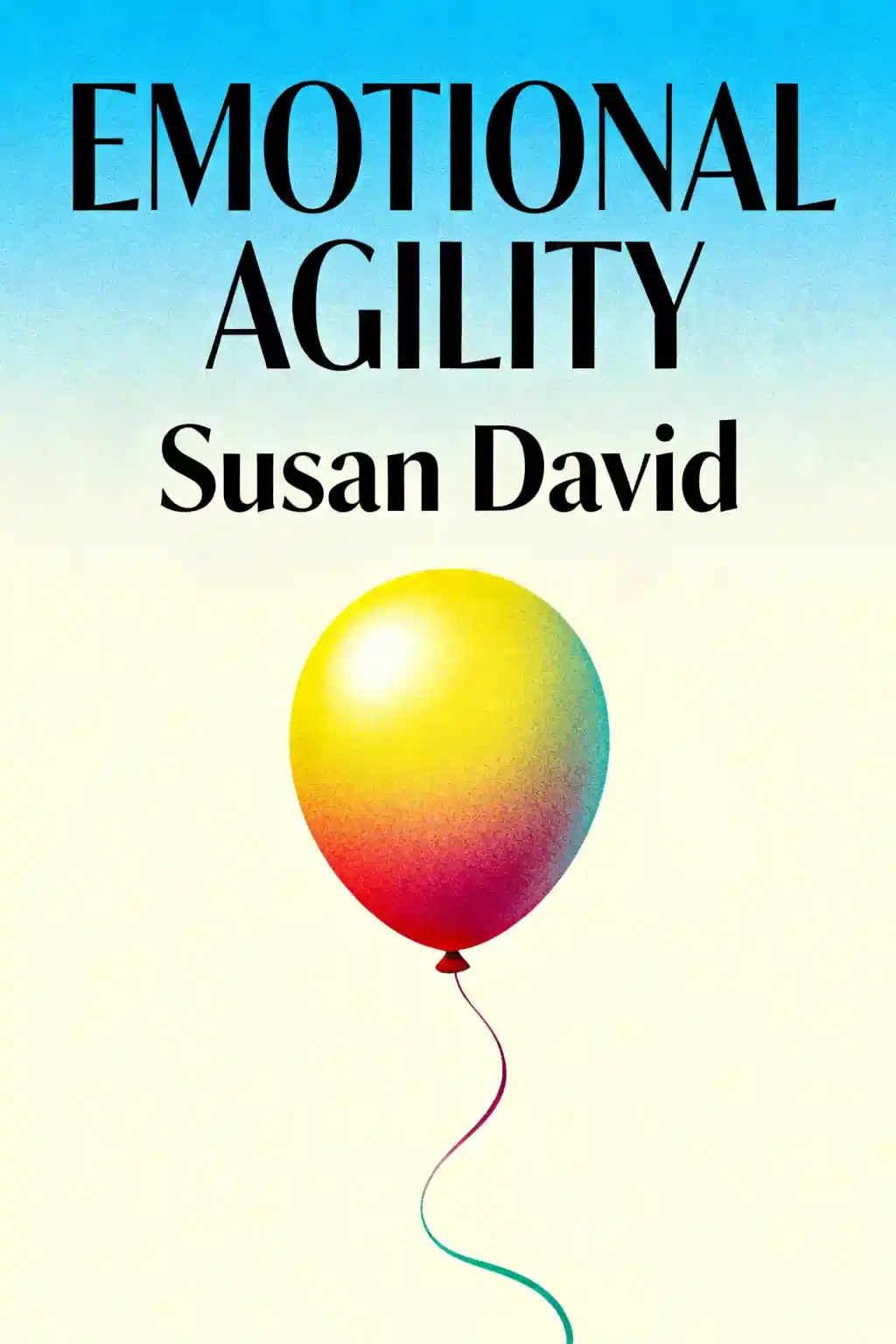
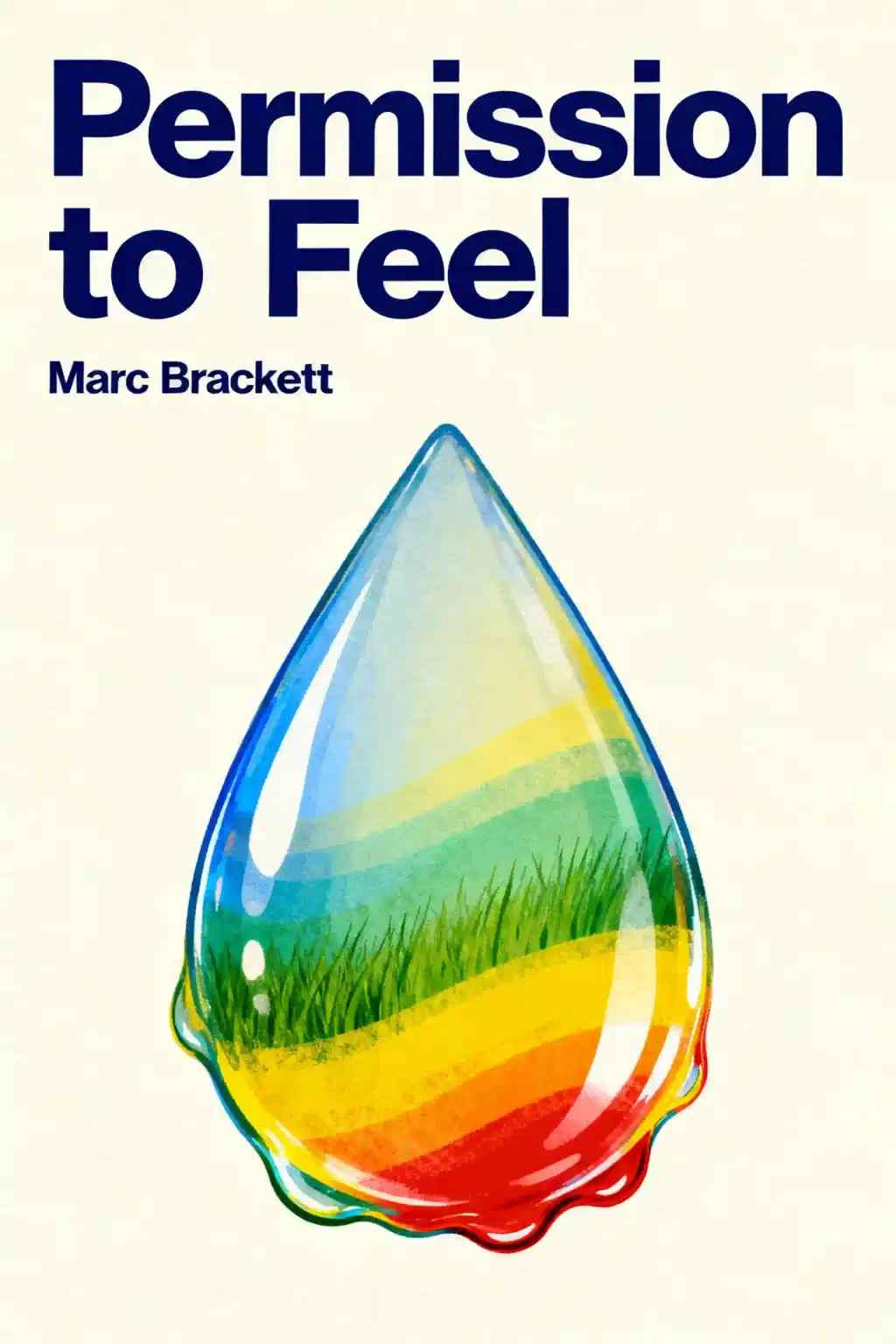
    Emotional IntelligenceEmotional AgilityPermission to FeelAtlas of the Heart
    32 sources
    Emotional Intelligence: Mastering the Science of Feelings and Connections
    BeFreed
    Discover how trainable emotional intelligence transforms relationships and careers. Drawing from Daniel Goleman, Lisa Feldman Barrett, and Satya Nadella's insights, this episode reveals how your brain constructs emotions and provides a 30-day plan to build EI skills that boost performance and deepen connections.
    12 min
    When Emotions Become Your Greatest Teachers book cover
    Master Your EmotionsSearch Inside YourselfPermission to Feel
    3 sources
    When Emotions Become Your Greatest Teachers
    Discover how emotional obstacles transform into powerful growth opportunities through cutting-edge neuroscience and ancient wisdom. Learn practical tools to turn feelings into intelligence and pain into profound personal development.
    14 min
    Mastering Emotions Without Suppressing Them book cover
    How to Keep People from Pushing Your ButtonsShiftThe Worry-Free MindThe Anger Control Workbook
    20 sources
    Mastering Emotions Without Suppressing Them
    Discover why controlling emotions can backfire and learn healthier regulation strategies. This episode explores the science of emotions and practical tools for acknowledging feelings while managing responses.
    12 min
    The Hidden Architecture of Learning book cover
    The Psychology BookThe 5 ResetsThinking 101
    3 sources
    The Hidden Architecture of Learning
    Discover why your brain sometimes sabotages learning through stress, cognitive biases, and flawed thinking patterns. Learn science-backed strategies to optimize how you acquire knowledge and skills.
    10 min
    Master Your Emotions Without Suppressing Them book cover
    Cognitive Behavioral Therapy Made SimpleReclaim Your BrainStress ResetsShift
    24 sources
    Master Your Emotions Without Suppressing Them
    Discover why trying to control emotions backfires and learn science-backed techniques for emotional regulation that actually work. Transform difficult feelings into valuable information.
    18 min
    Master Your Emotions: Science-Backed Regulation Strategies book cover
    Emotional IntelligenceThe Emotional Life of Your BrainShiftRaising An Emotionally Intelligent Child
    19 sources
    Master Your Emotions: Science-Backed Regulation Strategies
    Discover how to transform overwhelming emotions from hijacking your day into manageable responses using neuroscience-backed techniques that create space between triggers and reactions.
    39 min
    Mastering Emotional Waves book cover
    Master Your EmotionsShiftThe Anger Control WorkbookThe Emotional Life of Your Brain
    23 sources
    Mastering Emotional Waves
    Discover why suppressing emotions harms your health and learn effective regulation techniques. This episode explores the science of emotions and practical strategies for processing feelings in real-time.
    36 min

    Recommended Learning Plans

    The Architecture of Emotional Thought
    LEARNING PLAN

    The Architecture of Emotional Thought

    This plan bridges the gap between neuroscience and psychology to reveal how emotions are foundational to human intelligence. It is ideal for students of cognitive science, psychology professionals, or anyone seeking to understand the biological mechanics of their inner life.

    2 h•4 Sections
    Learn to identify & express my emotions
    LEARNING PLAN

    Learn to identify & express my emotions

    Emotional awareness is a foundational life skill that impacts everything from personal relationships to professional success and mental health. This learning plan is ideal for anyone who feels overwhelmed by their emotions, struggles to articulate how they feel, or wants to develop greater self-awareness and emotional resilience. Whether you're navigating stress, seeking personal growth, or wanting to improve your communication and leadership abilities, understanding and naming your emotions is an essential starting point.

    4 h 2 m•4 Sections
    The Hidden Operating System of Human Behavior
    LEARNING PLAN

    The Hidden Operating System of Human Behavior

    This plan bridge the gap between abstract psychology and practical application, revealing the invisible forces that govern our daily choices. It is essential for leaders, marketers, and anyone seeking to master influence and understand the mechanics of the human mind.

    1 h 30 m•3 Sections
    The Mechanics of Human Feeling
    LEARNING PLAN

    The Mechanics of Human Feeling

    Understanding the biological machinery of our emotions is essential for personal leadership and mental well-being. This plan is ideal for professionals and individuals seeking to transition from being overwhelmed by feelings to masterfully directing their emotional life.

    1 h 45 m•3 Sections
    Manage emotions healthily
    LEARNING PLAN

    Manage emotions healthily

    Emotional regulation is a foundational life skill that impacts mental health, relationships, career success, and overall well-being. This learning plan is essential for anyone who struggles with overwhelming emotions, reactive behavior, or wants to develop greater self-awareness and interpersonal effectiveness in both personal and professional contexts.

    6 h 19 m•5 Sections
    Build Unshakable Emotional Literacy
    LEARNING PLAN

    Build Unshakable Emotional Literacy

    This plan is essential for professionals and individuals who feel overwhelmed by their emotional impulses or social anxieties. It provides the tools to replace knee-jerk reactivity with mindful presence, making it ideal for those seeking to lead with authenticity and composure.

    1 h•2 Sections
    understanding the human brain and love
    LEARNING PLAN

    understanding the human brain and love

    This plan bridges the gap between neuroscience and emotional intelligence, offering a scientific lens on why we love and connect. It is ideal for individuals seeking to improve their relationships by understanding the biological and psychological roots of human behavior.

    5 h 28 m•4 Sections
    To learn human mind
    LEARNING PLAN

    To learn human mind

    This learning plan provides a holistic overview of the human experience by bridging the gap between biological neuroscience and social behavior. It is ideal for curious minds, aspiring psychologists, or professionals seeking to improve their interpersonal skills and self-awareness.

    5 h 6 m•4 Sections