Linguist Gretchen McCulloch's New York Times bestseller decodes how internet culture revolutionizes language evolution. Named a Best Book of 2019 by TIME and Amazon, it reveals why your punctuation choices expose your digital generation - knowledge that's transforming how we connect online.
Gretchen McCulloch is an award-winning linguist and the bestselling author of Because Internet: Understanding the New Rules of Language, a seminal exploration of digital communication. As a pioneer in internet linguistics, McCulloch bridges academic rigor with accessible analysis.
McCulloch holds a master’s degree from McGill University. Her work decodes the evolution of online language, from emojis and memes to informal writing conventions. She draws on her experience as Resident Linguist at WIRED and her co-hosted podcast Lingthusiasm, which demystifies language science for global audiences.
McCulloch’s insights have been featured in The New York Times, The Washington Post, and NPR. She has also collaborated on educational series like YouTube’s Language Files and Crash Course Linguistics. Her blog, All Things Linguistic, further cements her authority in analyzing trends at the intersection of technology and communication. Because Internet debuted on The New York Times Best Seller list and received the 2021 Linguistics, Language and the Public Award from the Linguistics Society of America, underscoring its impact as a defining resource on how the internet shapes language.
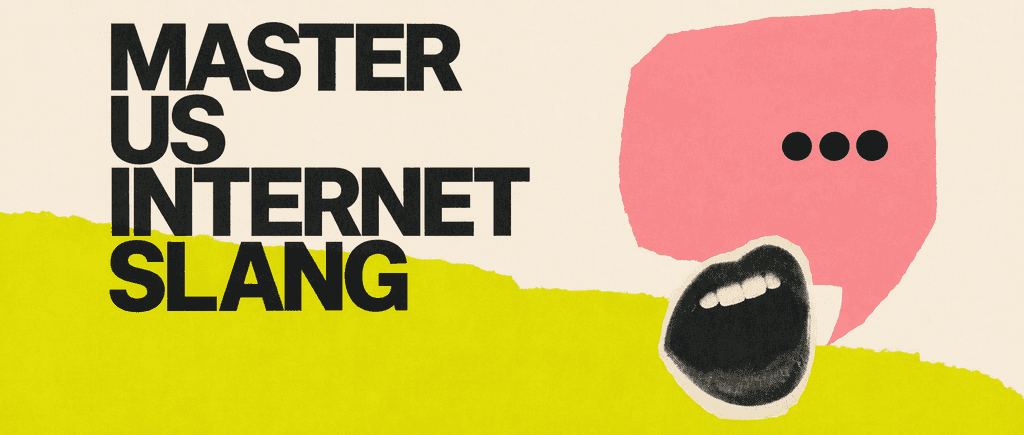
Because Internet explores how digital communication—from memes to emojis—is reshaping language in real time. Linguist Gretchen McCulloch analyzes informal online interactions, explaining why slang spreads, how emojis function as gestures, and why internet-specific grammar (like “lol” vs. “LOL”) evolves. The book blends academic rigor with relatable examples, offering a lively guide to understanding the hidden rules of internet language.
This book is ideal for language enthusiasts, digital communicators, and anyone curious about how online spaces influence culture. Educators, marketers, and social media users will gain insights into linguistic trends, while linguists appreciate its analysis of informal writing. It’s also accessible for casual readers interested in internet history or meme culture.
Yes—it’s a groundbreaking study of digital language that’s both scholarly and entertaining. McCulloch’s witty tone and deep research make complex concepts (like “irony punctuation” or ~sparkly tildes~) engaging. It’s praised for validating internet communication as a legitimate linguistic frontier, making it essential for understanding modern discourse.
Key themes include:
McCulloch identifies four groups based on when they first used the internet socially:
Emojis function as digital gestures, adding tone and context to text—similar to eye rolls or hand motions in face-to-face chats. McCulloch argues they don’t “ruin language” but instead enrich it by conveying nuance lost in plain text.
McCulloch highlights “artful disarray”—intentionally imperfect language (e.g., “I can haz cheeseburger”)—as key to meme virality. This playful, relatable style encourages sharing while fostering community identity through inside jokes.
Some linguists note it focuses heavily on English and informal spaces, overlooking global dialects or professional digital communication. However, critics praise its accessibility and relevance to everyday internet users.
Unlike traditional academic texts, McCulloch’s work prioritizes pop culture examples (memes, tweets) over formal theory. It complements books like Wordslut (gender-focused linguistics) or Cultish (language in subcultures) by focusing on digital-native communication.
As remote work and AI tools like ChatGPT reshape communication, understanding online language mechanics remains critical. The book’s insights into tone, ambiguity, and community-building through text help navigate evolving digital landscapes.
With a master’s in linguistics and experience co-hosting the Lingthusiasm podcast, McCulloch bridges academic research and internet culture. Her work on doge meme grammar and emoji studies grounds the book in both expertise and relatability.
저자의 목소리로 책을 느껴보세요
지식을 흥미롭고 예시가 풍부한 인사이트로 전환
핵심 아이디어를 빠르게 캡처하여 신속하게 학습
재미있고 매력적인 방식으로 책을 즐기세요
We're social creatures who can't help but create and follow patterns.
Internet language uniquely bridges written and spoken forms.
Young women consistently lead linguistic innovation.
Men learn it from their mothers.
The internet could be social.
Because Internet의 핵심 아이디어를 이해하기 쉬운 포인트로 분해하여 혁신적인 팀이 어떻게 창조하고, 협력하고, 성장하는지 이해합니다.
Because Internet을 빠른 기억 단서로 압축하여 솔직함, 팀워크, 창의적 회복력의 핵심 원칙을 강조합니다.

생생한 스토리텔링을 통해 Because Internet을 경험하고, 혁신 교훈을 기억에 남고 적용할 수 있는 순간으로 바꿉니다.
무엇이든 물어보고, 목소리를 선택하고, 진정으로 공감되는 인사이트를 함께 만들어보세요.

샌프란시스코에서 컬럼비아 대학교 동문들이 만들었습니다
"Instead of endless scrolling, I just hit play on BeFreed. It saves me so much time."
"I never knew where to start with nonfiction—BeFreed’s book lists turned into podcasts gave me a clear path."
"Perfect balance between learning and entertainment. Finished ‘Thinking, Fast and Slow’ on my commute this week."
"Crazy how much I learned while walking the dog. BeFreed = small habits → big gains."
"Reading used to feel like a chore. Now it’s just part of my lifestyle."
"Feels effortless compared to reading. I’ve finished 6 books this month already."
"BeFreed turned my guilty doomscrolling into something that feels productive and inspiring."
"BeFreed turned my commute into learning time. 20-min podcasts are perfect for finishing books I never had time for."
"BeFreed replaced my podcast queue. Imagine Spotify for books — that’s it. 🙌"
"It is great for me to learn something from the book without reading it."
"The themed book list podcasts help me connect ideas across authors—like a guided audio journey."
"Makes me feel smarter every time before going to work"
샌프란시스코에서 컬럼비아 대학교 동문들이 만들었습니다

Because Internet 요약을 무료 PDF 또는 EPUB으로 받으세요. 인쇄하거나 오프라인에서 언제든 읽을 수 있습니다.
Have you ever noticed how differently we write online versus in formal documents? The internet has sparked one of history's most significant linguistic revolutions. Suddenly, informal writing-once limited to private notes and letters-exploded into our daily lives through texts, social media posts, and instant messages. This digital communication revolution has transformed not just how we write, but how we express emotions, build communities, and establish identity in an increasingly online world. What makes this shift so fascinating is that even our seemingly random online language follows distinct patterns. When we keysmash in frustration (asdfkjhg!), we're not actually typing randomly-we start with home row keys, avoid numbers, and maintain consistent capitalization. Even in our digital chaos, we create order. The internet bridges the gap between written and spoken language, creating a third space where writing can capture the spontaneity and emotion of speech while maintaining the permanence of text.