Collaborating with the Enemy: How to Work with People You Don't Agree with or Like or Trust by Adam Kahane Summary

Overview of Collaborating with the Enemy
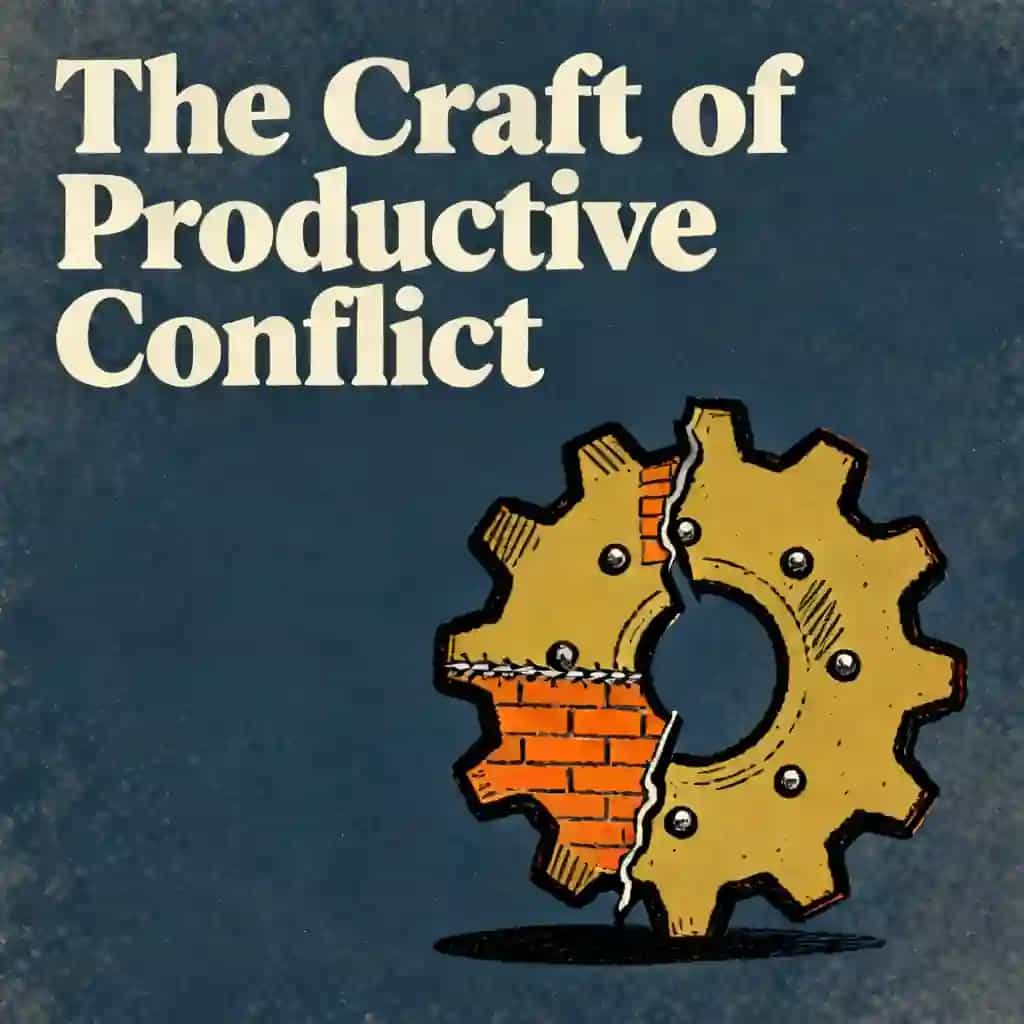
In a world where enemies abound, Adam Kahane offers a radical approach: "stretch collaboration" that embraces conflict. Endorsed by Nelson Mandela and honored at Davos, this framework has transformed thousands of coalitions worldwide. Can you collaborate with those you don't trust? This book shows how.
- Stretch collaboration requires embracing both conflict and cooperation for breakthrough solutions.
- Overcome enemyfying syndrome by viewing opponents as collaborators in complex challenges.
- Abandon control illusions in collaboration to enable adaptive problem-solving.
- Choose collaboration over forcing when power is balanced but progress stalls.
- Experimentation beats rigid planning in navigating collaborative uncertainty.
- Embrace paradoxes and complexity to unlock innovative solutions in conflicts.
- Adopt a beginner’s mind to see multiple possibilities in entrenched disputes.
- Collaborative success demands long-term commitment to messy, iterative processes.
- Seek shared purposes to unite opposing parties without demanding full agreement.
- Shift from conventional harmony-seeking to stretch collaboration’s conflict-embracing approach.
About the Author of Collaborating with the Enemy
Adam Kahane, author of Collaborating with the Enemy: How to Work with People You Don’t Agree with or Like or Trust, is a globally recognized expert in conflict resolution and collaborative problem-solving. A director of Reos Partners, Kahane has spent three decades designing transformative processes for leaders across business, government, and civil society to address complex challenges. His work spans over fifty countries, facilitating dialogues among executives, activists, politicians, and grassroots organizers.
The book—rooted in leadership, negotiation, and systems change—reflects Kahane’s expertise in bridging divides, informed by his background in physics, economics, and scenario planning at Shell. His other influential works, including Solving Tough Problems (endorsed by Nelson Mandela) and Transformative Scenario Planning, explore similar themes of dialogue and systemic transformation. Kahane’s methodologies are taught in top MBA programs and applied by organizations like the United Nations.
A Member of the Order of Canada, his books have been translated into twenty languages, underscoring their global relevance. His latest release, Everyday Habits for Transforming Systems (2025), further cements his legacy as a pioneer in practical, large-scale change strategies.
FAQs About Collaborating with the Enemy
What is Collaborating with the Enemy by Adam Kahane about?
Collaborating with the Enemy explores strategies for working effectively with adversaries in complex, polarized situations. It challenges the myth that collaboration requires agreement, offering frameworks like "stretch collaboration" to transform conflict into productive partnerships. The book draws on real-world examples, including peace processes in South Africa and Colombia, to illustrate how to navigate mistrust and systemic challenges.
Who should read Collaborating with the Enemy?
Leaders, negotiators, and professionals facing entrenched conflicts or cross-sector collaboration challenges will find this book invaluable. It’s particularly relevant for those in politics, organizational development, or community-building roles seeking practical tools to work with opposing groups without compromising core values.
Is Collaborating with the Enemy worth reading?
Yes, for its actionable insights on turning adversarial relationships into opportunities. Kahane’s blend of theory and real-case studies—like Guatemala’s post-civil war efforts—provides a roadmap for navigating today’s polarized environments. Critics praise its pragmatic approach to complex collaboration beyond superficial consensus.
What is the "enemyfying syndrome" in Collaborating with the Enemy?
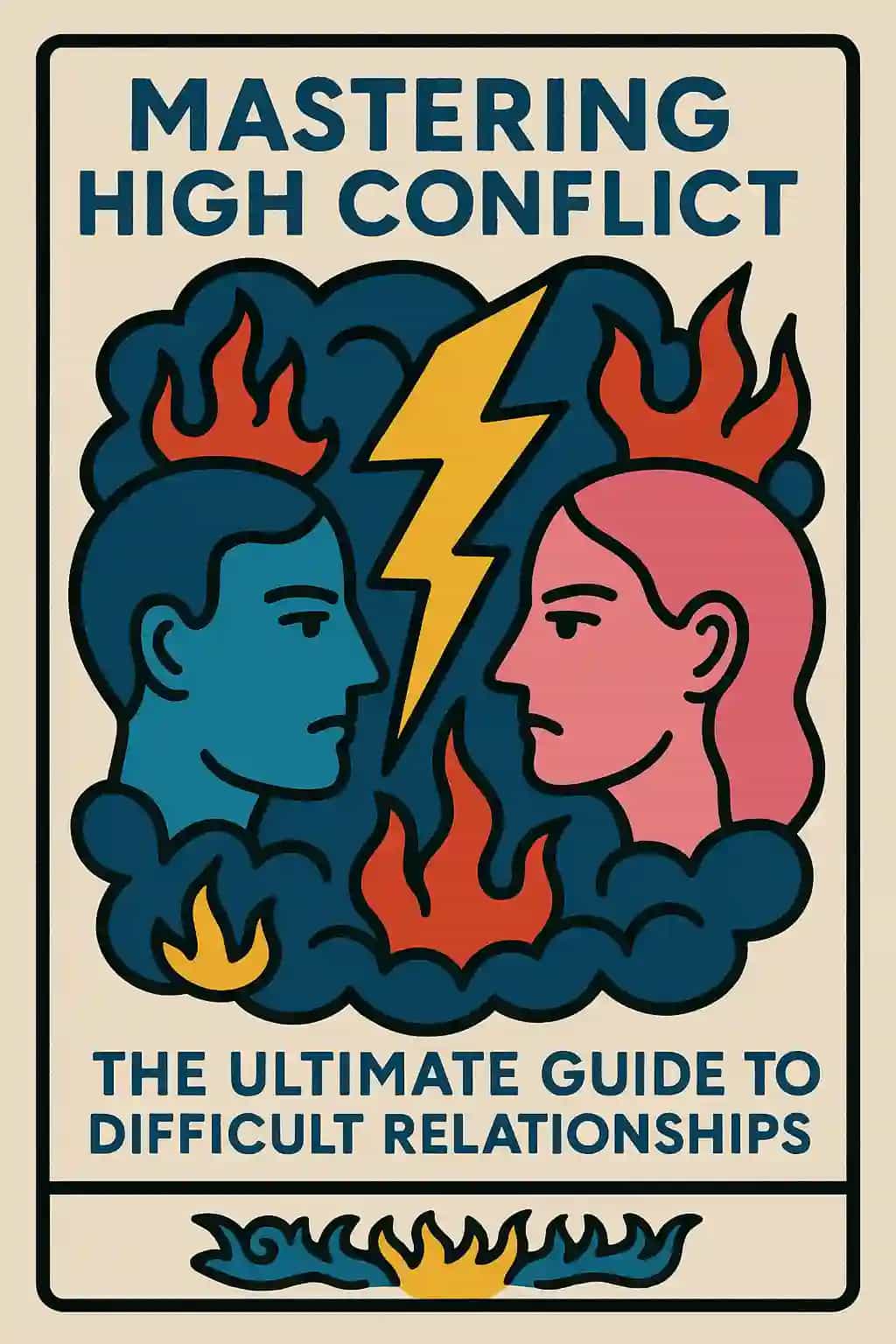
Enemyfying refers to labeling others as adversaries, oversimplifying conflicts into "us vs. them." This mindset escalates tension and stifles problem-solving. Kahane argues overcoming it requires embracing both conflict and connection, focusing on shared goals rather than differences.
How does Collaborating with the Enemy define "stretch collaboration"?
Stretch collaboration rejects rigid control, advocating for iterative experimentation amid discord. It combines three shifts: embracing conflict (not avoiding it), testing solutions through action (not over-planning), and engaging fully without domination. This approach is exemplified in Kahane’s work on drug policy reform in the Americas.
What are the four options for dealing with difficult collaborators?
Kahane outlines four choices:
- Forcing: Imposing your solution.
- Adapting: Accepting others’ terms.
- Exiting: Withdrawing from the situation.
- Collaborating: Co-creating mutually acceptable paths.
The book argues collaboration becomes viable when we abandon illusions of control.
How does Collaborating with the Enemy apply to workplace conflicts?
The book advises reframing workplace tensions as shared challenges rather than personal battles. For example, teams can use "stretch" techniques like rotating leadership roles or prototyping solutions incrementally—methods Kahane tested in corporate and NGO settings.
What real-world examples support Collaborating with the Enemy's theories?
Key cases include:
- South Africa’s post-apartheid reconciliation: Facilitating dialogue between former enemies.
- Colombian peace talks: Integrating guerrilla groups into governance.
- Guatemala’s post-war recovery: Rebuilding trust through grassroots collaboration.
How does Collaborating with the Enemy compare to Getting to Yes?
While Getting to Yes focuses on win-win negotiation tactics, Kahane’s work addresses scenarios where mutual gain seems impossible. It emphasizes adaptability over predefined agreements, making it more suited to deeply polarized or systemic conflicts.
What critiques exist about Collaborating with the Enemy?
Some argue the book’s approach risks legitimizing harmful actors or diluting ethical standards. Others note its methods require significant time and emotional labor, which may not scale in crisis scenarios. Kahane counters that imperfect collaboration often outweighs the costs of inaction.
Why is Collaborating with the Enemy relevant in 2025?
As globalization and AI intensify cross-cultural tensions, Kahane’s frameworks help navigate divisive issues like climate policy and tech ethics. The book’s emphasis on iterative, flexible collaboration aligns with modern agile methodologies and hybrid work challenges.
What key quotes define Collaborating with the Enemy?
- “Collaboration cannot and need not be controlled.”
- “To make progress in complex situations, we must stretch beyond comfortable routines.”
- “Conflict is not the problem—the problem is how we handle conflict.”
Feel the book through the author's voice
Turn knowledge into engaging, example-rich insights
Capture key ideas in a flash for fast learning
Enjoy the book in a fun and engaging way
Key Themes in Collaborating with the Enemy
Quotes from Collaborating with the Enemy
We differentiate ourselves from 'those people'.
Collaboration is becoming more essential and more challenging.
Social media amplifies divisions.
Compromise seem like betrayal rather than progress.
Collaboration isn't always the optimal response.
Characters in Collaborating with the Enemy
Quick Summary Mode - Read or listen to Collaborating with the Enemy Summary in 9 Minutes

Break down key ideas from Collaborating with the Enemy into bite-sized takeaways to understand how innovative teams create, collaborate, and grow.

Flash Card Mode - Top 9 Insights from Collaborating with the Enemy in a Nutshell

Distill Collaborating with the Enemy into rapid-fire memory cues that highlight key principles of candor, teamwork, and creative resilience.

Fun Mode - Collaborating with the Enemy Lessons Told Through 24-Min Stories

Experience Collaborating with the Enemy through vivid storytelling that turns innovation lessons into moments you'll remember and apply.
Personalize Mode - Read or listen to Collaborating with the Enemy Summary in 0 Minutes

Ask anything, pick the voice, and co-create insights that truly resonate with you.

From Columbia University alumni built in San Francisco
"Instead of endless scrolling, I just hit play on BeFreed. It saves me so much time."


"I never knew where to start with nonfiction—BeFreed’s book lists turned into podcasts gave me a clear path."


"Perfect balance between learning and entertainment. Finished ‘Thinking, Fast and Slow’ on my commute this week."
"Crazy how much I learned while walking the dog. BeFreed = small habits → big gains."
"Reading used to feel like a chore. Now it’s just part of my lifestyle."

"Feels effortless compared to reading. I’ve finished 6 books this month already."
"BeFreed turned my guilty doomscrolling into something that feels productive and inspiring."

"BeFreed turned my commute into learning time. 20-min podcasts are perfect for finishing books I never had time for."
"BeFreed replaced my podcast queue. Imagine Spotify for books — that’s it. 🙌"

"It is great for me to learn something from the book without reading it."
"The themed book list podcasts help me connect ideas across authors—like a guided audio journey."
"Makes me feel smarter every time before going to work"
From Columbia University alumni built in San Francisco
"Instead of endless scrolling, I just hit play on BeFreed. It saves me so much time."
"I never knew where to start with nonfiction—BeFreed’s book lists turned into podcasts gave me a clear path."
"Perfect balance between learning and entertainment. Finished ‘Thinking, Fast and Slow’ on my commute this week."
"Crazy how much I learned while walking the dog. BeFreed = small habits → big gains."
"Reading used to feel like a chore. Now it’s just part of my lifestyle."
"Feels effortless compared to reading. I’ve finished 6 books this month already."
"BeFreed turned my guilty doomscrolling into something that feels productive and inspiring."
"BeFreed turned my commute into learning time. 20-min podcasts are perfect for finishing books I never had time for."
"BeFreed replaced my podcast queue. Imagine Spotify for books — that’s it. 🙌"
"It is great for me to learn something from the book without reading it."
"The themed book list podcasts help me connect ideas across authors—like a guided audio journey."
"Makes me feel smarter every time before going to work"
"Instead of endless scrolling, I just hit play on BeFreed. It saves me so much time."
"I never knew where to start with nonfiction—BeFreed’s book lists turned into podcasts gave me a clear path."
"Perfect balance between learning and entertainment. Finished ‘Thinking, Fast and Slow’ on my commute this week."
"Crazy how much I learned while walking the dog. BeFreed = small habits → big gains."
"Reading used to feel like a chore. Now it’s just part of my lifestyle."
"Feels effortless compared to reading. I’ve finished 6 books this month already."
"BeFreed turned my guilty doomscrolling into something that feels productive and inspiring."
"BeFreed turned my commute into learning time. 20-min podcasts are perfect for finishing books I never had time for."
"BeFreed replaced my podcast queue. Imagine Spotify for books — that’s it. 🙌"
"It is great for me to learn something from the book without reading it."
"The themed book list podcasts help me connect ideas across authors—like a guided audio journey."
"Makes me feel smarter every time before going to work"
"Instead of endless scrolling, I just hit play on BeFreed. It saves me so much time."
"I never knew where to start with nonfiction—BeFreed’s book lists turned into podcasts gave me a clear path."
"Perfect balance between learning and entertainment. Finished ‘Thinking, Fast and Slow’ on my commute this week."
"Crazy how much I learned while walking the dog. BeFreed = small habits → big gains."
"Reading used to feel like a chore. Now it’s just part of my lifestyle."
"Feels effortless compared to reading. I’ve finished 6 books this month already."
"BeFreed turned my guilty doomscrolling into something that feels productive and inspiring."
"BeFreed turned my commute into learning time. 20-min podcasts are perfect for finishing books I never had time for."
"BeFreed replaced my podcast queue. Imagine Spotify for books — that’s it. 🙌"
"It is great for me to learn something from the book without reading it."
"The themed book list podcasts help me connect ideas across authors—like a guided audio journey."
"Makes me feel smarter every time before going to work"

Get the Collaborating with the Enemy summary as a free PDF or EPUB. Print it or read offline anytime.