Overview of Start day trading now
Master the markets with Michael Sincere's beginner-friendly guide that transforms novices into confident day traders. Recommended by trading expert Timothy Sykes, this practical handbook emphasizes risk management while asking: Why risk your savings without a battle plan when Wall Street's secrets are within reach?
- Michael Sincere emphasizes emotional discipline as the cornerstone of successful day trading.
- Practice trading with simulated accounts before risking real capital to build foundational skills.
- Master the mind game of trading to avoid fear and greed-driven decisions.
- Start with essential technical analysis tools like candlestick charts and moving averages.
- Prioritize risk management strategies over profit-seeking to survive volatile markets long-term.
- Learn Hal’s 15 critical lessons for avoiding common beginner trading mistakes.
- Choose brokerage platforms with low fees and real-time data for optimal execution.
- Study market psychology and volume patterns to identify high-probability entry/exit points.
- Maintain a trading journal to analyze mistakes and refine strategy iteratively.
- Combine technical indicators with fundamental analysis for robust trade decision-making frameworks.
- Allocate only disposable income to day trading given its high-risk nature.
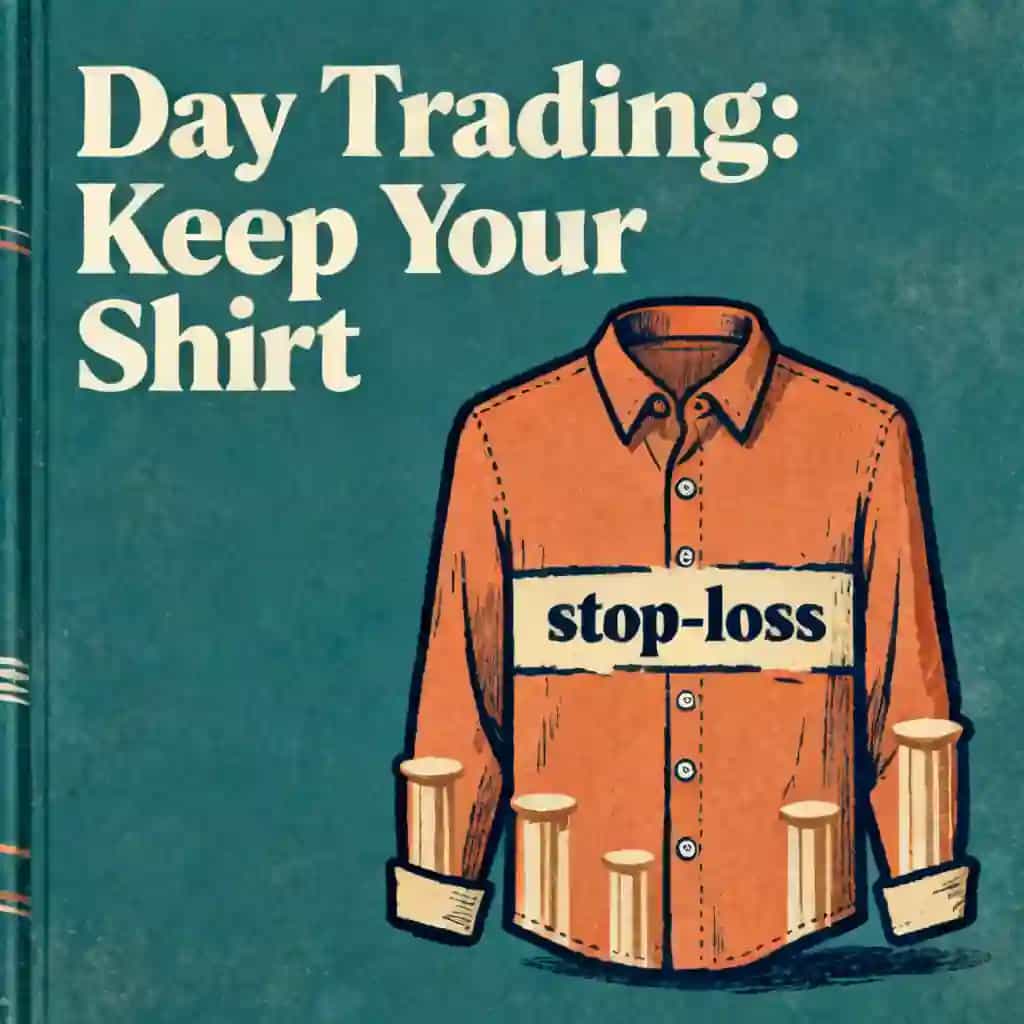
- Use stop-loss orders religiously to prevent catastrophic account drawdowns.
About the Author of Start day trading now
Michael Sincere, bestselling author of Start Day Trading Now and renowned financial educator, specializes in demystifying complex trading strategies for everyday investors.
A former teacher turned MarketWatch columnist, he combines over two decades of experience writing about stocks and options with practical insights from his ghostwriting work for leading financial institutions.
His foundational guides Understanding Stocks and Understanding Options have collectively sold over 200,000 copies and been translated into 13 languages, establishing him as a trusted voice for novice traders.
Sincere frequently shares his expertise through CNBC and ABC News appearances, while his monthly MarketWatch column bridges academic theories with real-world market dynamics. His latest work on covered call strategies continues his tradition of transforming intricate financial concepts into actionable advice, cementing his reputation as the go-to author for accessible trading education.
FAQs About Start day trading now
What is Start Day Trading Now by Michael Sincere about?
Start Day Trading Now is a beginner-friendly guide that simplifies day trading fundamentals, covering essential tools, strategies, risk management, and the psychological discipline required for success. Michael Sincere breaks down technical jargon, explains how to analyze charts, and shares insights from professional traders, emphasizing emotion control and practical steps to avoid common pitfalls.
Who should read Start Day Trading Now?
This book is ideal for novice traders with little to no experience seeking a clear introduction to day trading. It’s also valuable for intermediate traders looking to refine risk management techniques or improve their emotional discipline during trades.
Is Start Day Trading Now worth reading?
Yes, the book is praised for its accessible, no-nonsense approach to complex topics. Reviewers highlight its actionable advice on avoiding emotional decisions and managing losses, making it a practical resource for aspiring traders.
What are the key day trading strategies in Start Day Trading Now?
Sincere outlines strategies like trend following, scalping, and momentum trading. He stresses the importance of using technical indicators (e.g., moving averages) to identify entry/exit points and advocates for rigorous pre-trade planning to minimize risks.
How does Start Day Trading Now address risk management?
The book emphasizes limiting losses through stop-loss orders, position sizing, and avoiding over-leverage. Sincere warns against overtrading and advises setting daily profit/loss thresholds to maintain long-term consistency.
What does Michael Sincere say about the psychology of day trading?
Sincere identifies emotional control as the “biggest secret” to success. He discusses overcoming fear, greed, and impulsivity, recommending mindfulness techniques and pre-defined trading rules to stay disciplined during volatile markets.
How much money do I need to start day trading, according to the book?
While Sincere acknowledges that requirements vary, he suggests a minimum of $25,000 to meet U.S. pattern day trading rules. He also advises starting with a demo account to practice strategies before risking real capital.
What tools or equipment does Start Day Trading Now recommend?
The book lists a reliable computer, high-speed internet, and charting software as essential. Sincere also stresses the need for real-time market data and a broker with low latency and competitive fees.
How does Start Day Trading Now compare to Toni Turner’s The Beginner’s Guide to Day Trading Online?
Both books target beginners, but Sincere’s guide focuses more on psychological challenges and risk mitigation, while Turner delves deeper into technical analysis. Industry experts like Turner endorse Sincere’s work as complementary for new traders.
What criticisms exist about Start Day Trading Now?
Some advanced traders argue the book oversimplifies complex markets. However, most agree it achieves its goal as an introductory primer, with caveats that readers should supplement it with ongoing education.
Why is Start Day Trading Now still relevant in 2025?
Despite market evolution, the book’s core principles—discipline, risk management, and emotional control—remain timeless. Updated editions and online resources keep its strategies applicable to modern trading platforms and tools.
What are the key takeaways from Start Day Trading Now?
- Master emotions: Avoid impulsive decisions by sticking to pre-defined rules.
- Prioritize risk management: Use stop-loss orders and limit position sizes.
- Continuous learning: Analyze trades daily and adapt strategies based on market feedback.
Feel the book through the author's voice
Turn knowledge into engaging, example-rich insights
Capture key ideas in a flash for fast learning
Enjoy the book in a fun and engaging way
Characters in Start day trading now
- Michael SincereAuthor and expert on day trading strategies
- Jim RogersLegendary investor who wrote the book's foreword
Key Themes in Start day trading now
- technical analysis basics
- trading psychology
- risk management strategies
- market entry setups
- intraday price action
Quotes from Start day trading now
This book might save you from losing your house.
How much can I lose?
Successful traders typically risk no more than 1-2% of their account on any single trade.
Charts serve as the day trader's roadmap.
Calculating potential losses is even more important than projecting gains.
Explore Your Way of Learning
 Quick Summary Mode
Read or listen to Start day trading now Summary in 9 Minutes
Break down key ideas from Start day trading now into bite-sized takeaways to understand how innovative teams create, collaborate, and grow.

 Fun Mode
Start day trading now Lessons Told Through 24-Min Stories
Experience Start day trading now through vivid storytelling that turns innovation lessons into moments you'll remember and apply.
 Personalize Mode
Experience Start day trading now in your own learning style
Ask anything, choose your learning style, and co-create insights that truly resonate with you.

From Columbia University alumni built in San Francisco
"Instead of endless scrolling, I just hit play on BeFreed. It saves me so much time."


"I never knew where to start with nonfiction—BeFreed’s book lists turned into podcasts gave me a clear path."


"Perfect balance between learning and entertainment. Finished ‘Thinking, Fast and Slow’ on my commute this week."
"Crazy how much I learned while walking the dog. BeFreed = small habits → big gains."
"Reading used to feel like a chore. Now it’s just part of my lifestyle."

"Feels effortless compared to reading. I’ve finished 6 books this month already."
"BeFreed turned my guilty doomscrolling into something that feels productive and inspiring."

"BeFreed turned my commute into learning time. 20-min podcasts are perfect for finishing books I never had time for."
"BeFreed replaced my podcast queue. Imagine Spotify for books — that’s it. 🙌"

"It is great for me to learn something from the book without reading it."
"The themed book list podcasts help me connect ideas across authors—like a guided audio journey."
"Makes me feel smarter every time before going to work"
From Columbia University alumni built in San Francisco
"Instead of endless scrolling, I just hit play on BeFreed. It saves me so much time."
"I never knew where to start with nonfiction—BeFreed’s book lists turned into podcasts gave me a clear path."
"Perfect balance between learning and entertainment. Finished ‘Thinking, Fast and Slow’ on my commute this week."
"Crazy how much I learned while walking the dog. BeFreed = small habits → big gains."
"Reading used to feel like a chore. Now it’s just part of my lifestyle."
"Feels effortless compared to reading. I’ve finished 6 books this month already."
"BeFreed turned my guilty doomscrolling into something that feels productive and inspiring."
"BeFreed turned my commute into learning time. 20-min podcasts are perfect for finishing books I never had time for."
"BeFreed replaced my podcast queue. Imagine Spotify for books — that’s it. 🙌"
"It is great for me to learn something from the book without reading it."
"The themed book list podcasts help me connect ideas across authors—like a guided audio journey."
"Makes me feel smarter every time before going to work"
"Instead of endless scrolling, I just hit play on BeFreed. It saves me so much time."
"I never knew where to start with nonfiction—BeFreed’s book lists turned into podcasts gave me a clear path."
"Perfect balance between learning and entertainment. Finished ‘Thinking, Fast and Slow’ on my commute this week."
"Crazy how much I learned while walking the dog. BeFreed = small habits → big gains."
"Reading used to feel like a chore. Now it’s just part of my lifestyle."
"Feels effortless compared to reading. I’ve finished 6 books this month already."
"BeFreed turned my guilty doomscrolling into something that feels productive and inspiring."
"BeFreed turned my commute into learning time. 20-min podcasts are perfect for finishing books I never had time for."
"BeFreed replaced my podcast queue. Imagine Spotify for books — that’s it. 🙌"
"It is great for me to learn something from the book without reading it."
"The themed book list podcasts help me connect ideas across authors—like a guided audio journey."
"Makes me feel smarter every time before going to work"
"Instead of endless scrolling, I just hit play on BeFreed. It saves me so much time."
"I never knew where to start with nonfiction—BeFreed’s book lists turned into podcasts gave me a clear path."
"Perfect balance between learning and entertainment. Finished ‘Thinking, Fast and Slow’ on my commute this week."
"Crazy how much I learned while walking the dog. BeFreed = small habits → big gains."
"Reading used to feel like a chore. Now it’s just part of my lifestyle."
"Feels effortless compared to reading. I’ve finished 6 books this month already."
"BeFreed turned my guilty doomscrolling into something that feels productive and inspiring."
"BeFreed turned my commute into learning time. 20-min podcasts are perfect for finishing books I never had time for."
"BeFreed replaced my podcast queue. Imagine Spotify for books — that’s it. 🙌"
"It is great for me to learn something from the book without reading it."
"The themed book list podcasts help me connect ideas across authors—like a guided audio journey."
"Makes me feel smarter every time before going to work"

Download Summary of Start day trading now
Get the Start day trading now summary as a free PDF or EPUB. Print it or read offline anytime.