
Orbiting the giant hairball: a corporate fool's guide to surviving with grace

Overview of Orbiting the giant hairball
Escape corporate suffocation with "Orbiting the Giant Hairball," the national bestseller that teaches creative survival in bureaucratic jungles. Hallmark's legendary "Creative Paradox" reveals how to maintain originality while navigating rigid systems - a guide Noah Kagan still references years later.
- Gordon MacKenzie’s "Corporate Gravity" metaphor explains bureaucratic inertia
- Orbiting balances innovation with corporate mission alignment
- Creative genius requires flying untested wings despite crash risks
- Renegades transform corporate tangents into mission-aligned orbits
- Surviving bureaucracy means orbiting – connected yet creatively independent
- Corporate Normalcy smothers originality through policy accretion
- Dynamic following energizes organizations more than forceful leading
- Hallmark’s McCloskey mastered gravity-defying creative team leadership
- Your unique masterpiece dies unexpressed if conformed
- Responsible creativity leverages corporate resources without entanglement
- Escape bureaucratic entanglement by orbiting with responsible creativity
- Organizations need orbits – protected spaces for rule-breaking experimentation
About the Author of Orbiting the giant hairball
Gordon MacKenzie (1933–1999) was a Canadian-American artist, author, and creativity pioneer best known for his cult classic Orbiting the Giant Hairball: A Corporate Fool’s Guide to Surviving with Grace. A Hallmark Cards veteran of 30 years, MacKenzie forged a unique career as the company’s self-appointed “Creative Paradox,” mediating between corporate structure and artistic innovation.
His book—a blend of memoir, business philosophy, and illustrated wisdom—redefined workplace creativity with concepts like “the hairball” (bureaucratic inertia) and “orbiting” (innovating without disconnecting).
Before authoring this business creativity staple, MacKenzie created the iconic steel sculpture Bringing the Pieces Together at Hallmark’s Innovation Center, symbolizing his lifelong mission to connect art and commerce. His workshops on corporate creativity influenced organizations worldwide, while his watercolor instruction books like The Complete Watercolorist’s Essential Notebook cemented his multidisciplinary expertise.
Translated into 12 languages and recommended by Fortune 500 leaders, Orbiting the Giant Hairball remains a foundational text in business school curricula and innovation workshops decades after its 1996 release.
FAQs About Orbiting the giant hairball
What is Orbiting the Giant Hairball by Gordon MacKenzie about?
Orbiting the Giant Hairball explores balancing creativity and corporate bureaucracy using the metaphor of a "hairball"—the tangled mess of rules and routines in organizations. Author Gordon MacKenzie shares strategies to "orbit" this stifling structure, staying creatively free while respecting organizational goals. Through anecdotes from his 30-year Hallmark career, he advocates for innovation without disconnecting entirely from corporate realities.
Who should read Orbiting the Giant Hairball?
This book is ideal for professionals, creatives, and entrepreneurs navigating rigid corporate systems. Managers seeking to foster innovation, artists working in structured environments, and anyone feeling stifled by workplace bureaucracy will find actionable insights. It’s particularly valuable for those aiming to maintain individuality while contributing to organizational success.
Is Orbiting the Giant Hairball worth reading?
Yes—it’s praised for its witty, visual style and practical advice on thriving in bureaucratic settings. Readers call it a "handbook for creative survival," offering timeless wisdom on avoiding conformity. The mix of personal stories, sketches, and metaphors makes complex ideas accessible, though some critique its anecdotal approach.
What is the "Giant Hairball" metaphor in the book?
The "Giant Hairball" symbolizes accumulated corporate policies, precedents, and norms that stifle creativity. MacKenzie argues organizations become trapped in past successes, prioritizing predictability over innovation. Like a cat’s hairball, it grows through constant additions of rules, eventually sapping vitality unless individuals learn to orbit around it.
How does "orbiting" work in corporate environments?
Orbiting means operating creatively outside bureaucratic constraints while staying aligned with organizational goals. MacKenzie encourages leveraging company resources without getting entangled in rigid processes. Examples include challenging norms tactfully, experimenting within safe boundaries, and maintaining a "Corporate Paradox" role—bridging creativity and business discipline.
What are key quotes from Orbiting the Giant Hairball?
- “You have a masterpiece inside you… Only you can paint it.” (Emphasizes unique creativity)
- “Corporate Gravity sucks everything into the mass of Corporate Normalcy.” (Warns against bureaucracy’s pull)
- “Orbiters are not rule-breakers but rule-redesigners.” (Highlights adaptive innovation)
How does the book apply to career growth?
MacKenzie advises nurturing creativity without alienating stakeholders. Key lessons: seek “orbiting” roles (e.g., innovation teams), reframe problems to bypass red tape, and balance rebellion with respect for organizational history. These strategies help professionals avoid stagnation while remaining employable.
What was Gordon MacKenzie’s role at Hallmark?
Hired as a sketch artist, MacKenzie later became Hallmark’s "Creative Paradox," a self-invented role bridging creativity and business. He designed sculptures, led workshops, and advocated for experimental thinking, proving that unconventional roles can thrive within traditional structures.
What are criticisms of Orbiting the Giant Hairball?
Some note its reliance on personal anecdotes over structured frameworks, which may frustrate readers seeking step-by-step guidance. Others argue smaller organizations lack the "hairball" scale it critiques. However, its principles remain broadly applicable to bureaucratic systems.
How does Orbiting the Giant Hairball compare to Atomic Habits?
While Atomic Habits focuses on incremental personal change, MacKenzie’s book tackles systemic organizational creativity. Both emphasize small, sustainable shifts—MacKenzie for navigating bureaucracy, James Clear for habit-building. They complement each other for personal-professional growth.
Why is Orbiting the Giant Hairball relevant in 2025?
As companies grapple with AI-driven disruption and hybrid work, its lessons on balancing innovation with structure remain vital. The rise of rigid corporate tech stacks and return-to-office policies makes "orbiting" a timely skill for maintaining agility.
What are three lessons from Orbiting the Giant Hairball?
- Avoid entanglement: Innovate at the edges of bureaucracy, not against it.
- Own your creativity: Protect your unique contributions from homogenization.
- Respect gravity: Use organizational resources without being consumed by them.
What frameworks does MacKenzie propose for creativity?
- Past vs. Future: Honor a company’s history while pushing new ideas.
- Controlled Rebellion: Test boundaries through prototypes and pilots.
- Orbit Zones: Identify safe spaces for experimentation (e.g., R&D teams)
What books are similar to Orbiting the Giant Hairball?
- Linchpin by Seth Godin (combating conformity).
- The War of Art by Steven Pressfield (creative resistance).
- Drive by Daniel Pink (intrinsic motivation in structured environments).
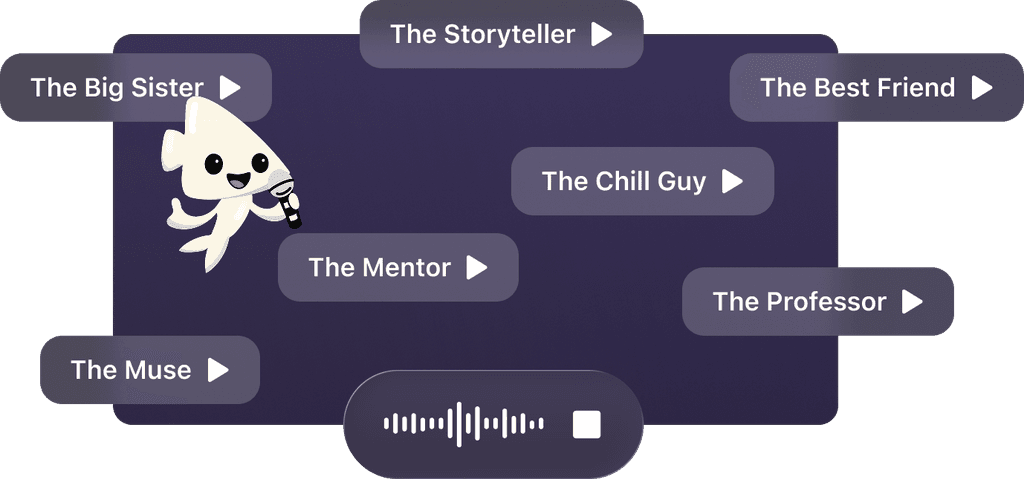
Feel the book through the author's voice
Turn knowledge into engaging, example-rich insights
Capture key ideas in a flash for fast learning
Enjoy the book in a fun and engaging way
Characters in Orbiting the giant hairball
- Gordon MacKenzieAuthor and longtime Hallmark 'Creative Paradox'
- George ParkerColleague who coined the 'hairball' metaphor
- Joyce Clyde HallFounder of Hallmark Cards
Key Themes in Orbiting the giant hairball
- creative autonomy
- organizational conformity
- corporate bureaucracy
- reclaiming genius
- institutional gravity
Quotes from Orbiting the giant hairball
Genius threatens established authority.
Meeting rooms become creativity graveyards.
Corporate Gravity tugs relentlessly.
Orbiting requires personal courage to be genuine.
Explore Your Way of Learning
 Quick Summary Mode
Read or listen to Orbiting the giant hairball Summary in 9 Minutes
Break down key ideas from Orbiting the giant hairball into bite-sized takeaways to understand how innovative teams create, collaborate, and grow.

 Fun Mode
Orbiting the giant hairball Lessons Told Through 22-Min Stories
Experience Orbiting the giant hairball through vivid storytelling that turns innovation lessons into moments you'll remember and apply.
 Personalize Mode
Experience Orbiting the giant hairball in your own learning style
Ask anything, choose your learning style, and co-create insights that truly resonate with you.
From Columbia University alumni built in San Francisco
"Instead of endless scrolling, I just hit play on BeFreed. It saves me so much time."


"I never knew where to start with nonfiction—BeFreed’s book lists turned into podcasts gave me a clear path."


"Perfect balance between learning and entertainment. Finished ‘Thinking, Fast and Slow’ on my commute this week."
"Crazy how much I learned while walking the dog. BeFreed = small habits → big gains."
"Reading used to feel like a chore. Now it’s just part of my lifestyle."

"Feels effortless compared to reading. I’ve finished 6 books this month already."
"BeFreed turned my guilty doomscrolling into something that feels productive and inspiring."

"BeFreed turned my commute into learning time. 20-min podcasts are perfect for finishing books I never had time for."
"BeFreed replaced my podcast queue. Imagine Spotify for books — that’s it. 🙌"

"It is great for me to learn something from the book without reading it."
"The themed book list podcasts help me connect ideas across authors—like a guided audio journey."
"Makes me feel smarter every time before going to work"
From Columbia University alumni built in San Francisco
"Instead of endless scrolling, I just hit play on BeFreed. It saves me so much time."
"I never knew where to start with nonfiction—BeFreed’s book lists turned into podcasts gave me a clear path."
"Perfect balance between learning and entertainment. Finished ‘Thinking, Fast and Slow’ on my commute this week."
"Crazy how much I learned while walking the dog. BeFreed = small habits → big gains."
"Reading used to feel like a chore. Now it’s just part of my lifestyle."
"Feels effortless compared to reading. I’ve finished 6 books this month already."
"BeFreed turned my guilty doomscrolling into something that feels productive and inspiring."
"BeFreed turned my commute into learning time. 20-min podcasts are perfect for finishing books I never had time for."
"BeFreed replaced my podcast queue. Imagine Spotify for books — that’s it. 🙌"
"It is great for me to learn something from the book without reading it."
"The themed book list podcasts help me connect ideas across authors—like a guided audio journey."
"Makes me feel smarter every time before going to work"
"Instead of endless scrolling, I just hit play on BeFreed. It saves me so much time."
"I never knew where to start with nonfiction—BeFreed’s book lists turned into podcasts gave me a clear path."
"Perfect balance between learning and entertainment. Finished ‘Thinking, Fast and Slow’ on my commute this week."
"Crazy how much I learned while walking the dog. BeFreed = small habits → big gains."
"Reading used to feel like a chore. Now it’s just part of my lifestyle."
"Feels effortless compared to reading. I’ve finished 6 books this month already."
"BeFreed turned my guilty doomscrolling into something that feels productive and inspiring."
"BeFreed turned my commute into learning time. 20-min podcasts are perfect for finishing books I never had time for."
"BeFreed replaced my podcast queue. Imagine Spotify for books — that’s it. 🙌"
"It is great for me to learn something from the book without reading it."
"The themed book list podcasts help me connect ideas across authors—like a guided audio journey."
"Makes me feel smarter every time before going to work"
"Instead of endless scrolling, I just hit play on BeFreed. It saves me so much time."
"I never knew where to start with nonfiction—BeFreed’s book lists turned into podcasts gave me a clear path."
"Perfect balance between learning and entertainment. Finished ‘Thinking, Fast and Slow’ on my commute this week."
"Crazy how much I learned while walking the dog. BeFreed = small habits → big gains."
"Reading used to feel like a chore. Now it’s just part of my lifestyle."
"Feels effortless compared to reading. I’ve finished 6 books this month already."
"BeFreed turned my guilty doomscrolling into something that feels productive and inspiring."
"BeFreed turned my commute into learning time. 20-min podcasts are perfect for finishing books I never had time for."
"BeFreed replaced my podcast queue. Imagine Spotify for books — that’s it. 🙌"
"It is great for me to learn something from the book without reading it."
"The themed book list podcasts help me connect ideas across authors—like a guided audio journey."
"Makes me feel smarter every time before going to work"

Download Summary of Orbiting the giant hairball
Get the Orbiting the giant hairball summary as a free PDF or EPUB. Print it or read offline anytime.


