BeFreed
    Categories>Leadership & Corp Culture>Leadership Strategies and Management Insights for Modern Leaders

    Leadership Strategies and Management Insights for Modern Leaders

    28分
    |
    |
    2026年4月8日
    Leadership & Corp CultureCareer & BusinessPsychology

    Explore expert leadership strategies and management insights. Learn about executive leadership, team building, and organizational culture for modern leaders.

    Leadership Strategies and Management Insights for Modern Leaders
    聴き方を選ぶ

    1つのエピソード。いろいろな聴き方。

    Leadership Strategies and Management Insights for Modern Leadersの同じアイデアを、あなたに合う声・深さ・ペースで。いつでも切り替えられます。

    文字起こしとチャプター

    チャプター 1

    The Science of Effective Leadership

    Lena: Hey everyone! So, I was looking at some recent workplace data, and it turns out that managers account for a staggering 70% of the variance in employee engagement. Yet, global engagement is still stuck at only 23%. It makes you wonder—if we’re all talking about leadership, why is it so hard to get right?

    Miles: It’s a huge gap, right? You know, the most common mistake is thinking leadership is just a title or a solo heroic act. But research actually defines it as a social process. It’s not about being the "boss"; it's about the interactions that produce three specific outcomes: direction, alignment, and commitment.

    Lena: Exactly! And it’s fascinating how power can actually work against that. There’s this "Power Paradox" where the empathy and collaboration that get you promoted often decline once you actually have the authority.

    Miles: That’s such a critical pitfall to avoid. Today, we’re moving past the jargon to give you a practical playbook for 2026. Let's explore how you can use the DAC framework to diagnose exactly where your team is stalling.

    チャプター 2

    The Gap Between Knowing and Doing

    Lena: It’s so true—the theory is everywhere, but the practice is where it falls apart. I was reading this fascinating breakdown from the team at Leda—they’ve analyzed over 8,000 leader reflections—and they found that most leadership training fails not because the content is bad, but because of the way it’s delivered. We’re all familiar with that "offsite high"—you go to a beautiful hotel for two days, you do the trust falls, you get fired up—and then Monday morning hits and you’re right back to your old habits.

    Miles: Oh, the classic "workshop amnesia." It’s a real thing. The research actually shows that we forget about 50 to 70% of new material within just twenty-four hours. By the end of a week, if you haven’t applied it, you’re looking at maybe 10 to 20% retention. It’s like trying to fill a bucket with a massive hole in the bottom. And the Leda research pointed out something even more striking—goals alone only explain about 28% of whether someone actually changes their behavior.

    Lena: Only 28%? That’s incredibly low. It means all those "I will be a more empathetic leader" resolutions are basically just wishful thinking unless there’s a system behind them.

    Miles: Exactly. It’s called the knowing-doing gap. You can describe what a high performing team looks like—trust, psychological safety, clarity—but that doesn’t mean you can create it. One leader in their program put it perfectly—they knew they should welcome dissent, but the second someone actually challenged their idea in a meeting, their "Red Brain" took over and they got defensive.

    Lena: That "Red Brain" vs "Green Brain" concept is so helpful. It’s about our physiological response to stress, right?

    Miles: Spot on. When we feel threatened—even socially threatened—our amygdala kicks in. We lose access to our prefrontal cortex—the part of the brain responsible for complex decision-making and empathy. So, the work of leadership isn't just learning new frameworks; it’s about training your brain to stay in that "Green Brain" state where you can actually use those frameworks under pressure.

    Lena: And that’s why the "spaced development" model is so much more effective than the two-day intensive. If you spread learning over six to twelve months with weekly touchpoints, you’re actually accounting for how the human brain builds habits.

    Miles: Right. Spaced learning produces outcomes that are significantly better—one hour of spaced practice is often equivalent to two hours of intensive practice in terms of long-term retention. It’s the difference between a crash diet and a lifestyle change.

    Lena: I love that analogy. So, if we’re looking at the data, the real lever for team performance isn't the team itself—it’s the leader. 70% of the variance in engagement comes from the manager. If the leader doesn't change, the team won't change.

    Miles: It’s a hard truth for some to swallow, but it’s also empowering. It means you don’t need a massive organizational overhaul to see results. You just need to focus on the leader’s capability to create the right conditions.

    Lena: And those conditions are what we really need to dig into. Because the research—especially Hackman’s work and Google’s Project Aristotle—gives us a very clear map of what those conditions are.

    Miles: They really do. It’s not a mystery anymore. We know that psychological safety is the number one predictor of team success. But again, it’s about the gap. Everyone says they want safety, but very few leaders know the "if-then" plans required to build it in real-time.

    Lena: Well, let’s get into those "if-then" plans. Because that seems like the bridge over the gap. If goals only get us 28% of the way there, what gets us the rest of the way?

    Miles: It’s all about implementation intentions. Instead of saying "I’ll give more feedback," a high performing leader says, "If someone makes a mistake, I will ask what happened before discussing consequences." It’s that mental link between a situation and a response.

    Lena: That’s a huge shift. It moves leadership from a "personality trait" to a set of repeatable, trainable skills. And it means anyone can do this if they have the right structure.

    このエピソードで学びを深める

    このエピソードのアイデアを、BeFreedのガイド付き学習体験でさらに深めましょう。

    チャプター 3

    The Foundation of Psychological Safety

    Miles: If we’re building a high performing team, we have to start with the floor, and the floor is psychological safety. Amy Edmondson’s research—and that famous Google study, Project Aristotle—basically proved that you can have the smartest people in the room, but if they don’t feel safe taking risks, the team will underperform.

    Lena: And it’s important to define what safety actually is, because some people hear "safety" and think it means being "nice" or never having conflict. But it’s actually the opposite, isn't it?

    Miles: Totally. It’s the ability to have productive conflict. It’s the belief that you won’t be punished or humiliated for speaking up with an idea, a question, or a mistake. In a high-safety environment, silence is the enemy. In a low-safety environment, silence is the shield.

    Lena: I love that. "Silence is the shield." I’ve definitely been in meetings where everyone is nodding along, but you can feel the unspoken reservations in the air. That’s a total lack of psychological safety.

    Miles: Exactly. And the Leda data shows that diverse teams actually have the potential to achieve at much higher levels, but only if safety exists. Without it, the differences in perspective just lead to friction and miscommunication. The "value" of diversity stays locked away because people are afraid to be the "odd one out."

    Lena: So, as a leader, how do you actually unlock that? If I’m sitting in a meeting and I realize my team is using "silence as a shield," what’s the first move?

    Miles: You have to model vulnerability first. You can’t ask the team to take a risk you aren’t taking. The Leda framework suggests three specific behaviors: admit your own mistakes first, ask questions before making judgments, and respond to failure as a learning opportunity rather than a reason to blame.

    Lena: It reminds me of the "Red Brain" vs "Green Brain" discussion. When a leader snaps at someone for a mistake, they’re signaling a threat. The whole team’s "Red Brain" lights up, and everyone stops sharing.

    Miles: Right. And safety is incredibly fragile. One dismissive response, one public criticism, and you’ve set the culture back months. I remember seeing a reflection from a leader who said they realized they’d been "shooting the messenger" without even knowing it. They thought they were being "decisive," but the team saw them as "unapproachable."

    Lena: That’s the "Power Paradox" again—the higher you go, the less feedback you get about your own impact on safety. You might think everything is fine because no one is complaining.

    Miles: Silence isn't safety! That’s the biggest trap. If your team isn't disagreeing with you, you don't have a high performing team; you have a team that’s playing it safe.

    Lena: So, a concrete step here would be for a leader to intentionally seek out dissent. Not just wait for it, but pull it out.

    Miles: Exactly. Use an "if-then" plan: "If I’m presenting a new strategy, I will specifically ask, 'What am I missing here?' or 'Who has a different perspective?' and then wait at least ten seconds for an answer."

    Lena: Ten seconds feels like an eternity in a meeting.

    Miles: It does! But that silence is where the safety is built. It shows you’re actually listening, not just waiting for your turn to talk.

    Lena: And that leads perfectly into the next characteristic of these teams—clear communication and active listening. Because you can’t have safety without genuine connection.

    Miles: Absolutely. Most leaders spend 80% of their day communicating, but most of that is "delivery"—just giving information. High performing leaders focus on "discovery"—trying to understand.

    Lena: The listening gap is real. We often think we’re listening, but we’re actually just preparing our rebuttal.

    Miles: Right. The data shows that active listening—built on empathy and mindful engagement—is the skill leaders most need to develop. It’s about putting your own agenda aside. It’s the difference between a functional conversation and a genuine connection.

    チャプター 4

    The Art of Constructive Feedback

    Lena: Let’s talk about feedback, because this is where a lot of leaders—even the well-meaning ones—get stuck. We’ve all heard of the "feedback sandwich," but the research seems to suggest that’s not really the best way to go about it.

    Miles: Yeah, the sandwich is usually just a way for the leader to feel less uncomfortable. The person receiving it just hears "blah, blah, CRITICISM, blah, blah." It’s confusing. High performing teams use a much more rigorous approach, like the FECA model mentioned in the Leda curriculum.

    Lena: FECA—Frame, Evidence, Consequences, Action. Walk me through how that actually works in a real-world scenario.

    Miles: Okay, imagine a team member, let’s call him Sam, keeps missing deadlines for his reports. Instead of a vague "Hey Sam, you need to be more on top of things," you use FECA. First, you Frame it: "I’m giving you this feedback because I want our project to stay on track and I know you’re capable of high-quality work." This reduces the social threat. You’re signaling that you’re on the same team.

    Lena: Right, you’re moving them into the "Green Brain" before you even hit the problem.

    Miles: Exactly. Then you provide the Evidence: "I noticed the last three reports were submitted two days after the deadline." No judgment, just facts. Then you explain the Consequences: "When these are late, the design team can’t start their work, which puts the whole launch date at risk." This connects the behavior to the bigger picture.

    Lena: And then the Action.

    Miles: Right. "What can we do to make sure the next report is in on time? Do you need more resources or a different workflow?" It’s collaborative. It’s not a lecture; it’s a problem-solving session.

    Lena: I love that. It takes the "sting" out of it because it’s so objective. But I noticed in the research that they mention something called "connection credits." That feels like a vital prerequisite for FECA to even work.

    Miles: Oh, it’s essential. Think of your relationship with each team member like a bank account. Every time you notice something they did well, every time you ask about their day, every time you support them—you’re making a deposit. Those are connection credits.

    Lena: And corrective feedback is a withdrawal.

    Miles: A big one. If your account is overdrawn—if the only time you ever talk to Sam is to tell him what he’s doing wrong—he’s going to go straight into "Red Brain" the moment you open your mouth. The research suggests a ratio of three positive interactions for every one corrective one. That’s the tipping point for a flourishing team.

    Lena: Three to one. That requires a lot of intentionality. It means you have to be looking for the "good" as actively as you look for the "bad."

    Miles: And most of us are wired with a "negativity bias." Dr. Rick Hanson says the brain is like "Velcro for the bad and Teflon for the good." We have to consciously practice noticing the wins.

    Lena: This also ties back to accountability. In high performing teams, accountability isn't just "the boss checking up on you." It’s mutual.

    Miles: Right. It’s "walking your own talk." The Leda framework identifies six requirements for accountability: people need to know the consequences, get frequent feedback, be able to measure their work, have committed to the goal, have the skills to do it, and have total clarity on expectations.

    Lena: If any of those are missing, the system breaks. And usually, the leader blames the employee’s "motivation" when it’s actually a design flaw in the accountability structure.

    Miles: Exactly. Accountability isn't about blame; it’s about clarity. If I haven't given you the tools to succeed, I can't hold you accountable for failing. High performance leaders take ownership of that environment first.

    Lena: It’s a recurring theme, isn't it? The leader is the architect of the culture. If the building is falling down, you don’t blame the bricks; you look at the blueprint.

    Miles: And the blueprint for 2026 is all about creating that supportive context. As the Deloitte research highlighted, high performing teams are three times more likely to feel empowered to reshape their roles. They aren't just following orders; they’re owning the outcomes.

    このエピソードで学びを深める

    このエピソードのアイデアを、BeFreedのガイド付き学習体験でさらに深めましょう。

    チャプター 5

    Trust as a Business Imperative

    Miles: We often talk about trust like it’s this soft, "nice to have" emotional thing. But Paul Zak’s neuroscience research shows it’s actually a hard business metric. People in high-trust companies report 74% less stress and 106% more energy at work.

    Lena: Those numbers are massive. 106% more energy? That’s literally doubling your capacity.

    Miles: And they’re 50% more productive. Trust is the lubricant that allows a team to move fast. Without it, everything has a "friction tax." Every decision needs three signatures, every email is double-checked for hidden meanings, and every mistake is hidden instead of fixed.

    Lena: I think it’s interesting how trust is built. Zenger and Folkman break it down into three elements: positive relationships, good judgment or expertise, and consistency. You need all three. If you’re consistent and smart but you’re a jerk, people won't trust you. If you’re nice and consistent but you don't know what you're doing, they won't trust you either.

    Miles: It’s a delicate balance. And for a leader, consistency is the one that usually trips people up. Team members are watching you way more closely than you realize. They notice if you take credit for their work, if you gossip about other departments, or if you hold yourself to a different standard than the team.

    Lena: The "8,000 leader reflections" data really highlighted this. Trust isn't built through grand gestures or "trust falls" at a retreat. It’s built through tiny, repeated actions—keeping a confidence, giving credit where it’s due, admitting when you don't have the answer.

    Miles: It’s about being "affable and approachable," but also having the "courage to speak up" when something is unfair. One leader in the Leda study reflected on a colleague they trusted deeply, and it wasn't because that colleague was a "superstar"—it was because they were consistent and had high emotional intelligence.

    Lena: Emotional intelligence seems to be the engine behind all of this. You need self-awareness to know how your behavior is impacting trust, and you need relationship management to maintain those "connection credits" we talked about.

    Miles: Absolutely. And in a 2026 context, where we’re working with AI and distributed teams, trust becomes even more critical. When you can't see someone working, you have to trust the outcome. You have to trust their intention.

    Lena: That’s where the Deloitte research on "human capabilities" really hits home. They found that high performing teams score significantly higher on "connected teaming" and "emotional intelligence." It’s not about who has the best technical skills anymore; it’s about who can collaborate most effectively.

    Miles: Right. Technical skills have a "half-life" that’s getting shorter every year—some say it’s down to two years now. But trust, curiosity, and resilience? Those are enduring. They don’t go obsolete.

    Lena: And trust is the foundation for "taking charge" behavior too. I was looking at that study on servant leadership and how it promotes "taking charge"—basically, employees going beyond their formal job descriptions to improve things.

    Miles: That only happens when there’s a trust-based "social exchange." If I trust that my leader has my back, I’m willing to take the risk of suggesting a new, better way of doing things. If I don't trust them, I’m going to stay in my lane and do exactly what I’m told—nothing more, nothing less.

    Lena: Which is the death of innovation.

    Miles: Exactly. A high performing team is a group of people who are willing to "take charge" because they know the culture rewards the effort, even if the specific idea fails.

    チャプター 6

    The Resilience and Growth Mindset

    Lena: We’ve talked about the "what" and the "how," but let’s talk about the "staying power." Because leadership is exhausting. And teams face constant setbacks. The research really emphasizes resilience and a growth mindset as the keys to sustaining high performance over the long haul.

    Miles: It’s that Carol Dweck concept, right? A growth mindset is the belief that your abilities can be developed through effort. In a team setting, this is the difference between "we failed because we aren't good enough" and "we failed because our current strategy didn't work, so let’s learn and adjust."

    Lena: It’s so closely tied to psychological safety. If you have a fixed mindset—if you think your talent is a permanent trait—then a mistake is a threat to your identity. You have to hide it to protect your "status."

    Miles: Exactly. And the Leda "Mindshifting" framework is a great tool for this. When a crisis hits, they suggest a four-step process: Catch the rising stress response—notice the physical sensations. Calm down with three deep breaths to signal safety to your brain. Choose to reframe the situation as a challenge rather than a threat. And Connect with others to share the experience.

    Lena: Reframing stress as a "challenge" instead of a "threat" actually changes your physiology. It keeps you in the "Green Brain."

    Miles: It really does. And high performing teams don't just "push through" stress; they prioritize recovery. This was a big point in the Deloitte research—resilience isn't about being "tough"; it’s about the ability to bounce back.

    Lena: I think leaders often forget that they model the recovery too. If a leader is working 80 hours a week, never sleeps, and is constantly "on," they’re signaling to the team that burnout is the price of high performance.

    Miles: And that’s unsustainable. The research shows that poor social support and lack of recovery have a health impact similar to smoking or obesity. A resilient leader models sustainable habits. They create space for the team to decompress after a big launch.

    Lena: It’s like the "moonshot compost" idea from Alphabet’s X division that Deloitte mentioned. They celebrate failed projects as "compost"—they literally nourish the next crop of ideas. It destigmatizes failure and makes it part of the growth process.

    Miles: I love that. "Compost." It’s so much better than "post-mortem," which sounds so final and gloomy.

    Lena: Right! And this growth mindset also applies to the leader’s own development. One leader in the Leda program noted that their team changed only because they changed. They started admitting when they didn't know something, and the team followed suit.

    Miles: It’s that emotional contagion. As a leader, your mood and your mindset literally infect the team. If you’re curious and open to learning, they will be too. If you’re defensive and "know-it-all," they’ll shut down.

    Lena: And this leads us to the concept of "informed agility." It’s not just about moving fast; it’s about making "thoughtful, context-driven pivots."

    Miles: Exactly. You gather information, you evaluate it without bias, and you adjust. But you can only do that if the team feels safe enough to give you the real information, even if it’s bad news.

    Lena: It all connects back to the beginning. You can't have agility without safety, and you can't have safety without a leader who has a growth mindset. It’s a beautifully integrated system when it works.

    このエピソードで学びを深める

    このエピソードのアイデアを、BeFreedのガイド付き学習体験でさらに深めましょう。

    チャプター 7

    Designing the Spaced Development Timeline

    Miles: Okay, so we’ve established that the "two-day workshop" is dead. If a listener wants to actually build this in their organization, what does a real, evidence-based timeline look like? Based on the Leda research and the Deloitte findings, it’s about that 6-to-12-month window.

    Lena: Let’s break that down. If I’m a leader starting today, what’s Month One?

    Miles: Month One is all about Assessment. You can't improve what you haven't measured. Use Hackman’s 6 conditions or Google’s 5 dynamics to diagnose where the team actually is. Are goals unclear? Is safety low? Don't guess—get the data.

    Lena: And then Month Two and Three?

    Miles: This is where you focus on the Individual Leader Capability. Remember, the leader is the 70% lever. This is where you start the "spaced learning." Short, weekly touchpoints—maybe just 10 or 15 minutes of learning followed by a specific "if-then" plan to practice on the job.

    Lena: I like that. Small doses. Not overwhelming.

    Miles: Exactly. Then, by Month Four, you start seeing the Behavioral Shift. You’re not just talking about trust; you’re practicing the "Connection Credits." You’re using the FECA model for feedback. You’re intentionally creating safety in meetings.

    Lena: And Month Six and beyond is where the Team Transformation happens. This is where the behaviors become automatic. The team starts holding each other accountable. The "taking charge" behavior kicks in because the trust is now the default setting of the culture.

    Miles: And crucial to this whole timeline is Supervisor Involvement. The Leda research was very clear: if the participant’s boss isn't involved—if they aren't reinforcing the new behaviors—the training won't stick. The environment has to support the change.

    Lena: That’s a common pitfall, right? HR sends a manager to training, but then that manager comes back to a boss who still uses "Red Brain" tactics.

    Miles: Exactly. Transfer failure isn't a motivation problem; it’s a system design problem. You need the "direct assistance" and "emotional support" from the level above to make it last.

    Lena: This also makes it more efficient. One hour of spaced practice is worth two hours of intensive practice. So, for organizations worried about "time away from work," this model actually saves time while delivering 4-to-1 or even 7-to-1 ROI.

    Miles: Those ROI numbers from Gallup are incredible. Top-quartile teams see 23% higher profitability and 51% lower turnover. When you measure it properly, the business case for this kind of sustained development is undeniable.

    Lena: It’s interesting how the "Emerging Leaders" programs at places like MYOB or Supagas followed this exact model. They didn't do a one-off event. They did 6-to-9-month cohorts with real-world application between sessions.

    Miles: And the results speak for themselves. 50% promotion rates, 98% completion rates. It works because it respects the science of how we learn and how we change.

    Lena: So, the takeaway for our listeners is: stop looking for the "quick fix" workshop. Start looking for the "slow grow" system.

    Miles: Beautifully put. Leadership is a marathon of small moments, not a sprint of grand gestures.

    チャプター 8

    The Practical Playbook for 2026

    Lena: We’ve covered a lot of ground today. I want to make sure our listeners leave with a concrete "Monday Morning" checklist. If you want to start building a high performing team right now, where do you put your energy?

    Miles: Step one: Establish the "Green Brain" Baseline. Before your next meeting, take those three deep breaths. Set the intention to ask more questions than you give answers. If someone disagrees with you, your "if-then" plan is: "If I feel defensive, I will say 'Tell me more about that' before I respond."

    Lena: Step two: Audit your "Connection Credits." Pick one team member today. Find something specific and genuine they did well and acknowledge it. No "buts," no "and next time..." just the acknowledgment. Start building that bank account.

    Miles: Step three: Clarify the "Why." High performing teams are goal-oriented, but they’re also purpose-driven. Connect a mundane task to the bigger mission. Like the "FreshMart" case study—they weren't just selling groceries; they were "helping families have a better day."

    Lena: Step four: Structure your Accountability. Don't just hope people deliver. Use the RACI matrix or a similar tool to ensure total clarity. If a deadline is missed, use the FECA model—Frame, Evidence, Consequences, Action. Keep it objective and supportive.

    Miles: Step five: Foster Divergent Thinking. In your next strategy session, don't settle for the first good idea. Ask, "What’s the most unconventional way we could solve this?" Value the "outlier" perspectives. That’s where the innovation is hiding.

    Lena: Step six: Design for the Long Haul. If you’re planning development for your team, space it out. Whether it’s a formal program or just a weekly 15-minute "learning circle," consistency beats intensity every time.

    Miles: And finally, Involve the Levels Above. If you’re a leader, talk to your boss about the behaviors you’re trying to change. Ask for their support and their feedback. Make it a visible part of your own performance.

    Lena: I think it’s also important to remember the "negativity bias" we talked about. You have to be aggressive about celebrating the wins. A 3-to-1 ratio is the goal.

    Miles: Right. And don't fear the "compost." When things go wrong—and they will—reframe it immediately as a learning opportunity. Ask, "What does this failure teach us that we couldn't have learned any other way?"

    Lena: It’s about moving from being a "boss" who manages tasks to being a "leader" who manages the conditions for high performance.

    Miles: Exactly. You’re the architect. You’re building the space where people can do the best work of their lives. And according to the data from those 8,000 leaders, it’s a journey that takes time, but the destination is worth every bit of the effort.

    Lena: It really is. It’s the difference between a group of people who have to work together and a team that loves to work together.

    このエピソードで学びを深める

    このエピソードのアイデアを、BeFreedのガイド付き学習体験でさらに深めましょう。

    チャプター 9

    Closing Reflections and the Path Ahead

    Lena: As we wrap things up today, I’m struck by how much of leadership comes down to simple, human things. Trust, listening, staying calm under pressure—it’s not about complex algorithms; it’s about the quality of our interactions.

    Miles: You’ve hit the nail on the head. We spend so much time looking for the "secret sauce" of high performance, but the research keeps pointing us back to the same fundamental truths. Leadership is a capability that anyone can develop if they’re willing to put in the consistent, spaced effort.

    Lena: I love that idea that "leaders aren't born—they begin with a chance and the structure to grow." It takes the pressure off having to be a "natural" and puts the focus on being a "practitioner."

    Miles: Exactly. It’s a craft. And like any craft, you get better the more you do it with intention. Whether you’re a senior executive at a global firm or a supervisor at a local shop like Ravi Sharma, the principles remain the same.

    Lena: We’ve seen the data—the 23% higher profitability, the 51% lower turnover—but beyond the numbers, there’s the human impact. People in high performing teams are more engaged, less stressed, and more satisfied with their lives. You’re not just building a better business; you’re building a better daily experience for everyone on your team.

    Miles: That’s the real "ROI" that doesn't always show up on a spreadsheet, but it’s the one that matters most at the end of the day.

    Lena: So, for everyone listening, I want to leave you with one question to reflect on: What is one "connection credit" you can deposit today to start shifting your team’s culture toward high performance?

    Miles: It could be as simple as a three-minute conversation or a sincere "thank you" for a specific contribution. Those small moves are the building blocks of everything we’ve talked about.

    Lena: Thank you all for joining us on this deep dive into the science of leadership. It’s been a fascinating journey through the data and the real-world stories of transformation.

    Miles: It really has. I hope you feel equipped with a few new tools for your playbook. Remember, the gap between knowing and doing is bridged by those small, consistent actions.

    Lena: Take a moment to reflect on what we’ve discussed and maybe pick just one idea to try out this week. You might be surprised at how quickly those small changes start to add up. Thanks for listening, and we'll leave you to your practice!

    ★★★★★

    Leadership Strategies and Management Insights for Modern Leadersを最後まで学びました

    “23日間、毎日使い続けています。今では日課の一部です。”

    jayallen

    Leadership Strategies and Management Insights for Modern Leadersのベスト引用

    “

    Leadership is not about being the boss; it's about the interactions that produce three specific outcomes: direction, alignment, and commitment.

    ”
    F

    Generated by Freedee_E625D6C2

    質問を入力

    Leadership

    ホストの声
    Lenaplay
    Milesplay
    知識ソース
    Move Fast and Fix Things
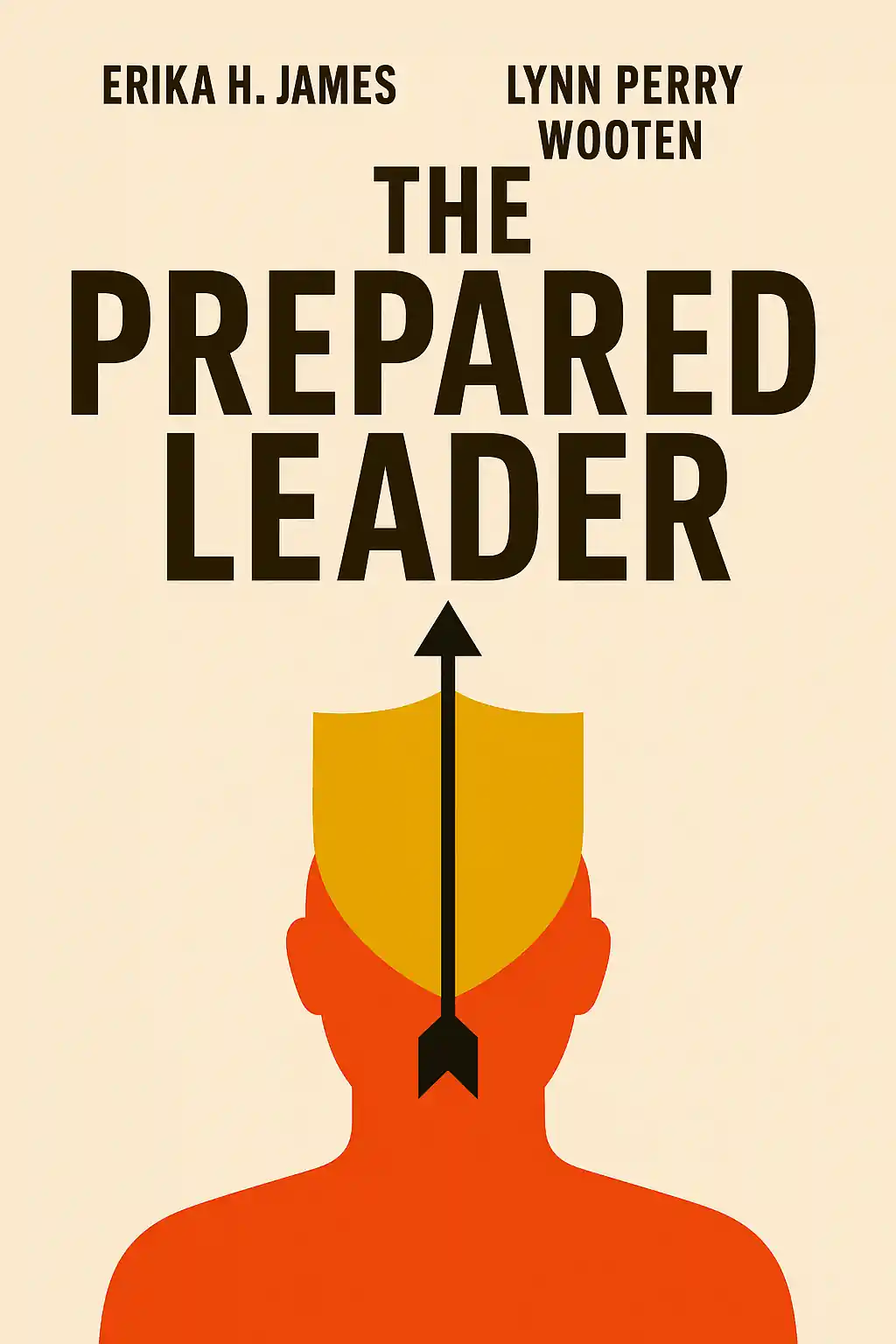
    Prepared Leader
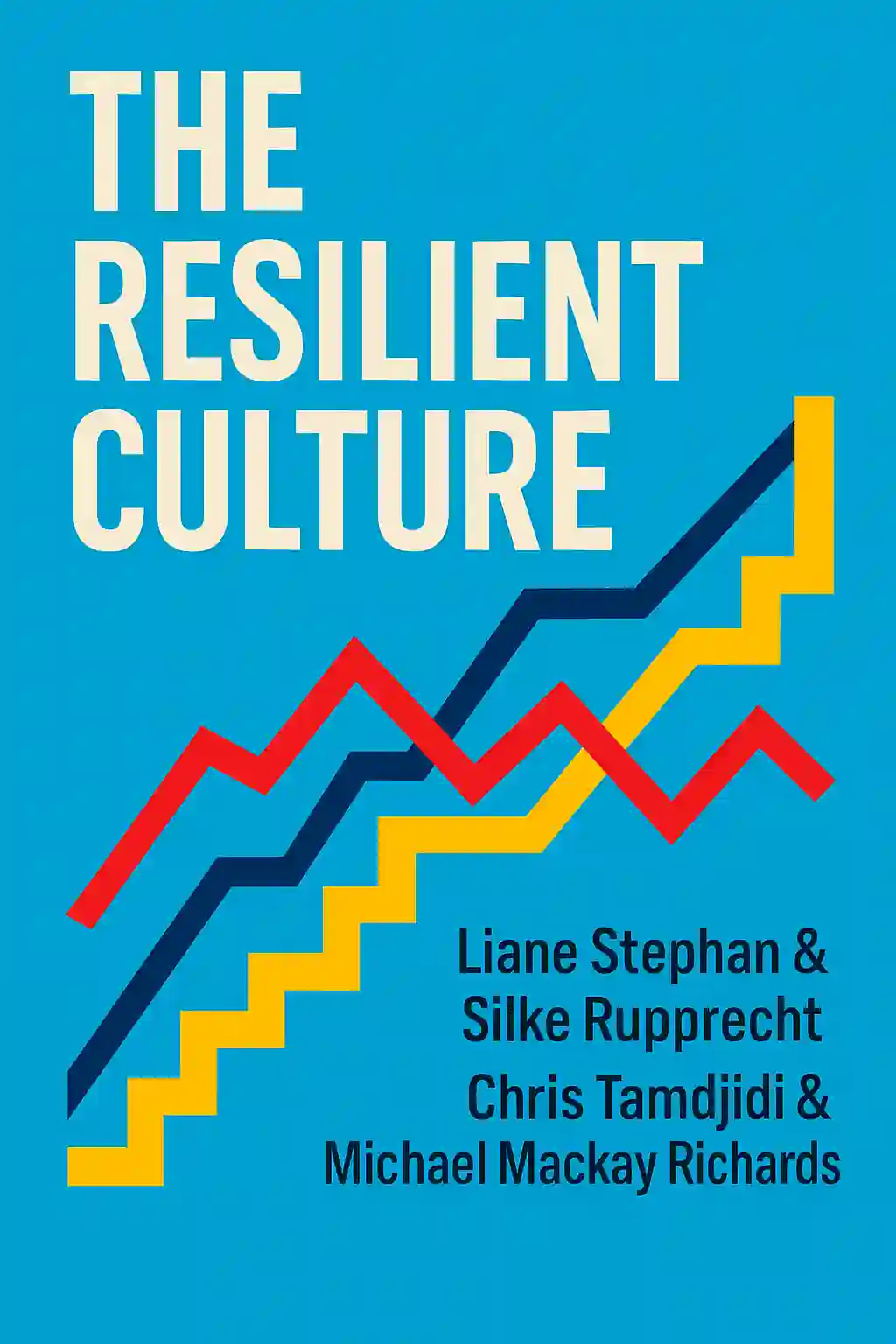
    Resilient Culture
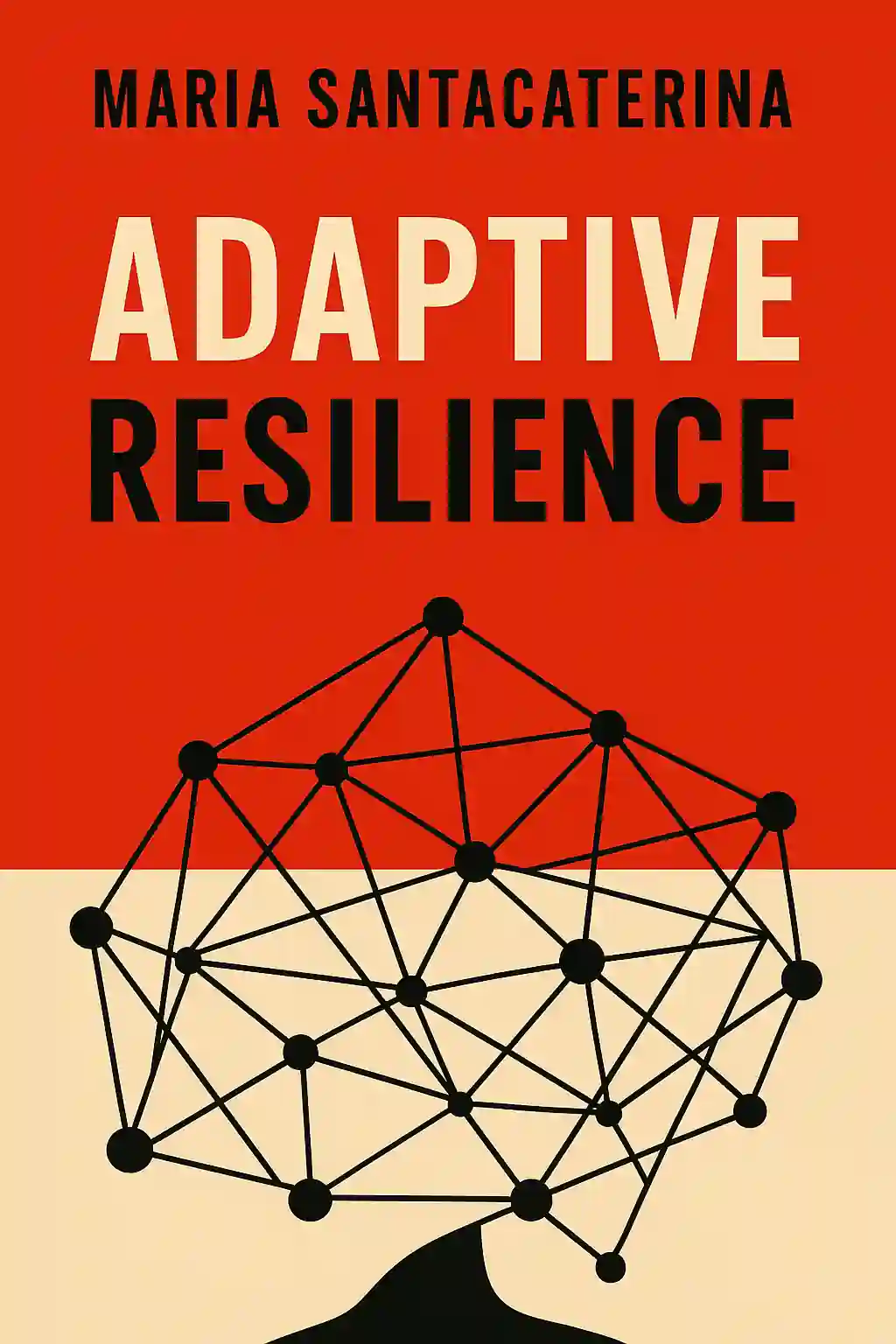
    Adaptive Resilience
    Obsessions of an extraordinary executive
    Leaders Eat Last

    よくある質問

    Modern leadership strategies focus on a blend of executive leadership skills and the ability to foster a positive organizational culture. This involves moving beyond traditional management to embrace transparency, adaptability, and strategic vision. By prioritizing leadership development, professionals can better navigate the complexities of today's business environment while ensuring their teams remain aligned with long-term organizational goals and values.

    Leadership development is essential for effective team building because it equips managers with the tools to inspire and motivate their staff. Through consistent management insights, leaders learn how to identify individual strengths and cultivate a collaborative environment. This focus on growth helps build trust within the team, leading to higher engagement levels and more cohesive units that are capable of achieving high-performance results.

    For those in executive leadership, organizational culture serves as the foundation for all business operations and employee retention. A strong culture, guided by clear leadership strategies, ensures that every team member understands the company's mission and feels valued. Leaders who actively manage and shape this culture can drive innovation and maintain a competitive edge by creating an environment where talent thrives and organizational objectives are met.

    コロンビア大学卒業生が開発 | サンフランシスコ発

    BeFreedは好奇心旺盛な仲間が集うグローバルコミュニティ

    4.7

    平均評価

    7,840件以上のアプリ評価

    BeFreedコミュニティ

    正直、まだアプリを使いこなせていませんが、この数日使っただけで本当に感動しました… BeFreed は、今まで使ったどの学習アプリともレベルが違います。夢中になれるうえに集中力も実際に上がるので、スマホをだらだら見てしまう人にぴったりです!

    @ladyInfinity

    ちょうど 23 日前に BeFreed を購入して、それから毎日欠かさず使っています。仕事の流れと学習習慣に完全に溶け込みました。

    @jayallen

    正直なところ、このアプリは期待をすべて超えてきました。どんなテーマでも音声を生成してもらえて、その結果には驚かされます。私の専門は心理療法で、多分野にまたがる領域ですが、それでも回答はとても正確です。

    @Raguipa

    何よりありがたいのは、スマホをだらだら見る時間が減ったことです。探す時間が減って、吸収する時間が増えました。オーディオブック、ポッドキャスト、学習プランの組み合わせが素晴らしいです。

    @colonyofcreatorsNGO

    私は 24 年間、PhotoReading 加速学習のインストラクターをしています… 本と読書と学びが私の専門ですが、BeFreed は情報を消化しやすい形で届ける革新的なアプローチを見事に実現しています。

    @BeFreed user

    ただの本の要約アプリではありません。「ファン」スタイルを使ってみたら、従来のやり方よりずっと良い要約で、アイデアもつかみやすいです。これだけでも十分元が取れます。

    @austinakon

    このアプリが大好きです。数日使っただけで、聞くのが止まらなくなりました。始め方として最高です。

    @jcrules328

    本当に気に入っています。約 1 か月試していますが、まさに掘り出し物だと感じます。BeFreed で自分だけのテーマを作れるのが便利で、声も素晴らしく、ナレーションの選択肢は無限です。

    @DanielCZ

    正直、まだアプリを使いこなせていませんが、この数日使っただけで本当に感動しました… BeFreed は、今まで使ったどの学習アプリともレベルが違います。夢中になれるうえに集中力も実際に上がるので、スマホをだらだら見てしまう人にぴったりです!

    @ladyInfinity

    ちょうど 23 日前に BeFreed を購入して、それから毎日欠かさず使っています。仕事の流れと学習習慣に完全に溶け込みました。

    @jayallen

    正直なところ、このアプリは期待をすべて超えてきました。どんなテーマでも音声を生成してもらえて、その結果には驚かされます。私の専門は心理療法で、多分野にまたがる領域ですが、それでも回答はとても正確です。

    @Raguipa

    何よりありがたいのは、スマホをだらだら見る時間が減ったことです。探す時間が減って、吸収する時間が増えました。オーディオブック、ポッドキャスト、学習プランの組み合わせが素晴らしいです。

    @colonyofcreatorsNGO

    私は 24 年間、PhotoReading 加速学習のインストラクターをしています… 本と読書と学びが私の専門ですが、BeFreed は情報を消化しやすい形で届ける革新的なアプローチを見事に実現しています。

    @BeFreed user

    ただの本の要約アプリではありません。「ファン」スタイルを使ってみたら、従来のやり方よりずっと良い要約で、アイデアもつかみやすいです。これだけでも十分元が取れます。

    @austinakon

    このアプリが大好きです。数日使っただけで、聞くのが止まらなくなりました。始め方として最高です。

    @jcrules328

    本当に気に入っています。約 1 か月試していますが、まさに掘り出し物だと感じます。BeFreed で自分だけのテーマを作れるのが便利で、声も素晴らしく、ナレーションの選択肢は無限です。

    @DanielCZ

    役立つ情報やアイデアを 8〜15 分のポッドキャスト風音声にぎゅっとまとめて聞けるのが最高です。ポッドキャストは余計な話が多くて苦手でしたが、これは無駄を全部そぎ落としてくれます。

    @BeFreed user

    博士課程の仕上げの段階で、なじみのない資料を大量に読む必要があります… BeFreed ならプロンプトを入力するだけで、アプリが資料を探して音声ポッドキャストを作ってくれます。BeFreed のほうが NotebookLM よりも流れがスムーズだと感じます。

    @Brad

    朝食を作りながら、散歩しながら、通勤しながら聞くものを YouTube でよく探していましたが、BeFreed は広告も余計な話もなしで、もっと的を絞った聞き方をさせてくれます!

    @BeFreed user

    このプラットフォームの一番の魅力は、その万能さです。扱えないテーマは文字どおりひとつもありません。何を投げても応えてくれます… 制限がまったくないのに約束をきちんと果たしてくれる学習ツールには、なかなか出会えません。

    @jayallen

    BeFreed は素晴らしいです。使いやすいデザインのおかげで、操作に迷う時間が減り、学ぶ時間が増えました。オーディオブック、ポッドキャスト、学習プランの組み合わせは天才的で、毎日の習慣がすっかり変わりました。

    @BeFreed user

    最初はイタリア語でポッドキャストを作る方法を理解するのに少し時間がかかりましたが、わかった瞬間、最高でした!どんなテーマでも説明してもらえて、しかもとても賢く、うまく話してくれます!

    @matteo77

    BeFreed は毎日使うオーディオブックアプリになりました… 一番気に入っているのは、自分のテキストを入れると、外出先でも聞ける音声にしてくれるところです。

    @kotanzu1

    役立つ情報やアイデアを 8〜15 分のポッドキャスト風音声にぎゅっとまとめて聞けるのが最高です。ポッドキャストは余計な話が多くて苦手でしたが、これは無駄を全部そぎ落としてくれます。

    @BeFreed user

    博士課程の仕上げの段階で、なじみのない資料を大量に読む必要があります… BeFreed ならプロンプトを入力するだけで、アプリが資料を探して音声ポッドキャストを作ってくれます。BeFreed のほうが NotebookLM よりも流れがスムーズだと感じます。

    @Brad

    朝食を作りながら、散歩しながら、通勤しながら聞くものを YouTube でよく探していましたが、BeFreed は広告も余計な話もなしで、もっと的を絞った聞き方をさせてくれます!

    @BeFreed user

    このプラットフォームの一番の魅力は、その万能さです。扱えないテーマは文字どおりひとつもありません。何を投げても応えてくれます… 制限がまったくないのに約束をきちんと果たしてくれる学習ツールには、なかなか出会えません。

    @jayallen

    BeFreed は素晴らしいです。使いやすいデザインのおかげで、操作に迷う時間が減り、学ぶ時間が増えました。オーディオブック、ポッドキャスト、学習プランの組み合わせは天才的で、毎日の習慣がすっかり変わりました。

    @BeFreed user

    最初はイタリア語でポッドキャストを作る方法を理解するのに少し時間がかかりましたが、わかった瞬間、最高でした!どんなテーマでも説明してもらえて、しかもとても賢く、うまく話してくれます!

    @matteo77

    BeFreed は毎日使うオーディオブックアプリになりました… 一番気に入っているのは、自分のテキストを入れると、外出先でも聞ける音声にしてくれるところです。

    @kotanzu1

    BeFreedがウェブ上でどのように話題になっているかをもっと見る
    129.7K19.5K
    55.2K19.2K
    154.2K10827355
    48.1K2.5K
    81.2K6.6K
    82.3K1.8K
    今すぐ学習の旅を始めよう
    BeFreedアプリ
    BeFreed

    なんでも、あなた向けに学ぶ

    DiscordLinkedIn
    注目の書籍要約
    Crucial ConversationsThe Perfect MarriageInto the WildNever Split the DifferenceAttachedGood to GreatSay Nothing
    人気のカテゴリ
    Self HelpCommunication SkillRelationshipMindfulnessPhilosophyInspirationProductivity
    著名人の読書リスト
    Elon MuskCharlie KirkBill GatesSteve JobsAndrew HubermanJoe RoganJordan Peterson
    受賞作品コレクション
    Pulitzer PrizeNational Book AwardGoodreads Choice AwardsNobel Prize in LiteratureNew York TimesCaldecott MedalNebula Award
    注目のトピック
    ManagementAmerican HistoryWarTradingStoicismAnxietySex
    年別ベストブック
    2025 Best Non Fiction Books2024 Best Non Fiction Books2023 Best Non Fiction Books
    注目の著者
    Chimamanda Ngozi AdichieGeorge OrwellO. J. SimpsonBarbara O'NeillWinston ChurchillCharlie Kirk
    BeFreed vs 他のアプリ
    BeFreed vs. Other Book Summary AppsBeFreed vs. ElevenReaderBeFreed vs. ReadwiseBeFreed vs. Anki
    学習ツール
    Knowledge VisualizerAI Podcast Generator
    情報
    会社概要arrow
    料金arrow
    よくある質問arrow
    ブログarrow
    採用情報arrow
    パートナーシップarrow
    アンバサダープログラムarrow
    ディレクトリarrow
    BeFreed
    Try now
    © 2026 BeFreed
    利用規約プライバシーポリシー
    BeFreed

    なんでも、あなた向けに学ぶ

    DiscordLinkedIn
    注目の書籍要約
    Crucial ConversationsThe Perfect MarriageInto the WildNever Split the DifferenceAttachedGood to GreatSay Nothing
    人気のカテゴリ
    Self HelpCommunication SkillRelationshipMindfulnessPhilosophyInspirationProductivity
    著名人の読書リスト
    Elon MuskCharlie KirkBill GatesSteve JobsAndrew HubermanJoe RoganJordan Peterson
    受賞作品コレクション
    Pulitzer PrizeNational Book AwardGoodreads Choice AwardsNobel Prize in LiteratureNew York TimesCaldecott MedalNebula Award
    注目のトピック
    ManagementAmerican HistoryWarTradingStoicismAnxietySex
    年別ベストブック
    2025 Best Non Fiction Books2024 Best Non Fiction Books2023 Best Non Fiction Books
    学習ツール
    Knowledge VisualizerAI Podcast Generator
    注目の著者
    Chimamanda Ngozi AdichieGeorge OrwellO. J. SimpsonBarbara O'NeillWinston ChurchillCharlie Kirk
    BeFreed vs 他のアプリ
    BeFreed vs. Other Book Summary AppsBeFreed vs. ElevenReaderBeFreed vs. ReadwiseBeFreed vs. Anki
    情報
    会社概要arrow
    料金arrow
    よくある質問arrow
    ブログarrow
    採用情報arrow
    パートナーシップarrow
    アンバサダープログラムarrow
    ディレクトリarrow
    BeFreed
    Try now
    © 2026 BeFreed
    利用規約プライバシーポリシー

    関連コンテンツ

    Lead Without the Title: IC Leadership Mastery の書籍表紙
    Individual Contributors Can be Leaders Too [2025] - AsanaLeadership In An Individual Contributor Role - Den Delimarsky11 Ways to Demonstrate Your Leadership Skills at Work | Indeed.comsource 4
    6 sources
    Lead Without the Title: IC Leadership Mastery
    Discover how to demonstrate powerful leadership skills as an individual contributor through influence, value creation, and strategic thinking-no formal authority required.
    11 min
    Leadership: Born or Built? の書籍表紙
    [85c94be0-f60e-4b85-8238-5ca1548041da:c0000] Can Leadership Be Learned or Are You Born With It? | Psychology Today p1-1
    1 source
    Leadership: Born or Built?
    Transitioning from top performer to manager is a jarring shift. Learn why leadership is a craft you can master through self-reflection and training.
    701 min
    Modern Leadership: From Execution to Influence の書籍表紙
    Leader LabPrimal Leadership10 Must-Have Traits for Leaders for Staying Relevant in the Business World of 202614 Essential Leadership Skills Every Leader Needs In 2026
    6 sources
    Modern Leadership: From Execution to Influence
    Struggling to move from doing the work to leading the team? Learn how to build trust and master the shift from peer to leader in an adaptive market.
    29 min
    How to lead without the title の書籍表紙
    How to Lead When You're Not in ChargeThe 360 Degree LeaderHow To Lead Without A Title (5 Ways To Get Started)How to Lead Effectively When You Lack Authority
    7 sources
    How to lead without the title
    Stuck waiting for a promotion to take charge? Learn how to build influence and lead through connection before you ever get the official authority.
    1104 min
    The Manager’s Playbook: From Accidental Boss to Strategic Leader の書籍表紙
    The 4 Stages of Psychological SafetyLeaders Eat LastThe Fearless OrganizationThe Energy of Belonging
    25 sources
    The Manager’s Playbook: From Accidental Boss to Strategic Leader
    Learn how to bridge the leadership gap and boost team engagement with a practical framework for building trust, psychological safety, and lasting influence.
    30 min
    10 Strategies to Lead Better and Boost Engagement の書籍表紙
    Scaling PeopleWinning WellThe Way of the ShepherdElevate Your Team
    24 sources
    10 Strategies to Lead Better and Boost Engagement
    Managers drive 70% of team engagement, yet many feel they're just treading water. Learn how to shift from a busy boss to an effective coach.
    32 min
    Leadership Communication Mastery の書籍表紙
    Leadership Is LanguageCommunicate with MasteryMastering Communication at WorkSpeak Like a CEO
    19 sources
    Leadership Communication Mastery
    Discover how to bridge the 30% gap between leader intent and employee perception through authentic communication skills that build trust, enhance clarity, and drive organizational success.
    15 min
    The 21 Irrefutable Laws of Leadership の書籍表紙
    [the-21-irrefutable-laws-of-leadership-by-john-c-maxwell:c0000] The 21 Irrefutable Laws of Leadership p1-1[the-21-irrefutable-laws-of-leadership-by-john-c-maxwell:c0001] The 21 Irrefutable Laws of Leadership p1-1[the-21-irrefutable-laws-of-leadership-by-john-c-maxwell:c0002] The 21 Irrefutable Laws of Leadership p1-1[the-21-irrefutable-laws-of-leadership-by-john-c-maxwell:c0003] The 21 Irrefutable Laws of Leadership p1-1
    16 sources
    The 21 Irrefutable Laws of Leadership
    A title doesn't make a leader—influence does. Learn how to move beyond the position myth to build trust and lead people who actually want to follow.
    1230 min

    Recommended Learning Plans

    Lead Without Being a Bottleneck
    学習プラン

    Lead Without Being a Bottleneck

    Many leaders struggle to scale because they remain the central point of failure for every decision. This plan is designed for managers and executives who need to transition from hands-on control to strategic empowerment. It provides the tools to build a self-sufficient team that delivers results without constant supervision.

    1 h 36 m•4 セクション
    Lead Better: Manager Skills
    学習プラン

    Lead Better: Manager Skills

    This learning plan provides a complete leadership development journey for managers at all levels, from those making their first transition into management to executives scaling organizations. It addresses the most critical leadership challenges—building credibility, developing people, driving change, and multiplying impact—with practical frameworks that deliver immediate results while building long-term strategic capabilities.

    4 h 23 m•4 セクション
    Leadership
    学習プラン

    Leadership

    This comprehensive learning plan is designed for aspiring and established leaders who want to bridge the gap between management and visionary leadership. It provides a structured path from mastering core foundations to achieving executive-level mastery and organizational transformation.

    4 h 59 m•5 セクション
    Lead from the Front
    学習プラン

    Lead from the Front

    This plan is essential for coaches and team captains struggling with inconsistent execution or leadership fatigue. It provides a blueprint for transforming individual accountability into a scalable, peer-led culture that sustains high performance.

    1 h 30 m•3 セクション
    Earn Authority Through Goal Alignment
    学習プラン

    Earn Authority Through Goal Alignment

    This plan is essential for new and aspiring managers struggling to transition from doing the work to leading the work. It provides a practical framework for anyone looking to build authority by aligning team efforts with clear, actionable goals.

    2 h•4 セクション
    Leadership strategy workshop
    学習プラン

    Leadership strategy workshop

    This comprehensive leadership development program is designed for emerging and established leaders who want to transform from tactical managers into strategic leaders who drive organizational change. It's ideal for professionals transitioning into senior leadership roles, executives leading transformation initiatives, or anyone seeking to expand their leadership impact beyond day-to-day operations to shape culture and long-term organizational success.

    4 h 29 m•4 セクション
    Lead to Inspire and Turnaround
    学習プラン

    Lead to Inspire and Turnaround

    This learning plan is essential for leaders tasked with revitalizing underperforming teams or navigating complex corporate structures where authority is fluid. It is designed for emerging managers and seasoned executives who need to drive organizational change and master the nuances of high-level influence.

    1 h 30 m•3 セクション
    Team management
    学習プラン

    Team management

    Effective team management is the cornerstone of organizational success, directly impacting productivity, innovation, and employee satisfaction. This learning plan provides essential frameworks for both new managers looking to build strong foundations and experienced leaders seeking to scale their impact across larger teams or organizations.

    4 h 50 m•4 セクション