Lena: It’s interesting, Jackson, because as we move toward this data-driven model, the actual "style" of leadership that works is shifting too. I was reading a piece from Deloitte about how the most effective leaders in 2026 are moving away from that "command and control" hierarchy.
Jackson: Right, the "hero leader" who has all the answers is a dying breed. It just doesn't scale in a complex, fast-moving world. McKinsey describes this as a shift from being a "Director" or a "Controller" to being a "Catalyst" or a "Coach."
Lena: A Catalyst. I like that. It implies that your job isn't to do the work, but to spark the reaction in others.
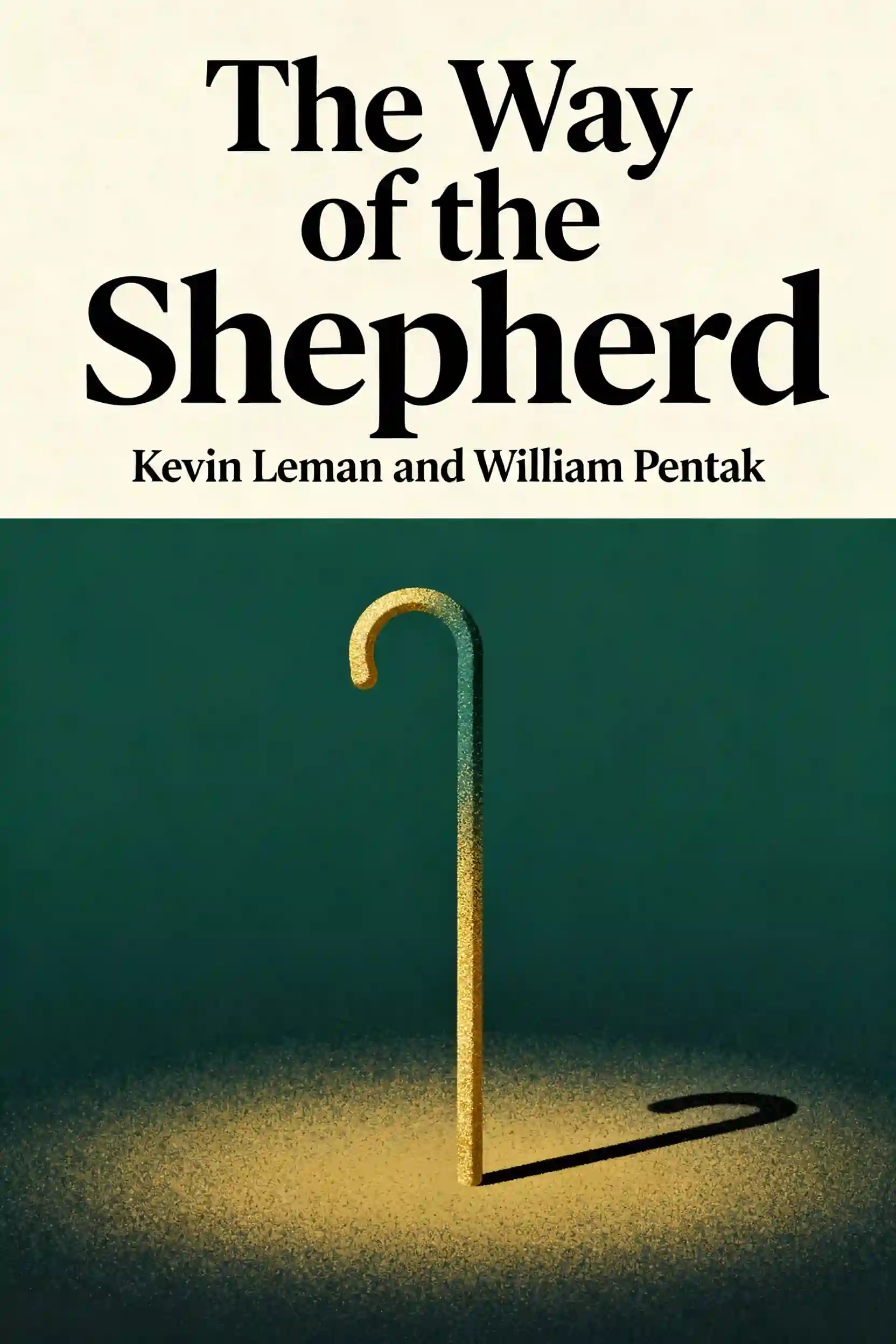
Jackson: Exactly. A Catalyst leader focuses on co-creating solutions with their team rather than just handing down instructions. They view leadership as an act of enabling others. This ties directly into the concept of "Servant Leadership," which is seeing a huge resurgence in 2026, especially in high-stress fields like healthcare.
Lena: I’ve heard about Servant Leadership, but sometimes it sounds a bit... I don't know, "soft"? Like, are you still actually leading if you’re "serving"?
Jackson: That’s a common misconception, but the research—like the recent study in the Republic of Serbia involving healthcare professionals—shows the opposite. Servant leadership isn't about being a doormat; it’s about prioritizing the needs of your team so they can perform at their highest level. It’s built on things like empowerment, accountability, and stewardship.
Lena: So, you’re still holding people accountable, but the foundation is trust and support?
Jackson: Precisely. And the results are measurable. That Serbian study found that servant leadership has a statistically significant positive impact on all dimensions of work engagement—vigor, dedication, and absorption. When a leader acts as a servant, the team feels more mental resilience, more enthusiasm, and they get "lost" in their work because they feel psychologically safe.
Lena: That makes sense. If I know my boss has my back and is genuinely invested in my growth, I’m going to be way more likely to give that "discretionary effort."
Jackson: And that’s the antidote to "Quiet Quitting," which is a major challenge right now. People aren't necessarily leaving their jobs—they’re just doing the absolute bare minimum because they feel disconnected or undervalued. A servant leader mitigates that by fostering a culture where knowledge sharing is the norm and people feel their work has a higher purpose.
Lena: It’s like the difference between a boss who says "Go do this" and a leader who says "How can I help you succeed at this?"
Jackson: Exactly. And it requires a high degree of Emotional Intelligence, or EQ. You have to be self-aware enough to recognize your own stress triggers and how they impact the team. You have to be empathetic enough to read the room during a difficult hybrid meeting where half the people are on screens and the other half are in the office.
Lena: That hybrid element is so tricky. How do you lead "invisibly" like that?
Jackson: It requires being very intentional about connection. Top supervisors in 2026 are using "micro-rituals"—short, daily huddles, sharing personal updates over communication platforms, enforcing "camera-on" policies for video chats to maintain that human touch. They prioritize the "what" and "how" of work over the "where" and "now."
Lena: It’s a move toward "Human-Centered Leadership." It’s about recognizing that people aren't just "resources"—they’re humans with complex lives, and in 2026, after everything we’ve been through, they’re looking for stability, trust, and compassion from their leaders.
Jackson: That’s exactly what Gallup’s research found. The four things followers need most from their leaders are trust, compassion, stability, and hope. If you can provide those while still driving for business results, you’re not just a manager—you’re a leader people will follow anywhere.
Lena: And that applies to everyone, right? Not just the C-suite?
Jackson: Absolutely. In fact, first-level supervisors often have the biggest impact because they’re the ones interacting with the frontline employees every single day. They are the ones who translate the "high-level vision" into "Monday morning action." If they aren't equipped with these skills, the whole organizational strategy can fall apart at the execution level.














![10 Essential Skills for Managers | ☑️ [2026 Update]](/_next/image?url=https%3A%2F%2Fd1y2du6z1jfm9e.cloudfront.net%2Fassets%2Fpodcast%2Fblue.png&w=1024&q=50)